Mi Sueño
On a quiet stretch of Maasstraat in Amsterdam's Rivierenbuurt, Mi Sueño operates at a remove from the city's more trafficked dining corridors. The address places it in a residential quarter where neighbourhood regulars and destination diners occupy the same room, and where the food, rather than the setting, does the positioning work.
Pearl is the En Primeur Club membership app — saves, bookings, and concierge access live there. Same editors, same standards.
- Address
- Maasstraat 40, 1078 HK Amsterdam, Netherlands
- Phone
- +31204711103
- Website
- mi-sueno.nl
- Directions
- Get directions
 Saves & bookings on Pearl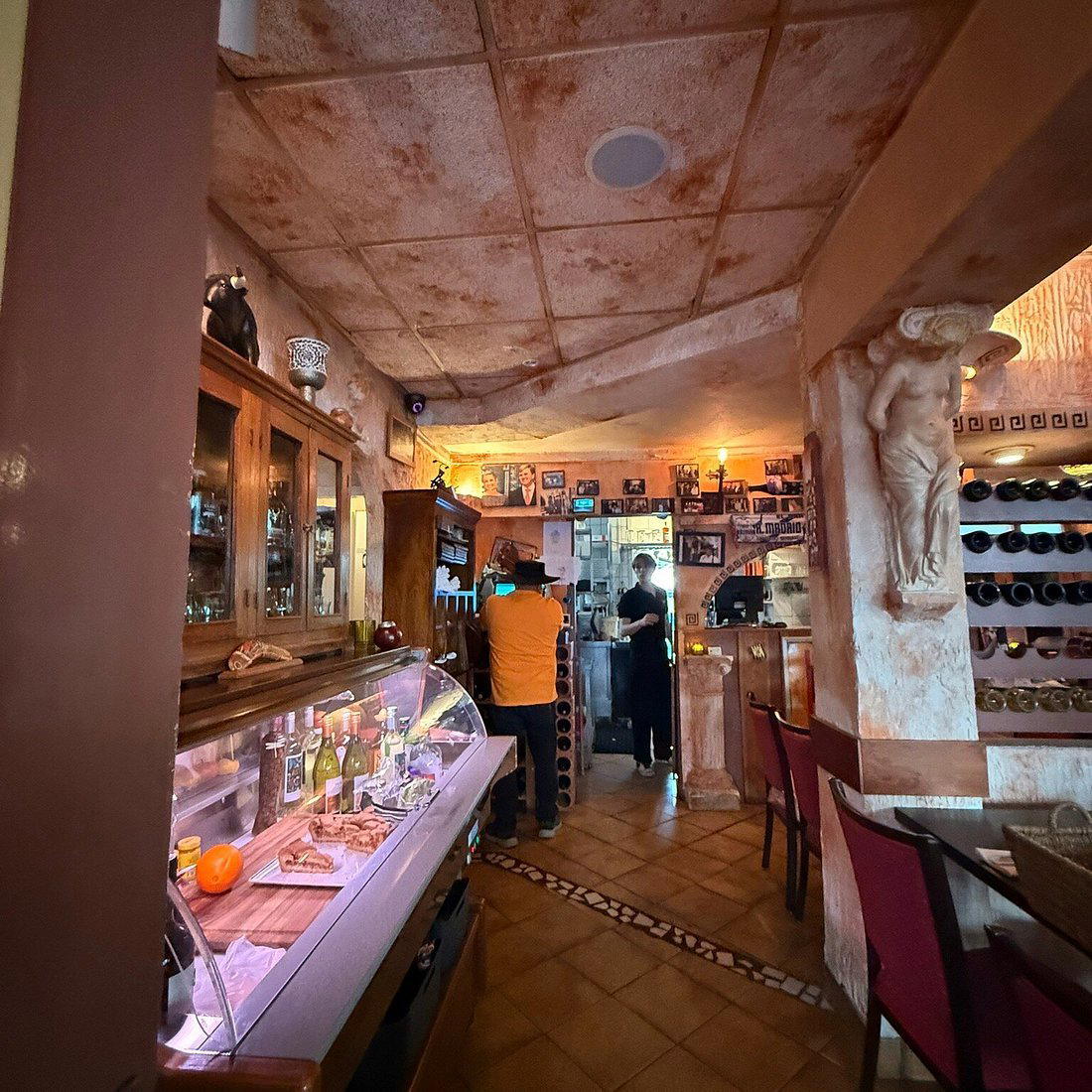
Mi Sueño is an Argentinian steakhouse on Maasstraat in Amsterdam's Rivierenbuurt, at Maasstraat 40, 1078 HK. The street is residential in character: broad, tree-lined, and composed of early-twentieth-century apartment blocks whose ground-floor commercial units tend toward the local and functional. Mi Sueño occupies number 40, and the approach tells you something about how the city's more considered restaurants have come to position themselves. There is no marquee signage, no theatre of arrival.
Amsterdam's Sourcing Turn and Where Mi Sueño Sits
Where the conversation once centred on technique, it now increasingly starts with geography: which farms, which waters, which growers. This is visible at opposite ends of the market. At the high end, places such as Ciel Bleu and Flore frame their menus through the lens of premium, carefully attributed sourcing. Closer to the middle tier, venues like De Kas built their entire concept around growing ingredients on site. The restaurant sits on Maasstraat as part of this broader movement: a neighbourhood restaurant in a city that now treats proximity of supply as a meaningful editorial statement, not merely a marketing footnote.
The Netherlands has structural advantages here that other European countries lack. Its agricultural infrastructure, the same network of greenhouse growers, specialist producers, and short-haul distributors that supplies the country's hospitality industry broadly, means that a restaurant operating outside the immediate city centre still has access to supply chains that would be the envy of a London or Paris neighbourhood address. That logistical reality underpins what restaurants like Mi Sueño can put on the plate: produce that hasn't been in transit for three days, proteins from sources close enough to trace.
The Rivierenbuurt Context
Oud-Zuid's Rivierenbuurt is not the neighbourhood most visitors encounter on their first trip to Amsterdam. The Jordaan and the canal belt dominate the mental map, and the De Pijp quarter gets most of the food-media attention. Rivierenbuurt's restaurant scene is correspondingly less documented, which means it functions at a different register: fewer tourists per table, longer relationships between kitchen and regular, and a pricing logic that answers to the neighbourhood rather than to the expectations of international visitors. This dynamic is worth understanding before booking, because it shapes the atmosphere in a way that feels distinct from what you find in more prominent Amsterdam dining corridors. The room reads like a restaurant that knows its audience and has chosen depth of repeat custom over breadth of first-time visitors.
For those travelling from the city's centre, Maasstraat is reachable by tram or metro.
In the Company of the Dutch Fine Dining Tier
Amsterdam's highest-recognition restaurants cluster around a relatively small number of formats: creative tasting menus with seasonal architecture, classically anchored French technique applied to Dutch produce, and the newer wave of world-cuisine influenced cooking that venues like Spectrum and Vinkeles represent. Beyond the city, the Netherlands has a genuinely distributed fine dining geography: De Librije in Zwolle, 't Nonnetje in Harderwijk, and Aan de Poel in Amstelveen demonstrate that the country's serious cooking is not concentrated in its capital. Further afield, Brut172 in Reijmerstok, De Bokkedoorns in Overveen, De Groene Lantaarn in Staphorst, De Lindehof in Nuenen, De Lindenhof in Giethoorn, De Nieuwe Winkel in Nijmegen, and De Treeswijkhoeve in Waalre fill out a national picture in which regional cooking carries real ambition.
Within Amsterdam itself, the gap between the Michelin-decorated tier and solid neighbourhood restaurants has historically been wide. What the past several years have produced is a thickening of the middle layer: restaurants that apply the discipline of the top tier without the price architecture or the formality, and that draw on the same national sourcing networks. Bistro de la Mer represents one version of that middle register, anchored in classic seafood. The restaurant on Maasstraat occupies that broader neighbourhood tier where cooking quality has caught up with the city's more visible addresses.
For comparative reference beyond Dutch borders, the sourcing-as-identity approach the restaurant represents has parallels at the international level. Le Bernardin in New York City built its reputation on ingredient fidelity to a degree that made technique subordinate to product; Atomix in New York City draws on a different tradition but shares the instinct to treat provenance as a first principle rather than an afterthought. The Amsterdam context is smaller in scale and more modest in international profile, but the underlying logic is consistent.
Planning Your Visit
Maasstraat 40 is in Amsterdam's 1078 HK postal zone. The Rivierenbuurt is well served by public transport from the city centre, and the address is reachable on foot from the RAI tram and metro interchange. Current hours are Monday to Sunday, 5 to 10 PM; reservations are recommended; pricing is around $35 per person. For those building an Amsterdam itinerary across multiple meals, pairing a visit to the restaurant with one of the area's more prominent addresses gives a useful cross-section of how the city's different dining registers operate.
A Credentials Check
Comparable venues nearby, for context on price, style, and recognition.
| Venue | Cuisine | Price | Notes |
|---|---|---|---|
| Mi SueñoThis venue — the venue you are viewing | Argentinian Steakhouse | $$ | Not listed |
| Maya's Steakhouse | Argentinian Steakhouse & Grill | $$ | Leidsebuurt Noordoost |
| Café Pigalle | French-Mediterranean Brasserie | $$ | Amsterdam Zuidoost |
| Tokyo Ramen Takeichi | Authentic Japanese Ramen | $$ | Van Loonbuurt |
| Café Brakke | Dutch Brown Café | $$ | Bloemgrachtbuurt |
| Bleu | French Bistro | $$ | Langestraat e.o. |
Continue exploring
More in Amsterdam
Restaurants in Amsterdam
Browse all →
Bars in Amsterdam
Browse all →
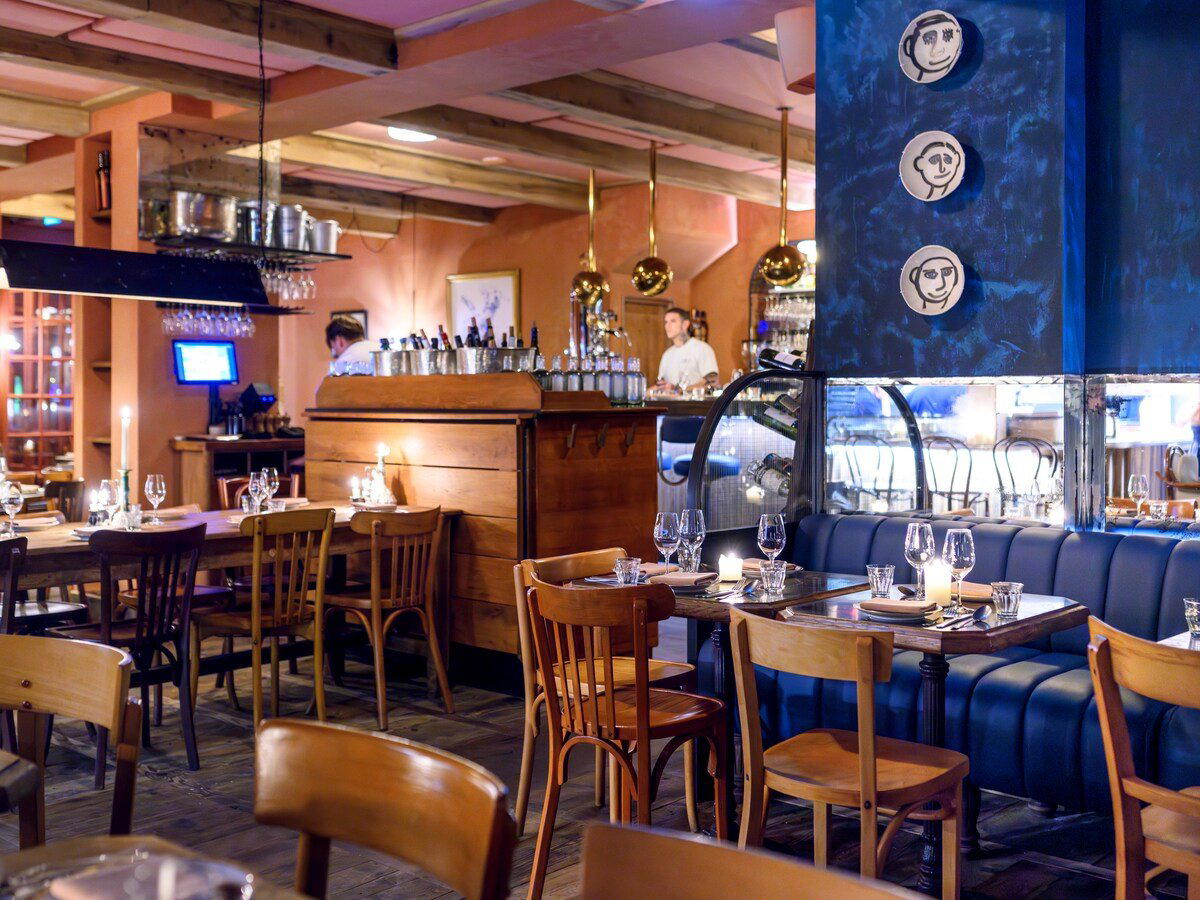
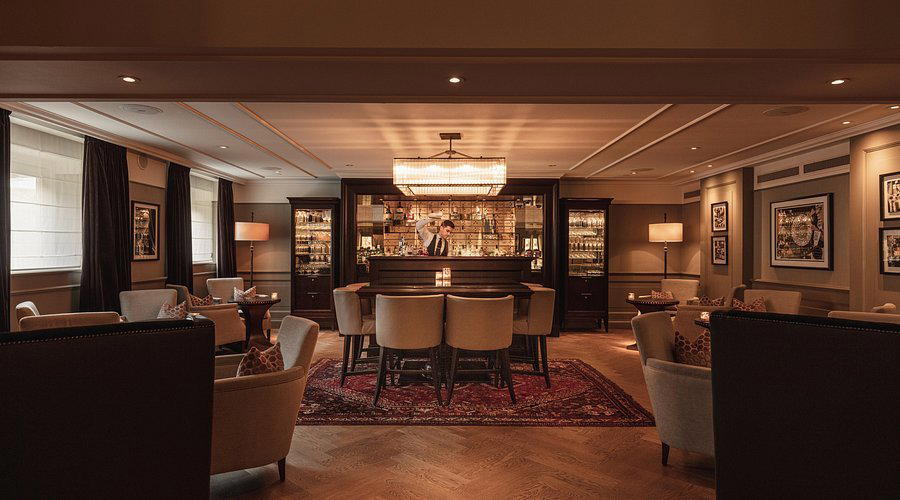
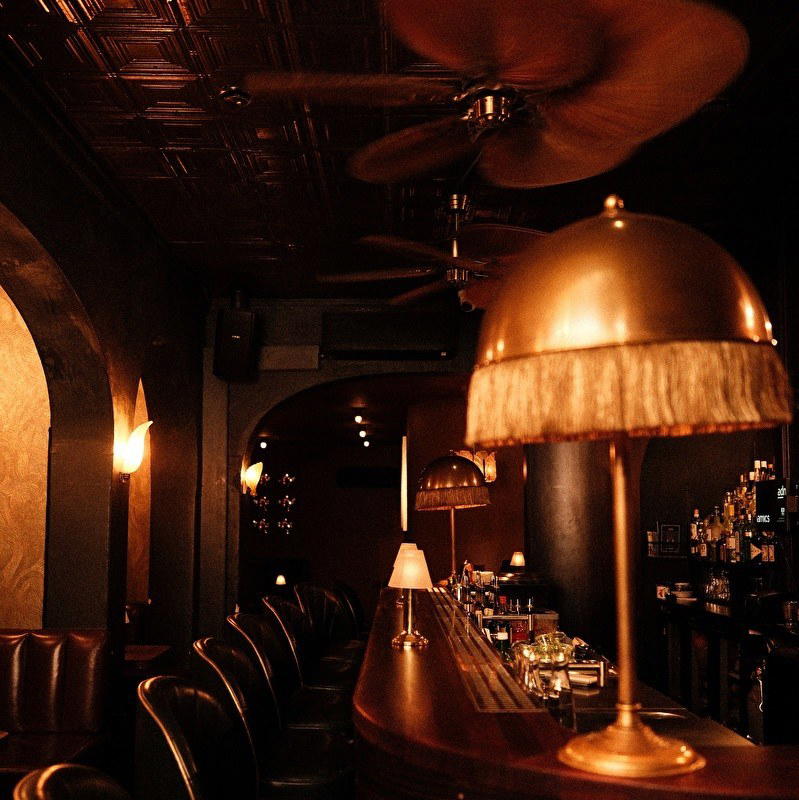
Hotels in Amsterdam
Browse all →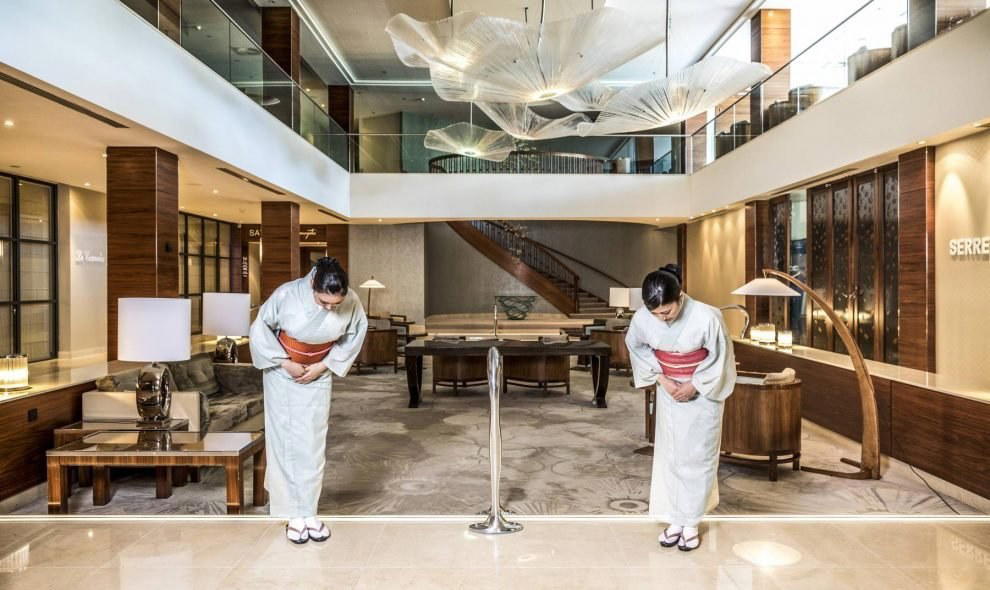
Wineries in Amsterdam
Browse all →
At a Glance
- Classic
- Rustic
- Cozy
- Group Dining
- Casual Hangout
- Family
- Celebration
- Standalone
Current opening hours
- Monday
- 5–10 PM
- Tuesday
- 5–10 PM
- Wednesday
- 5–10 PM
- Thursday
- 5–10 PM
- Friday
- 5–10 PM
- Saturday
- 5–10 PM
- Sunday
- 5–10 PM
Hours can change for holidays and private events. Last verified .
Warm and welcoming atmosphere with a focus on honest, unpretentious dining; casual neighborhood steakhouse vibe.