Akitsu
Our verdict
On Rozengracht in Amsterdam's Jordaan, Akitsu occupies a quietly confident position in the city's dining scene. The address places it among a neighbourhood that rewards those who look beyond the canal-side tourist circuit, and the restaurant's approach reflects a considered menu architecture that repays attention. For those tracking Amsterdam's more focused dining options, Akitsu merits a close look.

Pearl is the En Primeur Club membership app, where members save venues, book tables and use the concierge.
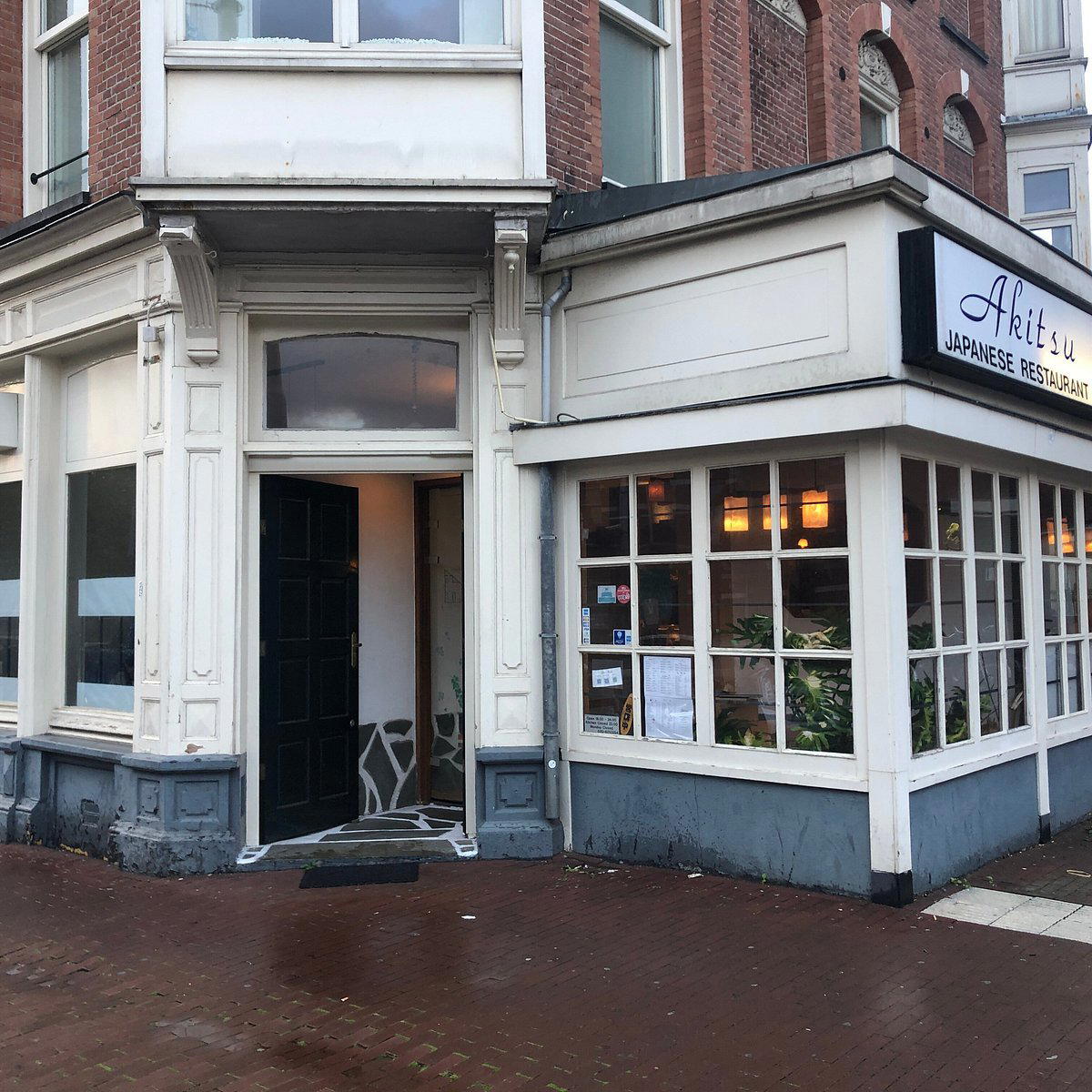
Rozengracht and the Jordaan's Quieter Dining Register
Amsterdam's Jordaan district has spent the last decade sorting itself into two distinct layers. The canal-facing stretch draws the expected foot traffic, while the longer residential corridors, Rozengracht chief among them, hold the restaurants that rely on reputation rather than passing trade. Akitsu sits at numbers 228-230 on that artery, in a position that tells you something before you've read a menu: this is a place built for diners who arrive with intention, not ones who wander in from a boat tour.
The Rozengracht address is not a quiet backwater. It is a wide, tram-threaded street that connects the Jordaan to the Grachtengordel, busy with locals rather than tourists. Restaurants that hold ground here compete on the strength of their food, not the romance of a canalside view. That commercial reality sharpens kitchens. Amsterdam's more focused dining addresses, as opposed to its high-design destination restaurants, tend to cluster on exactly these kinds of workaday streets, and Akitsu's presence on Rozengracht places it inside that pattern.
How the Menu Reads: Architecture Over Spectacle
The editorial angle that matters most with a restaurant like Akitsu is not any single dish but the logic of how a menu is assembled. Amsterdam's serious mid-tier has shifted steadily toward tighter, more deliberate menus over the past several years. The sprawling à la carte format, common in the city's older bistro stock, has given ground to shorter formats where the kitchen's point of view is legible from the first course. That shift mirrors what is happening across Northern European dining more broadly, where menus are increasingly read as arguments rather than catalogues.
Without access to Akitsu's current menu specifics, what the Rozengracht address and the restaurant's positioning suggest is a kitchen operating in that more focused register: a place where the structure of the meal does editorial work, where the number of options on a page is itself a statement about confidence. That compression of choice is, in the current Amsterdam context, a meaningful signal. It places a restaurant closer to the deliberate end of the spectrum, away from the generalist brasserie model that still dominates much of the city's mid-market.
For comparison, the city's highest-profile creative tables, Ciel Bleu, Flore, Spectrum, and Vinkeles, operate at the €€€€ tier with tasting-menu formats that carry Michelin recognition and substantial advance booking requirements. Bistro de la Mer occupies the classic end of Amsterdam's mid-range. Akitsu's Jordaan positioning places it in a different competitive pocket: the neighbourhood-serious restaurant that doesn't need a hotel address or a Michelin plaque to fill its room.
Amsterdam's Dining Scene in Context
The Netherlands punches above its weight in fine dining relative to its population. Multi-starred addresses such as De Librije in Zwolle, Inter Scaldes in Kruiningen, and De Nieuwe Winkel in Nijmegen draw diners willing to travel across the country. Within Amsterdam itself, the serious dining options are more concentrated than the city's size might suggest, with a meaningful cluster of focused kitchens in the canal belt and Jordaan rather than spread across the broader metropolitan area.
Regional destinations like De Lindenhof in Giethoorn, Tribeca in Heeze, De Groene Lantaarn in Staphorst, Brut172 in Reijmerstok, De Lindehof in Nuenen, De Bokkedoorns in Overveen, and De Treeswijkhoeve in Waalre demonstrate how deeply the Netherlands has invested in destination-worthy kitchens outside the capital. That context matters for understanding Amsterdam restaurants: a city address here does not automatically confer prestige, because the regional competition is genuine. A Jordaan restaurant that holds its own does so against a national field that takes food seriously.
Internationally, the menu architecture Akitsu appears to inhabit has parallels in how focused American restaurants have moved. Le Bernardin in New York City and Lazy Bear in San Francisco both demonstrate, at very different price points, how a legible menu philosophy communicates authority before the first dish arrives. The principle scales: even at the neighbourhood level, a kitchen that has decided what it is doing, and communicates that through format, reads more confidently than one that hedges across multiple styles.
Planning a Visit to Akitsu
Akitsu is located at Rozengracht 228-230, 1016 SZ Amsterdam, in the western Jordaan. Tram lines running along Rozengracht make the address accessible from the centre of the city without a taxi. The Jordaan's residential character means evening parking is limited, which most locals take as a given and plan around. For current hours, booking availability, and menu details, direct contact with the restaurant or a check of their current booking channel is the practical route, as these specifics are subject to change. As with most serious Jordaan restaurants, advance booking on weekends is advisable, and the restaurant's relatively contained address format suggests that walk-in availability will be limited on busier evenings. For a broader view of where Akitsu sits among Amsterdam's dining options, the full Amsterdam restaurants guide maps the city's key tables across categories and price points.
Frequently asked questions
What do people recommend at Akitsu?
Is Akitsu reservation-only?
How does Akitsu fit into Amsterdam's Japanese dining scene?
Cuisine and Awards Snapshot
Comparable venues nearby, for context on price, style, and recognition.
| Venue | Cuisine | Price | Notes |
|---|---|---|---|
| AkitsuThis venue (the venue you are viewing) | Authentic Japanese Sushi & Ramen | $50–100 | Not listed |
| Tokyo Ramen Takeichi | Authentic Japanese Ramen | $20–30 | Van Loonbuurt |
| Restaurant Zest | Craft Beer & Grill with Balkan Influences | $20–30 | Da Costabuurt Noord |
| Singel 101 | Contemporary French-European Fine Dining | $30–50 | Langestraat e.o. |
| Little Collins De Pijp | Australisch geïnspireerde brunch en gedeeld dineren | $20–30 | Sarphatiparkbuurt |
| Hearth | Plant-Based Fusion with Global Influences | $30–50 | Oosterparkbuurt Noordwest |
Continue exploring
More in Amsterdam
Restaurants in Amsterdam
All restaurants in Amsterdam →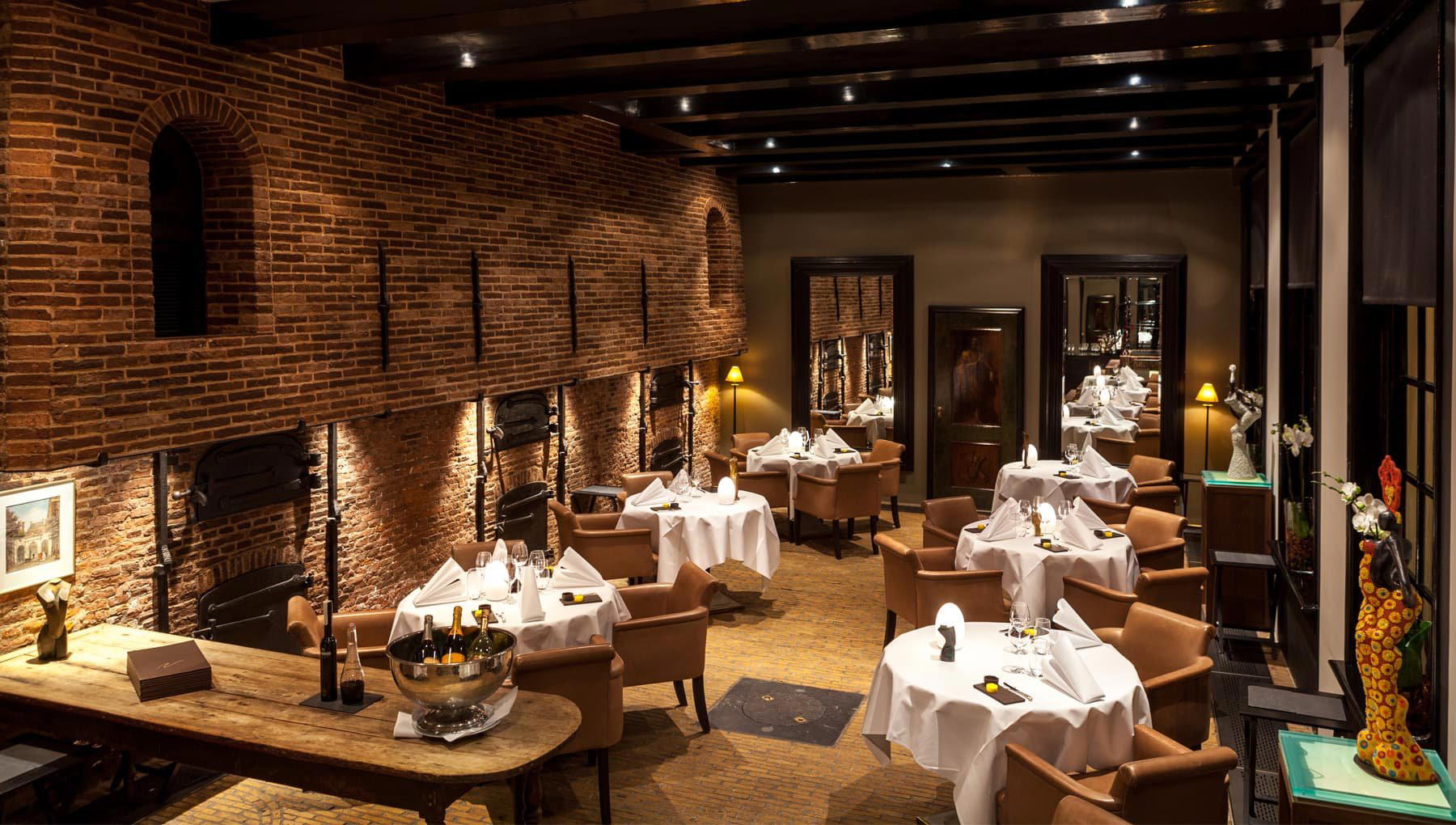
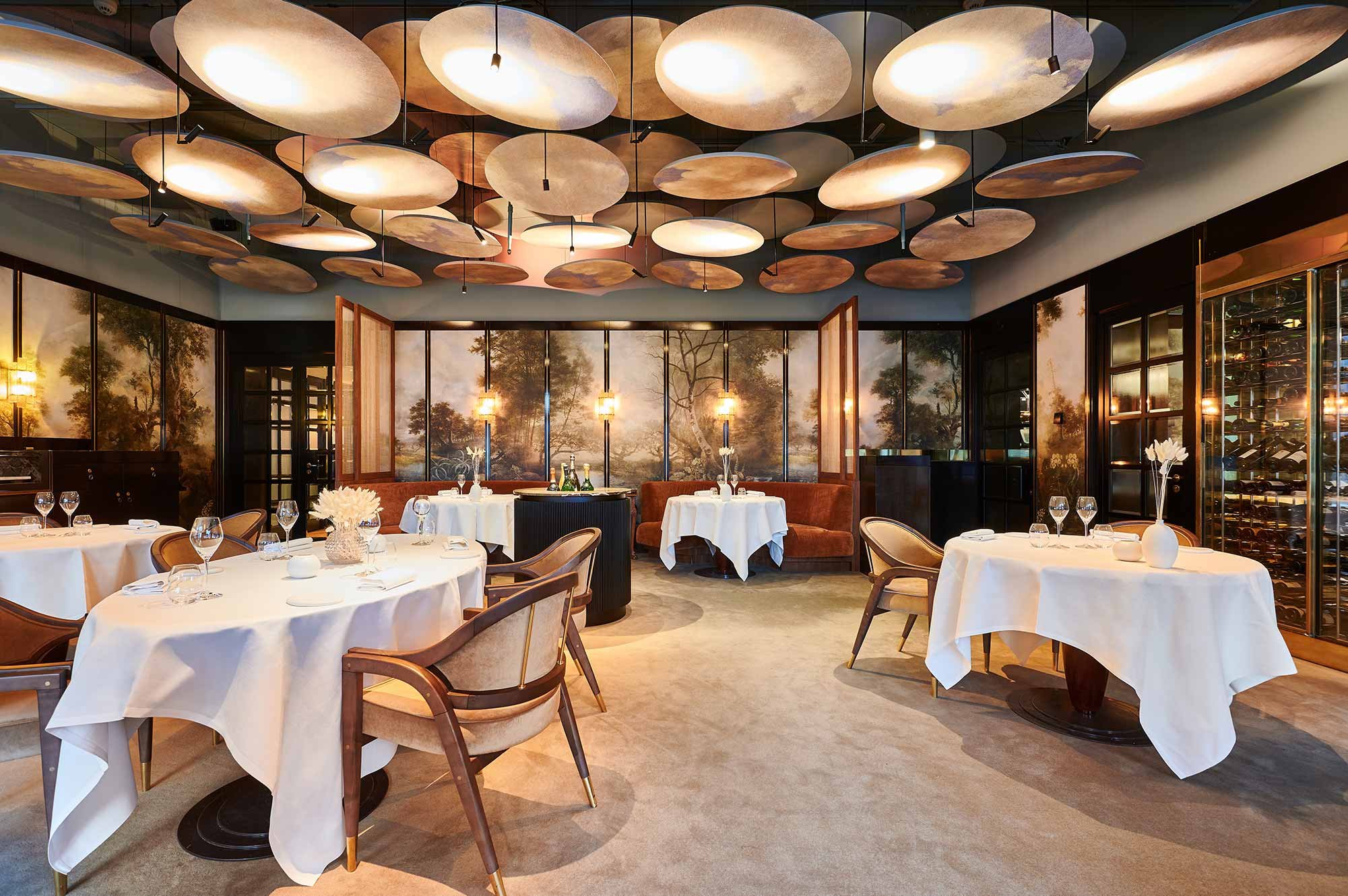
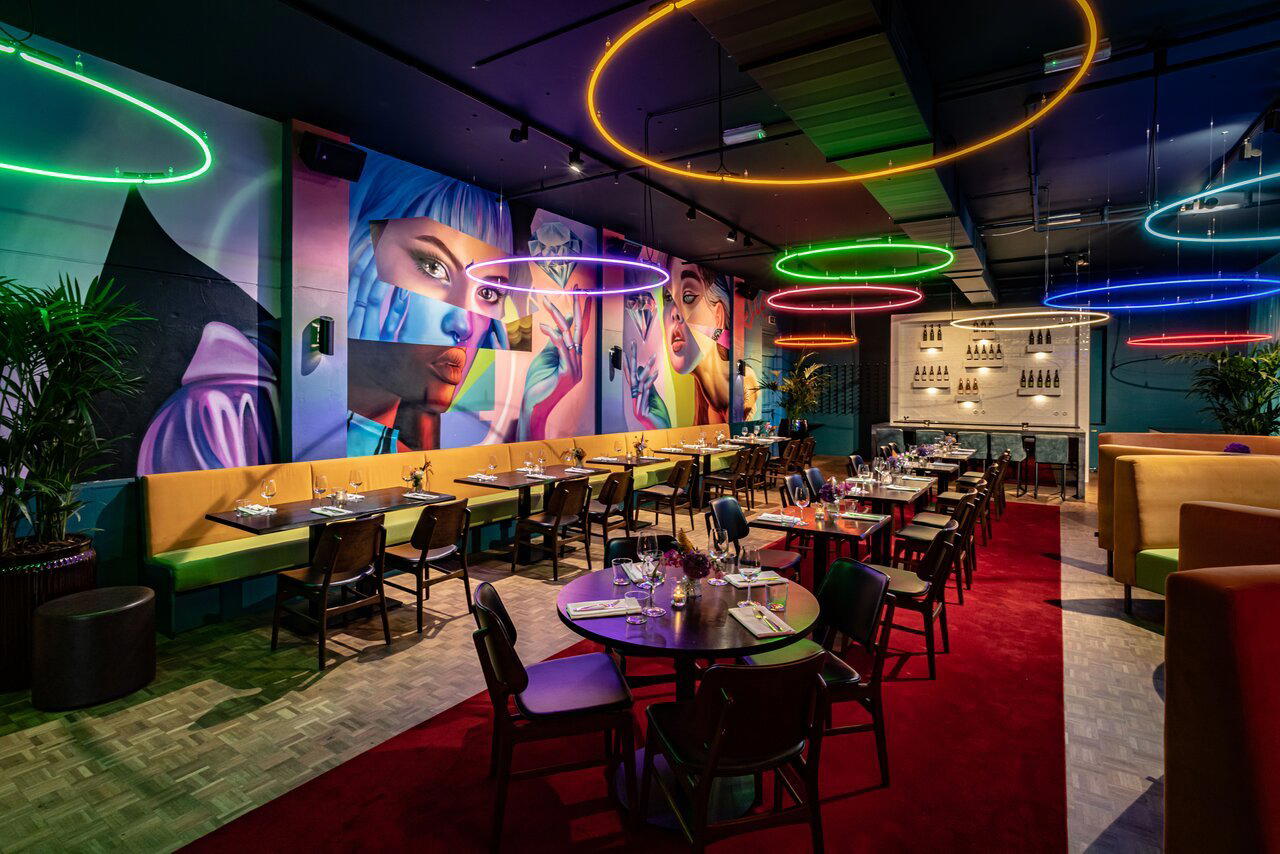
Bars in Amsterdam
All bars in Amsterdam →
Hotels in Amsterdam
All hotels in Amsterdam →

Wineries in Amsterdam
All wineries in Amsterdam →
Details
- Cozy
- Intimate
- Date Night
- Casual Hangout
- Sake Program
- A La Carte
- Vegetarian Friendly
- Gluten Free Options
Current opening hours
- Monday
- Closed
- Tuesday
- 6–10 PM
- Wednesday
- 6–10 PM
- Thursday
- 6–10 PM
- Friday
- 6–10 PM
- Saturday
- 6–10 PM
- Sunday
- Closed
Hours can change for holidays and private events. Hours as of .
Cozy and pleasant with a calm, discreet atmosphere.