GupShup
GupShup occupies a Flatiron address on East 18th Street, where Indian-origin hospitality culture meets the spatial logic of contemporary New York dining. The room signals intent through its physical design before a single dish arrives, placing it within a cohort of modern South Asian restaurants redefining how the cuisine is presented at the table. For the Flatiron neighbourhood, it represents a different register of Indian dining than the city has historically offered.
Pearl is the En Primeur Club membership app — saves, bookings, and concierge access live there. Same editors, same standards.
- Address
- 115 E 18th St (Between Park Ave &, Irving Pl, New York, NY 10003
- Phone
- +12125187313
- Website
- gupshupnyc.com
- Directions
- Get directions
 Saves & bookings on Pearl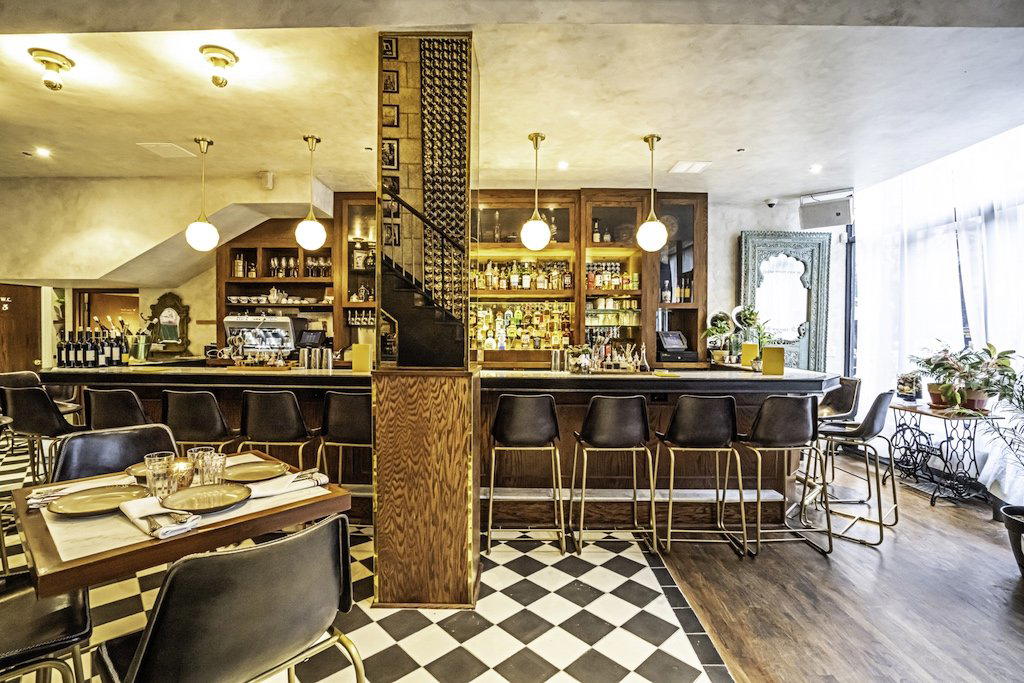
The Room as Argument: How GupShup Uses Space to Make a Point
East 18th Street between Park Avenue and Irving Place sits in a block that does a lot of work for the Flatiron district. The neighbourhood has long operated as a bridge between the relentless commercial density of Midtown and the more compositional dining culture of the Village and Gramercy, and the restaurants that succeed here tend to understand that positioning. GupShup, at 115 East 18th, occupies this corridor with a physical presence that communicates before service begins. In cities like New York, where the design language of a dining room is as much a cultural statement as the menu itself, that kind of spatial intention carries editorial weight.
The broader context matters here. New York's South Asian dining scene has undergone a significant structural shift over the past decade. The old model, concentrated in Curry Hill along Lexington Avenue in the high 20s and low 30s, was built around volume, value, and a clientele that often knew the cuisine better than the city's food press did. What has emerged in parallel is a smaller cohort of Indian-rooted restaurants operating in a different register: higher price points, deliberate interiors, service structures borrowed from contemporary American fine dining, and menus that treat subcontinental cuisine as a starting point for creative elaboration rather than a fixed tradition to reproduce faithfully. GupShup belongs to that second cohort, and its Flatiron address places it in direct conversation with the neighbourhood's existing tier of considered dining.
Design Logic and Spatial Register
The design choices at a restaurant like GupShup carry a specific argument. Indian restaurants in New York have historically signalled authenticity through visual density: ornate decorative elements, warm amber lighting, and a maximalist approach to surface and detail. That tradition has its own legitimacy, rooted in the hospitality codes of the subcontinent. But the newer cohort of South Asian restaurants operating at the upper end of the market tends to work in the opposite direction: cleaner geometry, more deliberate material choices, seating arrangements that give each table enough breathing room to function as a private zone within a shared space.
This shift in spatial logic is not purely aesthetic. It changes the social experience of eating. A room with acoustic management and considered spacing produces a different kind of conversation than one optimised for throughput. It also signals to a specific diner that the restaurant understands their expectations around pace, service ratio, and the overall structure of an evening. For GupShup on East 18th, the design framing positions it alongside a comparable set that includes contemporary Indian restaurants across Manhattan rather than the Curry Hill corridor a mile north.
Flatiron as a Dining Context
The Flatiron district has never quite anchored a single culinary identity the way that, say, the West Village has for its neighbourhood bistro culture or Midtown has for its power-lunch tier of French and Japanese restaurants. What it does well is absorb restaurants that are ambitious without being maximally formal, places that sit comfortably in the space between destination dining and neighbourhood regulars. The prix fixe counters of Atomix and the progressive Korean tasting menus at Jungsik New York represent what happens when non-Western culinary traditions operate at the summit of the New York market through formal structure and controlled environments. GupShup is working in a related but distinct mode: contemporary Indian hospitality codes applied to a Flatiron room, at a price point and formality level that sits below the tasting-menu tier occupied by Le Bernardin, Masa, or Per Se.
That positioning is actually a more crowded and contested space than the top tier. The mid-to-upper band of New York dining, where the bill lands somewhere between a neighbourhood spot and a Michelin-starred tasting menu, demands clarity of identity. Rooms that look considered but not intimidating, menus that reward curiosity without requiring homework, and service that is attentive without being theatrical: these are harder to calibrate than either extreme. The design of the space at GupShup is doing some of that calibration work directly.
What the South Asian Fine Dining Shift Looks Like From Here
The rise of contemporary South Asian restaurants at the upper end of the American market has happened across multiple cities simultaneously. In San Francisco, the farm-to-table frameworks pioneered by restaurants like Lazy Bear created a vocabulary that Indian-influenced kitchens could borrow and reroute. In Chicago, the structured tasting-menu format of Alinea demonstrated that American diners would accept unconventional service formats if the room and the proposition were compelling enough. At the highest end of California dining, whether at The French Laundry in Napa, Single Thread Farm in Healdsburg, or Providence in Los Angeles, the architecture of a serious dining room as a vehicle for cuisine has been well established. South Asian restaurants working at a premium register are now operating inside that infrastructure.
New York is one competitive version of this market. The city already has a long history of treating non-Western cuisines at the premium tier, from the Japanese counter format that Masa brought to Time Warner Center to the Korean tasting menu structures that Atomix now operates in Midtown. Indian cuisine arriving at this tier in a deliberate Flatiron room is a logical next step in that sequence, and GupShup occupies that position. Compared to established fine dining markets internationally, whether 8½ Otto e Mezzo Bombana in Hong Kong or Alain Ducasse at Louis XV in Monte Carlo, what New York's contemporary South Asian tier is doing carries a different kind of cultural charge: it is not transplanting a Western fine dining model but negotiating between two distinct hospitality traditions simultaneously.
Broader Context in the American Dining Scene
The restaurants that define American dining at the moment, from Blue Hill at Stone Barns in Tarrytown to Addison in San Diego, from Bacchanalia in Atlanta to The Inn at Little Washington, share a commitment to physical environment as a component of the dining proposition rather than a backdrop to it. Emeril's in New Orleans showed decades ago that a restaurant's spatial identity could function as a brand anchor. GupShup, working in a more recent idiom, is applying that same principle to a cuisine and cultural tradition that has rarely received this level of spatial investment in the American market. For anyone building a picture of where New York's Indian dining scene is heading, East 18th Street is a useful data point.
Planning Your Visit
Address: 115 East 18th Street, between Park Avenue and Irving Place, New York, NY 10003. Neighbourhood: Flatiron, with easy access from the 4/5/6/N/Q/R/W/L lines at Union Square and the 6 at 23rd Street. Dress: Smart casual is consistent with the Flatiron dining tier. Budget: Pricing information should be confirmed directly with the restaurant. Leading approach: Evening visits on weekdays tend to allow a more considered experience in rooms operating at this design register.
Reputation Context
Comparable venues nearby, for context on price, style, and recognition.
| Venue | Cuisine | Price | Notes |
|---|---|---|---|
| GupShupThis venue — the venue you are viewing | Modern Indian | $$$ | Not listed |
| Indienne | Bombay-Inspired Indian Comfort Food | $$$ | Lower Manhattan |
| Ambassadors Clubhouse | Punjabi Fine Dining | $$$$ | NoMad |
| Patiala | Authentic North and South Indian | $$ | Midtown-Times Square |
| Bukhara Grill | North Indian Tandoori & Curry | $$ | East Midtown-Turtle Bay |
| Indienne | Progressive Indian Fine Dining | $$$$ | River North |
Continue exploring
More in New York City
Restaurants in New York City
Browse all →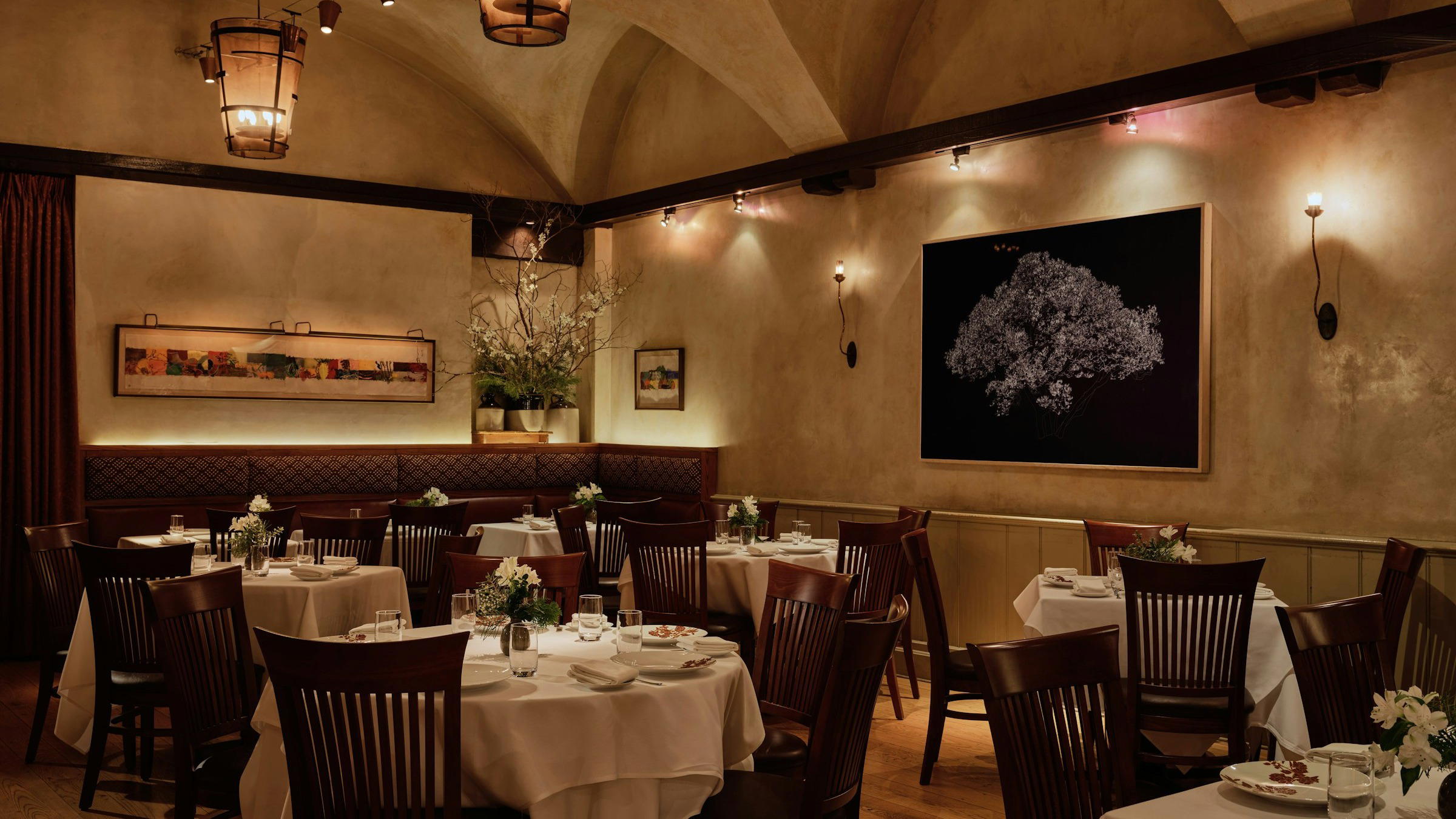
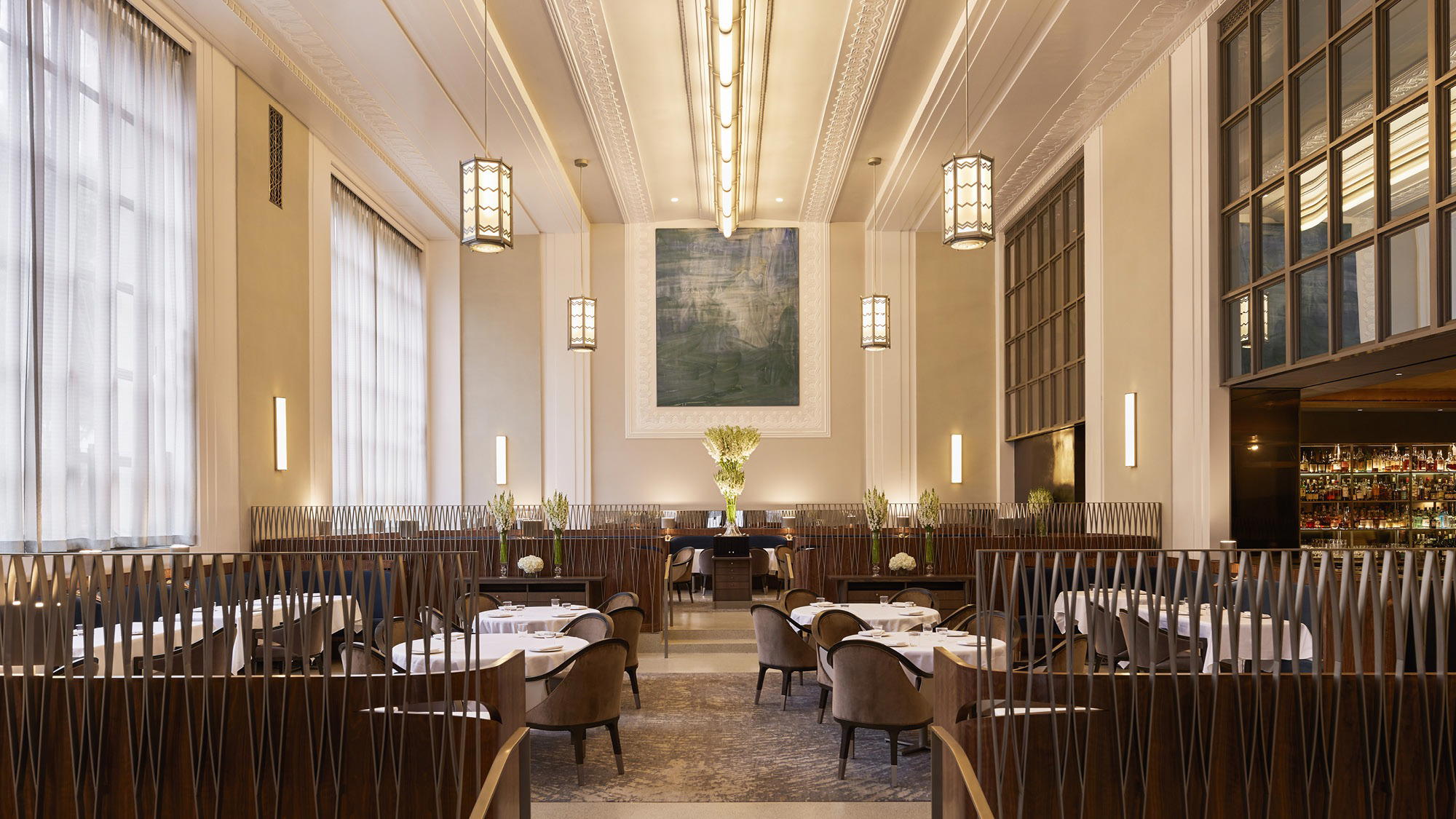
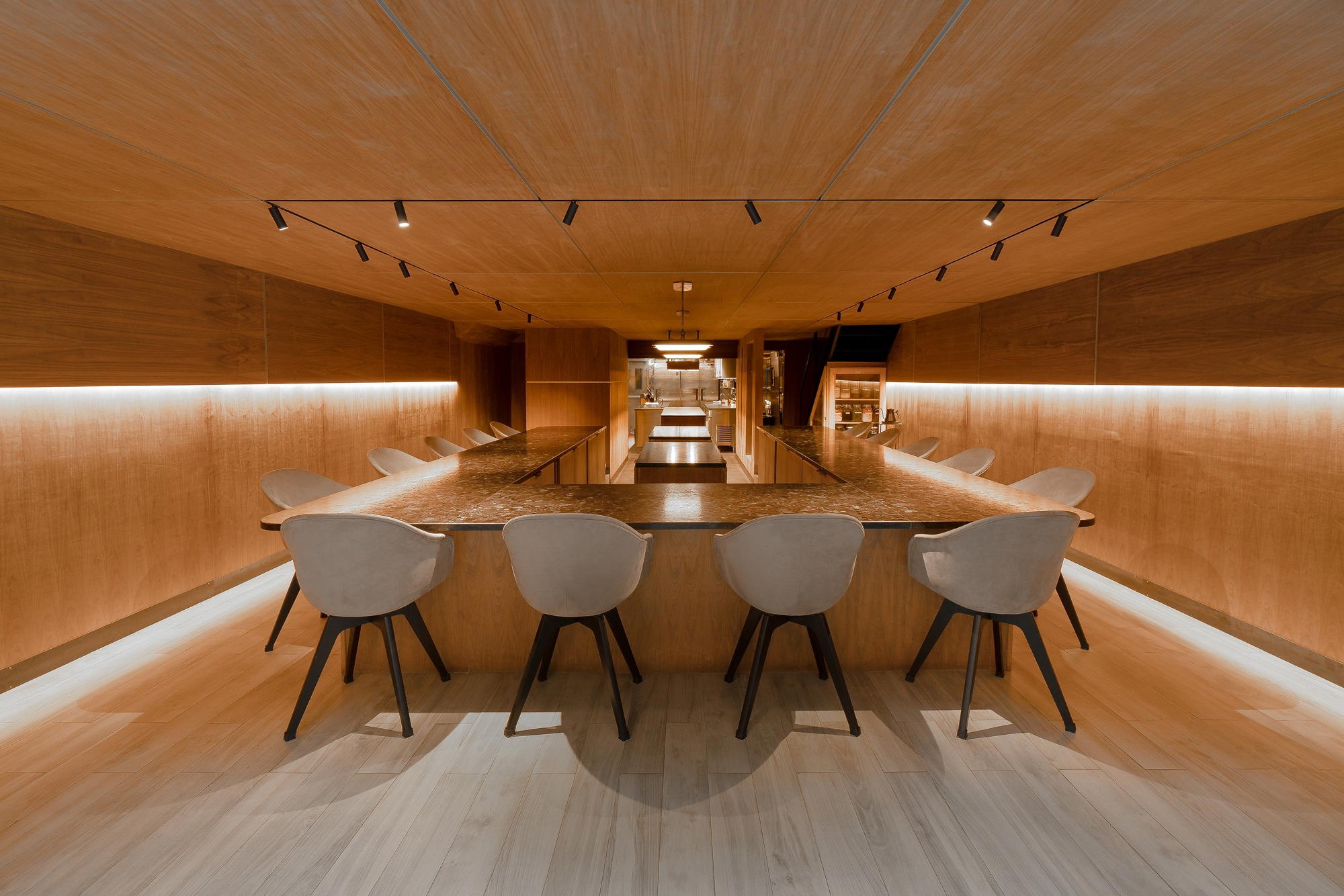

Bars in New York City
Browse all →

Hotels in New York City
Browse all →







At a Glance
- Trendy
- Lively
- Modern
- Energetic
- Date Night
- Group Dining
- Special Occasion
- Open Kitchen
- Craft Cocktails
Current opening hours
- Monday
- 5–10 PM
- Tuesday
- 5–10 PM
- Wednesday
- 5–10 PM
- Thursday
- 5–11 PM
- Friday
- 11:30 AM–3:30 PM, 4:30–11 PM
- Saturday
- 11:30 AM–3:30 PM, 4:30–11 PM
- Sunday
- 11:30 AM–3:30 PM, 4:30–10 PM
Hours can change for holidays and private events. Last verified .
Uber chic bi-level setting with colorful day-glo murals, op-art glass walls, and a lively, playful atmosphere.