Indienne
Indienne's expansion marks a significant moment for Indian tasting menu dining in New York, bringing a format that sits firmly within the city's upper tier of prix-fixe experiences. The restaurant applies the discipline of the classical tasting menu structure to a cuisine rarely given that treatment at this level in the United States, positioning it alongside the likes of Per Se and Le Bernardin in format, if not in tradition.
 Discover on Pearl
Pearl is the En Primeur Club membership app — saves, bookings, and concierge access live there. Same editors, same standards.
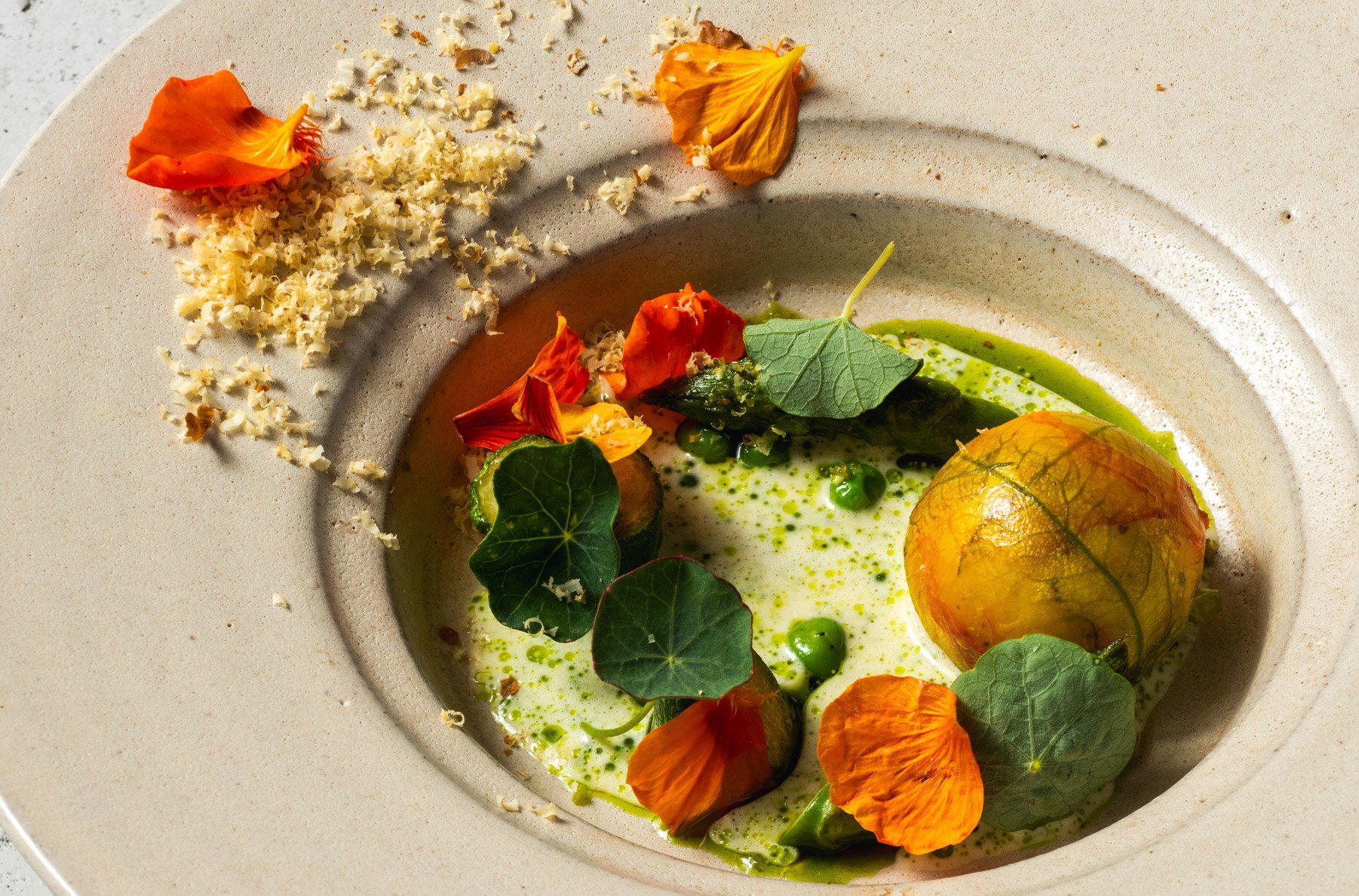
Indian Tasting Menus and the Upper Tier of New York Dining
New York's most serious tasting menu addresses have long clustered around French, Japanese, and French-Japanese hybrid formats. Le Bernardin, Per Se, and Masa anchor the price ceiling, each working within culinary traditions that American fine dining has spent decades learning to evaluate and reward with Michelin stars. Indian cuisine, for all its complexity and regional range, has occupied a different register in most Western cities: abundant in mid-market options, underrepresented at the level where wine programs run deep, sourcing is obsessive, and a single meal can cost several hundred dollars per person. Indienne places Indian tasting menu dining inside the same conversation as the city's most considered prix-fixe rooms.
That expansion context matters. A single location is an experiment; a second is a thesis. The move from the original Henry Hall location to a new address signals confidence in both the format and the audience willing to meet it. For the broader trajectory of Indian fine dining in the United States, it is one of the more consequential restaurant developments of recent years.
What the Tasting Menu Format Demands of Indian Cuisine
The classical tasting menu structure imposes its own logic on whatever cuisine it frames. Courses are sequenced for arc and contrast, portions calibrated so that flavour registers without fatigue, and the kitchen is expected to produce the same result seat after seat, night after night. These disciplines were developed largely in French kitchens and codified through the kind of brigade culture that shaped The French Laundry and, at a different scale and register, Alinea. Applying that structure to Indian cooking is not direct. The spice framework that defines Indian regional cuisines does not always compress neatly into small-plate progressions. Depth of flavour that works in a generous main course can overwhelm at tasting-menu portion size. Getting the sequencing right, so that a guest moves through distinct flavour registers without losing the thread of the cuisine, is genuinely difficult cooking.
The restaurants that have solved analogous problems elsewhere offer useful reference points. Lazy Bear in San Francisco demonstrated that American regional cooking could carry tasting menu discipline without losing its identity. Providence in Los Angeles showed that a cuisine defined by product can sustain the extended format across many courses. Indienne's project is to show that Indian cooking, with its layered spice architecture and regional breadth, belongs in that same frame.
The Wine Question: Pairing Indian Flavours at This Price Point
No element of the experience is more instructive about a tasting menu restaurant's ambitions than its wine program. At the level Indienne operates, the wine list is not an afterthought assembled from a distributor catalogue. It is a curatorial argument, a signal about which guest the restaurant believes it is serving and what that guest's palate expects alongside the food.
Pairing wine with Indian cuisine presents specific challenges that French or Japanese tasting menu kitchens do not face in the same way. High-acid dishes built on tamarind or citrus can flatten wines that lack sufficient fruit weight. Dishes with significant heat compress the perception of tannin, making structured reds risky without careful selection and sequencing. Aromatic spices, particularly fenugreek, cardamom, and black pepper, push back against delicate, low-extract whites in ways that require the sommelier to think carefully about weight and texture rather than simply matching prestige labels to prestige courses.
The wine programs that handle these demands most gracefully tend to reach for specific corners of the wine world: off-dry Alsatian whites with the structure to hold against spice, skin-contact wines whose texture bridges where a conventional white would fade, Rhône-inflected reds with enough fruit density to survive heat without turning harsh, and German Rieslings at various Prädikat levels that can track from early courses through richer, slower preparations. At the level of 8½ Otto e Mezzo Bombana or Louis XV in Monte Carlo, the cellar is expected to be deep enough to produce specific bottles rather than categories.
The pairing menu format, now standard at this price tier, also requires a sommelier with genuine fluency in the interaction between Indian spice architecture and fermented grape. That expertise is rarer than it sounds. Most sommelier training programs are built around French, Italian, and occasionally Spanish cuisine as the default pairing matrix. Indian food requires relearning some of those defaults from the ground up, and the leading programs at this level hire or train specifically for it.
Positioning Within New York's Fine Dining Tier
New York's upper tasting menu tier is defined by a handful of markers that have remained relatively stable even as the broader restaurant market has shifted: prix-fixe only formats, advance booking windows of weeks or months, per-person spend above the threshold where the wine program often costs as much as the food, and Michelin recognition as the industry's standard credential. Single Thread Farm in Healdsburg and Emeril's in New Orleans offer useful counterpoints from outside New York: both demonstrate how a restaurant's second or expanded address tests whether the original's qualities were transferable or specific to a room and a moment.
For Indienne, the original's approach is being staked at a new address, in front of a New York audience that has both the appetite for Indian food and the spending capacity to engage with it at prix-fixe prices. That combination is relatively recent in Manhattan. The city's Indian dining has historically concentrated in Murray Hill, Jackson Heights, and a handful of mid-market Midtown addresses. A fine dining Indian tasting menu capable of competing with the city's French and Japanese rooms for the same reservation slots and the same per-head spend represents a shift in that pattern.
Planning Your Visit
Prospective guests should check current booking details directly.
Awards and Standing
Comparable venues nearby, for context on price, style, and recognition.
| Venue | Cuisine | Price | Awards | Notes |
|---|---|---|---|---|
| IndienneThis venue — the venue you are viewing | Progressive Indian Fine Dining | $$$$ | , | |
| Indian Accent NYC | Modern Indian Fine Dining | $$$$ | 1 recognition | Midtown-Times Square |
| Ambassadors Clubhouse | Punjabi Fine Dining | $$$$ | , | NoMad |
| Jazba | Indian Street Hawker Cuisine | $$$$ | , | Gramercy |
| Kidilum | Modern Kerala South Indian | $$$ | , | Midtown South-Flatiron-Union Square |
| Dishoom | Bombay-inspired Indian café | $$$ | , | Lower Manhattan |
Continue exploring
More in New York City
Restaurants in New York City
Browse all →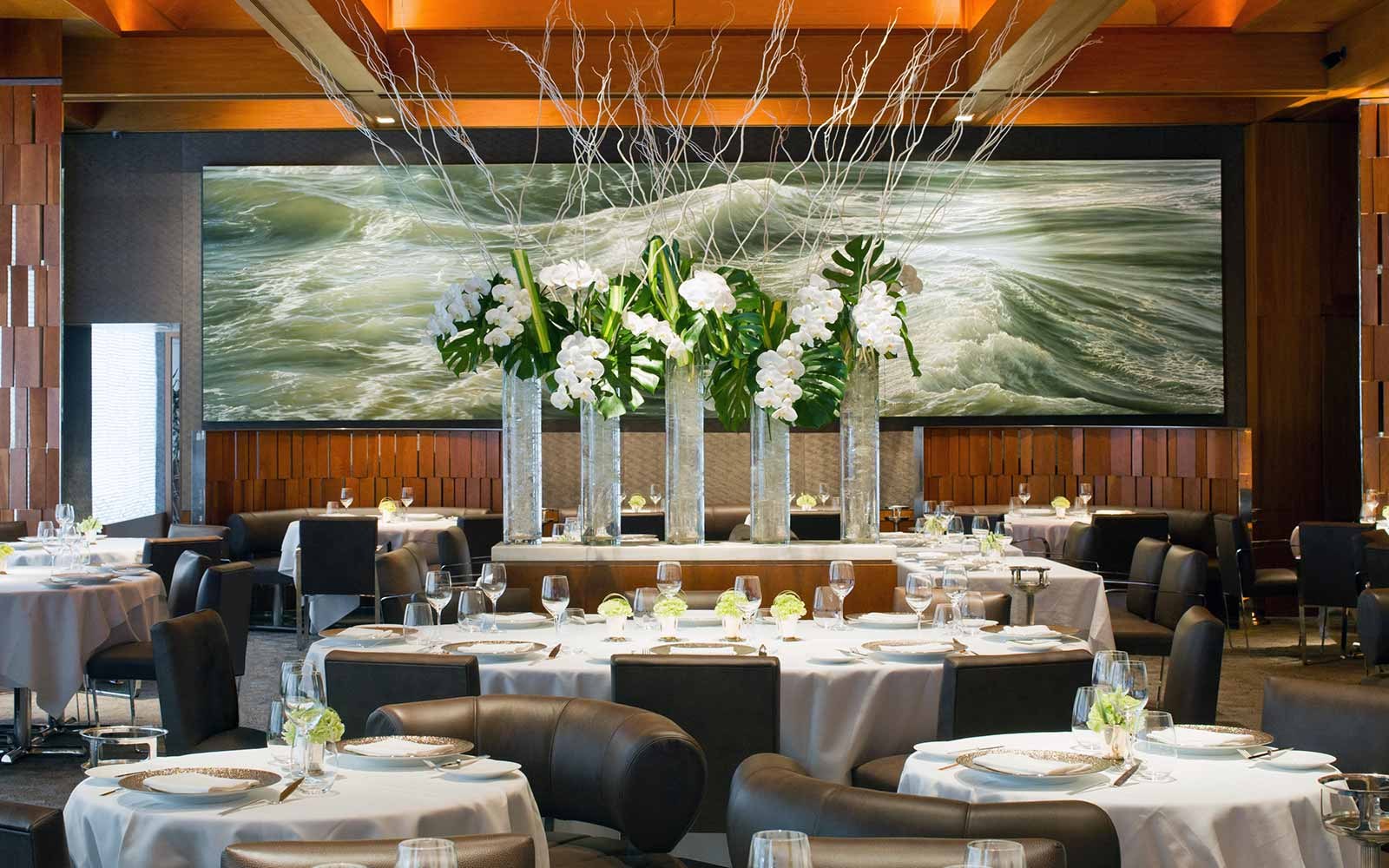
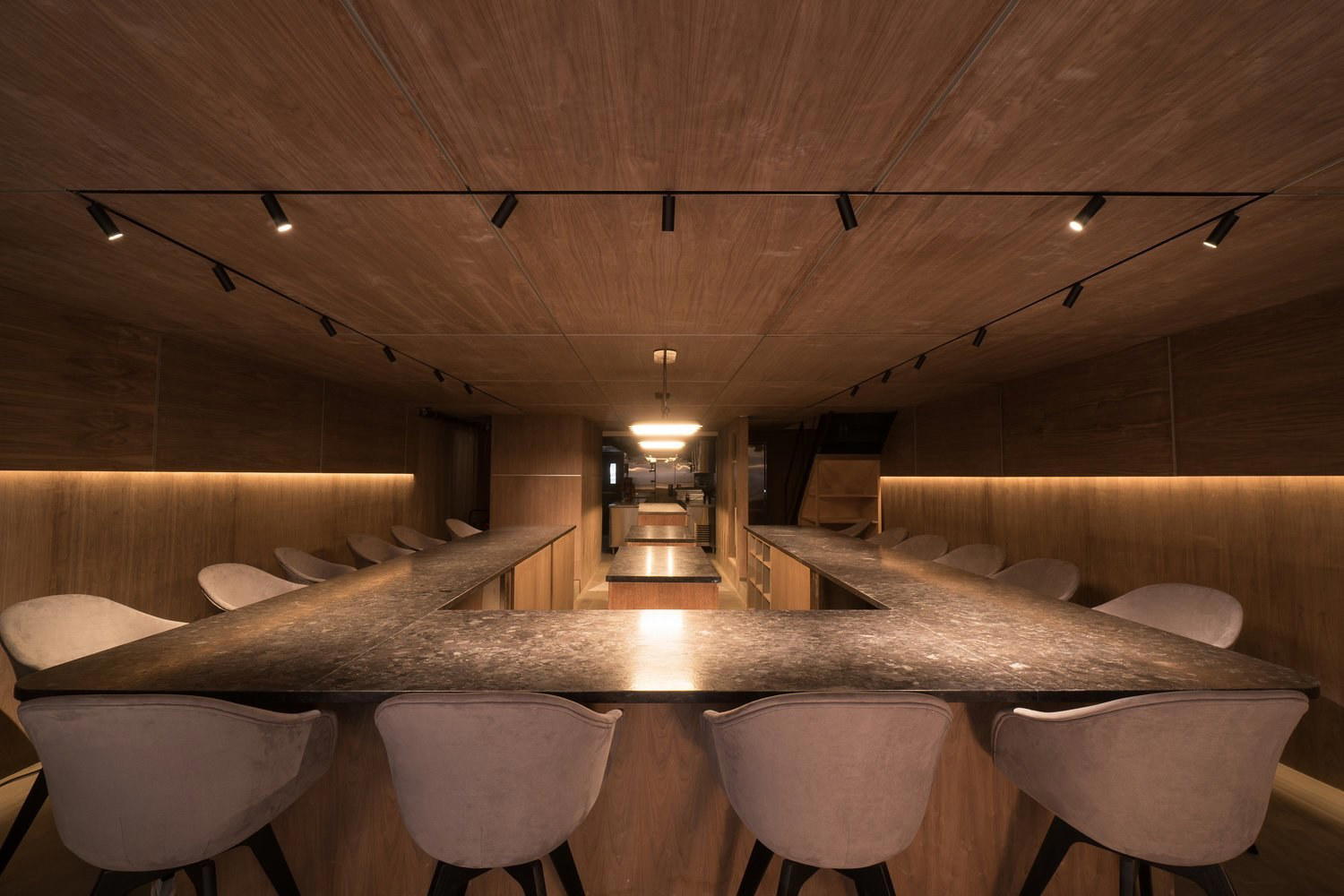
Bars in New York City
Browse all →
Hotels in New York City
Browse all →
Wineries in New York City
Browse all →
At a Glance
- Elegant
- Sophisticated
- Modern
- Date Night
- Special Occasion
- Open Kitchen
- Craft Cocktails
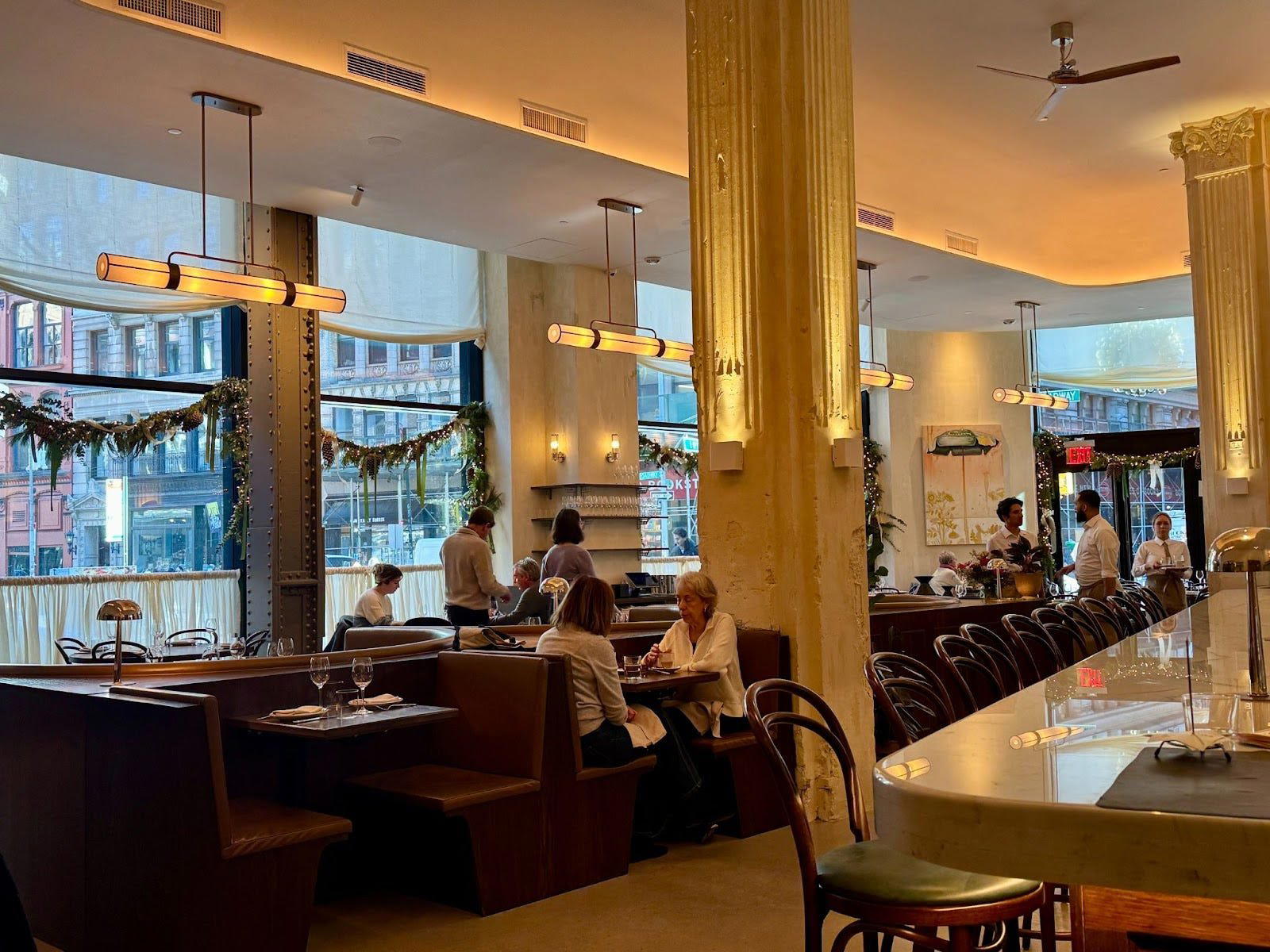
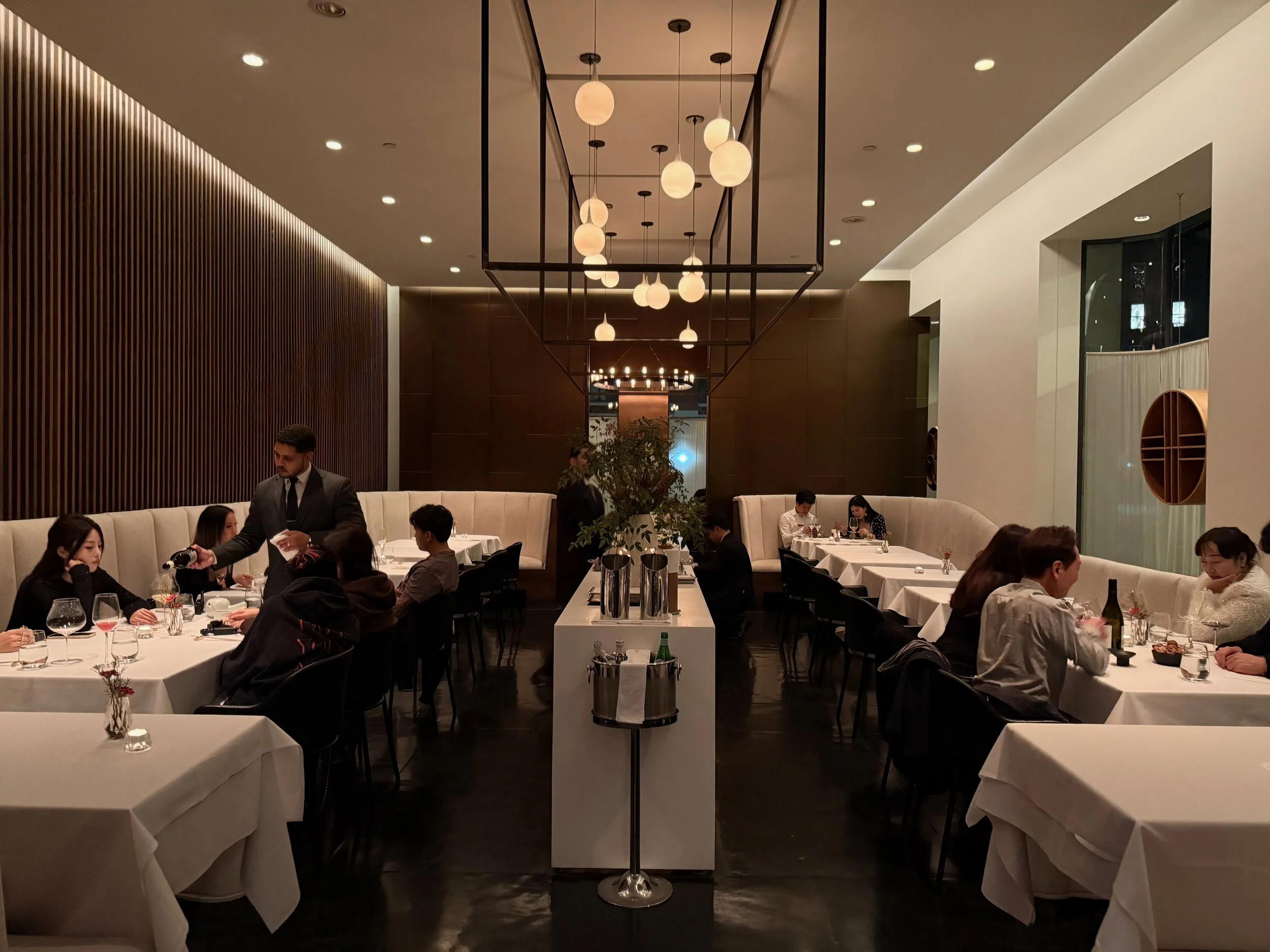
Industrial-chic open loft with pastel pink banquettes, hanging pendant lights, book-lined shelves, and elegant yet understated feel.