Indienne
Indienne's expansion marks a significant moment for Indian tasting menu dining in New York, where the format has historically been underrepresented at the highest price tier. The restaurant positions itself alongside Manhattan's most ambitious fixed-menu programs, bringing subcontinental technique into a conversation dominated by French and Japanese traditions. Reservations and planning details are essential before visiting either location.

Pearl is the En Primeur Club membership app — saves, bookings, and concierge access live there. Same editors, same standards.
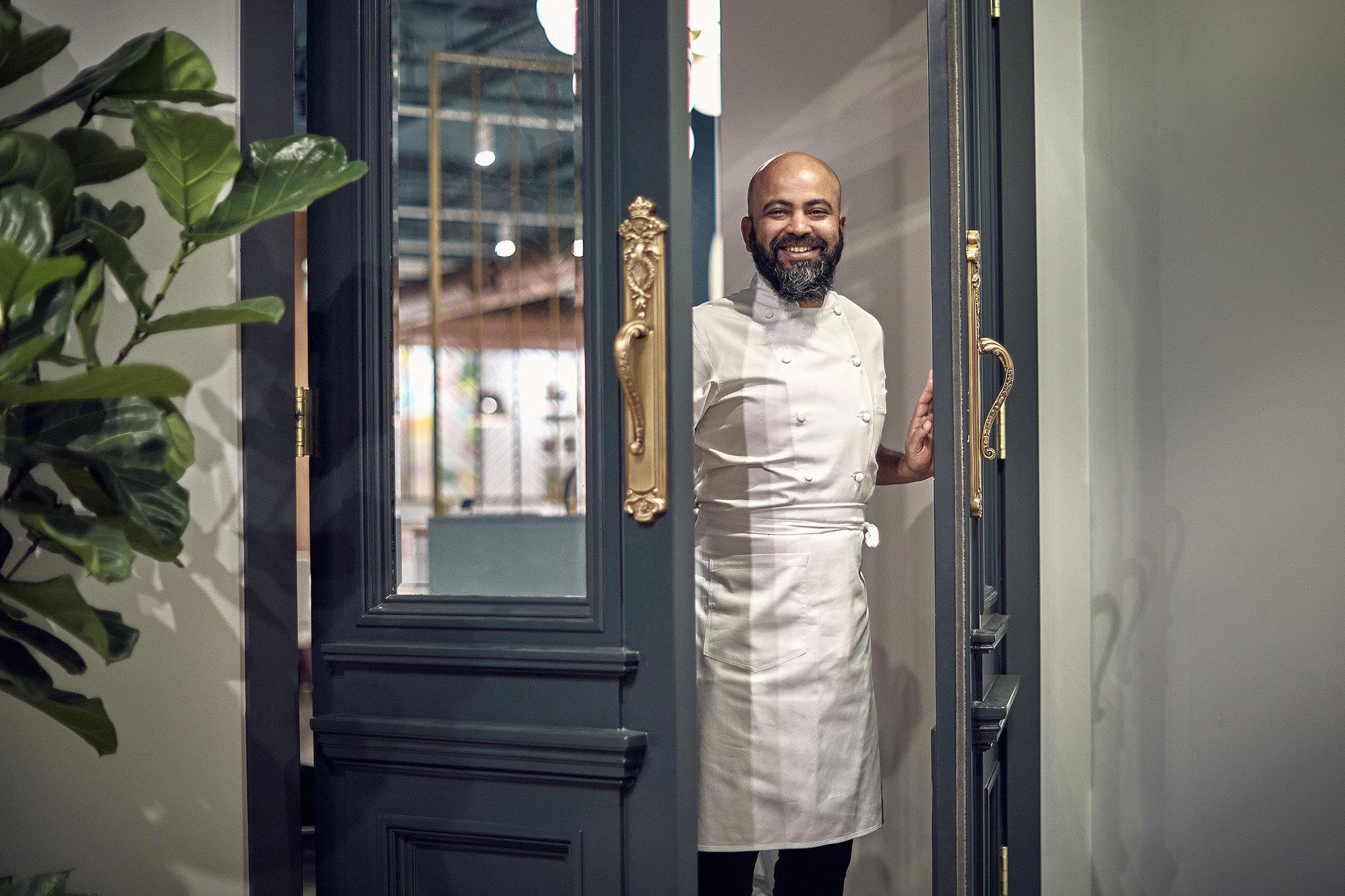
Indian Tasting Menus in New York: A Shifting Tier
For most of New York's fine dining history, Indian cuisine has long occupied a different register than the city's tasting menu establishments. The formats that earn the longest reservation queues and serious critical attention, the counters, the multi-course progressions, the prix-fixe rooms, have been dominated by French and Japanese traditions. Le Bernardin, Masa, and Per Se define the ceiling of that conversation. Indian cooking, despite its structural complexity and its long relationship with ceremony and hospitality, has rarely been framed this way in the American market. That is precisely what makes Indienne's expansion worth tracking.
The original Indienne at Henry Hall established the premise: that subcontinental cooking, handled with tasting menu discipline, could occupy the same tier as the city's fixed-menu programs. The expansion carries that argument into new territory. Whether through a larger room, a wider service window, or simply the signal that the format is sustainable enough to replicate, the move suggests confidence in a dining category that New York has been slow to take seriously at this price point.
What the Room Signals Before the First Course
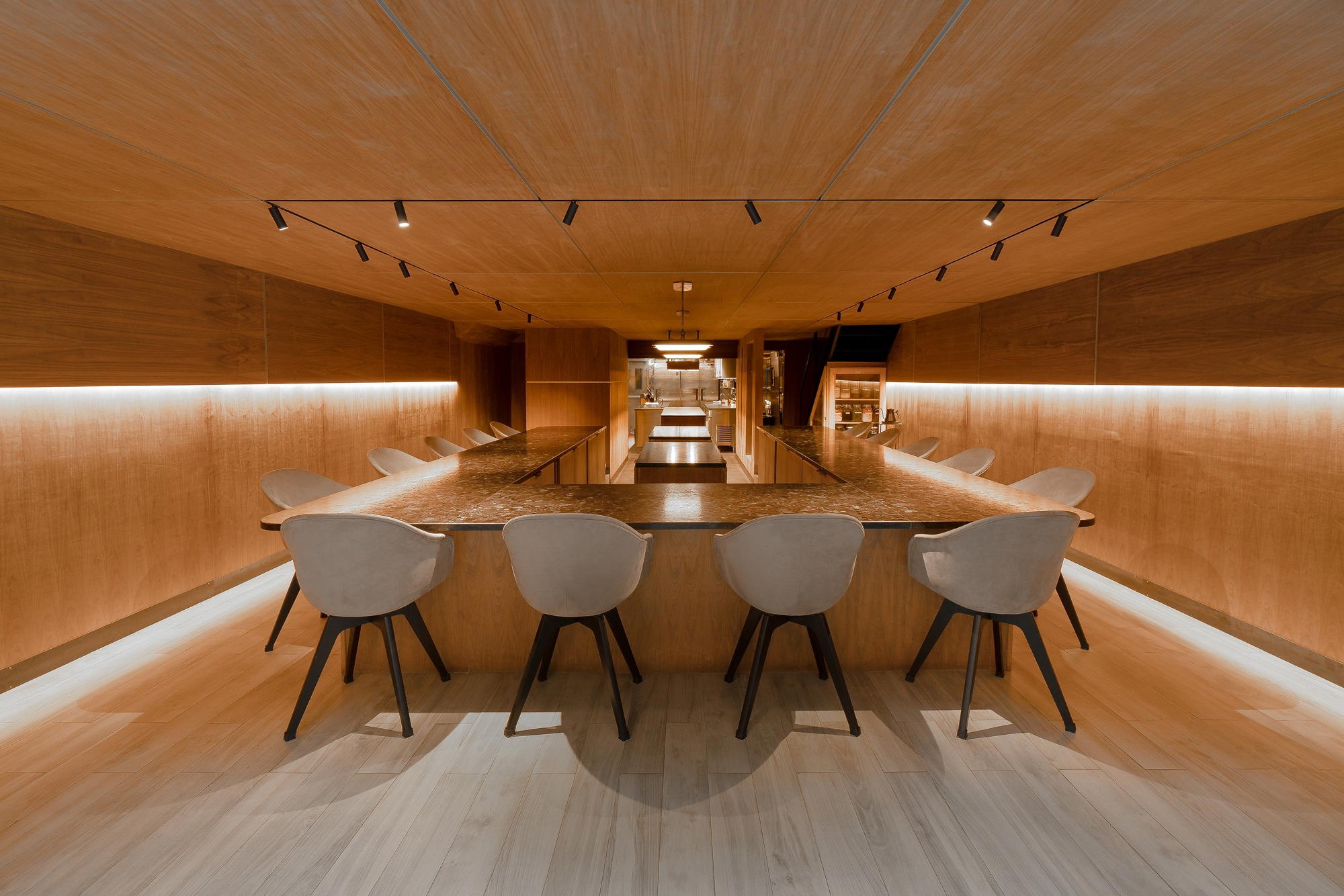
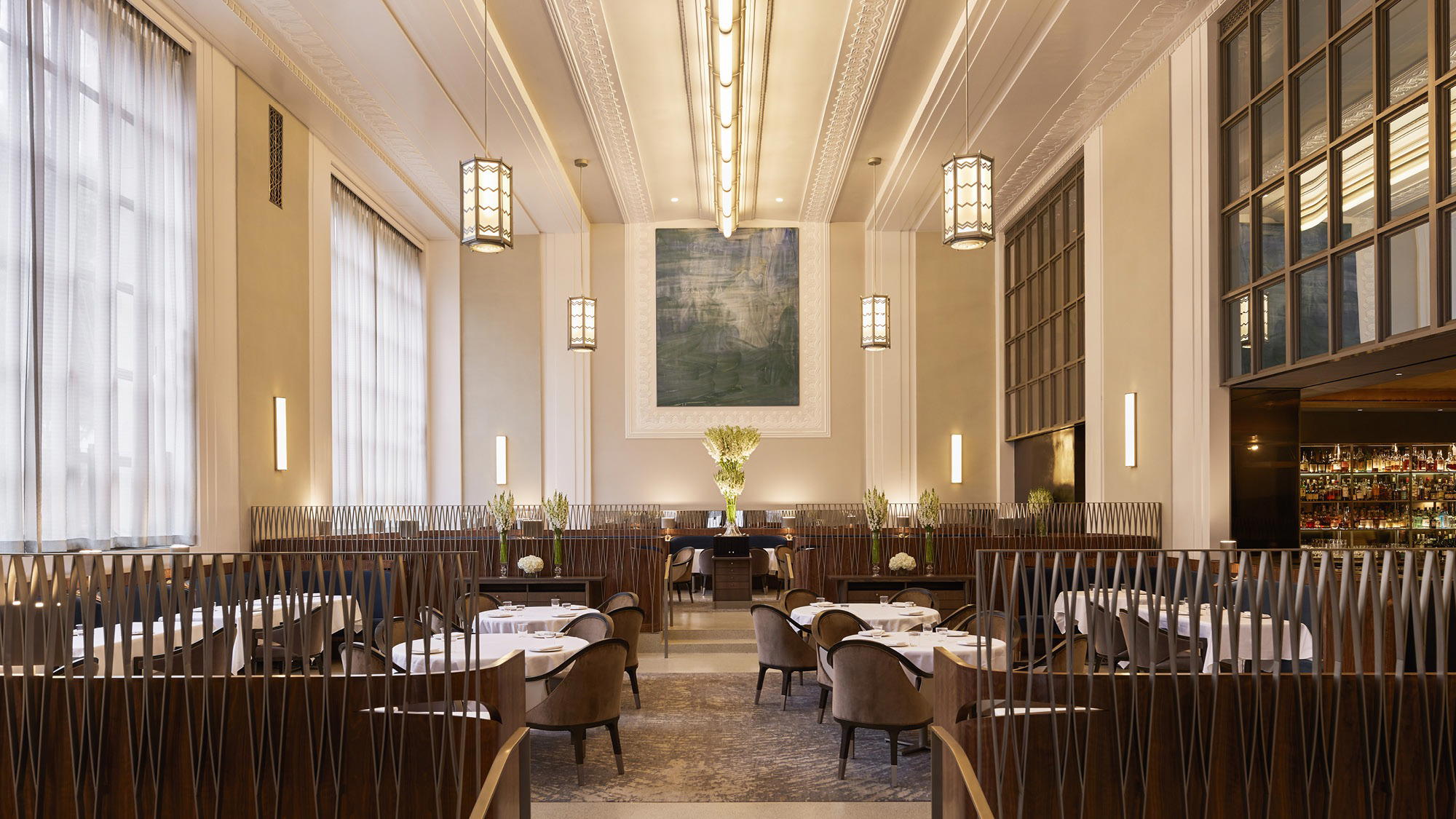
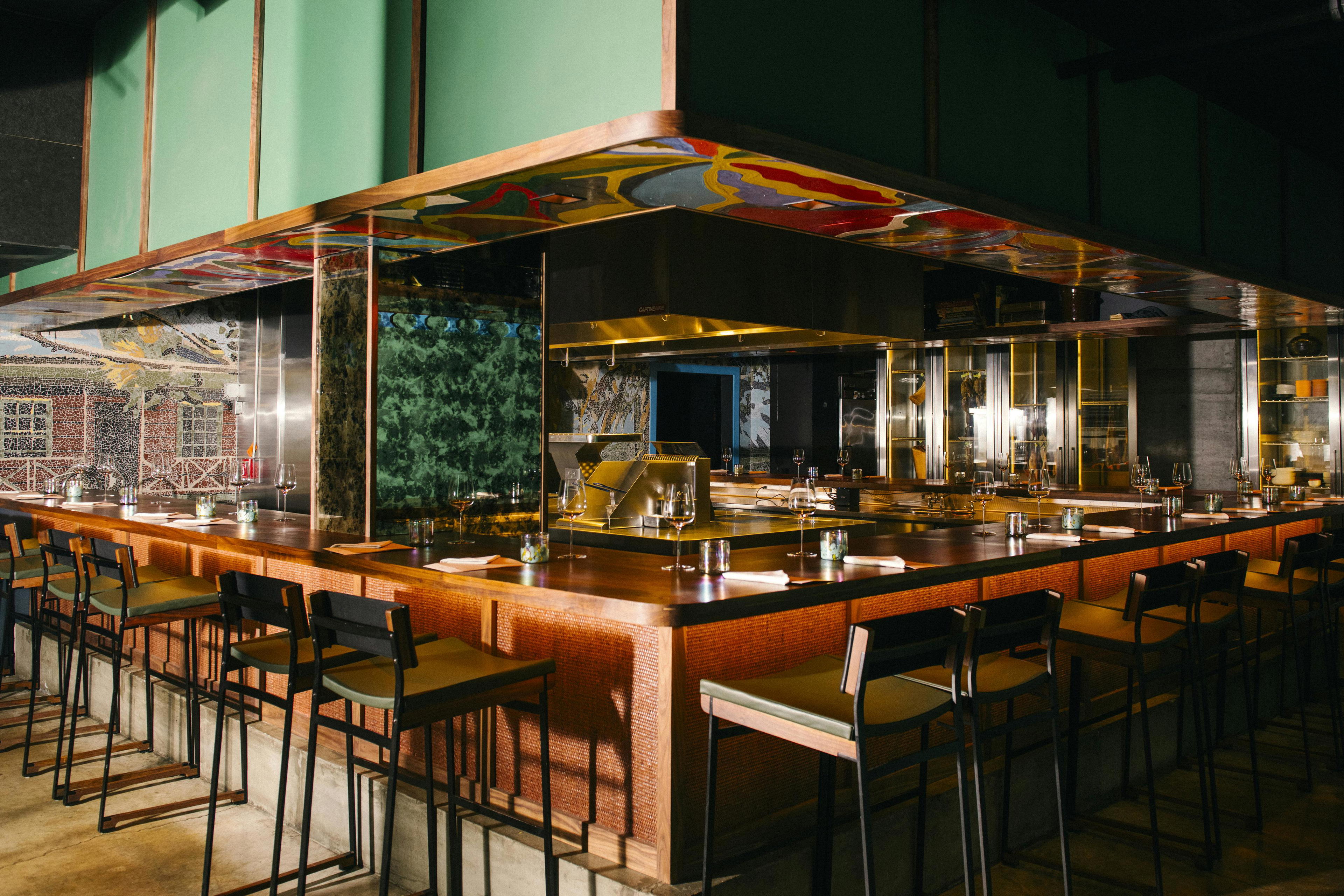
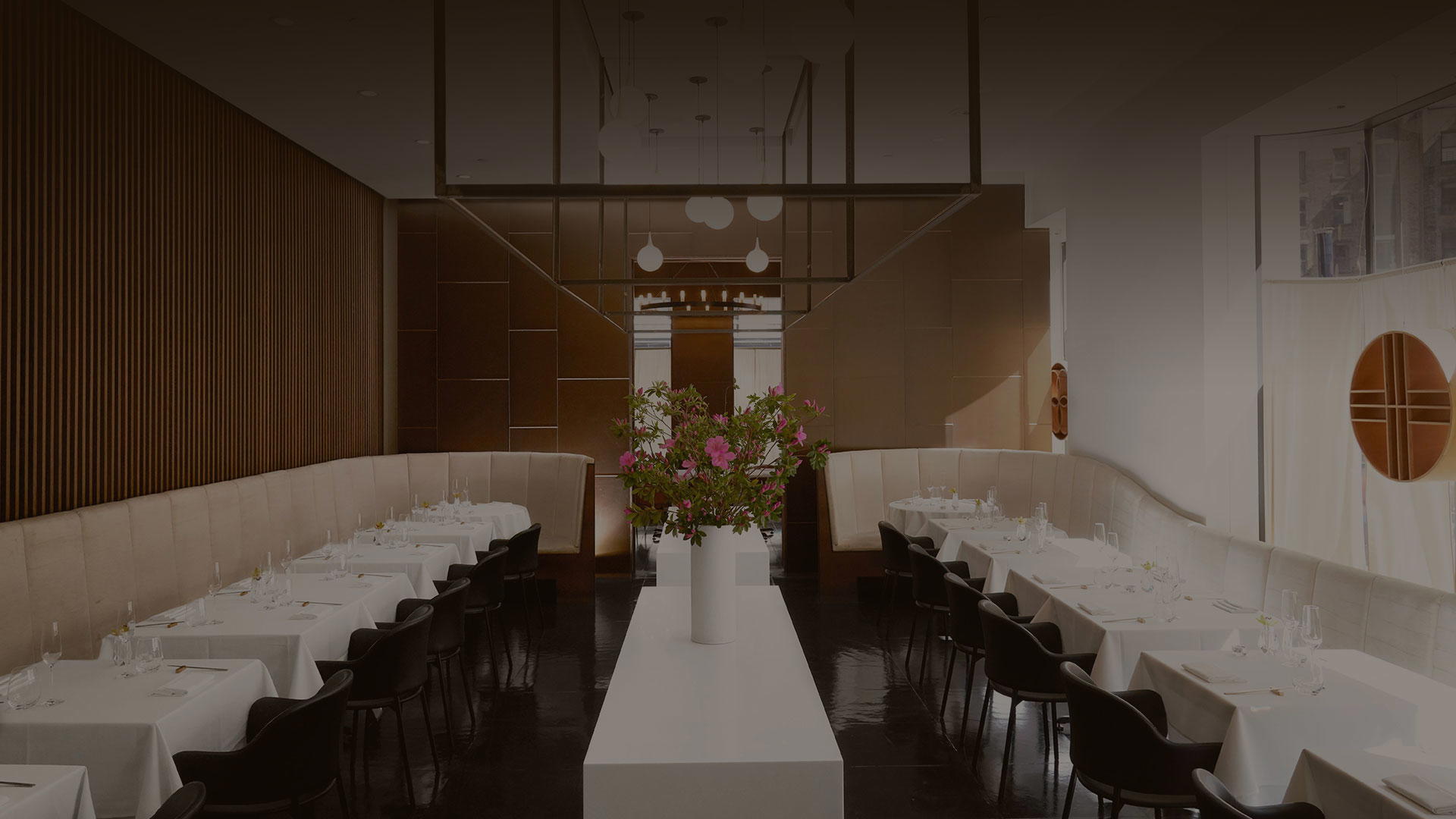
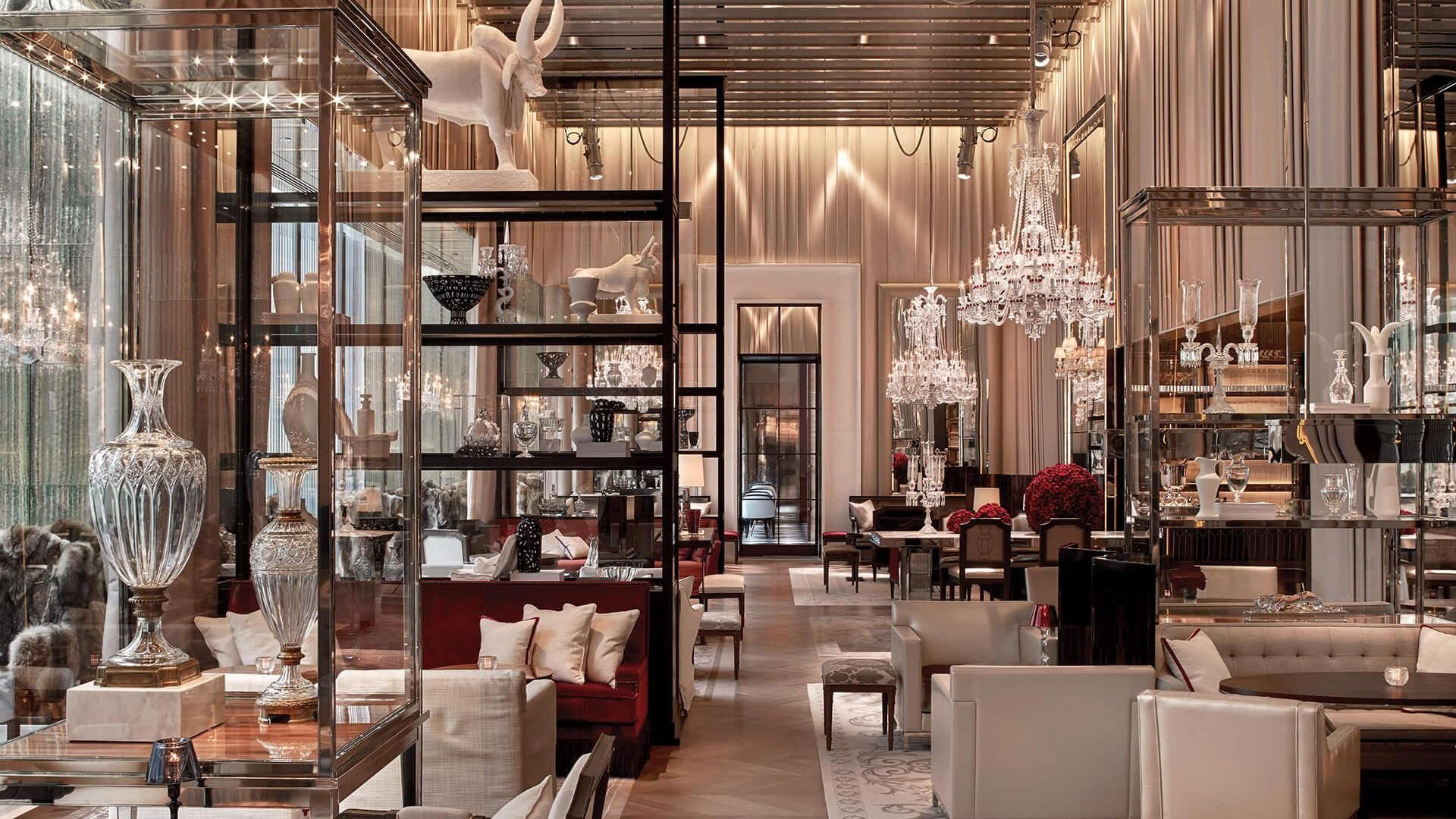
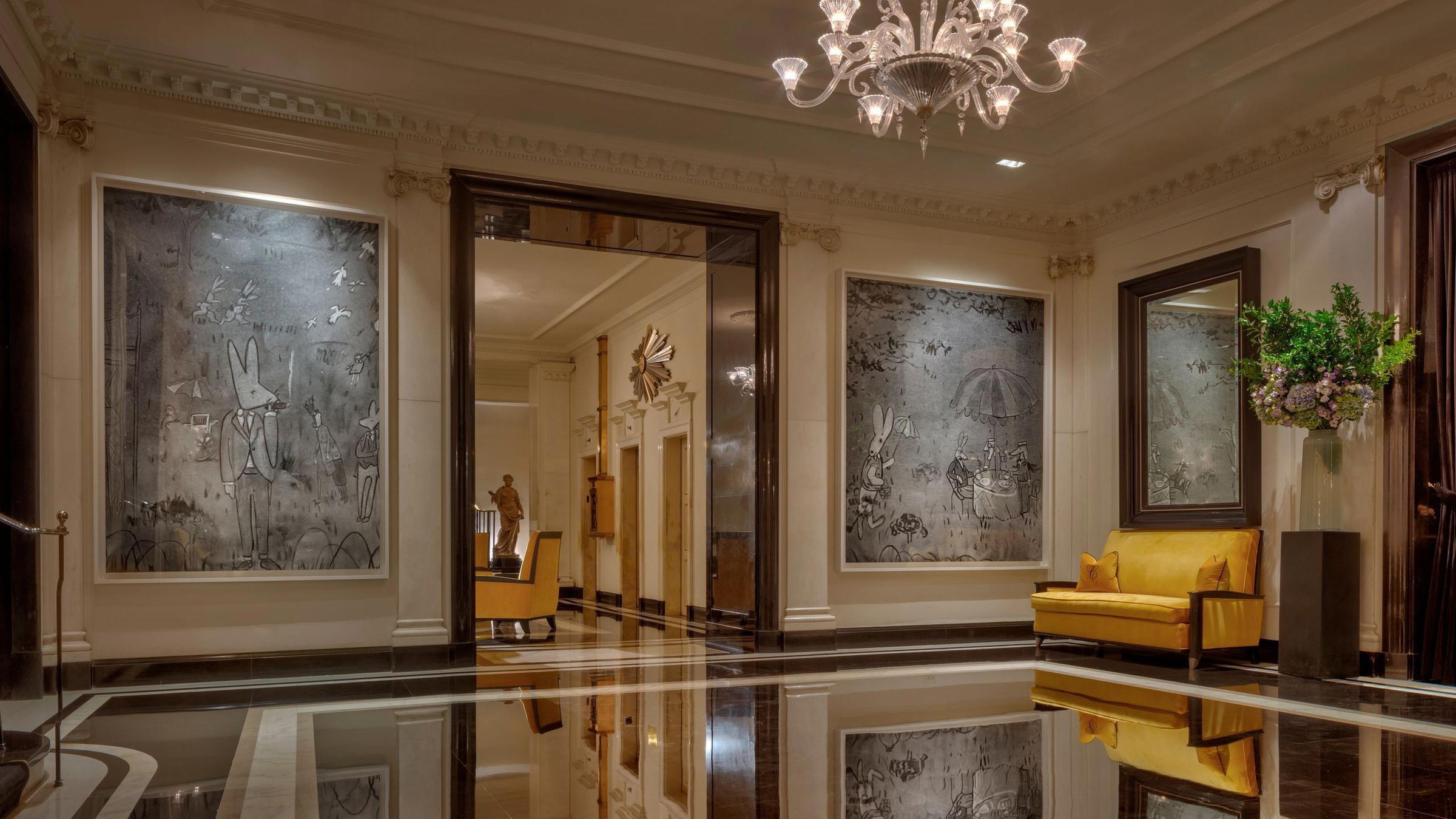
Tasting menu restaurants communicate their intentions through physical environment as much as through the plate. The approach to the room, the scale of the tables, the ratio of service staff to diners, these details tell an experienced diner what register of attention to expect. At this tier in New York, the expectation is a controlled space where the architecture of the meal can unfold without competition from ambient noise or crowded sightlines. Indian fine dining, when it works at this level, adds a further layer: the interplay between spice architecture and wine or beverage pairings requires a room quiet enough that the progression of flavors can actually be followed course to course.
Globally, the fixed-menu Indian format has produced serious work at restaurants operating well outside the subcontinent. Programs in London, Singapore, and increasingly in American cities have demonstrated that the cuisine's layered spice logic translates into tasting menu structure more naturally than its casual-dining reputation might suggest. Alinea in Chicago and Lazy Bear in San Francisco showed that American diners would follow unconventional cuisine through long multi-course formats if the execution and the storytelling held. Indienne's expansion applies a similar logic to Indian technique in the city where the stakes are highest.
Lunch and Dinner: Two Different Arguments
The lunch versus dinner divide at tasting menu restaurants is rarely about timing. It is about the kind of commitment a diner is willing to make and what the kitchen chooses to say in each service. Dinner is where the full argument gets made: the longest progression, particularly ambitious pairings, the room at its most deliberate. Lunch, by contrast, tends to compress and clarify. At the summit tier of New York's fixed-menu scene, lunch often offers the same kitchen at a more accessible entry point, both in duration and, sometimes, in price.
For Indian tasting menus specifically, the lunch format raises interesting questions about spice sequencing and time of day. The aromatic intensity of dishes built around black cardamom, tamarind, or slow-cooked dals reads differently at noon than at nine in the evening. Some programs use the lunch service to foreground lighter preparations, ceviche-adjacent seafood treatments, yogurt-based sauces, vegetable courses that carry the spice load without the depth of the evening's meat-forward progression. Others simply offer an abbreviated version of the dinner menu, which functions as a useful audition before committing to the full experience.
At Indienne's price tier, the lunch service also functions as an access point for diners who are cost-conscious within an expensive category. Across the comparable programs in New York, and at peers like Providence in Los Angeles or Single Thread Farm in Healdsburg, lunch checks tend to run meaningfully below dinner, even when the kitchen quality is identical. That differential matters at this level. Diners who would hesitate at a dinner commitment often find the lunch format the more rational first visit.
How Indienne Fits the Competitive Map
New York's tasting menu tier has become increasingly stratified. At the leading, a small group of restaurants, Michelin-starred, heavily allocated, with waiting lists that extend months, operates almost independently of the broader dining landscape. Below that, a wider group of serious fixed-menu programs competes for the same pool of engaged diners with more accessible booking timelines and slightly lower price points. Indienne's expansion positions the restaurant in that second bracket, though the ambition clearly reads toward the upper tier.
The relevant comparison set is not other Indian restaurants. It is the class of multi-course programs in Manhattan that take a single culinary tradition and press it through a fine dining lens with full commitment. That framing puts Indienne in conversation with restaurants that have made similar arguments for their own traditions, the way The French Laundry codified a particular American interpretation of French discipline, or the way 8½ Otto e Mezzo Bombana in Hong Kong placed Italian technique at the apex of a market that had rarely considered it. The argument is always the same: the cuisine deserves this format, and this city is ready for it.
Internationally, the precedent is clear. Restaurants like Alain Ducasse's Louis XV in Monte Carlo demonstrated decades ago that a cuisine rooted in a specific regional tradition could operate at the highest formal tier without losing its identity. Indian cooking has the structural range to make the same claim. Whether Indienne's expansion consolidates that position in New York will depend on execution and consistency across both locations, but the format itself is no longer the question. The question is now one of sustained delivery.
Planning a Visit
Given the format and the positioning, planning ahead is the correct approach for either Indienne location. Tasting menu restaurants at this tier in New York regularly book out weeks in advance, particularly for dinner service on weekends. If the goal is to evaluate the full dinner progression, booking ahead is the practical move. For a first visit or for diners working within a tighter schedule, the lunch service offers the same kitchen with fewer logistical constraints, and often a shorter overall commitment in time.
Comparable Spots, Quickly
Comparable venues nearby, for context on price, style, and recognition.
| Venue | Cuisine | Price | Notes |
|---|---|---|---|
| IndienneThis venue — the venue you are viewing | Bombay-Inspired Indian Comfort Food | $$$ | Not listed |
| Red Onion | Authentic Indian | $$$ | East Village |
| Benares | Modern Indian Tandoori | $$$ | Tribeca-Civic Center |
| Bombay Grill house | Traditional Indian | $$ | Greenpoint |
| Ambassadors Clubhouse | Punjabi Fine Dining | $$$$ | NoMad |
| Cibar | Cocktail Lounge with Light Bites | $$$ | Gramercy |
Continue exploring
More in New York City
Restaurants in New York City
Browse all →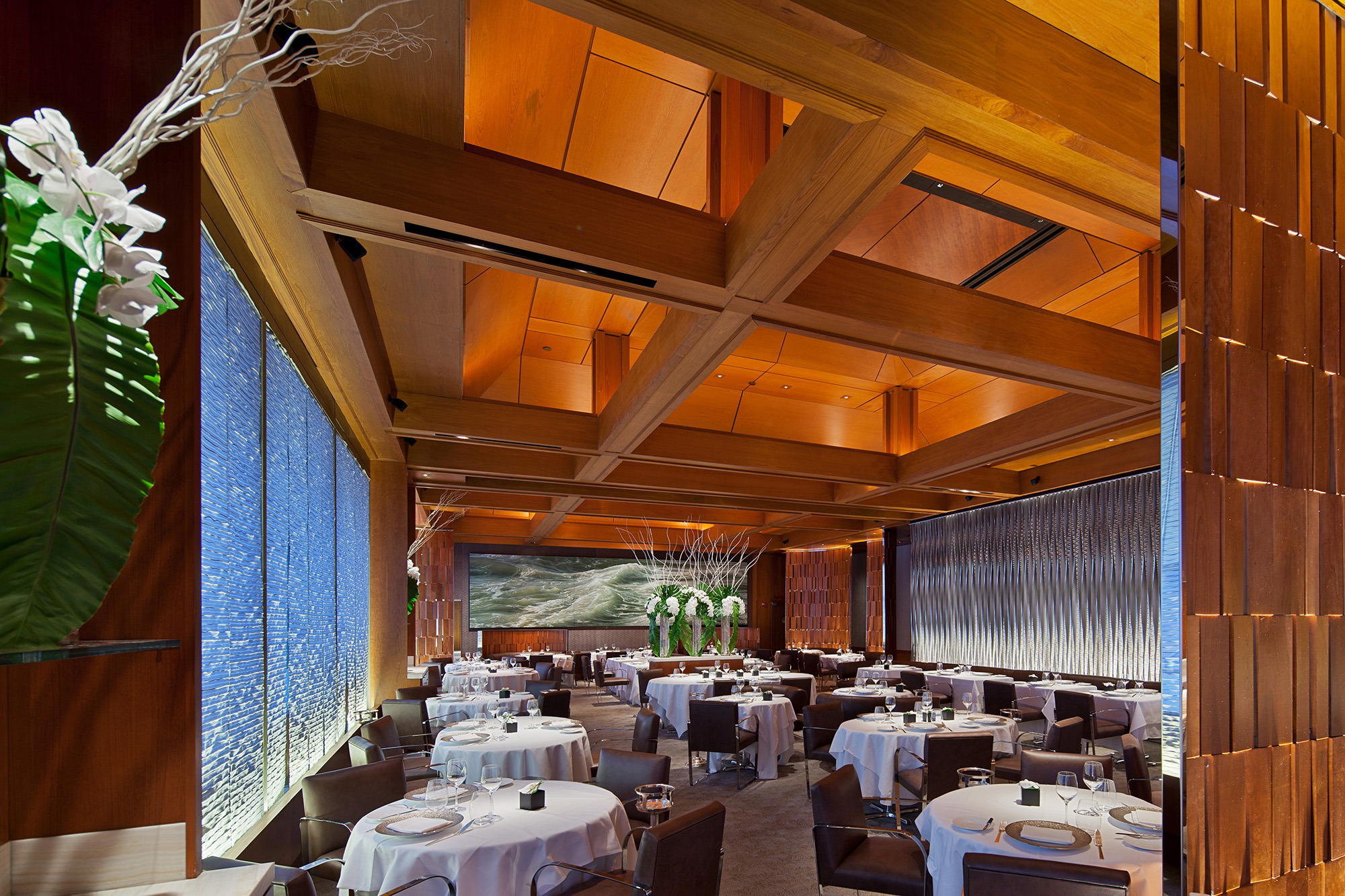
Bars in New York City
Browse all →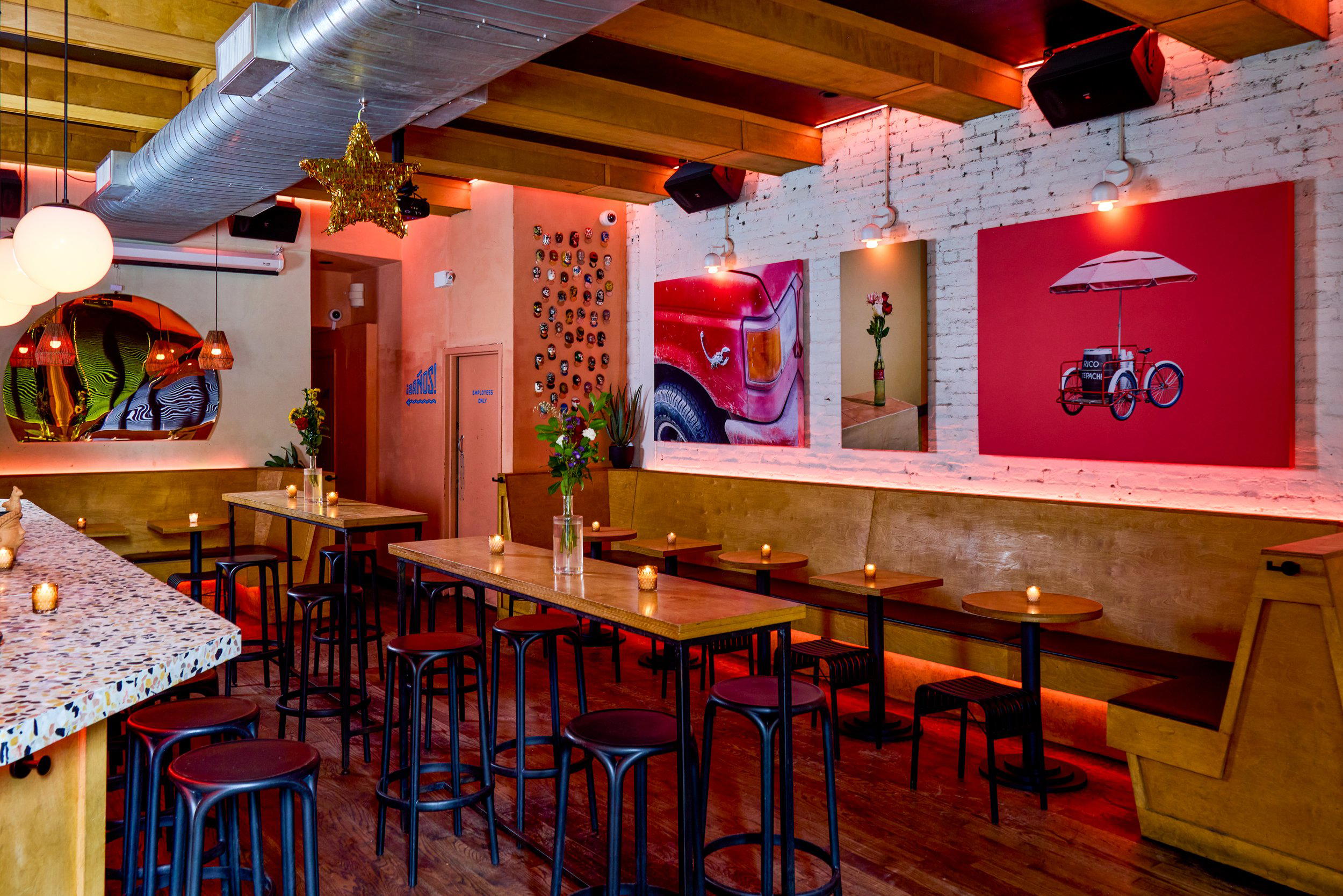
At a Glance
- Trendy
- Cozy
- Retro
- Date Night
- Group Dining
- Special Occasion
- Open Kitchen
- Craft Cocktails
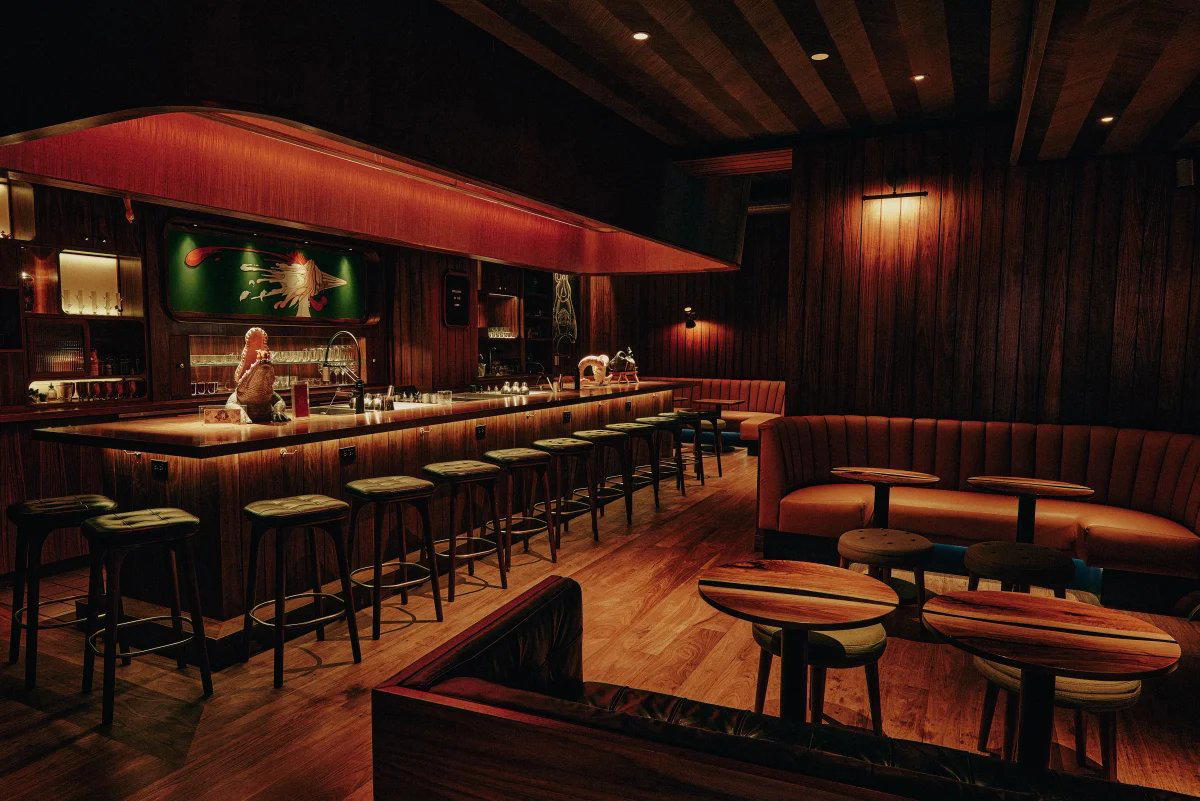
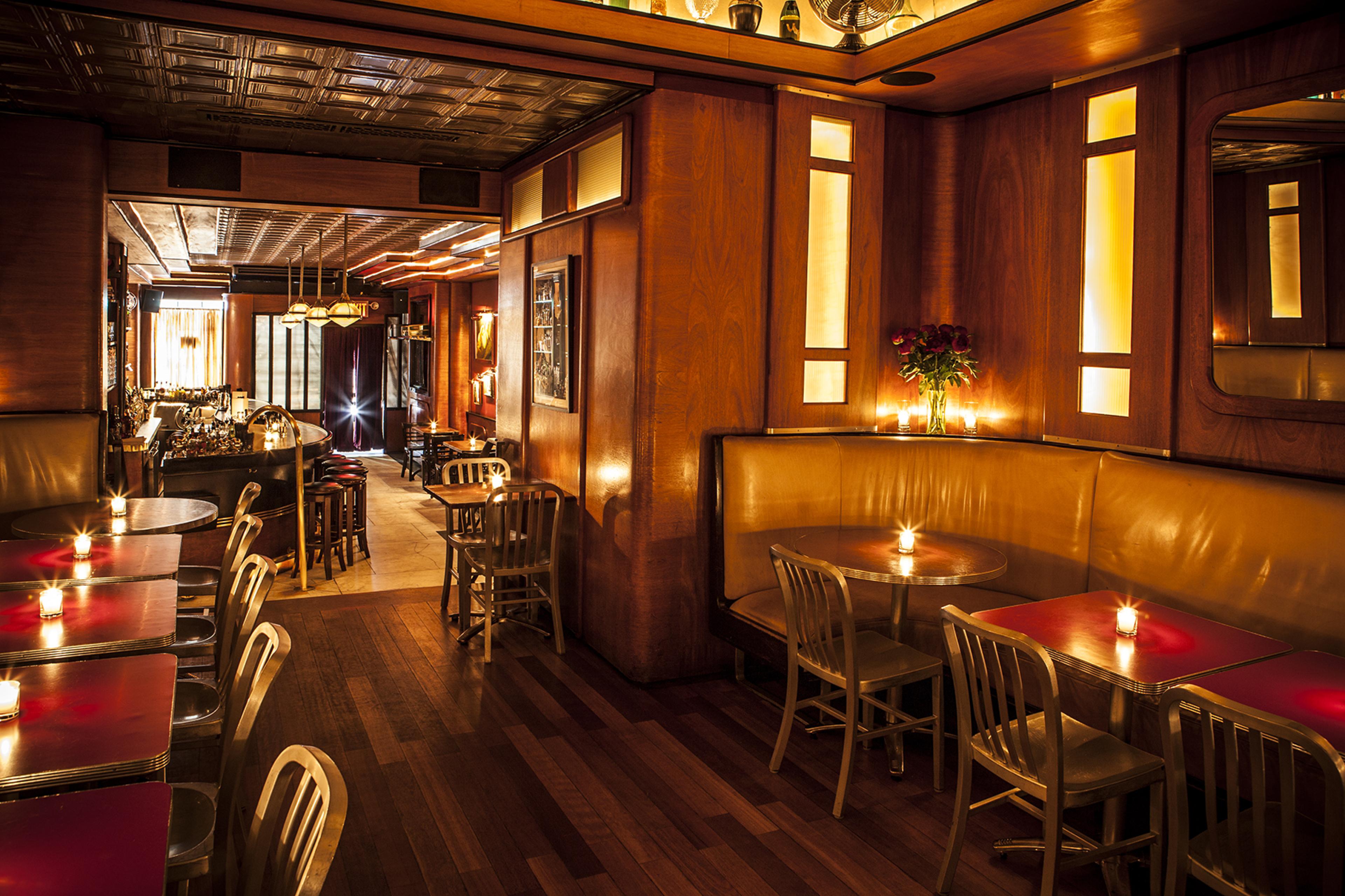
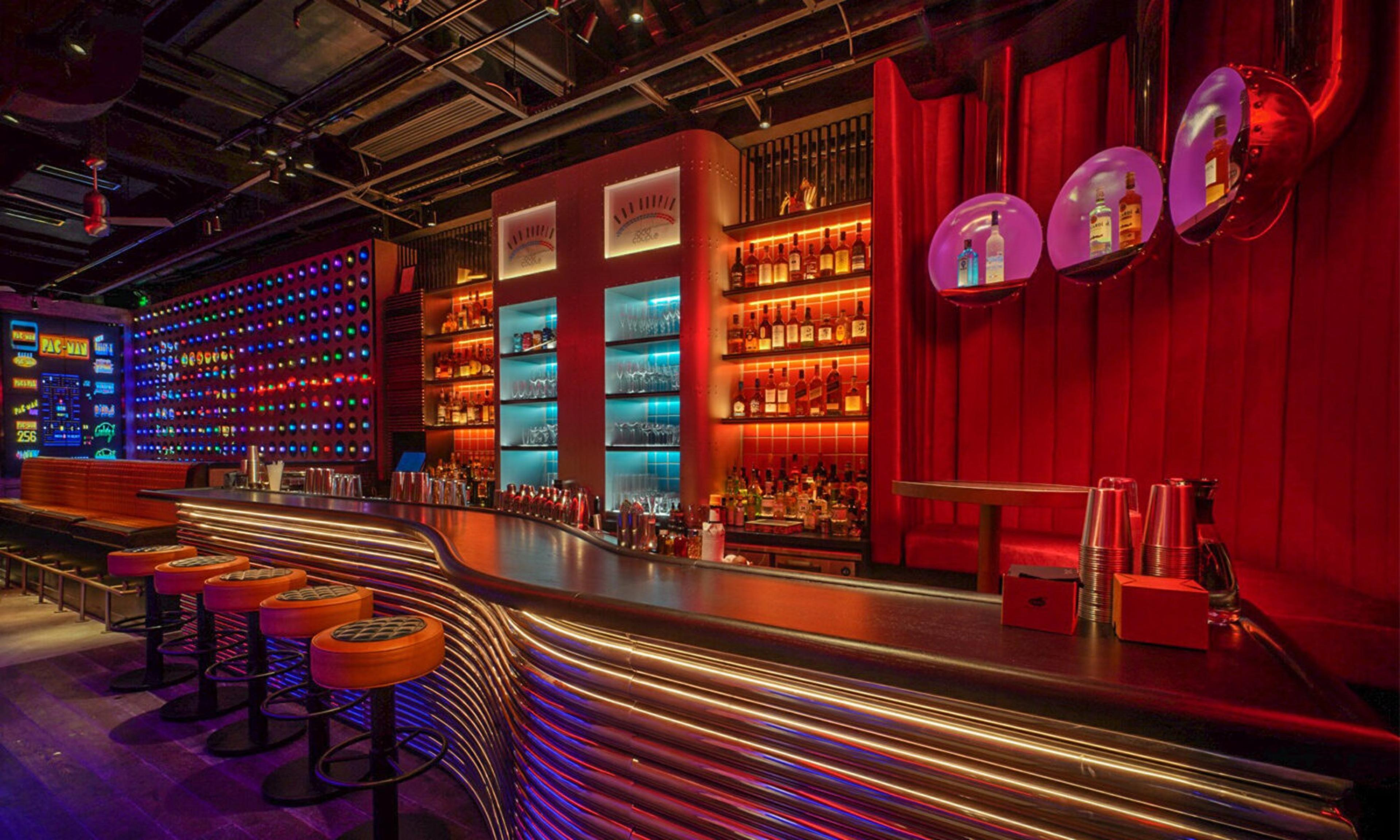
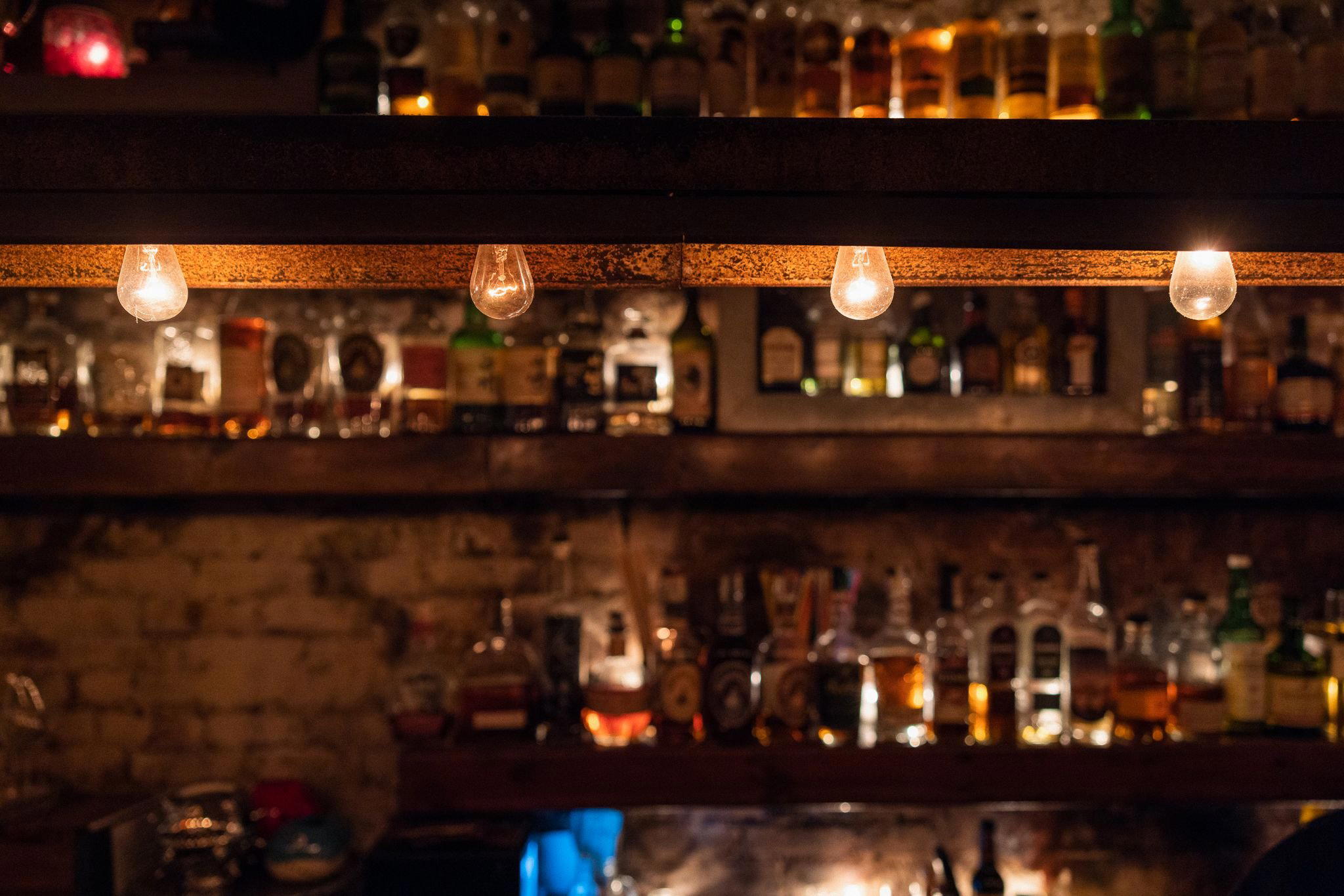
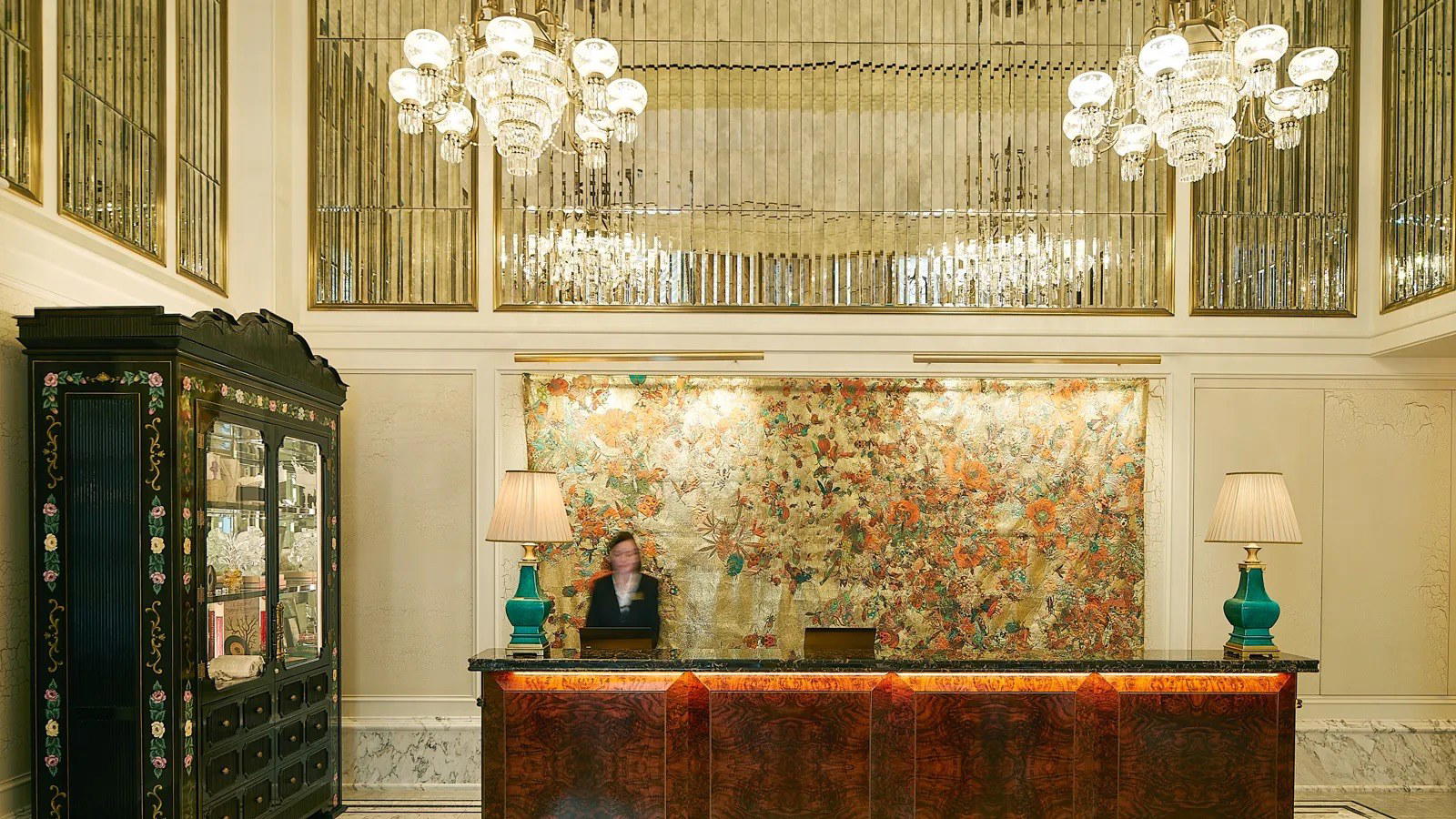
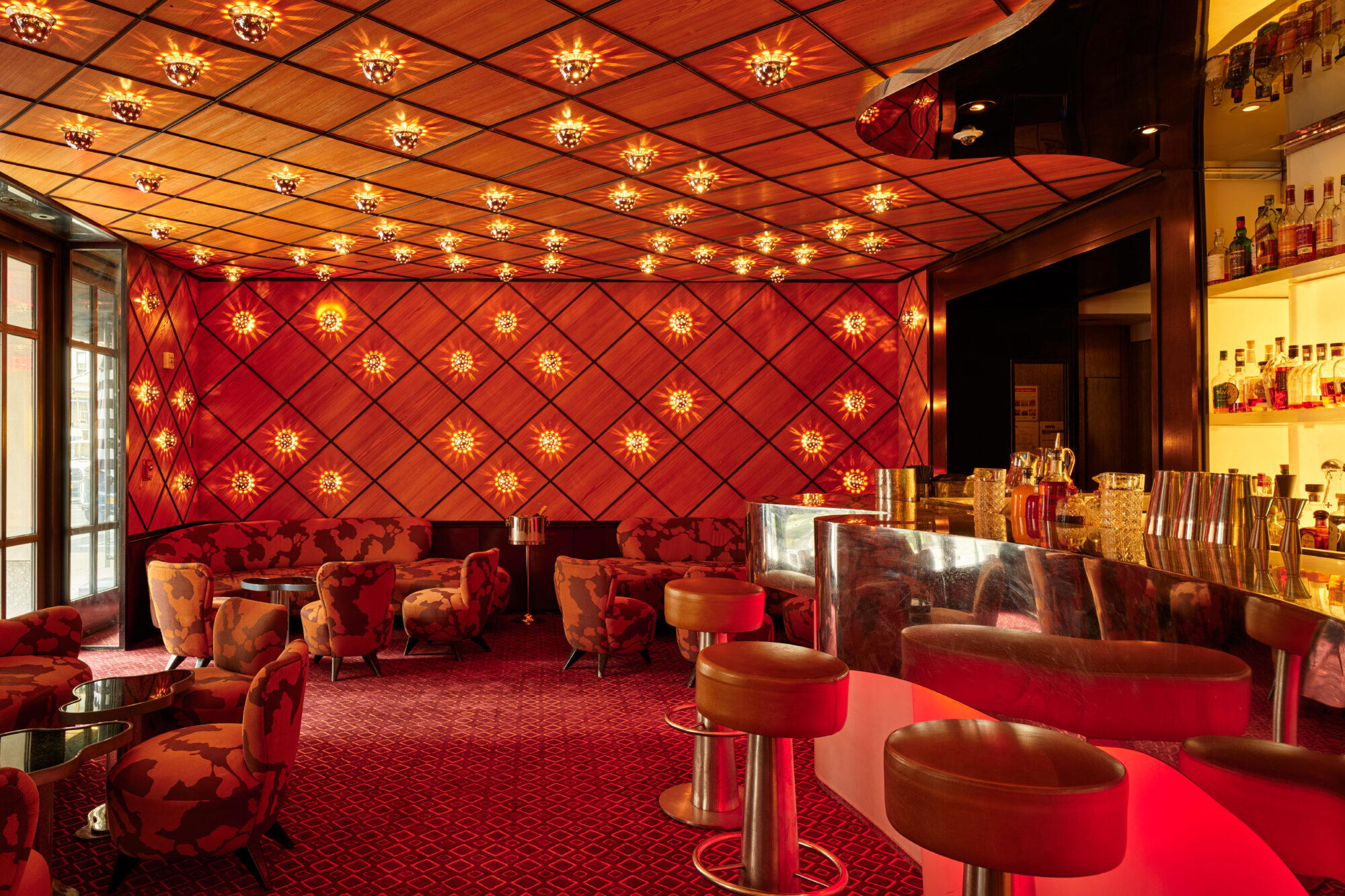
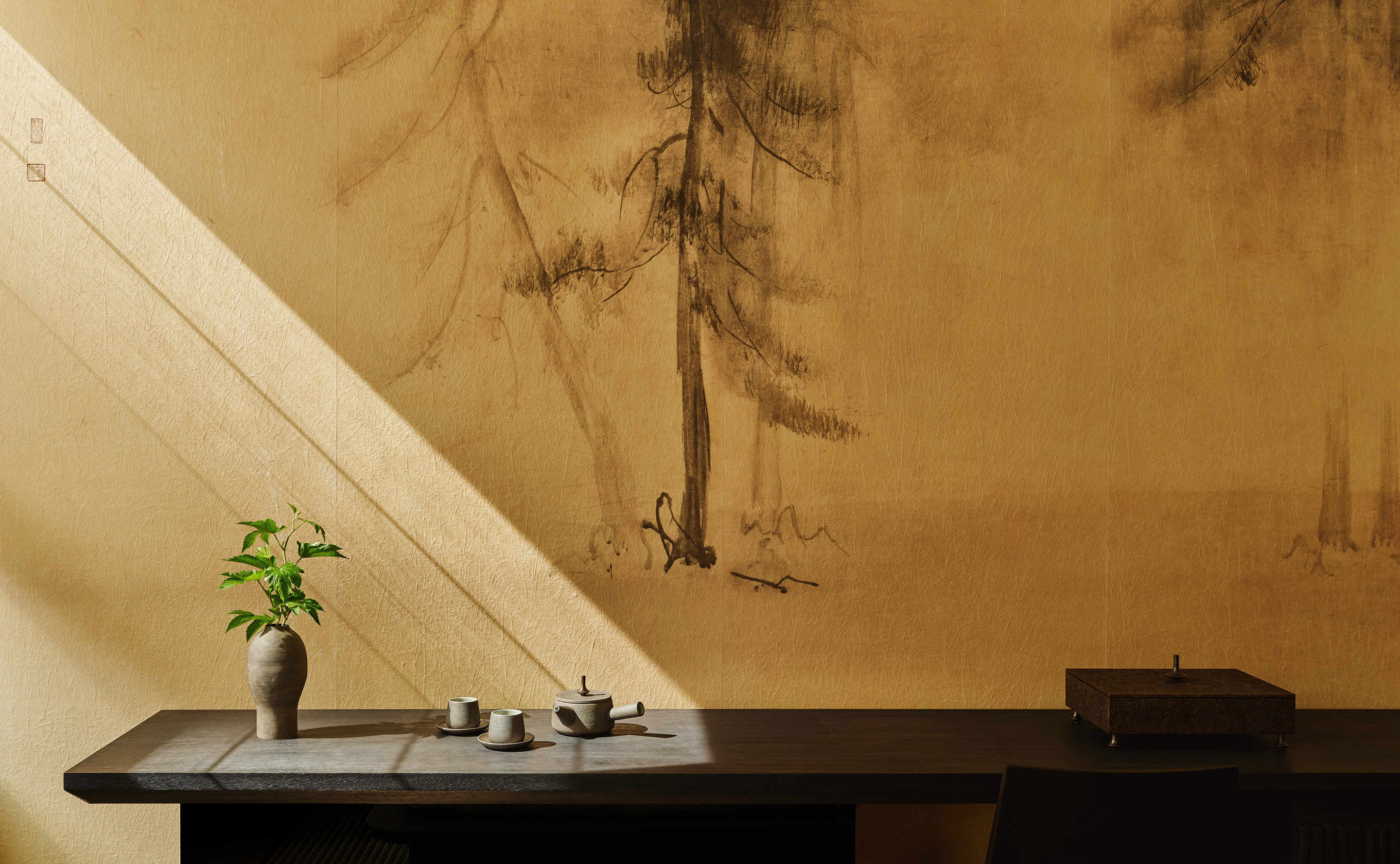
Richly layered interiors filled with vintage photos, sly cultural references, and a cinematic homage to Bombay's chaotic charm.