Gubock Dumplings (구복만두)
In Seoul's Namyeong-dong, Gubock Dumplings (구복만두) represents the kind of neighbourhood dumpling institution that the city's street-food tradition is built on. The address in Yongsan-gu places it among everyday eats rather than fine-dining circuits, making it a reference point for anyone tracing Korean mandu culture beyond the tourist trail. Simple format, strong local following.
Pearl is the En Primeur Club membership app — saves, bookings, and concierge access live there. Same editors, same standards.
- Address
- 용산구 두텁바위로 7 (본점), 남영동, 용산구, 서울특별시, 04352
- Directions
- Get directions
 Saves & bookings on Pearl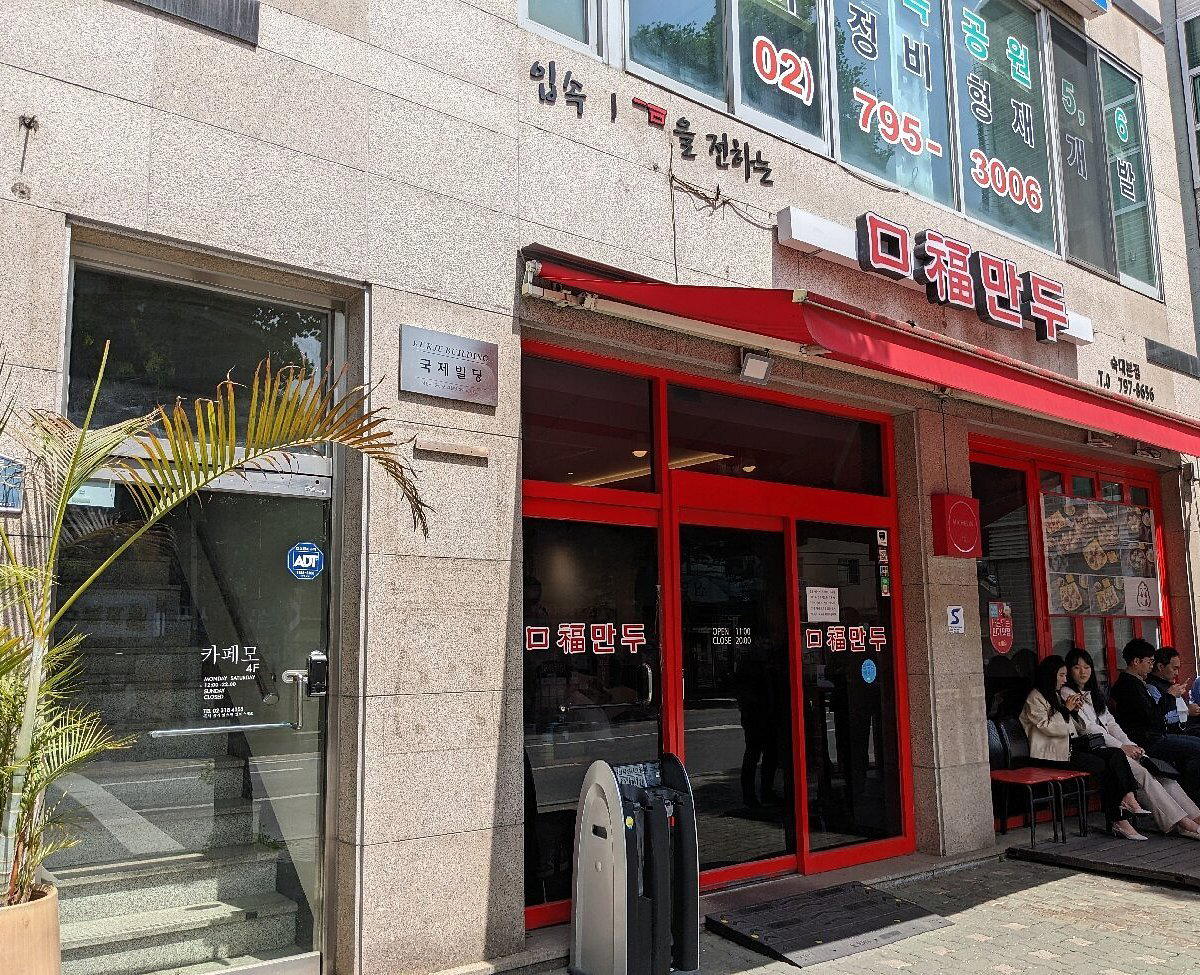
Mandu and the Streets That Made Them
Gubock Dumplings (구복만두) is a restaurant in Yongsan-gu, Seoul, serving Traditional Chinese Dumplings at a casual, walk-in-friendly price tier 2. Seoul's relationship with dumplings is older and more layered than the plastic-wrapped versions stacked in convenience store freezers might suggest. Mandu arrived on the Korean peninsula via the Silk Road trade routes, carrying Mongolian and Chinese influence that filtered through royal kitchens before landing in the street markets of Joseon-era Seoul. What remained after centuries of adaptation is a form that belongs entirely to Korea: thicker skins in some regional traditions, kimchi fillings in others, steamed, pan-fried, or dropped into broth depending on the season and the cook. Understanding this history is the practical foundation for understanding why a neighbourhood shop in Yongsan-gu can carry genuine cultural weight.
Gubock Dumplings (구복만두) sits at 두텁바위로 7 in Namyeong-dong, a residential and working-class stretch of Yongsan-gu that operates at a different tempo from the high-visibility dining corridors of Itaewon or Gangnam. The neighbourhood's character matters here: this is the kind of address where a dumpling shop accumulates regulars across decades rather than cycles through trend-driven foot traffic. For context, Seoul's most-discussed dining addresses right now include multi-course Korean tasting rooms like Mingles (Korean) and Kwonsooksoo (Korean), and format-forward innovators like alla prima (Innovative) and Soigné (Innovative). Gubock operates in an entirely different register from those rooms, and that contrast is the point.
What Mandu Culture Looks Like at Street Level
Korean mandu culture has two distinct tracks. One runs through the premium lane: upscale restaurants reconstructing Goryeo-period court recipes with hand-ground pork, pine nuts, and tofu wrapped in translucent wheat skins. Venues in Seoul's contemporary Korean tier, including Jungsik (Contemporary), occasionally reference these classical forms in modernised tasting menus. The other track is older and more alive in daily Seoul life: the neighbourhood mandu jip, where production is high-volume, pricing is accessible, and the test is direct execution of a limited repertoire. Gubock sits on the second track.
The format typical of shops in this category involves a small number of dumpling types, usually steamed (찐만두), pan-fried (군만두), and a dumpling soup (만두국), often alongside tteok-guk variants during the lunar new year season. The appeal is not variety but consistency and craft repetition. A shop that makes the same fillings daily over many years develops a precision that is difficult to replicate in higher-turnover or more diversified kitchens. This is the same logic that applies to specialist producers across Korean food culture, from the fermented paste makers of Sunchang to the knife-cut noodle shops of Chungmu-ro.
Yongsan-gu and the Logic of Location
Yongsan-gu carries a particular place in Seoul's urban geography. Historically a transit hub and US military base neighbour, the district has changed considerably over the past decade as redevelopment moves through it, but pockets of older commercial life survive in the residential streets around Namyeong station. Shops like Gubock tend to occupy these pockets, sustained by proximity to apartment blocks and office buildings rather than tourist infrastructure. The address on 두텁바위로 suggests a location within walking distance of Namyeong station on Seoul Metro Line 1, which connects directly to Seoul Station in a single stop, making the area more accessible than its low-profile suggests.
For visitors building a broader picture of Korean food across the peninsula, the contrast between Seoul's neighbourhood mandu culture and the approach taken at coastal or regional restaurants is instructive. Operations like Mori in Busan and Dining Room (다이닝룸) in Busan work within different local traditions, while spots like Hwangnam Bread and Busan Steamed Bun in Gyeongju demonstrate how carbohydrate-centred, hand-made food culture runs as a consistent thread through Korean food geography. Mandu is that thread in Seoul, and Gubock is one point on it.
Reading the Neighbourhood Shop Against the Wider Scene
It is worth placing Gubock against Seoul's upper-end Korean dining circuit not to draw an unfair comparison, but to sharpen what the shop actually represents. Tasting-menu rooms at the ₩₩₩₩ tier, the bracket occupied by venues like Mingles, Onjium, and 7th Door, spend considerable effort recovering pre-modern Korean food techniques and presenting them within a fine-dining framework. That work is valuable and has repositioned Korean cuisine internationally. New York now has its own outpost of that tradition through places like Atomix in New York City, where Korean tasting-menu culture sits alongside French-technique restaurants like Le Bernardin in the city's highest tier.
But the techniques those rooms research and reinterpret were originally everyday practice in neighbourhood shops and home kitchens. Gubock is closer to that original everyday form. The value of visiting a shop in this category is not separate from Seoul's fine-dining conversation; it is foundational to understanding what that conversation is actually about. See our full Seoul restaurants guide for a wider map of how the city's food culture layers across price points and formats.
Beyond Seoul: Dumpling and Bun Culture Across Korea
Mandu as a category sits within a broader Korean tradition of filled dough: steamed buns, rice cake soups, and regional variations that shift across the country. In Jeju, informal eating culture takes a different shape, as spots like 88돼지 in Jeju, Black Pork BBQ in Seogwipo, and Badang Lounge in Jeju show the island's stronger orientation toward pork and seafood over wheat-based dishes. In Suwon, where meat-centred traditions run deep, restaurants like Gobojeong Galbi #1 in Suwon and Doosoogobang in Suwon reflect a different regional priority. Meanwhile, the cold soy milk and tofu culture visible at Gyeongju Wonjo Kongguk in Gyeongju or the Japanese-influenced counter dining at Hinode (히노데) in Seogwipo point toward how regionally fragmented Korean food culture remains beneath its increasingly homogenised urban surface. Mandu, and by extension, Gubock, belongs to a specifically northern and Seoul-centred tradition within that fragmented map.
Planning Your Visit
Gubock Dumplings operates as a neighbourhood fixture in Namyeong-dong, Yongsan-gu. The closest transit access is Namyeong station on Line 1, one stop from Seoul Station on the same line, keeping the shop reachable from most parts of the city without a transfer. Visiting directly is the practical approach for confirming hours before you go.
In Context: Similar Options
Comparable venues nearby, for context on price, style, and recognition.
| Venue | Cuisine | Price | Notes |
|---|---|---|---|
| Gubock Dumplings (구복만두)This venue — the venue you are viewing | Traditional Chinese Dumplings | $$ | Not listed |
| Baek Nyeon Baekse Ginseng Chicken Soup | Traditional Korean Ginseng Chicken Soup | $$ | 연남동 |
| 정대포 갈매기전문 | Korean Pork BBQ (Galmaegisal Specialist) | $$ | 노고산동 |
| MapleTree House | Korean BBQ | $$ | 이태원동 |
| Pizzeria Marione | Pizza | Not listed | Seoul |
| Eunjujeong (은주정) | Traditional Korean Kimchi Jjigae | $$ | Jung-gu |
Continue exploring
More in Seoul
Restaurants in Seoul
Browse all →
At a Glance
- Cozy
- Casual Hangout
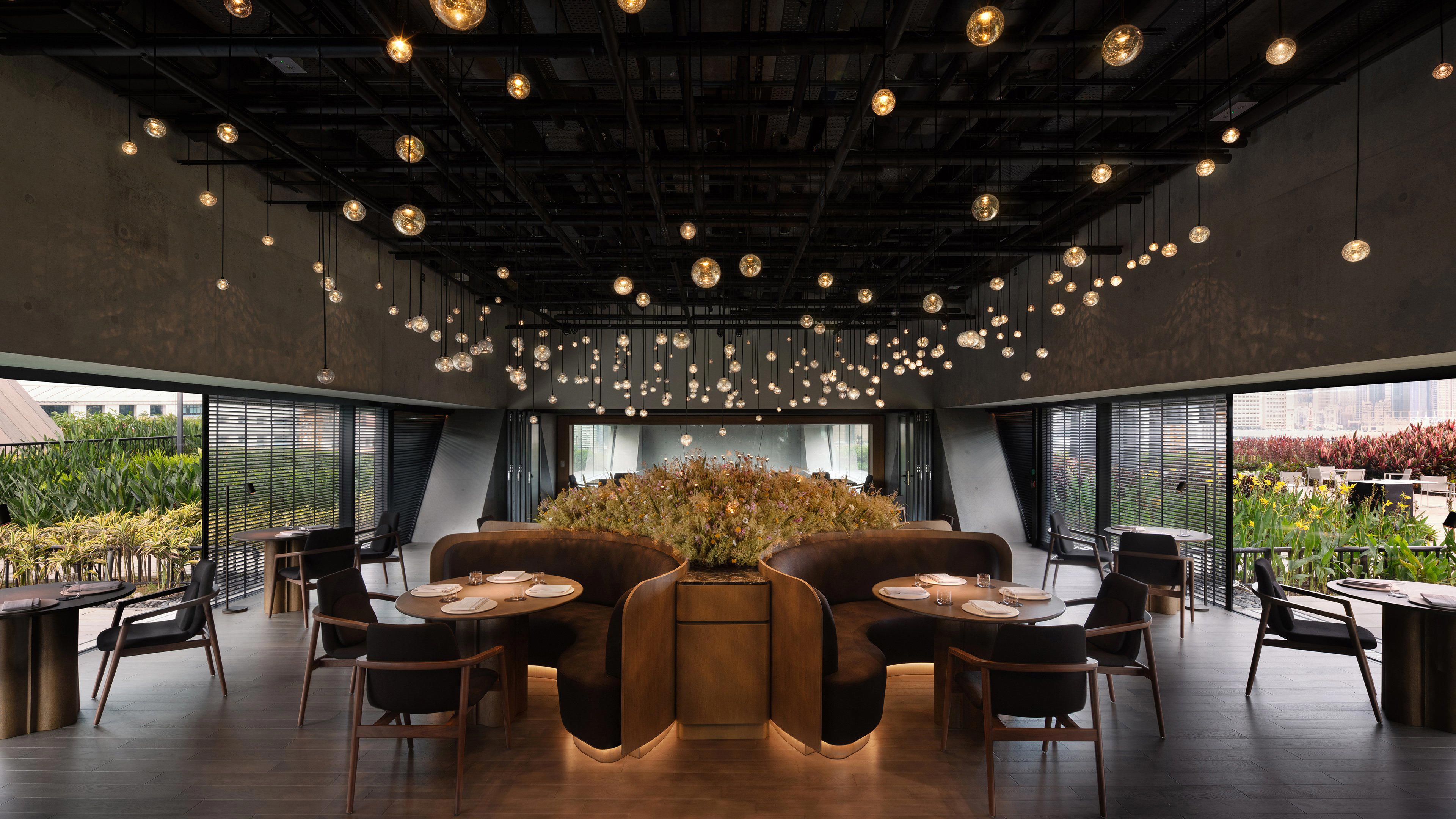
Cozy and intimate atmosphere in a small, family-operated space.