Grosz occupies a landmark address on the Kurfürstendamm, Berlin's most storied boulevard, where grand-café tradition and contemporary dining intersect. The setting rewards visitors drawn to the architectural character of West Berlin as much as those arriving for the food. Its position on the Ku'damm places it within a distinct tier of Berlin dining rooms where atmosphere and address carry as much weight as the menu.
- Address
- Kurfürstendamm 193 194, 10707 Berlin, Germany
- Phone
- +49 30 652142199
- Website
- grosz-berlin.de
- Directions
- Get directions
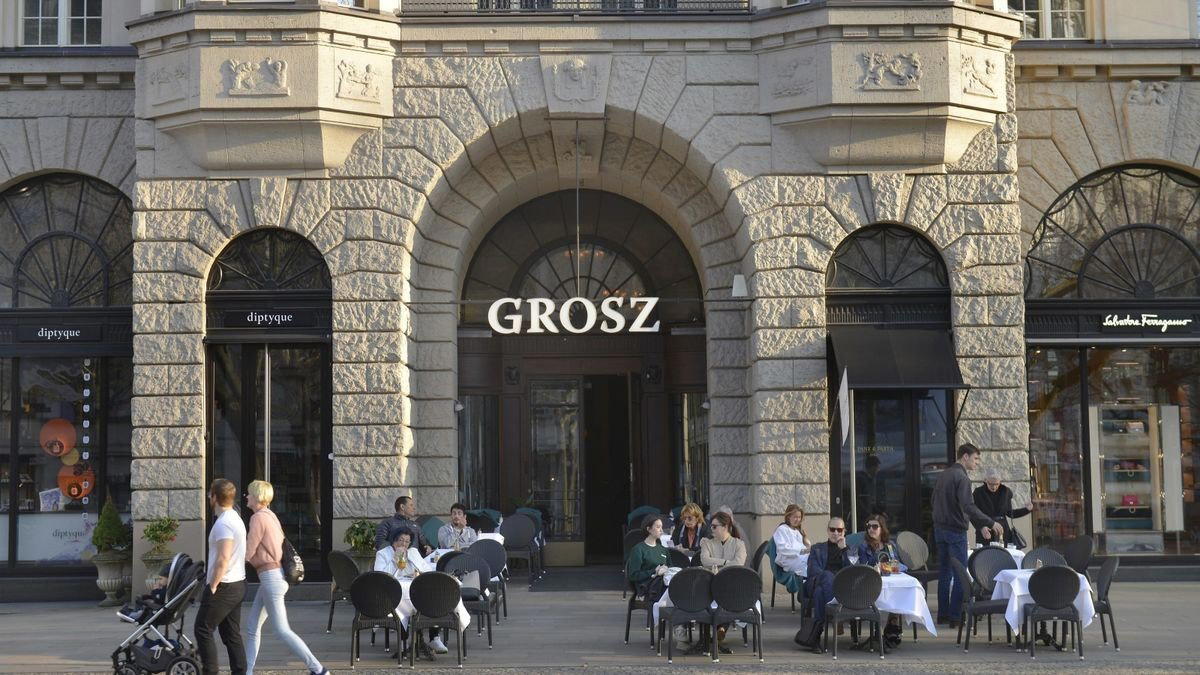
A Boulevard Address That Still Means Something
The Kurfürstendamm has carried the weight of West Berlin's cultural identity for over a century. At number 193 to 194, Grosz occupies a building whose bones predate the city's postwar divisions, sitting on a stretch of the Ku'damm where the architecture still communicates a particular era of European bourgeois confidence. Walking toward the entrance along this boulevard, you are already inside a specific kind of experience: one where the city itself functions as the first course. Few dining addresses in Berlin carry this kind of layered address value, and it shapes the room before a single plate arrives. Grosz is a restaurant in Berlin serving Classic German/French Brasserie fare at a price tier of 3.
Berlin's contemporary dining scene has fragmented into sharply distinct registers. At the leading, venues such as Rutz, Nobelhart & Schmutzig, and FACIL operate with tasting-menu formats and booking lead times that run months out. Below that, the city's neighbourhood restaurant culture pulls in a different direction, casual, ideologically anti-formality, often deliberately rough around the edges. Grosz sits in a middle register that Berlin has historically found uncomfortable to sustain: the grand European café-restaurant, where an ambitious room and a broad menu coexist without apology. That format is more durably established in Vienna or Paris, which makes its presence on the Ku'damm worth noting.
The Room as the Primary Argument
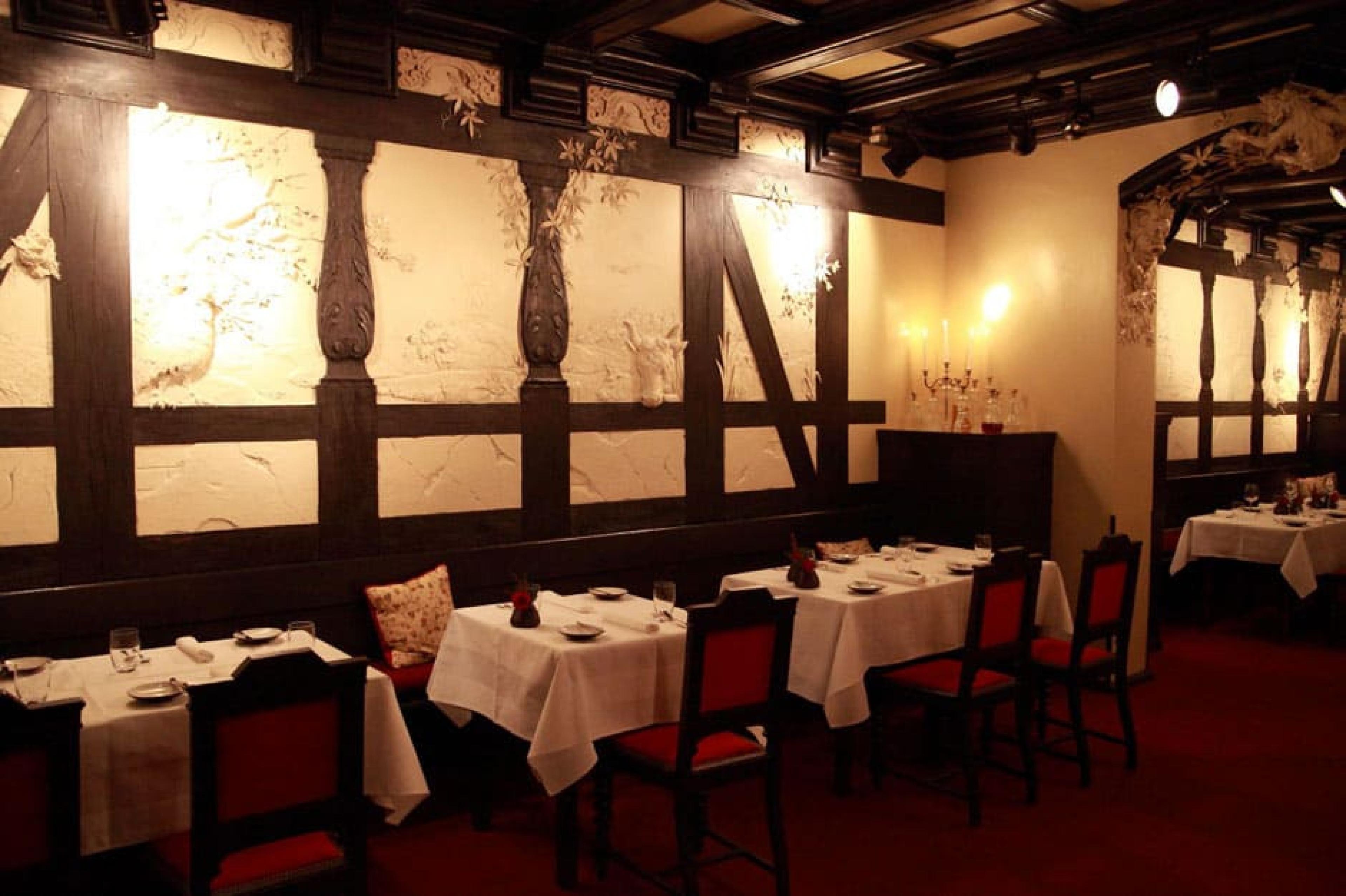
In the tradition of the Central European Kaffeehaus, the physical environment at Grosz is not incidental to the experience, it is the experience's primary argument. The grand café format, as it has been understood from Budapest to Vienna, positions the room itself as a kind of public living space: a place where the ceiling height, the quality of light filtering through large windows, and the low-frequency hum of a room at capacity all work together to produce something that no single dish can replicate alone. Berlin has fewer rooms in this tradition than its history might suggest, which is partly a consequence of wartime destruction and partly a consequence of the city's long cultural preference for the austere over the palatial.
Grosz participates in a modest revival of that grand-café sensibility along the Ku'damm, a street that, since reunification, has been in a slow negotiation between its Cold War-era commercial legacy and a renewed ambition to function as a genuine cultural boulevard. The dining room format here speaks to the latter aspiration: the kind of place where an unhurried lunch extends two hours without anyone raising an eyebrow, and where the drinks list is taken as seriously as the food.
Where Grosz Sits in the Berlin Fine-Dining Map
Understanding Grosz requires placing it accurately among Berlin's broader restaurant geography. The city's most discussed fine-dining addresses, CODA Dessert Dining with its dessert-as-dinner format, or Restaurant Tim Raue with its Chinese-inflected cuisine, are concept-led venues where format and philosophy are inseparable from the food. Grosz does not operate in that register. It belongs to a different tradition: the European restaurant where the menu covers ground generously, the cooking aims for pleasure rather than provocation, and the room exists to be inhabited rather than observed.
That distinction matters for planning. If your Berlin itinerary is structured around a single landmark tasting-menu meal, the kind of experience that Schwarzwaldstube delivers in Baiersbronn, or that Aqua represents in Wolfsburg, Grosz occupies a different slot in the schedule. It is better understood as the long lunch or the unhurried dinner that anchors a day rather than defines a trip.
Germany's fine-dining circuit, from Vendôme in Bergisch Gladbach to Victor's Fine Dining by Christian Bau in Perl, has produced some of Europe's most technically accomplished restaurants, venues that compete against Le Bernardin in New York or Lazy Bear in San Francisco in terms of conceptual ambition. Grosz does not seek that comparison. Its comparable set is the European grand café-restaurant, and within Berlin that is a short list.
Planning a Visit
Grosz is located at Kurfürstendamm 193 to 194 in the Charlottenburg district of Berlin, the western end of the city that retains intact pre-reunification West Berlin character. The nearest U-Bahn stations on the U1 and U9 lines keep it accessible from both central and eastern parts of the city. For visitors whose Berlin dining calendar already includes a Michelin-recognised meal, at FACIL, for instance, or at one of the tasting-format venues, Grosz functions well as the counterpoint: lower intensity, longer in the room, and anchored to a part of Berlin whose architectural texture is itself worth the journey.
The Ku'damm's tourist traffic means weekends and evenings during spring and autumn, when Berlin's conference and cultural calendar peaks, are likely to require more lead time than a midweek lunch. If your trip allows flexibility, a Tuesday or Wednesday lunch represents the version of a grand café address that the format was designed for: unhurried service, a room that is present without being overwhelming, and the particular quality of afternoon light that long windows and boulevard addresses produce.
For those building a wider German fine-dining itinerary around a Berlin visit, the country's spread of recognised restaurants rewards a regional approach. JAN in Munich, ES:SENZ in Grassau, Schanz in Piesport, Waldhotel Sonnora in Dreis, Restaurant Haerlin in Hamburg, and Bagatelle in Trier each occupy distinct positions in Germany's dining geography and can be mapped around a Berlin anchor.
Same-City Peers
Comparable venues nearby, for context on price, style, and recognition.
| Venue | Cuisine | Price | Notes |
|---|---|---|---|
| GroszThis venue — the venue you are viewing | Classic German/French Brasserie | $$$ | Not listed |
| Michelberger Restaurant | Modern European Farm-to-Table | $$$ | Friedrichshain |
| Lebenswelten im Humboldt Forum | Sustainable German Bistro with Vegetarian Focus | $$ | Mitte |
| Restauration 1840 | Traditional German Cuisine | $$ | Mitte |
| HOLIs | Traditional German Home Cooking | $$$ | Rummelsburg |
| Biermeisterei | German Brewery BBQ & Grill | $$ | Mitte |
Continue exploring
More in Berlin
Restaurants in Berlin
Browse all →
Bars in Berlin
Browse all →
Hotels in Berlin
Browse all →

At a Glance
- Elegant
- Classic
- Sophisticated
- Date Night
- Business Dinner
- Special Occasion
- Historic Building
- Extensive Wine List
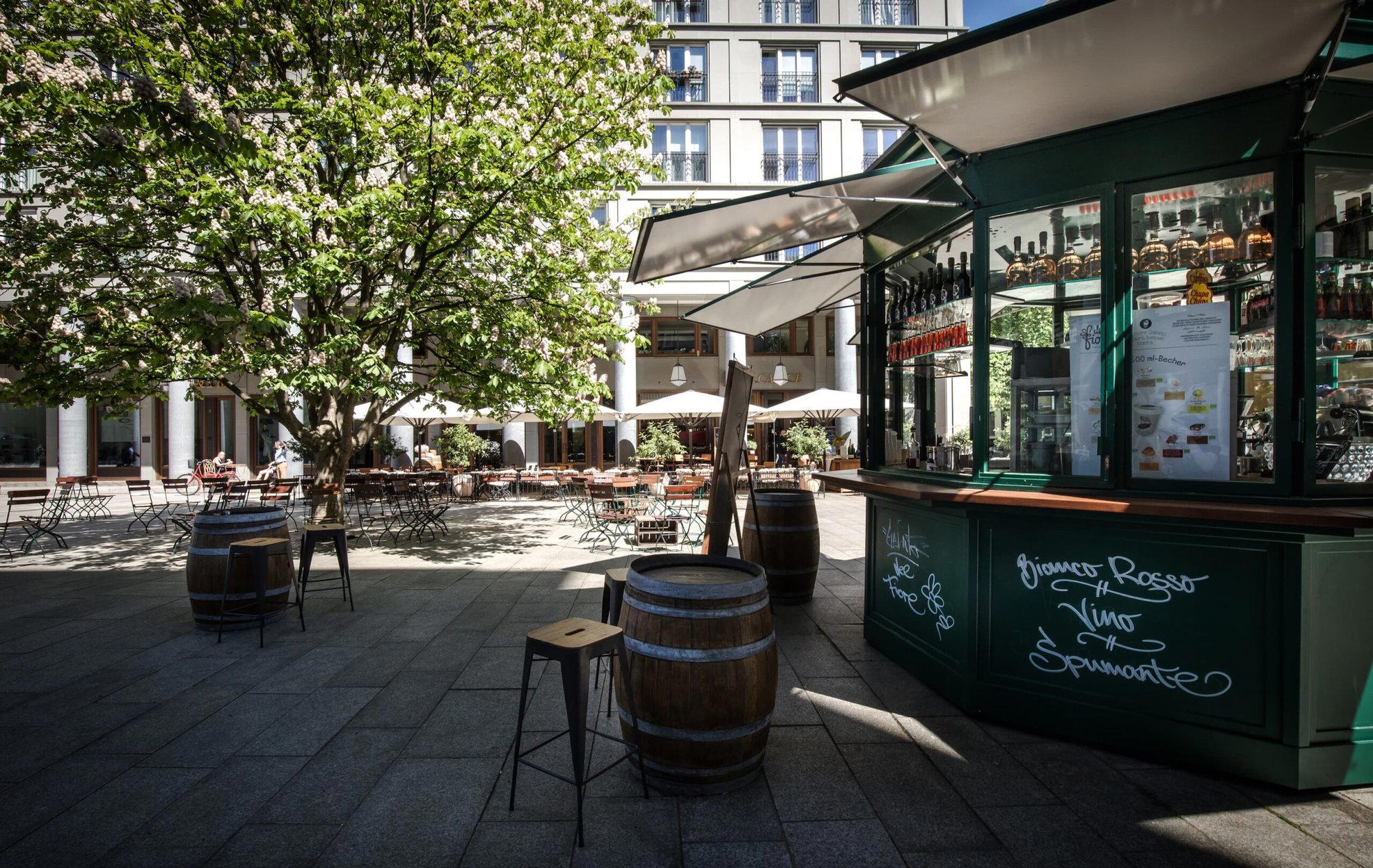
Combination of Viennese Art Nouveau coffee house and French brasserie featuring marble, brass, mirrors, glossy woods, stucco, old mirrors, picture frames, and high ceilings creating a relaxing, decadent atmosphere.