Biermeisterei serves German Brewery BBQ & Grill with a beer program, smoked ribs, steaks, and handmade burgers, on Karl-Liebknecht-Str. for dinner or late night.
Pearl is the En Primeur Club membership app — saves, bookings, and concierge access live there. Same editors, same standards.
- Address
- Karl-Liebknecht-Str. 13, 10178 Berlin, Germany
- Phone
- +493030878989
- Website
- biermeisterei.lemke.berlin
- Directions
- Get directions
 Saves & bookings on Pearl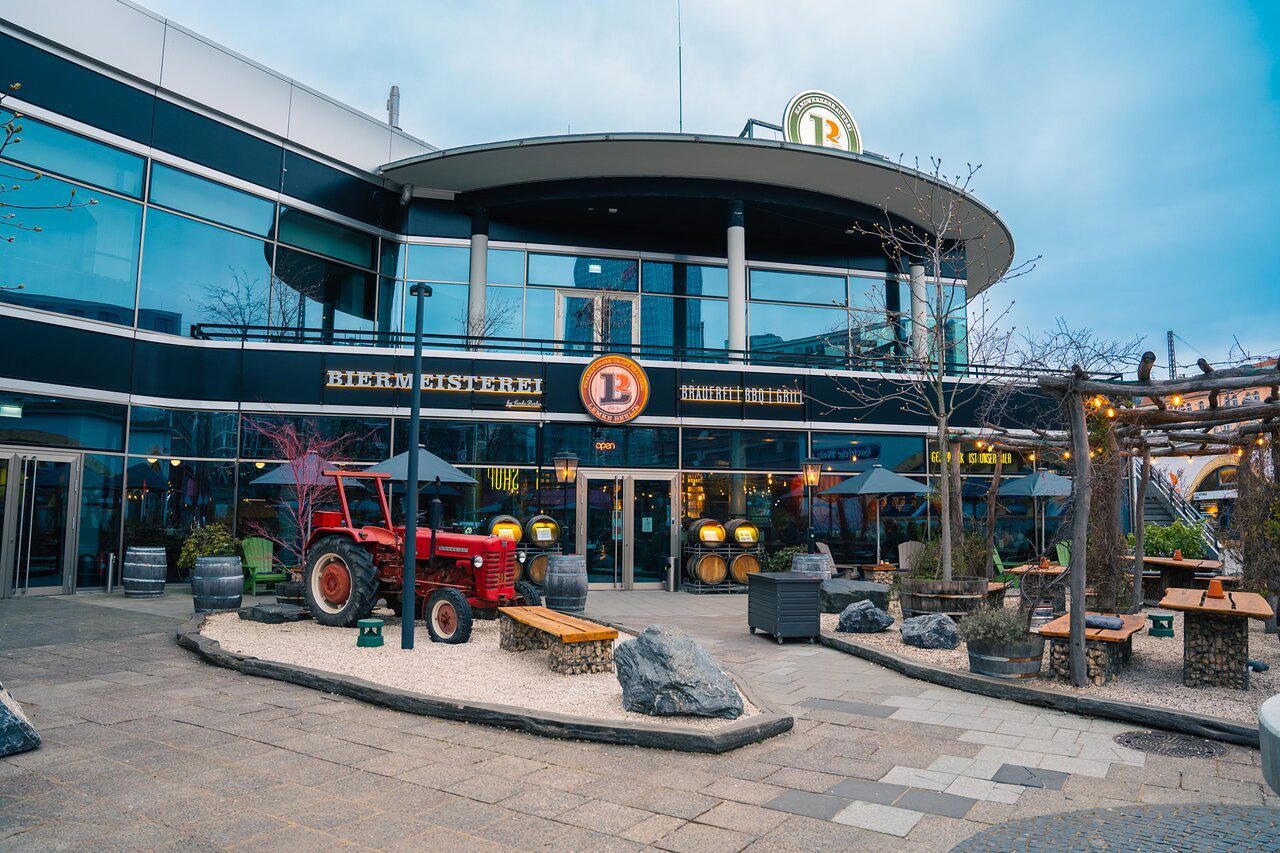
Berlin's Craft Beer Scene and Where Biermeisterei Fits
Biermeisterei is a restaurant on Karl-Liebknecht-Str. 13 in Berlin’s Mitte district, serving German Brewery BBQ & Grill cuisine at an accessible price point. The city that once defined itself by cheap pilsner and all-night bars has, in patches, grown into something more considered: smaller producers, house-brewed lagers served alongside food menus that match their complexity, and a general drift toward provenance-aware drinking. Karl-Liebknecht-Strasse, running through the eastern core of Mitte, sits at the intersection of tourist-heavy Alexanderplatz and the quieter residential blocks pushing toward the Spree. Biermeisterei occupies that address at number 13, positioning it squarely inside a stretch of Berlin that draws both locals and visitors without fully belonging to either camp.
The address places Biermeisterei within walking distance of some of Berlin's most-visited landmarks, which could easily make it a venue coasting on footfall rather than substance. The more interesting question is whether what's happening inside reflects the broader shift in how Berlin's hospitality scene is thinking about sourcing, waste, and the environmental cost of running a drinks-led operation at scale. Across the city, that conversation has moved from niche to mainstream faster than most expected.
The Sustainability Conversation in Berlin Drinking Culture
Germany's brewing tradition has always carried an implicit environmental argument: the Reinheitsgebot, the 16th-century purity law mandating only water, malt, hops, and yeast, was never framed in ecological terms, but its insistence on minimal ingredients aligns, at least structurally, with modern low-intervention thinking. What's changed is that Berlin's better drinking establishments are now making that alignment explicit, tracking ingredient sourcing, reducing single-use packaging, and in some cases fermenting on-site to shorten supply chains.
This shift parallels what has happened in Berlin's fine dining tier. Nobelhart & Schmutzig built its entire identity around a strict regional sourcing policy, naming every producer on the menu. Rutz has incorporated German terroir as a guiding editorial principle across its wine program. Even dessert-forward venues like CODA Dessert Dining have folded fermentation and precision into formats that reduce waste by design. In each case, the environmental argument is structural, baked into the format rather than added as a badge.
For a venue operating in the craft beer space, the equivalent questions are about local hop sourcing, spent grain repurposing, water use in brewing, and whether glassware and service logistics add unnecessary waste. These are not abstract concerns in Berlin: the city's hospitality sector faces meaningful scrutiny from a consumer base that reads sourcing claims carefully and tends to push back on greenwashing.
What the Location Implies About the Offer
Karl-Liebknecht-Strasse 13 is a commercially active address. That means volume, a mixed clientele, and a service model that likely runs longer hours than a reservation-only format. In the Berlin drinking context, that positioning puts Biermeisterei alongside a category of venues that must balance throughput with quality, a harder balance to strike than it looks when craft credentials are on the table.
The comparison set worth holding in mind is not the Michelin-acknowledged dining rooms a few kilometres away, places like FACIL or Restaurant Tim Raue, but rather the mid-tier Berlin venues that have found a way to run sustainably at scale without sacrificing the sourcing principles that give craft operations their credibility. That tier is harder to occupy than either extreme.
Germany's broader fine dining circuit offers a useful frame for understanding what rigorous hospitality looks like when it's operating with full commitment. Houses like Schwarzwaldstube in Baiersbronn, Aqua in Wolfsburg, and Vendôme in Bergisch Gladbach demonstrate what sustained investment in sourcing, technique, and service infrastructure produces over years. The craft beer world operates with different economics and different metrics, but the underlying discipline is recognisable across categories.
Practical Considerations for Visiting
The practical picture here is direct: Biermeisterei is recommended for reservations and is open Mon: 12–10 PM; Tue: 12–10 PM; Wed: 12–10 PM; Thu: 12–10 PM; Fri: 12–10 PM; Sat: 12–10:30 PM; Sun: 3–10 PM. What the address alone confirms is that Karl-Liebknecht-Strasse 13 is accessible by public transport, with S-Bahn and U-Bahn connections at Alexanderplatz less than five minutes on foot. For visitors arriving from western Berlin, the journey is direct by rail. For those combining the visit with Berlin's fine dining circuit, the eastern Mitte location puts it within reasonable distance of several of the city's most-discussed restaurants.
Given the location's commercial character, walk-in access is likely, but confirming current hours before visiting is advisable. Seasonal variation in Mitte's hospitality scene is worth factoring in: summer months bring heavier tourist traffic through the Alexanderplatz corridor, which can affect both availability and the atmosphere of venues in that stretch.
JAN in Munich, Schanz in Piesport, Waldhotel Sonnora in Dreis, ES:SENZ in Grassau, Victor's Fine Dining by Christian Bau in Perl, and Restaurant Haerlin in Hamburg each represent different expressions of German hospitality at a serious level. Bagatelle in Trier adds another regional counterpoint. For international reference points, Le Bernardin in New York City and Lazy Bear in San Francisco illustrate how differently the premium hospitality conversation plays out in other markets. The full picture of what Berlin offers across categories is covered in our full Berlin restaurants guide.
Price and Positioning
Comparable venues nearby, for context on price, style, and recognition.
| Venue | Cuisine | Price | Notes |
|---|---|---|---|
| BiermeistereiThis venue — the venue you are viewing | Mitte, German Brewery BBQ & Grill | $$ | Not listed |
| Georgbraeu | Mitte, Traditional German Brewery | $$ | Not listed |
| Stulle mit Brot | Not listed | $$ | Charlottenburg, Berliner Stullen & Soup Shop |
| Café Liebig | Grünau, Classic German Bistro | $$ | Not listed |
| Ezsra | Neukolln, Modern Berlin Wine Bistro | $$ | Not listed |
| Fischer & Lustig | Mitte, Traditional German Fish & Meat | $$ | Not listed |
Continue exploring
More in Berlin
Restaurants in Berlin
Browse all →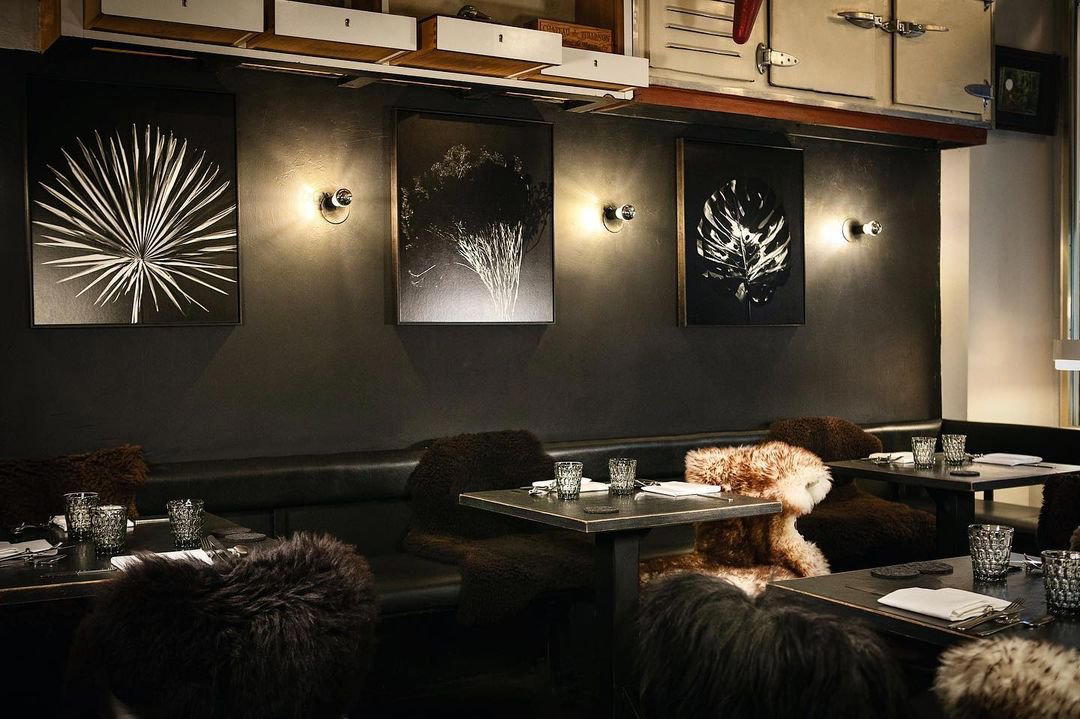
Bars in Berlin
Browse all →
Hotels in Berlin
Browse all →
Wineries in Berlin
Browse all →
At a Glance
- Lively
- Cozy
- Rustic
- Energetic
- Group Dining
- Casual Hangout
- After Work
- Late Night
- Open Kitchen
- Terrace
- Beer Program
Current opening hours
- Monday
- 12–10 PM
- Tuesday
- 12–10 PM
- Wednesday
- 12–10 PM
- Thursday
- 12–10 PM
- Friday
- 12–10 PM
- Saturday
- 12–10:30 PM
- Sunday
- 3–10 PM
Hours can change for holidays and private events. Last verified .
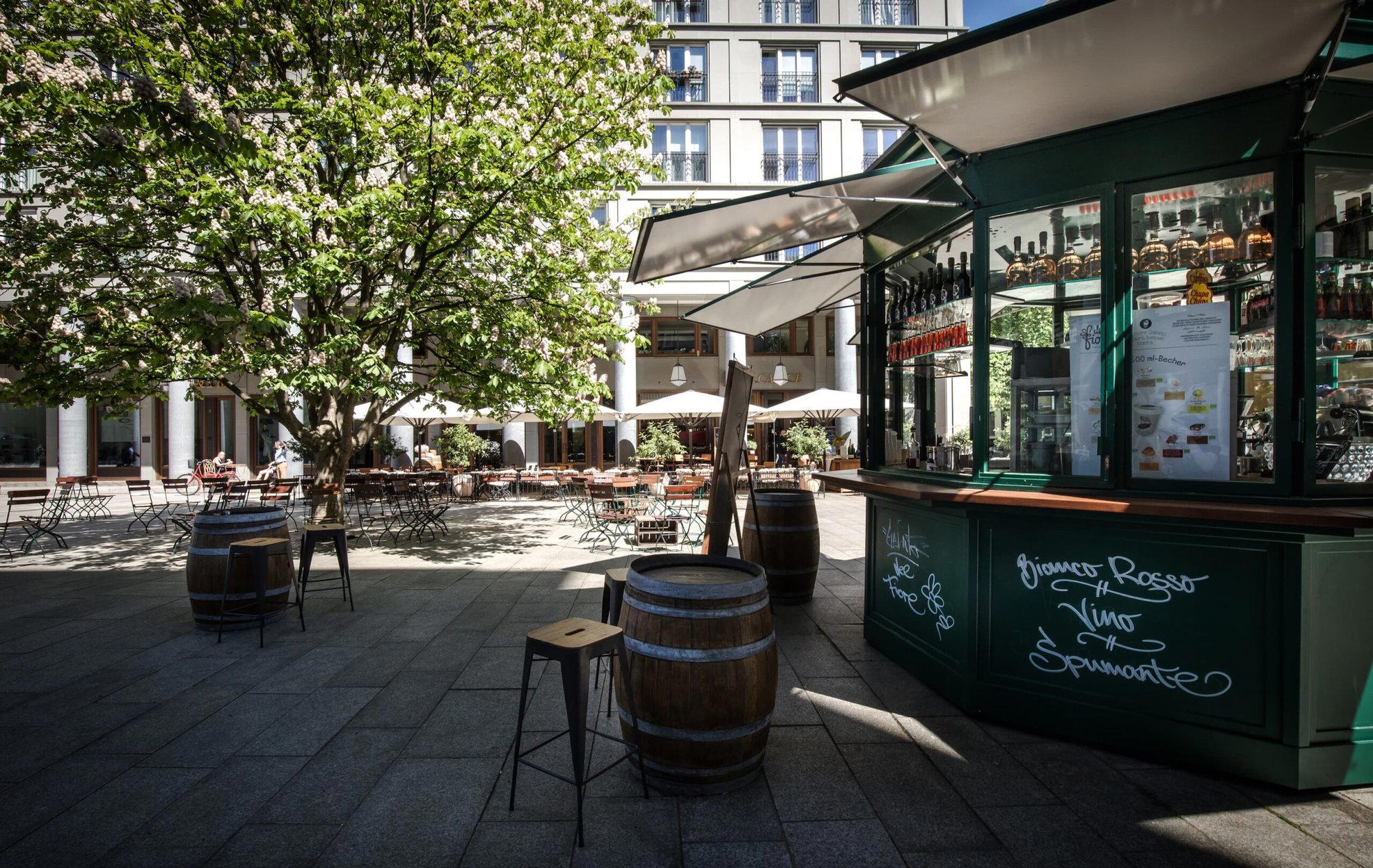
Cozy atmosphere in spaces like the Barrel Lounge and Jagdstube, with an energetic vibe and green Hopfengarten for outdoor seating in good weather.