Google: 4.1 · 624 reviews
.png)
A Michelin Bib Gourmand holder for two consecutive years, Green T. has occupied a small corner of Rome's centro storico for two decades, serving Chinese food across intimate multi-level dining rooms filled with antique objects and a notable teapot collection. The menu spans classic Chinese dishes, dim sum made fresh daily, and street food-style plates, with the €€ price point placing it well outside Rome's fine-dining corridor.
 Discover on Pearl
Pearl is the En Primeur Club membership app — saves, bookings, and concierge access live there. Same editors, same standards.
A Chinese Restaurant in the Shadow of the Pantheon
The streets between Piazza San Ignazio and the Pantheon are among the most navigated in Rome, lined with centuries-old churches, travertine facades, and the kind of tourist-facing trattorias that prioritise location over cooking. Green T., on Via del Piè di Marmo, has held its ground in this neighbourhood for twenty years, making a coherent case for Chinese food in a city where the cuisine rarely receives serious treatment. The Michelin Guide has taken note: the restaurant carries a Bib Gourmand designation in both 2024 and 2025, the Guide's marker for cooking that delivers quality above what the price point would suggest.
Rome's restaurant scene at the leading end is heavily weighted toward Italian and Mediterranean cooking. La Pergola, Il Pagliaccio, and Enoteca La Torre represent the city's Michelin-starred upper tier, all operating at €€€€ price points within Italian or creative European frameworks. Green T. sits in a different category entirely: a €€ Chinese kitchen with two years of consecutive Bib Gourmand recognition, occupying a niche that very few restaurants in Rome attempt seriously. For readers building an itinerary across Rome's broader dining range, our full Rome restaurants guide maps both ends of that spectrum.
The Physical Container: Multi-Level Rooms and a Teapot Archive
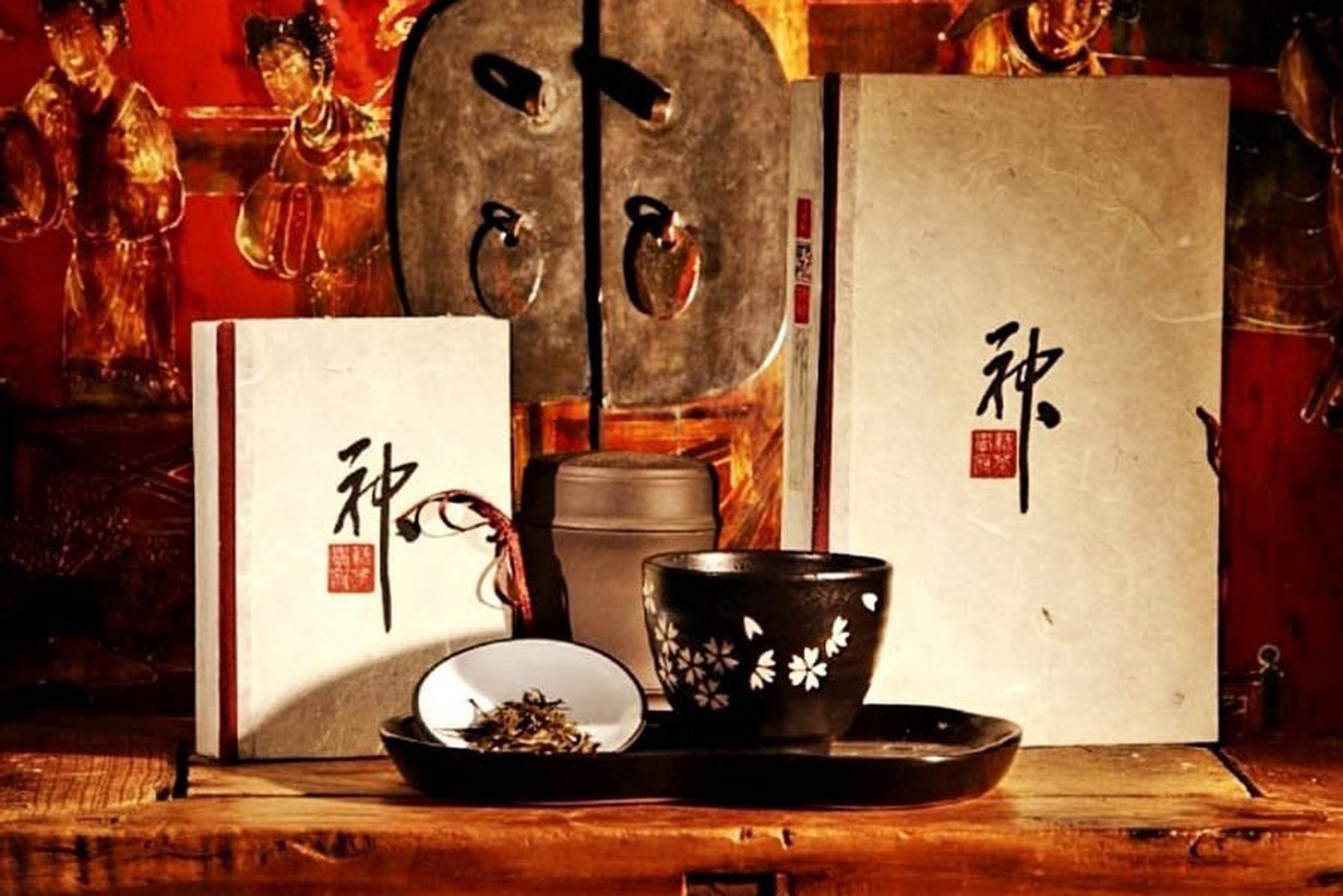
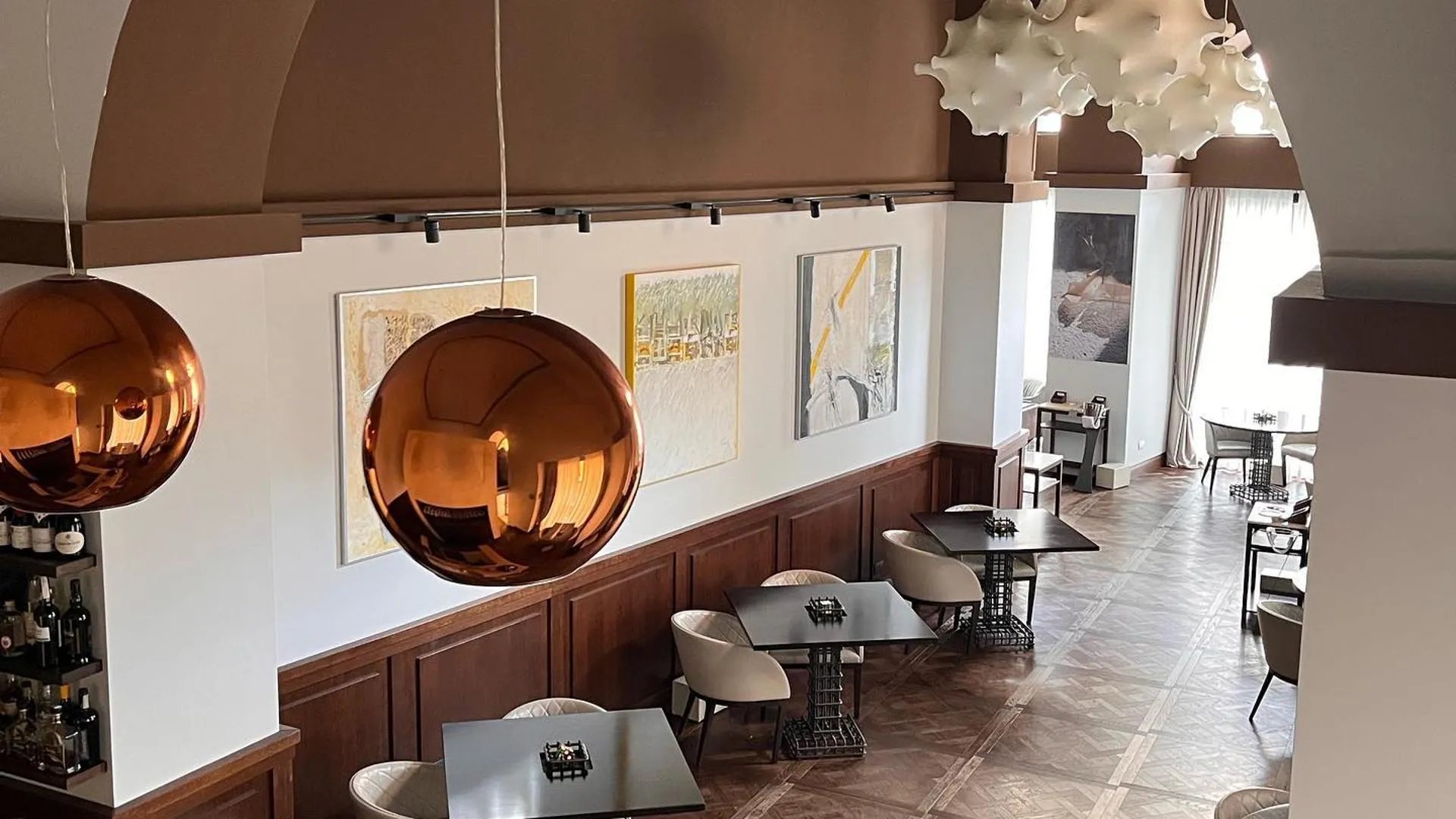
The interior at Green T. is the first signal that this is not a generic Chinese restaurant operating on volume economics. The dining space is arranged across several levels, a configuration that is partly dictated by the constraints of a centro storico building but also produces something rare in this neighbourhood: a sense of enclosure and separation from the street outside. In a district where most rooms feel designed for turnover, the staggered layout here creates smaller, more contained environments.
The decoration leans into that containment. Original objects are distributed across the rooms, and the teapot collection in particular functions as a curatorial statement rather than background dressing. In the broader context of Chinese dining culture, the teapot carries specific weight: tea service is integral to the meal structure in many regional Chinese traditions, and a collection of this kind signals an engagement with that tradition beyond the purely culinary. It is an interior design choice that communicates something about the kitchen's intent before a dish arrives.
This approach to physical space places Green T. within a smaller cohort of Chinese restaurants across Europe that treat the dining room as an extension of the cultural argument the menu is making. Restaurant Tim Raue in Berlin and Mister Jiu's in San Francisco represent different expressions of the same instinct: Chinese cuisine placed in a physical context that asks the guest to pay closer attention. Green T. achieves this at a fraction of the price point of either.
The Menu: Range Across Chinese Traditions
The cooking at Green T. does not resolve around a single regional Chinese tradition. The menu covers classic favourites alongside street food-style plates and more contemporary fare, a range that reflects the breadth of Chinese culinary geography rather than a commitment to any single province. That breadth is a structural choice: it allows the kitchen to serve guests at different levels of familiarity with Chinese food, from those arriving with specific knowledge to those encountering regional Chinese cooking for the first time.
The dim sum programme is made fresh on the day, a detail that matters practically and editorially. Freshness in dim sum is not cosmetic; the texture of har gow skin, the structural integrity of a soup dumpling, and the lightness of a cheung fun all depend on the dough being worked and folded to order rather than pre-made and reheated. A kitchen that commits to daily fresh production in a European city context is making a choice with real cost implications, and the Bib Gourmand recognition suggests that cost is being absorbed into the €€ price point without being passed to the guest in a way that pushes the restaurant out of its tier.
Stir-fry section includes a tuna, vegetable and Szechuan pepper dish that draws from the numbing-heat register of Sichuan cooking. Szechuan pepper (hua jiao) produces a specific neurological effect distinct from chilli heat, and its presence in a Rome kitchen, applied to tuna rather than the more typical Sichuan proteins, indicates a willingness to adapt the technique to locally sourced ingredients without abandoning the flavour logic of its origin. That is a different kind of fusion intelligence than what drives Rome's starred creative kitchens, places like Acquolina or Achilli al Parlamento, but it operates on a comparable principle: using a specific culinary tradition as a lens rather than a formula.
Twenty Years in a Difficult Neighbourhood
Longevity in the centro storico is its own credential. The area around the Pantheon generates enough tourist foot traffic to sustain mediocre restaurants indefinitely, which means a kitchen that has maintained both quality and critical recognition for two decades has done so against a backdrop where it was never necessary. Green T. has been recognised for Chinese food in this neighbourhood for the past twenty years, a span that covers multiple Michelin cycles, significant shifts in Roman dining culture, and the broader European reassessment of Chinese cuisine that has accelerated since the mid-2010s.
For context on what that reassessment looks like at higher price points and in different European cities, the Italian fine-dining circuit offers a useful frame. Osteria Francescana in Modena, Le Calandre in Rubano, Dal Pescatore in Runate, Enoteca Pinchiorri in Florence, and Enrico Bartolini in Milan collectively define Italy's upper Michelin tier, all within Italian or European creative frameworks. Atelier Moessmer Norbert Niederkofler in Brunico represents a regional Italian approach at the three-star level. Green T. sits outside all of those comparisons by design. It is not competing in that framework, and the Bib Gourmand is specifically not a consolation prize for restaurants that fall short of starred status; it is a distinct designation for cooking that delivers disproportionate quality relative to spend.
Planning a Visit
Green T. is located at Via del Piè di Marmo, 28, in the 00186 postcode, within easy walking distance of both the Pantheon and Piazza San Ignazio. The €€ price bracket places it comfortably within a mid-range dining budget, and with a Google rating of 4.1 across 570 reviews, the consistency of experience is supported by a meaningful volume of guest feedback. The restaurant's longevity and Bib Gourmand status make it a practical choice for travellers who want a full meal in the centro storico without committing to the €€€€ tier that defines Rome's starred tables. Booking in advance is advisable given the small, multi-level room configuration. For everything else the city offers, our Rome hotels guide, bars guide, wineries guide, and experiences guide cover the broader picture.
Cuisine and Credentials
Comparable venues for orientation, based on our database fields.
| Venue | Cuisine | Awards | Notes |
|---|---|---|---|
| Green T. | Chinese | Bib Gourmand | This venue |
| La Pergola | Italian, Mediterranean Cuisine | Michelin 3 Star | Italian, Mediterranean Cuisine, €€€€ |
| Enoteca La Torre | Creative | Michelin 2 Star | Creative, €€€€ |
| Il Pagliaccio | Contemporary Italian, Creative | Michelin 2 Star | Contemporary Italian, Creative, €€€€ |
| Aroma | Modern Cuisine | Michelin 1 Star | Modern Cuisine, €€€€ |
| Idylio by Apreda | Modern Italian, Italian Contemporary | Michelin 1 Star | Modern Italian, Italian Contemporary, €€€€ |
Continue exploring
More in Rome
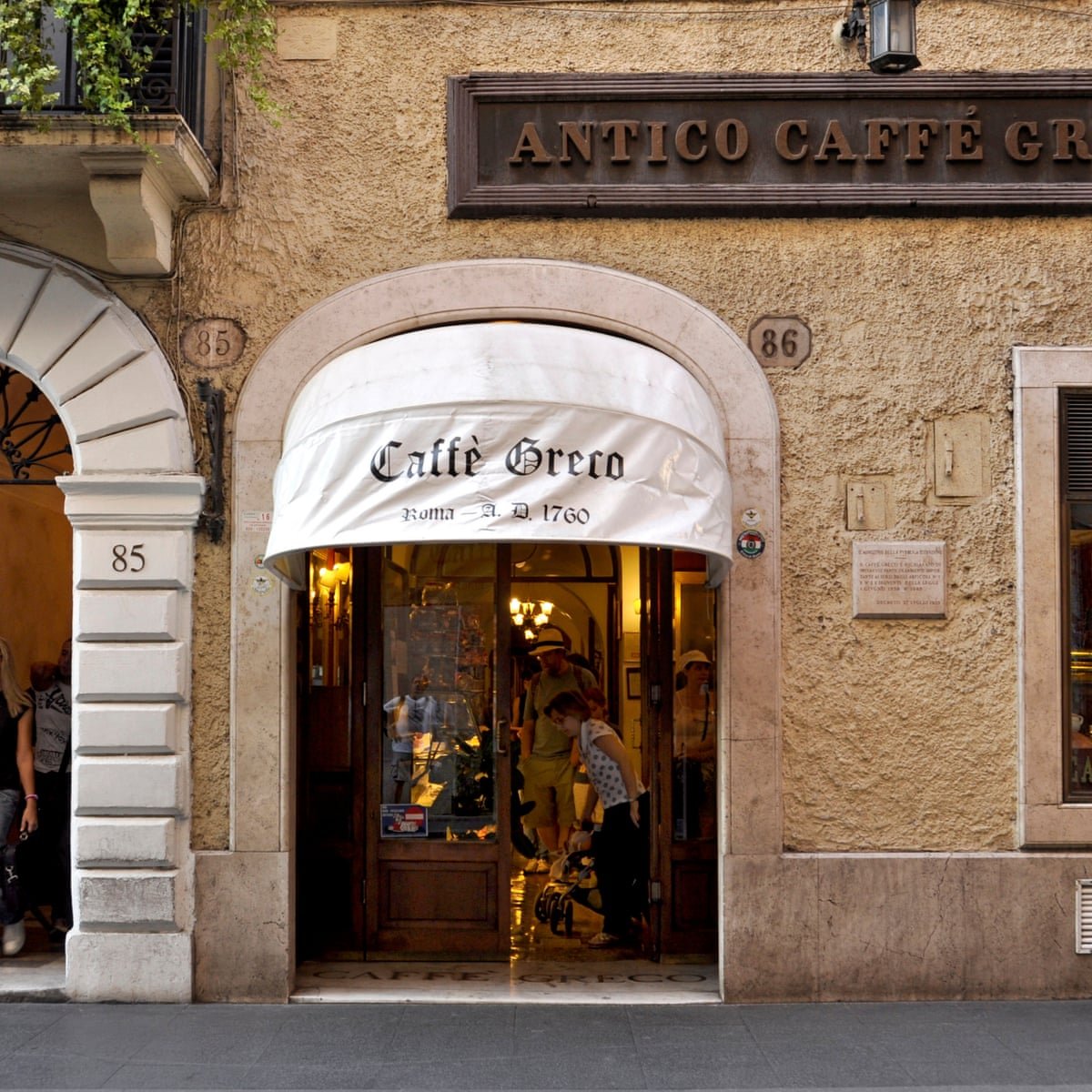
Restaurants in Rome
Browse all →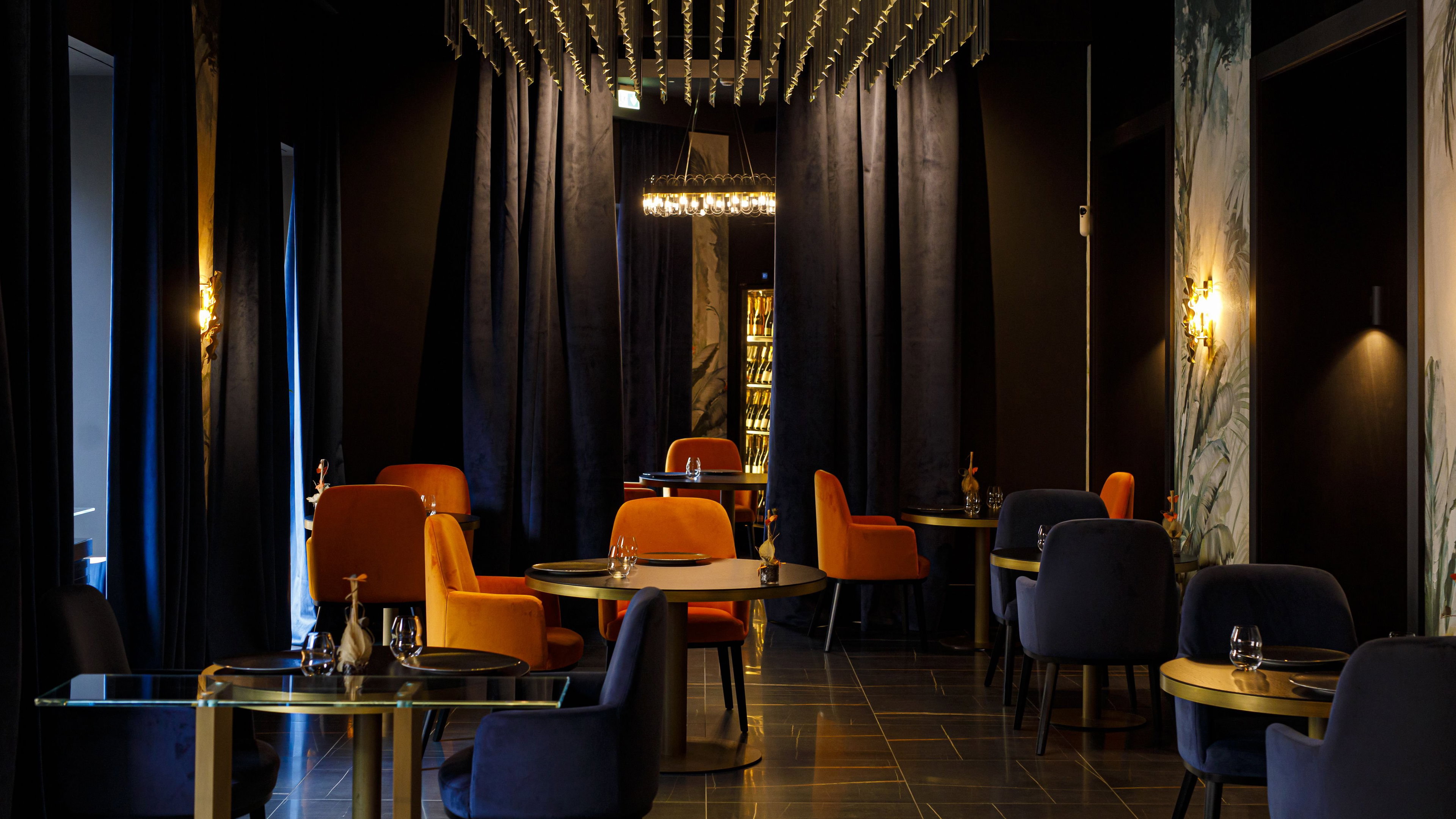
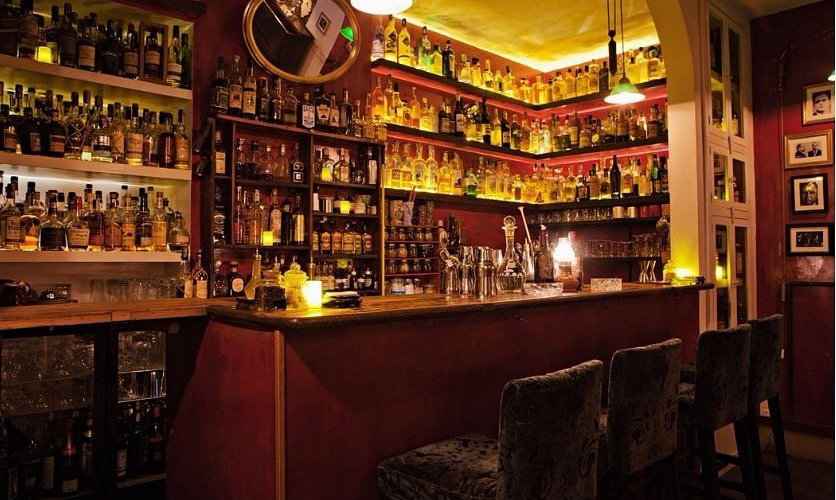
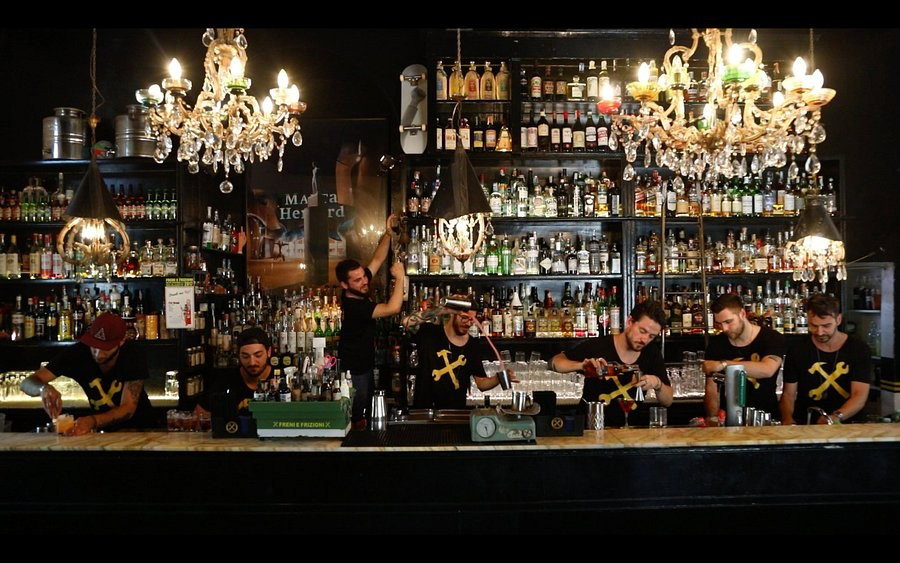
Bars in Rome
Browse all →
Hotels in Rome
Browse all →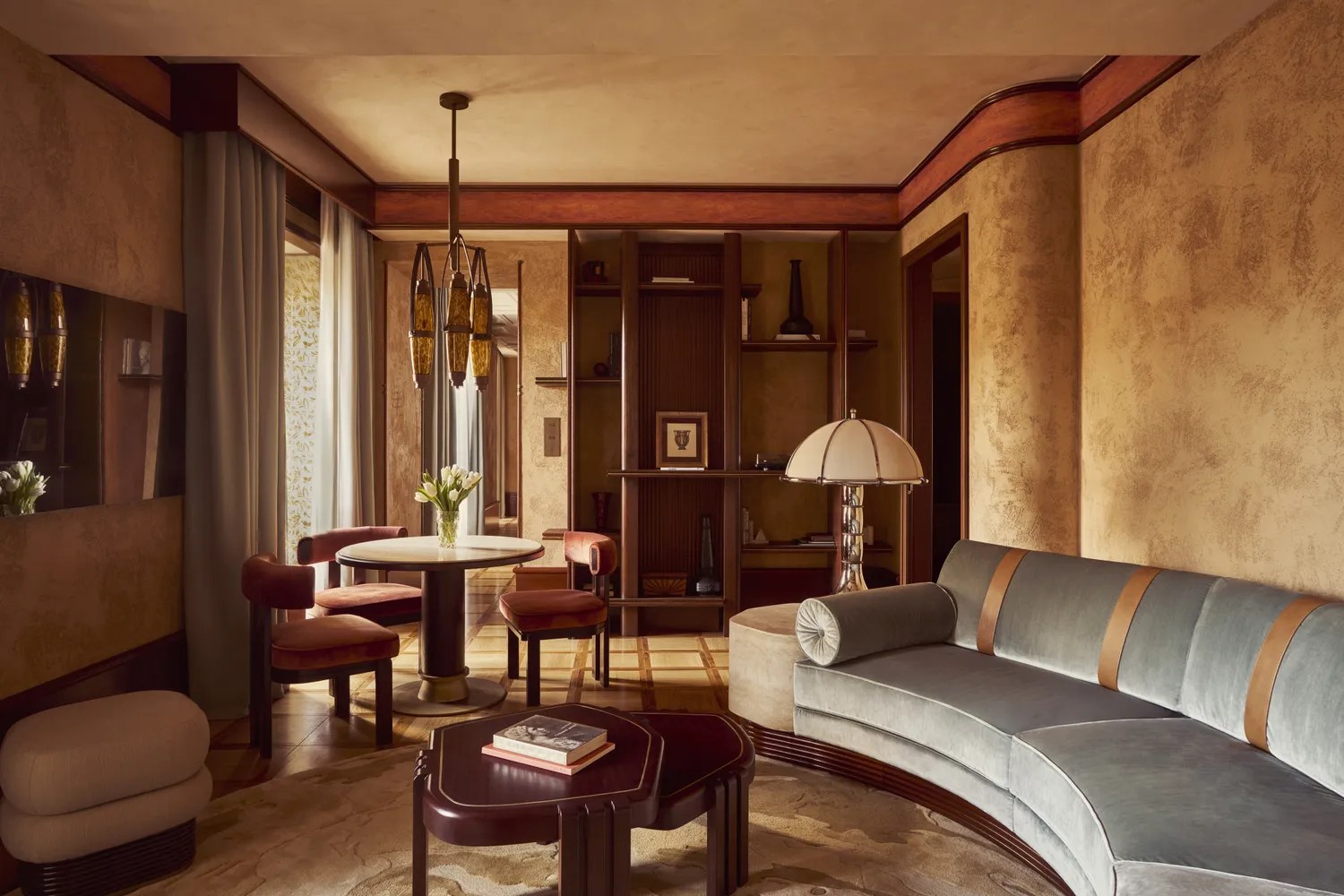
Wineries in Rome
Browse all →
At a Glance
- Elegant
- Cozy
- Intimate
- Classic
- Date Night
- Private Dining
Cozy and elegant atmosphere in small dining rooms on different levels, decorated with beautiful original Chinese objects including a fine collection of teapots, described as a small temple of peace and grace.