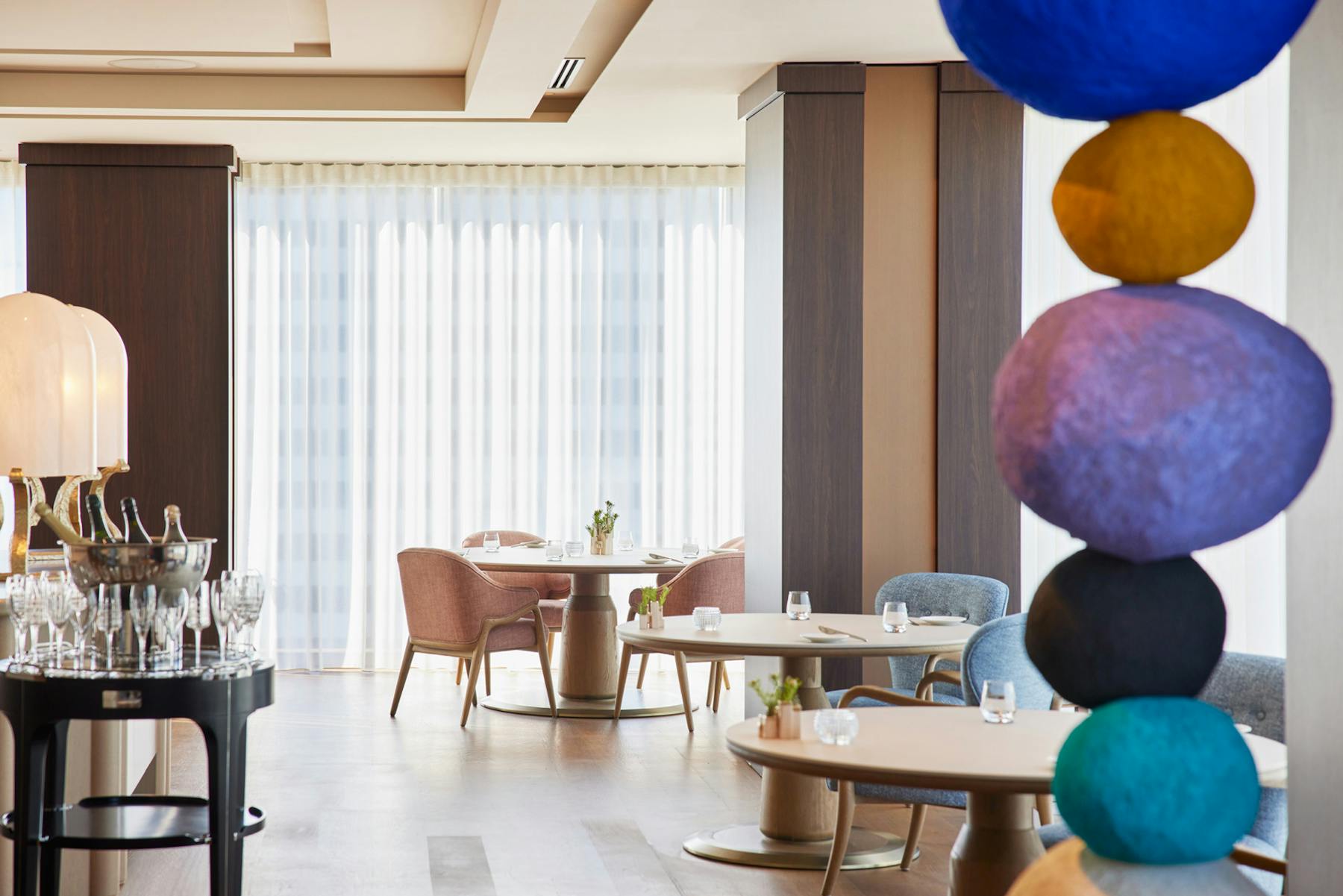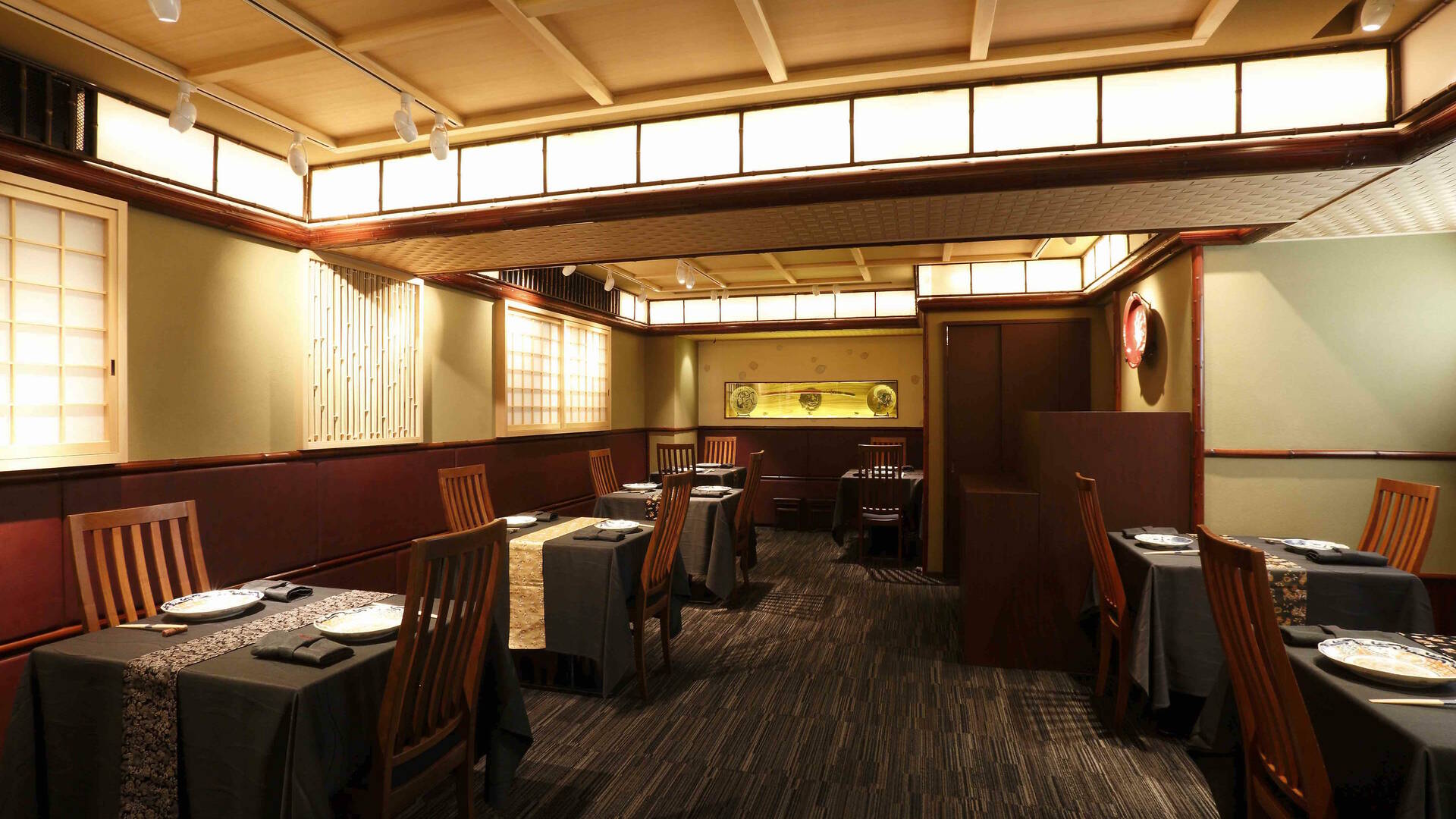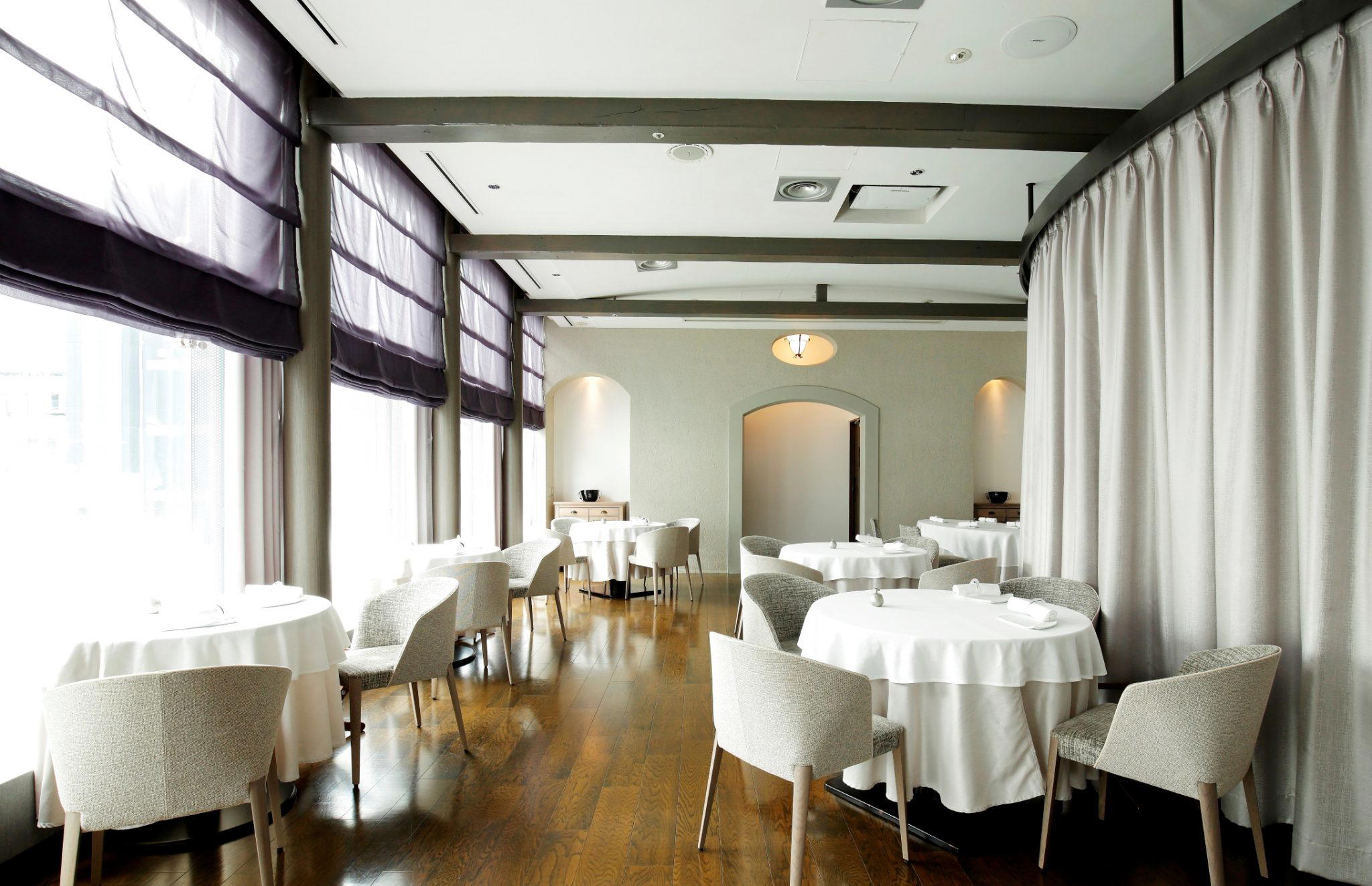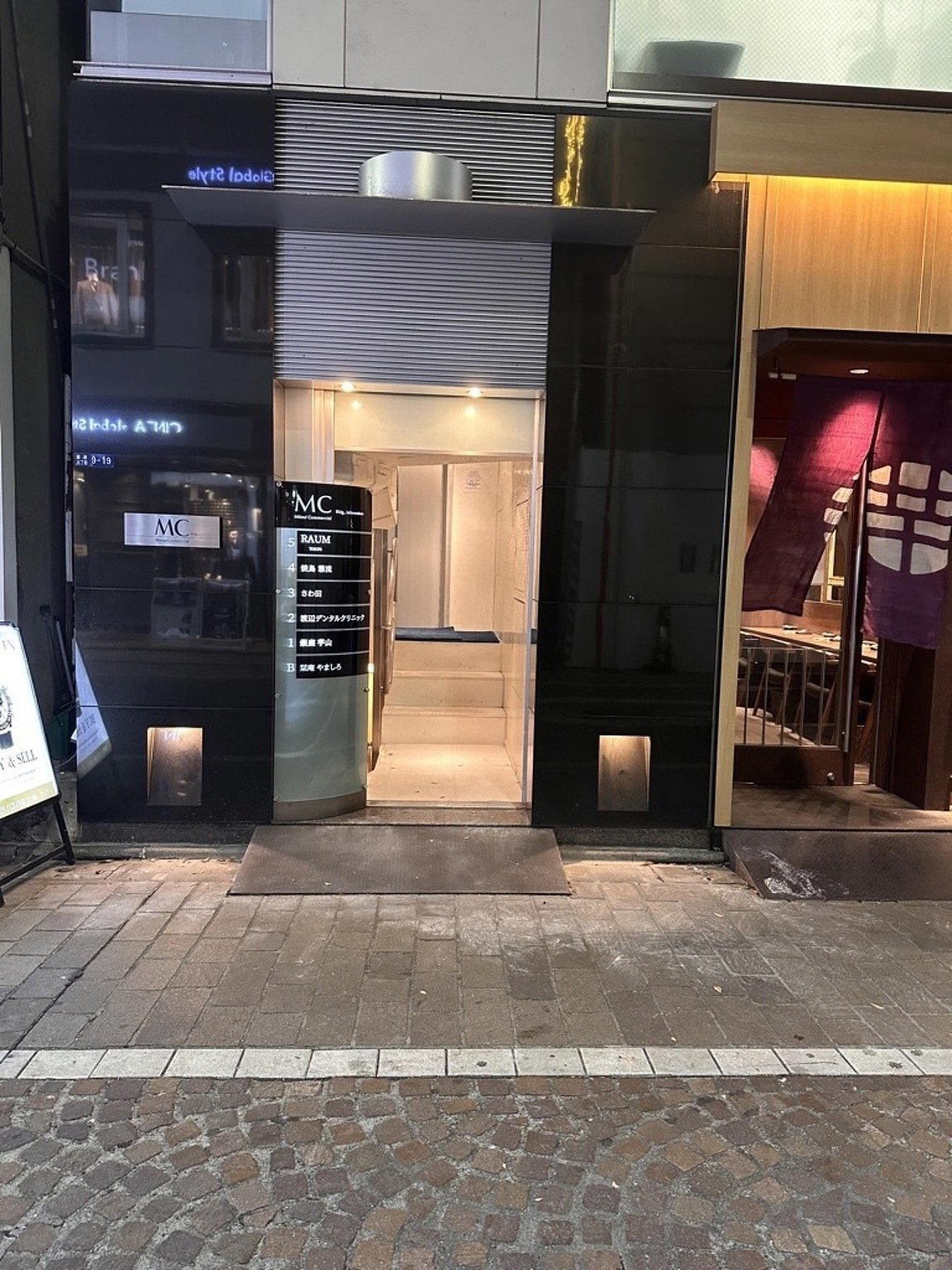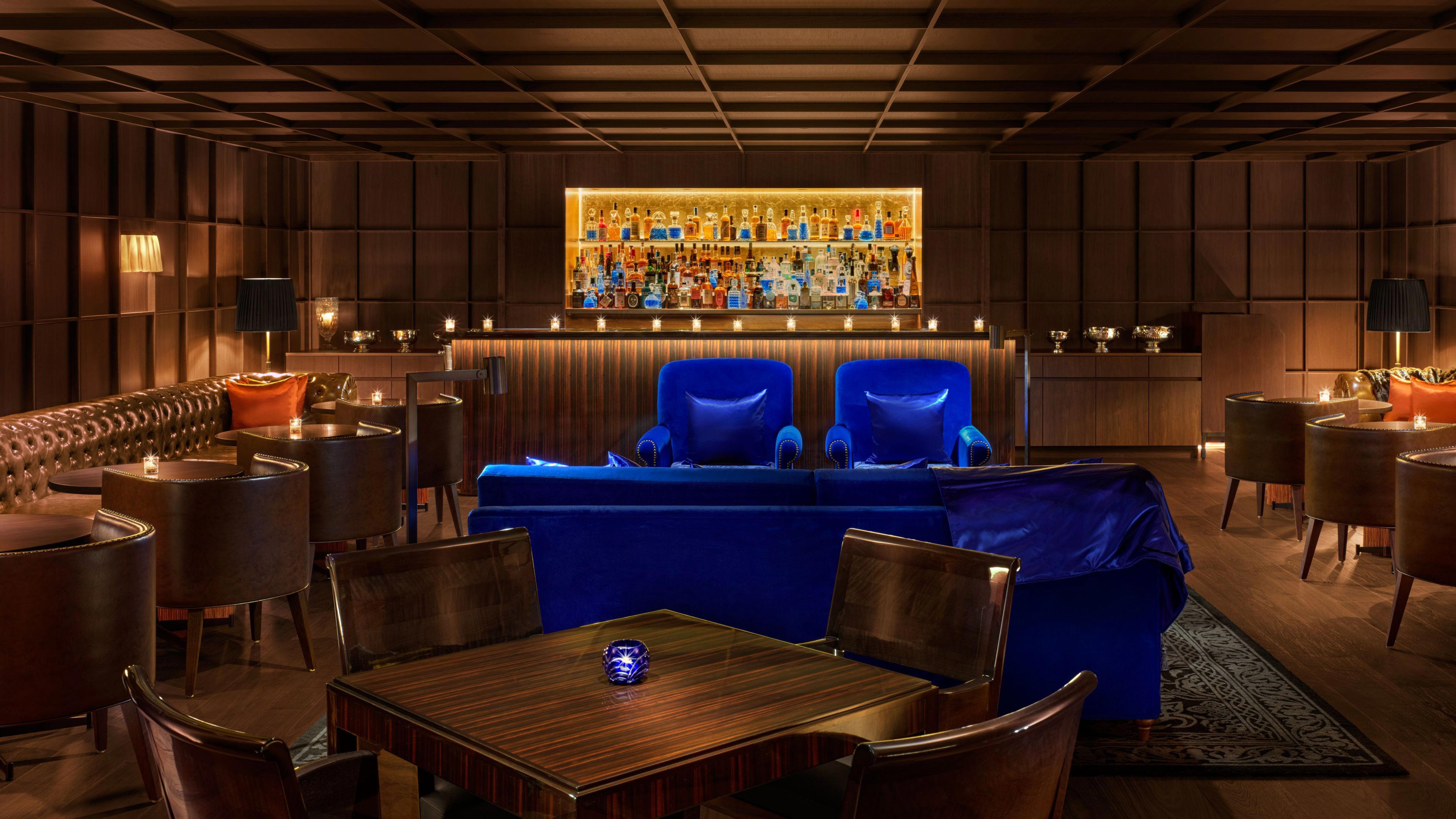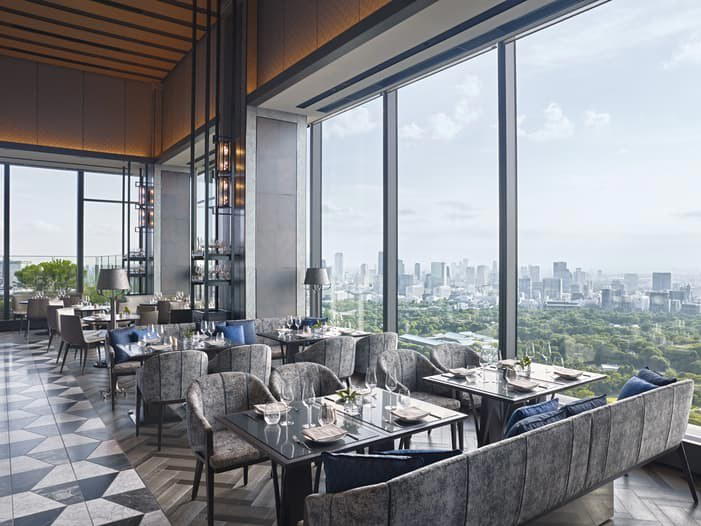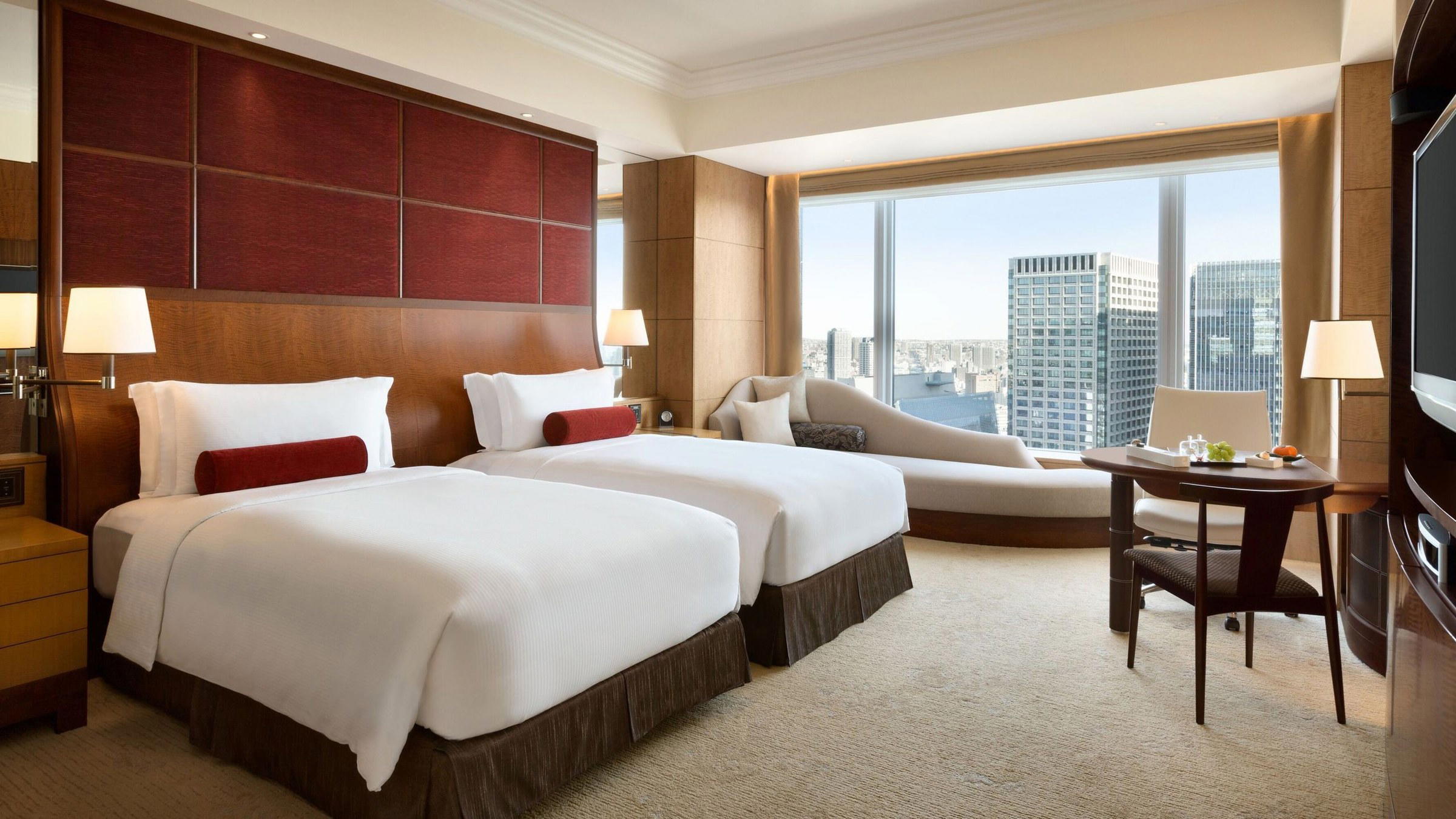
Wine Spectator Best of Award of Excellence
Our verdict
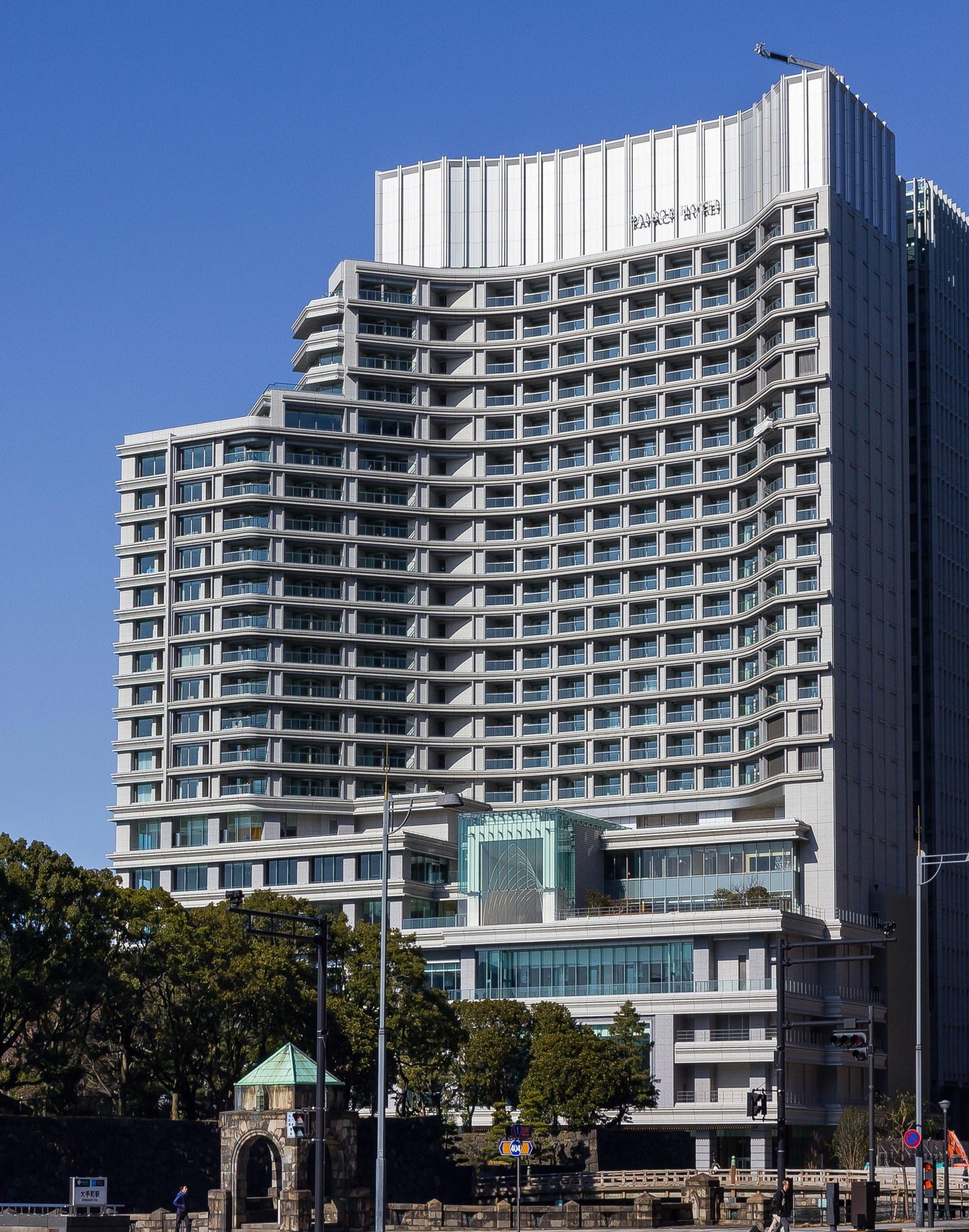
Grand Kitchen occupies a Marunouchi address in central Tokyo, placing it inside one of the city's most scrutinised dining corridors. The venue's position at 1 Chome-1-1 Marunouchi signals proximity to the business district's concentration of premium restaurant formats, where competitive peer sets span kaiseki, sushi omakase, and European-influenced dining. How it has evolved within that environment is what defines its current proposition.

Pearl is the En Primeur Club membership app — saves, bookings, and concierge access live there. Same editors, same standards.
- Address
- 1 Chome-1-1 Marunouchi, Chiyoda City, Tokyo 100-0005, Japan
- Phone
- +81 3-3211-5364
- Hours
- Mon–Fri 6:30 AM–10 PMSat–Sun 6 AM–10 PM
- Website
- palacehoteltokyo.com
- Directions
- Get directions
- Booking
- Book on TableCheck
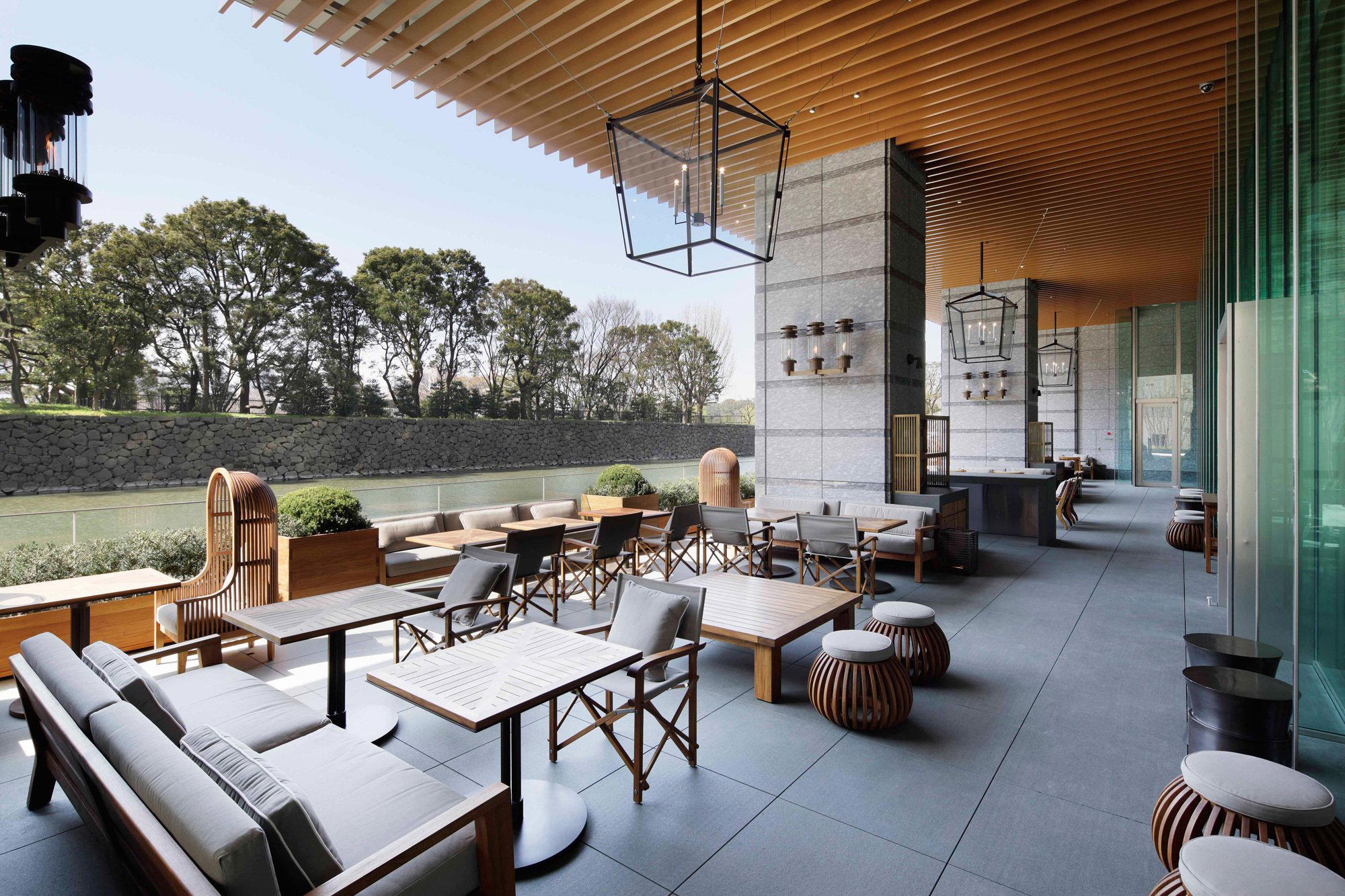
Marunouchi's Dining Corridor and the Pressure to Evolve
The stretch of Tokyo between Tokyo Station and the Imperial Palace grounds has never been a neighbourhood in the casual sense. Marunouchi is corporate Tokyo at its most deliberate: office towers, curated retail, and a dining ecosystem shaped primarily by business entertainment budgets and the expectations that come with them. Restaurants here do not survive on neighbourhood foot traffic. They survive because they earn a place in the rotation of clients who expect precision, and that expectation has shifted considerably over the past decade.
Grand Kitchen, addressed at 1 Chome-1-1 Marunouchi in Chiyoda City, sits inside that environment. The postcode alone carries meaning in Tokyo dining circles. Neighbouring comparisons are inevitable: venues like RyuGin (kaiseki, ¥¥¥¥) and Sézanne (French, ¥¥¥¥) define what sustained critical recognition looks like in Tokyo's premium tier, and any venue operating at this address is implicitly measured against that standard.
How Tokyo's Premium Dining Scene Has Redrawn Its Expectations
Tokyo's restaurant culture has undergone a structural shift since the mid-2010s. The city's Michelin expansion, the globalisation of the omakase format, and a wave of European-trained Japanese chefs returning to open their own rooms collectively raised the baseline for what constitutes serious dining. Formats that once earned attention simply for being ambitious now need to demonstrate sustained refinement, consistent sourcing discipline, and a clear point of view that holds up across multiple visits.
Within Marunouchi specifically, this has meant that the hotel dining room model, which once dominated the district's premium offering, has faced increasing competition from independent formats. Venues like L'Effervescence and Crony, operating in the broader Tokyo market at the ¥¥¥¥ tier, represent the kind of chef-driven independent rooms that have reset expectations for what French-influenced or innovative cuisine needs to deliver. The pressure this creates on more institutionally anchored venues is real and ongoing.
Understanding Grand Kitchen's current position requires reading it against that background. The evolution of a venue at this address is not simply about menu changes. It is about whether the format has kept pace with a city that recalibrates its standards faster than almost anywhere else in the world.
The Address as Context: What 1 Chome-1-1 Marunouchi Signals
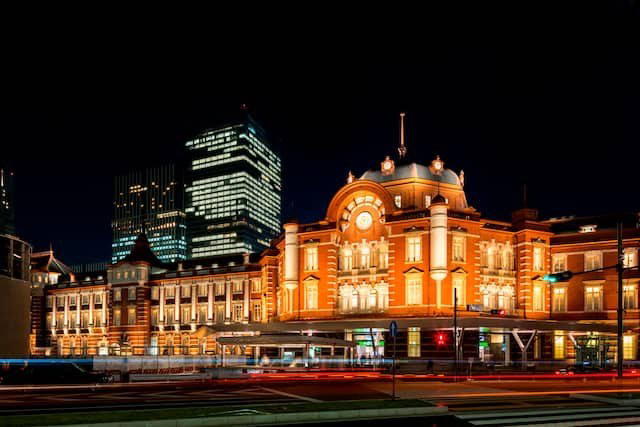
In Tokyo's dining geography, address carries information beyond convenience. The Marunouchi 1-chome designation places Grand Kitchen in close proximity to the central business functions of the city, adjacent to infrastructure that connects to every major rail hub in Japan. Tokyo Station, one of the busiest transit nodes in the country, sits within walking distance. For visiting guests, whether arriving from the airport via the Narita or Haneda lines, or transferring from the Shinkansen network for access from Kyoto, Osaka, or Fukuoka, Marunouchi is among the most accessible central districts in Japan.
That accessibility has historically made the area a natural anchor for business dining and hotel-adjacent restaurant formats. It also means the venue draws from a broader geographic pool than neighbourhood restaurants in Minami-Aoyama or Ginza, whose clientele tends to be more Tokyo-local. The practical consequence is a dining room that at any given service may include guests coming directly from transit, corporate dinners running to fixed schedules, and international visitors for whom this may be a single Tokyo meal.
Reinvention Within a Fixed Frame
Premium venues that occupy institutionally significant addresses face a particular kind of inertia. The brand equity tied to a postcode can work against change: long-standing clients expect familiarity, and any pivot risks unsettling a base that chose the venue partly for its predictability. Tokyo's dining history is full of examples where the opposite pressure applied, where venues that failed to adapt found themselves bypassed by a market that moved on without them.
The more durable model, visible in how venues like Harutaka have maintained relevance in Tokyo's sushi tier, involves incremental evolution rather than wholesale reinvention. The core format remains legible to returning clients while the sourcing, the service cadence, and the seasonal programme quietly sharpen over time. Whether Grand Kitchen has followed that trajectory, or a more disruptive path of change, is a question the current format answers at the table.
Japan's broader regional dining scene has developed its own points of reference for what evolution looks like in practice. Venues in secondary cities, from Nara to Nanao and Sapporo, have demonstrated that reinvention is not exclusively a Tokyo concern. The appetite for well-considered revision exists across the country, and the standards applied in central Tokyo remain the benchmark against which regional ambition is measured.
Placing Grand Kitchen in the Broader Tokyo Conversation
For readers building a Tokyo itinerary around serious dining, the Marunouchi corridor represents one of several distinct dining geographies in the city. It is neither the concentrated omakase density of Ginza nor the experimental independent energy of Shibuya and Yoyogi. It occupies a middle register: accessible, professional, and oriented toward a client who expects competence as a baseline.
How Grand Kitchen differentiates itself within that register is the editorial question worth watching. Tokyo's market does not reward standing still. The venues that have held sustained attention at the premium tier, from multi-starred kaiseki rooms to the French-Japanese hybrids that have become a signature Tokyo contribution to global fine dining, have all had to articulate clearly what they stand for and then demonstrate it consistently. For context on what that sustained articulation looks like at the ¥¥¥¥ level, the EP Club's full Tokyo restaurants guide maps the city's premium tier with the specificity the market requires.
Comparisons with venues operating in analogous formats elsewhere, Le Bernardin in New York as a reference for durable institutional fine dining, or Atomix as a model for how Korean-influenced tasting formats have repositioned themselves inside the New York premium market, are useful frames for thinking about what reinvention at a fixed address requires. The analogy is imperfect but the structural question is identical: what does a venue at a prestigious address do when the market around it evolves faster than its original premise anticipated?
For regional counterpoints within Japan, the dining culture developing in cities like Takashima, Nishikawa Machi, Sakai, and Toyohashi offers a reminder that the standards Tokyo sets are not isolated. The expectation of considered evolution is a national dining value, not a metropolitan one.
Know Before You Go
- Address: 1 Chome-1-1 Marunouchi, Chiyoda City, Tokyo 100-0005, Japan
- Access: Walking distance from Tokyo Station, with direct Shinkansen connections from Osaka, Kyoto, and Fukuoka, and airport rail access via both Narita and Haneda lines
- Booking:RyuGin and Sézanne offer a useful reference for what sustained critical standing looks like in this city.
- Do I need a reservation for Grand Kitchen?
- Given the address in central Marunouchi and the general scarcity of premium dining slots across Tokyo, advance booking is advisable. At venues in this district and price range, walk-in availability at peak service times is limited.
- What is the must-try dish at Grand Kitchen?
- Harutaka (sushi, ¥¥¥¥) and L'Effervescence (French, ¥¥¥¥) offer reliable editorial reference points.
- What do critics highlight about Grand Kitchen?
- Tokyo dining tier is as precisely mapped as any in the world, the absence of documented recognition is itself informative about where the venue sits relative to the city's most closely scrutinised rooms.
- Is Grand Kitchen child-friendly?
- How does Grand Kitchen's Marunouchi location compare to other Tokyo dining districts for a single-meal visit?
- Marunouchi's strength as a dining destination is logistical: the proximity to Tokyo Station makes it the most transit-convenient central dining option in the city, particularly for guests arriving from other Japanese cities or the airport. Ginza and Minami-Aoyama offer denser concentrations of starred and critically recognised rooms, but require an additional transit step from most arrival points. For visitors with a single premium meal and a tight connection, the Chiyoda City address reduces friction in a way that districts further from the rail hub cannot.
Frequently asked questions
Is Grand Kitchen child-friendly?
The Marunouchi address at 1 Chome-1-1 places Grand Kitchen within Tokyo's most corporate dining corridor, where the clientele skews heavily toward business lunches and formal occasions. That context sets the tone rather than any explicit policy. Families with older children comfortable in a formal setting will fare better than those with young ones.
What's the overall feel of Grand Kitchen?
Grand Kitchen sits at one of Tokyo's most institutionally weighted addresses, flanked by the financial infrastructure between Tokyo Station and the Imperial Palace grounds. That geography shapes the atmosphere: this is a room that serves people with schedules, not just appetites. Expect a calibrated formality rather than a relaxed neighbourhood energy.
How does Grand Kitchen's location in Marunouchi compare to other serious dining districts in Tokyo?
Marunouchi operates differently from Ginza or Minami-Aoyama, where restaurant scenes are built around leisure dining and destination-seeking. The 1 Chome-1-1 address in Chiyoda City places Grand Kitchen inside a corridor driven primarily by corporate patronage, which shapes everything from reservation windows to service rhythm. For visitors building a Tokyo dining itinerary, this district rewards those who treat it as a distinct geography rather than an extension of the city's broader restaurant culture.
What's the must-try dish at Grand Kitchen?
For up-to-date menu information, contacting the venue directly or checking their official channels before visiting is the practical approach.
Where exactly is Grand Kitchen?
Grand Kitchen is located at 1 Chome-1-1 Marunouchi, Chiyoda City, Tokyo 100-0005, Japan, Tokyo.
Do I need a reservation for Grand Kitchen?
Given the address at 1 Chome-1-1 Marunouchi and the density of corporate demand in that corridor, walk-in availability at lunch is likely to be limited, particularly on weekdays. Booking ahead is the practical default for any table in this part of Tokyo. Confirm specifics directly with the venue.
What do critics highlight about Grand Kitchen?
What the Marunouchi address does signal is a position within a dining geography that Tokyo's food press tracks closely, given the concentration of premium venues operating between Tokyo Station and the Palace grounds.
At-a-Glance Comparison
Comparable venues nearby, for context on price, style, and recognition.
| Venue | Cuisine | Price | Awards | Notes |
|---|---|---|---|---|
| Grand KitchenThis venue — the venue you are viewing | Eclectic Western with Japanese influences | $50–100 | Wine Spectator Best of Award of Excellence | Not listed |
| Kuriya Otona Kurogi | Japanese sweets & kakigori cafe | $20–30 | Tabelog 100 #81 | Ueno |
| STAR BAR GINZA | Classic Japanese cocktail bar | $30–50 | World's 50 Best #50 · Tabelog 100 #41 | Chūō |
| HIGASHIYA GINZA | Modern Japanese Tea Salon & Wagashi | $50–100 | Not listed | Chūō |
| Kuzushi Teppan AVAGURA Kanda ten | Modern Teppanyaki | $50–100 | Tabelog 100 #100 | Chiyoda |
| SEABIRD COLONY Ginza honten | Modern South Indian | $30–50 | Tabelog 100 #31 | Chūō |
Recognition history
Dated appearances from independent guides and award organizations, with the underlying list record or original source where available.
Wine Spectator Best of Award of Excellence
Wine Spectator