Tabelog 100 #31
Our verdict
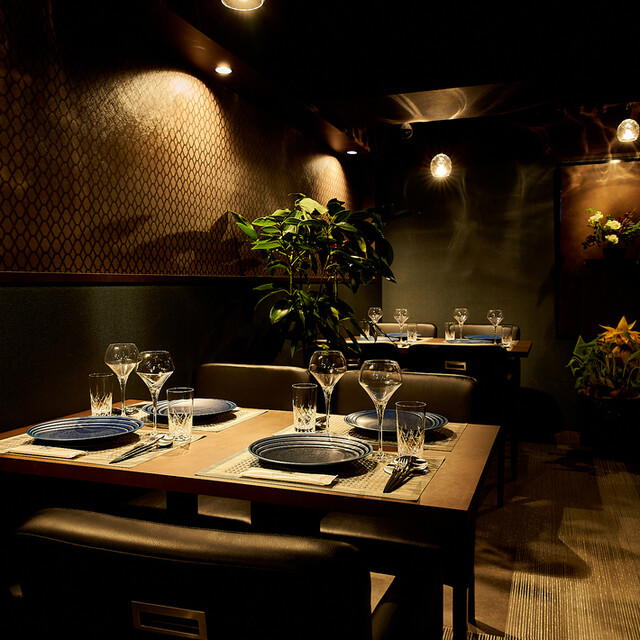
SEABIRD COLONY Ginza honten brings Tokyo’s modern Indian conversation into Ginza’s polished dining grid, with fish-led cooking, wine and cocktails, and a compact 26-seat room. Its Tabelog 100 selection for Asian and ethnic cuisine in Tokyo in 2022, 2023, and 2024 gives it a clear place in the city’s serious non-Japanese dining tier.

Pearl is the En Primeur Club membership app, where members save venues, book tables and use the concierge.
The menu
What to order
- Today's seafood curry
- Today's curry
- Rasam
- Poriyal
- Basmati rice
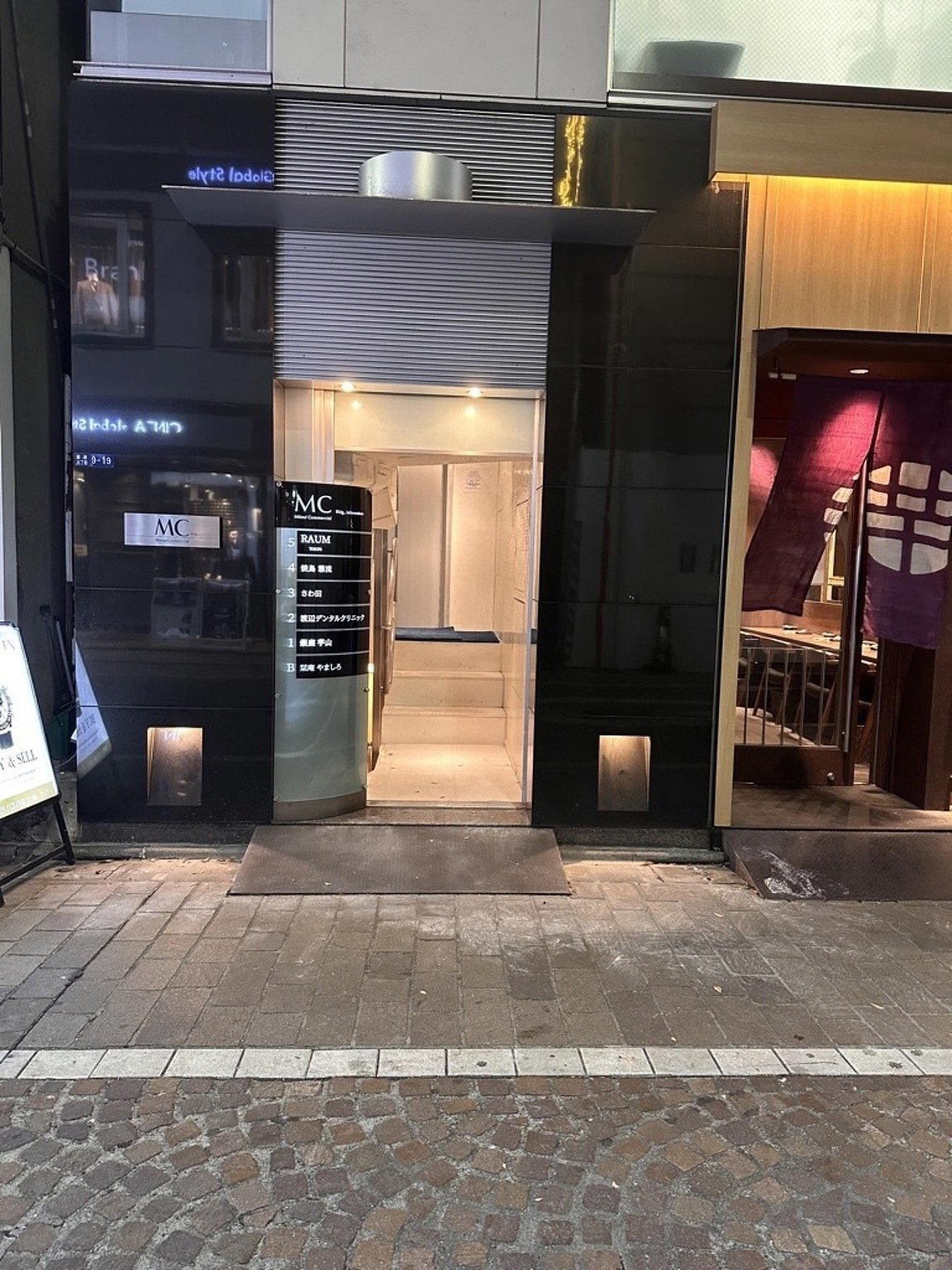
Tokyo’s restaurant buildings train the eye upward: polished street entrances, small elevator lobbies, then dining rooms stacked above retail gloss. SEABIRD COLONY Ginza honten fits that vertical Tokyo rhythm, a Tokyo address in a city where strong meals often sit above retail, cocktail counters, and hushed dining rooms. The setting matters because modern Indian cooking in Tokyo competes not only with curry shops, but with French tasting rooms, sushi counters, kappo dining, and wine-aware rooms that expect precision, not novelty.
The category signals that shift. Indian, innovative, and Indian curry are not interchangeable; together they point to a kitchen using spice, sauce, and heat within a Tokyo dining culture that prizes structure, product clarity, and a sense of control. That is the useful frame: an Indian restaurant in Tokyo can read differently from one built around everyday curry-rice expectations or broad overseas assumptions about the cuisine.
Modern Indian cooking shaped by Tokyo's dining discipline
Tokyo has long had Indian food, from student-town curry counters to polished dining rooms, but current interest sits in a more technical lane. Spice is no longer volume alone. It becomes architecture: a way to structure acidity, fat, aroma, and texture around ingredients. That is where SEABIRD COLONY Ginza honten earns attention. Its 2024 Tabelog Hyakumeiten recognition places it in a broad, competitive field rather than a narrow curry category.
The comparison is not only another Indian restaurant. Tokyo diners weigh meals against the city’s price hierarchies: kaiseki at Ginza Kojyu, French fine dining at ESqUISSE, and sushi at 鮨 青木 occupy the formal end of the dining economy, while SAMBOA BAR Ginza ten represents an after-dinner drinking culture. SEABIRD COLONY sits in another bracket, but inherits the same expectation of polish. The issue is whether spice-led cooking can carry the control Tokyo diners expect from Japanese and French rooms.
That control shows in the positioning. The categories point to a specialist restaurant, not a generic catch-all dining room, and the listed budget places it in an accessible premium range rather than the city’s highest luxury tier. For readers mapping Tokyo’s Indian and curry spectrum, other Tokyo curry specialists offer more curry-specific reference points, while regional curry culture outside Tokyo can run on a separate logic.
Why the Tabelog 100 signal matters in this category
Tabelog’s Hyakumeiten selections carry weight for casual and mid-range specialists in Japan because they often surface restaurants outside the international awards circuit. In 2024, SEABIRD COLONY Ginza honten was recognized through that source. That matters because Tokyo diners quickly separate fashionable spice rooms from kitchens with repeat credibility.
The 3.56 score should be read in Japanese review-site context, not through overseas star-rating habits. Tabelog scores cluster tightly, and a mid-three score can indicate meaningful local traction, especially in specialist categories. More instructive is the combination: Tabelog Hyakumeiten recognition, Tokyo setting, and an Indian, innovative, Indian curry profile. Together, those details define the restaurant’s position more clearly than any grand claim.
Tokyo’s broader dining map explains the appeal. The city is unusually good at absorbing foreign techniques without turning every restaurant into fusion theatre. Other Tokyo dining rooms show how tightly Japanese dining formats organize meals around product and technique. A modern Indian kitchen in Tokyo must enter that conversation with equal discipline: spice should clarify the ingredient, not flatten it.
How to place it within a Tokyo itinerary
This is a stronger choice for diners seeking Tokyo’s global cooking rather than another formal Japanese meal. Tokyo already supplies the latter in abundance, from sushi and kaiseki to French dining built for expense-account precision. The more interesting move is to use the city to test how non-Japanese cuisines adapt to Tokyo’s standards. SEABIRD COLONY offers that through Indian technique and a profile specific enough to feel considered without becoming a hushed ceremony.
The restaurant also works as a counterweight in a longer Tokyo schedule. Pairing it with a Japanese grill, a curry specialist, and a serious bar gives a sharper read on the city than repeating the same luxury template nightly. EP Club’s broader Tokyo coverage can shape that spread: Our full Tokyo restaurants guide for dining, Our full Tokyo bars guide for late-evening drinking, Our full Tokyo hotels guide for where to stay, Our full Tokyo experiences guide for cultural planning, and Our full Tokyo wineries guide for wine-related listings.
For travellers comparing Japanese regional and overseas Japanese-adjacent dining, the references widen quickly. Other Japanese dining traditions speak to different local priorities, while restaurants in other cities show how city character changes the frame. Further afield, Japanese-adjacent venues overseas underline the same lesson from different angles: cuisine travels well only when technique meets host-city expectations.
The editorial case is clear. SEABIRD COLONY Ginza honten is not important because Tokyo needed another polished dining room. It matters because Tokyo’s modern Indian scene is moving beyond the simple curry-house versus fine-dining split, and this restaurant sits where spice technique and Tokyo dining expectations meet. For a Tokyo itinerary already heavy with sushi, tempura, and kaiseki, that makes it a useful change of register, not a detour.
Frequently asked questions
What's SEABIRD COLONY Ginza honten's location?
Tokyo.
What should I budget for a meal at SEABIRD COLONY Ginza honten?
Budget at SEABIRD COLONY Ginza honten is listed as Dinner: JPY 6,000 - JPY 7,999; Lunch: JPY 1,000 - JPY 1,999.
When is SEABIRD COLONY Ginza honten open?
Current opening hours for SEABIRD COLONY Ginza honten are not provided in the source information; confirm directly before visiting.
What do critics highlight about SEABIRD COLONY Ginza honten?
Critics point to its 2024 Tabelog Hyakumeiten recognition, which gives the room real category weight. The draw is its Indian, innovative, Indian curry profile in Tokyo, alongside a Tabelog score of 3.56.
Category Peers
Comparable venues by cuisine and price in the same metro.
| Venue | Cuisine | Price | Awards | Notes |
|---|---|---|---|---|
| SEABIRD COLONY Ginza hontenThis venue (the venue you are viewing) | Modern South Indian | $30–50 | Tabelog 100 #31 | Not listed |
| KHAN KEBAB BIRYANI | Halal Indian & Pakistani Curries, Kebabs and Biryani | $20–30 | Tabelog 100 #96 | Chūō |
| Zero One Curry A.o.D. | South Indian Curry & Natural Wine | $20–30 | Tabelog 100 #25 | Minato |
| Eric South Masala Diner | Modern South Indian diner & curry house | $20–30 | Tabelog 100 #47 | Shibuya |
| Suna no Misaki | Indian curry & meels restaurant | $20–30 | Tabelog 100 #91 | Setagaya |
| DELHI Ginza ten | Indian & Pakistani curry house | $10–20 | Tabelog 100 #16 | Chūō |
Recognition history
Dated appearances from independent guides and award organizations, with the underlying list record or original source where available.
Tabelog 100 #31 · No. 31
Tabelog · Tabelog 100 - Asian cuisine / Ethnic cuisine - TOKYO - 2024