
Tabelog 100 #100
Our verdict
A Kanda teppanyaki address with a split personality: quieter lunch service, fuller evening tempo, and a format that pulls steak, Japanese cooking, and fish-led courses into the same frame. Recognition in Tabelog’s Steak / Teppanyaki EAST 100 for 2025 places Kuzushi Teppan AVAGURA Kanda ten in a category where value, counter theatre, and meal pacing matter as much as beef pedigree.

Pearl is the En Primeur Club membership app, where members save venues, book tables and use the concierge.
The menu
What to order
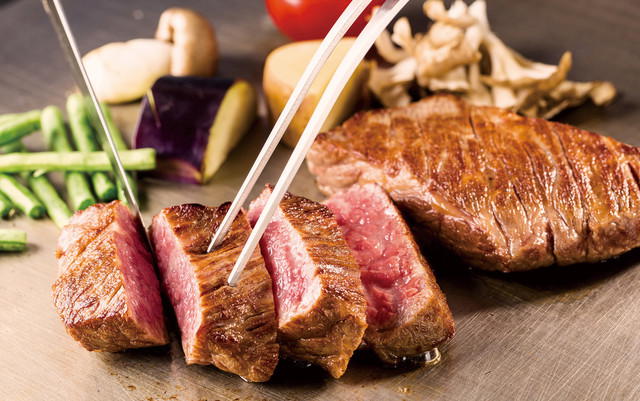
- Sea urchin wrapped in A5 wagyu
- Truffle-topped dishes
- Premium teppanyaki course
Teppanyaki in Tokyo is judged before the first course: counter proximity, steel on grill, and how the room manages heat, smoke, and ceremony. In the city, the genre can feel urban and flexible rather than fixed to one style of formal grill room. Office workers, small groups, and date-night diners use it differently, making the lunch-and-dinner split especially important.
Kuzushi Teppan AVAGURA Kanda ten sits in a middle-to-premium teppanyaki lane, best read alongside Tokyo peers such as Hicho Kurata, Budouya, and Umatama Ya without forcing a single hierarchy. The useful comparison is format, not fame: steak, Japanese cuisine, and teppanyaki share the stage, with the grill as kitchen and theatre. Tabelog Hyakumeiten recognition for 2025 is a clear trust signal in a crowded city where teppanyaki runs from casual beef counters to formal multi-course rooms.
Lunch reads as value; dinner carries the room
Daytime service changes the calculation. Tokyo lunch is where serious restaurants often show their practical side, offering a more approachable entry into formats that become costlier and more socially charged after dark. In teppanyaki, the difference is not just financial: lunch compresses the experience with fewer drinks, shorter pacing, a brighter room, and lower stakes. It suits diners who want the grill format without making the meal the evening’s main event.
Dinner turns toward occasion. The same teppan grammar, controlled heat, sequential courses, visible finishing, carries more weight when the room fills and drinks become part of the pacing. Teppanyaki can be reduced internationally to beef and red wine, but the Japanese version is broader: vegetables, rice, sauces, and small composed dishes can set the tempo before and after steak, keeping the format from becoming a single-ingredient performance.
The “kuzushi” idea, loosely a loosened or less rigid approach, works better as an editorial frame than a slogan. Tokyo diners know strict genres: sushi counters, tempura counters, kappo rooms, yakiniku tables. A relaxed teppanyaki-Japanese hybrid works when the sequence stays disciplined. The risk is drift; the appeal is range. On paper, this restaurant is strongest for diners wanting steak and teppanyaki technique without making the choice solely about high-ticket formality.
Tokyo gives teppanyaki a business-district tempo
Tokyo context explains the meal. Some teppanyaki rooms lean into polished ceremony and destination dining; others carry a sharper after-work pulse, serving repeat local use as well as special occasions. Restaurants in this lane need to handle practical dining as well as celebration. The room can feel most persuasive when the grill remains central, changing how heat and service shape the experience.
Flexible use reveals the intended audience. Teppanyaki suggests counter visibility, but Tokyo dining also prizes enclosed or more private-feeling space for family meals, business dinners, and celebrations. A restaurant handling different social uses is not only a tiny chef-led counter; it adapts a craft format to multiple occasions rather than pursuing monkish concentration.
The comparison set confirms that. Tenmo, Muromachi Sunaba Nihonbashi hon ten, Budouya, Hicho Kurata, and Umatama Ya each sit in different Tokyo dining conversations, which makes the contrast useful without turning it into a ranking. Kuzushi Teppan AVAGURA Kanda ten lands in its own lane. It is neither a shrine to one Tokyo food tradition nor a quick neighbourhood meal, but a contemporary, polished, grill-led Japanese restaurant for diners wanting recognisable technique, group flexibility, and enough range for lunch or dinner.
How to read the menu before choosing a service
The key question is not just what to eat, but when to use the room. Lunch is sharper for travellers comparing multiple Tokyo reservations in one trip: it leaves evenings for sushi, kappo, yakitori, or bars, and gives teppanyaki a slot without competing with longer tasting menus. Dinner suits when the meal is the plan, especially for groups wanting drinks, a more social pace, or a wider sense of occasion.
For a broader Tokyo dining map, separate format from neighbourhood. Pair grill-led meals with other Tokyo dining rooms according to pace and purpose. Skewered cooking points to another counter tradition; visual novelty and casual pacing sit in another register; and Tokyo’s lower-priced meals can be as format-specific as premium counters.
Travellers building a full city plan should treat teppanyaki as one part of a larger Tokyo sequence, not every night’s headline. Use broader Tokyo restaurant, hotel, bar, winery, and experience planning to structure the trip around format and timing. Outside the capital, the same category thinking applies generically: beef-focused dining, cafe culture, regional modern dining, Vietnamese cooking, curry specialization, Kyoto minimalism, and Japanese-drinking culture abroad all occupy different planning roles.
The editorial verdict is simple: this is stronger for diners who understand teppanyaki as a format, not a luxury synonym. Lunch gives the cleaner value argument; dinner gives the social one. The 2025 Tabelog Hyakumeiten recognition places it in a vetted group, with a listed score of 3.65, but the decision is pacing. Choose midday for efficiency and access. Choose evening when the grill, drinks, and room dynamics should carry the night.
Frequently asked questions
What are the opening hours for Kuzushi Teppan AVAGURA Kanda ten?
Check the latest opening hours directly with Kuzushi Teppan AVAGURA Kanda ten before visiting.
Is Kuzushi Teppan AVAGURA Kanda ten expensive?
Pricing at Kuzushi Teppan AVAGURA Kanda ten is listed as Dinner: JPY 8,000 - JPY 9,999; Lunch: JPY 6,000 - JPY 7,999.
Where is Kuzushi Teppan AVAGURA Kanda ten located?
Tokyo.
What is Kuzushi Teppan AVAGURA Kanda ten known for?
Kuzushi Teppan AVAGURA Kanda ten is known for teppanyaki, steak, and Japanese cuisine in Tokyo, with 2025 Tabelog Hyakumeiten recognition.
A Credentials Check
Comparable venues to calibrate price, style, and recognition.
| Venue | Cuisine | Price | Awards | Notes |
|---|---|---|---|---|
| Kuzushi Teppan AVAGURA Kanda tenThis venue (the venue you are viewing) | Modern Teppanyaki | $50–100 | Tabelog 100 #100 | Not listed |
| Tempura Yama no Ue Mitsukoshi nihonbashi tennai | Traditional Tempura Counter | $30–50 | Tabelog 100 #56 | Chūō |
| Zakuro Ginza ten | Traditional Wagyu Shabu-shabu & Sukiyaki | $50–100 | Tabelog 100 #57 | Chūō |
| たかはし | Modern Japanese Kaiseki Omakase | $20–30 | Not listed | Kōtō |
| Akasaka Oozeki Honten | Charcoal-grilled Japanese Yakiniku | $50–100 | Tabelog 100 #52 | Minato |
| Akasaka Totoya Uoshin | Traditional Seasonal Japanese Kaiseki | $100–150 | Tabelog 100 #36 | Minato |
Recognition history
Dated appearances from independent guides and award organizations, with the underlying list record or original source where available.
Tabelog 100 #100 · No. 100
Tabelog · Tabelog 100 - Steak / Teppanyaki - EAST - 2025
Continue exploring
More in Tokyo
Restaurants in Tokyo
All restaurants in Tokyo →








Details
- Elegant
- Sophisticated
- Intimate
- Quiet
- Business Dinner
- Date Night
- Celebration
- Special Occasion
- Group Dining
- Open Kitchen
- Standalone
- Sake Program
- Beer Program
- Craft Cocktails
- Set Menu
- A La Carte
- Sake
- Wine
- Cocktails
- Pescatarian Friendly
Current opening hours
- Monday
- Closed
- Tuesday
- 5:30–10:30 PM
- Wednesday
- 5:30–10:30 PM
- Thursday
- 5:30–10:30 PM
- Friday
- 5:30–10:30 PM
- Saturday
- 12–2:30 PM, 5:30–10:30 PM
- Sunday
- Closed
Hours can change for holidays and private events. Hours as of .
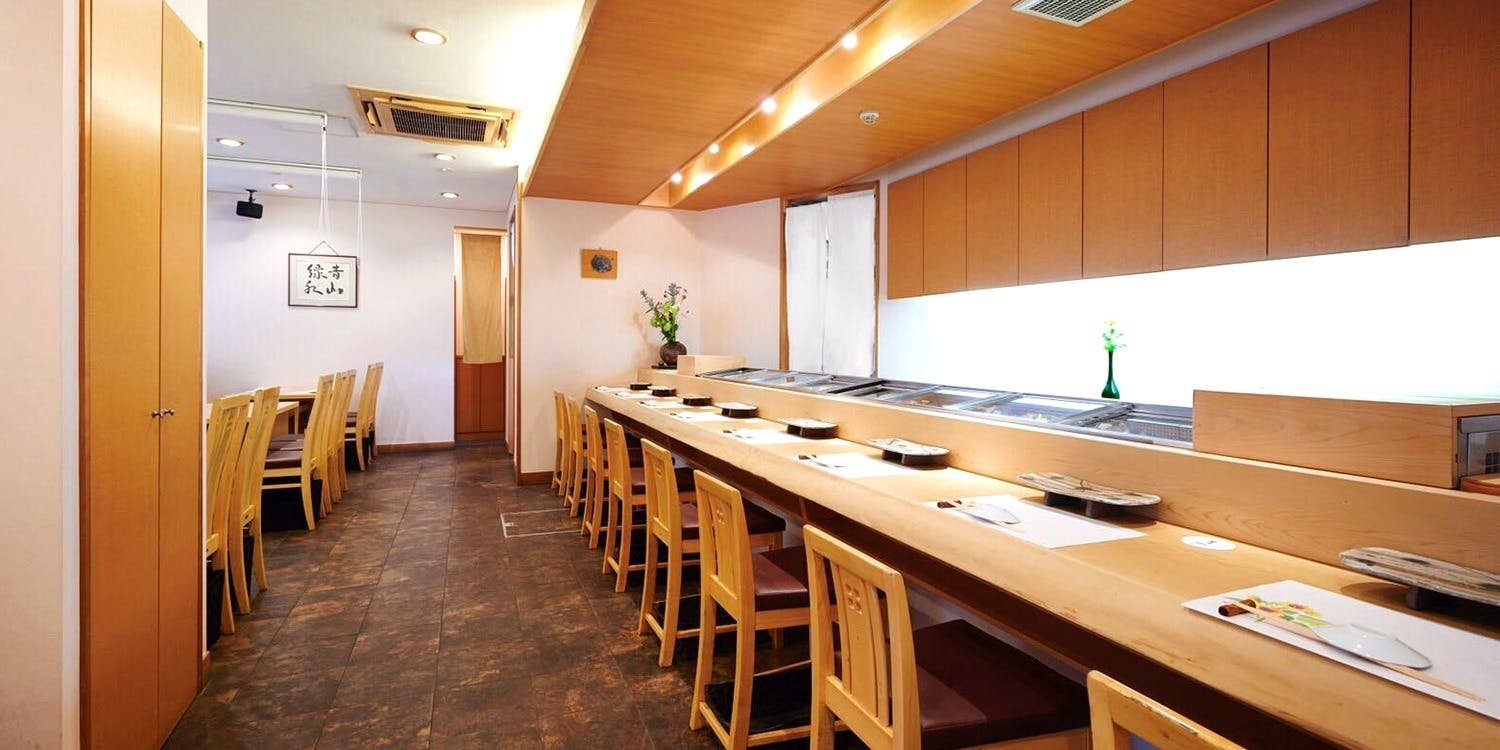
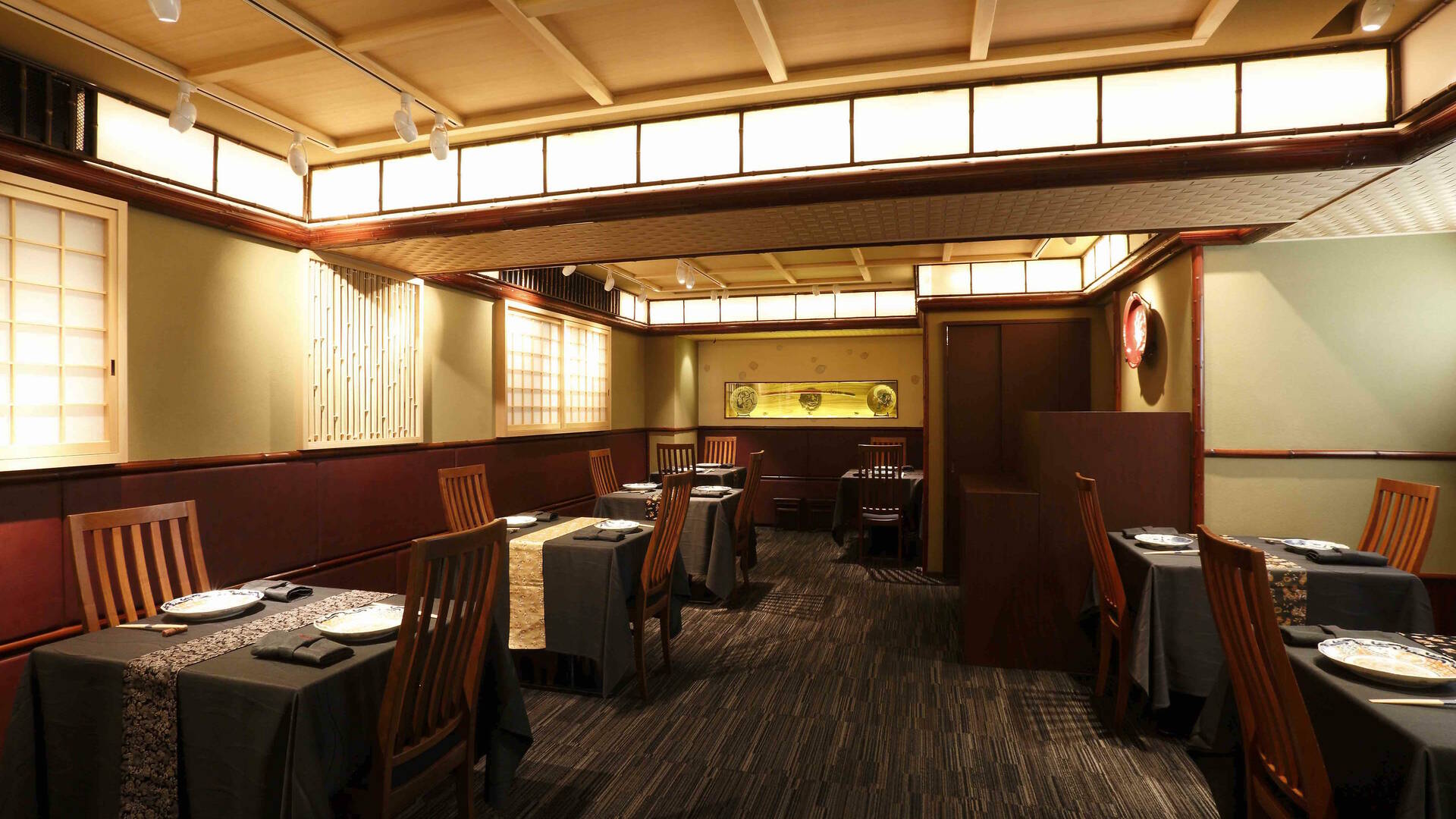
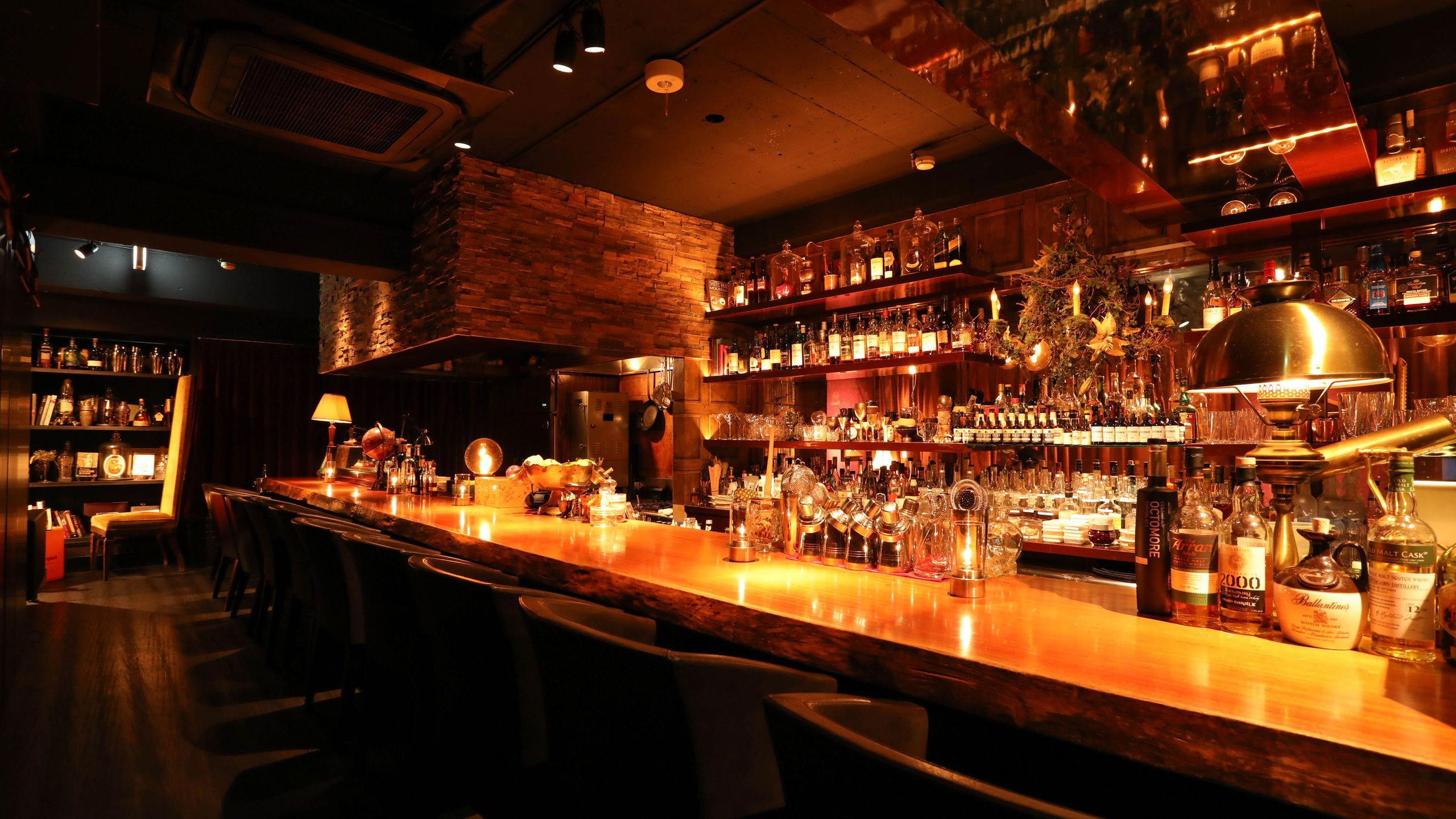
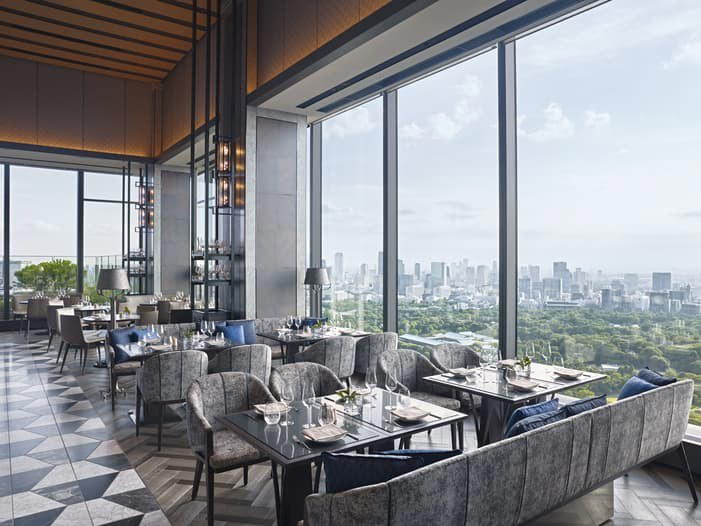
Refined and intimate teppanyaki setting with a polished, upscale feel suited to a business dinner or special occasion.