

Tabelog 100 #60
Our verdict
Sushi Ochi belongs to Tokyo’s exacting Edomae sushi tier, where recognition and restraint matter more than theatrical luxury. Led by Tadashi Ouchi and included in Opinionated About Dining’s 2026 Top Restaurants in Japan Recommended list, it reads as a serious counter for diners comparing Tokyo sushi by craft lineage, not spectacle.

Pearl is the En Primeur Club membership app, where members save venues, book tables and use the concierge.

Tokyo dining rarely announces itself with drama. Serious rooms narrow the field before the first course: a quieter setting, a deliberate rhythm, and a meal built around concentration rather than performance. Sushi Ochi belongs to Tokyo’s serious dining conversation, where pacing, preparation, and restraint matter more than decorative excess.
That distinction matters because Tokyo dining is not one luxury category. At one end are internationally visible rooms priced and booked as trophy meals; at another are focused specialists defined by technique, regulars, and consistency. Sushi Ochi sits nearer the latter serious tier, with external recognition from Opinionated About Dining in its 2026 Japan coverage. That places it inside a monitored national conversation rather than leaving it a local-only name.
Discipline, not dining theatre
Tokyo craft-led dining has long been tied to restraint, timing, seasoning, and fastidious service. In contemporary high-end Tokyo, that inheritance has become a language of precision. The point is not simply luxury ingredients, but how each element registers through balance rather than volume. A meal in this style asks diners to follow sequence: lighter moments before richer ones, acidity against depth, temperature against texture, and pacing as the structural center rather than a neutral backdrop.
Sushi Ochi’s defining idea is that frame: a restaurant working within a Tokyo tradition where authorship is expressed through calibration, not reinvention for its own sake. Leadership and service matter because this style depends heavily on direct control of preparation, timing, and room rhythm. The broader story is the city’s appetite for places that preserve disciplined grammar without turning it into museum food. For travelers, the restaurant fits those who already understand why two Tokyo meals can differ sharply even when the surface category sounds similar.
Tokyo’s dining hierarchy is unusually compressed. A small change in recognition, booking access, or reputation can shift a restaurant into a different competitive set. Sushi Matsuura, Sushi Imamura, sushi riku, Shimazu, and Sushi Yuki all sit in the same broad citywide field, but the useful comparison is not a ranking table. The question is what kind of evening a diner wants: maximal prestige, tighter specialist focus, or a restaurant with enough critical attention to justify planning without the mythology around more famous names.
How to read its recognition in Tokyo's dining field
Opinionated About Dining recognition is not the same signal as a Michelin star, and should be read differently. OAD lists reflect highly engaged diners and restaurant obsessives, especially those tracking craft-led formats across regions. For a Tokyo restaurant, appearing in OAD’s Japan coverage suggests relevance among people comparing restaurants across repeat meals, not just travelers seeking one celebratory booking.
That is useful because Tokyo has many technically serious rooms with limited international explanation. Some trade on lineage, some on price tier, some on proximity, and some on scarcity. Sushi Ochi has enough third-party recognition to be legible to an international reader, while still sitting where the meal should be judged by rhythm and discipline rather than a checklist of luxury cues.
For planning, place the meal within a Tokyo itinerary rather than treating one booking as the whole trip. A night at Sushi Ochi can be balanced against other Tokyo dining rooms with different moods, formats, and levels of formality. Within the city’s restaurant culture, the point is not simply to collect names, but to understand how many shades of restraint, pacing, and hospitality can exist inside one city.
Where it fits in a Japan dining itinerary
The better Tokyo meals reward diners who do not overprogram the day. Meals in this mode can feel compact compared with longer tasting menus, but concentration is high: pleasure lies in small adjustments, not spectacle. Sushi Ochi therefore makes more sense as a focused evening than as a stop between larger meals. Tokyo restaurants often specialize with an intensity that makes category-hopping feel superficial unless each booking has a clear purpose.
Travelers building a broader food itinerary should use Tokyo as the anchor, then compare how regional Japan changes the register. The national map is not only formal dining. Coastal towns, regional cities, and quieter local rooms can read differently from urban restaurant culture. Osaka, Kyoto, Kumamoto, Kawasaki, Sapporo, and other destinations widen the view through different service codes, local ingredients, and dining rhythms.
For international calibration, overseas Japanese dining can be a useful counterpoint, because technique is often translated through local sourcing, different service expectations, and a more explicit hospitality script. Tokyo restaurants usually ask for a different attention: less explanation, more reading of pace and proportion.
The practical verdict is simple. Choose Sushi Ochi for a serious Tokyo meal with documented OAD recognition and a disciplined dining frame, not a maximalist luxury production. Diners comparing the city should consult Our full Tokyo restaurants guide; the surrounding trip can be sharpened with Our full Tokyo hotels guide, Our full Tokyo bars guide, Our full Tokyo wineries guide, and Our full Tokyo experiences guide. The appeal is not excess. It is Tokyo dining treated as craft, sequence, and cultural memory, measured moment by moment.
Frequently asked questions
Who is the chef or culinary lead at Sushi Ochi?
EP Club does not have a verified chef or culinary lead to state for Sushi Ochi.
What type of food is Sushi Ochi known for?
Sushi Ochi is a Tokyo restaurant recognized by Opinionated About Dining in its 2026 Japan coverage.
What are the opening hours for Sushi Ochi?
EP Club does not have verified opening hours to state for Sushi Ochi.
Where exactly is Sushi Ochi?
Tokyo.
What's the defining dish or idea at Sushi Ochi?
The defining idea at Sushi Ochi is a serious Tokyo dining experience with documented OAD recognition in 2026, placing it within a broader conversation about focused dining in the city.
How It Stacks Up
Comparable venues at a glance for context.
| Venue | Cuisine | Price | Awards | Notes |
|---|---|---|---|---|
| Sushi OchiThis venue (the venue you are viewing) | Traditional Japanese Sushi | $30–50 | Tabelog 100 #60 | Not listed |
| Sushi Matsuura | Edomae-style Omakase Sushi | $100–150 | 1 Michelin Star · Tabelog Bronze #266 | Sushi |
| Sushi Imamura | Edomae Sushi Omakase | $100–150 | Tabelog 100 #40 | Sushi |
| sushi riku | Edomae Omakase | $300–500 | Tabelog Bronze #369 | Sushi, JPY 40,000 - JPY 49,999 |
| Shimazu | Edomae Sushi Omakase | $200–300 | Tabelog Gold #27 | Sushi |
| Sushi Yuki | Edomae Sushi | $200–300 | 1 Michelin Star · Tabelog Bronze #532 | Sushi |
Recognition history
Dated appearances from independent guides and award organizations, with the underlying list record or original source where available.
Opinionated About Dining Top Restaurants in Japan Recommended
Opinionated About Dining
Tabelog 100 #60 · No. 60
Tabelog · Tabelog 100 - Sushi - TOKYO - 2025
Full recognition history (4 entries)
Opinionated About Dining Top Restaurants in Japan Ranked #445
Opinionated About Dining
Opinionated About Dining Top Restaurants in Japan Ranked #390
Opinionated About Dining
Continue exploring
More in Tokyo
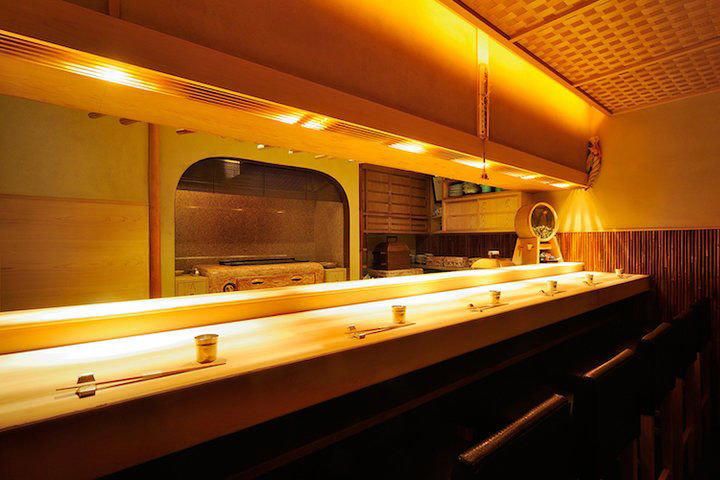
Restaurants in Tokyo
All restaurants in Tokyo →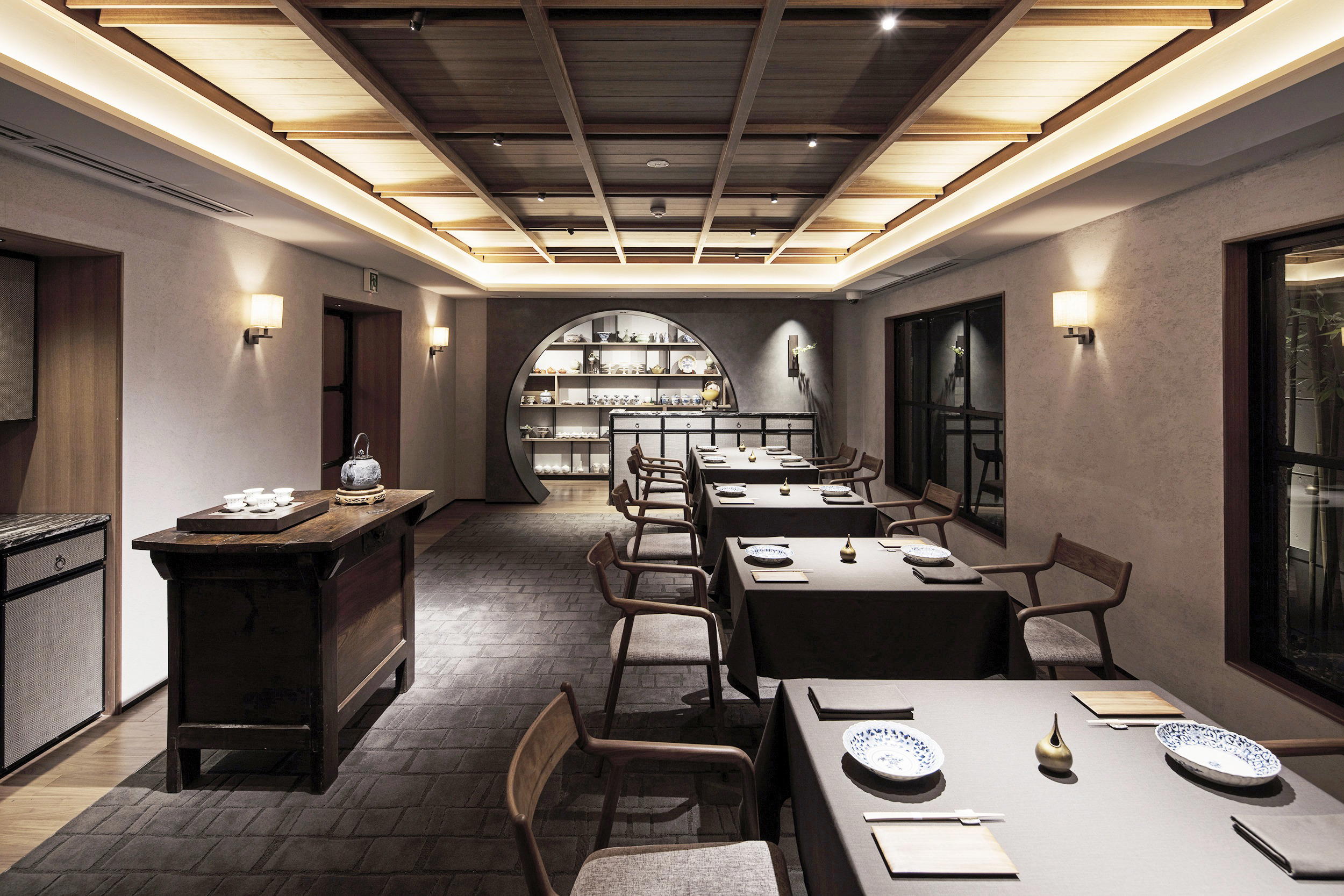
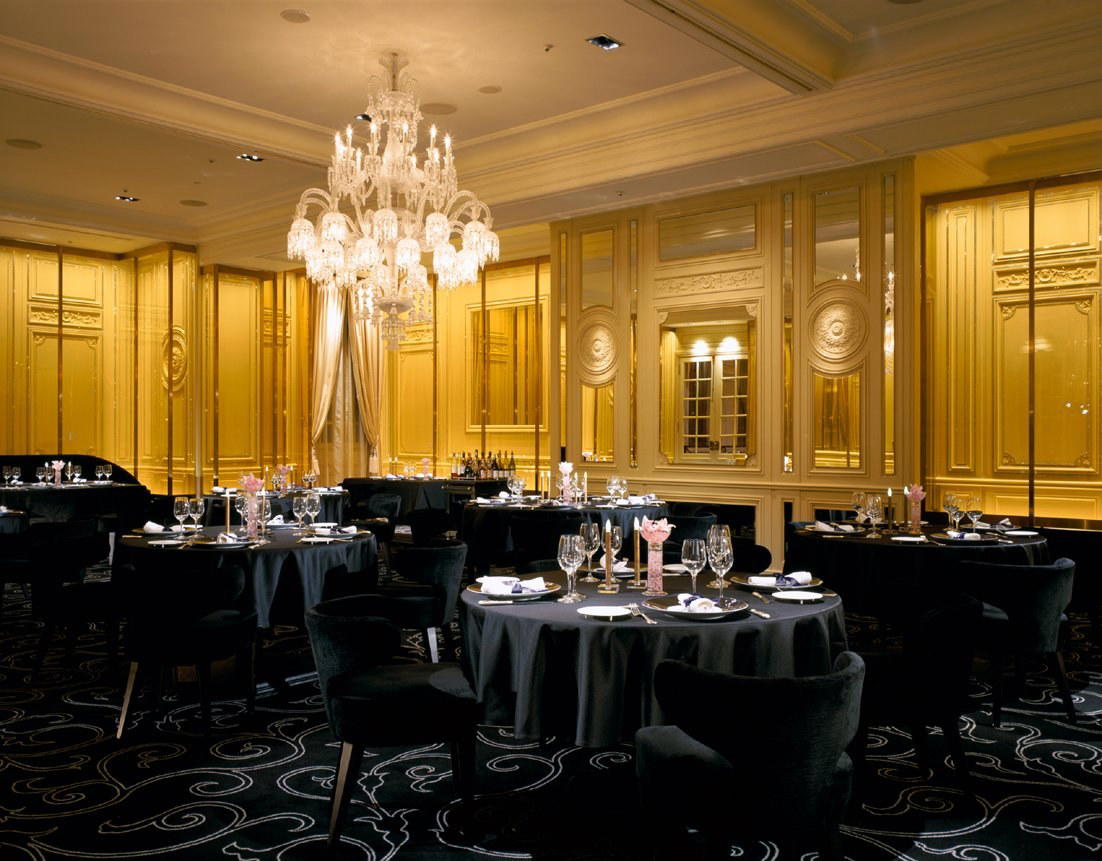


Bars in Tokyo
All bars in Tokyo →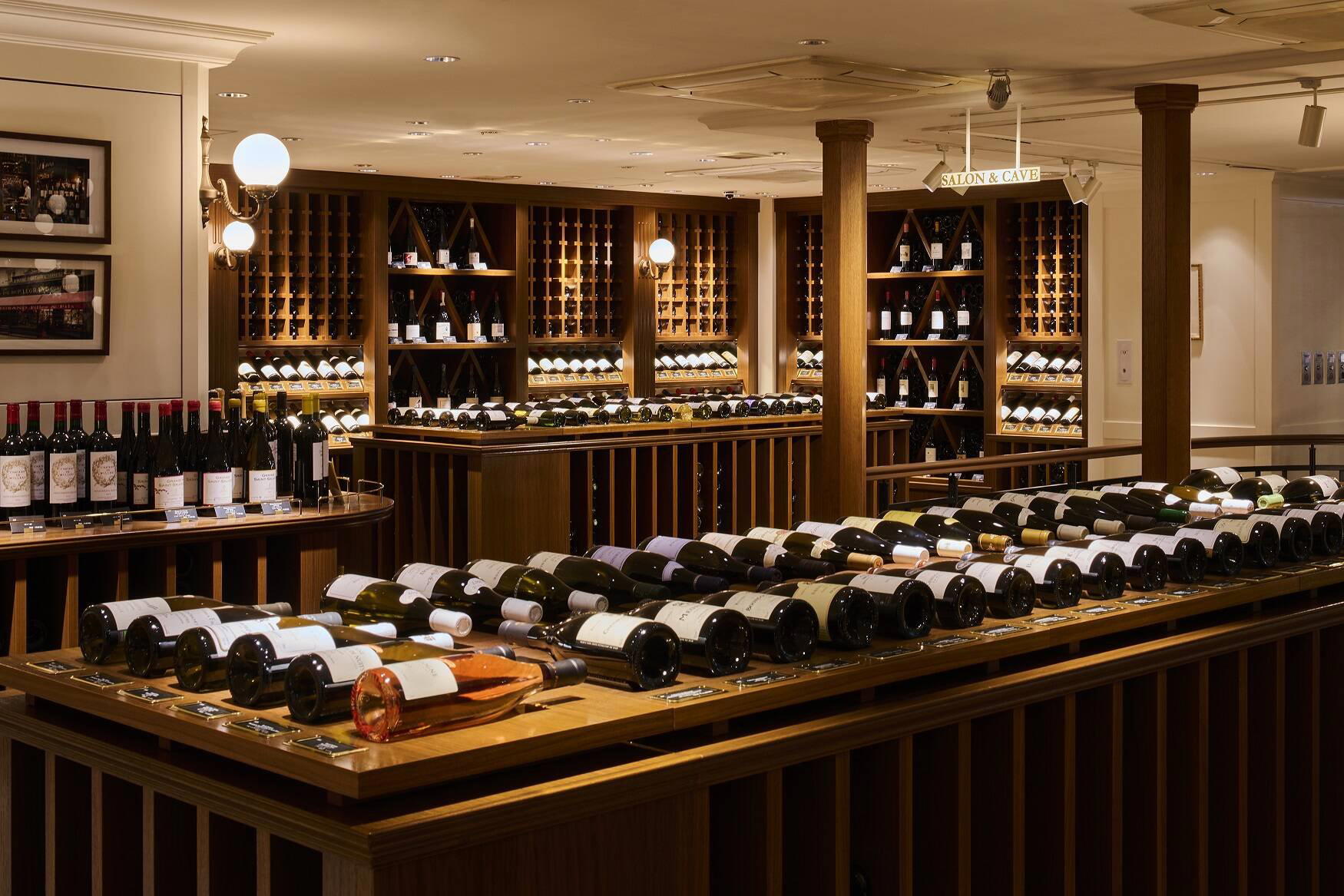




Details
- Intimate
- Cozy
- Date Night
- Solo
- Business Dinner
- Chefs Counter
- Sake Program
- Counter Dining
Current opening hours
- Monday
- Closed
- Tuesday
- 5:30–10 p.m.
- Wednesday
- 5:30–10 p.m.
- Thursday
- 5:30–10 p.m.
- Friday
- 5:30–10 p.m.
- Saturday
- 5:30–10 p.m.
- Sunday
- 12–1:30 p.m., 5:30–10 p.m.
Hours can change for holidays and private events. Last verified .
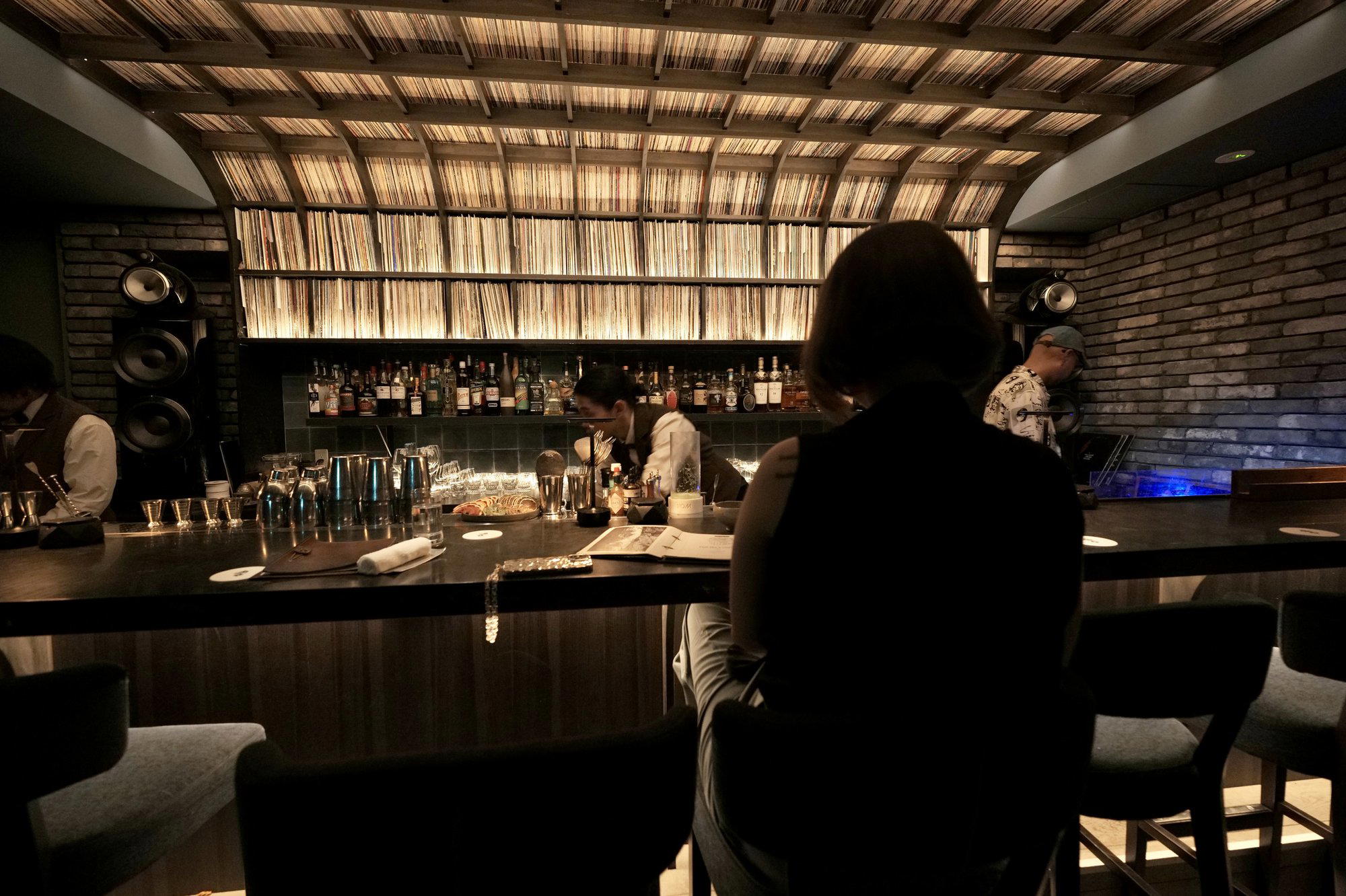
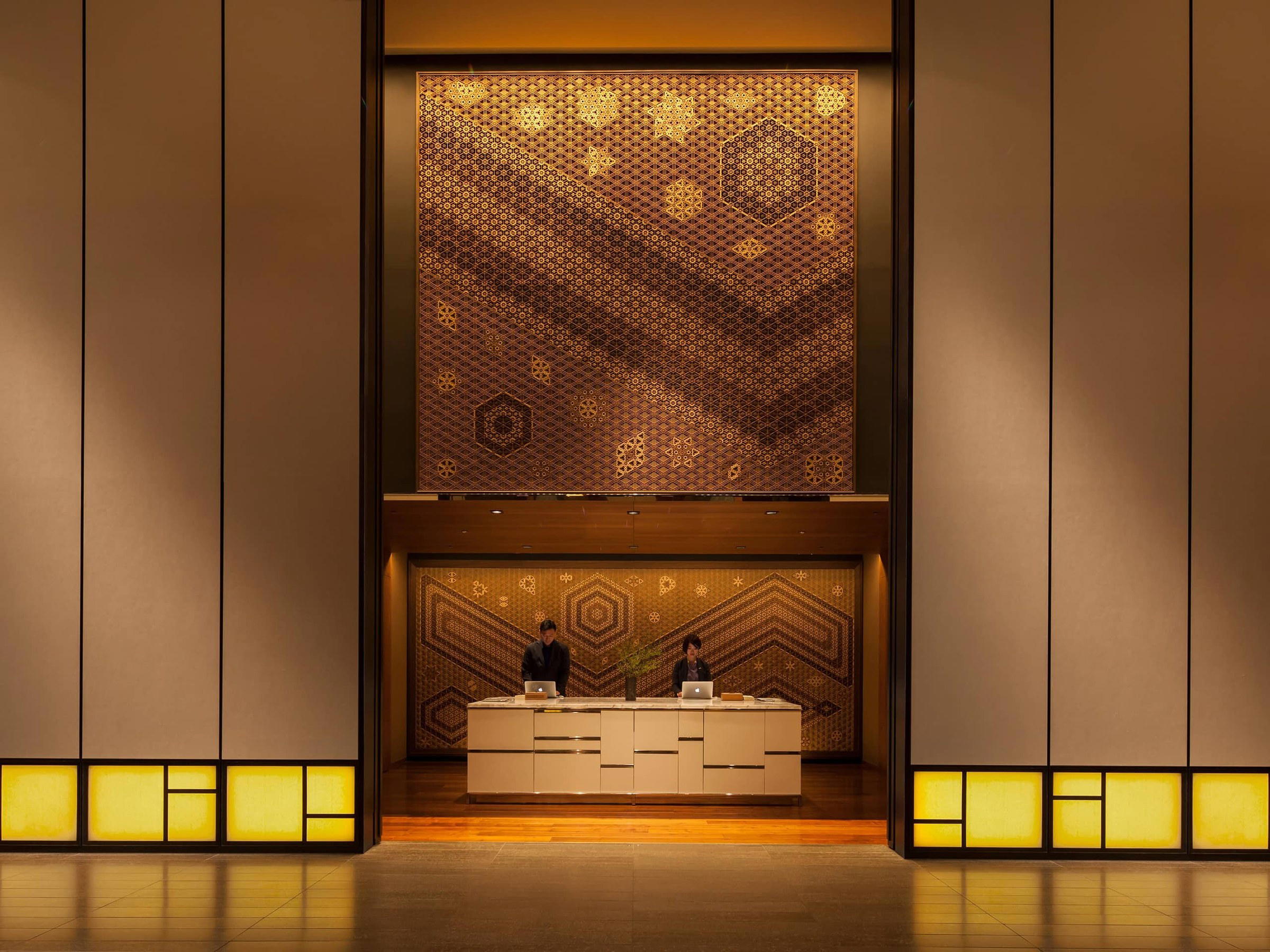
Intimate and cozy counter seating with a quiet, welcoming atmosphere focused on the chef's craft and personalized service.