Nonokura occupies a position within Tokyo's serious washoku tier, where sourcing discipline and seasonal precision define the experience rather than spectacle. The kitchen works within a tradition that prizes the provenance of each ingredient as much as its preparation. For visitors mapping Japan's highest-end dining, it belongs in the same conversation as the city's most considered Japanese tables.
- Address
- Tokyo, Japan
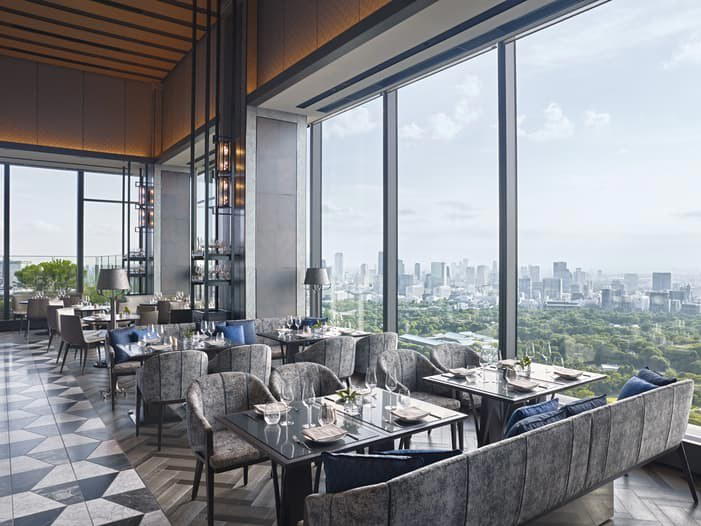
The Room Before the Meal
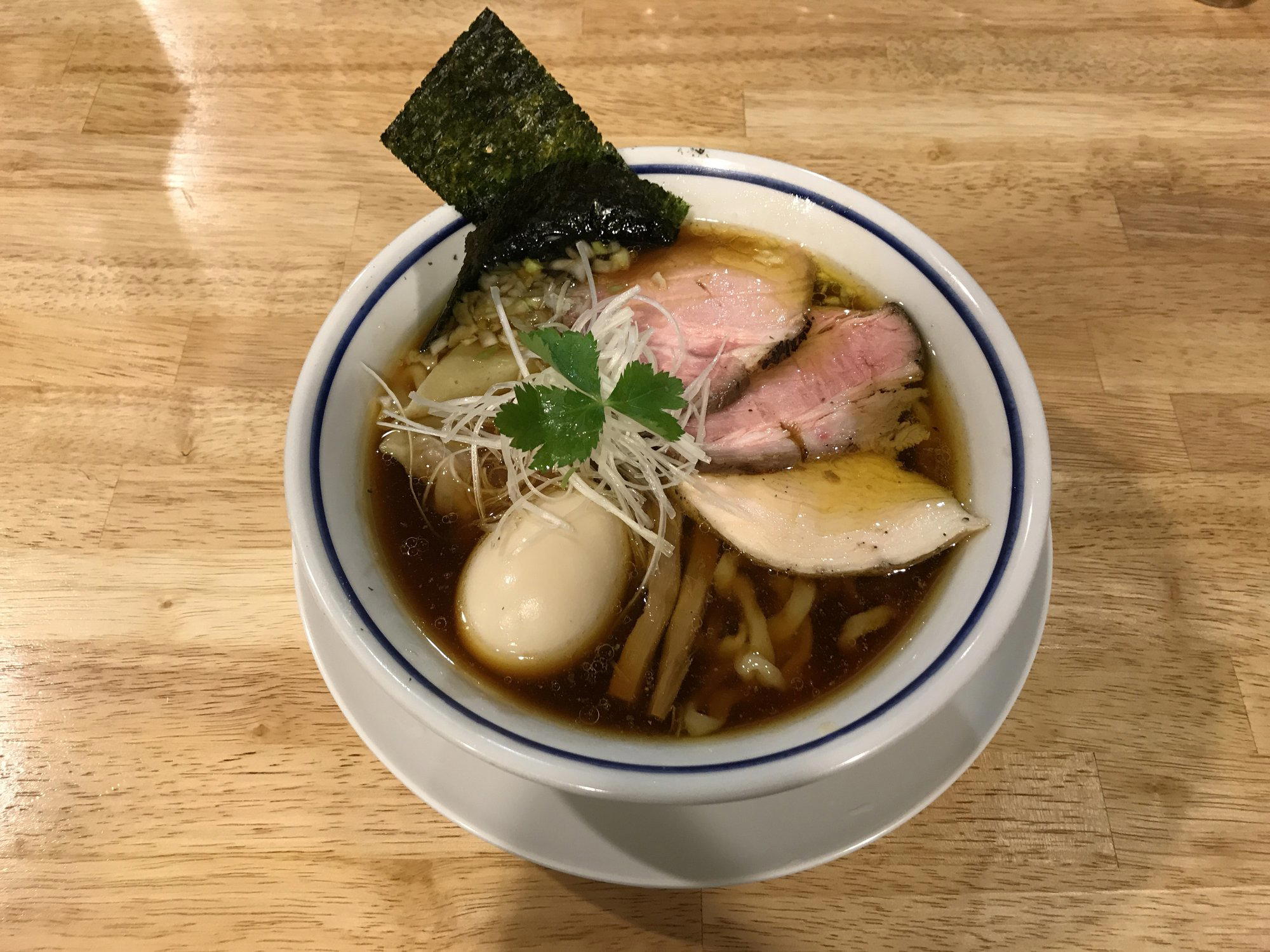
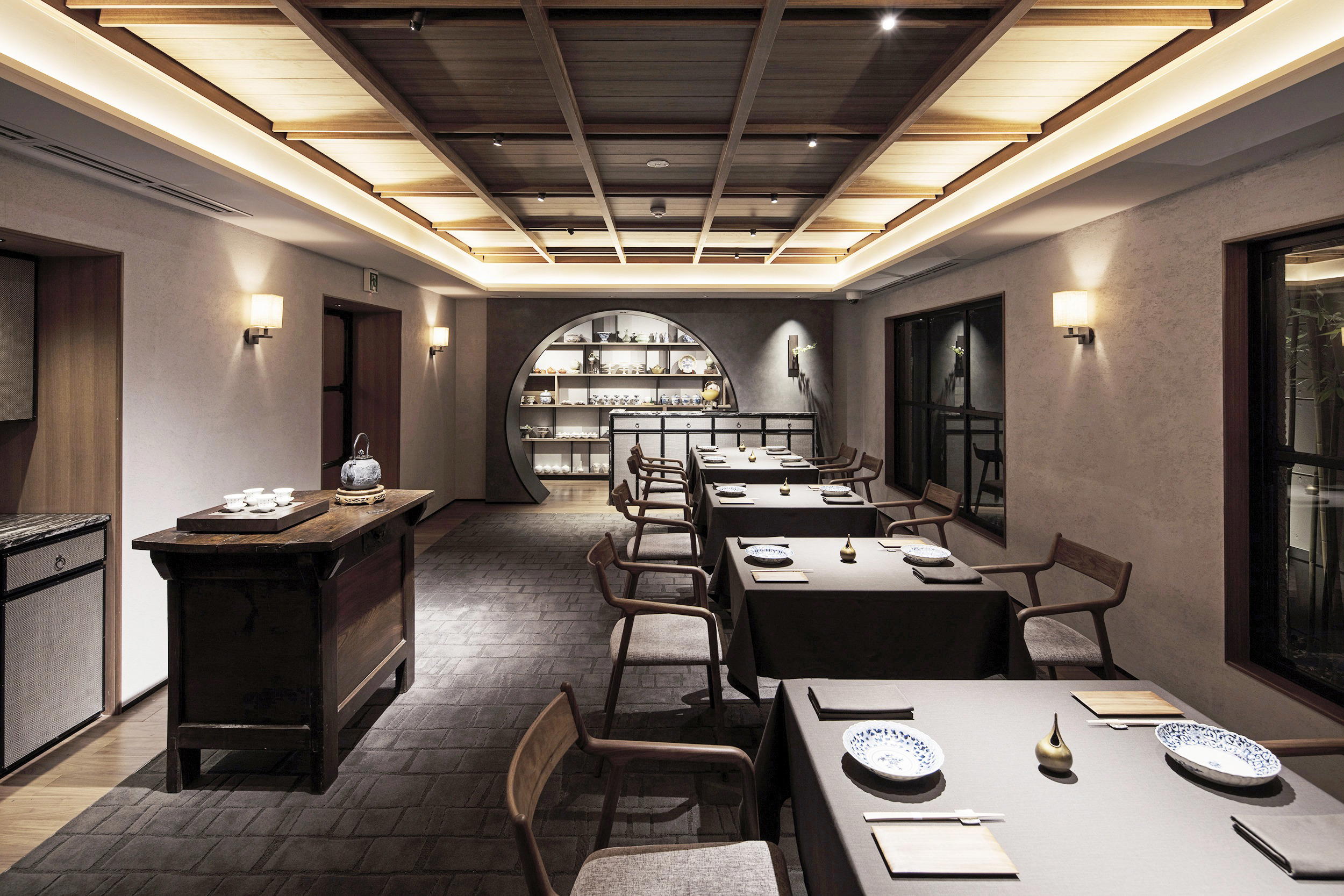
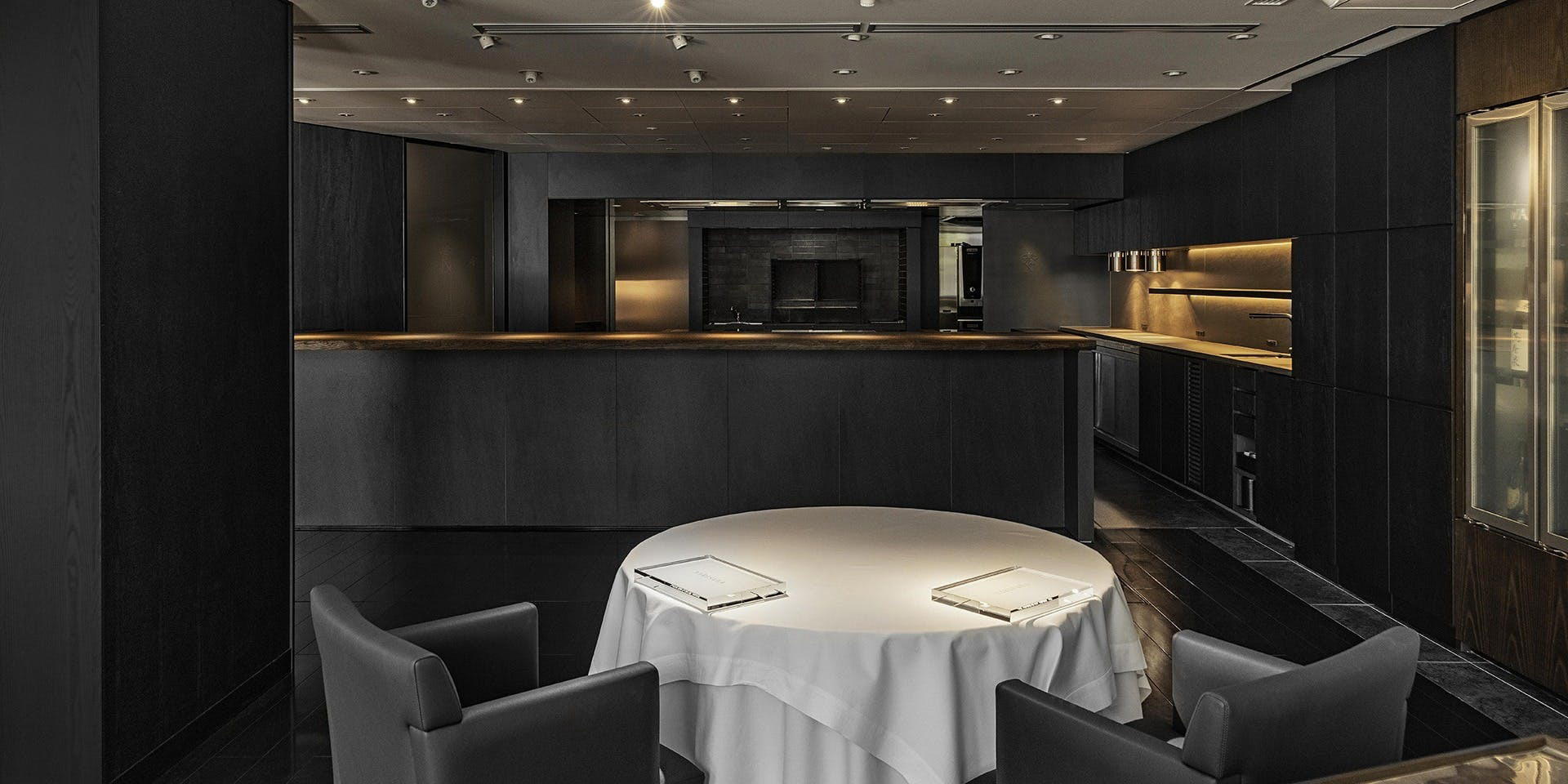
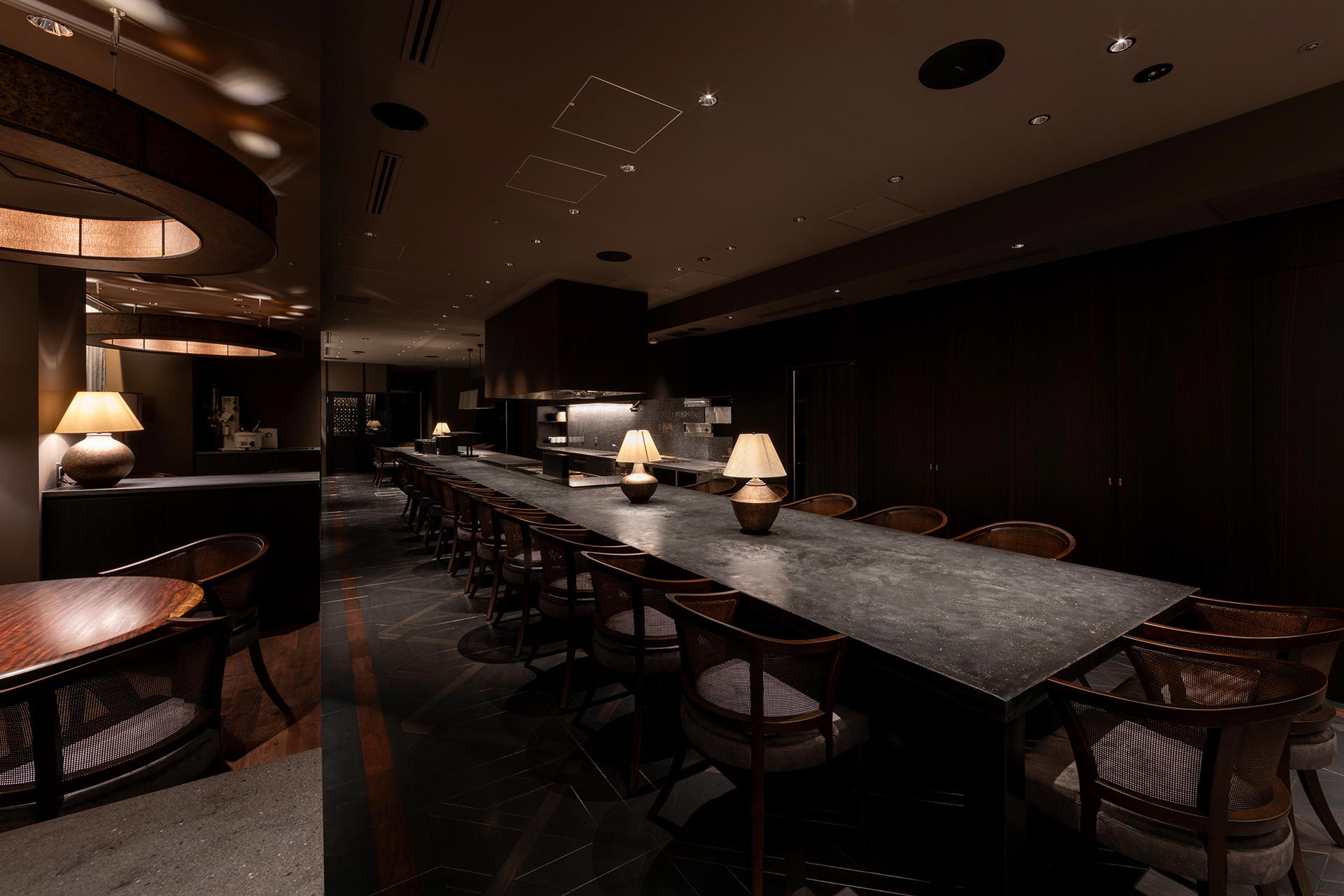
In Tokyo's most considered Japanese dining rooms, the physical setting is never accidental. The hush of a well-proportioned space, the quality of light falling on hinoki or ceramic, the absence of anything extraneous, these are deliberate signals about what the kitchen intends to do. Nonokura is a restaurant in Tokyo serving Chuutakansuimen Ramen, with an approximate price of $12 per person and a casual dress code. That alignment between environment and cooking philosophy is, in the serious washoku tier, a baseline expectation rather than a distinction.
The experience is structured around the season's leading available ingredients rather than around fixed showpieces, which places significant weight on the sourcing relationships that sit behind every course.
What Sourcing Means at This Level
It also places it in dialogue with the seasonal precision practised at houses like RyuGin, where kaiseki format and ingredient discipline are similarly central, and with the French-Japanese sourcing crossovers visible at L'Effervescence. The comparison with French haute cuisine is worth making: while a kitchen like Le Bernardin in New York builds its identity around a defined product category over decades, a washoku house rebuilds its identity seasonally. Both approaches are rigorous; they simply locate their rigour differently.
The Tokyo Washoku Tier in Context
Within Japanese dining specifically, the three-star tier includes a range of styles: sushi counters with Kanesaka or Saito lineage such as Harutaka, kaiseki houses rooted in Kyoto tradition, and contemporary kappo formats that operate with more flexibility. Nonokura sits within this broader grouping of high-intent Japanese tables, where the differentiation is not between good and bad but between different philosophies of what a meal is for.
The ingredient came from a specific location at a specific moment in the agricultural or oceanic cycle. The preparation is intended to make that argument legible on the palate without overwhelming it. This is the opposite of the European fine dining tendency to transform ingredients aggressively, and it produces meals that are easier to misread on a first encounter. Guests arriving from a French tasting menu tradition may initially find the flavour register quieter than expected. That quietness is the point.
Placing Nonokura Among Its Tokyo Peers
A meal at Sézanne or Crony will be structured around different pleasures: richer saucing, more apparent technique as spectacle, wine as an integrated part of the experience. A washoku meal at Nonokura's level makes fewer concessions to European dining expectations and is the stronger choice for guests who want to understand what Japanese ingredients actually taste like when treated on their own terms.
That distinction matters for first-time visitors to this level of Japanese dining: kappo-influenced formats tend to have slightly more energy and interaction, while traditional kaiseki progressions can feel more ceremonial. Both are serious; they simply distribute their attention differently across the meal.
Planning Your Visit
| Venue | Cuisine | Price Tier | Format |
|---|---|---|---|
| Nonokura | Japanese (washoku) | ¥¥¥¥ | Omakase / seasonal |
| RyuGin | Kaiseki, Japanese | ¥¥¥¥ | Tasting menu |
| Harutaka | Sushi | ¥¥¥¥ | Counter omakase |
| L'Effervescence | French | ¥¥¥¥ | Tasting menu |
| Crony | Innovative, French | ¥¥¥¥ | Tasting menu |
Bookings are walk-in friendly. The city's highest-tier washoku houses are not universally listed on English-language booking platforms.
Guests comparing Nonokura to international reference points should know that the sourcing rigour at this level of Japanese dining has few direct parallels abroad. Atomix in New York offers the closest conceptual bridge for American diners, with its Korean fine dining format built around documented ingredient origins and seasonal logic. But the density of Japan's specialty produce networks, and the centuries of agricultural tradition behind them, means the sourcing argument is made here with a depth that other markets have not yet replicated.
Recognition, Side-by-Side
Comparable venues nearby, for context on price, style, and recognition.
| Venue | Cuisine | Price | Notes |
|---|---|---|---|
| NonokuraThis venue — the venue you are viewing | Chuutakansuimen Ramen | $$ | Not listed |
| Udon Yamacho | Sanuki Udon & Japanese Comfort Dishes | $$ | Shibuya |
| Tokyo Dosanjin | Traditional Soba Noodle Restaurant | $$ | Meguro |
| tonkatsu.jp表参道 | Premium Tonkatsu Specialist | $$ | Omotesando |
| Kurobuta Tonkatsu Hori Ichi | Kurobuta tonkatsu specialist | $$ | Minato |
| Kirimugi Ya Jinroku | Udon and Tempura | $$ | Shinjuku |







At a Glance
- Cozy
- Casual Hangout
Casual mom-and-pop ramen shop with simple interior, ticket machine ordering, and lively queues.