Gastronomia Le Quattro Stagioni pairs seasonal Italian gastronomy with cicchetti, local sourcing and a casual dinner setup in Adria.
Pearl is the En Primeur Club membership app — saves, bookings, and concierge access live there. Same editors, same standards.
- Address
- Corso G. Mazzini, 34, 45011 Adria RO, Italy
- Phone
- +393452695635
- Directions
- Get directions
 Saves & bookings on Pearl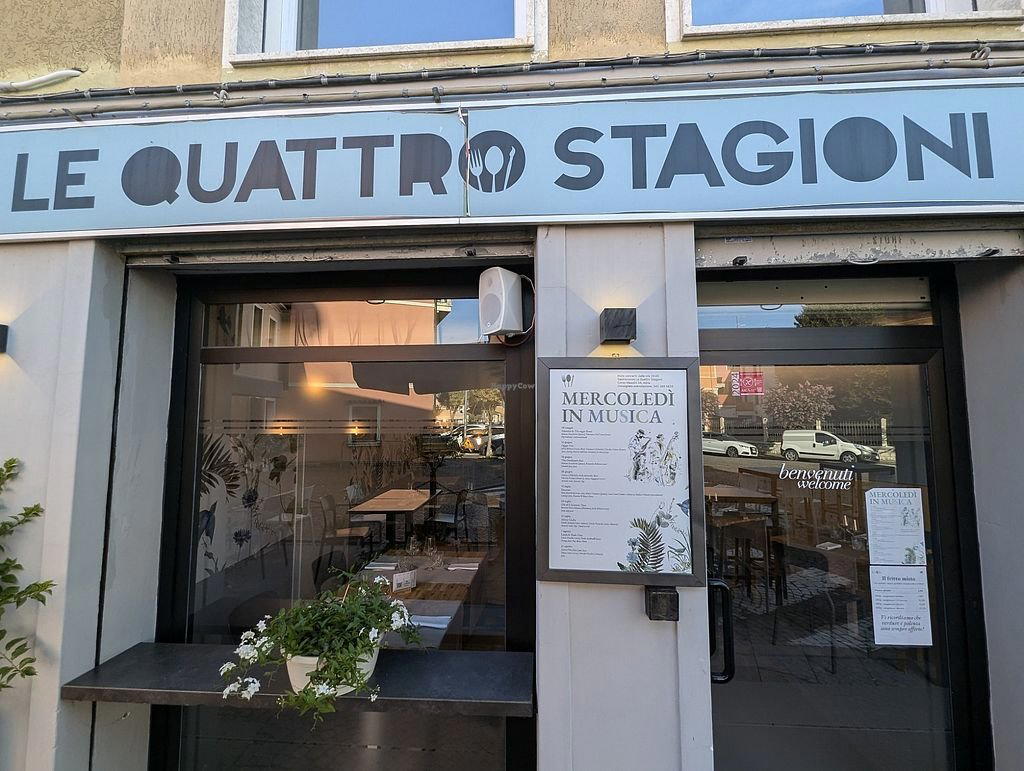
Corso Mazzini and the Quiet Weight of Northern Italian Dining Tradition
Adria sits in the southern Veneto, in that flat, river-threaded territory where the Po Delta empties toward the Adriatic. It is a town that most northern Italian itineraries pass around rather than through, which means its dining rooms carry a different register from the restaurant corridors of Verona or Venice. The audience here is predominantly local, and the cooking that survives across decades does so because residents return. Corso G. Mazzini, the main artery through the historic centre, is the kind of street where that dining culture concentrates: family-run establishments, rooms that have served the same families across generations, and kitchens where the seasonal calendar is not a marketing device but a practical reality.
Gastronomia Le Quattro Stagioni occupies an address on that corso. The name itself, the four seasons, is an old-fashioned Italian framing of a kitchen's relationship to the calendar, the kind of name a restaurant acquires when its identity is built around what the land and waters of a particular place produce at a particular time of year. In this part of the Veneto, that means the freshwater and estuarine catches of the Po Delta, the asparagus and radicchio of the surrounding flatlands, and the rice dishes that reflect centuries of cultivation in the padana basin.
The Culinary Geography of the Po Delta Table
To understand what a gastronomia in Adria represents, it helps to place it within the broader tradition of northern Italian provincial dining. Italy's most compelling restaurant culture does not sit exclusively in its Michelin-dense cities. A parallel tradition runs through smaller centres: Brusaporto, Runate, Castel di Sangro, Senigallia. These are the towns that house places like Da Vittorio in Brusaporto and Dal Pescatore in Runate, where the logic of a deeply local, seasonally grounded kitchen can be sustained without the infrastructure of a major urban market. Adria is smaller than those towns and less visited, which places Le Quattro Stagioni in a tier defined by community dependency rather than destination dining.
That tier has its own standards. In the Po Delta zone specifically, the dominant ingredients are those of a transitional ecosystem: eel, grey mullet, clams and mussels from the lagoon margins, freshwater crayfish, and the rice that grows in the fields immediately surrounding the town. The local risotto tradition diverges from the saffron-forward risotto milanese or the wine-reduced preparations further west: here, the base tends toward fish or shellfish stocks, and the rice is often finished with a restraint that keeps the primary ingredient forward. These are techniques shaped by geography, not by culinary trend cycles.
Within Adria itself, the dining options span a small range. Molteni sits in the seafood category at a mid-range price point, representing the direct, catch-led end of the local table. Allo Scalo and Scirocco round out the options currently documented in the city. Le Quattro Stagioni sits in this context as a gastronomia, a category that in Italy carries specific meaning: a space that straddles prepared foods, catering, and sit-down dining, often with a stronger emphasis on the quality of sourcing than on elaborate technique. The format has deep roots in Italian food culture and tends to attract a clientele that values precision in primary ingredients over architectural presentation.
Provincial Dining and Its Relationship to National Context
The gap between Adria's dining scene and Italy's higher-profile restaurant circuit is measurable in geography. The kitchens that define Italy's contemporary reputation internationally, places such as Osteria Francescana in Modena, Piazza Duomo in Alba, and Le Calandre in Rubano, draw international visitors specifically for the experience. Adria draws none of that traffic, and Le Quattro Stagioni is positioned accordingly. The relevant comparison is not with those rooms but with the broader category of Italian regional gastronomia: establishments that serve a town rather than a pilgrimage market.
This matters because the standards of a gastronomia are measured differently. The question is not whether a dish achieves conceptual coherence or formal precision, but whether it reflects the sourcing honesty and technical competence that a local audience returning weekly will notice and judge. In the Veneto's smaller cities, that judgment has historically been unsentimental. A room that survives on Corso Mazzini does so because the cooking is reliable enough that people bring their families back to it.
Further context from the national picture: the northern Adriatic corridor, which runs south from Venezia toward Rimini and beyond, carries a strong seafood tradition that finds different expressions at different price tiers. Uliassi in Senigallia represents that tradition at its most formally ambitious. The gastronomia format in a town like Adria represents it at its most direct. Both are legitimate expressions of the same coastal-and-delta ingredient culture; they simply address different audiences with different expectations of format and ceremony.
Planning a Visit to Adria
Adria is accessible from Ferrara, Rovigo, and the Adriatic coast towns via regional roads, though public transport connections are limited, and most visitors arrive by car. The town is compact enough that Corso G. Mazzini is walkable from any central parking. For those building an itinerary in the Veneto or Emilia-Romagna that prioritises regional depth over major cities, Adria represents a point of genuine culinary geography, a place where the Po Delta produces the food that ends up on local tables rather than in export markets.
Le Quattro Stagioni's address on Corso Mazzini places it in the commercial and social heart of the historic centre, the kind of position that in a provincial Italian town indicates longevity and community standing. Those looking for fine dining at the level of Quattro Passi in Marina del Cantone, Reale in Castel di Sangro, or the ambitious rooms of Atelier Moessmer Norbert Niederkofler in Brunico will need to adjust expectations: this is a different format entirely, and should be approached as such.
Budget and Context
Comparable venues nearby, for context on price, style, and recognition.
| Venue | Cuisine | Price | Awards | Notes |
|---|---|---|---|---|
| Gastronomia Le Quattro StagioniThis venue — the venue you are viewing | Adria, Seasonal Italian Gastronomia | $$ | Not listed | Not listed |
| Molteni | Not listed | $$$ | Michelin Plate | historical centre, Traditional Italian Seafood |
| Scirocco | Adria, Traditional Italian Trattoria | $$ | Not listed | Not listed |
| Allo Scalo | Centro Storico, Italian Seafood Enoteca | $$$ | Not listed | Not listed |
| Arso Trattoria Moderna | Not listed | $$ | Not listed | .null, Traditional Roman Trattoria |
| The Lido | Not listed | $$ | Not listed | Cernobbio, Italian Lakeside Pizzeria & Beach Club |
Continue exploring
More in Adria
Restaurants in Adria
Browse all →
Bars in Adria
Browse all →
Hotels in Adria
Browse all →

At a Glance
- Cozy
- Rustic
- Casual Hangout
- Local Sourcing
Current opening hours
- Monday
- Closed
- Tuesday
- 11 AM–3 PM, 6–11 PM
- Wednesday
- 11 AM–3 PM, 6–11 PM
- Thursday
- 11 AM–3 PM, 6–11 PM
- Friday
- 11 AM–3 PM, 6–11 PM
- Saturday
- 11 AM–3 PM, 6–11 PM
- Sunday
- 11 AM–3 PM, 6–11 PM
Hours can change for holidays and private events. Last verified .
Young, dynamic atmosphere with informal service and a welcoming feel.