
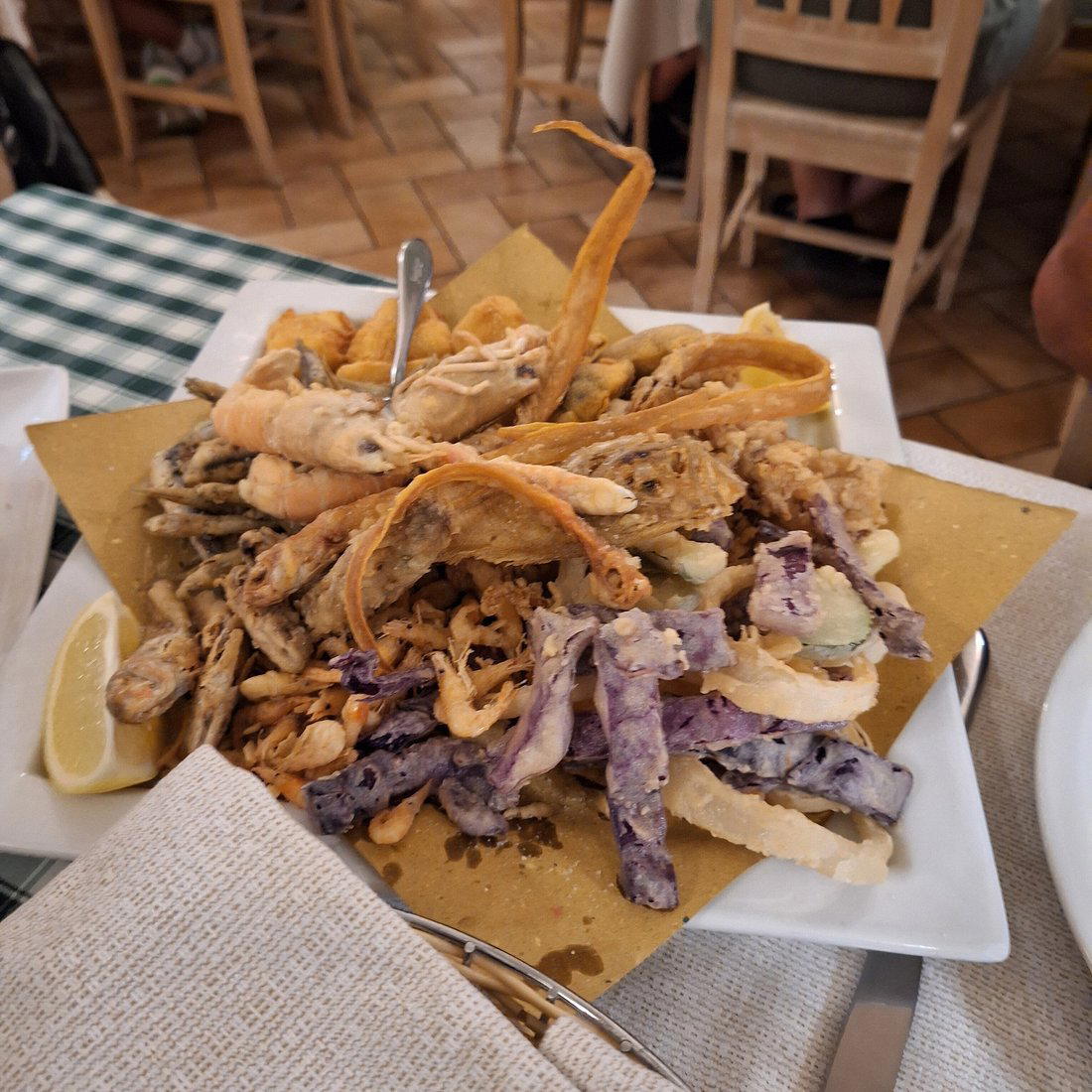
A Michelin-starred farmhouse restaurant in Codigoro's Po Delta, La Zanzara earns its recognition through an unwavering focus on lagoon produce: eel grilled over embers, Adriatic squid, and turbot prepared with notable restraint. Open Wednesday through Sunday evenings (Saturday and Sunday for lunch also), it prices at €€€ and draws guests who make the drive through Po Delta marshland part of the occasion.
Pearl is the En Primeur Club membership app — saves, bookings, and concierge access live there. Same editors, same standards.
- Address
- Via per Volano, 52, 44021 Codigoro FE, Italy
- Phone
- +39 347 036 7841
- Website
- ristorantelazanzara.com
- Directions
- Get directions
 Saves & bookings on Pearl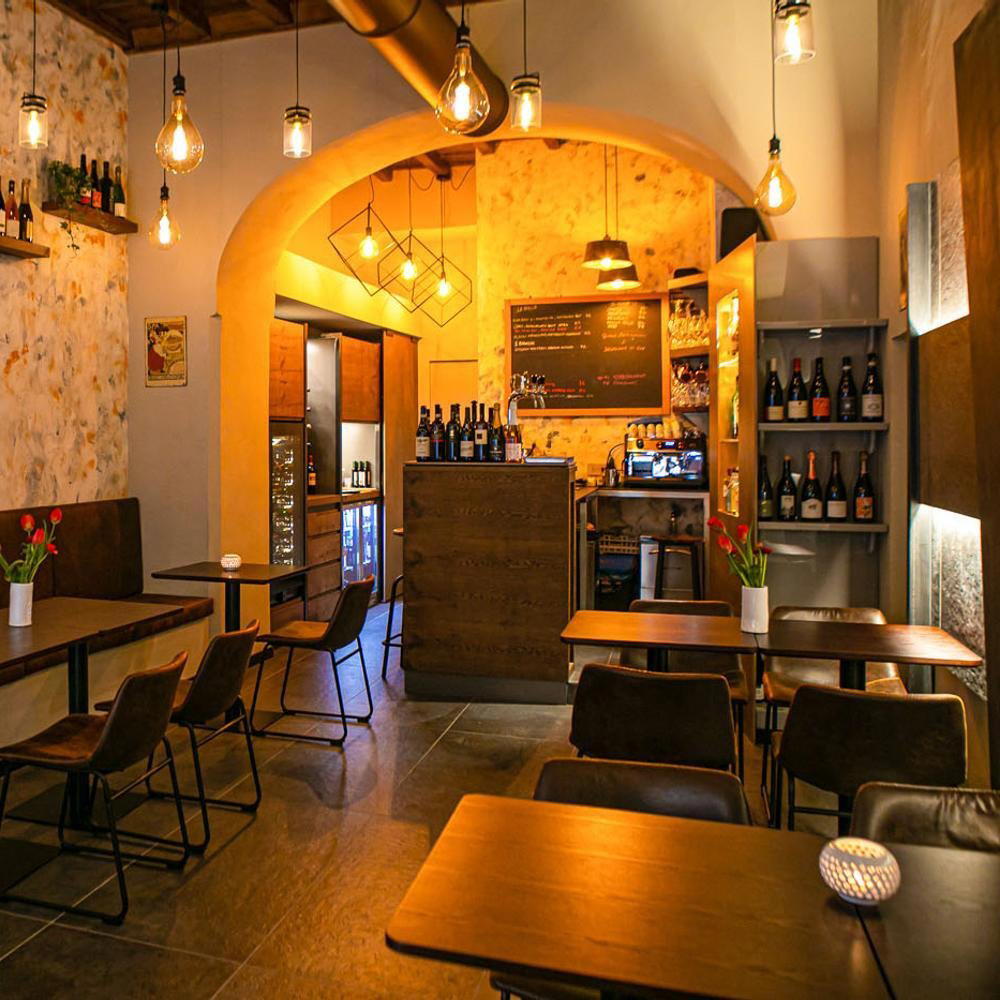
A Farmhouse at the Edge of the Lagoon
The approach to La Zanzara is instructive before a single dish arrives. The road from Codigoro cuts through the Po Delta Valley, a flat, reed-threaded expanse where the boundary between land and water dissolves into something closer to a shared state. Egrets stand in the channels; the light sits low and diffuse. By the time the farmhouse comes into view, the geography has already made an argument for the meal you are about to eat. This is not a restaurant that happens to source from the lagoon — it is a restaurant whose setting and ingredient logic are inseparable from each other.
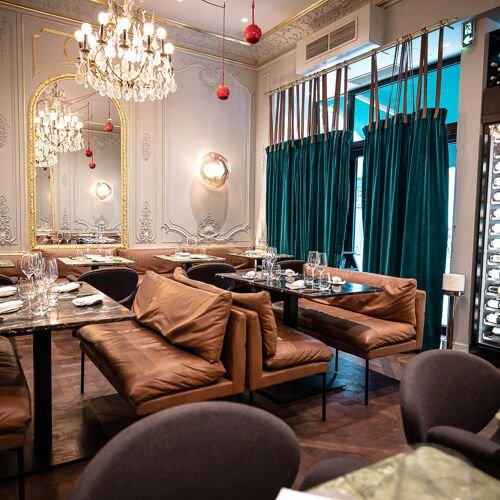
Inside, the dining room holds its own atmosphere. The space is small, which matters here: intimacy is not incidental but structural, allowing a focus on what is being served rather than on spectacle or theatre. In winter, a fireplace warms the room, and the effect is of arriving somewhere that has been in steady, unhurried use for some time. That is precisely the tone the cooking appears to respect.
The Lagoon on the Plate: What La Zanzara Actually Cooks
Italian seafood restaurants broadly split between coastal venues that work the full Adriatic catch and more specialised houses that anchor their menus around a specific geography or technique. La Zanzara sits in the latter category, with the Comacchio lagoon and the surrounding Po Delta supplying the organising logic for what appears on the table.
Eel is the defining preparation here, and its presence reflects the deeper ecology of the region. The Comacchio Valleys have been associated with eel fishing for centuries; the species migrates through these brackish channels and has historically been the centrepiece of the area's food culture. At La Zanzara, eel appears in two registers: simply prepared and grilled over embers. The ember approach is worth noting as a technique. Direct-heat cooking on fish of this fat content requires attentiveness to temperature and resting — overcook it and the fat renders too far; undercook it and the flesh resists. Michelin awarded the restaurant one star in 2024, signalling that the kitchen handles this transition with precision.
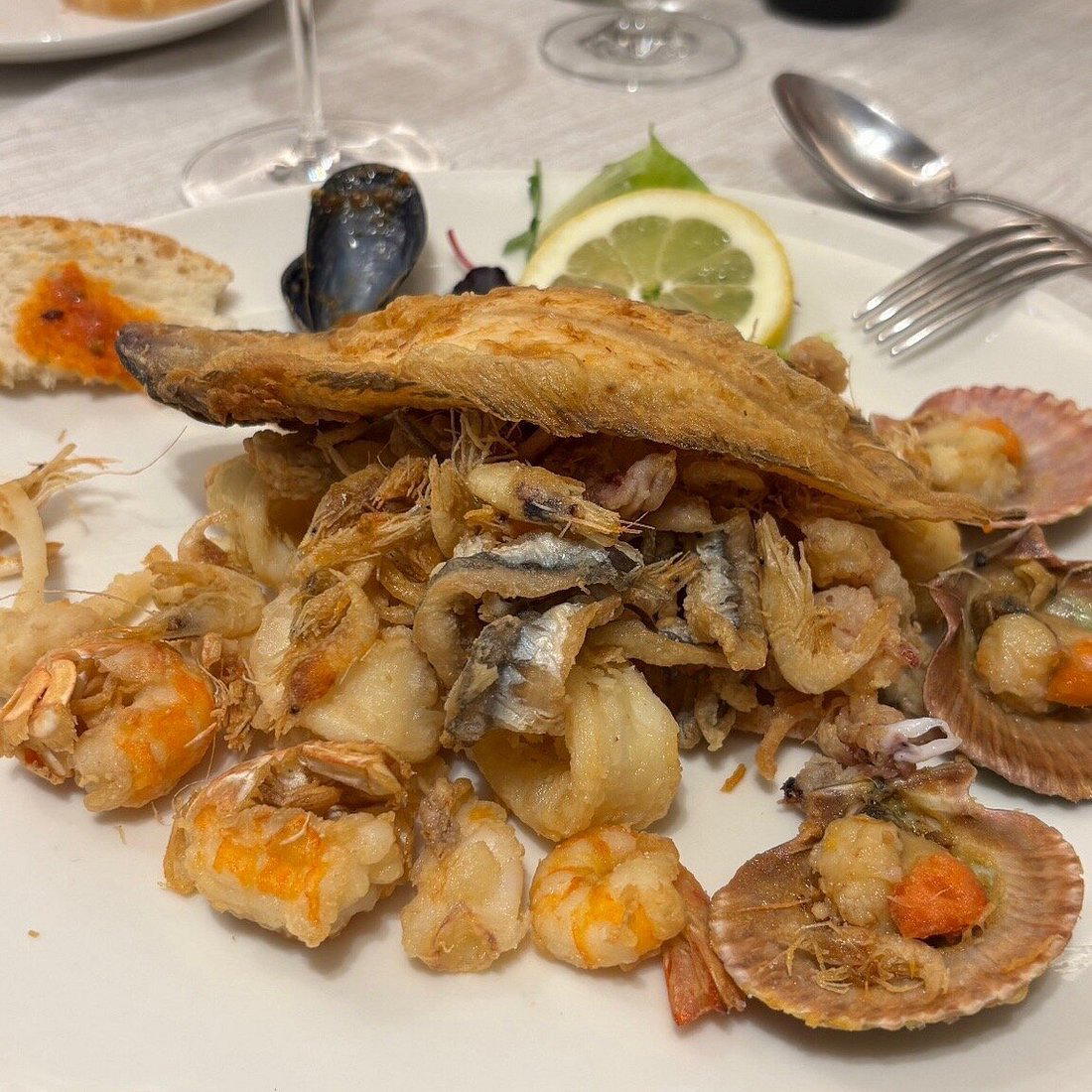
Adriatic seafood, particularly squid and turbot, rounds out the menu. Squid from this stretch of the northern Adriatic tends to be smaller and more delicate than its southern counterparts, suited to preparations that preserve texture rather than transform it. Turbot, a species that favours cold, clean water and commands respect in European fine dining from Uliassi in Senigallia to Quattro Passi in Marina del Cantone, appears here in its Adriatic form, which tends toward firmer flesh and a cleaner flavour profile than Atlantic specimens.
Raw Preparation and the Logic of Restraint
The editorial angle for understanding a kitchen like La Zanzara's is not primarily about spectacle technique, no foams, no theatrical tableside service, but about the discipline of restraint in handling high-quality raw material. In Italy's northern Adriatic tradition, the prevailing instinct is to subtract rather than add: crudo preparations where the fish's own temperature, texture, and salinity carry the plate; minimal acidulation that signals freshness rather than masks its absence; and heat applications that are calculated to change the protein as little as possible while still rendering it cooked.
This approach differs markedly from the technique-forward creativity you encounter at Osteria Francescana in Modena or the elaborate seasonal architectures of Atelier Moessmer Norbert Niederkofler in Brunico. Those kitchens use their ingredients as a starting point for conceptual transformation. The restaurant, based on what its Michelin recognition describes, operates on a different premise: the lagoon's produce is the argument, and the kitchen's job is to make that argument clearly.
In practical terms, that philosophy places enormous pressure on sourcing and timing. A turbot crudo or a lightly dressed squid preparation has nowhere to hide.
Where La Zanzara Sits in Italy's Broader Seafood Conversation
Italy's Michelin-starred seafood restaurants cluster more heavily in the south and along the Tyrrhenian coast, where warmer waters and longer tourist seasons create the economic conditions for ambitious kitchens. The northern Adriatic, and particularly the Po Delta region, hosts fewer starred houses, which makes the restaurant's recognition more notable as a data point about the region's culinary depth rather than simply as individual validation.
For comparison within the Italian seafood tier, Gambero Rosso in Marina di Gioiosa Ionica and Alici Restaurant on the Amalfi Coast operate with different geographical and ingredient identities, Ionian and Tyrrhenian respectively, that illustrate how regional specificity drives the character of serious Italian seafood cooking. The restaurant's identity is brackish-water, delta-specific, eel-centred: a profile you will not encounter at those southern addresses.
Among Italy's wider fine dining circuit, houses like Dal Pescatore in Runate, Enoteca Pinchiorri in Florence, Enrico Bartolini in Milan, Le Calandre in Rubano, Piazza Duomo in Alba, and Reale in Castel di Sangro represent the country's multi-star tier and operate at €€€€ price points with larger international profiles. The restaurant, at €€€, occupies a different bracket: a specialist house serving a defined geography to guests who come specifically for what that geography produces.
The closest peer in Codigoro itself is La Capanna di Eraclio, another farmhouse-style address with strong lagoon credentials. That two restaurants of this calibre exist in a small delta town indicates something about the depth of the local food culture rather than mere coincidence.
Planning a Visit: Timing, Access, and What to Expect
The restaurant opens Wednesday through Friday for dinner (7 PM to 9:30 PM), with Saturday and Sunday offering both lunch (noon to 1:30 PM) and dinner (8 PM to 9:30 PM). Monday and Tuesday are closed. The limited service window, particularly the tight midday slots on weekends, means booking ahead is the only practical approach, especially for Saturday lunch, which combines the week's most convenient timing with greater competition for covers.
The restaurant sits on Via per Volano, 52 in Codigoro, and the drive from Ferrara takes roughly 45 minutes through flat delta roads. There is no meaningful public transport option for this address; the experience is car-dependent, which is consistent with the farmhouse format and with how the surrounding landscape functions as a prelude to the meal. Arriving by daylight, particularly in autumn or winter when the delta's bird populations are at their densest, extends the experience considerably beyond the dining room itself.
The €€€ price point places the restaurant comfortably within the range of a destination dinner.
Booking and Cost Snapshot
Comparable venues nearby, for context on price, style, and recognition.
| Venue | Cuisine | Price | Awards | Notes |
|---|---|---|---|---|
| La ZanzaraThis venue — the venue you are viewing | Seafood | $$$ | Michelin 1 Star | Not listed |
| La Capanna di Eraclio | Not listed | $$$ | Michelin Plate | Codigoro, Traditional Po Delta Seafood Trattoria |
| Acqua Pazza | Savena, Modern Italian Seafood | $$$ | Michelin 1 Star | Not listed |
| I Portici | Not listed | $$$ | Michelin 1 Star | Centro Storico, Modern Italian Fine Dining |
| Nostrano | Not listed | $$$ | Michelin 1 Star | Pesaro seafront, Modern Italian Fine Dining |
| Ancòra | Not listed | $$$ | Michelin 1 Star | Cesenatico, Modern Italian Contemporary Seafood |
Recognition history
Dated appearances from independent guides and award organizations, with the underlying list record or original source where available.
Michelin 1 Star
Michelin
Michelin 1 Star
Michelin
Michelin 1 Star
Michelin

At a Glance
- Cozy
- Intimate
- Rustic
- Elegant
- Date Night
- Special Occasion
- Historic Building
- Natural Wine
- Local Sourcing
- Organic
Current opening hours
- Monday
- Closed
- Tuesday
- Closed
- Wednesday
- 12–1:30 PM, 7–9:30 PM
- Thursday
- 12–1:30 PM, 7–9:30 PM
- Friday
- 12–1:30 PM, 7–9:30 PM
- Saturday
- 12–1:30 PM, 7–9:30 PM
- Sunday
- 12–1:30 PM, 7–9:30 PM
Hours can change for holidays and private events. Last verified .
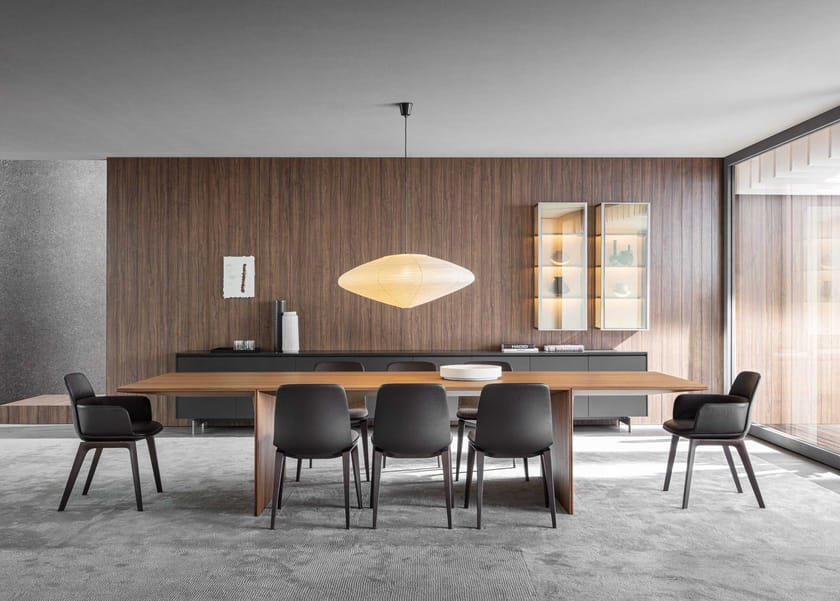
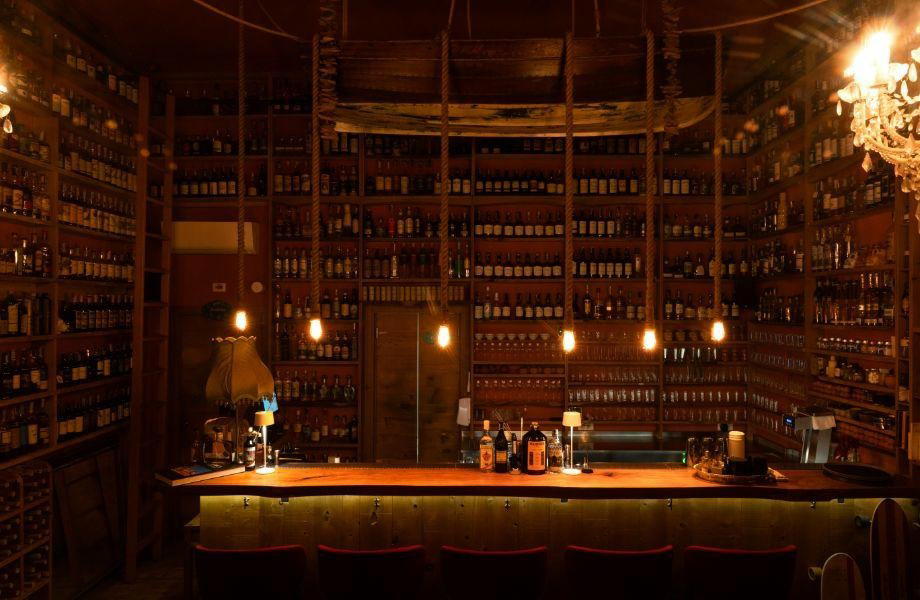
Small, cozy dining room with soft lighting, well-spaced tables, and a warming fireplace creating an intimate, evocative atmosphere.