Scirocco serves traditional Italian trattoria cooking in a garden setting, with bigoli with duck ragu, gnocchi and polenta shaping a casual lunch-or-dinner stop.
Pearl is the En Primeur Club membership app — saves, bookings, and concierge access live there. Same editors, same standards.
- Address
- Località Voltascirocco 3, 45011 Adria RO, Italy
- Phone
- +393942622417
- Website
- casciroccoadria.myadj.it
- Directions
- Get directions
 Saves & bookings on Pearl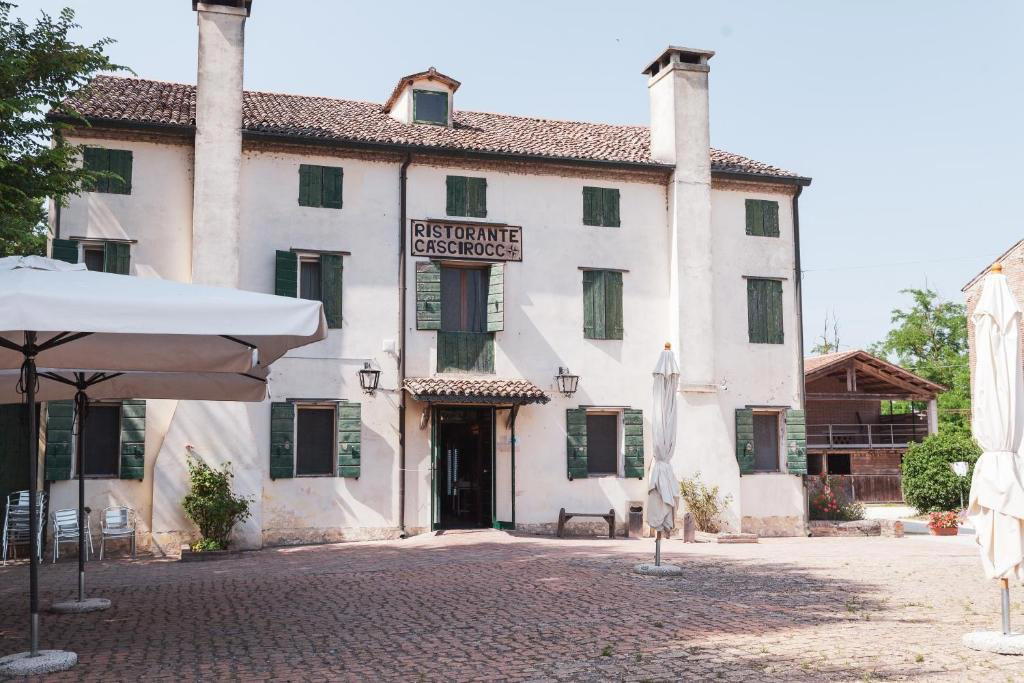
Where the Po Delta Meets the Plate
The road to Località Voltascirocco runs flat and straight through the agricultural lowlands south of Adria, past reed-fringed drainage channels and fields that seem to dissolve into the horizon. Arriving at Scirocco, the setting does the first work of framing: this is not a restaurant in a city that happens to serve regional food, but a place physically embedded in the terrain that supplies it. The address itself, Voltascirocco, references the warm southern wind that sweeps across the northern Adriatic.
Adria sits in the Polesine, a province formed almost entirely by the combined deltas of the Po and the Adige. The area has been draining, silting, and reforming for millennia, producing among the more distinctive ingredient environments in northern Italy: brackish lagoon fish, freshwater eels from the Po channels, white asparagus from Badoere and its neighbouring communes, Delta di Po rice varieties, and wildfowl that migrate through the wetlands each autumn. This is the raw material context that shapes any kitchen in this zone.
Ingredient Geography as Editorial Frame
Across Italy, proximity to ingredients has long shaped how serious restaurants distinguish themselves. In the northeast, this argument is made most forcefully by kitchens in the Veneto and Friuli that have built menus around hyper-local supply chains: the lagoon fish of the northern Adriatic, the radicchio varieties of Treviso, the sopressa and prosciutto crudo of Montagnana. What the Polesine offers is a version of this argument taken to an almost agricultural extreme. Dining in the delta is, at its most compelling, an exercise in eating the water table.
The Scirocco address places it squarely inside this tradition. The name alone signals an awareness of place: the scirocco is not decorative here but climatically real, influencing how ingredients age, dry, and develop. Across Italian fine dining, a handful of kitchens have used their geographic specificity as a primary credential rather than a secondary one. Uliassi in Senigallia does this with the Marche coastline; Quattro Passi in Marina del Cantone with the Sorrentine peninsula; Reale in Castel di Sangro with the Abruzzo highlands. In each case, the restaurant's identity is inseparable from the territory that surrounds it. Scirocco's location suggests a similar ambition, even if its public profile remains considerably smaller than those peers.
The Polesine as Culinary Territory
Understanding what Scirocco is likely working with requires understanding the Polesine's ingredient calendar. Spring brings white asparagus, which the delta's sandy soils produce in particularly long, tender form. Summer introduces the full range of lagoon fish: branzino, orata, anguilla from the brackish valli di pesca that dot the coastline between Chioggia and the Po mouth. Autumn shifts the focus inland, toward game, freshwater crayfish, and the last of the season's pumpkin, a Veneto staple that appears in pasta fillings across the region. Winter is eel season, when the famed anguilla marinata of the delta comes into its own, cured and grilled over vine cuttings in a preparation that has been documented in this area since the medieval period.
This is the kind of ingredient continuity that rewards a kitchen willing to follow the season rather than engineer around it. In the broader northeast Italian dining scene, the tension between modern technique and deep-rooted tradition is most productively resolved when the ingredient itself sets the agenda. Restaurants in this region that have earned sustained recognition, from Le Calandre in Rubano to Casa Perbellini 12 Apostoli in Verona, tend to ground their technical ambitions in a clear territorial reference. The Polesine offers exactly that kind of grounding to any kitchen prepared to use it.
Adria's Dining Scene in Context
Adria itself is a small provincial centre with a dining culture that skews toward the trattoria end of the spectrum. The town's most accessible options include Allo Scalo, Gastronomia Le Quattro Stagioni, and Molteni, the last of which operates in the seafood segment at the €€ price point. This is not a city with a deep roster of high-concept restaurants; the dining scene here is defined more by fidelity to regional cooking than by formal ambition. For the full picture of where Adria's restaurants sit relative to one another, the EP Club Adria restaurants guide maps the options across price tiers and formats.
Scirocco's out-of-town address sets it apart from the centre's informal dining culture. Restaurants that operate on the periphery of small Italian cities tend to do so for a reason, whether that is space for a serious cellar, proximity to a specific supplier, or the quiet that formal dining occasionally requires. The locational logic is consistent with a kitchen taking a different approach than the trattoria mainstream.
For comparison, Italy's northeast has produced a cluster of serious destination restaurants that draw from similar ingredient traditions but operate at considerably greater scale and profile: Dal Pescatore in Runate built its reputation on Lombardy's Po Valley ingredients over decades; Atelier Moessmer Norbert Niederkofler in Brunico made Alpine terroir its organising principle. Further afield, the discipline of cooking to a specific geography finds international expression in kitchens like Le Bernardin in New York City and Atomix in New York City, both of which treat sourcing as a structural argument rather than a marketing note. Among Italy's most recognised fine-dining addresses, Osteria Francescana in Modena, Piazza Duomo in Alba, Enoteca Pinchiorri in Florence, Enrico Bartolini in Milan, and Da Vittorio in Brusaporto each demonstrate that sustained recognition in Italian fine dining requires more than technical skill; it requires a clear territorial argument.
Planning Your Visit
Scirocco is located at Località Voltascirocco 3, on the outskirts of Adria in Rovigo province. A car is the practical choice for reaching this address; Adria's town centre is a short drive away, and the nearest rail connections run through Rovigo, approximately 20 kilometres north, with services linking to Padua and Venice. Given the periurban location, contacting the restaurant directly before visiting is advisable. The Polesine's seasonal ingredient cycle means that the menu is likely to shift considerably between spring and winter; timing a visit around a specific seasonal ingredient, whether spring asparagus or autumn eel, may produce one coherent experience of what the territory offers.
Quick Comparison
Comparable venues nearby, for context on price, style, and recognition.
| Venue | Cuisine | Price | Awards | Notes |
|---|---|---|---|---|
| SciroccoThis venue — the venue you are viewing | Traditional Italian Trattoria | $$ | Not listed | Not listed |
| Gastronomia Le Quattro Stagioni | Seasonal Italian Gastronomia | $$ | Not listed | Adria |
| Molteni | Traditional Italian Seafood | $$$ | Michelin Plate | historical centre |
| Allo Scalo | Italian Seafood Enoteca | $$$ | Not listed | Centro Storico |
| In Marinetta | Venetian Lagoon Seafood | $$ | Not listed | Rosolina |
| Venchi Cioccogelateria | Italian Chocolate Gelateria | $$ | Not listed | San Marco |
Continue exploring
More in Adria
Restaurants in Adria
Browse all →
Bars in Adria
Browse all →
Hotels in Adria
Browse all →

At a Glance
- Rustic
- Classic
- Cozy
- Casual Hangout
- Family
- Group Dining
- Garden
- Historic Building
- Local Sourcing
- Garden
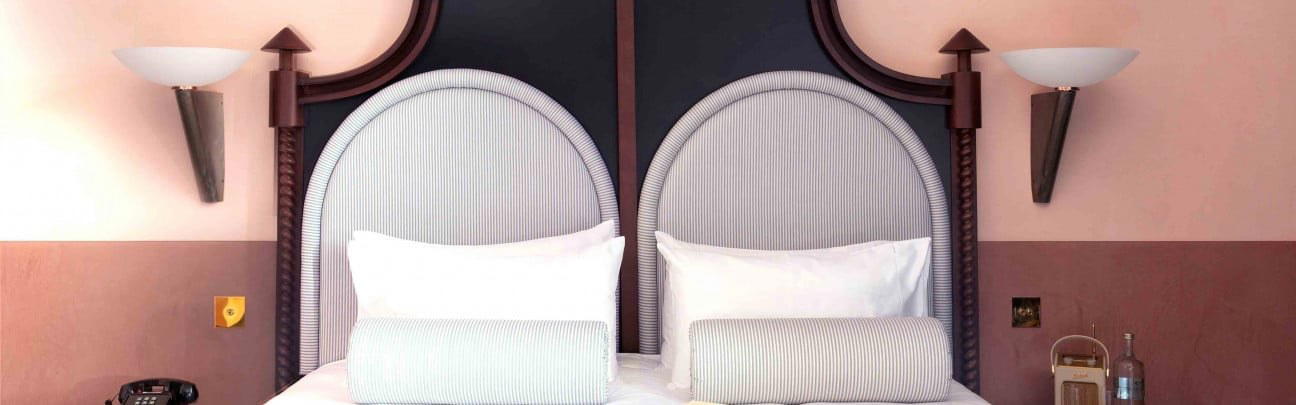
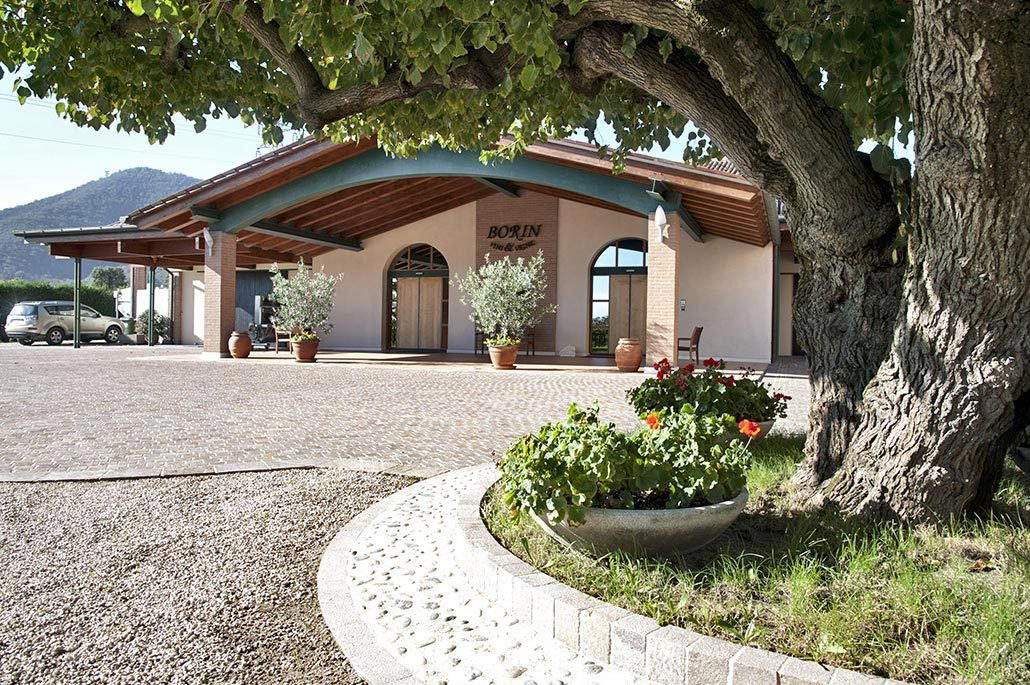
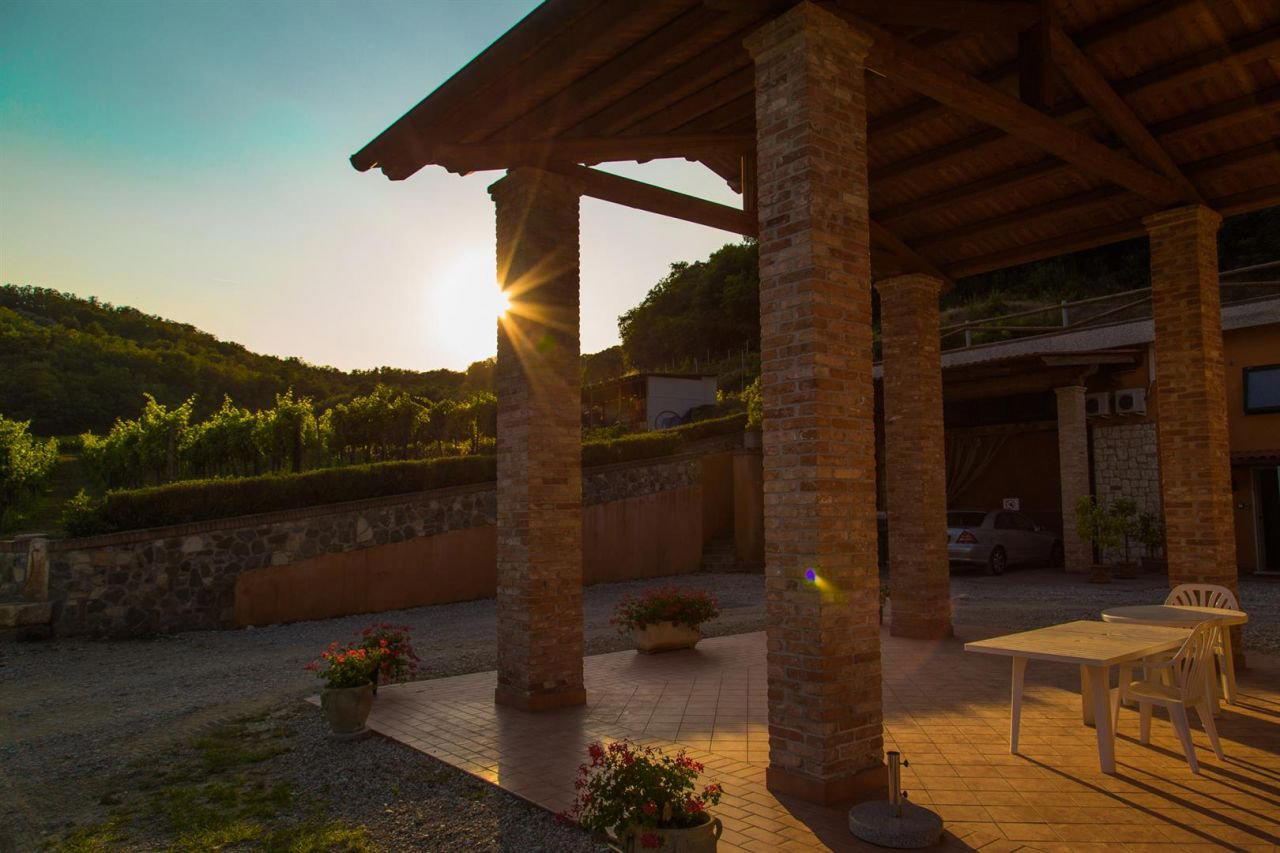
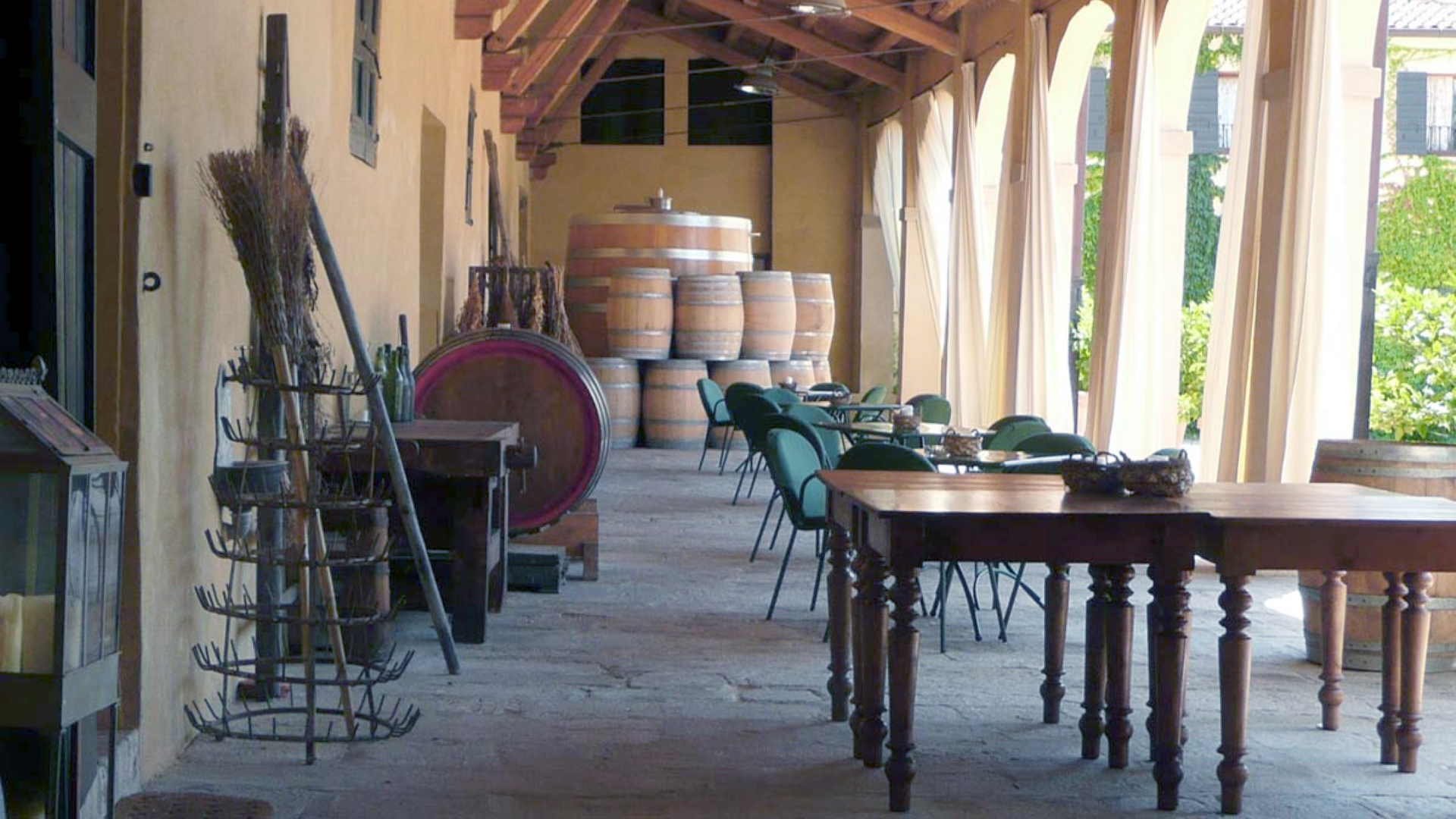
Rustic and traditional, with fireplaces, red-brick floors, an ample main dining room and smaller rooms set within a rural green estate.