Our verdict
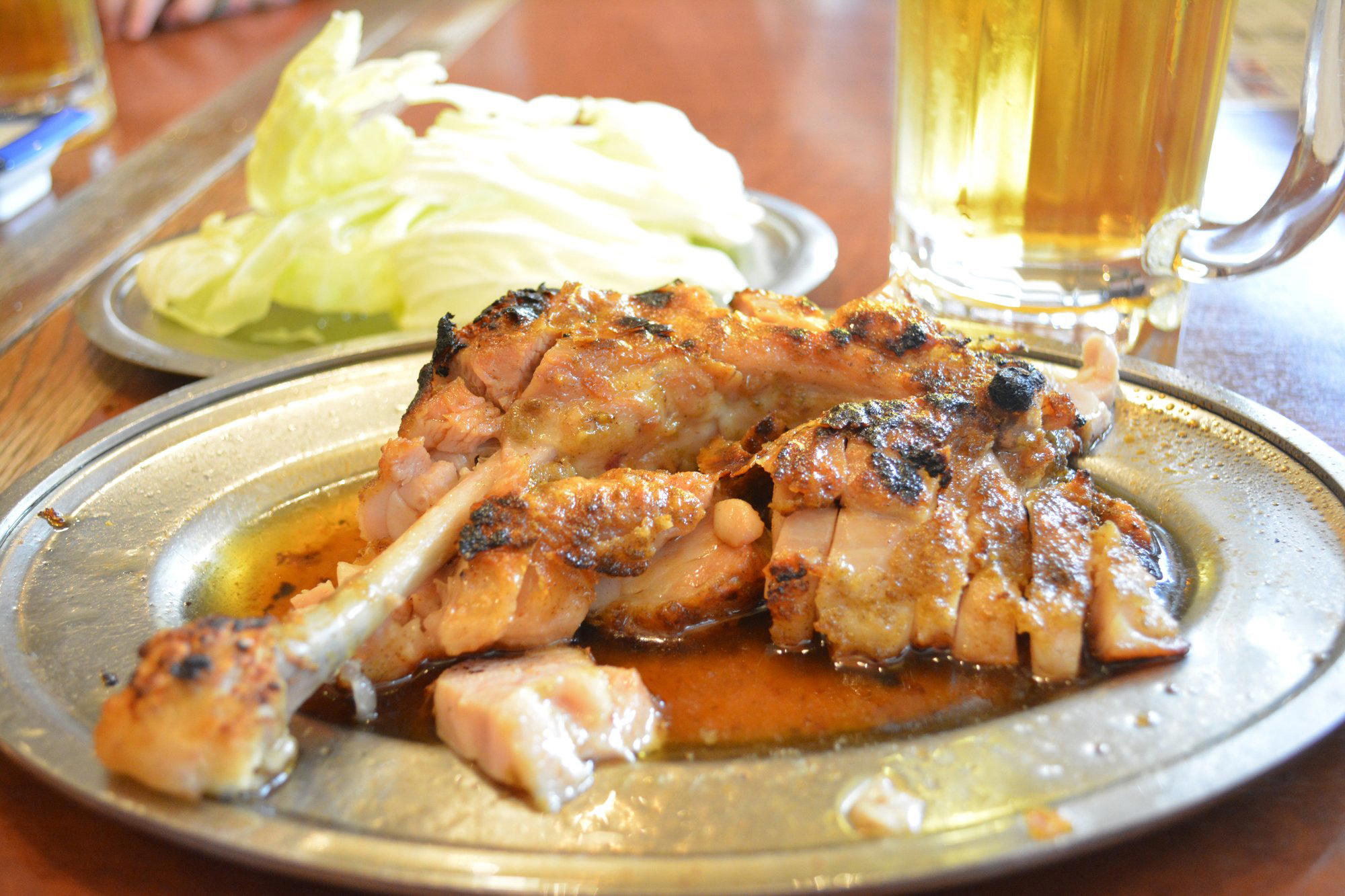
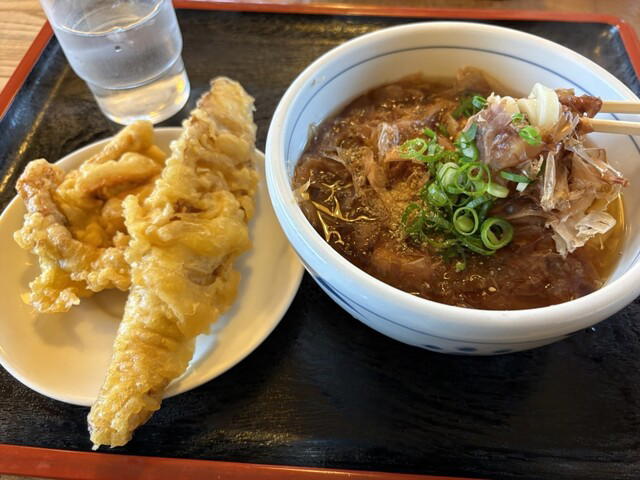
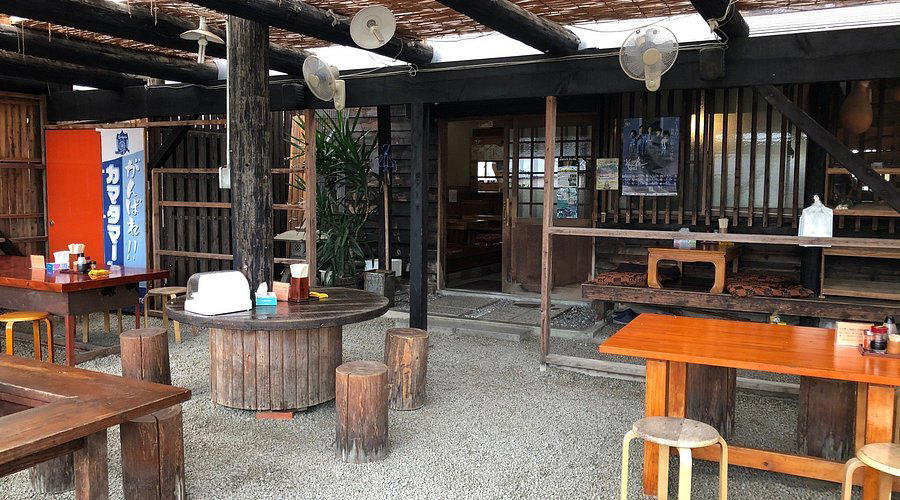
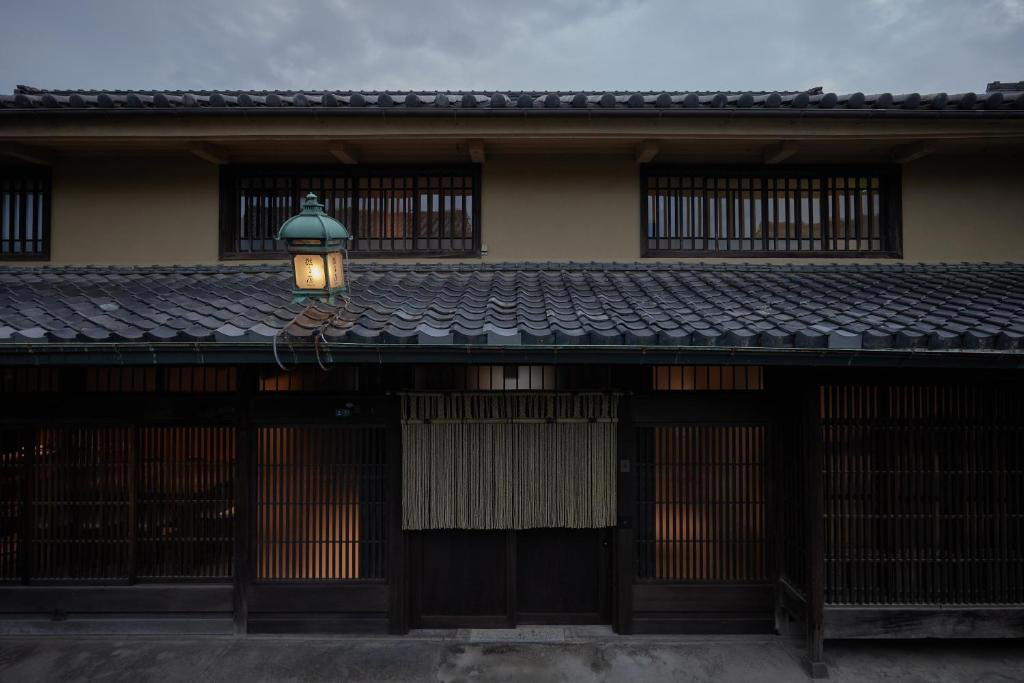
Ikkaku centers on Kagawa Honetsukidori Grilled Chicken, with Hinadori and Oyadori and a sake program; the casual, lively setup suits lunch or dinner.

Pearl is the En Primeur Club membership app — saves, bookings, and concierge access live there. Same editors, same standards.
- Address
- Kagawa, Japan
- Directions
- Get directions
The menu
What to order
- Hinadori
- Oyadori
- Torimeshi
- Tori chazuke
- Tori miso cheese
Where Kagawa's Ingredient Culture Shows Up at the Counter
Shikoku's smallest prefecture earns more attention for its udon than for its restaurant scene, which is precisely why a counter like Ikkaku occupies an interesting position in the regional hierarchy. Kagawa sits at the edge of the Seto Inland Sea, a body of water that for centuries has supplied some of Japan's most prized seafood: sea bream, octopus, and a catalogue of smaller species that rarely travel far before landing on a plate. Restaurants that understand this geography tend to use it as both larder and argument. The closer the kitchen works to the source, the less it needs to explain itself through ceremony or import. Ikkaku operates in that tradition.
The Setting: Counter Dining in a Prefecture That Doesn't Overclaim
Kagawa's dining rooms tend toward the functional. There is little of the design theatre that defines Osaka or the quiet opulence of Kyoto's machiya interiors. What you find instead are spaces that centre the food and the relationship between the kitchen and the guest. A counter format, where the cook and the diner share the same sight lines, suits this sensibility. You watch what is being made, the pace of the meal is set by the kitchen, and the conversation that often develops is grounded in the specific rather than the performative. That format has become the preferred delivery mechanism for serious seasonal cooking across Japan, and Kagawa has its own version of it, less crowded than its larger neighbours and operating with a different set of competitive pressures.
Visitors arriving from Takamatsu's main station find Kagawa's restaurant cluster modest by urban standards. The prefecture's dining scene does not publicise itself aggressively. Ikkaku is among the addresses that function on local knowledge and word of mouth rather than international exposure, which in practical terms means that the booking dynamic differs from what a traveller might expect at, say, Harutaka in Tokyo or Gion Sasaki in Kyoto, where reservation queues are calibrated to the venue's global profile.
Ingredient Sourcing as Editorial Position
The Seto Inland Sea is not incidental to what Kagawa's kitchens do. It is the central fact. Calm, warm, and nutrient-rich, the sea produces fish that are broadly considered among Japan's finest: the tai (sea bream) caught near Naruto, the octopus from Higashikagawa, the smaller shellfish that accumulate in the protected inlets along the coastline. For a kitchen drawing on this supply, provenance is not a marketing note added to the menu, it is the argument the food makes by itself. The cook's primary job is to resist intervening too heavily.
This philosophy of minimal distance between source and plate runs through the better addresses in the prefecture. At venues like Gamou and Ryobo, the Inland Sea supply chain is the defining editorial position. Ikkaku sits within that same tradition. The region also benefits from its agriculture: Kagawa's warmer climate and reliable sunlight produce quality vegetables and citrus that give a kitchen seasonal flexibility beyond the water's edge. When you trace what arrives on the counter at these Kagawa restaurants back to its origin, the prefecture reads like a contained ecosystem, and that self-sufficiency is part of what makes eating here feel different from eating at a restaurant in a large city where supply chains are necessarily more diffuse.
Compared to the sourcing ambitions at addresses like HAJIME in Osaka or the produce-led precision at akordu in Nara, Kagawa's approach is less formally articulated but often more direct, because the ingredients are, in many cases, geographically closer to the kitchen than in almost any other prefecture in Japan. Scale helps here. A small restaurant in a small city on a small island sea has a structural advantage in sourcing that a major urban kitchen cannot replicate regardless of effort or budget.
Kagawa in the Broader Regional Picture
Shikoku as a whole receives less international dining attention than Honshu or Kyushu. Fukuoka has Goh; Kyoto has a density of Michelin-recognised tables that functions almost as its own category. Kagawa's recognition profile is thinner, which means that serious restaurants here operate against local and domestic benchmarks rather than international ones. That calibration affects everything from pricing to format to how much a kitchen feels the need to perform for an outside audience. Ikkaku, with limited available documentation of awards or external critical recognition in the public record, falls into this cohort: a local address whose value is understood primarily by those who know the region.
For a traveller, this is relevant context. Addresses like Nagata in Kanoka and Suzaki Foods Shop occupy adjacent spaces in Kagawa's dining map, each working within the prefecture's ingredient culture and each operating with a certain directness that reflects the area's character. Suzaki Shokuryohinten extends that same sensibility further. For the complete picture of what the prefecture offers, the EP Club Kagawa restaurants guide maps the range more fully.
Beyond Shikoku, the counter-and-seasonal-produce format that Ikkaku occupies finds analogues across the country. The seasonal rigour of Nanao's counter dining, the seafood intelligence of Hokkaido tables in Sapporo, and the produce discipline at restaurants in Takashima all point to the same structural truth: Japan's leading regional cooking is often quieter than its most famous urban counterpart, and sourcing proximity is usually the reason.
Planning a Visit
Kagawa is accessible by train from Okayama via the Seto Ohashi Bridge, a journey of roughly an hour, and from Osaka via the Kotoku Line in under two hours. Takamatsu is the prefecture's main hub, and most dining addresses fall within or close to the city. For restaurants of Ikkaku's profile in this part of Japan, contact and booking details are best confirmed through local sources or via the venue directly, as online booking infrastructure for smaller regional addresses often lags behind larger urban venues. Visiting during autumn or late spring maximises the seasonal range of Inland Sea seafood and local produce, though the prefecture's temperate climate means the kitchen has material to work with across most of the year. Regional counter addresses in Nishikawa Machi offer an additional point of comparison for travellers building a wider Shikoku or Tohoku itinerary.
Frequently asked questions
Can I bring kids to Ikkaku?
Counter dining in Kagawa generally suits adults and older teenagers who can engage with a focused, quiet format. Ikkaku's setting, based around an intimate counter experience, tends toward a composed atmosphere where extended mealtimes are the norm. Younger children would likely find the pace difficult.
What kind of setting is Ikkaku?
Ikkaku operates as a counter restaurant in Kagawa, Shikoku's smallest and most udon-associated prefecture. The format prioritises proximity to the kitchen over decorative staging, which is consistent with how serious dining rooms in the region tend to present themselves. Expect a spare, focused room rather than anything theatrical.
Is Ikkaku worth visiting as a standalone reason to travel to Kagawa from elsewhere in Japan?
Kagawa is roughly one hour from Okayama by train across the Seto Ohashi Bridge, and under two hours from Osaka via the Kotoku Line, making it realistic as a day or overnight trip rather than a dedicated long-haul detour. Shikoku as a whole receives less international dining attention than Honshu or Kyushu, which means counters like Ikkaku in Kagawa operate without the reservation pressure common in Tokyo or Kyoto. For travellers already routing through western Japan, the case for a Kagawa stop built around Ikkaku is straightforward.
What should I order at Ikkaku?
Kagawa's position on the Seto Inland Sea puts fish at the centre of any serious kitchen's sourcing strategy, and Ikkaku's counter format suggests the menu follows what the sea and season provide rather than a fixed à la carte list. Deferring to the chef's selection is the reliable approach at counters of this type in the region.
Do they take walk-ins at Ikkaku?
Counter restaurants in Kagawa operating at this level of specificity rarely hold seats for walk-ins, given the ingredient-led, sometimes portion-fixed nature of counter service. Advance contact with the venue is the practical first step. Check directly through available booking channels before arriving without a reservation.
What's Ikkaku best at?
Ikkaku's position in Kagawa points toward a kitchen that works closely with Seto Inland Sea produce, where fish quality is shaped by calm, warm, nutrient-dense water. Counter format in this context typically means precise, course-driven service with sourcing as the central argument. That combination of regional ingredient access and counter discipline is what distinguishes the restaurant within the Shikoku dining scene.
A Quick Peer Check
| Venue | Cuisine | Price | Awards |
|---|---|---|---|
| IkkakuThis venue — the venue you are viewing | Kagawa Honetsukidori Grilled Chicken | $20–30 | Not listed |
| Gamou | Traditional Sanuki Udon | $1–10 | Tabelog Bronze |
| Ryobo | Modern Italian Omakase | $100–150 | Tabelog Bronze #375 |
| Suzaki Shokuryohinten | Sanuki Udon | $1–10 | Tabelog Bronze #437 |
| Nagata in Kanoka | Traditional Sanuki kamaage udon shop | $1–10 | Tabelog 100 #26 |
| Suzaki Foods Shop | Sanuki Udon | $1–10 | Not listed |
Details
- Lively
- Casual
- Well Known
- Classic
- Casual Hangout
- Family
- Group Dining
- Standalone
- Sake Program
- A La Carte
- Counter Dining
- Sake
Casual and lively, with a direct local-restaurant feel suited to lunch or dinner rather than formal dining.