Our verdict
Suzaki Foods Shop sits within Kagawa's layered food culture, a prefecture where local produce traditions and a deeply ingrained approach to daily eating have produced some of Japan's most considered regional dining. The shop occupies a corner of that scene where everyday food ritual and quality sourcing intersect, making it a reference point for visitors trying to understand how Kagawa eats outside its famous udon counters.

Pearl is the En Primeur Club membership app — saves, bookings, and concierge access live there. Same editors, same standards.
- Address
- Kagawa, Japan
- Directions
- Get directions
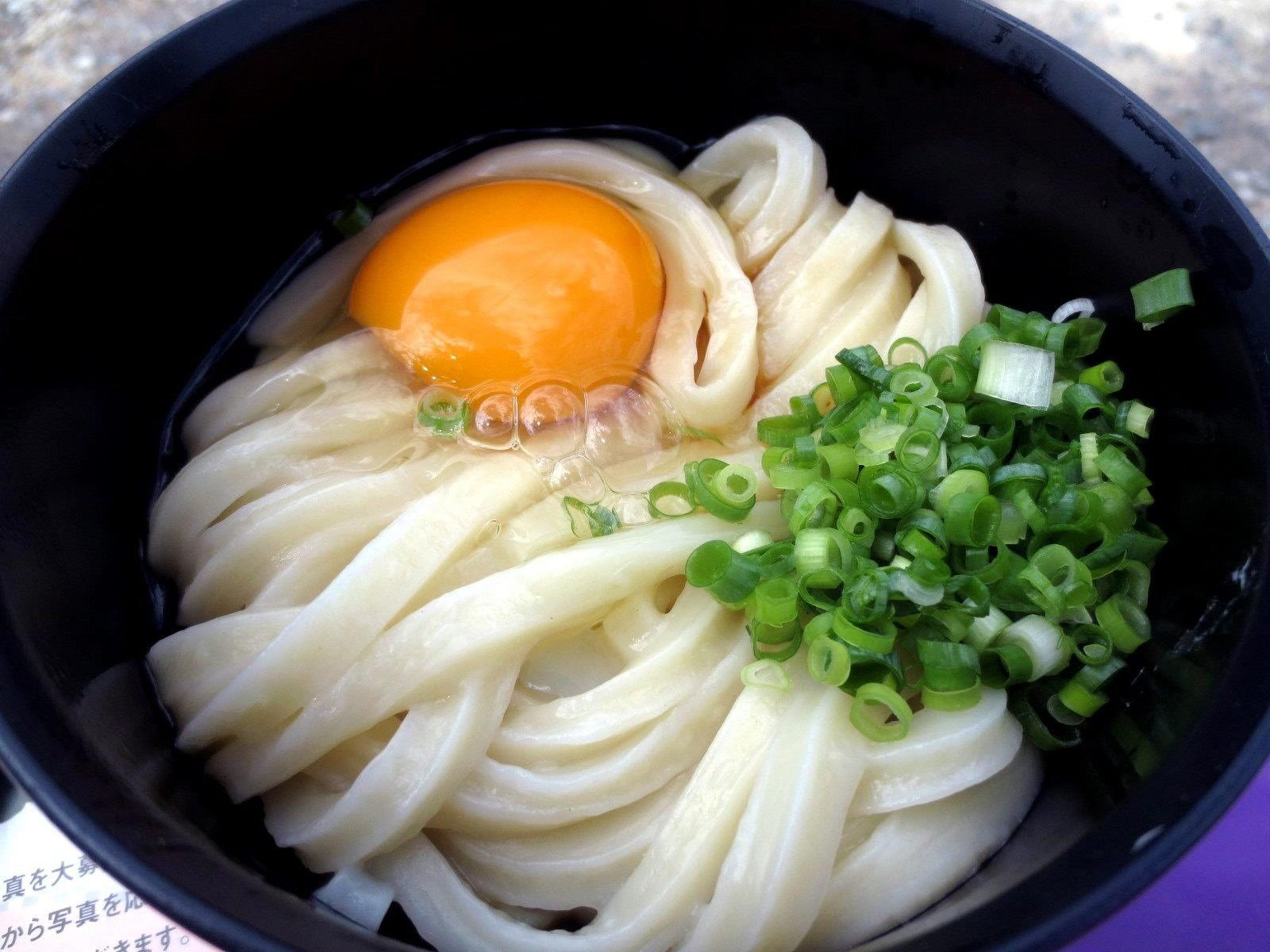
The menu
What to order
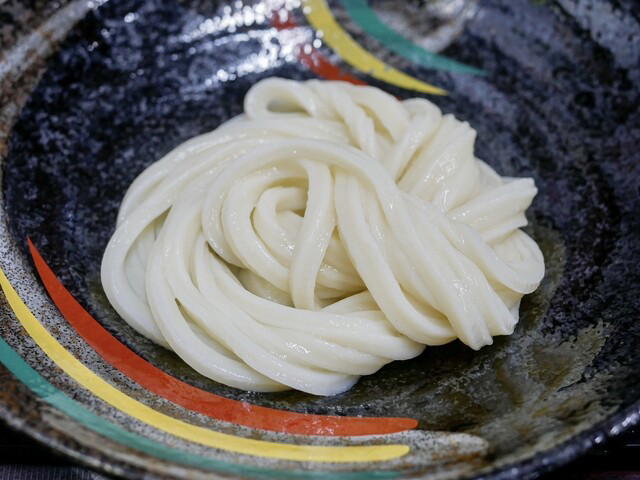
- Shoyu Udon
Where Kagawa's Food Culture Shows Up in Small Details
In Kagawa, the most instructive dining experiences are rarely the loudest ones. The prefecture — occupying the smallest landmass of Japan's 47 administrative units, pressed against the Seto Inland Sea on Shikoku's north coast — has built a food identity on precision and repetition rather than spectacle. Udon is the obvious entry point for most visitors, but the deeper pattern is a culture of daily eating that takes ingredient quality seriously at every price point. Food shops, provisioners, and neighbourhood institutions carry as much meaning here as any formal restaurant, and Suzaki Foods Shop operates within that tradition.
Approaching any food shop in this part of Kagawa, the rhythm is the same: the transaction is brisk, the product is the point, and there is little performance around the exchange. That directness reflects something genuine about how the prefecture relates to food, not as occasion, but as practice. Locals who stop here are not making a special trip; they are maintaining a routine. That distinction matters for visitors trying to read the scene accurately.
The Ritual of Eating in Kagawa
To understand where a venue like Suzaki Foods Shop sits in Kagawa's food order, it helps to understand the prefecture's relationship to eating as daily discipline. Kagawa residents consume udon at a per-capita rate that places the prefecture in a category of its own within Japan, roughly four times the national average by some regional estimates, and that habit has shaped how food provisioning works at every level. The expectation is that good ingredients are accessible, not reserved. That ethos filters into food retail and neighbourhood shops as much as into formal dining.
The dining ritual in Kagawa's traditional mode is not about extended sitting or elaborate sequencing. It is about the quality of the thing in front of you, consumed at a pace that respects the food without theatricalising the act. Regional shops that serve prepared foods or source local produce often carry this energy: purposeful, without ceremony, and usually anchored to what is in season from the Seto Inland Sea or the prefecture's agricultural interior. For visitors accustomed to Tokyo's more self-conscious food culture, this register can take a moment to read correctly.
Kagawa's broader restaurant scene contains venues operating at considerably higher registers of formality and price. The nearby Suzaki Shokuryohinten shares an evident name kinship with Suzaki Foods Shop, suggesting a possible family or commercial lineage within the same Kagawa food network, a pattern common in Japanese regional food towns where provisioners, processors, and retail operations cluster under related identities.
Kagawa as a Context for Regional Japanese Food Retail
Japan's regional food shops occupy a different cultural function than their equivalents in Europe or North America. They are rarely curated concept stores or artisanal boutiques in the Western sense. Instead, they tend to operate as infrastructural nodes: places where the local food chain makes itself visible to residents and, secondarily, to visitors. The products carried reflect regional supply patterns, what the Seto Inland Sea is producing in a given month, what local farms are moving, what processors in the area are turning out. That functional quality is not a limitation; it is the point.
For a visitor building a picture of how Kagawa eats, moving through spaces like this alongside formal restaurant meals offers a more complete picture than restaurants alone can provide. The same logic applies in other Japanese food cities: in Osaka, the depachika basement food halls and neighbourhood shotengai shopping streets tell a story that venues like HAJIME in Osaka can only partially narrate. In Tokyo, the distance between a counter like Harutaka and the city's everyday provisioning network is part of what makes Tokyo legible as a food city. Kagawa compresses that distance considerably.
Elsewhere in Japan's regional food geography, venues operating at the intersection of tradition and locality have drawn national attention. Gion Sasaki in Kyoto and akordu in Nara represent what happens when regional specificity meets formal ambition. Goh in Fukuoka does something similar on Kyushu. Kagawa has not produced that tier of destination dining at the same density, which is partly why its everyday food culture remains the more interesting story for visitors who have already done the Michelin circuit in Japan's larger cities.
Further north, the broader Japanese archipelago's regional food scene includes references like 一本木 石川製 in Nanao, 古往今来 in Sapporo, and 湖畔荘 in Takashima, each rooted in a specific regional food identity that resists easy categorisation. 庄羽根屋 in Nishikawa Machi follows a similar pattern. These are venues and institutions that make sense only within their specific geography. Birdland in Sakai offers yet another angle on Japan's regional food specificity. Against that national backdrop, Kagawa's food shops carry the same logic: legibility requires local context.
For international visitors more familiar with the global-facing end of Japanese dining, places like Le Bernardin in New York City or Atomix in New York City, which have absorbed Japanese technique into different culinary traditions, the gap between that register and a Kagawa food shop is a productive one to sit with. The sourcing logic, the seasonal attunement, and the lack of self-consciousness about quality that characterises Japan's leading regional food culture are all present here. The presentation is simply different.
Planning a Visit
Kagawa is accessible from Osaka via the JR Marine Liner across the Seto Ohashi Bridge, placing the prefecture roughly an hour from Okayama and around two and a half hours from Osaka by train. Takamatsu, the prefectural capital, is the logical base. Visitors building a fuller picture of Kagawa's food scene should consult our full Kagawa restaurants guide, which maps the prefecture's dining across registers and neighbourhoods.
Frequently asked questions
What's the standout thing about Suzaki Foods Shop?
Cuisine-First Comparison
Comparable venues nearby, for context on price, style, and recognition.
| Venue | Cuisine | Price | Awards | Notes |
|---|---|---|---|---|
| Suzaki Foods ShopThis venue — the venue you are viewing | Sanuki Udon | $1–10 | Not listed | Not listed |
| Suzaki Shokuryohinten | Sanuki Udon | $1–10 | Tabelog Bronze #437 | Takasecho |
| Ikkaku | Kagawa Honetsukidori Grilled Chicken | $20–30 | Not listed | Takamatsu |
| Nagata in Kanoka | Traditional Sanuki kamaage udon shop | $1–10 | Tabelog 100 #26 | Konzojicho |
| Tanikawa Beikokuten | Sanuki Udon | $1–10 | Not listed | Manno-cho, Nakatado-gun |
| Ryobo | Modern Italian Omakase | $100–150 | Tabelog Bronze #375 | Kataharamachi |
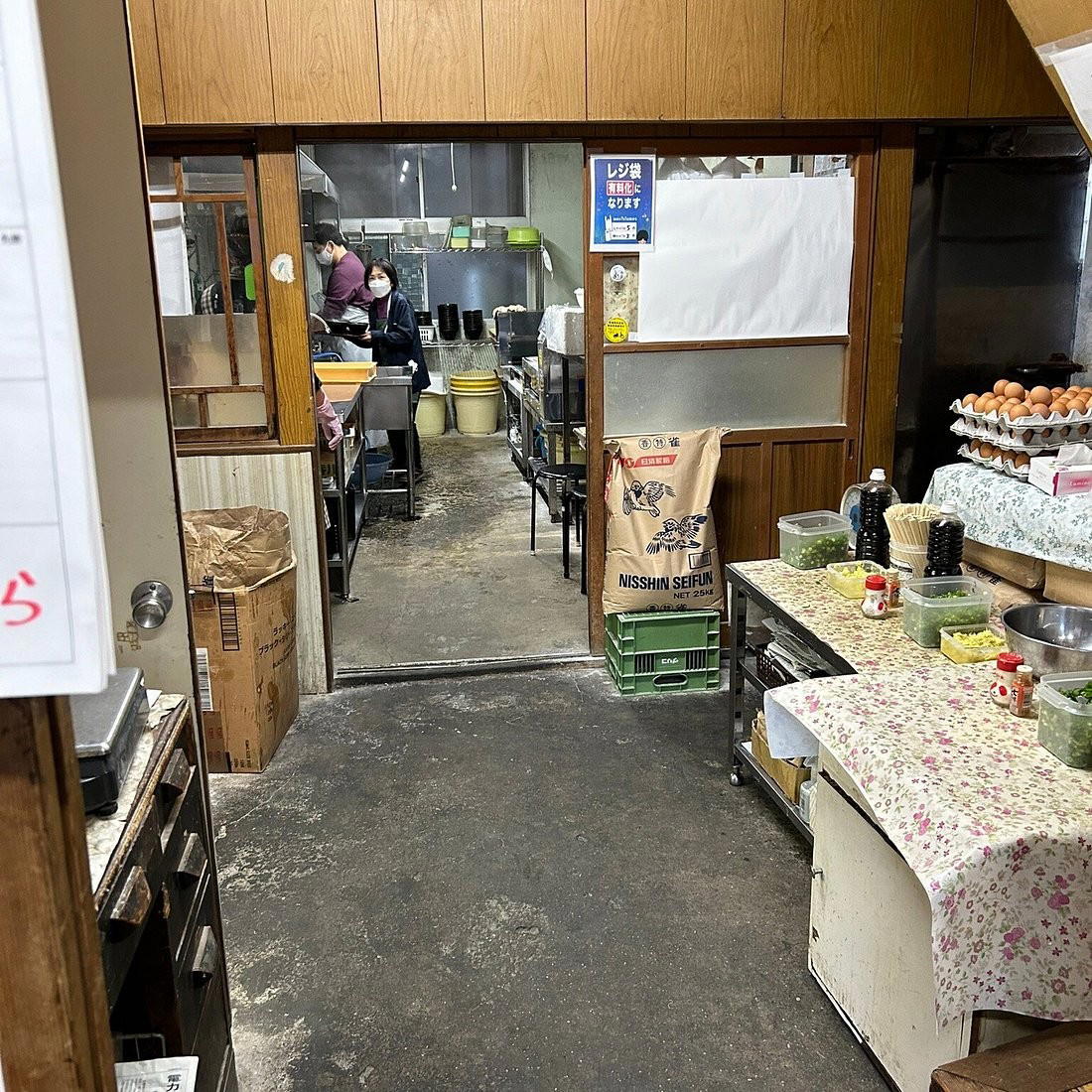
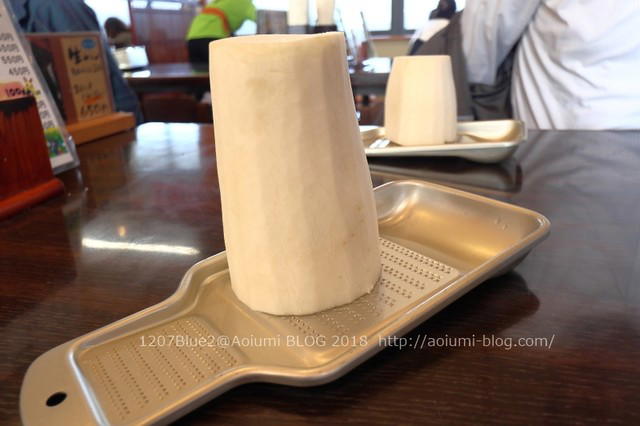
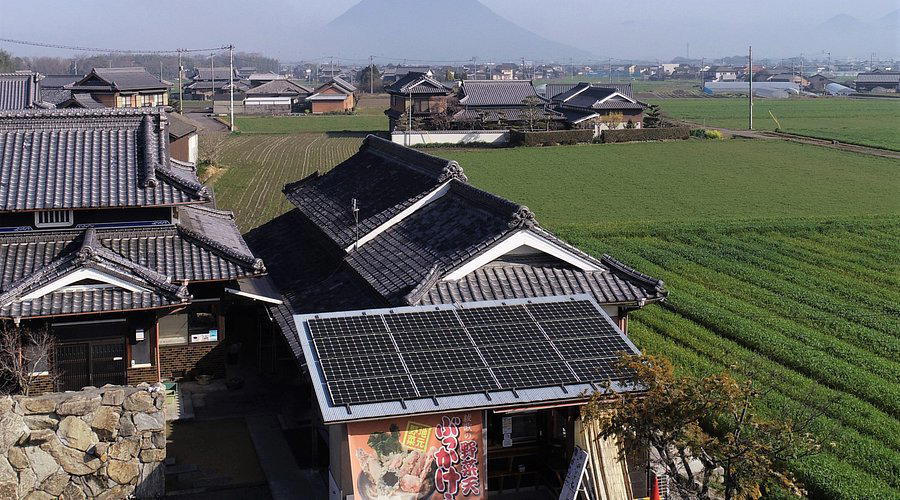
Details
- Rustic
- Cozy
- Casual Hangout
- Family
- Open Kitchen
- A La Carte
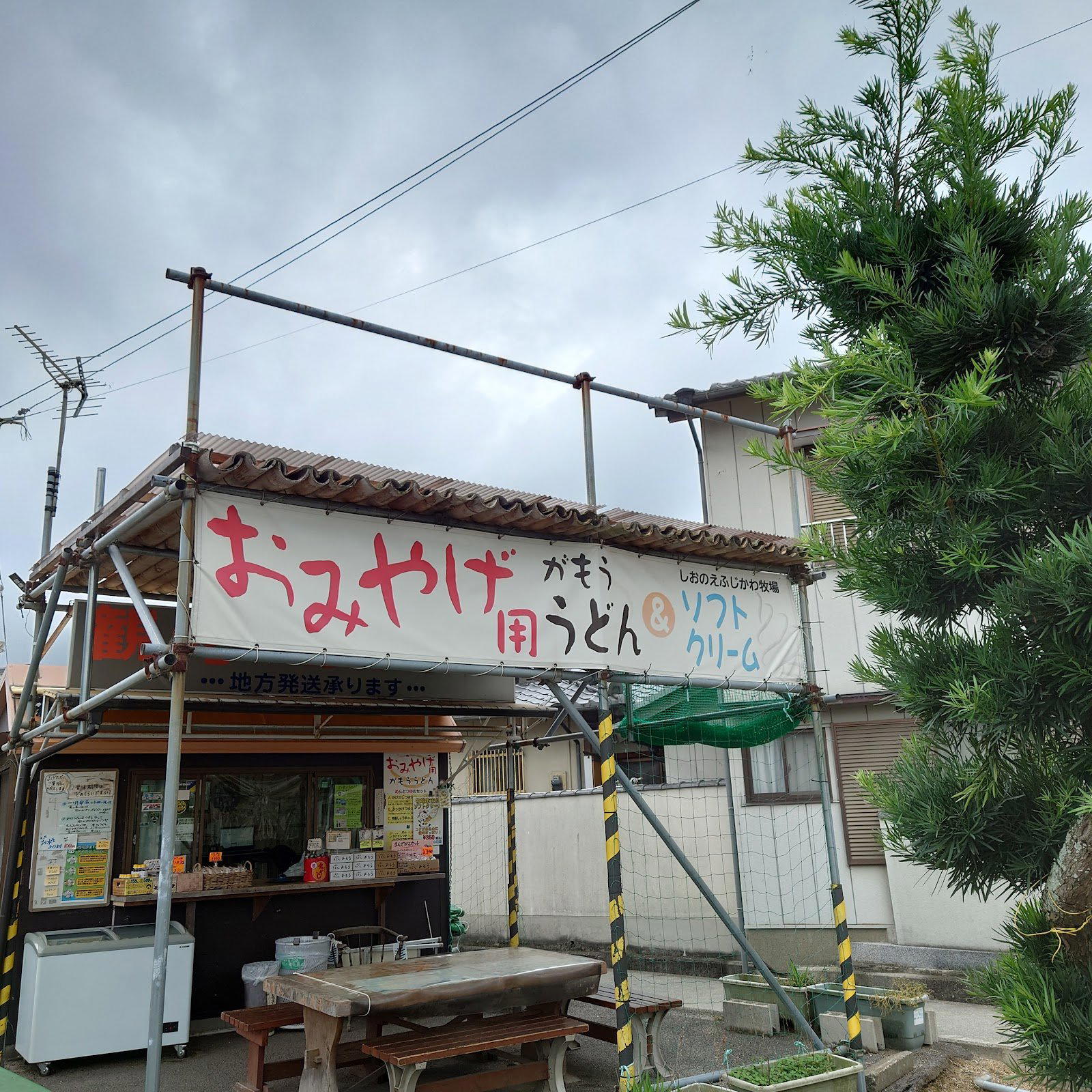
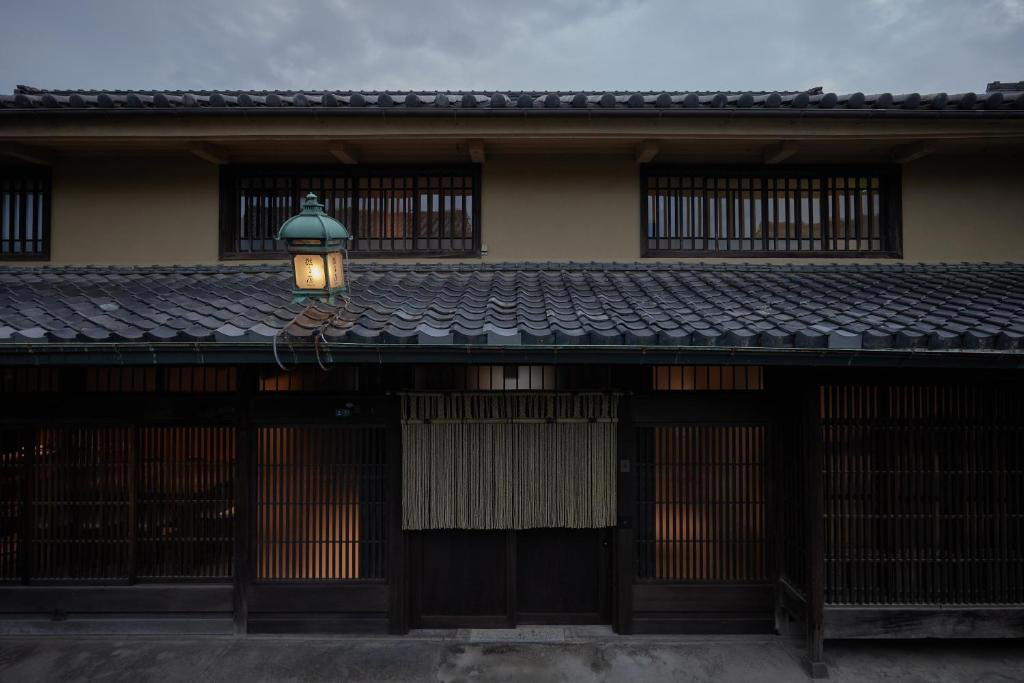
Casual, charming atmosphere in a traditional grocery store setting with open terrace seating and quick service.