Our verdict
Yasoba-An sits within Kagawa's quietly serious dining scene, where soba tradition and local craft converge in a prefecture better known for udon than any other noodle form. The restaurant represents a counterpoint to that regional dominance, positioning itself inside a smaller, more deliberate bracket of Shikoku dining. Visitors traveling to Takamatsu for Sanuki udon will find here a different register entirely.

Pearl is the En Primeur Club membership app — saves, bookings, and concierge access live there. Same editors, same standards.
- Address
- 多和兼割93-1, さぬき市, 香川県, 769-2306
- Hours
- Daily 8 AM–4 PM
- Directions
- Get directions
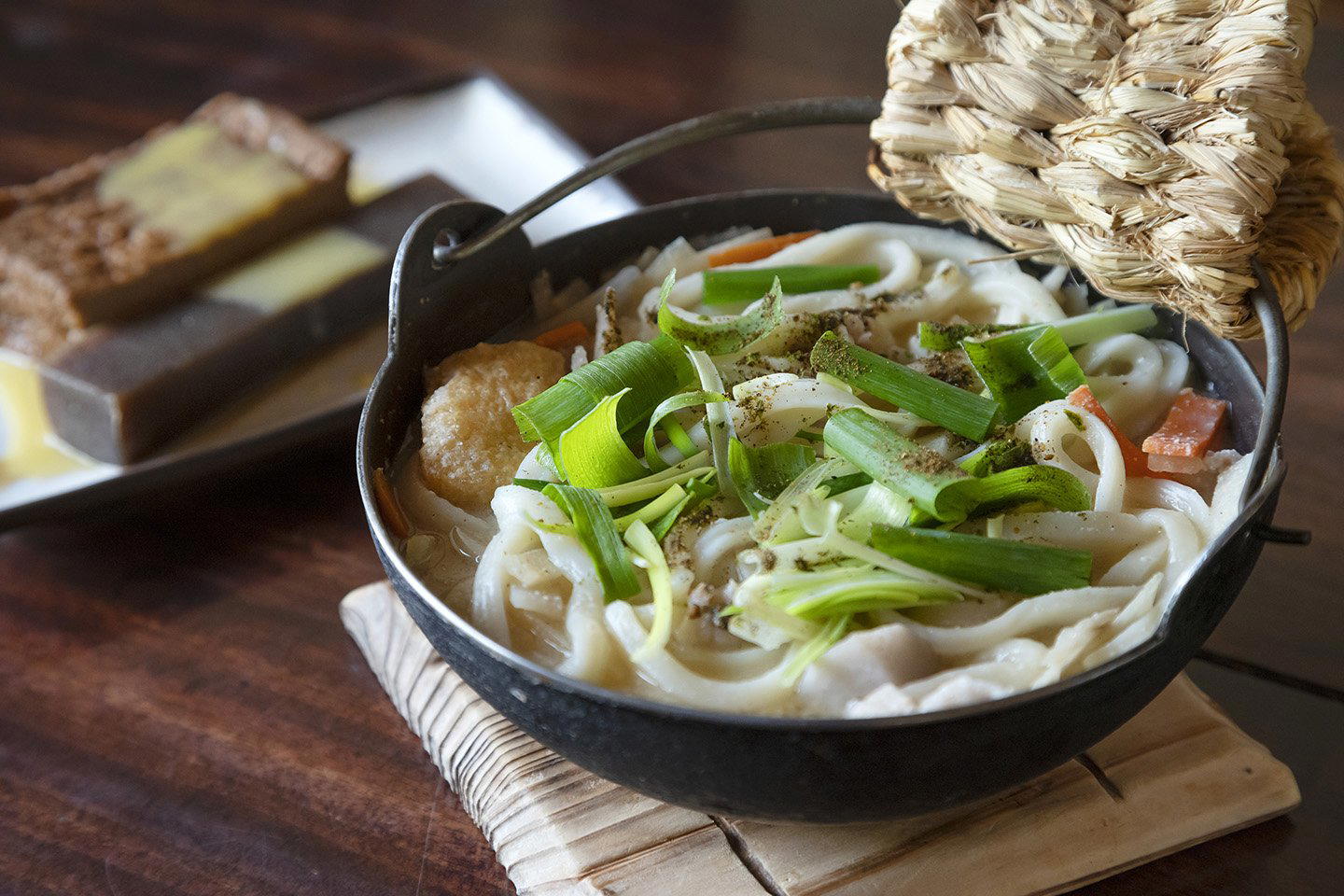
The menu
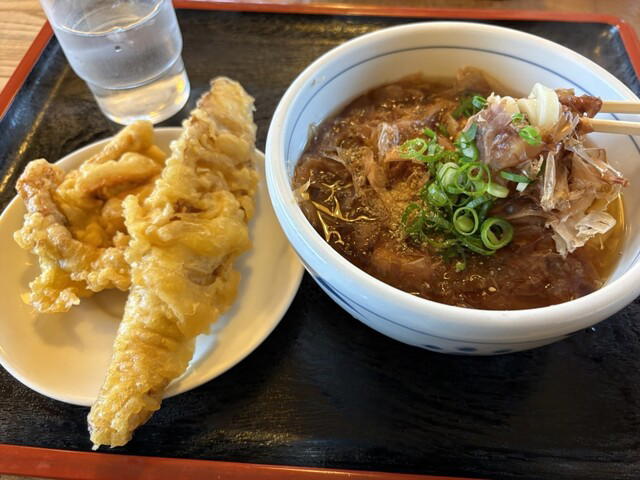
What to order
- Nikomi udon
- Uchikomi udon
A Different Noodle Tradition in Udon Country
Kagawa prefecture holds a specific place in Japanese food culture that few regions can match for single-dish intensity. Sanuki udon has shaped the prefectural identity so thoroughly that every other noodle tradition operates in its shadow. Soba restaurants in this context are not competing on the same ground; they occupy a deliberately quieter register, drawing guests who arrive with a specific intention rather than a casual appetite. Yasoba-An sits inside that smaller category, where the dining proposition rests on craft, restraint, and the structural logic of the soba meal itself rather than on volume or spectacle.
In Kagawa, where venues like Gamou, Ikkaku, and Ryobo each anchor distinct corners of the local dining scene, Yasoba-An represents a format that travels a different circuit entirely. The comparison set is not Sanuki udon houses or kaiseki rooms but the small cohort of soba specialists that Japan's provincial cities occasionally produce: places where the menu structure itself is an argument about how to eat.
How the Menu Speaks Before a Bowl Arrives
Soba menus in Japan's more serious establishments follow an internal logic that rewards attention. The sequencing typically moves from lighter preparations toward richer accompaniments, with cold soba formats preceding hot, and dipping presentations framing the buckwheat's character more nakedly than broth-based options. This architecture is editorial: it tells you what the kitchen believes about its own ingredient. A menu that leads with zarusoba or morisoba is asserting that the noodle, unadorned, is the point. Side dishes and starters, when they appear, function as interval pieces rather than distractions.
This kind of structural honesty is more common in dedicated soba establishments in Tokyo's older neighborhoods or in the buckwheat-growing regions of Nagano and Yamagata, where ingredient provenance anchors the entire format. For a soba specialist to operate in Kagawa, against the gravitational pull of udon culture, implies a comparable level of commitment to format discipline. The menu at Yasoba-An, within the context of that local tension, carries more meaning than the same menu would carry in a city where soba is simply the dominant noodle tradition.
Across Japan's serious dining tier, from HAJIME in Osaka to Gion Sasaki in Kyoto, the structuring of a menu is treated as a form of argument. That same principle applies at the more specialist end of the noodle category, where how a kitchen sequences its courses reveals its priorities as clearly as the cooking itself.
Placing Yasoba-An in Kagawa's Dining Fabric
Kagawa's dining scene is smaller and more self-contained than Osaka, Kyoto, or Tokyo, but it is not without internal differentiation. Takamatsu, the prefectural capital, supports a range of formats from casual counter operations through to more considered restaurants. Venues like Nagata in Kanoka and Suzaki Foods Shop suggest that the prefecture's appetite extends beyond any single format. Within that ecology, a soba specialist occupies a niche that is small but coherent, drawing a guest profile that overlaps with visitors to Ritsurin Garden and those making the crossing from Naoshima island, where considered, unhurried meals fit the pace of the day.
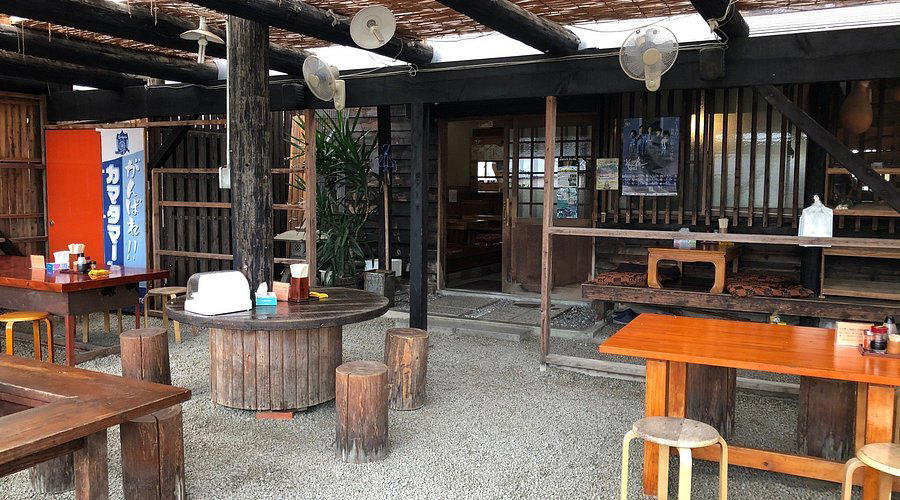
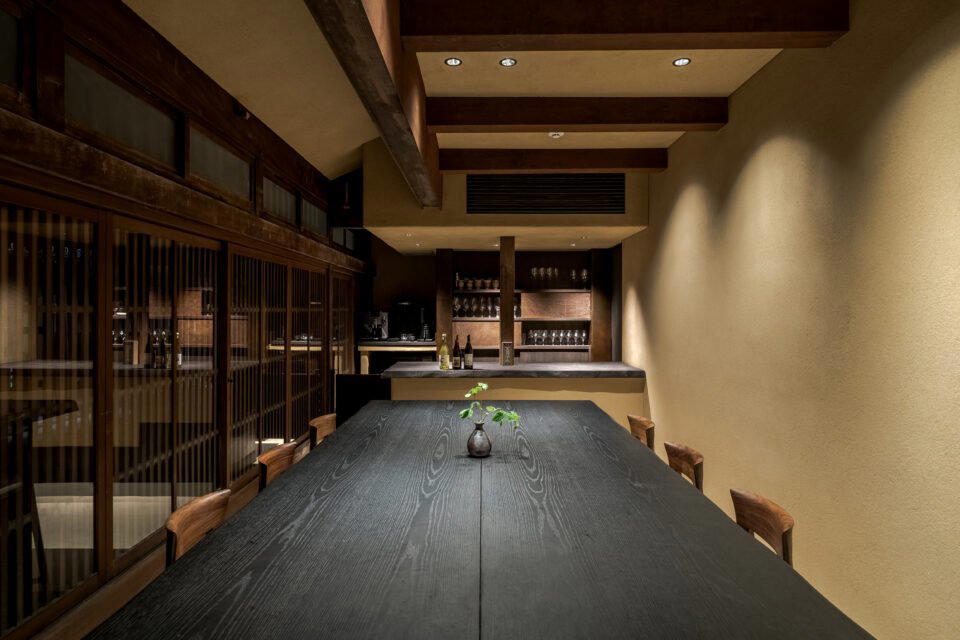
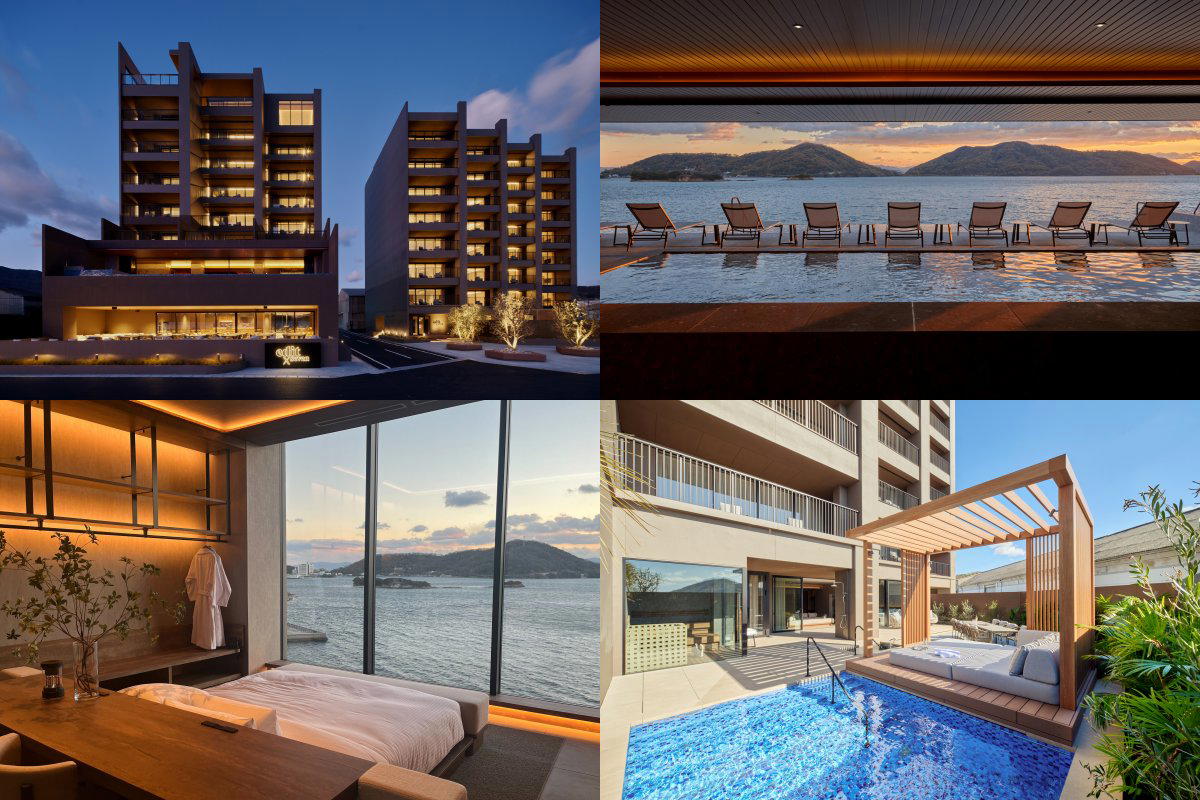
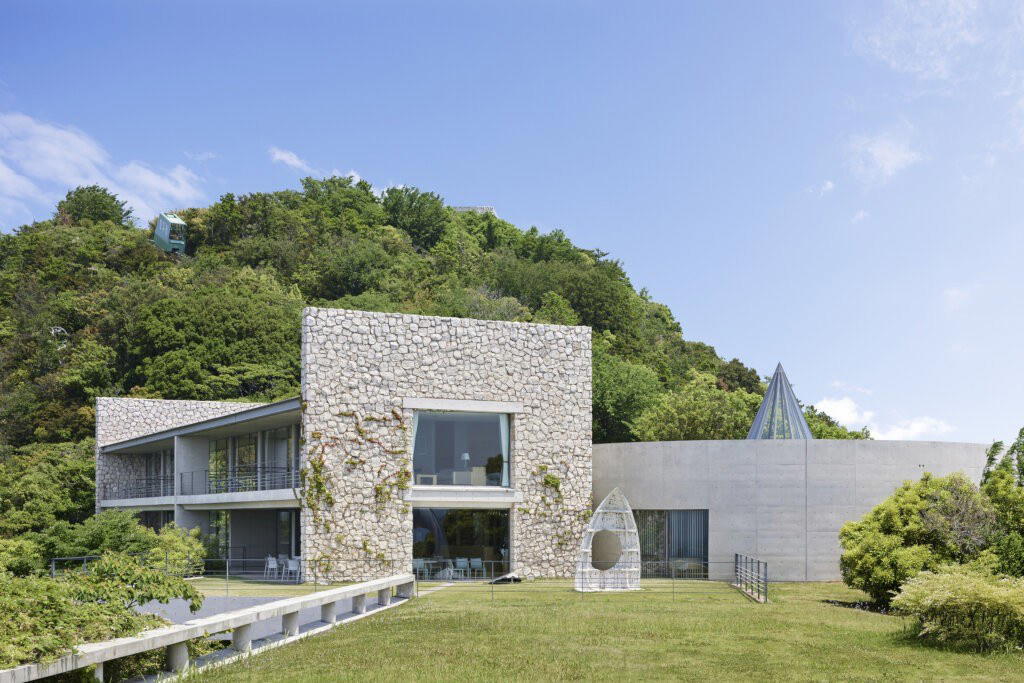
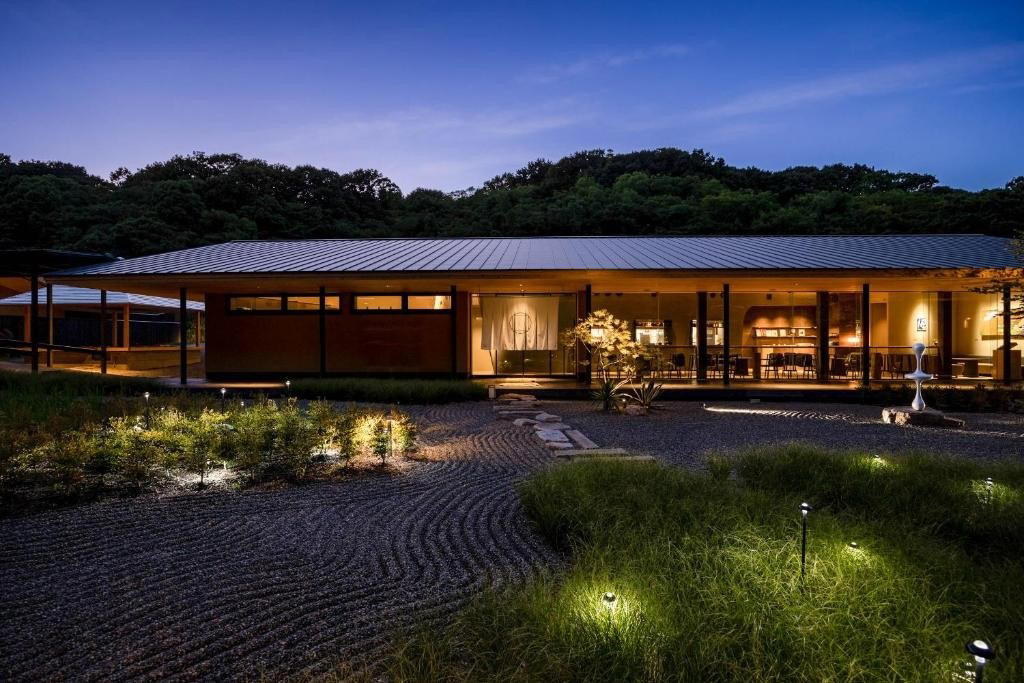
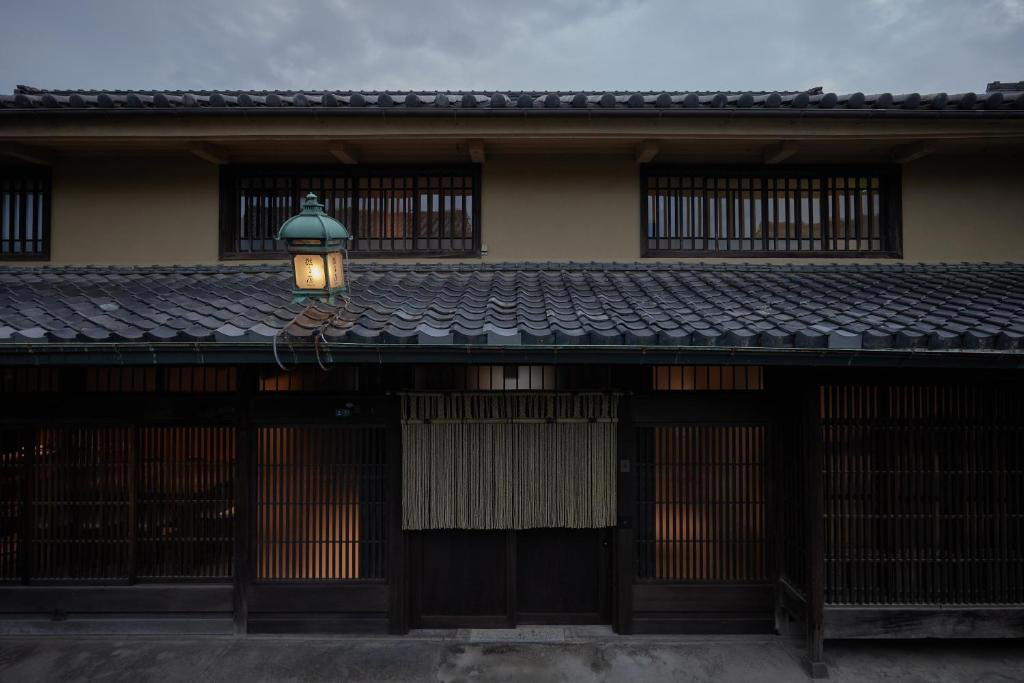
The physical experience of arriving at a soba restaurant in a Japanese provincial city tends to share certain qualities: modest exteriors, interiors oriented around the counter or a small number of tables, and a quietness that signals the meal will be set by the kitchen's rhythm rather than the diner's. Whether Yasoba-An hews strictly to this template is difficult to verify from public data alone, but the format context places it within a recognizable tradition of understated soba environments where the room's restraint is part of the argument the menu is already making.
The Broader Shikoku Dining Circuit
Travelers building a multi-city Shikoku itinerary increasingly treat Kagawa as one node in a longer route that might include Tokushima, Matsuyama, or Kochi. Within that circuit, Kagawa functions as the food-specific anchor, anchored to udon but containing other dining experiences that reward longer stays. For those crossing into Kansai, akordu in Nara and Goh in Fukuoka represent the kind of serious regional dining that Shikoku's own scene is slowly building toward in specific formats.
Japan's regional dining tier more broadly, represented by venues like 一本木 仲川製 in Nanao, 夕佳亭山乃 in Sapporo, 湖畔荘旅 in Takashima, and 鷹羽荘 in Nishikawa Machi, demonstrates that Japan's most considered dining experiences are not concentrated in the three major metros. Kagawa's specialist restaurants, including soba-focused operations like Yasoba-An, participate in that dispersed geography of serious eating.
For international reference points on what formal menu architecture can accomplish at the highest level, Le Bernardin in New York City and Atomix in New York City both demonstrate how sequencing and format discipline carry philosophical weight. At the soba counter scale, the principles are compressed but structurally similar. And closer in format, Harutaka in Tokyo shows how a focused, ingredient-led Japanese counter can sustain a serious reputation on restraint alone. Alongside Birdland in Sakai, these are examples of how Japanese specialist formats at varying price points build identity through discipline rather than breadth.
Planning a Visit
Kagawa is accessible by train from Osaka via the Seto Ohashi bridge route, typically around two hours on the Marine Liner express service from Okayama. Takamatsu Station places visitors within reach of the prefecture's major dining options. For full context on the Kagawa dining scene, including the range of formats available in Takamatsu, see our full Kagawa restaurants guide. Specific booking details, hours, and current availability for Yasoba-An are best confirmed directly before travel, as operational specifics for smaller provincial restaurants change seasonally and are not consistently maintained in English-language databases.
Frequently asked questions
Is Yasoba-An a good option for travelers combining Kagawa with other Shikoku destinations?
Kagawa sits at the northern entry point of Shikoku via the Marine Liner express from Okayama, making Takamatsu a logical first or last stop on a multi-city Shikoku route. Yasoba-An, as a soba-focused venue in a prefecture otherwise structured around udon, offers a distinct dining note that contrasts usefully against the food culture of Tokushima or Matsuyama further along the circuit. It gives the Kagawa leg a culinary anchor beyond the obligatory udon crawl.
What's the must-try dish at Yasoba-An?
Yasoba-An is a soba establishment operating in Kagawa, a prefecture defined almost entirely by Sanuki udon culture, which shapes the entire logic of the menu. In soba-focused restaurants of this type across Japan, the foundational order is typically cold seiro soba, which isolates the noodle's texture and the kitchen's buckwheat sourcing without dilution. That dish is where the kitchen's baseline is most legible.
How far ahead should I plan for Yasoba-An?
Specific reservation windows for Yasoba-An are not currently published, but soba counters in smaller Japanese cities with a defined local following often fill lunch seatings several days to two weeks ahead, particularly on weekends. Kagawa's dining scene is compact enough that a well-regarded specialist draws from across Takamatsu, not just the immediate neighbourhood. Contacting the venue directly ahead of arrival in Kagawa is the prudent approach.
What makes Yasoba-An worth seeking out?
The case for Yasoba-An is partly structural: Kagawa is Japan's most soba-unlikely prefecture, where Sanuki udon commands almost every noodle conversation. A soba counter operating here is making a deliberate argument about craft and audience. For travelers on a Shikoku circuit passing through Kagawa, it offers a meaningful counterpoint to the region's dominant food identity without requiring a detour to Kyoto or Tokyo for serious soba.
Reputation Context
Comparable venues nearby, for context on price, style, and recognition.
| Venue | Cuisine | Price | Awards | Notes |
|---|---|---|---|---|
| Yasoba-AnThis venue — the venue you are viewing | Sanuki Udon | Not listed | Not listed | Not listed |
| Ikkaku | Kagawa Honetsukidori Grilled Chicken | $20–30 | Not listed | Takamatsu |
| Gamou | Traditional Sanuki Udon | $1–10 | Tabelog Bronze | Kamo Town |
| Nagata in Kanoka | Traditional Sanuki kamaage udon shop | $1–10 | Tabelog 100 #26 | Konzojicho |
| Ryobo | Modern Italian Omakase | $100–150 | Tabelog Bronze #375 | Kataharamachi |
| Suzaki Shokuryohinten | Sanuki Udon | $1–10 | Tabelog Bronze #437 | Takasecho |
Details
- Cozy
- Relaxed
- Family
- Casual Hangout
- Historic Building
- A La Carte
Current opening hours
- Monday
- 8 AM–4 PM
- Tuesday
- 8 AM–4 PM
- Wednesday
- 8 AM–4 PM
- Thursday
- 8 AM–4 PM
- Friday
- 8 AM–4 PM
- Saturday
- 8 AM–4 PM
- Sunday
- 8 AM–4 PM
Hours can change for holidays and private events. Last verified .
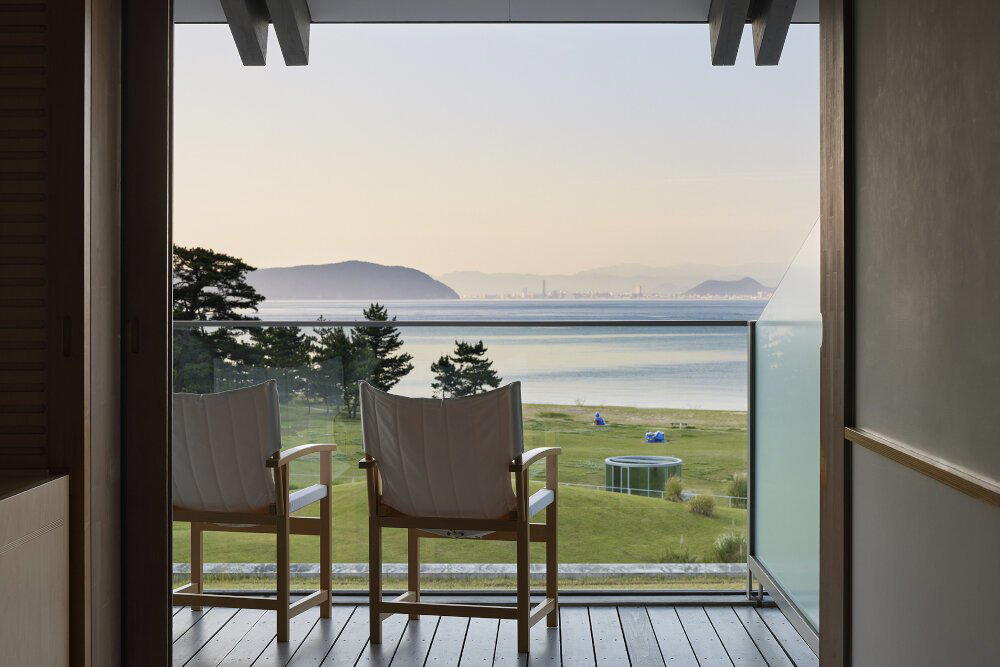
Cozy and relaxing atmosphere with tatami rooms and beautiful views.