Praterbuffet sits in Vienna's second district, adjacent to the Prater parklands that have drawn Viennese crowds since the eighteenth century. The address places it inside a long tradition of outdoor-adjacent eating and drinking that the city treats as its own distinct cultural category, casual without being careless, communal without being loud. For visitors mapping the city's food character beyond the fine-dining circuit, it offers a grounded, neighbourhood-scale reference point.
Pearl is the En Primeur Club membership app — saves, bookings, and concierge access live there. Same editors, same standards.
- Address
- Zufahrtsstraße 154, 1020 Wien, Austria
- Website
- prater.at
- Directions
- Get directions
 Saves & bookings on Pearl
The Prater Tradition and Where Praterbuffet Sits Within It
Vienna's second district has a specific relationship with eating and drinking that the inner city's more celebrated restaurants do not replicate. The Prater, the sprawling park granted to the public by Emperor Joseph II in 1766, generated an entire culture of open-air refreshment stands, beer gardens, and buffet-style venues that persist today as something genuinely separate from the city's fine-dining identity. These are not lesser options; they represent a parallel tradition, one that prizes accessibility, directness, and the social function of food over ceremony or tasting-menu architecture. Praterbuffet, at Zufahrtsstraße 154, occupies a position inside that tradition rather than against it.
The address itself is instructive. Zufahrtsstraße cuts through the Prater's working infrastructure, the access roads and service zones that run alongside the leisure grounds, which places Praterbuffet at a slight remove from the tourist-facing Wurstelprater and its fairground energy. That adjacency matters when reading what kind of venue this is: it draws from a local catchment, and its context is the everyday rhythm of the Prater rather than the spectacle of its famous Riesenrad ferris wheel.
Vienna's Buffet Format as a Cultural Category
Austria's buffet tradition is worth understanding on its own terms before assessing any individual venue within it. Unlike the hotel-breakfast buffet model familiar to international travellers, the Viennese Buffet historically referred to a standing or informal counter-service format, where speed and price accessibility were the operating logic. The format spread through railway station concourses, park kiosks, and neighbourhood corners during the nineteenth century, serving a working population that needed to eat quickly without sitting down for a full Gasthaus meal.
That model has evolved considerably. In contemporary Vienna, the buffet format exists on a spectrum that runs from pure kiosk operation through to sit-down venues that retain the name but offer table service and a broader menu. Where Praterbuffet falls on that spectrum is part of what gives the venue its character. The Prater setting means the format intersects with the park-eating tradition: food consumed between activity, in proximity to green space, in an atmosphere that is fundamentally about leisure rather than occasion. This distinguishes Prater-area venues from the buffet operations near the Naschmarkt or around the Ringstraße, which serve a different urban rhythm entirely.
Austrian Ingredients in Context
Vienna's kitchen draws on a Central European larder that has been shaped by geography, imperial history, and agricultural regionalism. The city sits at a convergence point: Danube basin produce from Lower Austria and Burgenland, Alpine dairy and meat traditions from the western provinces, and the lasting influence of Bohemian, Hungarian, and Italian cooking that the Habsburg court absorbed over centuries. This is not fusion in the contemporary sense; it is simply what Viennese cuisine is, a synthesis that has had several hundred years to become coherent.
For venues in the accessible-to-mid-range bracket, the practical expression of this larder tends toward recognisable forms: schnitzel from locally sourced pork or veal, warm sausage preparations, open-faced bread formats using Austrian rye and wheat varieties, and seasonal vegetable preparations tied to what Lower Austrian growers supply to the city's markets. The editorial angle for a venue like Praterbuffet is not the haute-cuisine version of Austrian ingredients, that conversation belongs to the tasting-menu operations clustered around the first district, where Steirereck im Stadtpark and Mraz and Sohn apply multi-stage technique to the same regional produce. The accessible end of that spectrum applies simpler, more direct technique, but the ingredient base often overlaps more than the price gap suggests.
The question of how local ingredients interact with technique is a thread running through Vienna's entire restaurant economy. At the upper end, venues like Konstantin Filippou and Amador apply explicitly modern European frameworks to Austrian produce. Slightly below that ceiling, Doubek works in a register that is more traditional but still technically precise. Venues in the buffet and casual register, including Praterbuffet, handle the same produce relationships but without the tasting-menu architecture. The gap is one of format and price point, not necessarily of ingredient provenance.
Austria's broader restaurant geography reflects this same diversity of approach. In the Alpine provinces, venues like Döllerer in Golling an der Salzach and Obauer in Werfen build serious tasting menus around Alpine and Salzach valley produce. In Salzburg, Ikarus takes an explicitly global-technique approach, while Kräuterreich by Vitus Winkler in Sankt Veit im Pongau centres herb-forward regional cooking. In Tirol, Gourmetrestaurant Tannenhof in Sankt Anton am Arlberg, Griggeler Stuba in Lech, and Schwarzer Adler in Hall in Tirol each represent the premium end of mountain-province cooking. Further afield, Landhaus Bacher in Mautern an der Donau and Ois in Neufelden anchor the Danube and Upper Austrian wine-country traditions. Restaurant 141 by Joachim Jaud in Mieming rounds out the Tyrolean picture. What connects all of them is the same regional produce network that Vienna's more accessible venues also draw from, in different proportions and with different degrees of elaboration.
For a comparison point outside Austria, the technique-over-ingredient versus ingredient-over-technique tension visible in Vienna's dining range has direct parallels in how New York's serious dining operates. Le Bernardin in New York City treats French classical technique as the fixed variable and adjusts ingredients accordingly; Atomix in New York City inverts that, letting Korean ingredient logic reshape tasting-menu format. Vienna's dining spectrum sits somewhere between those two poles, with the buffet end prioritising ingredient familiarity and the tasting-menu end increasingly prioritising technique.
Planning Your Visit
Praterbuffet is located at Zufahrtsstraße 154 in Vienna's second district (1020).
Quick Comparison
Comparable venues nearby, for context on price, style, and recognition.
| Venue | Cuisine | Price | Notes |
|---|---|---|---|
| PraterbuffetThis venue — the venue you are viewing | Modern Telavivian Rooftop Cuisine | $$$ | Not listed |
| Yudale | Kosher Middle Eastern & Israeli | $$ | Praterstern Wien Nord |
| Café Ansari | Georgian-Mediterranean Fusion | $$ | Praterstern Wien Nord |
| Eloa by Cohen's | Modern Oriental Levantine | $$ | Favoriten |
| Gaia Kitchen | Vegan Levantine Fusion | $$ | Praterstern Wien Nord |
| Momoya Fusion Restaurant | Asian Fusion Sushi & Street Food | $$$ | Staatsoper |
Continue exploring
More in Vienna
Restaurants in Vienna
Browse all →
Bars in Vienna
Browse all →

Hotels in Vienna
Browse all →
At a Glance
- Lively
- Trendy
- Modern
- Group Dining
- Celebration
- Brunch
- Casual Hangout
- Rooftop
- Open Kitchen
- Terrace
- Extensive Wine List
- Organic
- Street Scene
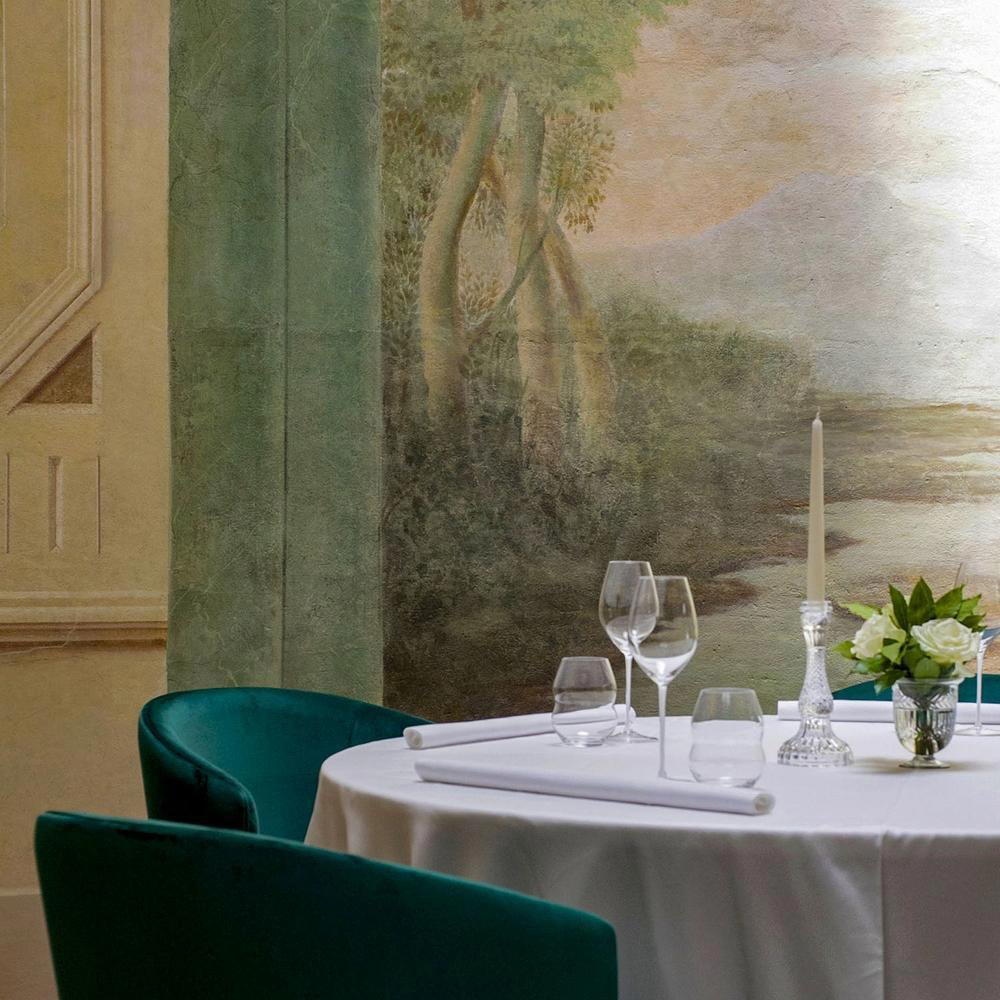
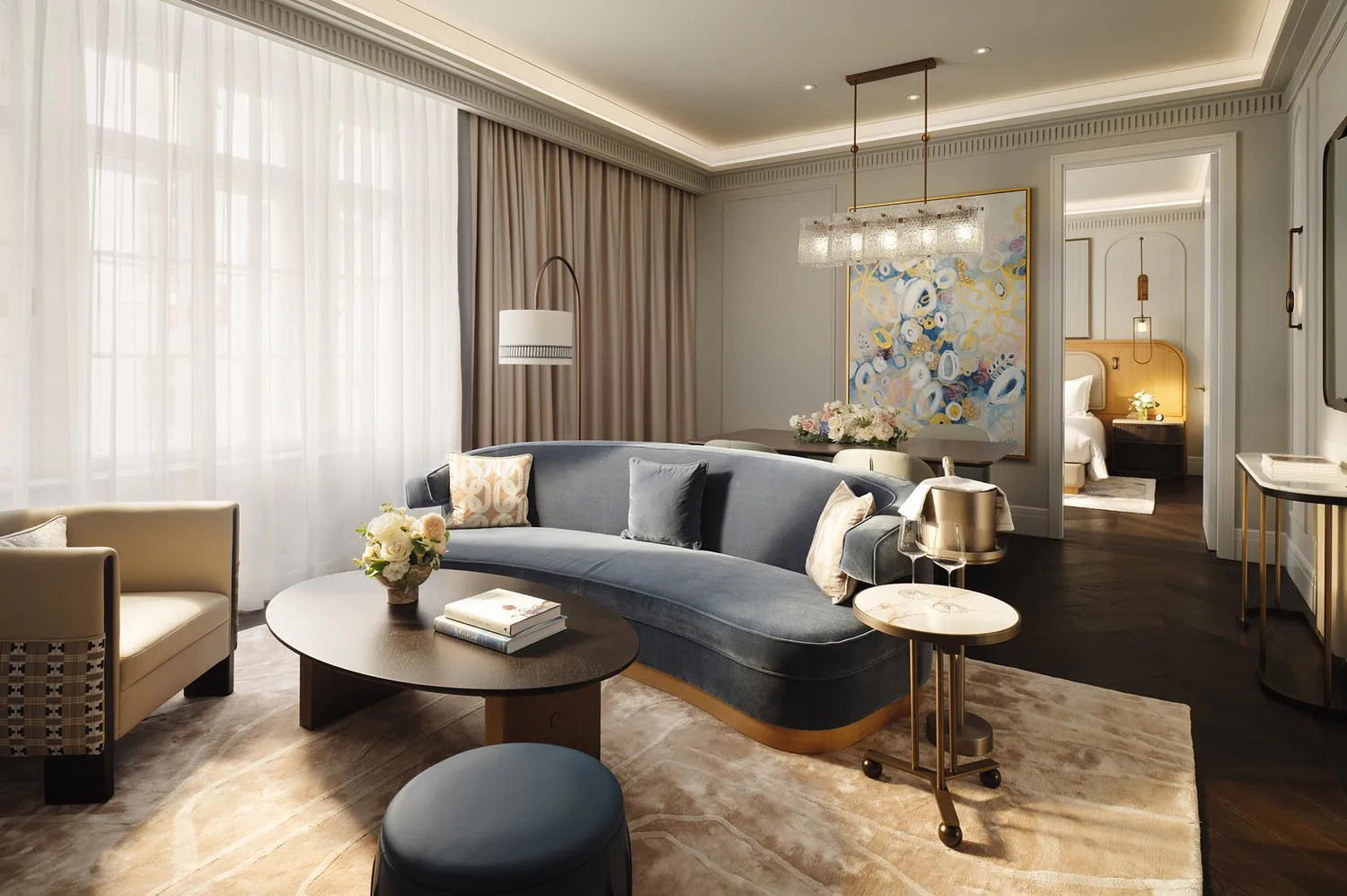
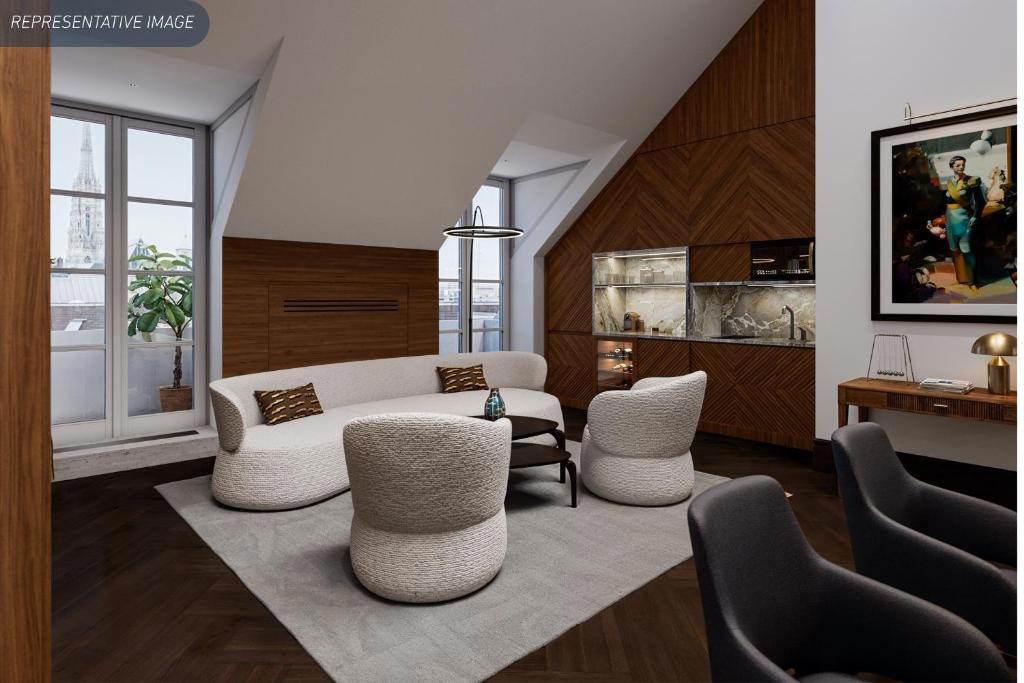
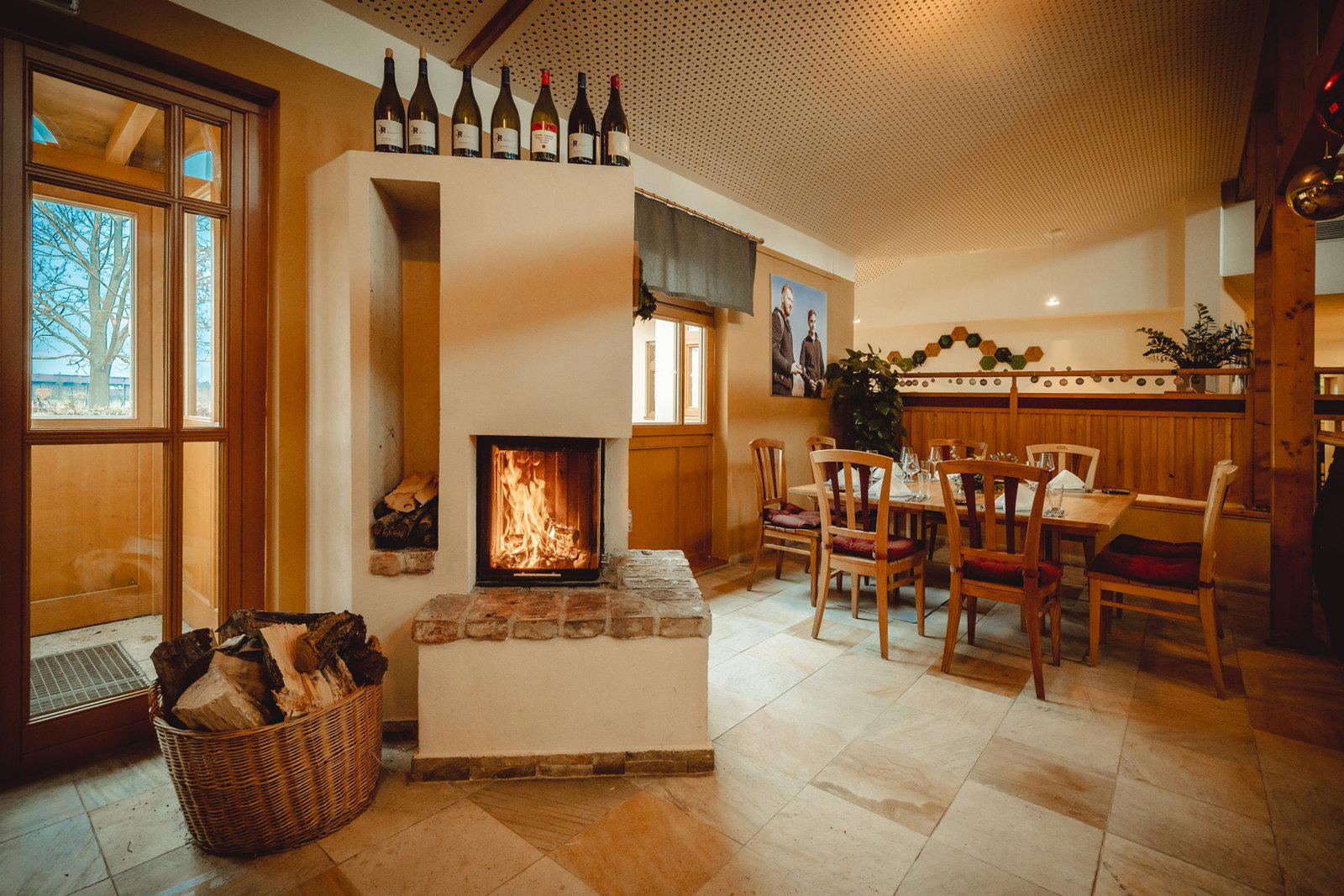
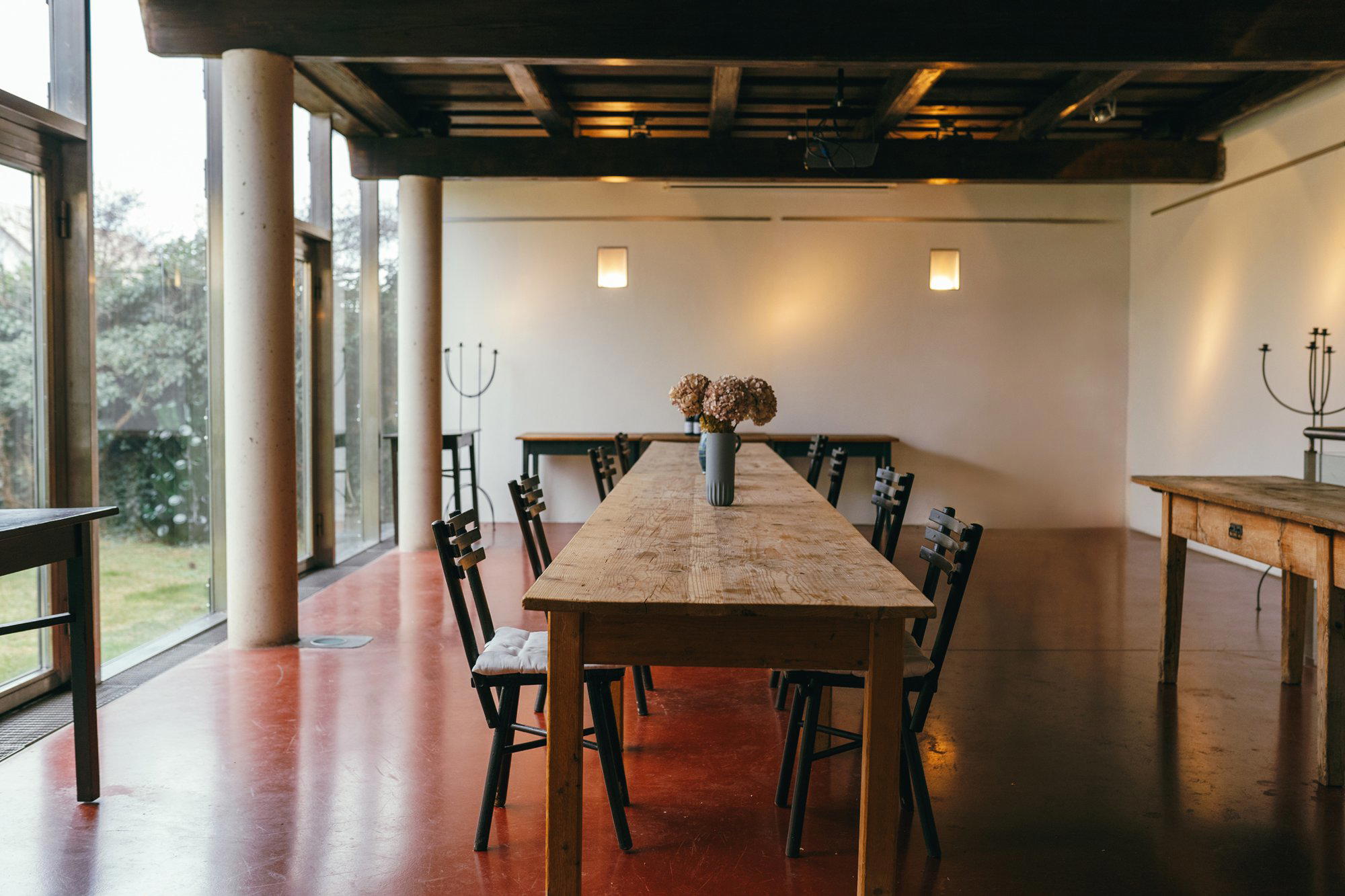
Artsy vibing rooftop atmosphere with seating along the open kitchen, combining modern flair and Viennese charm.