Tewa am Markt occupies stands 29 to 31 at Vienna's Karmelitermarkt in the second district, positioning it within one of the city's most characterful daily market environments. The address alone signals its audience: regulars who return not for occasion dining but for the kind of reliable, market-adjacent eating that shapes a neighbourhood's food culture. It sits at a significant remove from Vienna's tasting-menu circuit, trading in a different but equally deliberate register.
Pearl is the En Primeur Club membership app — saves, bookings, and concierge access live there. Same editors, same standards.
- Address
- Stand 29-31, Karmelitermarkt, 1020 Wien, Austria
- Phone
- +43676847741210
- Website
- tewa-karmelitermarkt.at
- Directions
- Get directions
 Saves & bookings on Pearl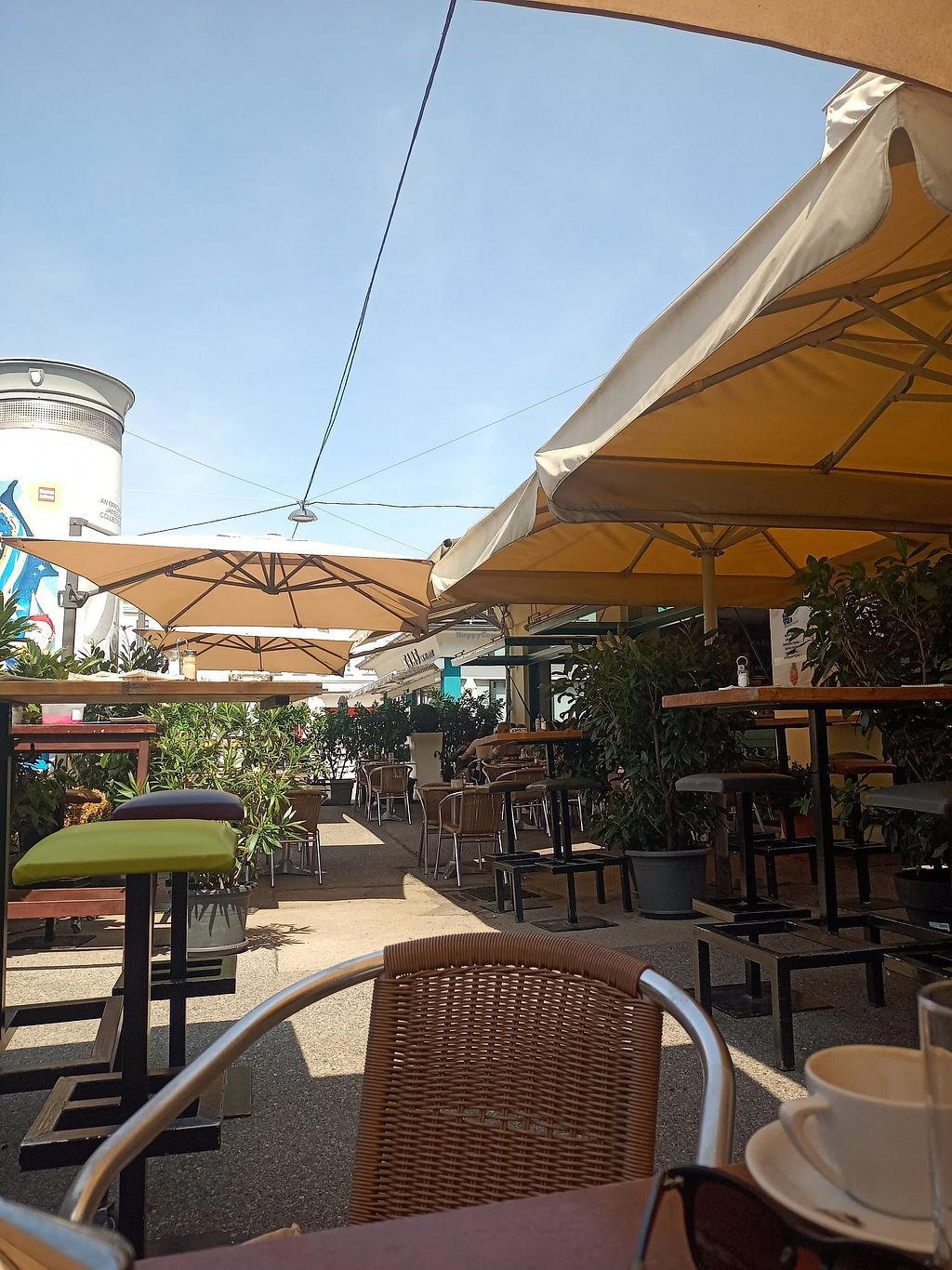
The Karmelitermarkt and the Logic of the Market Stall
Tewa am Markt is an organic Oriental-Mediterranean restaurant at Stand 29-31, Karmelitermarkt, 1020 Wien, Austria, with a casual dress code and recommended reservations. Vienna's restaurant conversation tends to fixate on the Innere Stadt and the high-end tasting-menu circuit anchored by places like Steirereck im Stadtpark and Amador. That conversation misses a parallel and older tradition: the market stall that functions as a neighbourhood canteen, feeding the same faces week after week, operating on the logic of produce cycles rather than tasting-menu choreography. Tewa am Markt, occupying stands 29 to 31 at the Karmelitermarkt in Vienna's second district, belongs to that tradition.
The Karmelitermarkt itself has been a fixture of the Leopoldstadt since the nineteenth century, predating most of the restaurants that now claim Vienna's culinary identity. It operates as a daily market, drawing a cross-section of the district: early-morning stallholders, midday office workers, weekend families making the rounds of the vegetable and cheese vendors. The food stalls that anchor the market's social life have, over decades, cultivated a regulars' culture that no amount of press coverage fully replicates. You either become part of the rhythm or you observe it from the outside.
What the Regulars Know
Market eating in Vienna operates on tacit agreements. You arrive knowing roughly what will be available, you accept the pace of the room, and you do not bring expectations calibrated to the formal dining registers of, say, Konstantin Filippou or Mraz & Sohn. Tewa am Markt's address at stands 29 to 31 places it within the market's existing footfall rather than requiring guests to make a separate journey to a dining destination. That geography matters: the people eating here on a Wednesday morning are, in most cases, the same people who bought produce three stalls down. The venue and the market are part of the same social infrastructure.
Regulars at market stalls develop unwritten menus over time, a working knowledge of what to order on which day, which preparations reflect the week's leading produce, and when to arrive to avoid the midday compression. This kind of knowledge does not appear in any guide. It accumulates through repetition, through the kind of low-stakes loyalty that Leopoldstadt residents extend to a place that has consistently not disappointed them. The Karmelitermarkt's stall culture rewards that patience.
The second district's food character has shifted noticeably over the past decade. Leopoldstadt, long associated with the city's Jewish quarter and its attendant market culture, has attracted a younger, internationally oriented demographic without entirely losing its working-neighbourhood texture. The result is a market environment where traditional Austrian preparations coexist with influences that reflect the district's demographic broadening. Tewa sits within that environment, at an address that is itself a statement of position: not the restaurant mile of the first district, not the design-led dining rooms arriving in the seventh, but the market, which has its own seniority.
Placing Tewa in Vienna's Wider Eating Map
Vienna's dining tier structure runs from the multi-Michelin-starred formal rooms down through creative bistros, established Beisln, and finally to the market-adjacent eating that most visitors never reach. That lower tier is not lesser; it operates on different criteria, where consistency, accessibility, and embeddedness in daily neighbourhood life outrank ambition or technique-display. For the kind of occasion dining that Vienna's international reputation is built on, readers can explore the full range through our full Vienna restaurants guide. Tewa addresses a different need.
The comparison to formal venues like Doubek is instructive precisely because it is not a direct comparison. Those rooms compete on different axes: tasting menu architecture, wine program depth, service formality. Market stalls compete on immediacy, value, and the quality of the daily relationship between kitchen and ingredient supply. The leading market eating in any European city shares this character: it reflects what arrived that morning rather than what a chef decided six months ago. That responsiveness is the point.
Austria's broader dining geography has strong regional traditions that shape even urban market eating. The country's emphasis on seasonal produce, game, dairy, and freshwater fish runs through kitchens from Döllerer in Golling an der Salzach to Landhaus Bacher in Mautern an der Donau and informs what the leading market stalls in Vienna put out. The Karmelitermarkt's produce vendors provide a live index of what is in season, which means the eating at stalls like Tewa is, in practice, calibrated by the market's own supply logic rather than by a fixed menu document.
For readers spending time in Austria more broadly, the country's regional dining circuit includes Obauer in Werfen, Ikarus in Salzburg, Gourmetrestaurant Tannenhof in Sankt Anton am Arlberg, Griggeler Stuba in Lech, and Kräuterreich by Vitus Winkler in Sankt Veit im Pongau represent the formal end of Austrian hospitality. At the other end of the formality spectrum, Ois in Neufelden, Schwarzer Adler in Hall in Tirol, and Restaurant 141 by Joachim Jaud in Mieming show the country's appetite for serious cooking outside the Michelin-starred urban rooms. Vienna's market stalls occupy a different register again, one defined by daily availability and neighbourhood embeddedness.
Planning a Visit
The Karmelitermarkt operates as a daily market, and a visit to the restaurant is shaped by market hours. Weekend mornings draw the highest footfall; weekday visits offer more space and a more local crowd. Stand 29 to 31 is within the main market structure, accessible on foot from the Karmelitermarkt U2 station.
<Awards and Standing
Comparable venues nearby, for context on price, style, and recognition.
| Venue | Cuisine | Price | Notes |
|---|---|---|---|
| Tewa am MarktThis venue — the venue you are viewing | Organic Oriental-Mediterranean | $$ | Not listed |
| Yudale | Kosher Middle Eastern & Israeli | $$ | Praterstern Wien Nord |
| NENI am Naschmarkt | Modern Israeli Middle Eastern | $$ | Wieden |
| Schesch Besch | Middle Eastern & Caucasian | $$ | Staatsoper |
| Baschly | Modern Middle Eastern Street Food | $$ | Stadt |
| Band Amir Restaurant | Afghan-Persian | $$ | Kaiserebersdorf |
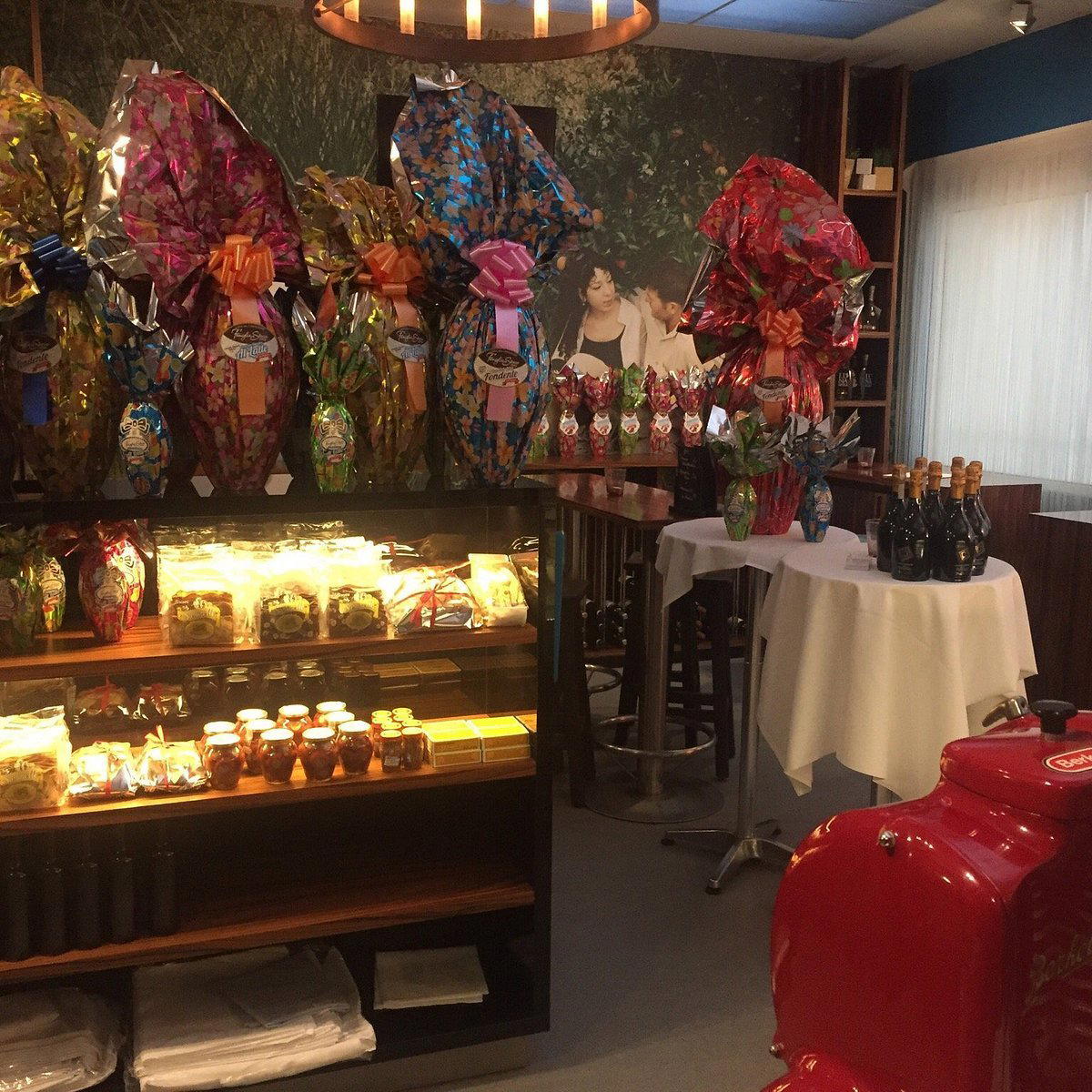
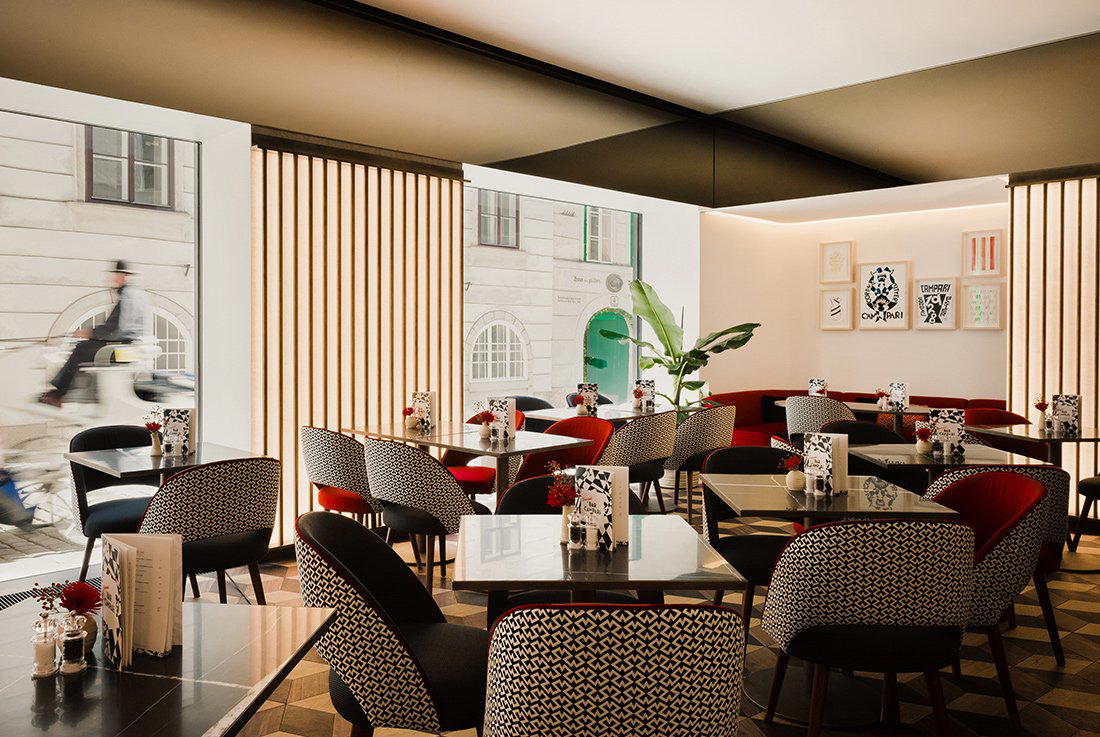
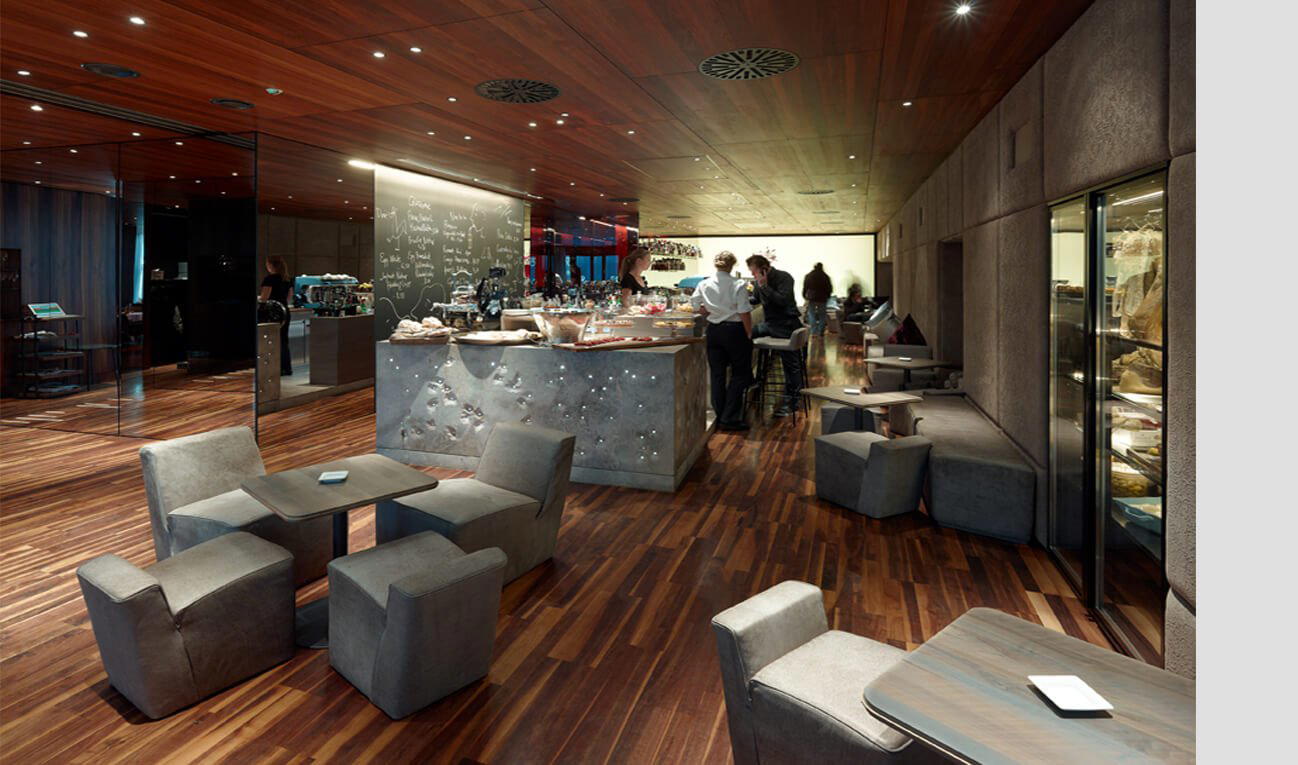
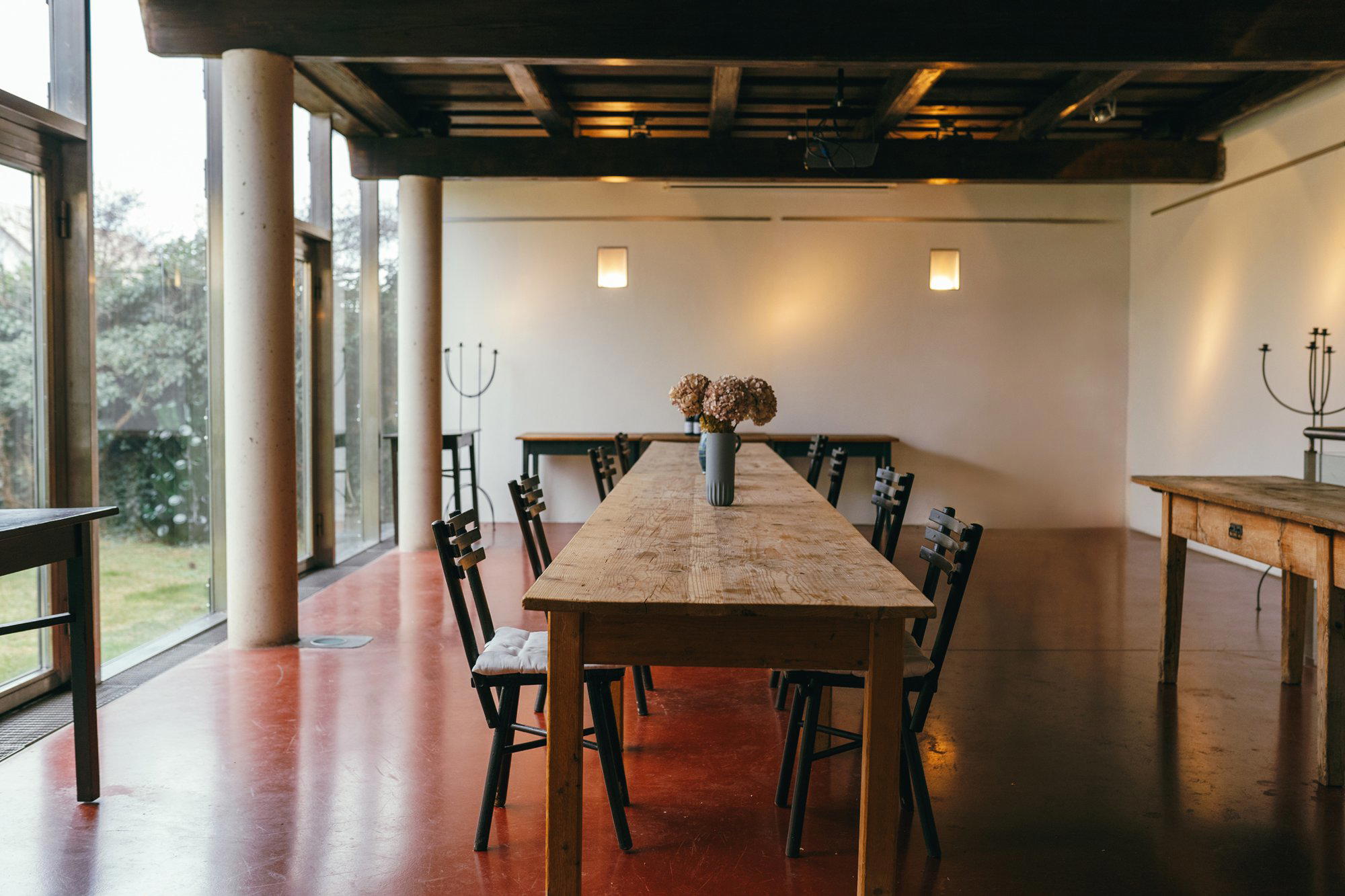
At a Glance
- Cozy
- Rustic
- Casual Hangout
- Brunch
- Family
- Open Kitchen
- Organic
- Local Sourcing
- Street Scene
Current opening hours
- Monday
- 7 AM–11 PM
- Tuesday
- 7 AM–11 PM
- Wednesday
- 7 AM–11 PM
- Thursday
- 7 AM–11 PM
- Friday
- 7 AM–11 PM
- Saturday
- 7 AM–11 PM
- Sunday
- 9 AM–4 PM
Hours can change for holidays and private events. Last verified .
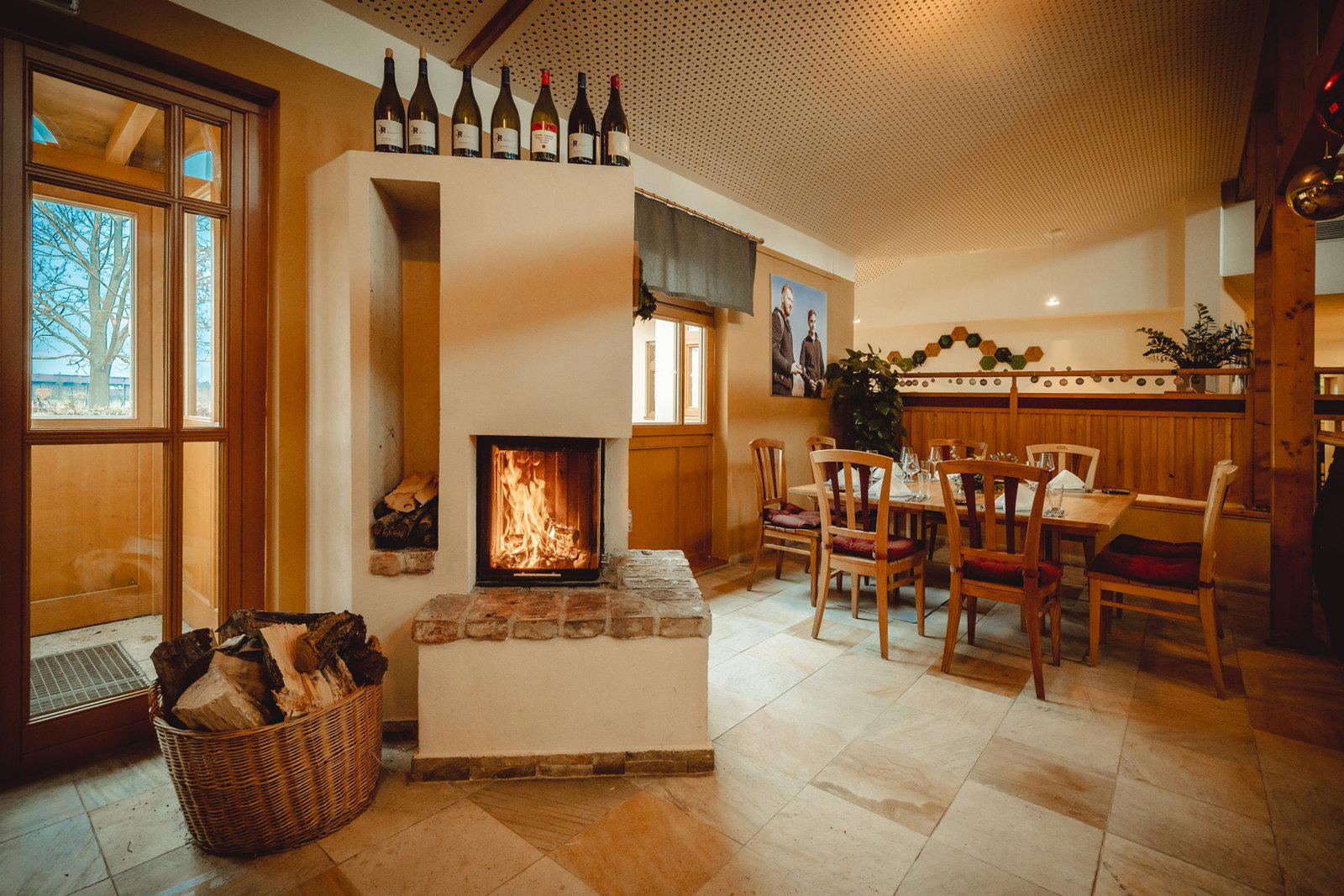
Cozy market-side spot with a casual, welcoming atmosphere focused on healthy, lively dining.