
Mangetsu is a Kobe yakiniku and tripe address with repeated Tabelog 100 recognition, including Yakiniku WEST 2025. The appeal is not a chef-driven narrative but a tight genre signal: grill-focused beef culture, a compact house-restaurant setting, and a reputation strong enough to sit above casual Kobe dining without moving into hotel formality.
Pearl is the En Primeur Club membership app — saves, bookings, and concierge access live there. Same editors, same standards.
- Address
- 8 Chome-7-3 Shimoyamatedori, Chuo Ward, Kobe, Hyogo 650-0011, Japan
- Phone
- +81 78-361-3292
- Website
- tabelog.com
 Saves & bookings on Pearl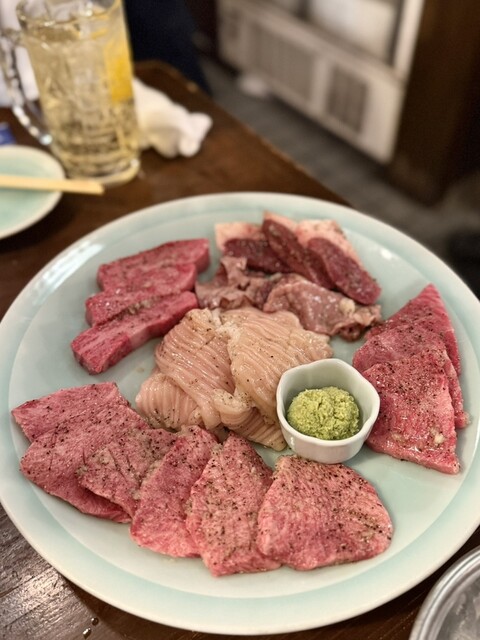
Approach Kobe’s older central districts after dark and yakiniku announces itself before the room does: charcoal smoke, low conversation, the rhythm of tables managing their own heat. In a city where beef is both civic currency and export myth, the more interesting meals are not always the ones staged for visitors. They are the places where local grill culture keeps its own pace, closer to Motomachi and Nishi Motomachi than to the polished steakhouse theatre around the tourist circuit.
Mangetsu belongs to that register. Its recognition on Tabelog 100 Yakiniku WEST 2025 puts it in a narrower Kansai-and-western-Japan conversation, where reputation is earned through consistency in a category that Japanese diners judge with little patience for softness: cut quality, grill management, sauce balance, offal handling, and the comfort of a room built for repeat use rather than spectacle.
Kobe beef culture without the steakhouse script
Kobe’s international dining image tends to flatten beef into a single luxury format: counter, chef, certificate, steak course. Yakiniku works differently. The meal is social, modular, and technical in a quieter way. Guests cook at the table, order across cuts, and build the evening through pacing rather than a fixed progression. That distinction matters in Kobe, where beef can otherwise become a souvenir category instead of a living local habit.
The restaurant’s listed categories, yakiniku and tripe, are a useful clue. Tripe signals a kitchen and clientele comfortable with the broader grammar of grilled beef, not only marbled trophy cuts. In serious yakiniku rooms, offal is not a side note; it tests sourcing, trimming, seasoning, and grill timing with less margin for error than familiar lean cuts. That is why Tabelog’s category-specific recognition carries weight here. It does not reward general prettiness. It places a restaurant inside a field where diners compare like with like.
Within Kobe, that field has several tiers. Aburi Niku Kobo Wakkoku Shinkobe ten and Aburi Niku Kobo Wakkoqu Kitano Sakamoto Ten sit closer to the polished beef-destination lane, while everyday city eating ranges from yoshoku counters such as Yoshoku no Asahi to coffee institutions and casual kitchens. Mangetsu occupies a more local, grill-led middle ground: serious enough for award attention, relaxed enough to remain part of Kobe’s after-work and friends-at-table dining culture.
Why Tabelog 100 matters for yakiniku
Michelin has shaped international expectations around tasting menus, but Tabelog’s Hyakumeiten lists often map Japanese dining obsessions with greater category precision. A yakiniku selection is not the same as a general restaurant accolade. It reflects a competitive set where small differences in meat handling, ventilation, seating comfort, and drink compatibility matter because the format is repetitive by design. Diners return to compare, not to be surprised by a new concept every season.
Mangetsu’s inclusion in 2025 follows repeated recognition across recent Tabelog 100 yakiniku and grill lists. That continuity is the more persuasive signal. A single award can catch a moment; repeated selection suggests the restaurant has remained legible to regular diners and evaluators across changing tastes. In Kobe, where beef restaurants compete against both local loyalty and international expectation, that kind of durability is a practical form of criticism.
The listed drink frame also points to the room’s place in the genre. Sake, shochu, and wine cover three different yakiniku modes: rice-and-grill familiarity, stronger Japanese spirits for richer cuts, and a more contemporary wine pairing instinct that has spread through premium yakiniku in major Japanese cities. None of that turns the meal into fine dining theatre. It shows how yakiniku has absorbed higher-spend habits while keeping the table-centered format intact.
For readers mapping a broader Kobe itinerary, Mangetsu makes the strongest sense beside other category specialists rather than as a substitute for every beef experience in the city. Use Our full Kobe restaurants guide to place it among casual counters, grill rooms, and destination dining. For the rest of a trip, Our full Kobe hotels guide, Our full Kobe bars guide, Our full Kobe wineries guide, and Our full Kobe experiences guide help separate dining decisions from the rest of the city plan.
A compact local room in the western Motomachi orbit
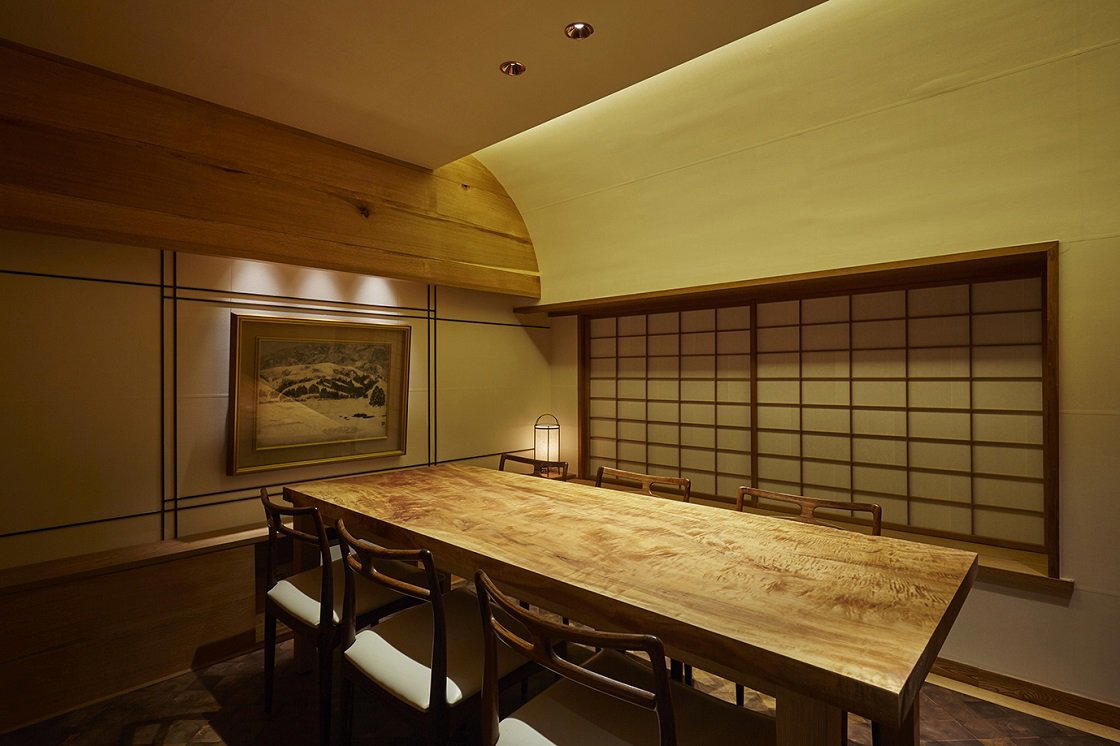
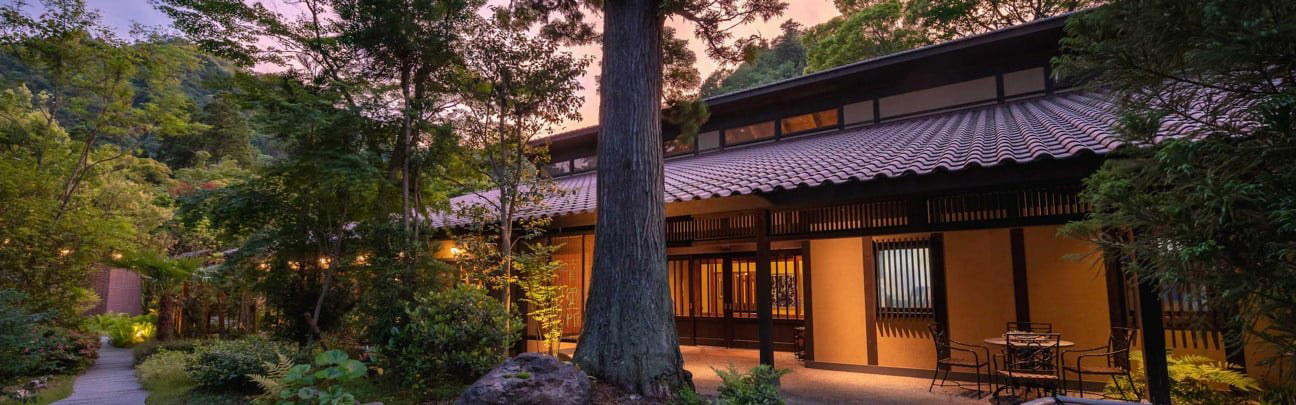
The setting matters because yakiniku is physical. Sunken seating changes the posture of the meal; a house-restaurant format changes the expectation from display to proximity. This is not the grammar of white-tablecloth Kobe beef tourism. It is closer to the neighborhood meal where groups settle in, order in rounds, and let the grill determine the tempo.
That makes the restaurant a sharper choice for travelers who already understand the difference between Kobe beef as brand language and yakiniku as practice. Those seeking a scripted steakhouse may be better served by the city’s more formal beef rooms. Those interested in how Kobe actually eats grilled meat will read Mangetsu’s Tabelog 100 placement as a signal worth taking seriously.
Kobe’s dining range rewards that kind of sorting. A day might move from coffee at Akaneya Coffee Ten to a neighborhood meal at Akari, or from halal cooking at Ali's Halal Kitchen to beef-focused grilling after dark. Beyond Kobe, Japan’s regional dining map is just as specific: -Grilled beef Sukiyaki- KAMAKURA TANUKIAN 鎌倉 たぬき庵 in Kamakura frames beef through sukiyaki. 鮪と炭火焼き うお炭 秋葉原店 in Tokyo through tuna and charcoal.cafe in Osaka through café culture.know in Kumamoto through local dining signals, (Shoku) Vietnam in Kawasaki through Vietnamese cooking, and [Curry Senmon Ten] Maruyama Kyoju. in Sapporo through specialist curry. Even outside Japan, focused formats such as Jōdo Saké Bar in Los Angeles and Onigiri Time in Pasadena show how Japanese dining travels best when the format remains disciplined.
The critical read is simple: Mangetsu is not valuable because it tells a personal story. It is valuable because its category, recognition, and Kobe context align. In a city crowded with beef claims, that alignment is the difference between a meal built for reputation and a meal built for visitors’ assumptions.
Pricing, Compared
Comparable venues at a glance for context.
| Venue | Cuisine | Price | Notes |
|---|---|---|---|
| MangetsuThis venue — the venue you are viewing | Chūō, Traditional Yakiniku & Horumon | $$$ | Not listed |
| Yakitori Bonsan | Chūō, Yakitori | $$$ | Not listed |
| Kobe Beef Teppanyaki Restaurant Mikinao | Chūō, Kobe Beef Teppanyaki | $$$ | Not listed |
| Yakitori Takashima | Not listed | $$$ | Higashinada, Refined Yakitori & Chicken Kaiseki |
| Okada Shokuhin Kabushiki Gaisha | Not listed | $$ | Chūō, Japanese BBQ / Yakiniku |
| Tachinomi ZUTTO | Chūō, Japanese Tachinomi Izakaya | $$ | Not listed |
Recognition history
Dated appearances from independent guides and award organizations, with the underlying list record or original source where available.
Tabelog 100 #41 · No. 41
Tabelog · Tabelog 100 - Yakiniku - WEST - 2025







At a Glance
- Cozy
- Lively
- Classic
- Group Dining
- Casual Hangout
- After Work
- Celebration
- Date Night
- Standalone
- Sake Program
Current opening hours
- Monday
- Closed
- Tuesday
- Closed
- Wednesday
- 5–11 PM
- Thursday
- 5–11 PM
- Friday
- 5–11 PM
- Saturday
- 5–11 PM
- Sunday
- 5–11 PM
Hours can change for holidays and private events. Last verified .
A compact, house-like yakiniku restaurant with sunken kotatsu tables, non‑smoking throughout, and a calm yet lively atmosphere that feels like a hidden local favorite.