"Fusion" Restaurant
Our verdict
Located at the 66th kilometre of the Moscow Ring Road in Krasnogorsk, 'Fusion' Restaurant sits at the intersection of Moscow Oblast's suburban dining scene and the broader Russian tradition of eclectically sourced cooking. Specific menu details and pricing remain unconfirmed, making advance research advisable before visiting. See our full Krasnogorsk guide for context on the local dining circuit.

Pearl is the En Primeur Club membership app — saves, bookings, and concierge access live there. Same editors, same standards.
- Address
- Mkad 66 Kilometr, Moscow, Moscow Oblast, Russia, 143407
- Phone
- +79255064797
- Hours
- Daily 12–10 PM
- Website
- fusionrest.ru
- Directions
- Get directions
Where the Ring Road Meets the Table
Krasnogorsk occupies an awkward but interesting position in the Moscow dining conversation. Technically Moscow Oblast rather than the city proper, it sits along the MKAD at the 66th kilometre mark, close enough to the capital's commercial density to draw a mixed crowd of residents, office workers from the Crocus City complex nearby, and Moscow commuters who have stopped treating the ring road as a hard boundary. That geography shapes what restaurants here have to do: they compete obliquely with Moscow's more visible dining circuit while serving a local population with its own expectations around value, format, and occasion.
"Fusion" Restaurant occupies that context. The name signals an intent that is common across Russia's mid-tier urban and suburban dining scene: a menu that refuses single-cuisine definition, drawing instead from wherever the kitchen finds its leading argument. In Russian suburban dining, that eclecticism is less a statement about culinary philosophy than a practical response to a broad, mixed-income clientele. The question worth asking about any restaurant carrying the fusion label is not whether the combination is daring, but whether the sourcing that underpins it holds up.
The Sourcing Question in Moscow Oblast
Russia's relationship with ingredient sourcing shifted dramatically after the 2014 sanctions and the subsequent counter-sanctions that restricted European imports. What followed was not simply a substitution exercise. Across the Moscow dining circuit, from the tasting-menu tier represented by venues like Twins Garden in Moscow down to neighbourhood restaurants in the suburbs, kitchens were pushed to work with domestic producers in ways they had previously avoided. That pressure produced some genuine regional discovery: Siberian fish, Altai dairy, Georgian and Caucasian produce that had always been available but rarely centred on a Moscow-area menu.
Krasnogorsk, positioned at the edge of Moscow Oblast, sits within reach of that supply network. The region's restaurants have access to the same wholesale markets serving the capital, alongside shorter supply chains to farms in the surrounding oblast. For a restaurant with a format described broadly as fusion, the interesting territory is how that supply chain gets used: whether the sourcing is reactive (buying what the distributor delivers) or deliberate (building dishes around specific domestic ingredients). The distinction matters more than the label on the menu.
Across Russia's regional dining scene, this tension plays out differently depending on the city. Kukhterin in Tomsk works within Siberian ingredient traditions; Alanskaya Kukhnya in Krasnodar anchors itself in North Caucasian produce. The fusion format, by contrast, carries no built-in sourcing commitment, which is precisely why the kitchens that execute it well tend to be those that impose their own sourcing discipline from within.
The Suburban Dining Format
Restaurants along the MKAD corridor occupy a format category that is distinct from both central Moscow dining and the purely local neighbourhood restaurant. The ring road address implies a car-accessible model, which in turn implies a certain volume expectation: larger floor plates, tables designed for groups and families, a menu broad enough to cover multiple occasions. This is the standard template for suburban dining across most large Russian cities, visible in the dining strips around Dzhani Restorani in Nizhny Novgorod and in the commercial dining clusters near Grisha in Omsk.
What distinguishes the stronger restaurants in this format is not departure from it, but execution within it. The room should read as a destination in its own right, not merely as a container for the menu. Approaching a restaurant at the 66th kilometre, the physical environment is shaped by the scale of the surrounding infrastructure: a road built for throughput rather than arrival, commercial developments that prioritise visibility over atmosphere. Restaurants that work against that context, using interior design, lighting, or acoustic control to create a sense of enclosure and deliberateness, tend to convert passing trade into repeat custom.
What the address does confirm is that the venue operates within this suburban arterial category, where the baseline expectation from the clientele is reliability and range rather than precision or curation.
Positioning in the Russian Casual-Eclectic Tier
Russia's casual eclectic restaurant tier is large and competitive. At the upper end, venues like Cafe Pushkin in Moscow have built durable reputations on format consistency and clear identity. At the middle tier, the competition is closer to horizontal: dozens of restaurants across any given city offering similar breadth of menu without a clear differentiating signal. The venues that hold their position in that tier tend to do so through service reliability and a core of regular customers rather than through media attention or award recognition.
Compared to the higher-profile end of the Russian dining scene, where 1913 in Saint Petersburg operates within a defined Russian cuisine tradition, or where Lev I Ptichka in Saint Petersburg sits in the modern European register, the fusion suburban format occupies a less scrutinised but economically significant part of the market. For international visitors to the Moscow area, it represents the dining reality that most residents actually engage with, as opposed to the tasting-menu tier that attracts critical attention. That context is worth holding alongside any assessment of what a restaurant like this is trying to do.
For a broader view of Russian regional dining, the contrast with the Caucasian-influenced kitchens of Khmeli Suneli in Yekaterinburg or the more defined cuisine commitments of Made in China in St. Petersburg is instructive. The fusion format deliberately avoids that kind of definition, which gives it flexibility but costs it authority.
Planning Your Visit
"Fusion" Restaurant is located at MKAD 66 Kilometr, Krasnogorsk, Moscow Oblast. The address places it in a car-accessible zone along the ring road, making it most practical to reach by private car or taxi from either central Moscow or from within Krasnogorsk itself. Public transport connections to MKAD ring road addresses are limited, and journey times from central Moscow will vary significantly with traffic conditions, particularly during peak hours. Visitors planning an evening visit should account for the MKAD's congestion patterns when calculating travel time.
Contacting the venue directly before visiting is advisable, particularly for larger groups or for visits tied to a specific occasion. Our full Krasnogorsk restaurants guide covers the broader dining options in the area and provides additional context for planning a visit to this part of Moscow Oblast.
Frequently asked questions
What should I expect atmosphere-wise at "Fusion" Restaurant?
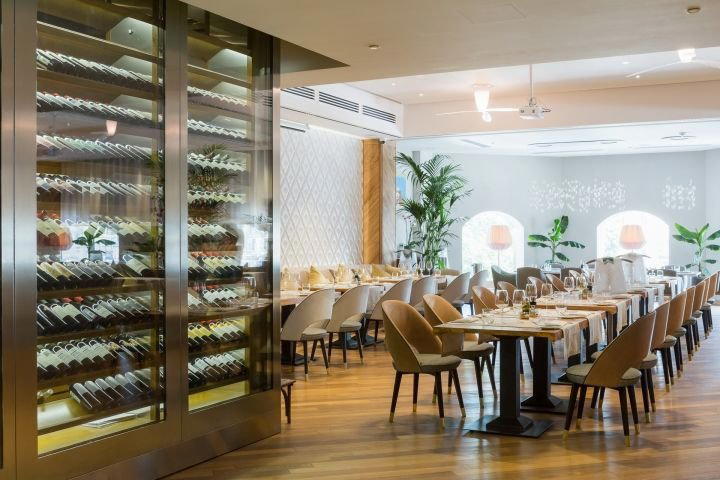
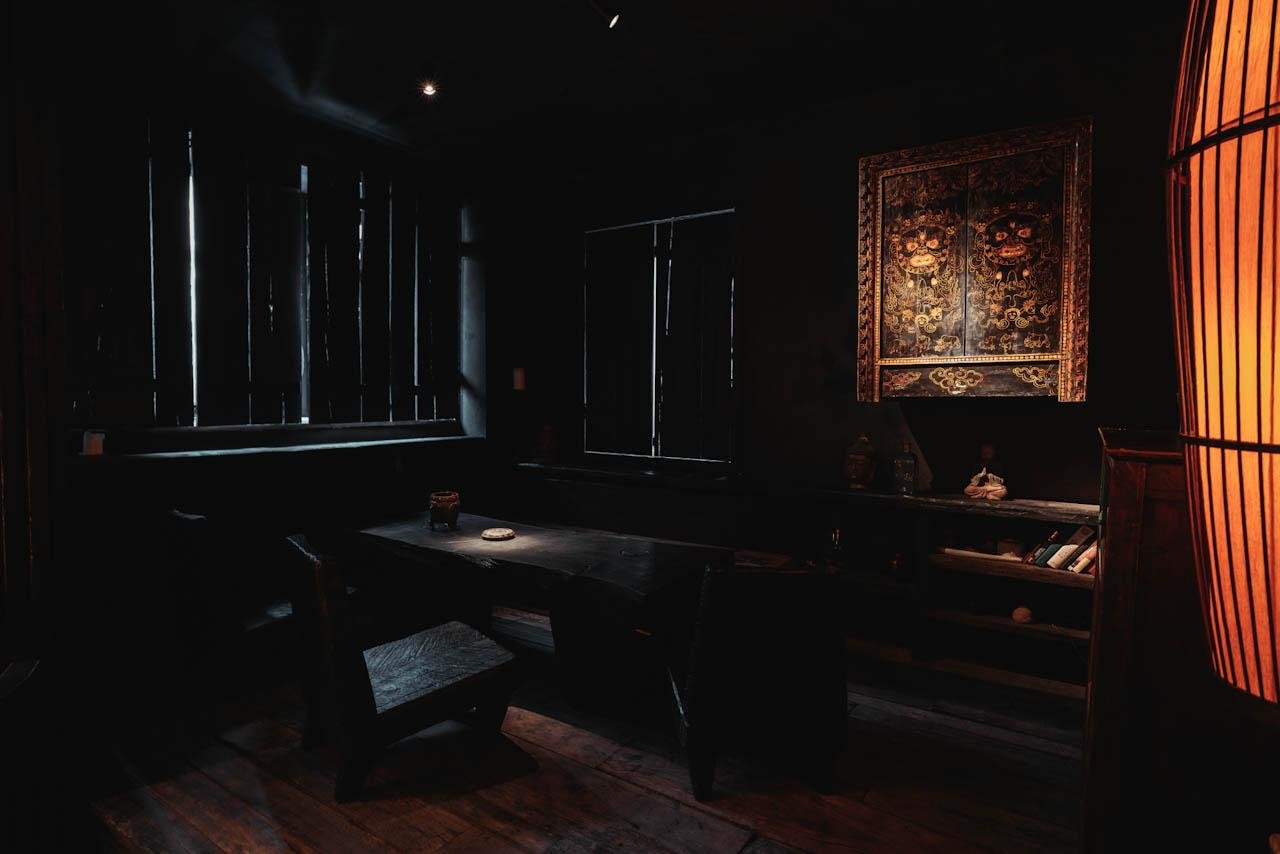
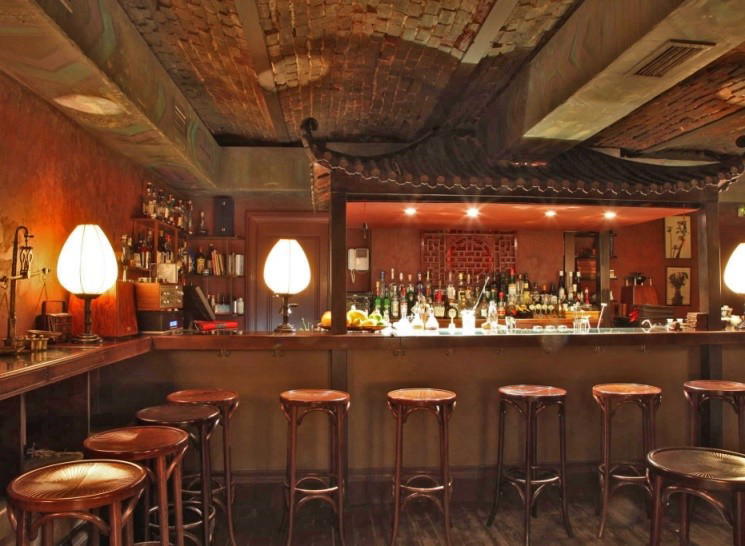
The 66th kilometre MKAD location in Krasnogorsk sits within Moscow Oblast's suburban commercial strip, a setting that typically produces spacious, car-oriented dining rooms rather than the intimate formats found in central Moscow. Expect a relaxed register common to the Moscow Oblast casual-eclectic tier, where venues serve both local residents and drive-in guests from the ring road. Specific interior details and confirmed seating capacity are not on public record.
Is "Fusion" Restaurant easy to reach without a car from central Moscow?
The address at MKAD 66 Kilometre, Krasnogorsk, Moscow Oblast is positioned along the ring road, a corridor designed primarily around vehicle access rather than public transit connections. Reaching this location from central Moscow without a car requires a combination of metro and surface transport, making journey time considerably longer than for venues within the city boundary. Drivers coming from the Moscow ring road can access the 66th kilometre zone directly. Confirming the nearest transit stop with the venue before your visit is advisable.
What should I order at "Fusion" Restaurant?
Confirmed menu details and signature dishes are not on public record for this Krasnogorsk venue. Restaurants operating under the fusion label in the Moscow Oblast suburban tier typically draw on a broad eclectic range rather than a single regional cuisine, reflecting the post-2014 shift toward domestic and non-European sourcing across Russian dining. Checking directly with the restaurant before visiting is the most reliable way to confirm current offerings.
In Context: Similar Options
Comparable venues nearby, for context on price, style, and recognition.
| Venue | Cuisine | Price | Awards | Notes |
|---|---|---|---|---|
| "Fusion" RestaurantThis venue — the venue you are viewing | European Fusion | Not listed | Not listed | Not listed |
| Birch | Modern European Fusion | $50–100 | La Liste Top Restaurants | Tsentralny District |
| Pinzeria by Bontempi | Italian Pinsa Romana | $20–30 | Not listed | Boulevard Ring |
| Bistrot | Italian Bistro (Tuscany-inspired) | Not listed | Not listed | Khamovniki |
| Restoran TsDL | Modern Russian | $30–50 | La Liste Top Restaurants | Presnensky |
| Mari Vanna | Traditional Russian Home Cooking | $20–30 | Not listed | Presnensky |
Continue exploring
More in Krasnogorsk
Restaurants in Krasnogorsk
Browse all →
Bars in Krasnogorsk
Browse all →
Details
- Date Night
- Business Dinner
- Hotel Restaurant
- A La Carte
Current opening hours
- Monday
- 12–10 PM
- Tuesday
- 12–10 PM
- Wednesday
- 12–10 PM
- Thursday
- 12–10 PM
- Friday
- 12–10 PM
- Saturday
- 12–10 PM
- Sunday
- 12–10 PM
Hours can change for holidays and private events. Last verified .