
Wine Spectator Award of Excellence · World's Best Wine Lists Awards WBWL 2-Star
Our verdict
Magnum Wine Bar holds a 2-Star Accreditation from the World of Fine Wine London Awards, placing it among Moscow's more seriously credentialed wine venues. In a city where wine culture has matured considerably over the past decade, Magnum occupies the specialist tier: a destination where the list, not the kitchen, drives the room. Worth knowing before you go.

Pearl is the En Primeur Club membership app — saves, bookings, and concierge access live there. Same editors, same standards.
Moscow's Wine Bar Tier, and Where Magnum Sits In It
Moscow's premium bar scene has undergone a quiet reorganisation over the past decade. The early 2010s model, which leaned heavily on imported prestige labels and European-facing wine lists assembled for a clientele more interested in status than provenance, has given way to something more considered. A smaller group of wine-focused venues now anchors their programs in sourcing logic: where the wine comes from, why those regions matter at this price point, and how the list connects to what's on the plate. Magnum Wine Bar belongs to this later generation.
That accreditation matters as a reference point. The World of Fine Wine London Awards apply a structured assessment framework to wine programs globally, and a 2-Star result signals a list that has passed independent scrutiny for range, provenance accuracy, and overall quality of curation. In Moscow's context, where wine credentials are not always easy to verify from the outside, that external benchmark carries weight.
The Room Before the Glass
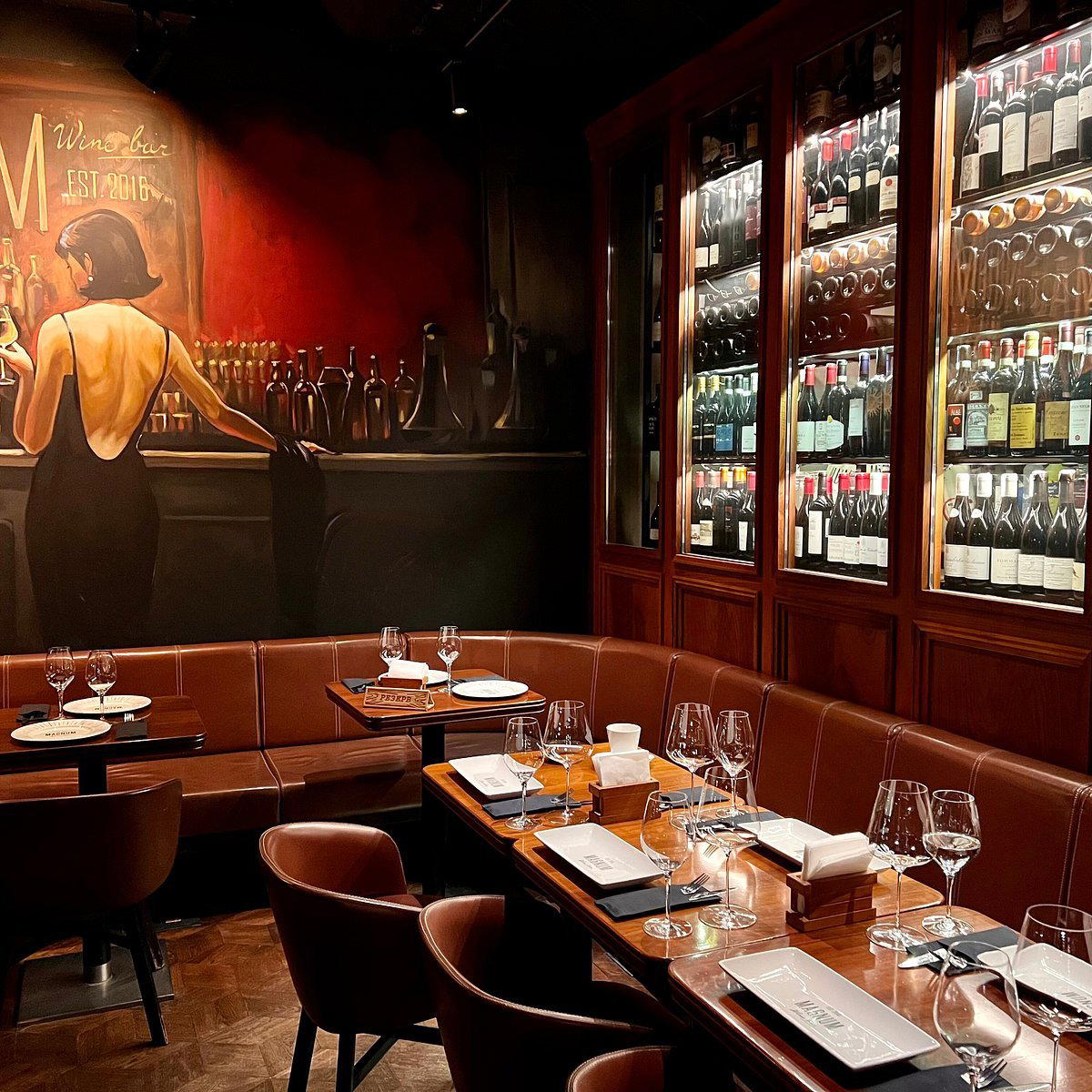
Wine bars in Moscow that have earned serious critical attention tend to share certain physical qualities: they are smaller than they appear from the outside, more focused in their spatial logic than a full-service restaurant, and lit in a way that tilts the experience toward the glass rather than the room. The shift from the ambient noise of the broader city to the quieter, more deliberate atmosphere of a specialist wine venue is part of what defines the category here, and Magnum operates within that tradition. The approach is common to the genre's serious practitioners globally, from the tight counters of natural wine bars in Paris's 11th arrondissement to the understated rooms behind heavy doors in Tokyo's Ginza, where the wine list is the architecture.
In Moscow specifically, this kind of focused wine venue exists in productive tension with the city's broader dining culture, which has increasingly moved toward Modern Russian cooking. Venues like White Rabbit and Artest have built reputations around Russian-sourced ingredients prepared with technical discipline, and the leading wine programs in the city have had to adapt their lists to work alongside that cooking rather than defaulting to Franco-Italian reflexes. A wine bar operating at the 2-Star level in this environment is making implicit editorial choices about what the city's wine culture should look like.
Sourcing Logic and the List
The editorial angle that distinguishes serious wine bars from decorated bottle shops is provenance thinking: not just what is on the list, but why those producers, those regions, those vintages. At the level Magnum operates, that reasoning tends to show up in the structure of the list itself. Do lesser-known appellations get space alongside the expected names? Are there verticals that suggest a relationship with a producer rather than one-off purchases? Does the by-the-glass program reflect the same sourcing seriousness as the bottle list, or does it default to safe commercial choices?
These are the questions that a 2-Star accreditation implicitly answers in the affirmative. The World of Fine Wine assessment process evaluates wine programs on exactly this kind of curatorial depth. For a visitor arriving from a city with a more developed wine bar culture, such as London, New York, or Copenhagen, the reference point is clear: Magnum has passed an internationally applied standard, which means the sourcing conversation that defines the leading wine bars elsewhere is present here too.
Russia's own wine production, centred in the Krasnodar region and increasingly in the Crimean peninsula, has become a credible presence on Moscow wine lists over the past several years. Domestic producers working with Rkatsiteli, Saperavi, and local Cabernet blends have begun appearing on lists at the city's more forward-leaning venues.
For broader context on how Russian wine culture is developing outside Moscow, Leo Wine & Kitchen in Rostov and Probka in St. Petersburg represent how wine-forward venues in other Russian cities are approaching the same sourcing questions from different regional angles. Birch in St. Petersburg and SEASONS in Kaliningrad round out a picture of how the country's wine bar category has broadened geographically.
Magnum in Relation to Moscow's Broader Dining Scene
Understanding where a wine bar fits in a city's dining ecosystem requires mapping it against the full-service restaurant tier. Moscow's leading tables, including Varvary, Chefs Table, and Grand Cru, occupy different competitive positions depending on whether they are kitchen-led or list-led. A 2-Star wine bar like Magnum positions itself as the latter: the kitchen, where food is served at all, operates in support of the wine program rather than the reverse. That is a specific hospitality proposition, and it attracts a specific kind of visitor: one who comes with wine knowledge or wants to build it, and who values the sommelier interaction as central to the experience.
It is worth noting how this compares to the Moscow wine bar category more broadly. Grand Cru operates in a similar specialist register, and the two venues together represent the upper end of Moscow's wine-focused hospitality. For visitors who want to understand the full picture of what Moscow offers across restaurants, hotels, and experiences, our full Moscow restaurants guide, our full Moscow hotels guide, our full Moscow bars guide, and our full Moscow experiences guide provide the broader map. Our full Moscow wineries guide covers production-side context for those interested in how Russian wine is made, not just served.
For reference points outside Russia, the sourcing discipline that defines a 2-Star wine program shares certain commitments with the approach at places like Le Bernardin in New York City, where the quality of what arrives in the room is inseparable from the sourcing decisions made long before service. That logic applies equally to wine lists and to kitchens.
Planning Your Visit
As a general rule for Moscow wine bars operating at this accreditation tier, reservations made at least a week in advance are advisable for weekend evenings, and the most productive visits tend to be weeknight sessions when the room is quieter and the sommelier has more time for list conversation. The 2-Star accreditation provides a reliable quality floor; what you find above that floor depends partly on how engaged you are with the program.
Visitors travelling more widely in Russia may also want to cross-reference La Colline in Bolshoye Sareyevo and Tsarskaya Okhota in Zhukovka for wine-adjacent dining experiences outside the city centre, and Emeril's in New Orleans as a global reference for how a venue's sourcing philosophy can define its identity across decades of operation.
Frequently asked questions
Can I bring kids to Magnum Wine Bar?
Magnum Wine Bar is a 2-Star World of Fine Wine accredited venue in Moscow, which signals a programme built around serious wine consumption rather than broad hospitality formats. The atmosphere and purpose of such accredited bars typically skews toward adult guests. check the venue's official channels to confirm their policy before visiting with children.
How would you describe the vibe at Magnum Wine Bar?
Magnum operates in the tier of Moscow wine bars that have earned formal critical recognition — in this case a 2-Star accreditation from the World of Fine Wine Awards. That credential points toward a considered, relatively intimate environment where the list is the main event rather than the decor or DJ. Moscow's accredited bars in this category tend to attract guests who arrive with a purpose.
What distinctions does Magnum Wine Bar have?
Magnum Wine Bar has received recognition including: {"wbwl_source": {"slug": "magnum-wine-bar", "page_type": "star_accreditation", "category_slug": "2-star-accreditation", "award_result": "Accredited", "is_global_winner": "False"}, "scraped_details": {"hero_image": "
What do regulars order at Magnum Wine Bar?
What the 2-Star World of Fine Wine accreditation does signal is that the list has been vetted for depth and provenance quality, which means regulars are likely working through selections the programme was built around rather than defaulting to house pours. Check the venue directly for current list highlights.
What's the best way to book Magnum Wine Bar?
Given its 2-Star World of Fine Wine accreditation, demand at this Moscow address is worth taking seriously, so contacting the venue ahead of a planned visit is advisable rather than walking in and hoping for space.
A Quick Peer Check
| Venue | Cuisine | Price | Awards | Notes |
|---|---|---|---|---|
| Magnum Wine BarThis venue (the venue you are viewing) | European Wine Bar Cuisine | Not listed | Wine Spectator Award of Excellence · World's Best Wine Lists Awards WBWL 2-Star | Not listed |
| White Rabbit | Modern Russian Fine Dining | $100–150 | World's 50 Best #25 · La Liste Top Restaurants | Modern Russian |
| Selfie | Modern European Fusion with Russian Influences | $50–100 | La Liste Top Restaurants | Modern European |
| Artest | Modern European Fine Dining | $50–100 | La Liste Top Restaurants | Russian Cuisine |
| САВВА - Savva - Hotel Metropol | Russian European | Not listed | Not listed | Not listed |
| Twins Garden | Modern Russian Fine Dining | $150–200 | World's 50 Best #30 · La Liste Top Restaurants | Modern European |
Recognition history
Dated appearances from independent guides and award organizations, with the underlying list record or original source where available.
Wine Spectator Award of Excellence
Wine Spectator
World's Best Wine Lists Awards WBWL 2-Star
World's Best Wine Lists Awards
Full recognition history (4 entries)
World's Best Wine Lists Awards WBWL 2-Star
World's Best Wine Lists Awards
World's Best Wine Lists Awards WBWL 2-Star
World's Best Wine Lists Awards
Continue exploring
More in Moscow
Restaurants in Moscow
All restaurants in Moscow →
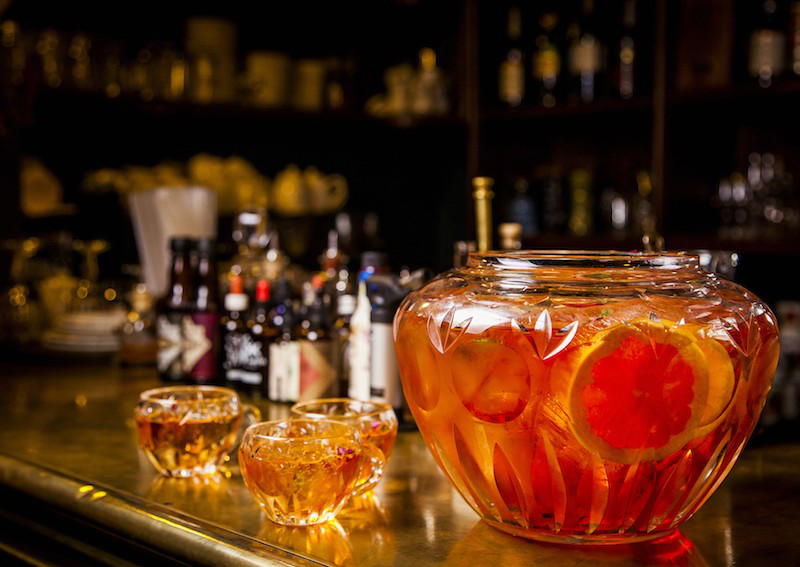
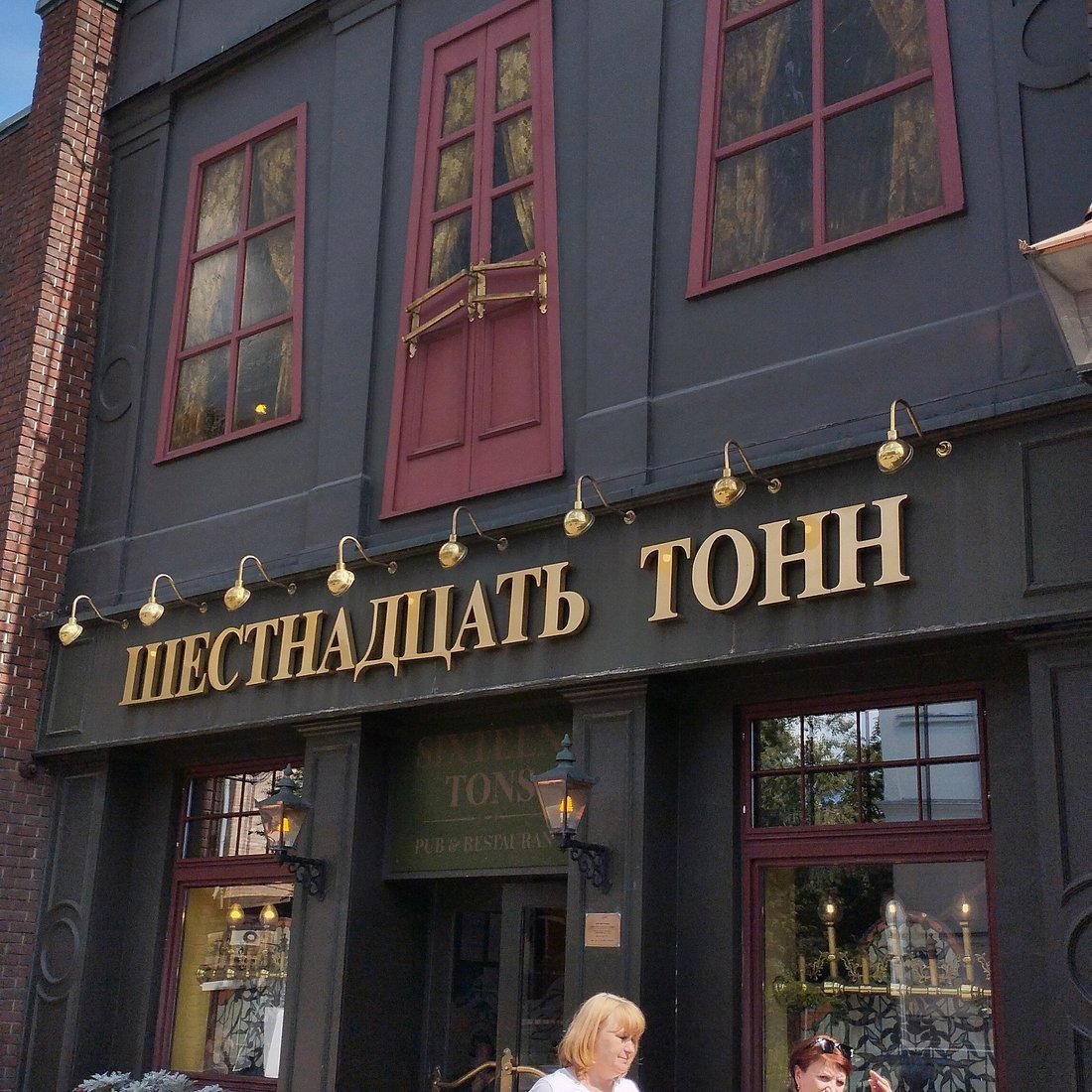
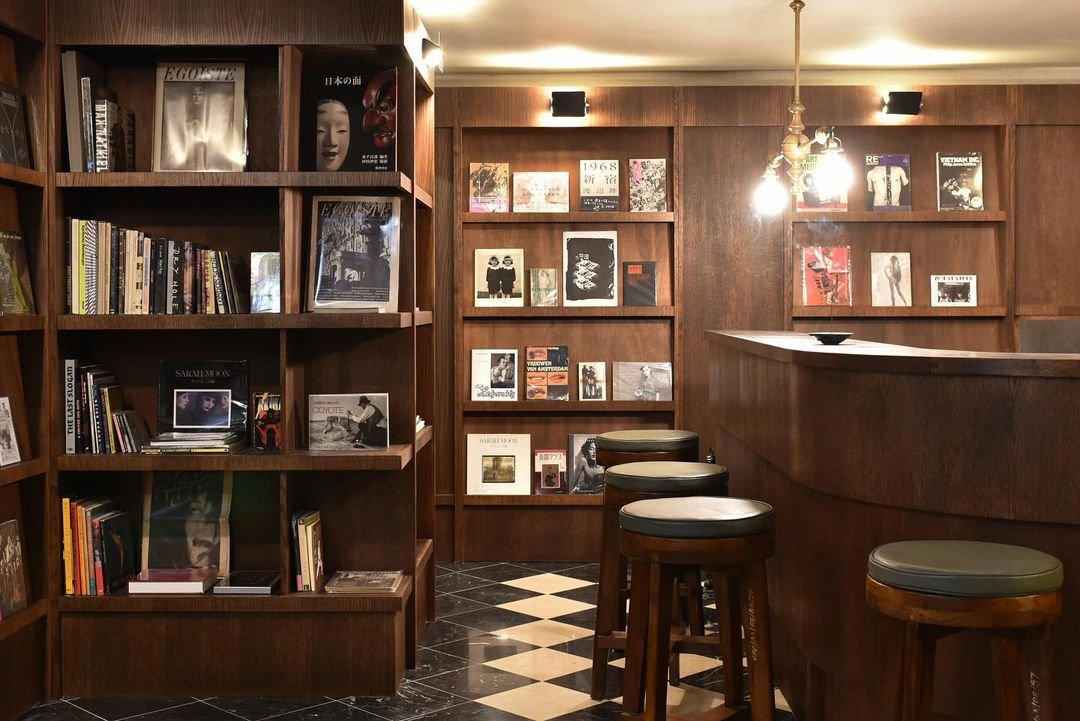
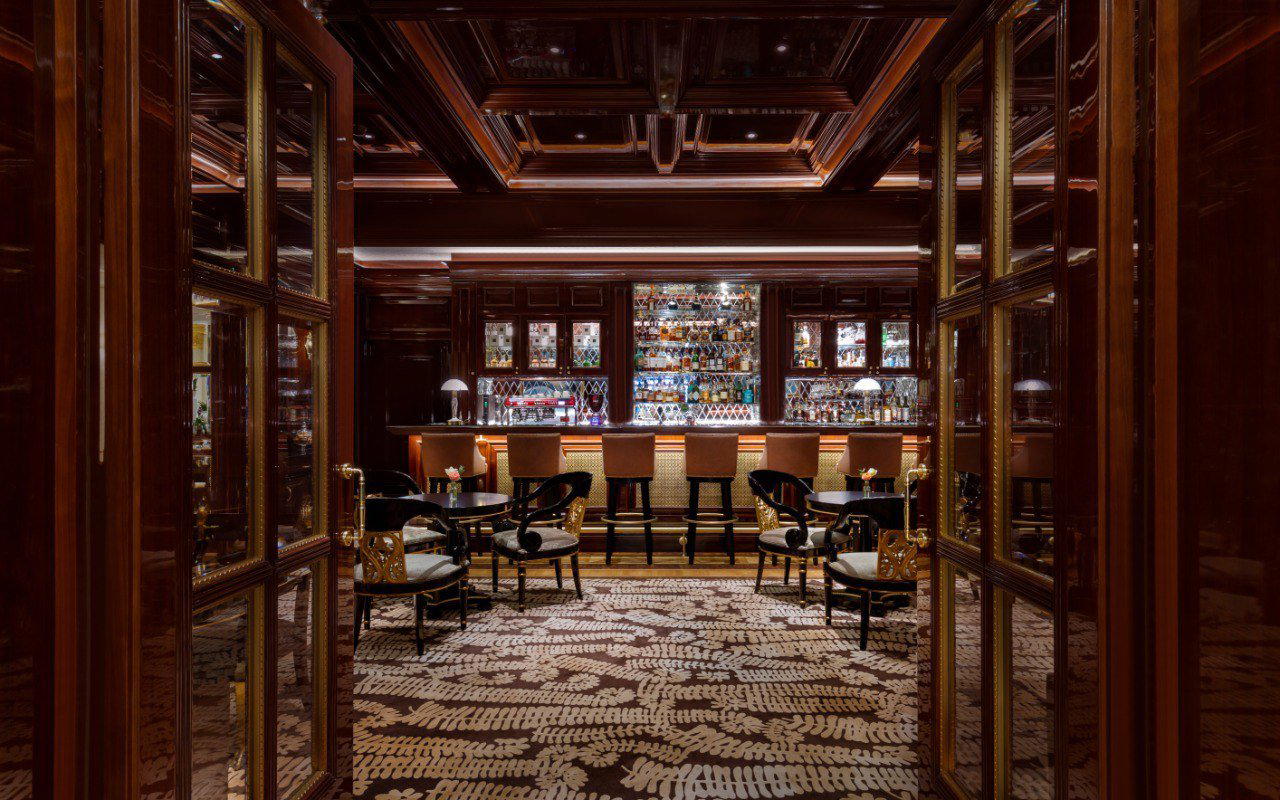
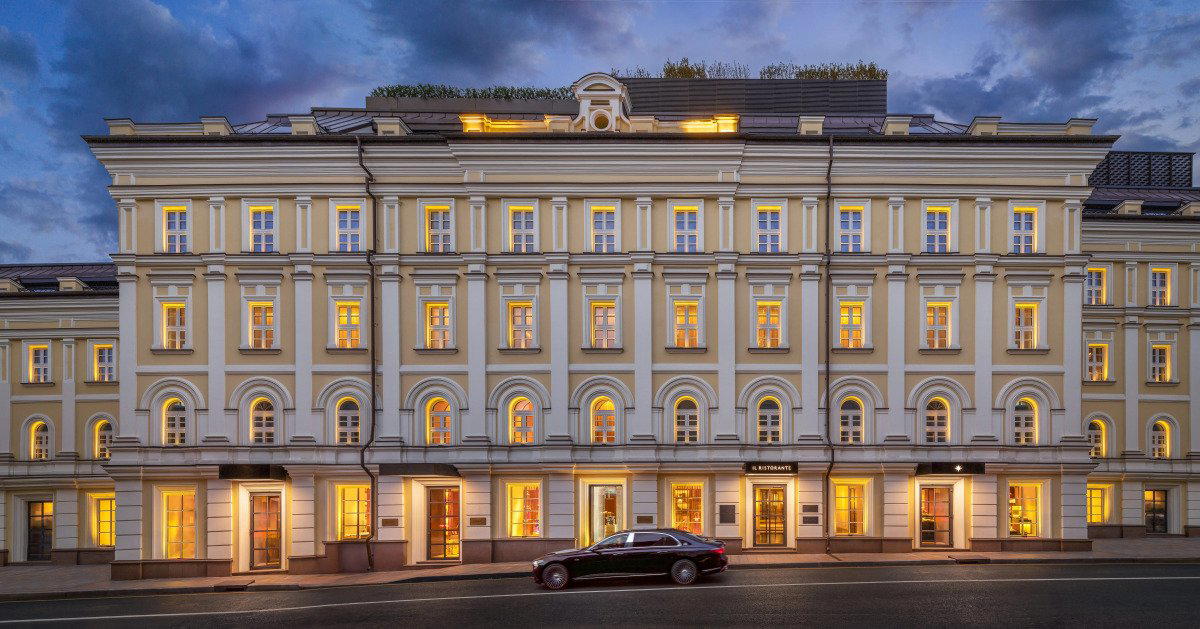
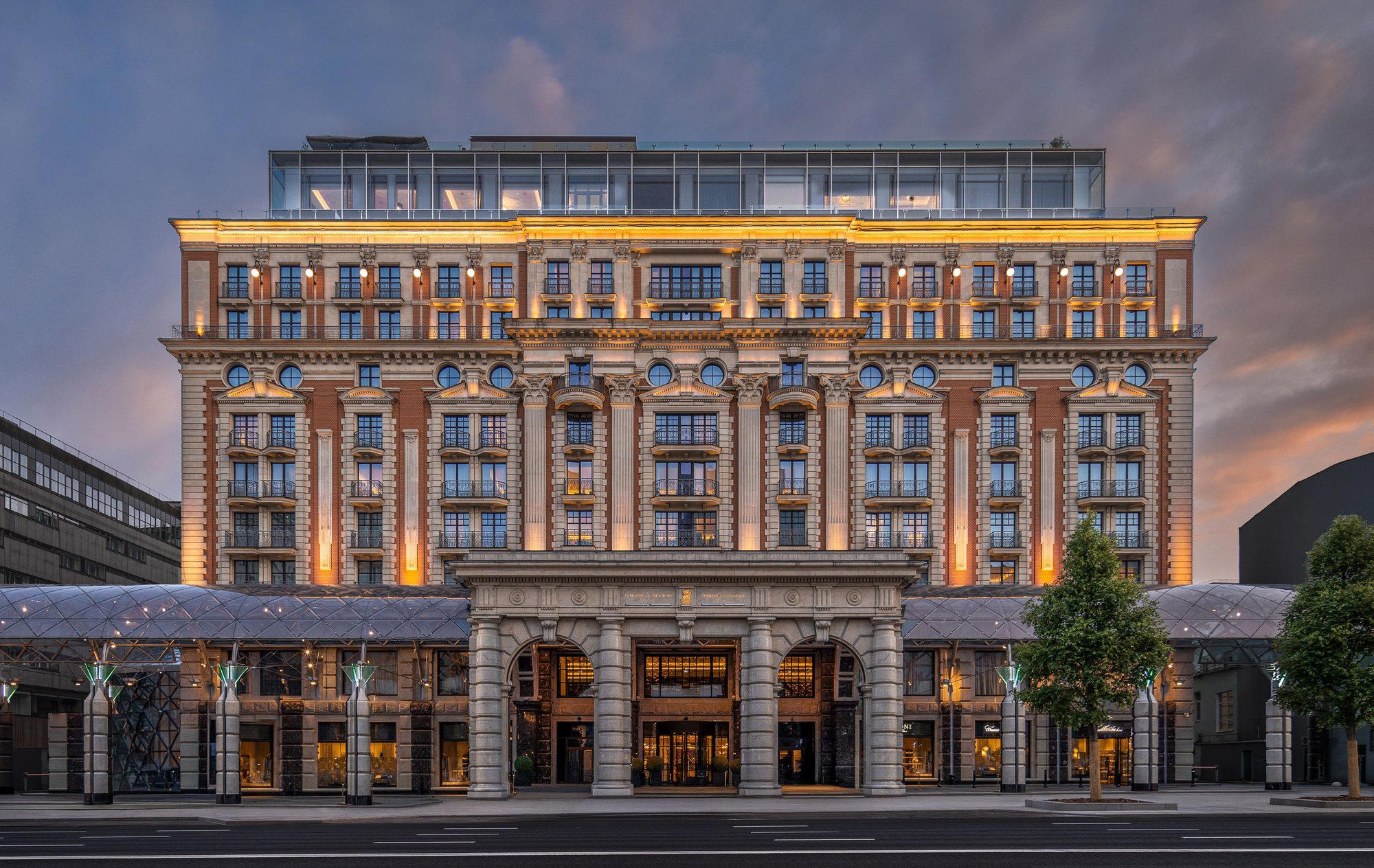
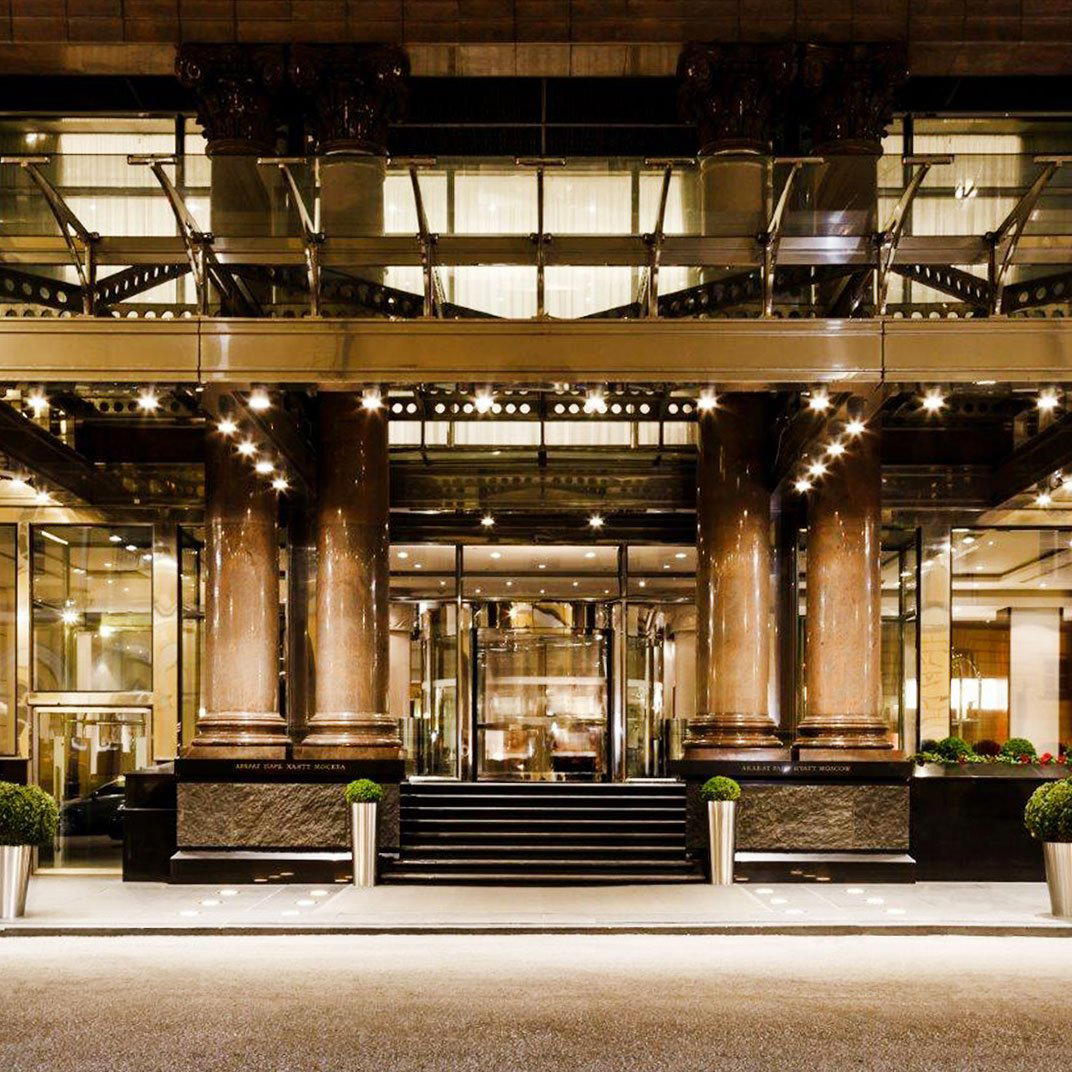
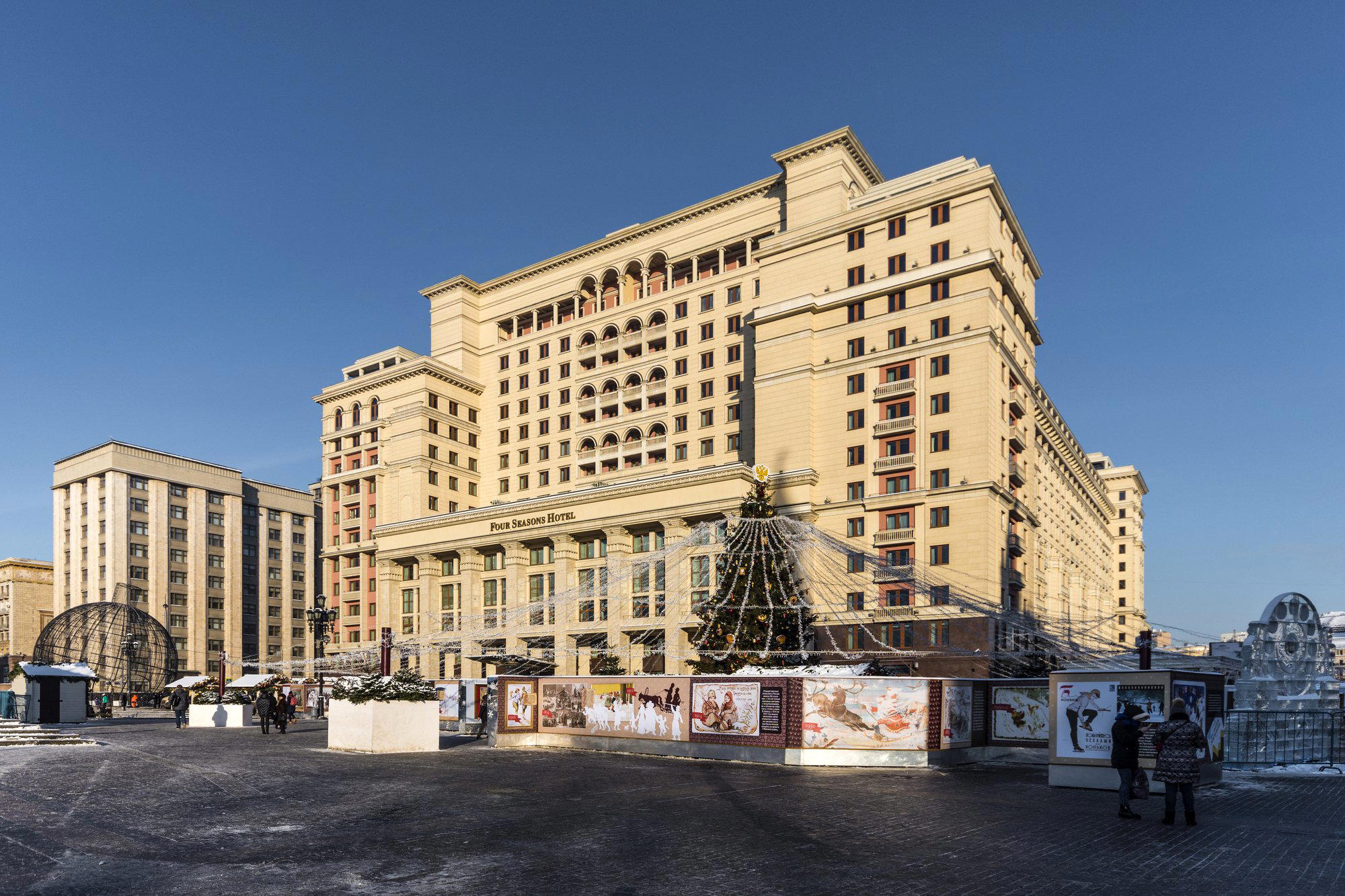
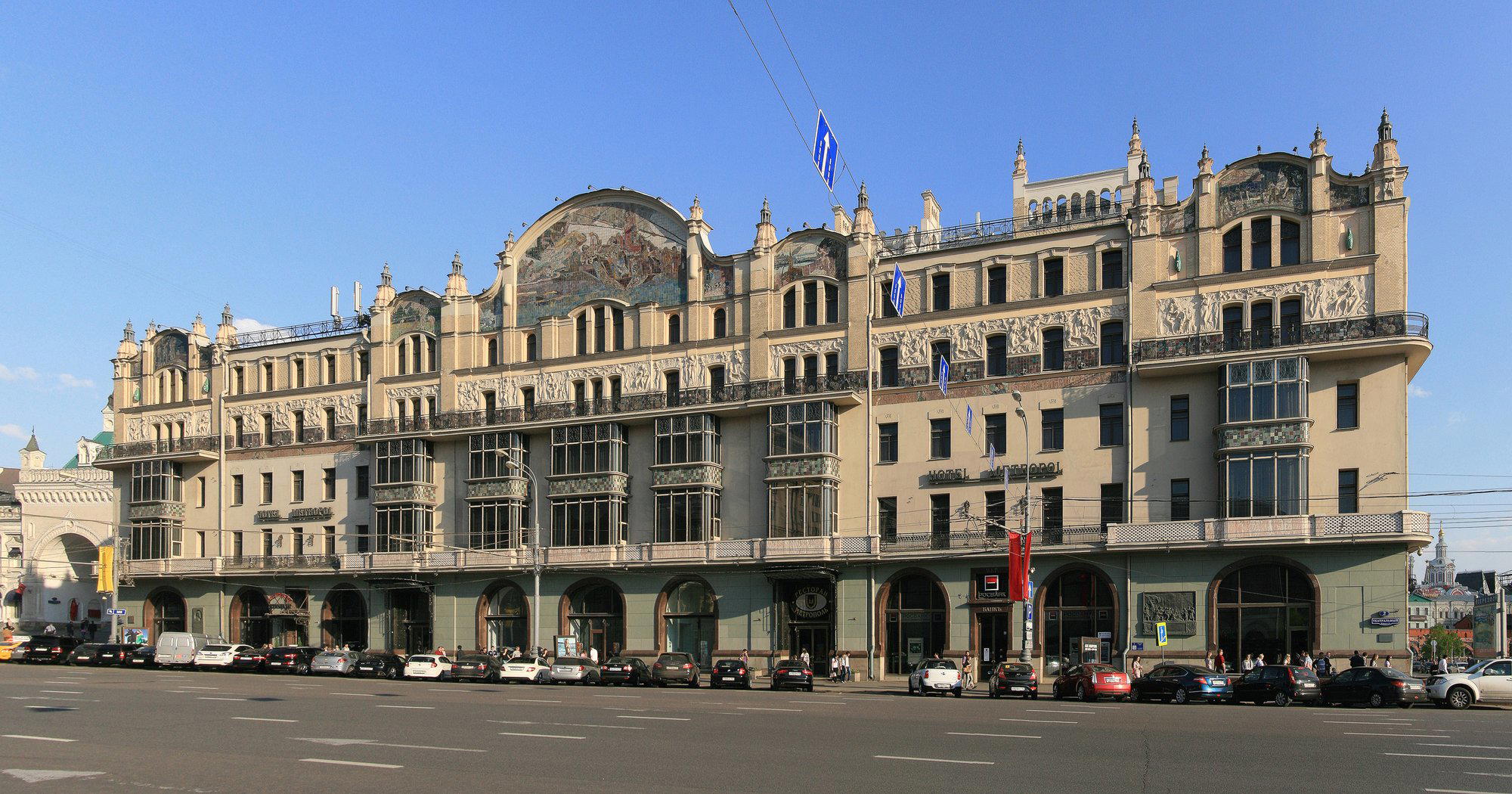
Magnum Wine Bar
The wine
Magnum Wine Bar holds the Wine Spectator Award of Excellence, which Wine Spectator gives to lists of usually 90 or more selections.
- Wine program
- Deep wine list
- Wine Spectator
- Wine Spectator Award of Excellence
- Extensive wine list
Details
- Elegant
- Cozy
- Sophisticated
- Modern
- Intimate
- Date Night
- Business Dinner
- Casual Hangout
- Brunch
- Wine Cellar
- Extensive Wine List
- A La Carte
- Small Plates
- Wine
- Vegetarian Friendly
- Vegan Options
- Gluten Free Options
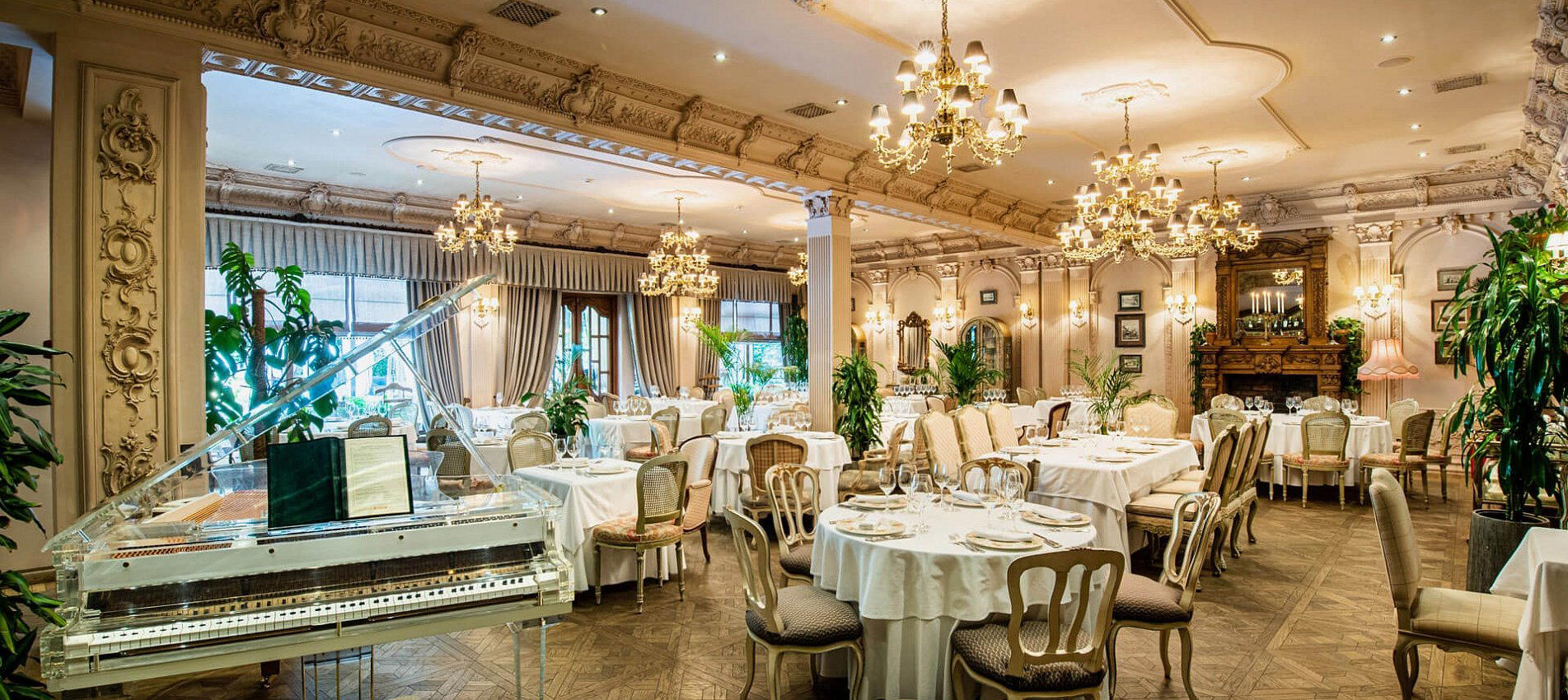
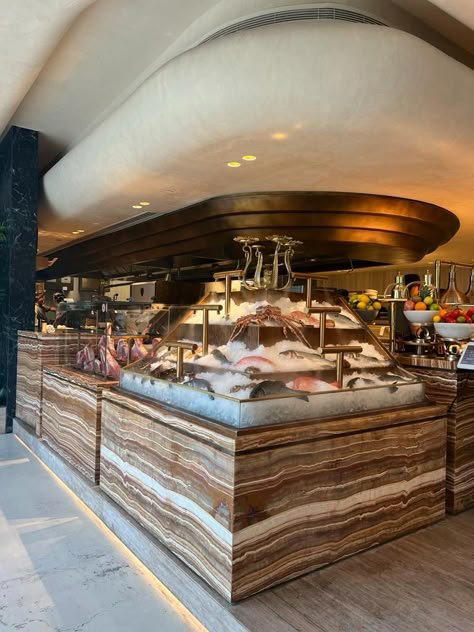
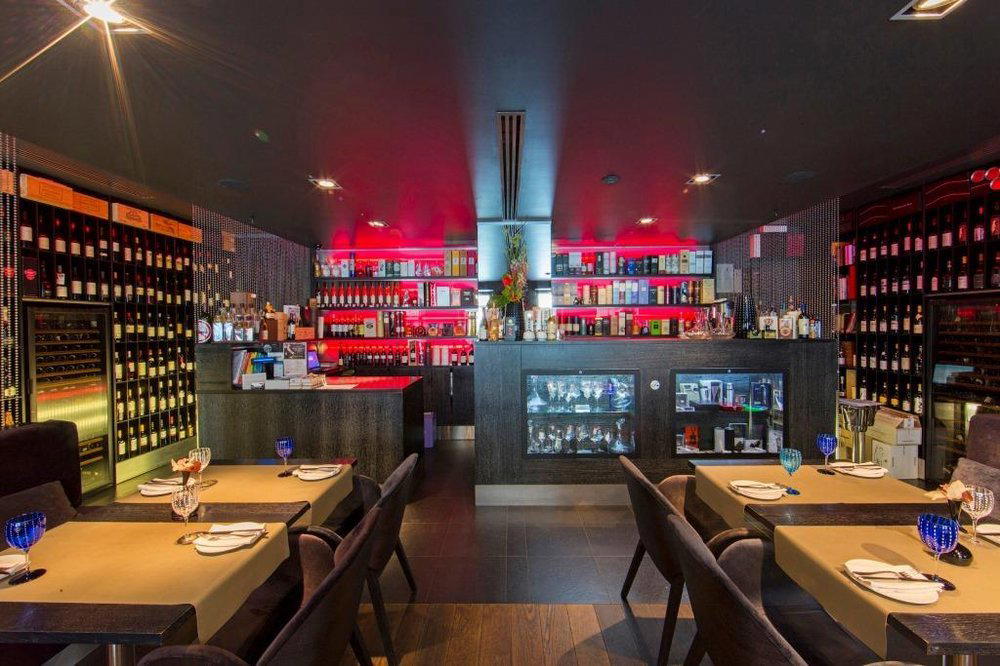
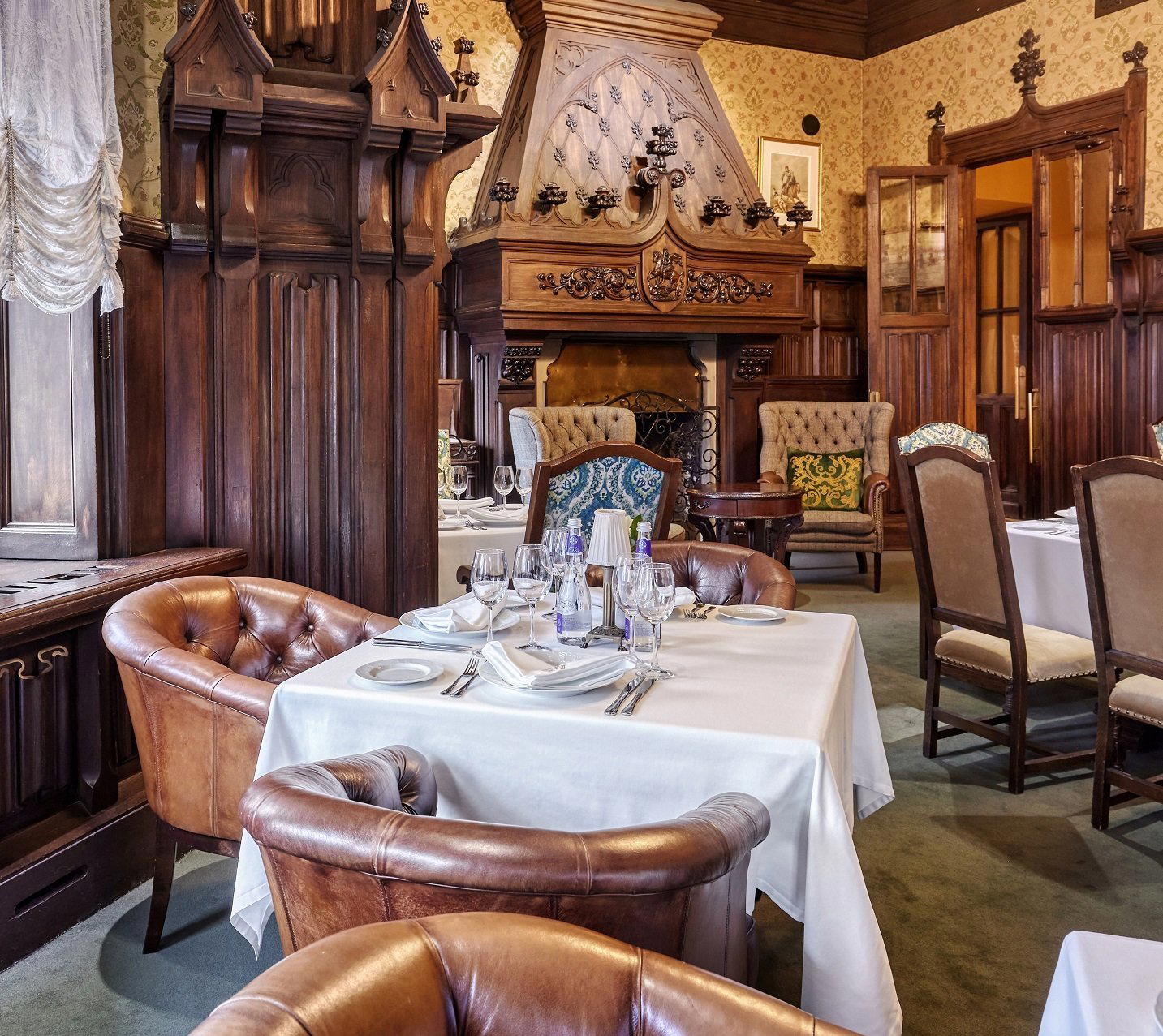
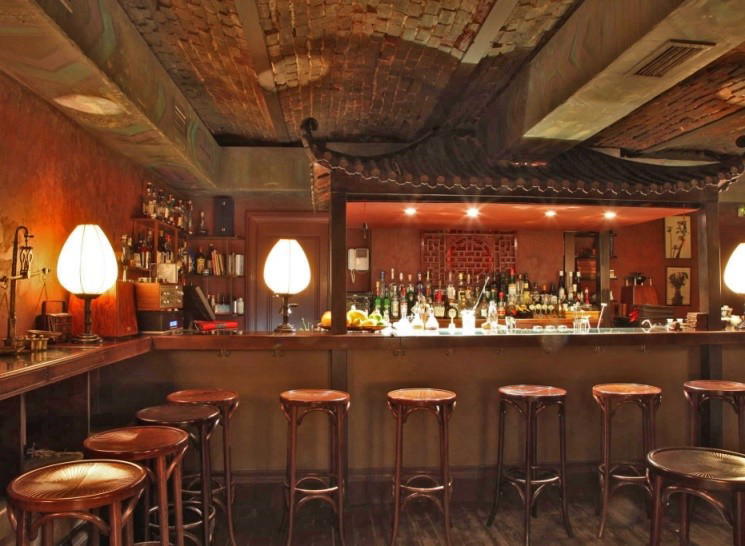
Enchanting homey European atmosphere with superb decoration, comfortable, cozy, classy, and modestly chic interior.