
Tabelog Bronze #78
Our verdict
Moriyama is not usually the first Shiga city outsiders associate with destination dining, which makes Fukunaga’s meat-focused reputation more pointed. The draw is Omi beef handled in a reservation-only format, backed by repeated Tabelog Bronze recognition and a compact 14-seat room that keeps the experience closer to a specialist counter than a casual steak stop.

Pearl is the En Primeur Club membership app — saves, bookings, and concierge access live there. Same editors, same standards.
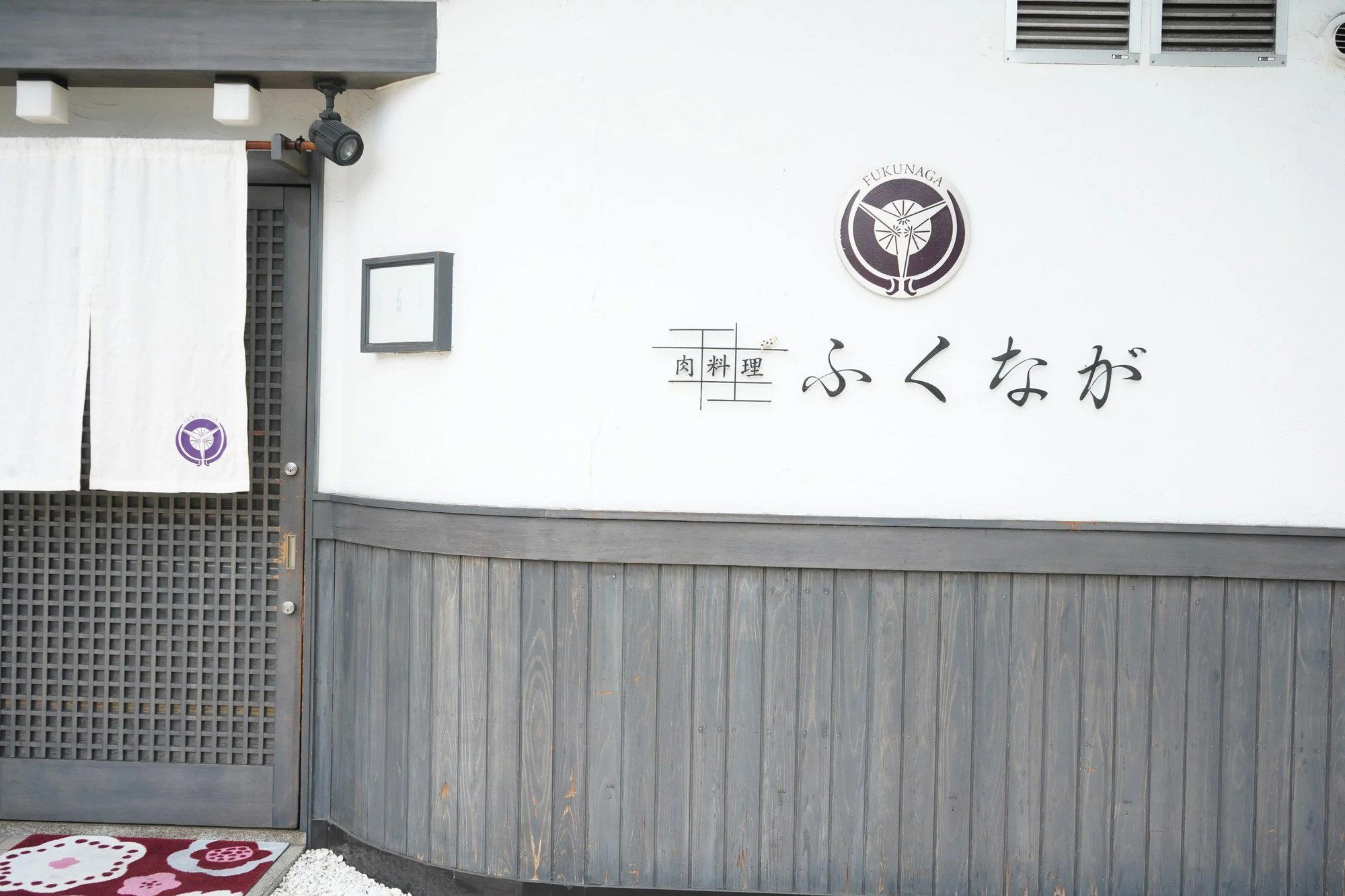
Approaching a small meat restaurant in Moriyama changes the rhythm of eating in Shiga. This is not Kyoto’s temple-side kaiseki theatre or Osaka’s loud grill culture; the room is compact, the format controlled, and beef reads as a local agricultural product rather than a luxury cliché. In a prefecture many travellers associate with Lake Biwa and old post towns, Omi beef gives the table a sharper regional identity. Fukunaga belongs to the narrow category of Japanese restaurants where sourcing is the argument: the meal turns on the animal’s reputation, the handling of the cut, and the discipline of a small service.
The useful comparison is not casual yakiniku chains, but ingredient-led Japanese dining rooms that require advance commitment. Fukunaga operates by reservation only and has 14 seats, putting pressure on planning and execution. Its Tabelog profile lists beef dishes, steak, and hamburger steak, a plain taxonomy that undersells the point: in Shiga, beef can carry the regional weight that crab carries in Hokuriku winter or tuna at serious Tokyo counters. The restaurant’s Tabelog Award Bronze run from 2022 through 2026, plus selection for Tabelog Steak 100 in 2021, makes that reputation measurable rather than merely local.
Omi beef as the centre of gravity
Japan’s wagyu culture is often flattened into marbling scores and brand names, but Omi beef has a longer regional story than most visitors realise. Raised around Shiga and historically tied to the old routes between Kyoto and the lake basin, it has a local identity that predates modern wagyu tourism. A meat restaurant in Moriyama therefore makes sense in a way a luxury steakhouse import does not: the ingredient is close to home, and the cooking format can stay narrow.
That narrowness is part of the appeal. The restaurant’s public classification covers beef dishes, steak, and hamburger steak, with sake and wine listed for drinks. There is no need to inflate this into a grand tasting-menu narrative. The more interesting point is how a restaurant outside Japan’s largest dining capitals can earn repeat national recognition by focusing on one ingredient category and running a low-seat-count service. At this tier, the question is not variety, but whether sourcing, cooking, and pacing justify destination planning.
Moriyama’s dining map sharpens the contrast. Nearby W. Bolero Moriyama honten sits in a much lower everyday price band, defining Fukunaga as a deliberate meal rather than a casual stop between trains. For broader city planning, Our full Moriyama restaurants guide gives the restaurant context, while Our full Moriyama hotels guide, Our full Moriyama bars guide, Our full Moriyama wineries guide, and Our full Moriyama experiences guide fill in the rest of the trip rather than treating dinner as an isolated booking.
A small-room steak format with national recognition
The repeated Tabelog Bronze recognition matters because Japan is crowded with specialised counters and small dining rooms that rarely reach English-language coverage. A 4.29 Tabelog score in 2026, attached to a restaurant in Moriyama rather than Ginza, Gion, or Kitashinchi, says something about how Japanese diners rank ingredient-led cooking beyond the usual inbound circuit. It also explains why the reservation structure is part of the experience, not an administrative detail.
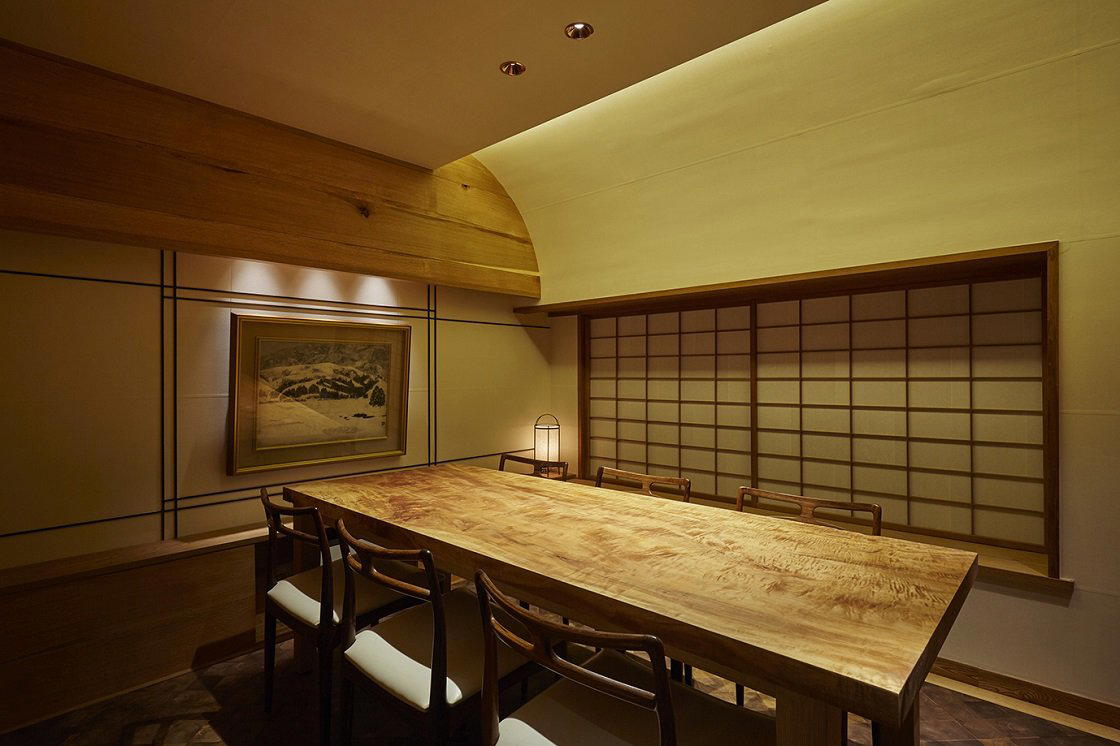
The room’s scale shapes the meal. Fourteen seats, private-room availability for eight, non-smoking policy, counter seating, tatami room, and sunken seating indicate a restaurant built for controlled groups and business meals as much as couples chasing wagyu prestige. That mix is common in serious Japanese meat restaurants: the setting must handle conversation, pacing, and smoke-free comfort while keeping attention on the grill and plate. It is quieter than a high-volume yakiniku room, and more regionally specific than an international steakhouse.
Price clarifies the decision. Listed budgets place dinner at JPY 15,000 to JPY 19,999 and lunch at JPY 8,000 to JPY 9,999, with review-based averages higher. Those figures make it a planned meal, especially in Moriyama, where many visitors think more about train convenience than destination dining. The value proposition rests on Omi beef, repeat awards, and the small format, not breadth or spectacle.
How to read Fukunaga against Japan's meat-dining spectrum
Japanese beef dining splits across casual hamburger steak shops, yakiniku rooms, sukiyaki and shabu-shabu specialists, counter-style wagyu menus, and Western-leaning steakhouses. Fukunaga sits near the specialist end, where sourcing and format matter more than menu sprawl. Travellers comparing meat-led experiences might look at -Grilled beef Sukiyaki- KAMAKURA TANUKIAN 鎌倉 たぬき庵 in Kamakura for a sukiyaki reference point, or #肉といえば松田 奈良本店 in Kashihara for another meat-first Japanese address. These comparisons show how broad the category becomes once beef moves beyond the generic steakhouse frame.
For a broader Japan itinerary, the contrast sharpens against seafood, curry, café, and bar formats: . 鮪と炭火焼き うお炭 秋葉原店 in Tokyo.cafe in Osaka.know in Kumamoto, (Shoku) Vietnam in Kawasaki, [Curry Senmon Ten] Maruyama Kyoju. in Sapporo, [ki:] in Kyoto, 1/3 HAMBURGER FACTORY in Kanazawa, and 1000 in Yokohama all point to different kinds of Japanese dining specificity. Even outside Japan, focused formats matter: Jōdo Saké Bar in Los Angeles and Onigiri Time in Pasadena show how Japanese categories travel when reduced to a clear idea.
The verdict is simple: this is a Moriyama booking for travellers who care about Omi beef as a regional product and prefer a small, structured room to a casual grill night. The evidence is concrete: repeat Tabelog Bronze awards, a 2026 score of 4.29, reservation-only service, 14 seats, and pricing that signals a destination meal by local standards. In Shiga, that combination gives beef the focus many visitors wrongly reserve only for Kyoto kaiseki.
Frequently asked questions
Is Fukunaga child-friendly?
Fukunaga says no reservations are accepted for preschool children, so it is not set up for very young diners. The room has 14 seats, and the format is reservation only at 2 Chome-3-7 Moriyama, Shiga.
Is Fukunaga better for a quiet night or a lively one?
Quiet suits it better. The 14-seat room, counter seating, and private room for eight point to a restrained setting rather than a lively one, which fits a dinner booked at this Moriyama address.
When is Fukunaga open?
Hours at Fukunaga: Wed, Thu, Fri, Sat, Sun 11:30 - 14:00 18:00 - 21:00.
Where is Fukunaga located?
Fukunaga is located in Moriyama.
What has Fukunaga built its reputation on?
Omi Beef and repeated Tabelog recognition. The restaurant’s record includes Tabelog Bronze awards in 2022, 2023, 2024, 2025, and 2026, plus a Tabelog Steak "Tabelog 100" selection in 2021.
What if I have allergies at Fukunaga?
With reservation-only service, the cleanest approach is to mention allergies when booking by phone at 077-596-5125. Fukunaga also lists a website, and advance notice matters in a room that serves beef dishes, steak, and hamburger steak.
Fast Comparison
Comparable venues by cuisine and price in the same metro.
| Venue | Cuisine | Price | Awards | Notes |
|---|---|---|---|---|
| FukunagaThis venue — the venue you are viewing | Omi Beef Steakhouse | $150–200 | Tabelog Bronze #78 | Not listed |
| W. Bolero Moriyama honten | French Patisserie & Cafe | Not listed | Not listed | Moriyama |
| とんかつ かつ麦 | Tonkatsu & Tororo | $10–20 | Not listed | Moriyama |
| Unagi Hirokawa | Grilled Unagi Specialist | $30–50 | Tabelog 100 #93 | Ukyō |
| Roan Matsuda Sasayama | Michelin-Starred Soba Kaiseki | $100–150 | Tabelog Bronze #373 | Maruyama, Tanba Sasayama |
| Okuniya Manbei Unagi | Kansai-Style Unagi Kabayaki | $50–100 | Not listed | Nakagyo-Ku |
Recognition history
Dated appearances from independent guides and award organizations, with the underlying list record or original source where available.
Tabelog Bronze #78
Tabelog
Full recognition history (2 entries)
Tabelog Bronze
Tabelog
Continue exploring
More in Moriyama
Restaurants in Moriyama
All restaurants in Moriyama →
Bars in Moriyama
Browse all →


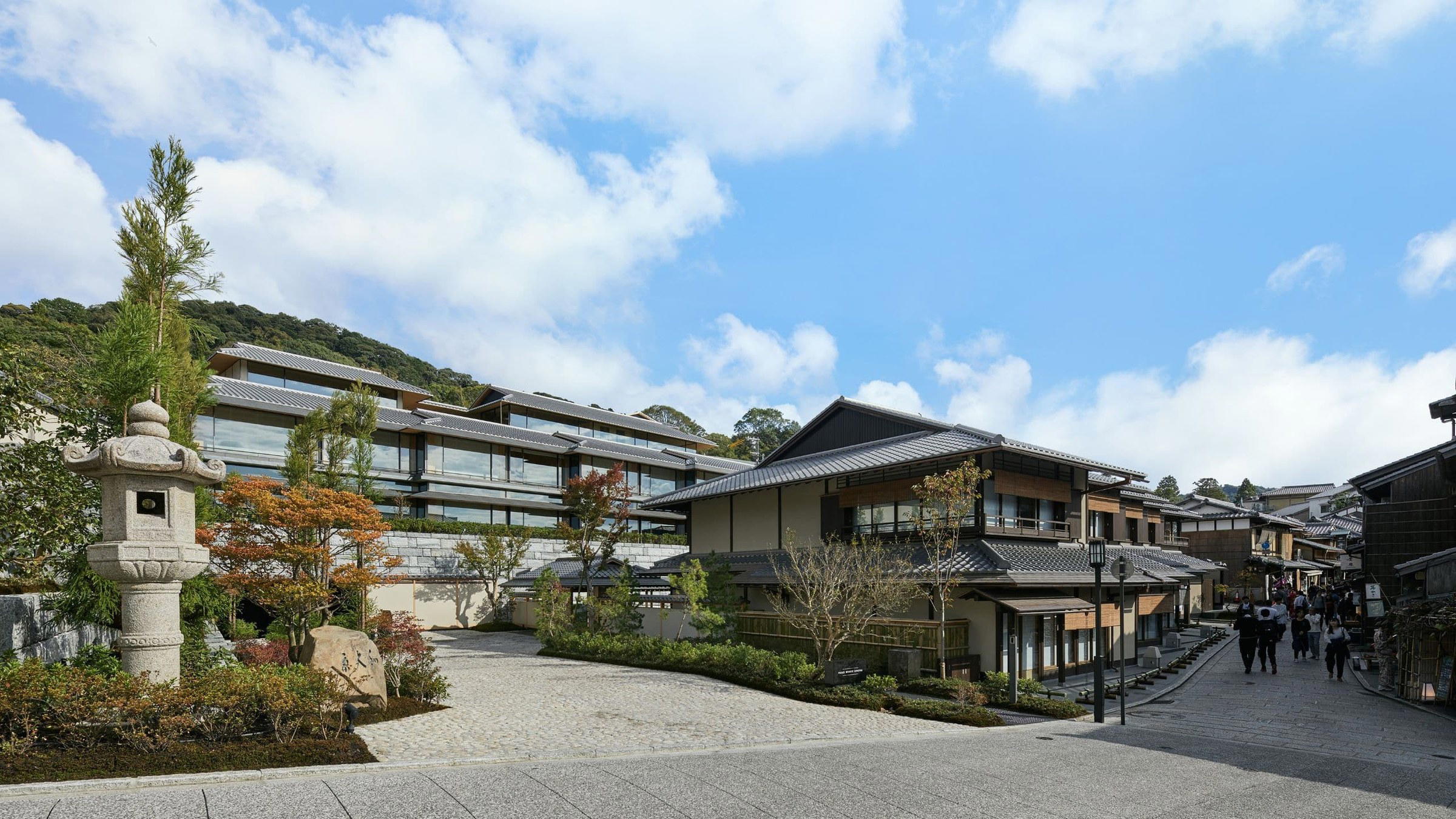
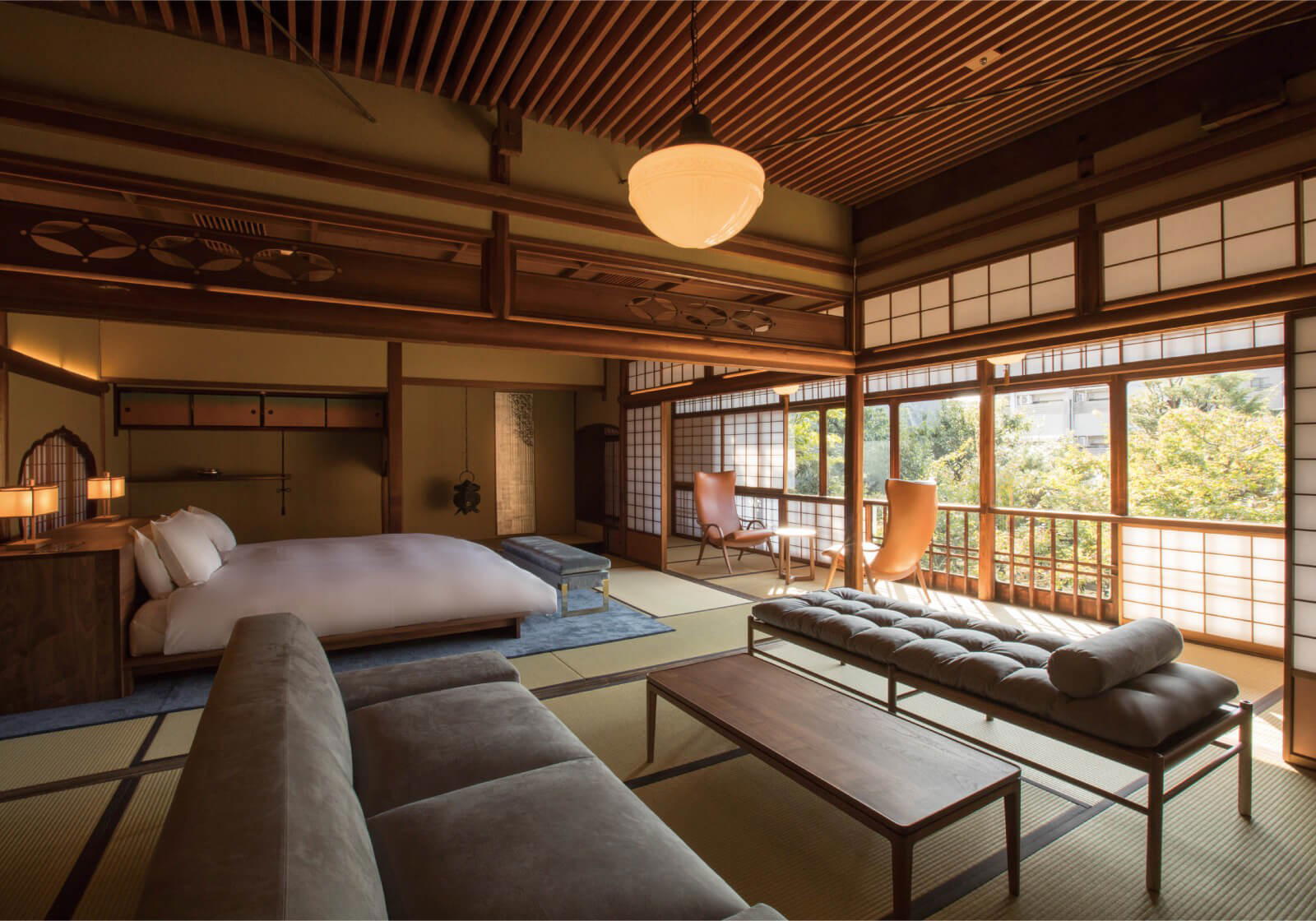
Hotels in Moriyama
Browse all →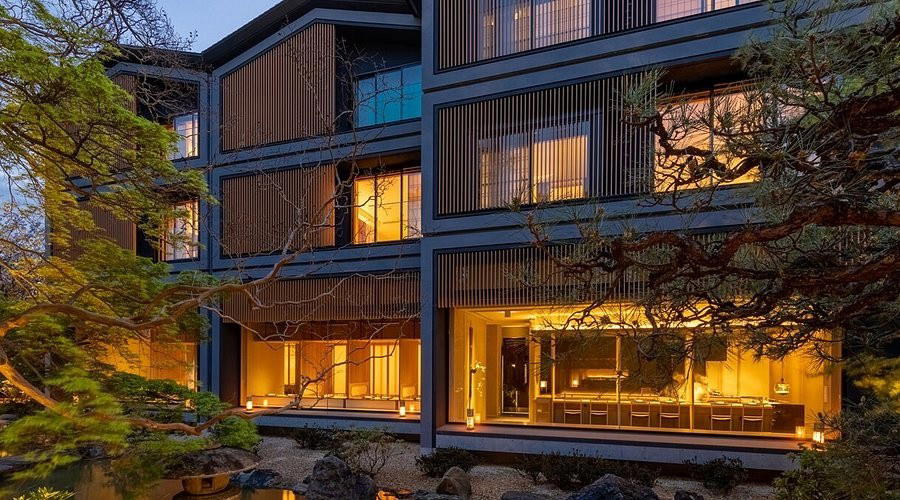

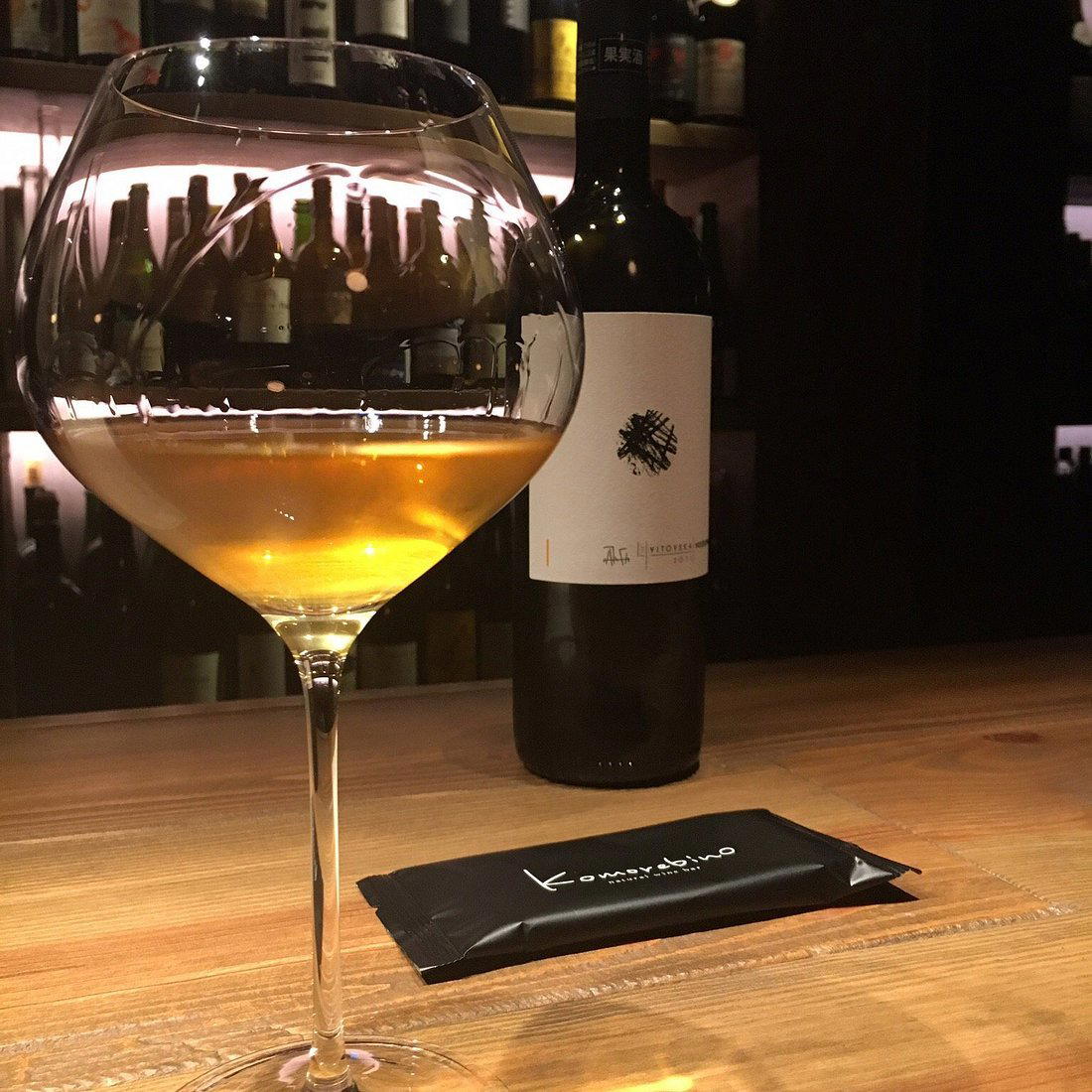
Wineries in Moriyama
Browse all →
Details
- Elegant
- Cozy
- Sophisticated
- Date Night
- Special Occasion
- Private Dining
- Sake Program
- Local Sourcing
- A La Carte
Current opening hours
- Monday
- Closed
- Tuesday
- Closed
- Wednesday
- 11:30 AM–2 PM, 6–9 PM
- Thursday
- 11:30 AM–2 PM, 6–9 PM
- Friday
- 11:30 AM–2 PM, 6–9 PM
- Saturday
- 11:30 AM–2 PM, 6–9 PM
- Sunday
- 11:30 AM–2 PM, 6–9 PM
Hours can change for holidays and private events. Last verified .
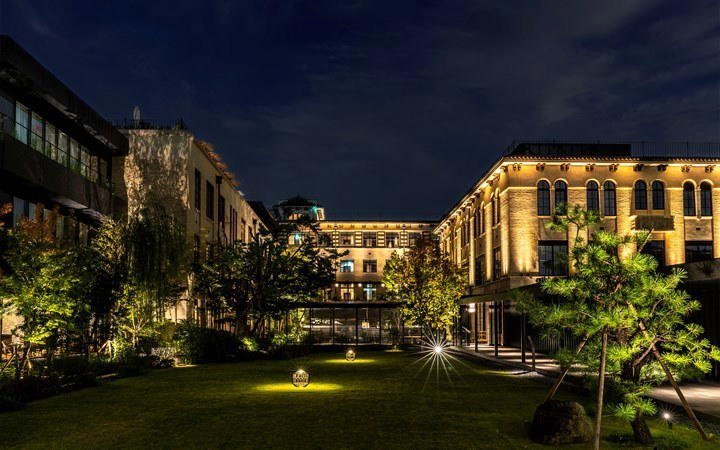
Spacious and relaxing with counter seating, tatami private rooms, and stylish atmosphere.