
Kyoto’s wagashi culture is not only a tea-ceremony inheritance; it is also a daytime ritual of shop counters, seasonal sweets, shaved ice, and small family tables. Okashi Tsukasa Nakamura Ken belongs to that practical Kyoto category, with Tabelog 100 recognition for Japanese traditional sweets and a format that reads more like a local sweets house than a destination tasting room.
Pearl is the En Primeur Club membership app — saves, bookings, and concierge access live there. Same editors, same standards.
- Address
- 61 Katsuraasaharacho, Nishikyo Ward, Kyoto, 615-8021, Japan
- Phone
- +81 75-381-2650
- Website
- nakamuraken.co.jp
 Saves & bookings on Pearl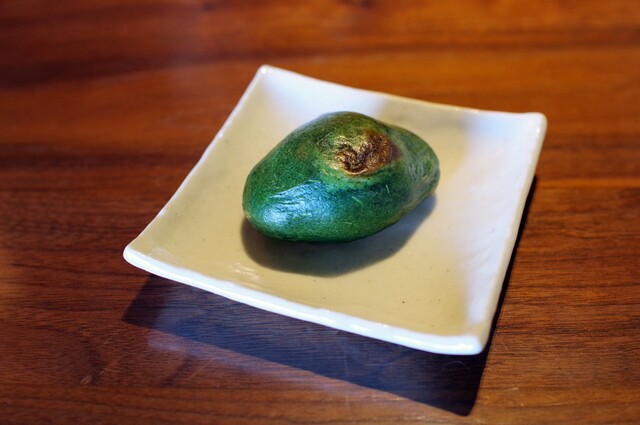
Kyoto sweets move more quietly than the city’s kaiseki mythology suggests. A wagashi shop asks for daylight, counter rhythm, and attention to texture between tea culture and everyday refreshment. Okashi Tsukasa Nakamura Ken fits that register: a cafe for Japanese sweets, traditional confectionery, and kakigori, where the meal is pause, season, and a small act of choosing.
Kyoto dining often tilts toward reservations, tasting menus, and choreographed counters. Sweets houses sit outside that pressure, part of the city’s softer infrastructure for families, friends, and travellers who know wagashi is not a dessert afterthought in Japan. It has its own grammar: bean paste, rice, shaved ice, grilled textures, tea-adjacent pacing, and Kyoto’s centuries-refined seasonal logic. The point is restraint carried by craft, not excess.
Wagashi as a Kyoto daytime ritual, not an after-dinner extra
Read Okashi Tsukasa Nakamura Ken through ritual rather than category. In Kyoto, traditional sweets bridge temple wandering, market errands, train transfers, and family afternoons, making the format more accessible than formal dining but no less serious. The city’s confectionery tradition is tied to tea practice, seasonal gifting, and local preferences for precision over spectacle. A cafe serving Japanese sweets and kakigori belongs to that continuum, especially with selection for Tabelog’s Japanese traditional sweets and Japanese sweets cafe WEST 100 list in 2023, plus earlier Tabelog Sweets 100 selections across multiple years.
That recognition matters in western Japan’s crowded wagashi field, where Kyoto has old-line confectioners, temple-side sweet shops, tea houses, and summer shaved-ice counters. Tabelog 100 placement signals specialist consistency, not broad restaurant popularity. It separates the shop from Kyoto’s casual noodle and lunch addresses such as Ryuhei Soba, Menya Sanda, and Muginoyoake, which occupy the city’s low-to-mid budget meal tier but answer another appetite. Soba and ramen solve lunch. Wagashi sets the cadence around a break.
That distinction helps planning. A sweets cafe does not replace a full meal at a tempura counter such as Tempura Kawatatsu, nor the protein-led lane of Kuishinbo Yamanaka. It works between bookings, or instead of another cafe stop when the aim is Kyoto through confectionery rather than coffee culture. For broader planning, Our full Kyoto restaurants guide gives the dining map, while Our full Kyoto hotels guide, Our full Kyoto bars guide, Our full Kyoto wineries guide, and Our full Kyoto experiences guide place a sweets stop into the itinerary.
The craft signal is format discipline, not luxury theatre
Kyoto has many rooms designed to announce importance. This category earns trust through repetition, ingredient handling, and seasonal usability. Okashi Tsukasa Nakamura Ken’s profile is practical: a 50-seat, non-smoking room with counter seating, tatami space, take-out service, and family-friendly use. These details point to repeat local patterns as much as visitor curiosity.
The menu category matters. Japanese traditional sweets and kakigori occupy a technical zone where sweetness, temperature, chew, and aroma carry the experience. The public listing references grilled dumplings with white miso, sansho pepper, binchotan charcoal, and a per-skewer price, placing the craft in a Kyoto register of rice, miso, heat, and seasoning that keeps sugar from becoming blunt. Grilling begins at 11 AM, and items can sell out by early afternoon. Respect that narrow window not because scarcity creates glamour, but because small-batch sweets have tight service rhythms.
The room belongs closer to Kyoto’s living food culture than to its luxury circuit. Its comparison is not only other wagashi shops but casual specialists doing one thing with conviction. A visitor might build a compact day: sweets in Nishikyo Ward, a noodle stop elsewhere, then a separate evening reservation. Kyoto rewards that pacing; the city becomes less performative when meals are small, specific, and timed to natural service rhythm.
Readers tracking Japan’s casual-dining spectrum will see the contrast with 551蓬莱, where appeal sits in mass familiarity, or 3TOKU6MI Shijo karasuma ten, where the central-city context changes the decision. Kyoto also has smaller editorial outliers such as [ki:], Abbesses, and Aburi Mochi Honke Nemoto Kazariya, each showing how focused formats carry neighbourhood identity.
How to use it in a serious Kyoto itinerary
The mistake is treating wagashi as a quick sugar stop after the important dining. In Kyoto, it deserves its own slot. Nishikyo Ward pulls the experience away from the densest hotel-and-temple corridor, changing the audience and mood. The nearest station context is Katsura, and the area suits western Kyoto plans better than a rushed detour from Higashiyama. The ritual improves with breathing room.
Reservations are unavailable, so timing replaces table strategy. Wednesday closure and daytime operating pattern make this a daytime plan, not an after-dinner fallback. The JPY 1,000 to JPY 1,999 price band is modest by Kyoto specialist standards and useful for families or travellers balancing a high-cost dinner elsewhere. Payment flexibility is broad for Japan: credit cards, transit IC, electronic money, and QR payments are accepted, while parking is listed for 10 cars. This is a serious sweets address that remains functionally local.
That local functionality is why the stop works. Kyoto refinement is not confined to tasting menus and formal service. It is also in daytime counters, sweets shops, and places where children are welcome without the food becoming careless. For readers comparing Japan itineraries beyond Kyoto, the same logic applies: a regional meal at -Grilled beef Sukiyaki- KAMAKURA TANUKIAN 鎌倉 たぬき庵 in Kamakura, a Tokyo izakaya-style stop such as. 鮪と炭火焼き うお炭 秋葉原店 in Tokyo, a cafe like.cafe in Osaka, or regional casual addresses such as.know in Kumamoto, (Shoku) Vietnam in Kawasaki, and [Curry Senmon Ten] Maruyama Kyoju. in Sapporo can teach as much about daily food culture as formal dining. Even outside Japan, focused formats such as Jōdo Saké Bar in Los Angeles and Onigiri Time in Pasadena show how specific Japanese food rituals travel when the format stays disciplined.
Okashi Tsukasa Nakamura Ken belongs in a Kyoto itinerary for readers who care about quieter food customs. Its case rests on category authority, Tabelog 100 recognition, daytime pacing, family usability, and a menu language rooted in Japanese sweets rather than Western cafe habits. In a city where many visitors over-program dinner, this stop makes the day feel more Kyoto.
Cuisine and Awards Snapshot
Comparable venues to calibrate price, style, and recognition.
| Venue | Cuisine | Price | Awards | Notes |
|---|---|---|---|---|
| Okashi Tsukasa Nakamura KenThis venue — the venue you are viewing | Traditional Kyoto Wagashi & Cafe | $ | , | |
| Daigokuden Honpo Rokkaku ten | Japanese Sweets Cafe | $ | , | Nakagyō |
| Honke Funahashiya | Japanese traditional sweets | $ | , | Nakagyō |
| Mitsubachi | Traditional Japanese sweets café (anmitsu & kakigori) | $ | , | Kamigyō |
| Mikura Ya | Traditional Kyoto Wagashi (Japanese confectionery) | $ | , | Kita |
| GOKKEI Ichijouji honten | Ultra-rich chicken paitan ramen | $ | , | Sakyō |
Continue exploring
More in Kyoto
Restaurants in Kyoto
Browse all →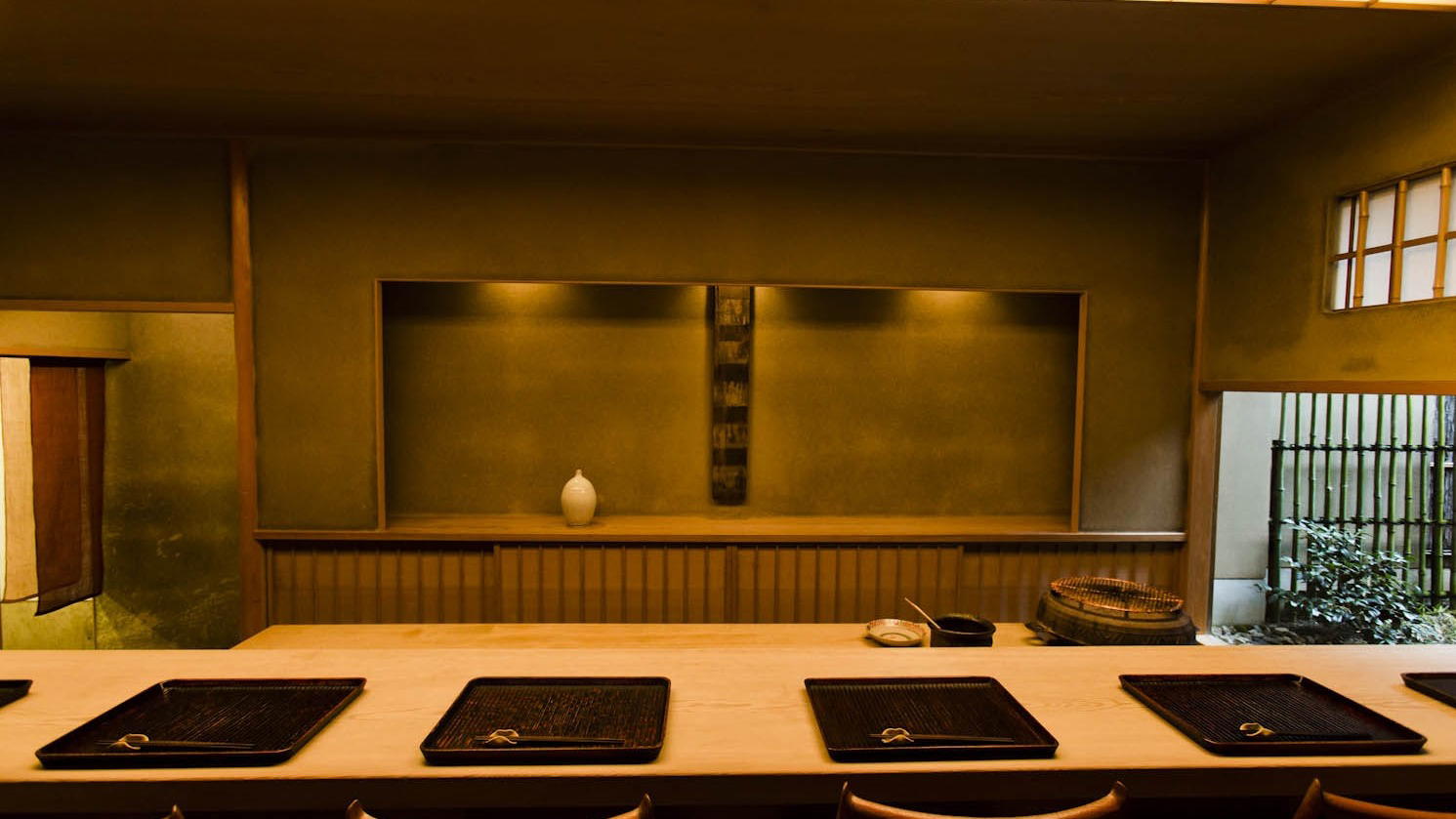
Bars in Kyoto
Browse all →
Hotels in Kyoto
Browse all →
Wineries in Kyoto
Browse all →
At a Glance
- Classic
- Cozy
- Iconic
- Solo
- Family
- Casual Hangout
- After Work
- Garden
- Historic Building
- Standalone
- Street Scene
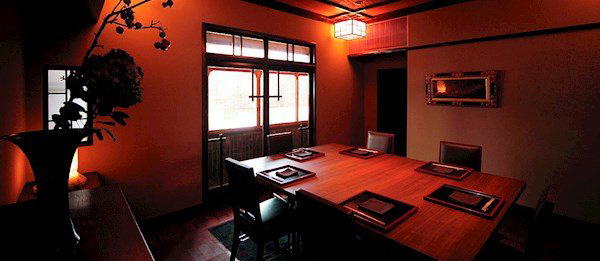
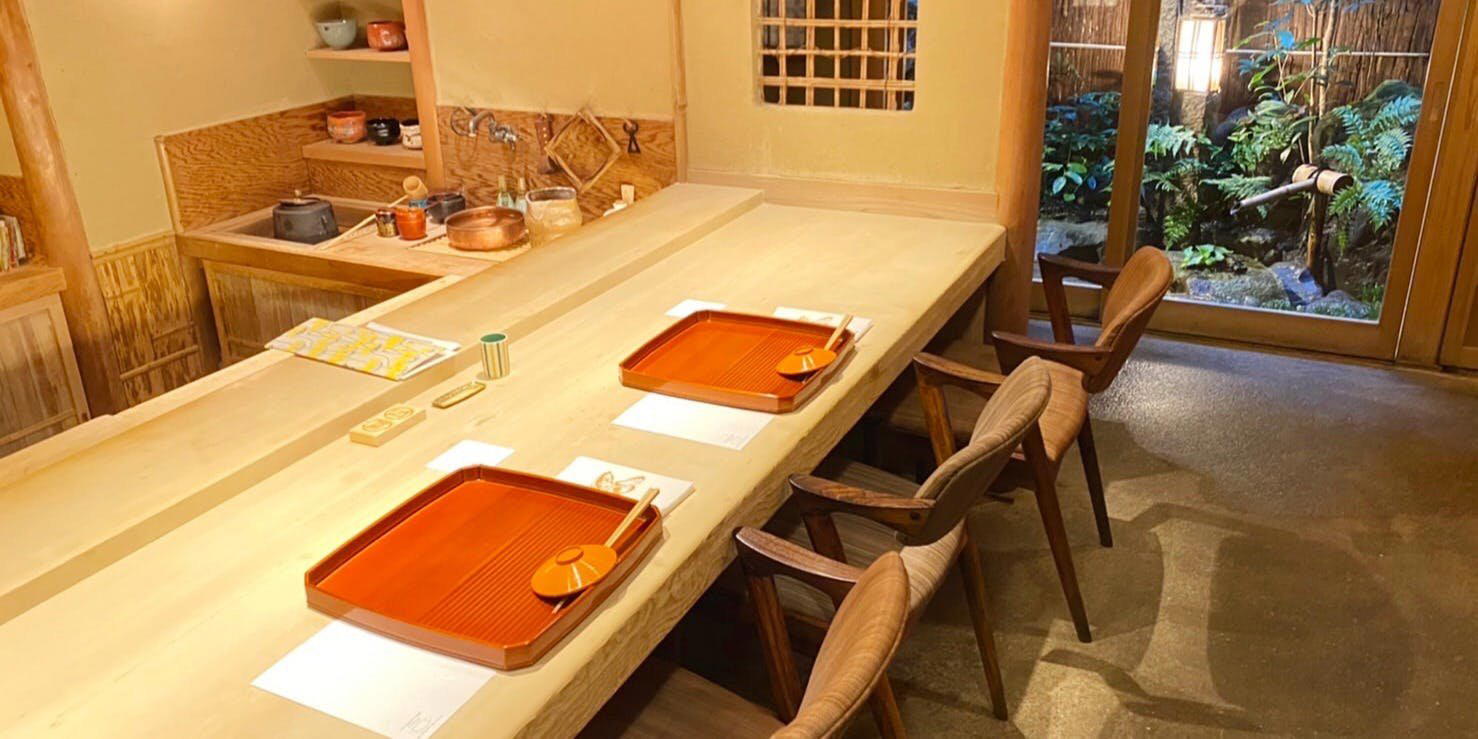
A classic Kyoto wagashi house with a home-like building, simple wooden interior, and relaxed tea space that feels calm and nostalgic rather than modern or flashy.