
Kyoto’s café culture treats sweets as architecture, not afterthought, and Kissho Karyo Gion honten sits in that lane with a menu built around kinako and Japanese confectionery. Its 2025 selection for Tabelog Cafe WEST “Tabelog 100” gives the Gion address a clear credential, while the format remains closer to a sweets salon than a full restaurant.
Pearl is the En Primeur Club membership app — saves, bookings, and concierge access live there. Same editors, same standards.
- Address
- Japan, 〒605-0066 Kyoto, Higashiyama Ward, Ishibashicho, 306
- Phone
- +81 75-708-5608
- Website
- kisshokaryo.jp
 Saves & bookings on Pearl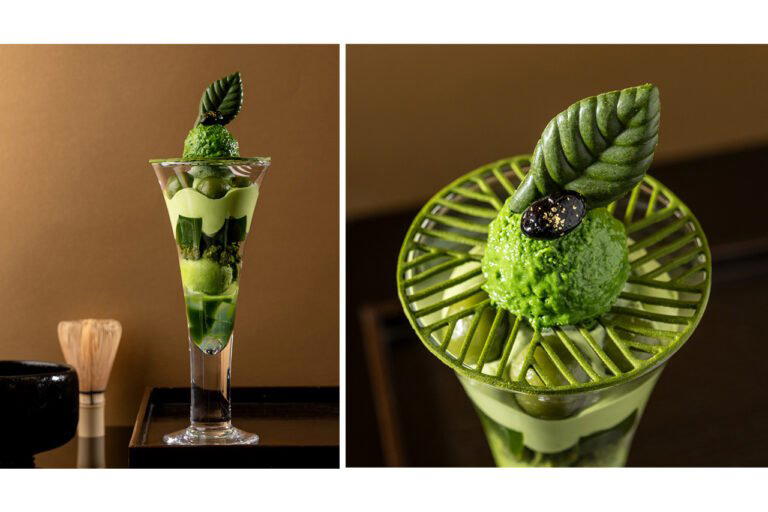
Approaching the Gion-Higashiyama side of Kyoto, the city’s dessert culture changes register. The pace slows from department-store counters and station sweets halls into a more deliberate style of café: table service, Japanese confectionery, and a menu that treats a single ingredient as a structural idea. Kissho Karyo Gion honten belongs to that Kyoto category, where kinako, roasted soybean flour, is not a garnish but the organizing principle.
That matters because Kyoto’s café scene is unusually layered. There are temple-adjacent mochi houses, polished patisserie rooms, kissaten with old-city rhythms, and contemporary Japanese sweets cafés built for afternoon pauses rather than long dinners. In that field, a café featuring Japanese sweets has to do more than serve tea and sugar. It needs a point of view clear enough to compete with the city’s deep wagashi tradition and accessible enough for travelers who may not know the difference between warabi mochi, parfait culture, and souvenir confectionery.
Kinako as the menu's center of gravity
The defining idea here is specialization. The café is identified with kinako sweets, with warabi mochi and a burnt kinako parfait named in its public description. Those two anchors explain the menu architecture better than a long list of items would. Warabi mochi points toward texture and restraint, the Kyoto language of chilled starch, powder, and tea. A kinako parfait points toward the modern café language of layering, height, and contrast, where Japanese flavors are arranged in a format closer to dessert-room theatre than formal wagashi service.
This is the useful lens for reading the room: not as a restaurant trying to cover lunch, dinner, and dessert, but as a specialist café where the menu narrows the field. Kyoto rewards that kind of focus. Aburi mochi has its own pilgrimage culture at Aburi Mochi Honke Nemoto Kazariya; casual regional staples pull a different crowd at 551蓬莱; and contemporary dining rooms such as [ki:] or Abbesses work from broader culinary vocabularies. A kinako-led café occupies a narrower slot: afternoon, sweets, Japanese ingredients, and a clearer sense of sequence than a takeaway counter.
The Tabelog Cafe WEST “Tabelog 100” 2025 selection gives that focus external weight. In Japan, café rankings can be noisy because the category stretches from coffee shops to dessert specialists, but this selection places Kissho Karyo Gion honten inside a regional conversation rather than a purely neighborhood one. The Tabelog score of 3.58 also signals a venue with meaningful local attention in a system where high café scores are not casually earned.
Gion café culture without the kaiseki price frame
Gion often gets flattened into a luxury dining shorthand, but the district’s daytime eating is more varied than the evening kaiseki image suggests. The stronger comparison is not with a high-counter sushi room such as Sushi Rakumi or a premium tasting-menu address such as Ito. It is with the city’s sweets and café circuit, where the decision is about tempo: a pause between temples and galleries, a dessert-led stop before dinner, or a low-commitment way to read Kyoto’s ingredient culture without entering a formal meal.
That positioning is useful for travelers building a day in Higashiyama. A yakitori dinner at Hiiragitei, an innovative meal at Shimmonzen Yonemura, or a mid-range Kyoto table such as Gion Morikou asks for a different appetite and schedule. A Japanese sweets café works as a hinge between those commitments. It gives structure to the afternoon without turning the day into a sequence of reservations and tasting menus.
The format also explains why family and friend occasions fit naturally here. Japanese sweets cafés in Kyoto often serve multiple audiences at once: local shoppers, visitors moving through Gion, and diners looking for a composed dessert rather than coffee alone. That mixed audience can make the room feel less formal than nearby fine dining while still keeping the experience specific to Kyoto. The absence of a chef narrative is not a weakness; in this category, the craft is carried by ingredient focus, texture, and the discipline of repetition.
How to place it in a Kyoto itinerary
For a city with dense dining options, the sharper move is to separate meals by role. Use a sweets café for the part of the day when a full lunch would blunt the evening. Keep dinner ambitions elsewhere, from the central Kyoto restaurant cluster around 3TOKU6MI Shijo karasuma ten to broader planning through Our full Kyoto restaurants guide. If the trip is being built across categories, pair the dining map with Our full Kyoto hotels guide, Our full Kyoto bars guide, Our full Kyoto wineries guide, and Our full Kyoto experiences guide.
There is a broader Japan pattern here too. Specialist casual venues can carry as much cultural information as formal rooms when their menus are tightly edited. That logic connects Kyoto sweets to other focused formats across the country, from.cafe in Osaka and.know in Kumamoto to [Curry Senmon Ten] Maruyama Kyoju. in Sapporo, (Shoku) Vietnam in Kawasaki, and. 鮪と炭火焼き うお炭 秋葉原店 in Tokyo. Outside Japan, the same editorial lesson applies at compact Japanese-format addresses such as Jōdo Saké Bar in Los Angeles and Onigiri Time in Pasadena: the tighter the premise, the easier it is to understand what the venue is contributing.
The case for Kissho Karyo Gion honten is therefore not grandeur. It is precision of category. Kyoto has many ways to spend an afternoon; this one makes sense when the reader wants Japanese sweets with a clear ingredient identity, a Gion setting, and recognition that places the café within the western Japan café conversation rather than the tourist-snack circuit.
For a wider day trip built around food rather than only Kyoto, -Grilled beef Sukiyaki- KAMAKURA TANUKIAN 鎌倉 たぬき庵 in Kamakura shows the opposite end of the casual-specialist spectrum: a savory format defined by beef and sukiyaki rather than confectionery. The comparison underlines the point. Japan’s mid-priced and casual categories are strongest when the menu tells the reader exactly what the kitchen exists to do.
Peers You’d Cross-Shop
Comparable options at the same price tier.
| Venue | Cuisine | Price | Notes |
|---|---|---|---|
| Kissho Karyo Gion hontenThis venue — the venue you are viewing | Kinako Japanese sweets cafe | $ | Not listed |
| Kyogashi Tsukasa Shojuken | Japanese Traditional Sweets | $ | Higashiyama |
| Housen Dou Honten | Japanese Sweets / Wagashi | $ | Sakyō |
| Gyoza Hohei Gion honten | Gyoza specialty shop | $ | Higashiyama |
| Amaguri no Shinise Hayashi Mansho Do Honten | Traditional Japanese chestnut sweets & cafe | $ | Nakagyō |
| Miyoshiya | Japanese Traditional Sweets | $ | Higashiyama |
Recognition history
Dated appearances from independent guides and award organizations, with the underlying list record or original source where available.
Tabelog 100 #80 · No. 80
Tabelog · Tabelog 100 - Cafe - WEST - 2025
Continue exploring
More in Kyoto
Restaurants in Kyoto
Browse all →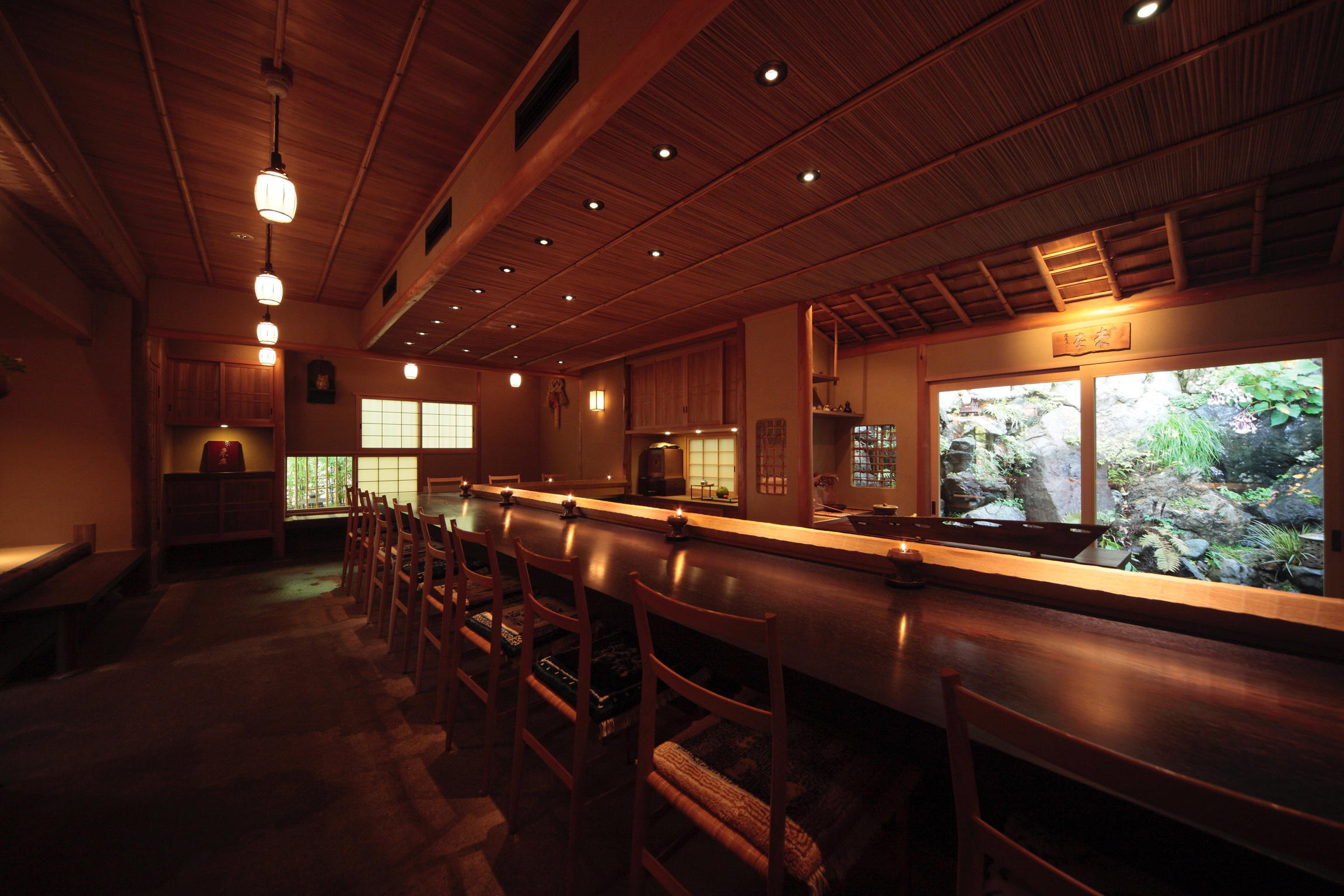

Bars in Kyoto
Browse all →


Hotels in Kyoto
Browse all →
Wineries in Kyoto
Browse all →
At a Glance
- Modern
- Cozy
- Trendy
- Solo
- Casual Hangout
- Family
- After Work
- Historic Building
- Standalone
- Design Destination
Current opening hours
- Monday
- 11 AM–6 PM
- Tuesday
- 11 AM–6 PM
- Wednesday
- 11 AM–6 PM
- Thursday
- 11 AM–6 PM
- Friday
- 11 AM–6 PM
- Saturday
- 11 AM–6 PM
- Sunday
- 11 AM–6 PM
Hours can change for holidays and private events. Last verified .
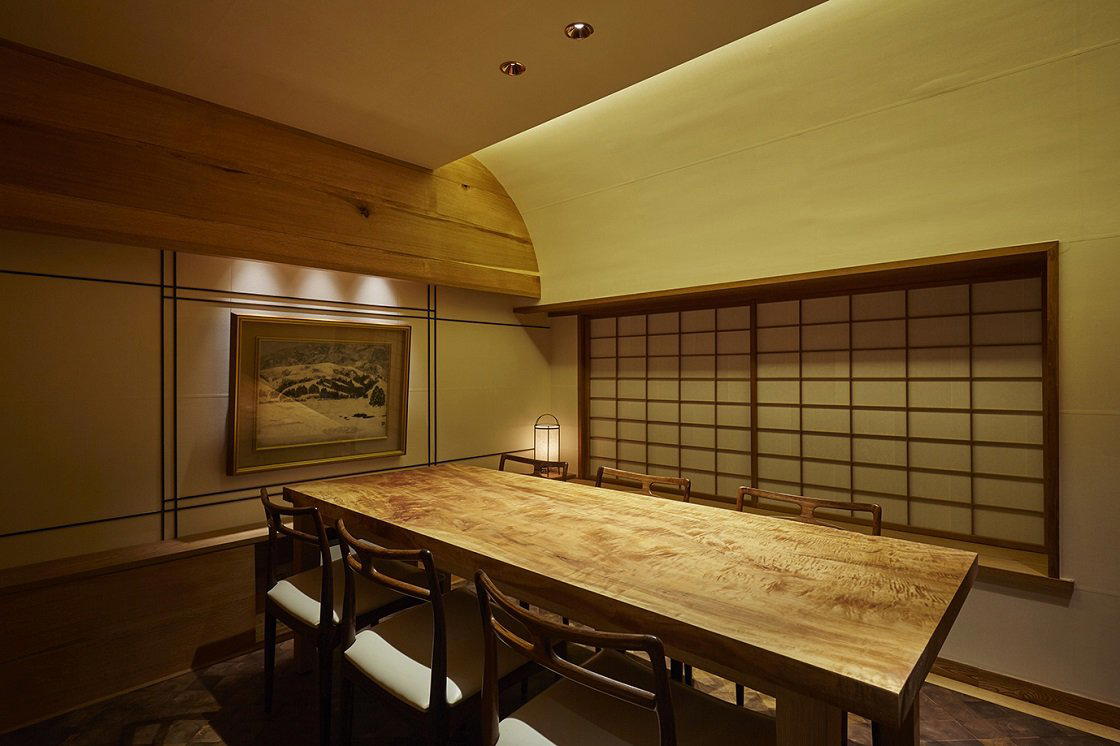
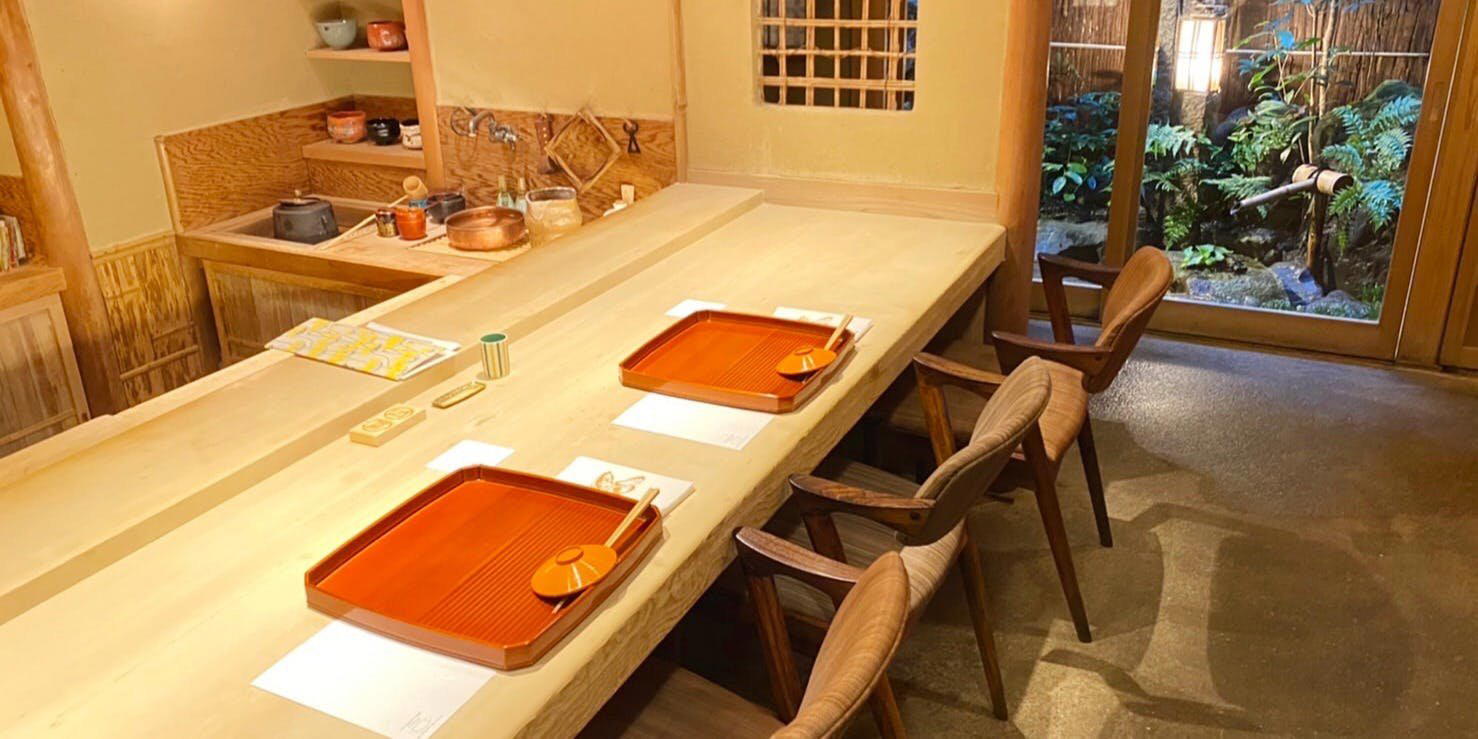
A compact Japanese-modern cafe inside a renovated machiya townhouse, with warm wood tones and a calm, slightly trendy atmosphere focused on beautifully plated kinako sweets.