Black Pearl 1 Diamond
Our verdict
FIVE ELEMENTS holds a Black Pearl 1 Diamond (2025) on Gongti West Road in Chaoyang, one of Beijing's most active dining corridors. The restaurant's design-forward approach places it in a tier where physical environment and culinary intent are treated as inseparable. Booking ahead is advisable given the recognition the address has earned in the current cycle.

Pearl is the En Primeur Club membership app, where members save venues, book tables and use the concierge.
The menu
What to order
- Dry-Aged Ribeye
- Bone-In Dry-Aged Tomahawk
- Striploin Steak Frites
Space as Argument: The Architecture of FIVE ELEMENTS
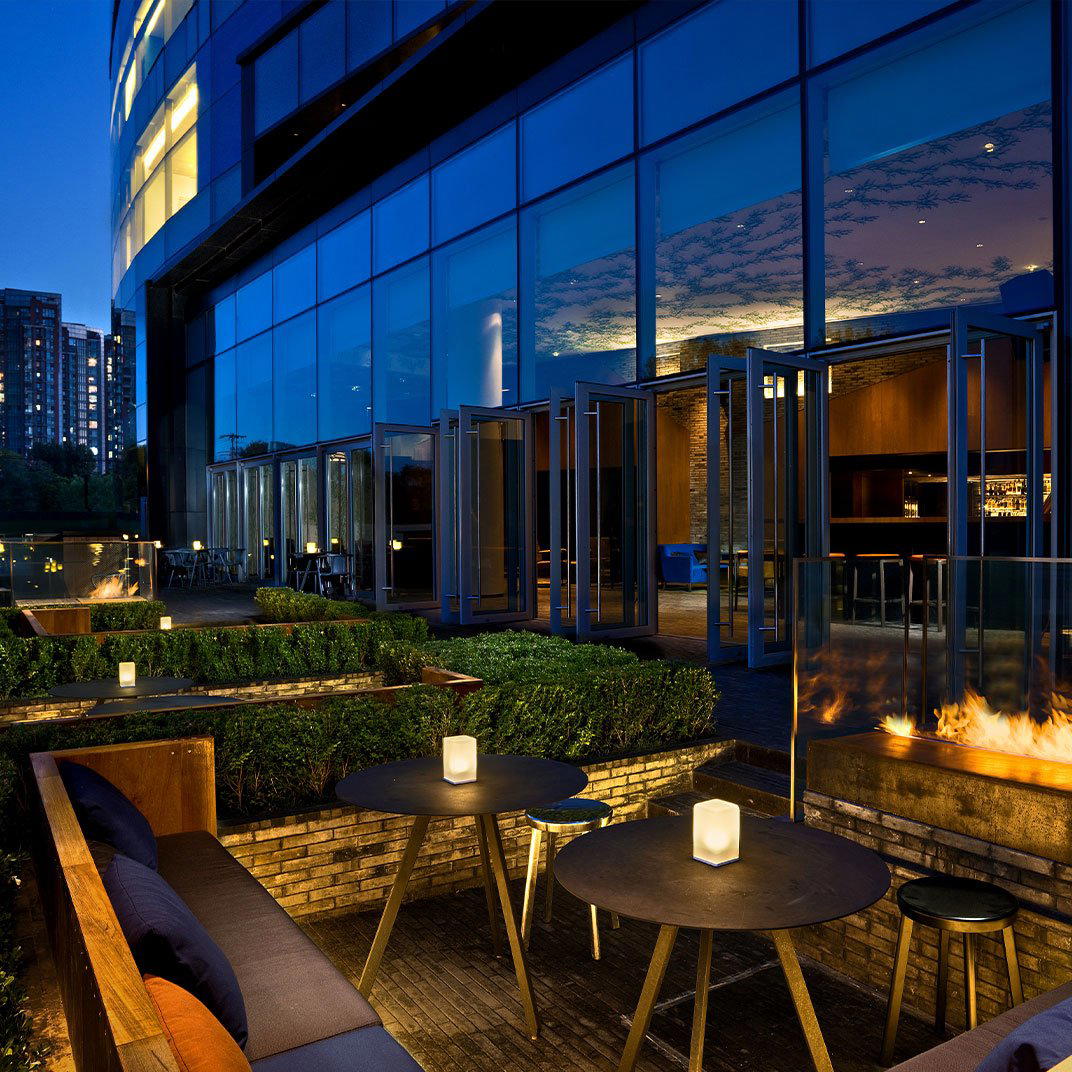
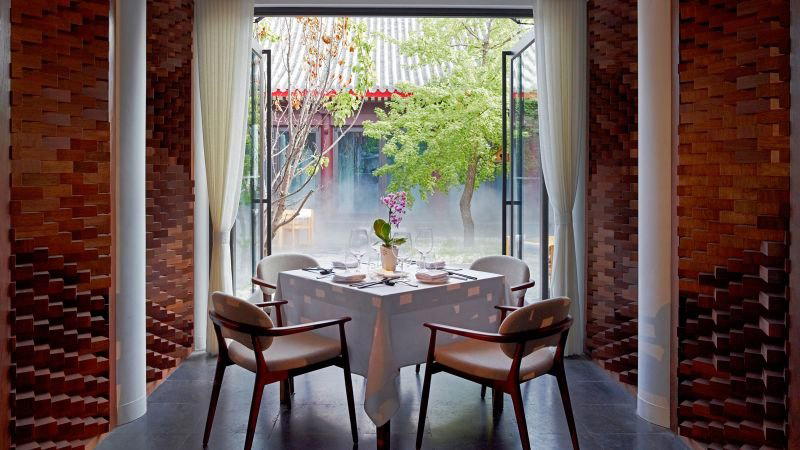
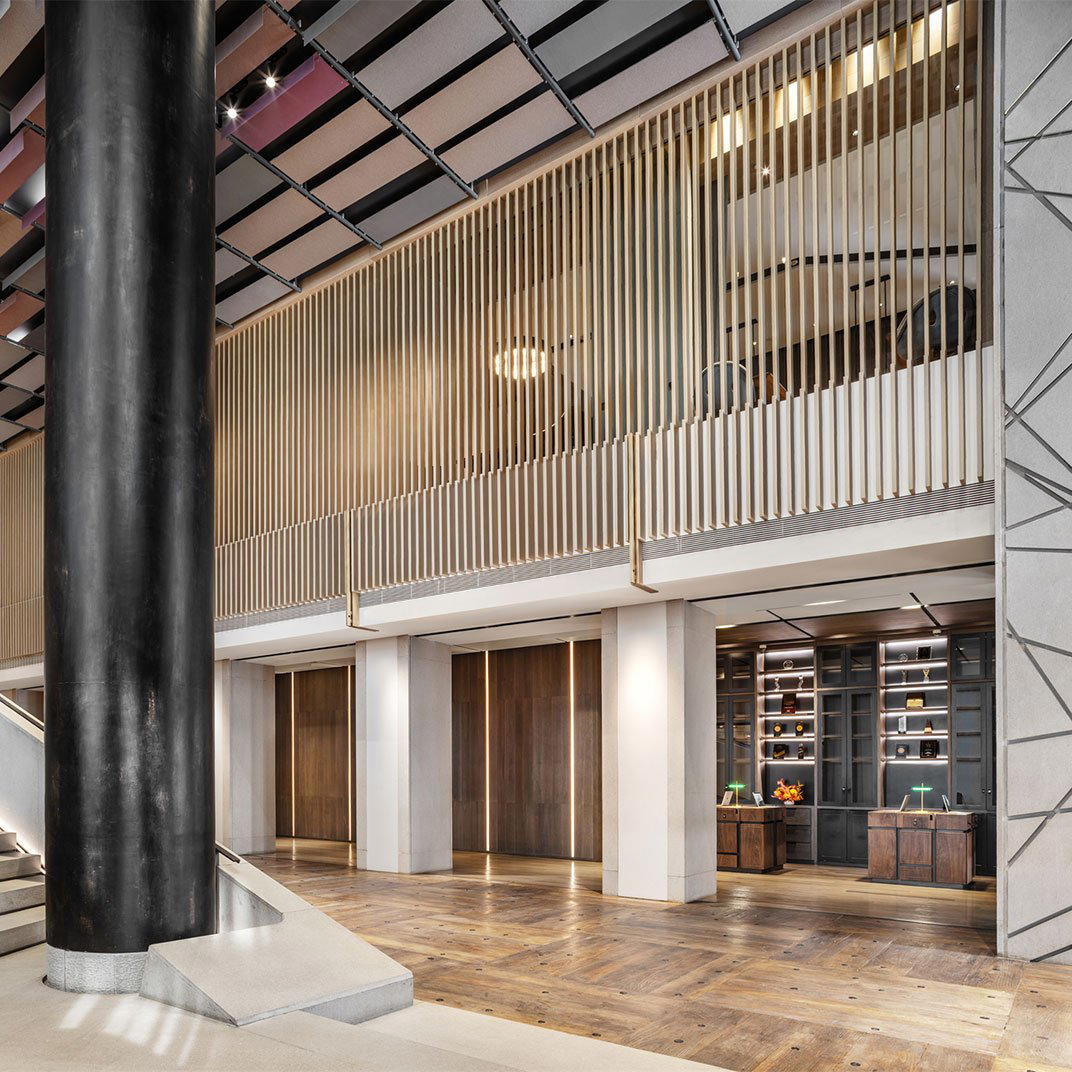
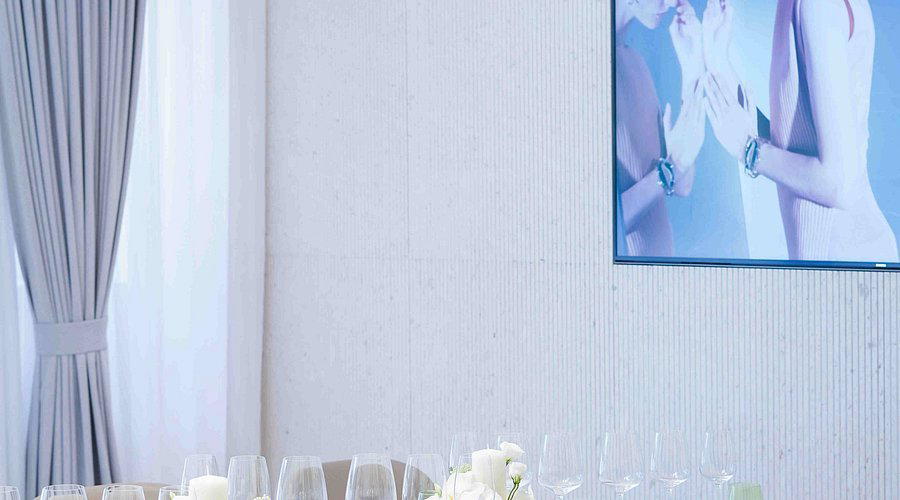
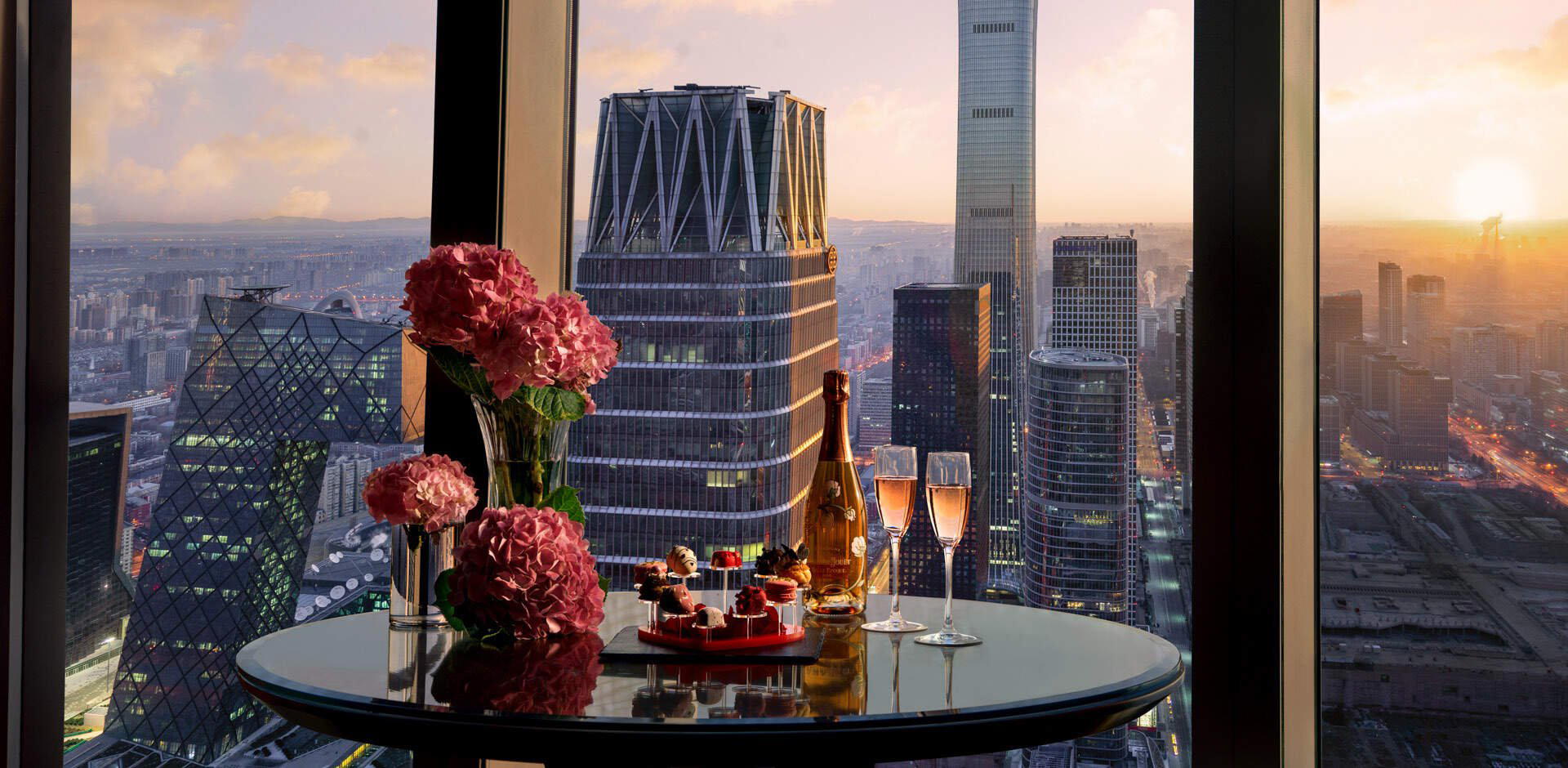
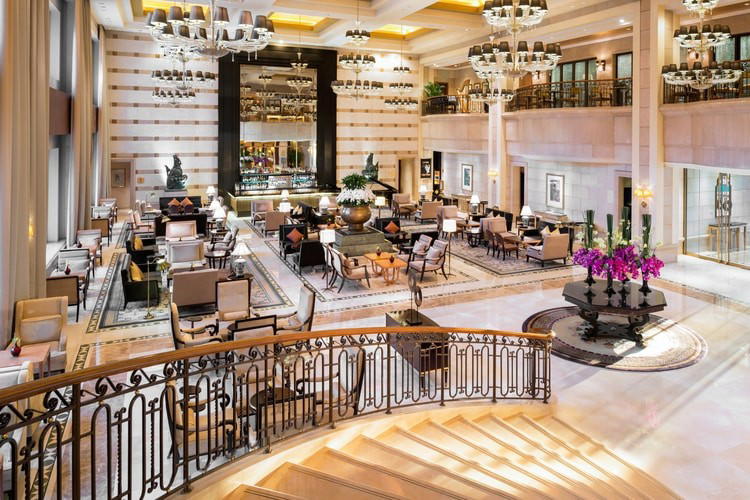
Beijing's premium dining scene has spent the last decade sorting itself into two camps: rooms that treat interior design as backdrop, and rooms that treat it as argument. FIVE ELEMENTS, on Gongti West Road in Chaoyang, belongs to the second category. The address sits on one of the capital's most commercially active corridors, where embassies, entertainment venues, and high-spend restaurants compete for the same dense stretch of real estate. Within that context, a restaurant that has earned a Black Pearl 1 Diamond in 2025 is making a specific kind of claim about what the room does, not just what arrives on the plate.
The Black Pearl Guide, published by Meituan, functions as China's most closely watched domestic dining authority. It is useful to think about what that recognition implies architecturally: the Black Pearl's evaluation criteria weight experience holistically, which means that a room's spatial logic, material choices, and light management all factor into the final assessment alongside cooking quality.
Chaoyang and the Design-Led Dining Corridor
Gongti West Road has become shorthand for a particular kind of Beijing restaurant ambition. The street draws an international clientele and a local professional class that expects spaces built for photography, conversation, and a certain deliberate theatricality. FIVE ELEMENTS operates in this environment, where the physical container of a meal carries as much weight as the menu itself. The leading comparison points in the area demonstrate how varied the approach can be: Chao Shang Chao (Chaoyang), a three-Michelin-Star Chao Zhou address in the same district, deploys traditional Cantonese spatial grammar to anchor its identity. FIVE ELEMENTS appears to occupy a different register entirely, where the five-element framework of classical Chinese cosmology, wood, fire, earth, metal, water, offers a conceptual scaffold that can translate directly into material and atmospheric choices.
That cosmological framework has a long history in Chinese interior philosophy and is not merely decorative when applied rigorously. A room structured around elemental logic could theoretically organise lighting temperature, material texture, colour palette, and spatial flow as an integrated system rather than as separate design decisions. Whether FIVE ELEMENTS pursues that level of integration is a question leading answered on arrival, but the name itself sets an expectation of conceptual seriousness.
Where FIVE ELEMENTS Sits in Beijing's Award Tier
Beijing's current recognition landscape distributes awards across a wide range of formats and price points. At the top of the Chinese fine dining hierarchy, venues like Xin Rong Ji (Xinyuan South Road) hold three Michelin Stars at the ¥¥¥¥ tier, while Jingji carries two Michelin Stars with a focus on Beijing cuisine itself. FIVE ELEMENTS' Black Pearl 1 Diamond positions it one tier below the city's most decorated addresses, but within a bracket where design ambition and culinary precision often count for more than institutional longevity.
For context across China's broader fine dining conversation, the Black Pearl operates differently from the Michelin Guide: its evaluation window is more domestic-facing, its voter pool draws from a different critical community, and its restaurant selection reflects Chinese dining culture without the sometimes awkward fit of a Western framework applied to regional traditions. A 2025 Diamond at FIVE ELEMENTS means the venue passed scrutiny from that community in the current cycle, which is a meaningful signal for anyone planning a high-consideration booking in Beijing. Comparable recognition in other Chinese cities can be seen at addresses like Ru Yuan in Hangzhou and Dai Yuet Heen in Nanjing, both of which operate in the same award tier.
The Broader Picture: Premium Chinese Dining in Motion
The design-led Chinese restaurant model has been gaining traction across major mainland cities since roughly 2018, when a generation of restaurant investors and operators began treating spatial design as a primary differentiator rather than a finishing consideration. That shift produced a category of venue where the architectural brief and the culinary brief are developed in parallel from the outset. The result, when executed well, is a room that reads as a coherent statement: Lamdre, Beijing's Michelin-starred vegetarian address, demonstrates how a strong conceptual identity can permeate everything from tableware selection to the rhythm of service. King's Joy, which holds Michelin recognition and operates at the intersection of Chinese vegetarian cuisine and temple-garden aesthetics, represents the end of that spectrum where spatial philosophy becomes inseparable from the dining proposition.
FIVE ELEMENTS enters that conversation with a name that signals cosmological intent. How that intent manifests in seating configuration, material selection, and the sequencing of spaces between entry and table is where the design argument either holds or dissolves. Rooms that commit fully to a conceptual framework, as opposed to borrowing its vocabulary selectively, tend to produce a measurably different experience: the guest is not moving through a decorated space but through a spatial logic that has its own internal rules.
For reference points that show how this level of design commitment reads in other premium Asian contexts, Atomix in New York City and Chef Tam's Seasons in Macau both demonstrate what happens when architecture and culinary ambition are treated as a single brief. Closer to home, 102 House in Shanghai and Imperial Treasure Fine Chinese Cuisine in Guangzhou offer further comparison points within the mainland premium Chinese category.
Planning a Visit
FIVE ELEMENTS is located at 58 Gongti West Road, Chaoyang, Beijing. The Chaoyang district is well-served by taxi and ride-hailing services, and the Gongti corridor is accessible from multiple metro interchange points, making logistics direct from most central Beijing hotel addresses. Given the 2025 Black Pearl recognition, demand at this tier in Beijing tends to run ahead of walk-in availability, particularly on weekend evenings; contacting the venue directly or booking through a hotel concierge with Chaoyang connections is the reliable approach. For a broader view of where FIVE ELEMENTS sits within the city's dining options, the full Beijing restaurants guide covers the current field across price tiers and cuisine categories. Those planning a longer stay can also consult the Beijing hotels guide, the Beijing bars guide, the Beijing wineries guide, and the Beijing experiences guide for a complete picture of the city.
Frequently asked questions
Does FIVE ELEMENTS have a Michelin star or similar recognition?
FIVE ELEMENTS has received recognition including: Black Pearl 1 Diamond (2025).
What's the address for FIVE ELEMENTS?
FIVE ELEMENTS is located at China, Beijing, Chaoyang, Gongti W Rd, 工体西路58号 邮政编码: 100020, Beijing.
What do regulars order at FIVE ELEMENTS?
Checking directly at 58 Gongti West Road, Chaoyang, or contacting the venue ahead of a visit is the reliable route to current menu information.
How hard is it to get a table at FIVE ELEMENTS?
FIVE ELEMENTS draws from the international and local professional crowd that concentrates along Gongti West Road, and its 2025 Black Pearl 1 Diamond status places it among Beijing's formally recognised dining addresses. Planning at least one to two weeks ahead is a reasonable baseline.
What's the standout thing about FIVE ELEMENTS?
The venue's architecture functions as an argument in itself. In a Chaoyang dining scene where interior design often operates as backdrop, FIVE ELEMENTS treats space as a primary component of the experience, a position that distinguishes it from most of its peers on Gongti West Road. The 2025 Black Pearl 1 Diamond confirms external recognition for an approach that goes beyond format.
Reputation First
Comparable venues nearby, for context on price, style, and recognition.
| Venue | Cuisine | Price | Awards | Notes |
|---|---|---|---|---|
| FIVE ELEMENTSThis venue (the venue you are viewing) | American Dry-Aged Steakhouse | Not listed | Black Pearl 1 Diamond | Not listed |
| 功德林 | Modern Chinese | $50–100 | Michelin Bib Gourmand | Zhengyilu |
| Beijing Kitchen | High-end Cantonese | $50–100 | 1 Michelin Star · La Liste Top Restaurants | Balizhuang |
| Tiandi Yijia | Imperial Chinese Cuisine | Not listed | Not listed | Donghuamen |
| Huaiyang Fu (Dongcheng) | Huaiyang Cuisine | $20–30 | La Liste Top Restaurants | Anwaidajie |
| Hong 0871 | Refined Yunnan Cuisine | Not listed | Michelin Plate · Black Pearl 1 Diamond | Beixinqiao |
Recognition history
Dated appearances from independent guides and award organizations, with the underlying list record or original source where available.
Black Pearl 1 Diamond
Black Pearl