On Schulterblatt in Hamburg's Schanzenviertel, Fischimbiss Schabi occupies the kind of counter-service fish stall format that defined northern German street eating long before the neighbourhood became a destination. Simple, direct, and rooted in the working-class imbiss tradition, it sits at a different register entirely from Hamburg's fine-dining circuit, and makes no apologies for it.
Pearl is the En Primeur Club membership app — saves, bookings, and concierge access live there. Same editors, same standards.
- Address
- Schulterblatt 60, 20357 Hamburg, Germany
- Phone
- +494043290940
- Directions
- Get directions
 Saves & bookings on Pearl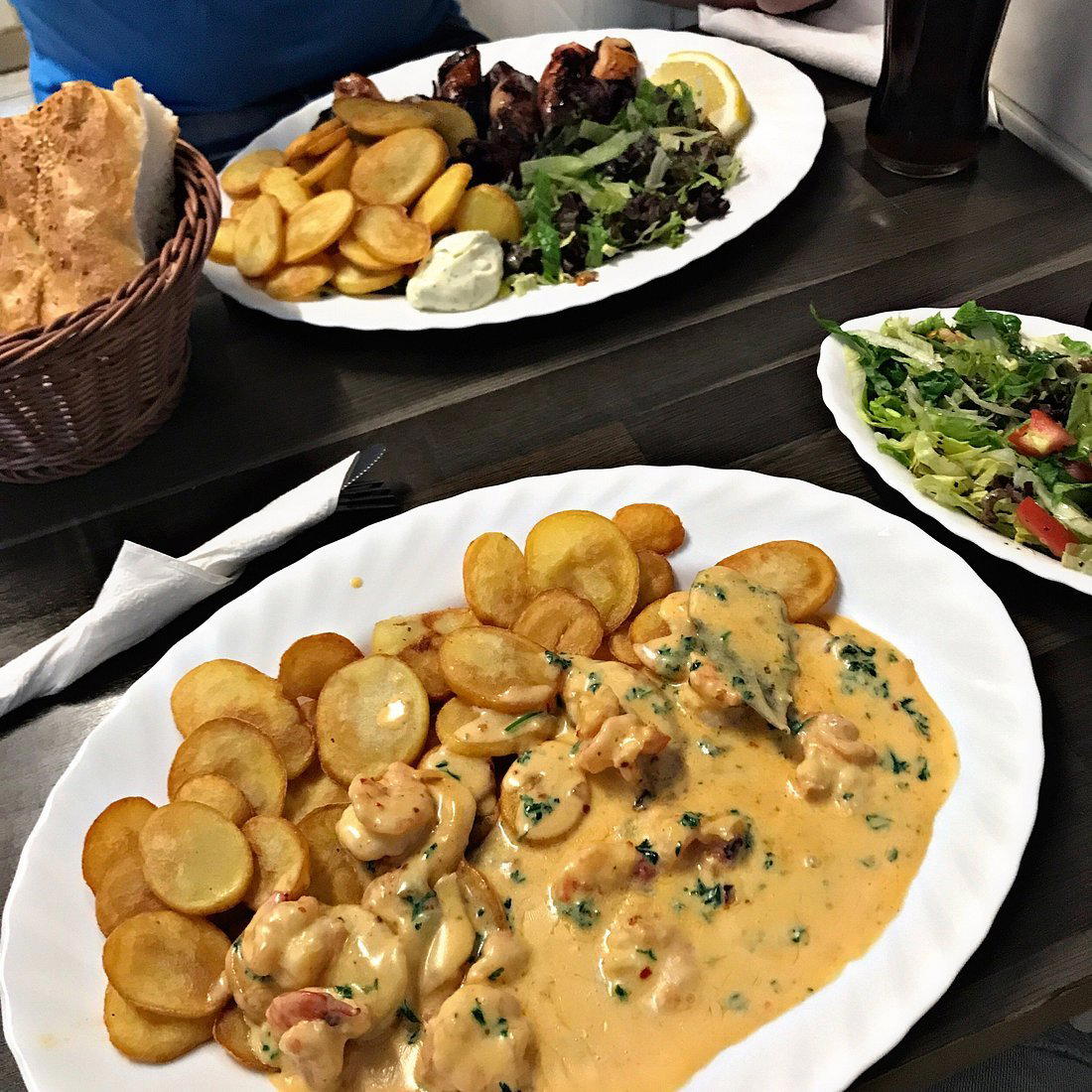
Counter Culture: The Imbiss Format and What It Tells You About Hamburg
Hamburg's relationship with fish is older than its restaurant industry. Long before Restaurant Haerlin and The Table Kevin Fehling repositioned the city as a serious fine-dining address, northern Germans were eating fish at standing counters, fried, pickled, or pressed between bread, as a daily habit rather than an occasion. The Fischimbiss format is the oldest layer of that tradition, and Fischimbiss Schabi in Hamburg sits squarely inside it.
Schulterblatt is the central artery of the Schanzenviertel, a district that spent decades oscillating between working-class grit and creative-class colonisation before settling into something more layered: independent shops, late-night bars, weekend markets, and a street-food density that rewards walking slowly. An imbiss on this street is not an anomaly, it is a structural part of how the neighbourhood eats.
What the Imbiss Tradition Actually Means
The German Imbiss is a format with a logic of its own. No reservations, no table service, no extended wine list. The operating model is speed and repetition: a focused menu, a counter, a queue. In coastal cities like Hamburg, the fish imbiss evolved as a working port institution, quick protein for people on a schedule, and has survived into the present largely unchanged in format, even as the cities around it transformed.
That survival is not accidental. The imbiss resists the pressures that reshape restaurant formats because its value proposition is fixed: consistent product, low friction, immediate gratification. Where Hamburg's fine-dining addresses like 100/200 Kitchen or bianc compete on tasting-menu architecture and sourcing narratives, the Fischimbiss competes on none of those terms. It exists in a parallel economy of eating that the city's food culture has always needed.
Across Germany, the broader fine-dining circuit has moved decisively toward French-influenced precision, venues like Schwarzwaldstube in Baiersbronn, Aqua in Wolfsburg, and Vendôme in Bergisch Gladbach represent one end of that spectrum. At the other end, the imbiss format holds its ground on fundamentally different terms: no ceremony, no preamble, just the product.
The Schanzenviertel as Context
Understanding Fischimbiss Schabi requires understanding Schulterblatt's particular character in 2024. The Schanzenviertel has gentrified significantly since the 1990s, when it was predominantly a low-income migrant neighbourhood with activist political culture and cheap rents. Today, rents have risen sharply, the bar scene draws visitors from across the city, and the street food offer has diversified considerably. Yet the neighbourhood retains enough of its original density that a counter fish stall does not read as nostalgic theatre, it reads as continuity.
That continuity matters editorially. In cities where neighbourhood character has been comprehensively replaced by a curated hospitality offer, old-format places often become self-conscious about their own survival. In the Schanzenviertel, the imbiss format is still functional rather than performed. It feeds people who live and work nearby, not only visitors documenting the experience.
Evolution Without Reinvention
The editorial angle here is persistence rather than transformation. The Fischimbiss format's evolution has been one of persistence rather than pivot: holding a format constant while the context around it shifts. Hamburg's dining scene has added layers of ambition over the past two decades, the city now holds multiple Michelin stars, with addresses like Lakeside operating at the expensive end of the contemporary German register. The imbiss does not compete with any of that.
What has changed is the audience. A fish counter on Schulterblatt in 2000 was serving a neighbourhood with a specific demographic profile. The same counter today serves a much wider mix: local residents, students, weekend visitors from across Hamburg, and travellers who have read enough about the Schanzenviertel to know it repays exploration beyond its more visible bars and restaurants. The product may not have changed; the people eating it have diversified considerably.
This pattern is visible across German cities. In Berlin, specialist formats like CODA Dessert Dining represent one kind of evolution, radical format experiment within fine dining. The imbiss represents another kind entirely: refusal to evolve as a form of integrity. Both are legitimate positions in a city's food culture.
Where It Sits in the Hamburg Picture
Hamburg's restaurant offer is genuinely stratified. At the leading, multi-course menus at 100/200 Kitchen or technically precise seafood at comparable fine-dining addresses occupy one tier. Mid-market neighbourhood restaurants, wine bars, and casual European concepts fill a broad middle. The imbiss sits below all of that in price and formality, but it is not a lesser version of those things, it is a different thing entirely.
For a city with Hamburg's maritime history, the fish counter is not a curiosity. It is one of the original formats through which the city ate, and its continued presence on a street like Schulterblatt is evidence that the format still functions. Compare this to what has happened to working-class fish traditions in cities like London or New York, where comparable formats have either been priced out of central neighbourhoods or repositioned as premium nostalgia, and Hamburg's retention of the street-level imbiss looks less like inertia and more like structural durability.
Germany's broader fine-dining circuit, from JAN in Munich to Schanz in Piesport and Waldhotel Sonnora in Dreis, has developed considerable critical mass at the high end. Against that backdrop, the survival of the imbiss format is not an accident, it reflects genuine demand at a price point and formality level that the fine-dining tier makes no attempt to serve. Even at the international level, where addresses like Le Bernardin in New York City or Lazy Bear in San Francisco define what a certain kind of seafood ambition looks like, the counter-service fish format occupies territory those restaurants have no interest in.
For a broader picture of Hamburg's dining range, from counter formats like this to the city's credentialed fine-dining addresses, see our full Hamburg restaurants guide. Other angles on Germany's range are visible at ES:SENZ in Grassau, Bagatelle in Trier, and Victor's Fine Dining by Christian Bau in Perl.
Know Before You Go
| Address | Schulterblatt 60, 20357 Hamburg, Germany |
|---|---|
| Neighbourhood | Schanzenviertel |
| Format | Counter-service fish imbiss |
| Booking | No reservation required or available |
| Price | About €15 per person |
| Hours | Mon to Sun: 12 to 9:30 PM |
How It Stacks Up
Comparable venues nearby, for context on price, style, and recognition.
| Venue | Cuisine | Price | Notes |
|---|---|---|---|
| Fischimbiss SchabiThis venue — the venue you are viewing | Fresh Grilled Seafood Fischimbiss | $ | Not listed |
| An An Streetfood | Vietnamese & Asian Street Food | $ | Neustadt |
| Afrikanisches Bistro by Hadjia | West African Bistro | $ | Hammerbrook |
| Blue Mare | Modern Seafood and Sushi | $$$ | Siedlung Langenhorn |
| Mexiko Strasse Taquería | Authentic Mexican Taqueria | $ | St. Pauli |
| Diggi Smalls | Oriental Street Food & Halal Wraps | $ | Rotherbaum |
Continue exploring
More in Hamburg
Restaurants in Hamburg
Browse all →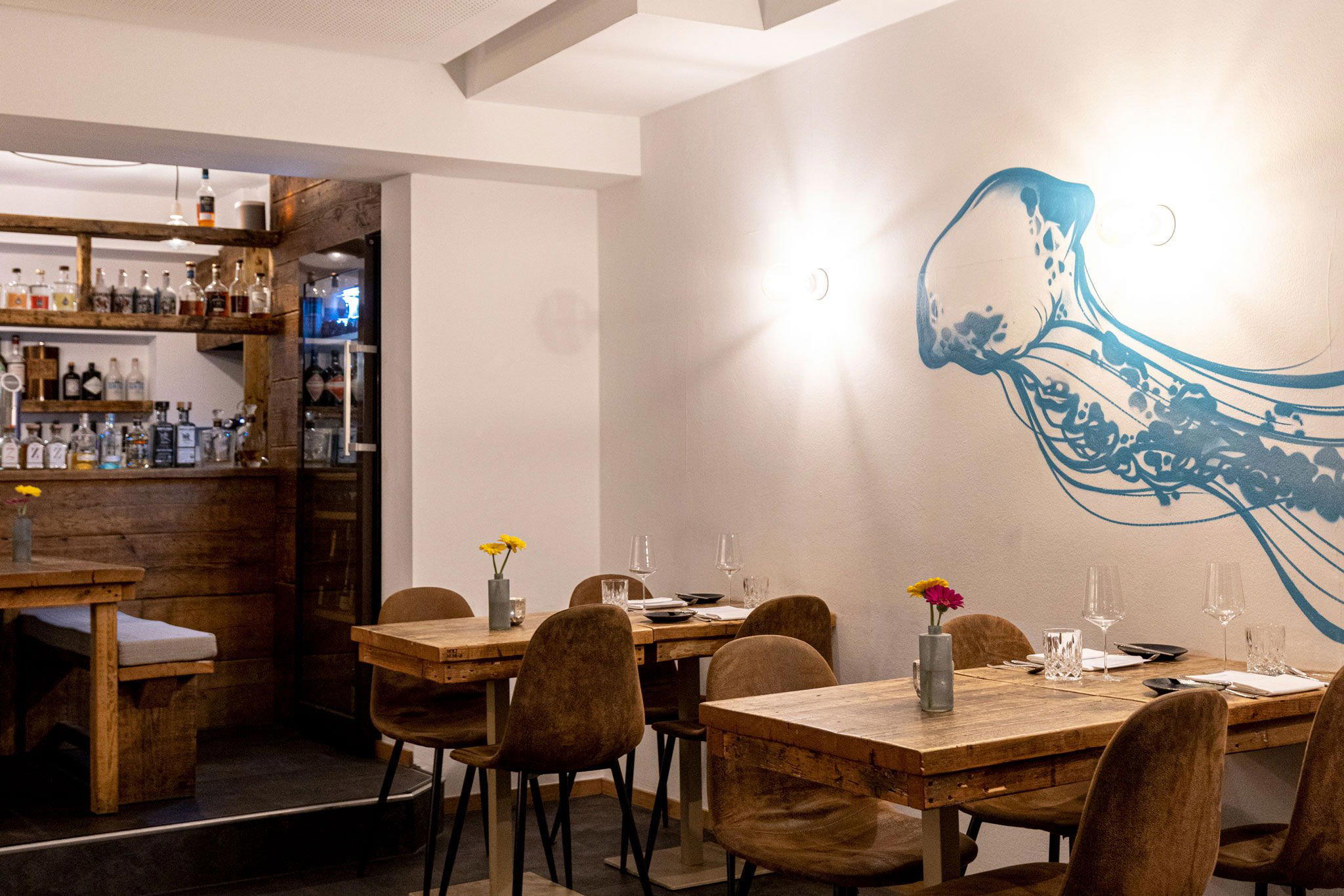
At a Glance
- Rustic
- Cozy
- Casual Hangout
- Open Kitchen
Current opening hours
- Monday
- 12–9:30 PM
- Tuesday
- 12–9:30 PM
- Wednesday
- 12–9:30 PM
- Thursday
- 12–9:30 PM
- Friday
- 12–9:30 PM
- Saturday
- 12–9:30 PM
- Sunday
- 12–9:30 PM
Hours can change for holidays and private events. Last verified .
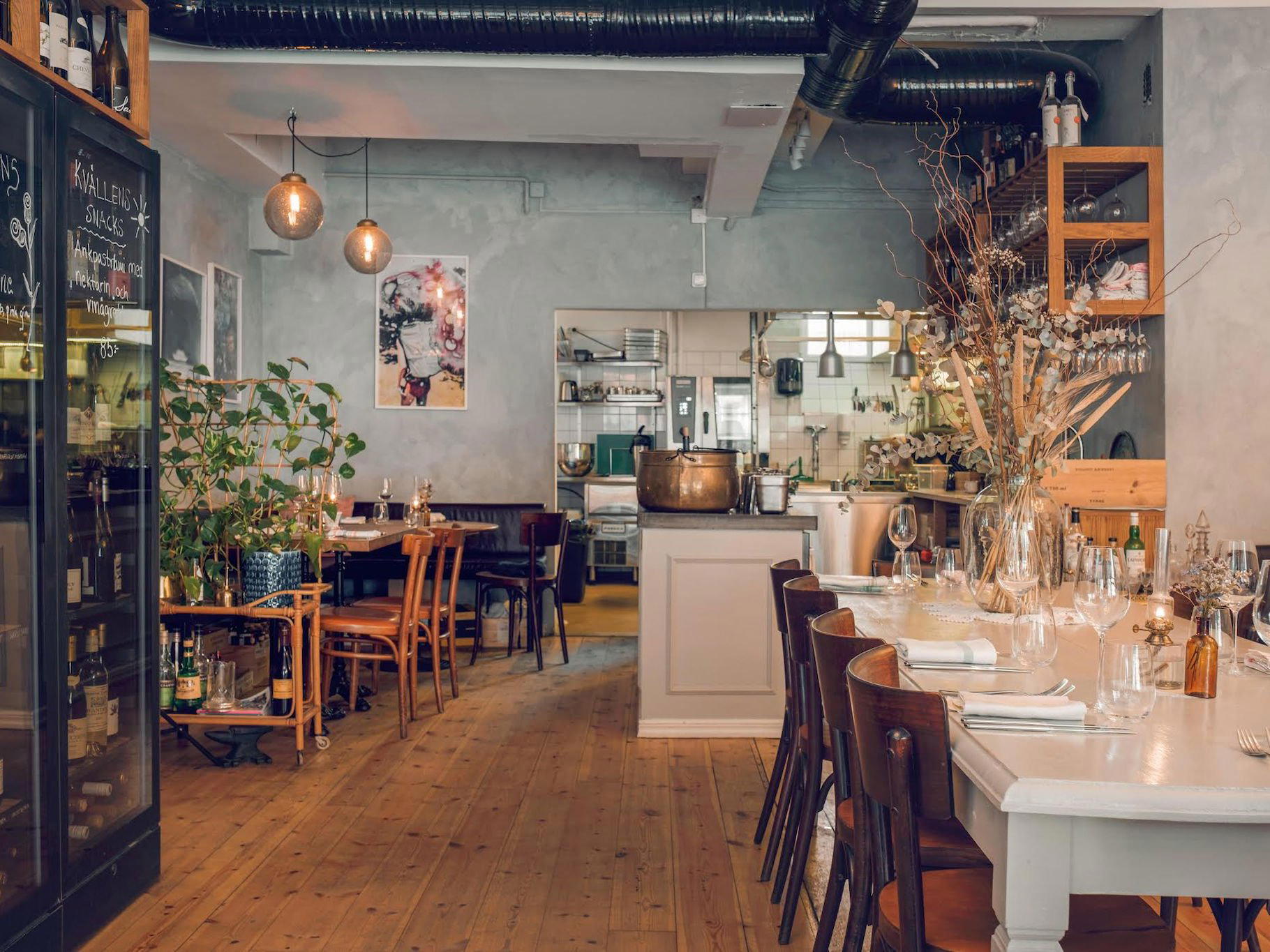
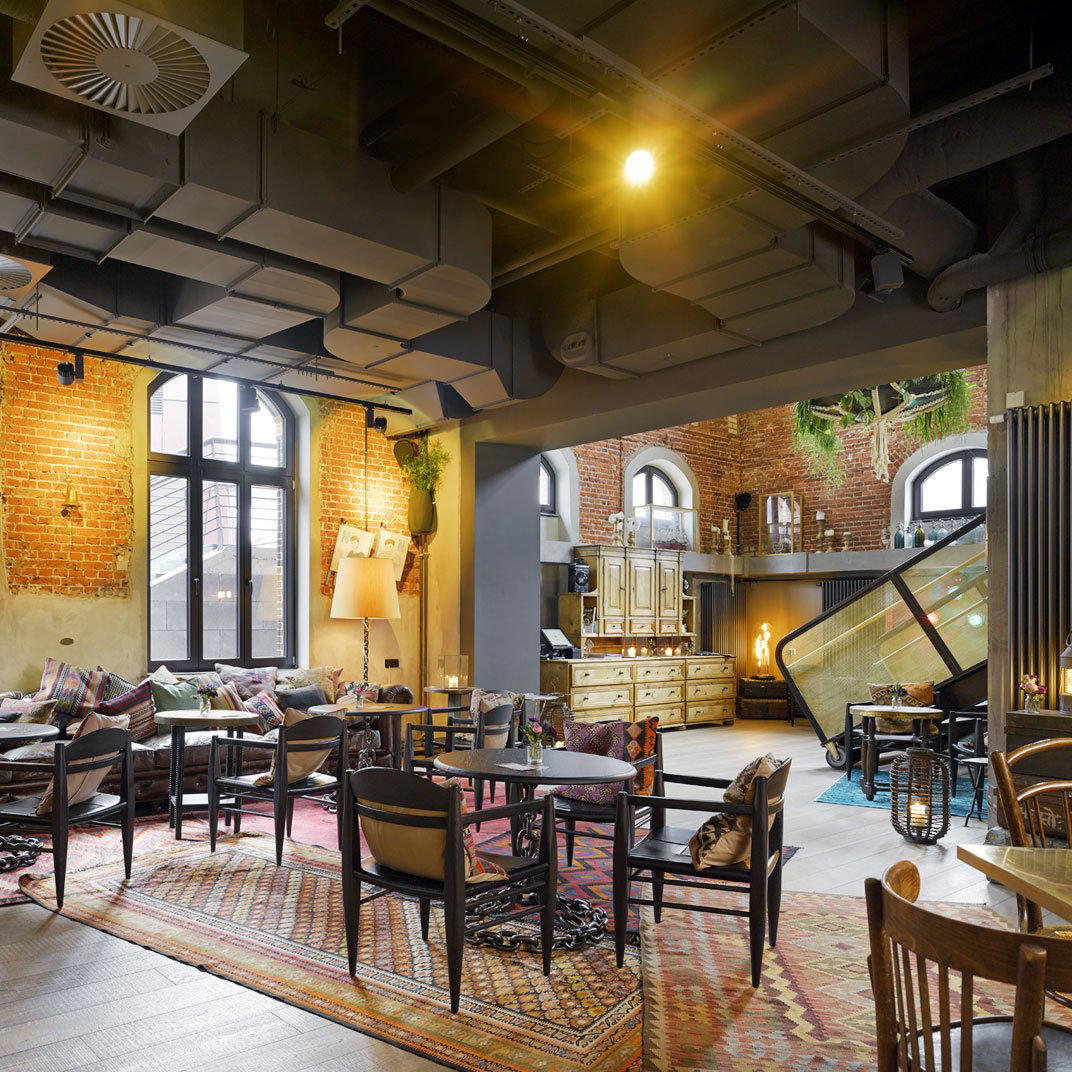
Rustic and casual with an open kitchen view, simple bench seating inside and outside on busy streets.