Our verdict
Blue Mare occupies a distinct position in Hamburg's northern dining orbit, operating out of Tarpen 40 in the Langenhorn district, well removed from the harbour-front concentration of the city's fine-dining circuit. The address signals a deliberate step outside the tourist geography, placing it among a local clientele that values the journey. Hamburg's seafood-rooted culinary culture provides the natural frame for what the name implies.

Pearl is the En Primeur Club membership app, where members save venues, book tables and use the concierge.
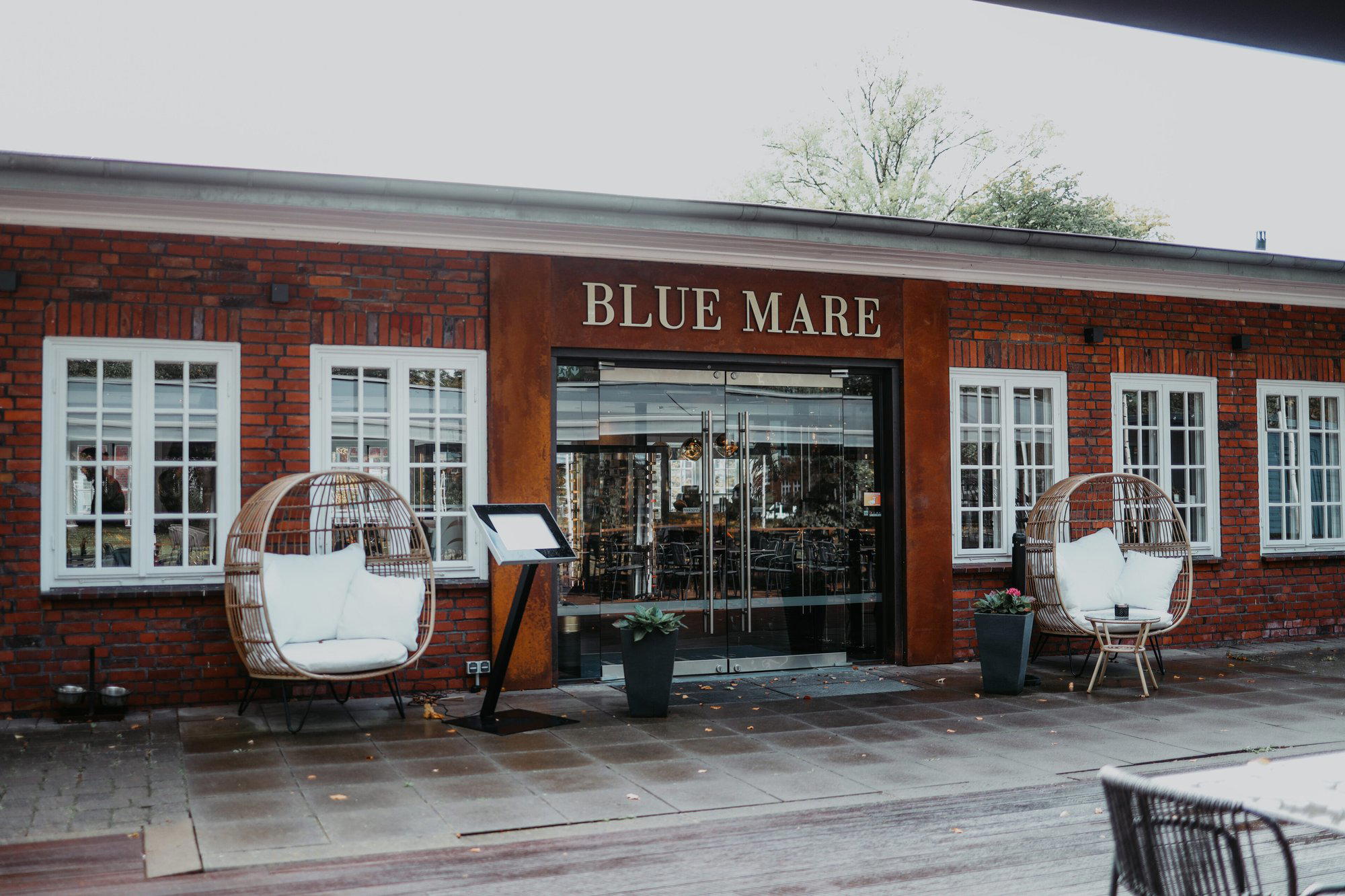
Hamburg's Northern Dining Orbit and What It Signals
Hamburg's restaurant conversation gravitates, almost reflexively, toward the Alster, HafenCity, and Eppendorf. The city's three-Michelin-star entries Restaurant Haerlin and The Table Kevin Fehling, anchor that central geography, and much of the critical attention follows. Which makes an address like Tarpen 40, in the Langenhorn district to the city's north, an editorial fact worth examining. Restaurants that operate this far from the core tend to fall into one of two categories: neighbourhood institutions sustained by postcode loyalty, or deliberate outliers that have decided the audience will travel. Blue Mare sits in that tension, and the name alone orients the kitchen's probable register: the sea, in a city where maritime cooking is not a trend but a foundational identity.
Maritime Culture as Hamburg's Culinary Baseline
Germany's relationship with seafood fine dining is not uniform. Landlocked regions produce their own high-end registers, from Schwarzwaldstube in Baiersbronn to Vendôme in Bergisch Gladbach, where protein, game, and classical French technique carry the kitchen. Hamburg is a different case. As a port city with direct North Sea and Baltic access, it has historically oriented its hospitality around fish and shellfish in a way that most German cities simply cannot replicate with the same credibility. Matjes herring prepared in traditional brine, smoked eel, and North Sea plaice cooked in brown butter are not nostalgic novelties here, they are reference points against which any kitchen claiming marine credentials is quietly measured.
That culinary geography makes the name Blue Mare meaningful. It positions the restaurant within a category where Hamburg has genuine regional authority, rather than borrowing an identity from elsewhere. For context, Hamburg's coastal cooking tradition sits closer in spirit to the Dutch and Danish approaches than to central European cuisine, and the more considered end of that tradition draws on classical French technique to structure what is otherwise a very northern pantry.
Where Blue Mare Sits in Hamburg's Current Tier Structure
Hamburg's fine-dining tier has compressed in recent years around a handful of price points. At the leading, The Table Kevin Fehling and Restaurant Haerlin operate in the €€€€ bracket with Michelin recognition as the primary trust signal. A step below, venues like 100/200 Kitchen and bianc occupy the modern-creative and Mediterranean registers at comparable price points. Lakeside adds a lakeside-German dimension to the upper tier.
That positioning has its own logic. Some of Germany's most interesting dining at this moment happens slightly off the main critical axis, ES:SENZ in Grassau and Schanz in Piesport both operate in geographic margins and carry serious credentials. The pattern is consistent enough that a Hamburg restaurant working from a northern postcode is not automatically at a disadvantage; it may simply be drawing a different audience.
The Broader German Fine-Dining Frame
Understanding Blue Mare's place requires some sense of where Hamburg sits within Germany's restaurant culture overall. The country's Michelin map is denser than most casual observers expect, Aqua in Wolfsburg, Victor's Fine Dining by Christian Bau in Perl, and Waldhotel Sonnora in Dreis hold three stars in locations that few international visitors seek out deliberately. The quality is distributed, which means the competition for attention in any single city is fierce. Hamburg's dining scene, unlike Berlin's, where CODA Dessert Dining represents a genuinely format-breaking approach, leans toward classically rooted cooking with modern execution rather than concept-led experimentation.
Blue Mare's maritime framing connects it to an international reference class that Hamburg diners and visitors likely hold in mind. At the very leading of that class globally sits Le Bernardin in New York City, where the argument for fish as fine-dining's primary medium has been made with three Michelin stars for decades. Closer to Hamburg's own register, the more informal but technically serious end of that tradition finds expression in places like Lazy Bear in San Francisco, where format and sourcing do the editorial work. Blue Mare operates in a city where the ingredient access, North Sea, Baltic, and the Elbe estuary, gives any kitchen claiming marine identity a genuine foundation to work from.
Planning a Visit: Practical Orientation
Tarpen 40 in Langenhorn is accessible by Hamburg's U-Bahn network, with the U1 line reaching the northern districts, though the specific stop proximity requires verification on arrival. The address falls well outside the S-Bahn and U-Bahn density that covers central Hamburg, so building in travel time, particularly on evenings when connections thin out, is the sensible approach. For broader Hamburg dining context, the EP Club Hamburg restaurants guide covers the city's full tier structure. Visitors combining Blue Mare with other Hamburg dining might also consider JAN in Munich if the trip extends south, or Bagatelle in Trier for a western Germany complement.
Frequently asked questions
What do regulars order at Blue Mare?
Can I walk in to Blue Mare?
What do critics highlight about Blue Mare?
Can Blue Mare accommodate dietary restrictions?
Is eating at Blue Mare worth the cost?
Is Blue Mare a good choice for a special-occasion dinner away from Hamburg's tourist centre?
Peers Worth Knowing
| Venue | Cuisine | Price | Awards | Notes |
|---|---|---|---|---|
| Blue MareThis venue (the venue you are viewing) | Modern Seafood and Sushi | $30–50 | Not listed | Not listed |
| The Table Kevin Fehling | Avant-Garde Fusion Fine Dining | $200–300 | 3 Michelin Stars · La Liste Top Restaurants | Creative |
| bianc | Modern Mediterranean Fine Dining | $200–300 | 2 Michelin Stars · La Liste Top Restaurants | Modern Mediterranean, Mediterranean Cuisine |
| Lakeside | Modern European Fine Dining | $200–300 | 2 Michelin Stars · La Liste Top Restaurants | German Lakeside |
| Heimatjuwel | Modern Regional German Vegetarian Fine Dining | Not listed | 1 Michelin Star · We're Smart World 3 Radishes | German, Creative |
| Landhaus Scherrer | Michelin-Starred North German Fine Dining | $150–200 | 1 Michelin Star · Star Wine List | Modern European, Classic Cuisine |
Continue exploring
More in Hamburg
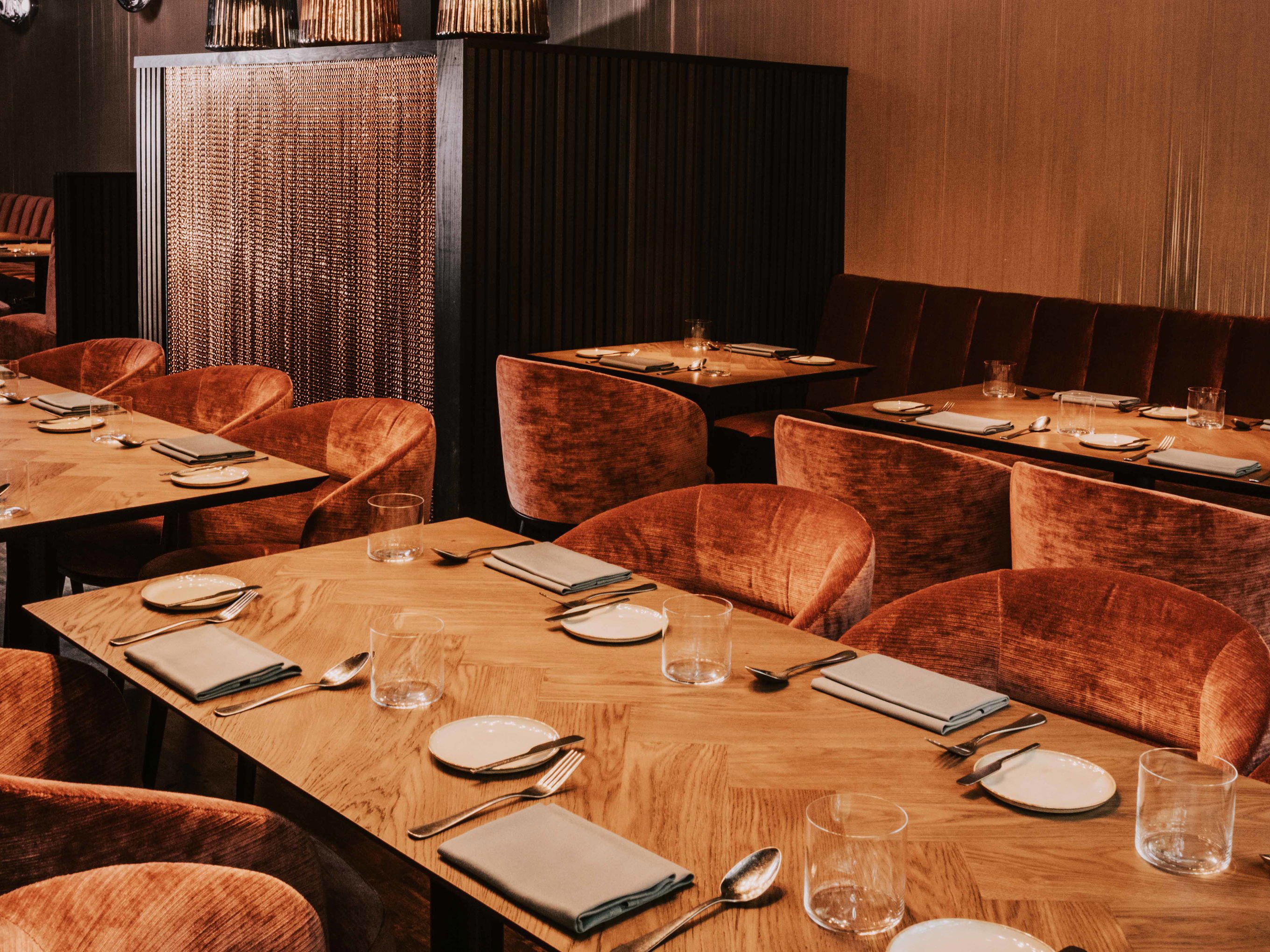
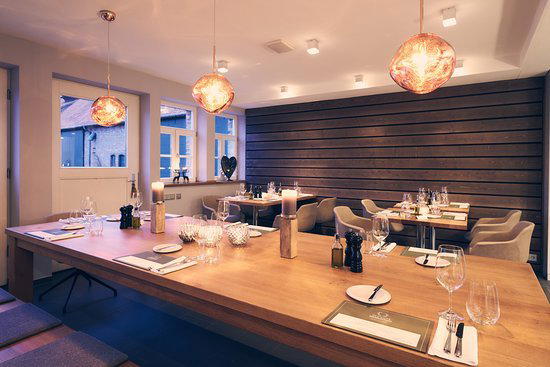
Restaurants in Hamburg
All restaurants in Hamburg →
Bars in Hamburg
All bars in Hamburg →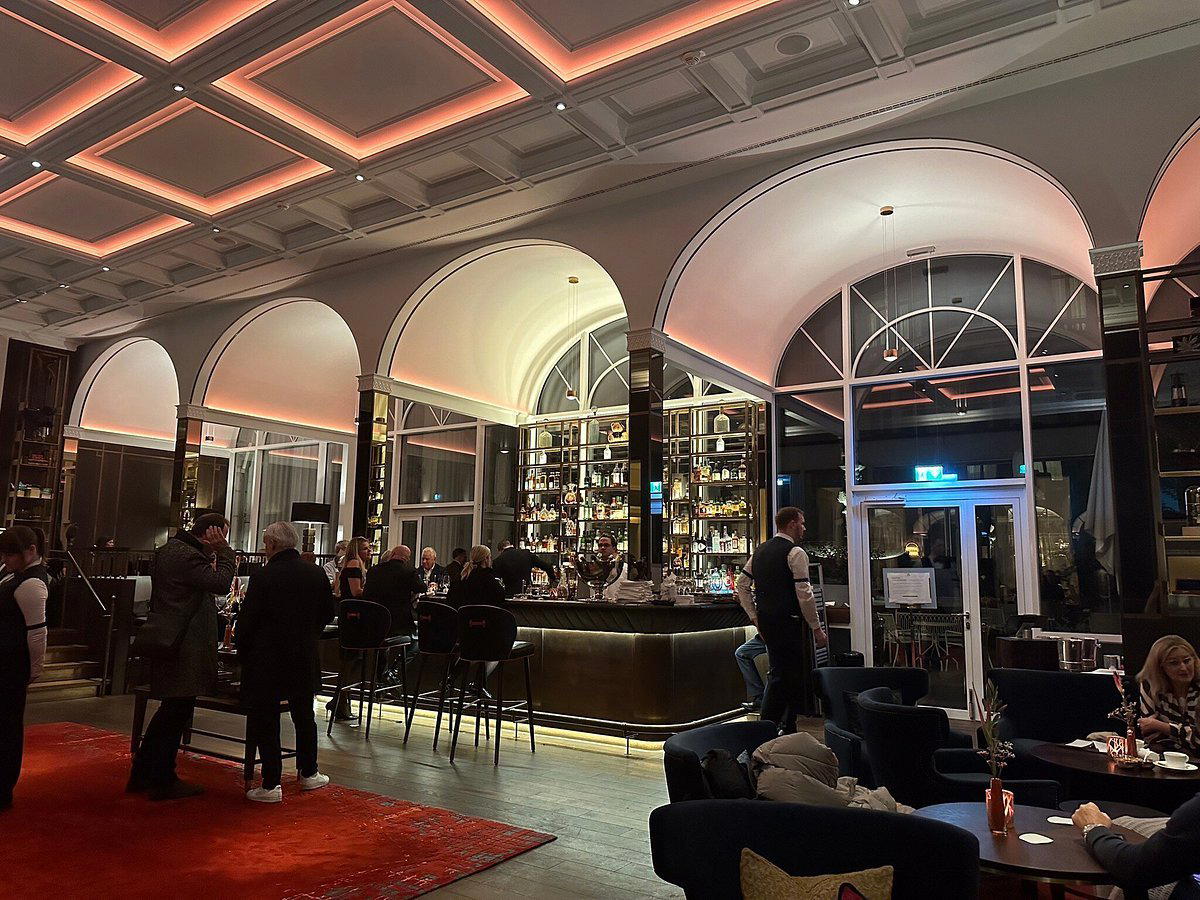
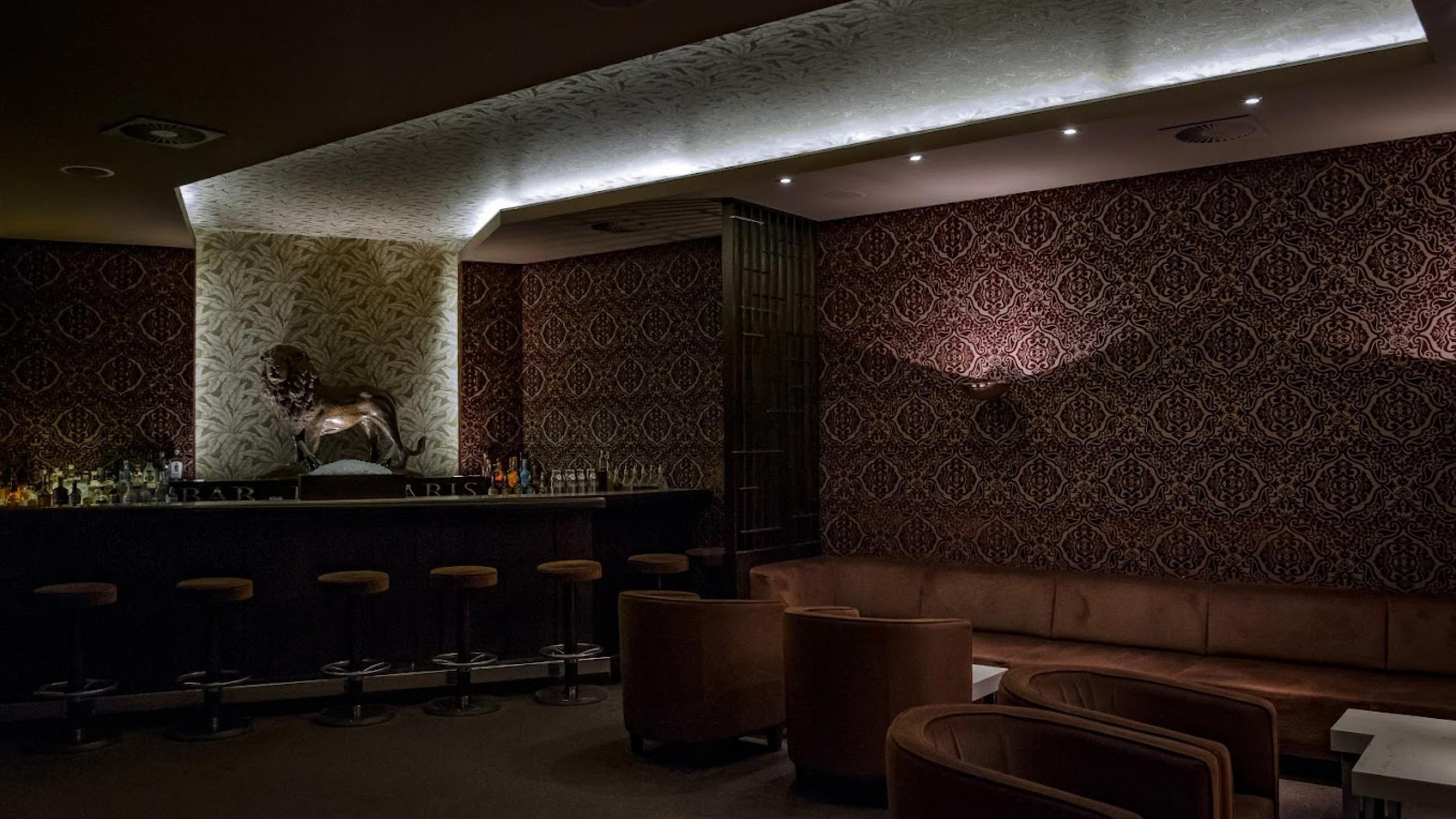
Hotels in Hamburg
All hotels in Hamburg →

Wineries in Hamburg
Browse all →
Details
- Modern
- Elegant
- Scenic
- Date Night
- Business Dinner
- Open Kitchen
- Terrace
- Sustainable Seafood
- Garden
- A La Carte
- Vegetarian Friendly
Current opening hours
- Monday
- 11:30 AM–11 PM
- Tuesday
- 11:30 AM–11 PM
- Wednesday
- 11:30 AM–11 PM
- Thursday
- 11:30 AM–11 PM
- Friday
- 11:30 AM–11 PM
- Saturday
- 5–11 PM
- Sunday
- Closed
Hours can change for holidays and private events. Hours as of .
Modern and elegant with predominant blue tones, open style, golden monkey statue centerpiece, and cosy outdoor terrace overlooking Valvo Park.