Afrikanisches Bistro by Hadjia brings West African culinary tradition into Hamburg's Hammerbrook district, operating from a dual address on Repsoldstraße and Spaldingstraße. The bistro represents a growing strand in the city's dining scene where imported techniques and African ingredients meet European kitchen discipline. For Hamburg diners looking beyond the city's Germanic and Mediterranean defaults, it occupies a category with few direct rivals.
Pearl is the En Primeur Club membership app — saves, bookings, and concierge access live there. Same editors, same standards.
- Address
- Repsoldstraße 49, Spaldingstraße 53, 20097 Hamburg, Germany
- Phone
- +4915215117054
- Website
- instagram.com
- Directions
- Get directions
 Saves & bookings on Pearl
African Cuisine in a City Still Defining Its Relationship With It
Hamburg's restaurant map has long been weighted toward Northern European cooking, modern Mediterranean concepts, and the kind of ambitious French-influenced tasting menus you find at venues like Restaurant Haerlin and The Table Kevin Fehling. The city's African dining options remain comparatively thin on the ground, which makes the presence of a dedicated African bistro in Hammerbrook worth paying attention to. This is a neighborhood associated with practical, day-to-day dining rather than destination dining. Repsoldstraße and Spaldingstraße sit southeast of the central station, in a district defined more by warehousing and transit infrastructure than by restaurant culture. That context matters: a kitchen operating here is not trading on foot traffic from a prestigious address. It is pulling its own audience.
The Editorial Case for West African Cooking in European Cities
Across European cities over the past decade, a consistent pattern has emerged: West African culinary traditions have moved from the periphery of immigrant neighbourhood canteens toward a more considered middle ground, where kitchen technique and ingredient sourcing become subjects of deliberate attention. London has led this shift most visibly, with a cohort of restaurants applying classical or contemporary European method to yassa, egusi, jollof, and suya frameworks. Hamburg, by comparison, is earlier in that arc. The comparison is not unflattering, it means the field is less crowded and the operators working it have more room to define what the category means in this city.
The editorial angle that matters for Afrikanisches Bistro by Hadjia is precisely this intersection: where does imported culinary method meet the base ingredients of West and Central African cooking? The name Hadjia carries cultural weight in West African Muslim communities, typically denoting a woman who has completed the Hajj pilgrimage, and with it a certain social authority. In a restaurant context, that naming signals a kitchen anchored in domestic, matrilineal food tradition rather than in the kind of chef-as-auteur positioning that drives the €€€€ tier in Hamburg. Compare that positioning to what bianc or Lakeside are doing at the summit of the market, and you understand that Hadjia is operating on entirely different cultural ground.
Local Ingredients, Global Technique: What the Category Demands
Particularly interesting African bistros in European cities resolve a specific tension: the base pantry of West African cooking, palm oil, fermented locust beans, dried crayfish, scotch bonnet, smoked fish, plantain, does not map cleanly onto what European wholesale suppliers stock. Kitchens either source direct from specialist African grocery distributors, many of them concentrated in cities with established West African diaspora communities, or they substitute and compromise. Hamburg's African grocery infrastructure, concentrated in areas with Ghanaian, Nigerian, and Cameroonian communities, is functional rather than extensive. A kitchen serious about ingredient authenticity in this city is making supply decisions that shape what ends up on the plate.
That sourcing dynamic is the primary editorial lens through which to read Afrikanisches Bistro by Hadjia. The bistro format, as distinct from a full-service restaurant or a takeaway counter, implies a middle register: plated food, table service, and a level of kitchen attention to composition that lifts the experience above canteen-style operations. Whether the kitchen is applying European mise en place discipline to traditional West African recipes, or building dishes that more consciously fuse the two traditions, the bistro designation suggests it is doing more than simply replicating home cooking at scale. That is a meaningful distinction in a category where many European-based African restaurants have not yet made it.
Hamburg's Broader Dining Context and Where This Fits
Hamburg's restaurant scene in 2024 and into 2025 continues to be anchored by its Michelin-recognised French and creative-European tier. Venues like 100/200 Kitchen represent the city's appetite for technically serious cooking in formats that sit outside conventional fine dining. Below that tier, the city has a wide mid-market with strong representation from German, Italian, and Japanese concepts, but African cuisines remain underrepresented relative to the city's actual demographic diversity.
For readers building a Hamburg itinerary, Afrikanisches Bistro by Hadjia occupies a functional gap in the options. It is not competing with the tasting-menu destinations. It is providing something structurally different: cuisine from a tradition with its own internal logic, serving a community and, increasingly, a curious broader audience. The comparison is less to Hamburg's top tier and more to what African restaurant concepts are achieving in comparable European cities. Germany's own serious fine dining scene, from Schwarzwaldstube in Baiersbronn to Aqua in Wolfsburg and Vendôme in Bergisch Gladbach, operates at considerable remove from what a neighbourhood bistro in Hammerbrook is doing. The useful comparison set is different: it is other African dining concepts in German and Northern European cities, and whether Hamburg's version is keeping pace with that emerging standard.
Timing, Planning, and Practical Considerations
Hammerbrook is not a neighbourhood most Hamburg visitors pass through naturally. The dual address across Repsoldstraße 49 and Spaldingstraße 53 suggests either a split operation or a venue with entrances on two streets, which can create brief confusion on a first visit. The area is accessible from Hamburg Hauptbahnhof by foot in under fifteen minutes or by U-Bahn, keeping it within reach of central Hamburg without requiring significant detour. For visitors working through the city's dining options, the bistro makes most sense as a deliberate, standalone visit rather than as a walk-in option during a broader neighbourhood exploration.
No pricing, hours, or booking method appear in the current record, which means approaching the venue directly or arriving with flexibility built into the plan is the rational approach. West African kitchens frequently run seasonal and availability-dependent menus shaped by ingredient supply, so the autumn and winter months, when certain smoked and fermented pantry staples are in fuller supply through European African grocery networks, may offer a broader menu range than lighter summer service. That pattern holds across this category more broadly, and is worth factoring into timing if the depth of the menu matters to you.
For readers whose Hamburg itinerary already includes the city's European-tradition restaurants, cross-referencing the full Hamburg restaurants guide provides the broader picture. Elsewhere in Germany's dining map, creative work at JAN in Munich, CODA Dessert Dining in Berlin, ES:SENZ in Grassau, Schanz in Piesport, Waldhotel Sonnora in Dreis, Bagatelle in Trier, and Victor's Fine Dining by Christian Bau in Perl illustrates how technically focused the country's serious restaurant culture has become. What Hadjia represents is a different register entirely, and that is precisely its value in a city still working out what a diverse, global food culture actually looks like at table level. Internationally, the conversation around African culinary tradition in premium contexts is advancing fast, with kitchens like Le Bernardin in New York City and Lazy Bear in San Francisco demonstrating how deeply rooted culinary identity and technical ambition can coexist. Hamburg's version of that conversation is earlier in its development, and Afrikanisches Bistro by Hadjia is part of how it begins.
Comparable Options
Comparable venues nearby, for context on price, style, and recognition.
| Venue | Cuisine | Price | Notes |
|---|---|---|---|
| Afrikanisches Bistro by HadjiaThis venue — the venue you are viewing | West African Bistro | $ | Not listed |
| Falafelstern | Lebanese Falafel & Middle Eastern Street Food | $ | Eimsbuttel |
| Äthiopische Spezialitäten Ethio Restaurant | Authentic Ethiopian | $$$ | Ottensen |
| DaoDao | Vietnamese Street Food & Asian Fusion | $ | Neustadt |
| BABORRITO - LOST IN MÉXICO | Authentic Mexican Taqueria | $ | Rotherbaum |
| Ai Bánh Mì | Vietnamese Bánh Mì & Street Food | $$ | Hamburg-Altstadt |
Continue exploring
More in Hamburg
Restaurants in Hamburg
Browse all →
At a Glance
- Casual Hangout
- Standalone
Current opening hours
- Monday
- 12–8 PM
- Tuesday
- 12–8 PM
- Wednesday
- 12–8 PM
- Thursday
- 12–8 PM
- Friday
- 12–8 PM
- Saturday
- 12–8 PM
- Sunday
- Closed
Hours can change for holidays and private events. Last verified .
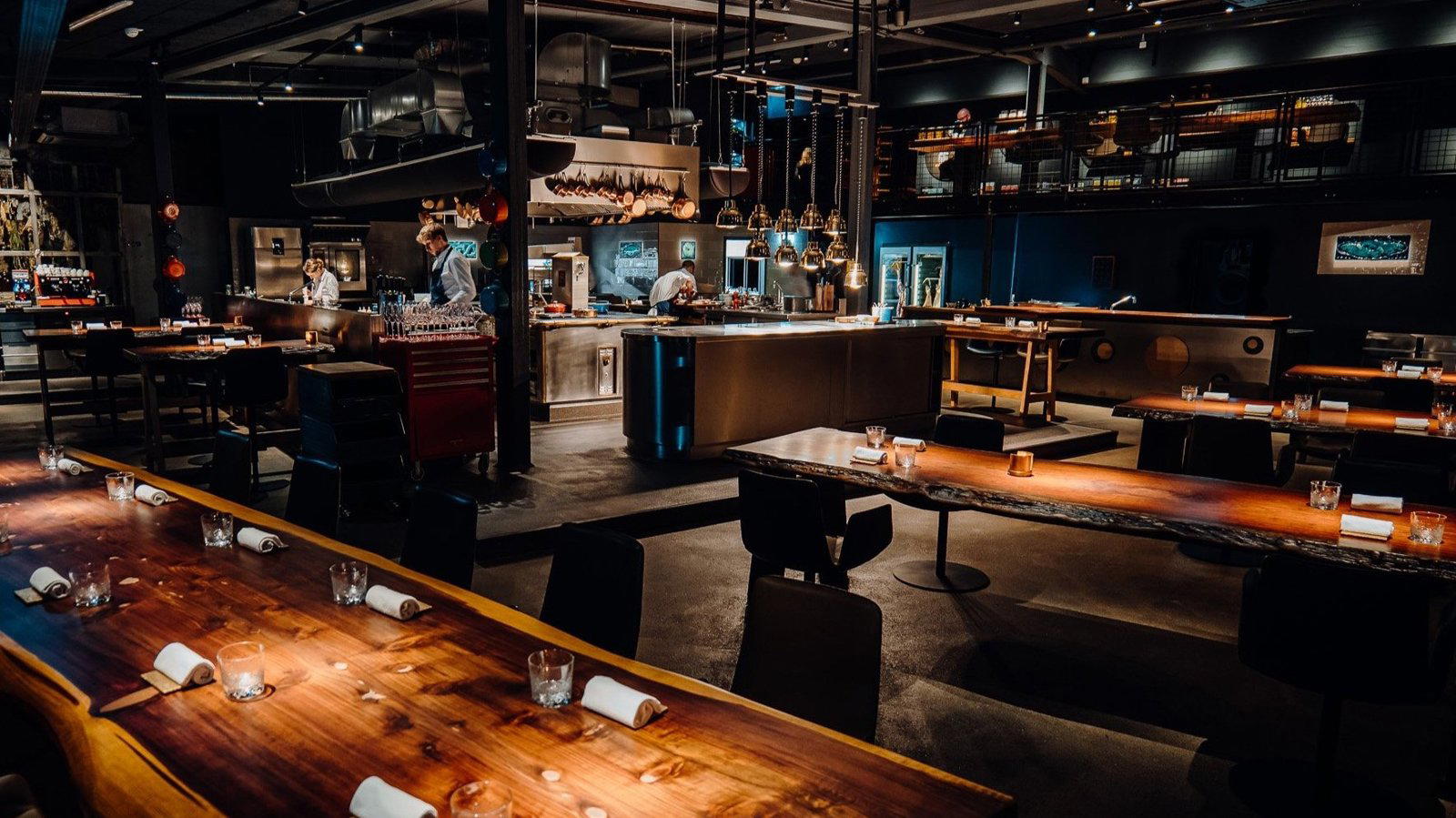
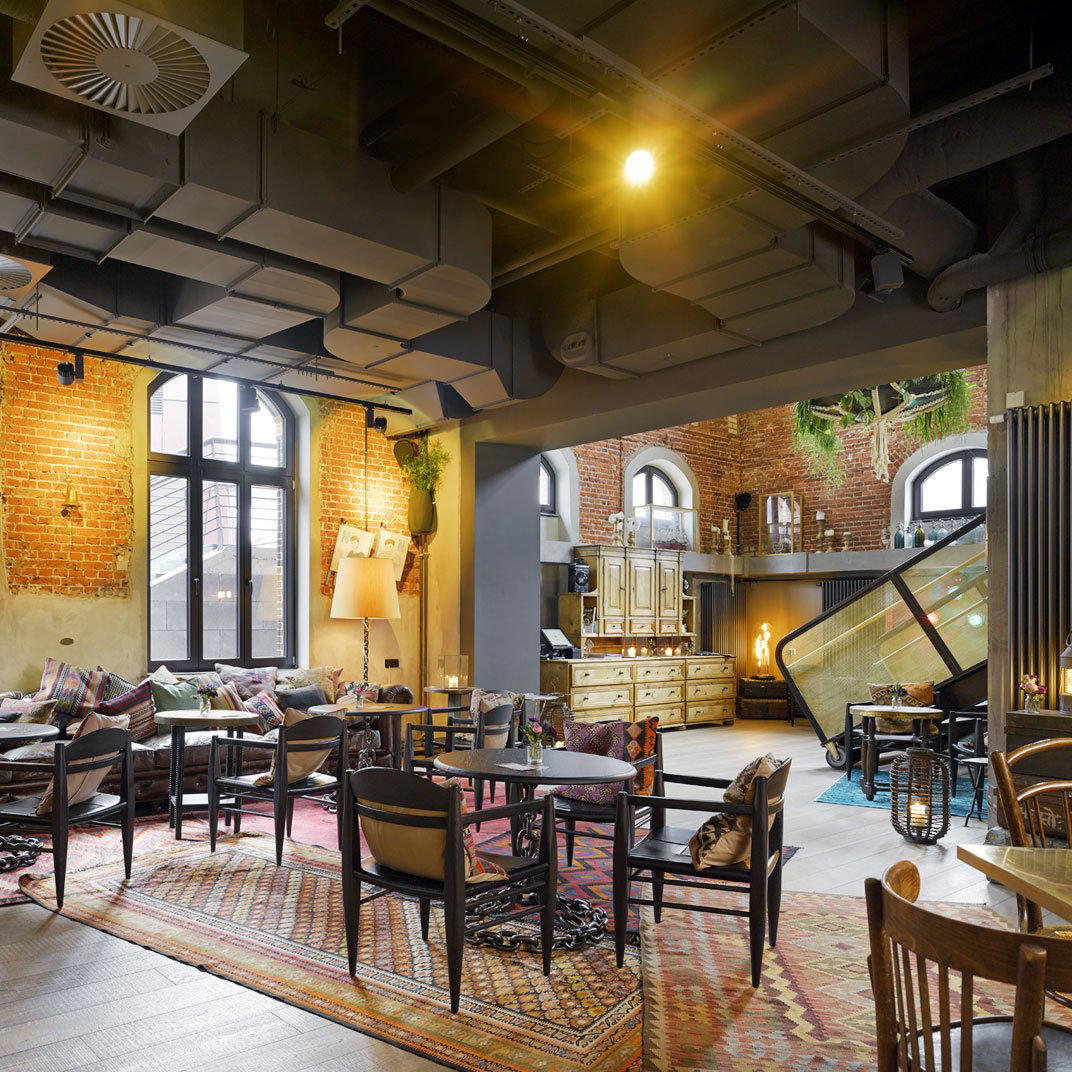
Casual bistro atmosphere focused on uncomplicated presentation of traditional dishes.