On Via Francesco Carrara in Rome's Prati quarter, Finger's Roma occupies a corner of the city where Japanese precision and Italian ingredient culture meet with uncommon seriousness. The kitchen draws on a sourcing philosophy that treats the provenance of each element as the starting point for every dish, placing it in a comparable set defined less by geography than by how rigorously a kitchen answers the question of where its food actually comes from.
Pearl is the En Primeur Club membership app — saves, bookings, and concierge access live there. Same editors, same standards.
- Address
- Via Francesco Carrara, 15, 00196 Roma RM, Italy
- Phone
- +393963234453
- Website
- fingersrestaurants.com
- Directions
- Get directions
 Saves & bookings on Pearl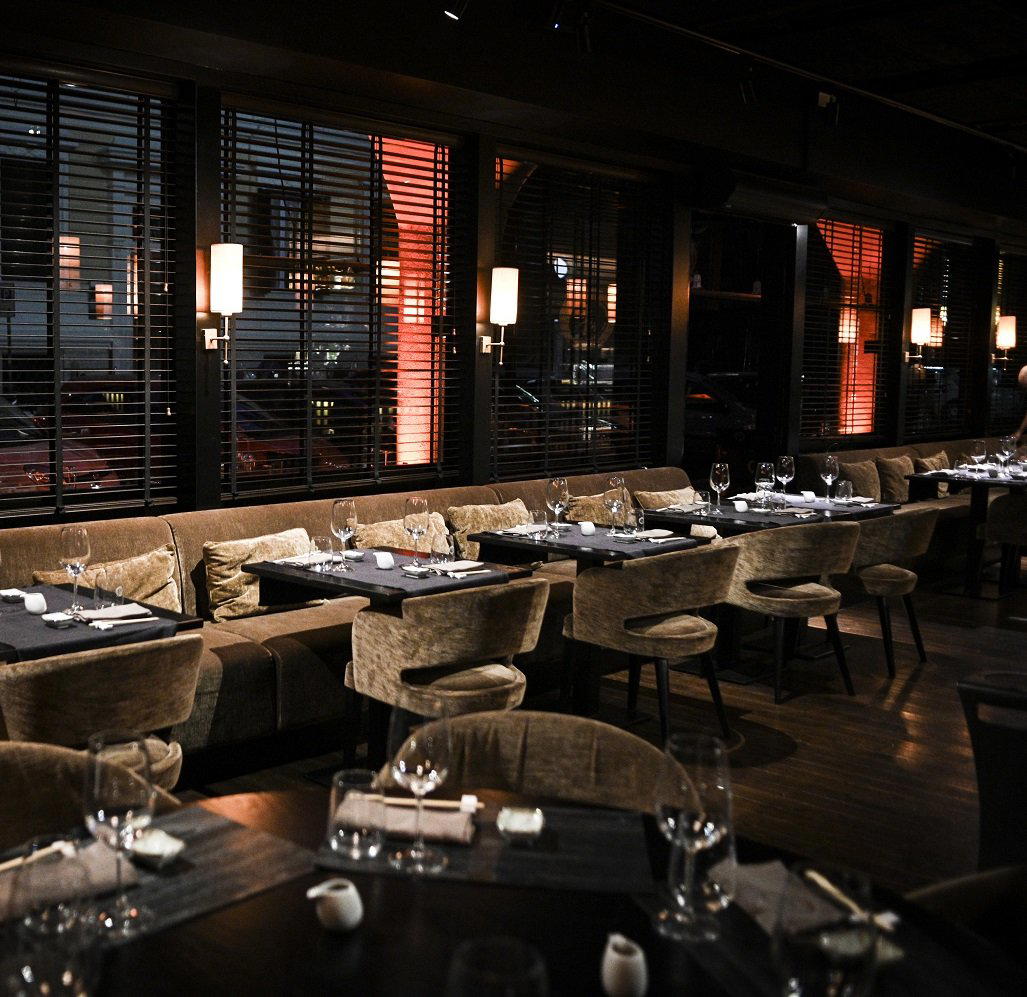
Where Rome's Ingredient Obsession Meets Japanese Discipline
Prati sits northwest of the Tiber, a neighbourhood of wide avenues and bourgeois calm that rarely generates the dining headlines reserved for Testaccio or the centro storico. That relative quietness is partly what makes Via Francesco Carrara an interesting address. Restaurants in this quarter tend to serve a local clientele first and a destination-seeking one second, which shapes the kind of precision a kitchen has to maintain night after night. Finger's Roma belongs to that context: a Japanese fusion restaurant in Rome's Prati district, with a smart casual dress code and an essential reservation policy, that earns its reputation through repetition and rigour rather than through location spectacle.
The broader pattern it represents is one of Rome's more quietly significant shifts. Over the past decade, a small number of Roman kitchens have moved toward Japanese culinary frameworks not as a fusion exercise but as a sourcing and preparation discipline. The logic is that Japanese cooking, at its most serious, treats ingredient provenance as a structural element of the dish rather than a marketing footnote. When that philosophy meets Italian producers, the kind who have been farming, aging, or fishing with generational consistency, the results can be considerably more interesting than either tradition would produce in isolation.
The Ingredient Argument
Across Italy's serious dining tier, the sourcing conversation has become increasingly central to how kitchens differentiate themselves. At Osteria Francescana in Modena, the relationship between local Emilian producers and the tasting menu is explicit. At Uliassi in Senigallia, the Adriatic catches arriving each morning set the terms of the menu. At Reale in Castel di Sangro, Niko Romito has built an entire culinary argument around the specificity of central Italian terrain. What connects these approaches is a shared premise: the ingredient is not a canvas for technique, it is the subject.
Finger's Roma operates inside that same premise but arrives at it from a Japanese angle. The Japanese kaiseki tradition, and the precision of sushi and sashimi preparation, demands an exacting relationship with provenance: fish species, fishing method, region of catch, time since harvest. When that discipline is applied to Italian raw materials, it tends to sharpen the sourcing decisions considerably. A kitchen that asks where the fish was caught, by whom, and on what tide is asking different questions than one that simply specifies the species on a menu.
This puts Finger's Roma in a peer conversation that extends beyond Rome's immediate fine dining scene. Restaurants like Quattro Passi in Marina del Cantone and Acquolina in Rome itself have made the sourcing of seafood a defining editorial position. At the Italian-Japanese intersection specifically, the comparison set is smaller but pointed: kitchens where the Japanese framework serves the Italian ingredient rather than competing with it.
Rome's Fine Dining Coordinates
To place the restaurant accurately within the city's dining structure, it helps to understand how Rome's upper-end restaurant tier is organised. La Pergola, which holds three Michelin stars, occupies the summit of the conventional fine dining hierarchy. Below that, a group of two-star and ambitious one-star addresses covers a range of approaches: Il Pagliaccio with its contemporary Italian precision, Enoteca La Torre with its creative seasonal work, Achilli al Parlamento with its cellar-driven identity.
The restaurant sits outside the conventional Italian fine dining bracket in terms of cuisine type, which is both its limitation and its advantage. Guests who arrive expecting the familiar architecture of an Italian tasting menu will find something structurally different. Guests who arrive understanding that the Japanese approach to fish and seafood sourcing can be a more exacting discipline than the European equivalent will find the restaurant's positioning coherent and purposeful.
For context across Italy's wider high-end landscape, it is worth noting how kitchens at destinations like Piazza Duomo in Alba, Le Calandre in Rubano, Dal Pescatore in Runate, and Atelier Moessmer Norbert Niederkofler in Brunico have each developed distinct sourcing philosophies tied to specific territories. The restaurant draws from a different territory, the Japanese culinary tradition, but applies it to the same Italian raw material pool. That transposition is its defining editorial position.
Internationally, the model has parallels at kitchens like Le Bernardin in New York City, where French classical technique governs a sourcing-first seafood program, or Lazy Bear in San Francisco, where the ingredient origin story is as structurally important as the cooking method. The common thread is a kitchen that treats sourcing as the argument rather than the backdrop.
Rome has its own version of this seriousness at Enoteca Pinchiorri in Florence and Enrico Bartolini in Milan in the broader Italian context, though neither operates from a Japanese framework. What makes the restaurant proposition specific is the convergence: Italian producers, Japanese technique, and a neighbourhood room in Prati that has been making that case long enough to have developed a loyal, repeat-visit clientele.
Planning Your Visit
Via Francesco Carrara 15 is in Rome's Prati district, a manageable walk from Lepanto metro station on Line A. The area is also well served by bus connections from the Vatican quarter and the centre. The neighbourhood's residential character means the surrounding streets are quieter in the evenings than central Rome, which has a practical benefit for those arriving by taxi or on foot.
Given the venue's positioning and the size of Prati's serious dining scene, booking ahead is advisable. The clientele skews toward regular visitors who know what they are coming for, which means walk-in availability on prime evenings is limited. For broader context on what else the city offers across different cuisine types and price points, the full Rome restaurants guide covers the current state of the scene in detail.
Know Before You Go
- Address: Via Francesco Carrara, 15, 00196 Roma, Italy
- Neighbourhood: Prati, northwest of the Tiber
- Nearest Metro: Lepanto (Line A)
- Reservations: Recommended, particularly for evenings and weekends
- Cuisine Type: Japanese-Italian, sourcing-led
Cuisine Lens
Comparable venues nearby, for context on price, style, and recognition.
| Venue | Cuisine | Price | Notes |
|---|---|---|---|
| Finger's RomaThis venue — the venue you are viewing | Japanese Fusion with Brazilian Influences | $$$$ | Not listed |
| Zuma | Modern Japanese Izakaya | $$$$ | Campo Marzio |
| Pescado Seafood Restaurant | Modern Italian Seafood | $$$$ | Pinciano |
| Kisaki Ramen & Sushi | Japanese Ramen & Sushi | $$ | Colonna |
| Hi-Res | Modern Italian Fine Dining | $$$$ | Campo Marzio |

At a Glance
- Elegant
- Romantic
- Sophisticated
- Intimate
- Date Night
- Special Occasion
- Business Dinner
- Celebration
- Standalone
- Open Kitchen
- Extensive Wine List
- Craft Cocktails
- Sake Program
- Local Sourcing
Current opening hours
- Monday
- 12–3 PM, 7:30–11 PM
- Tuesday
- 12:30–3 PM, 7:30 PM–12 AM
- Wednesday
- 12:30–3 PM, 7:30 PM–12 AM
- Thursday
- 12:30–3 PM, 7:30 PM–12 AM
- Friday
- 12:30–3 PM, 7:30 PM–12:30 AM
- Saturday
- 7:30 PM–12:30 AM
- Sunday
- 7:30–11:30 PM
Hours can change for holidays and private events. Last verified .
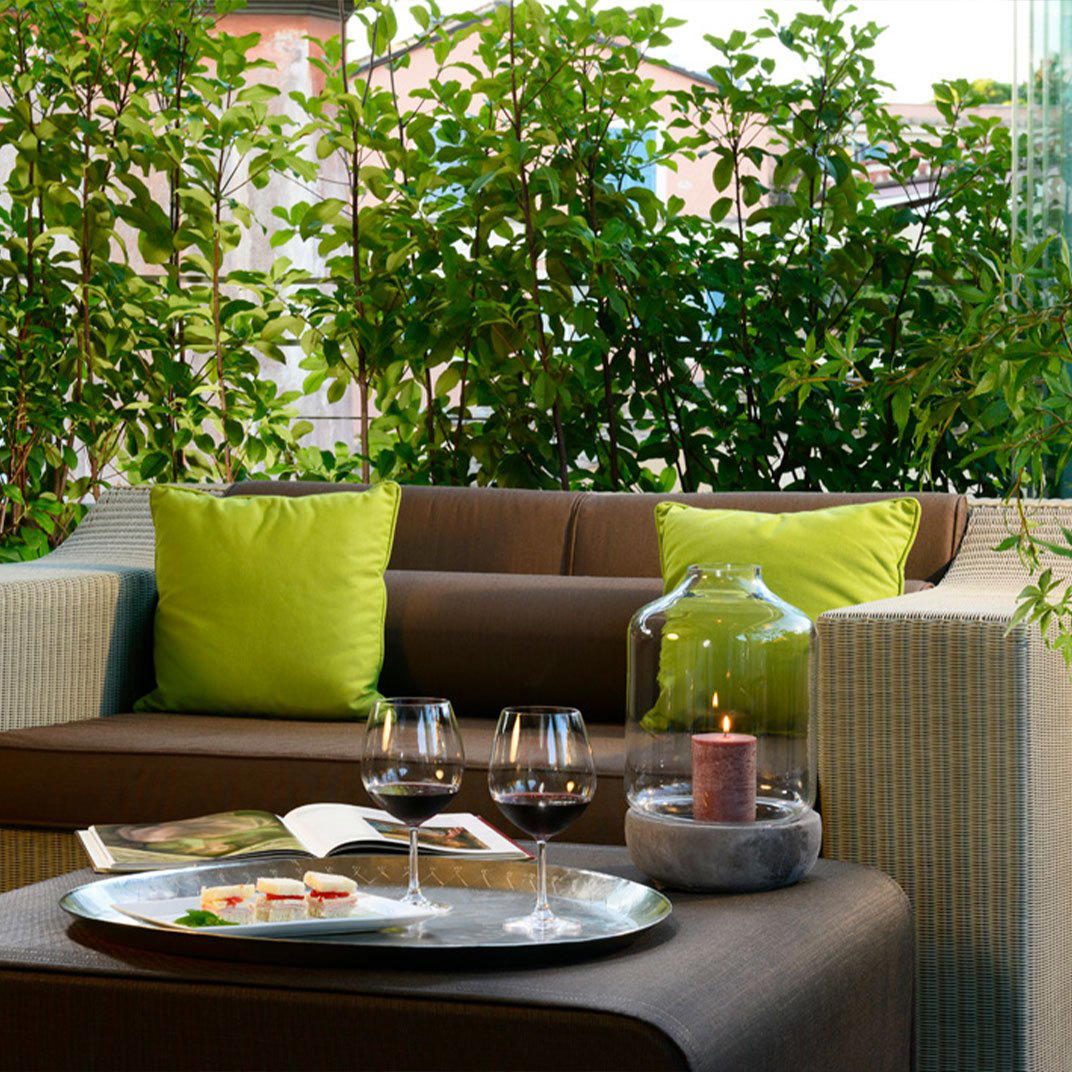
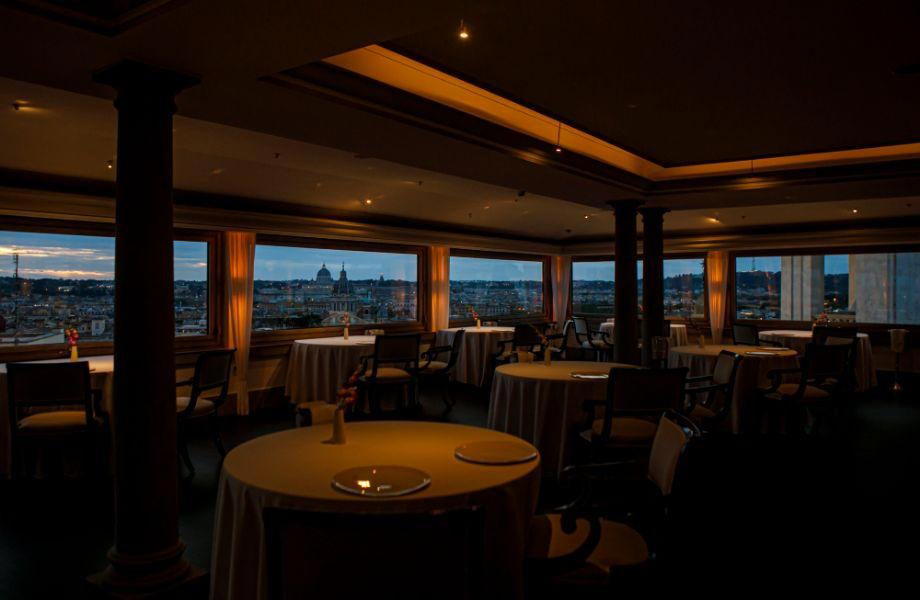
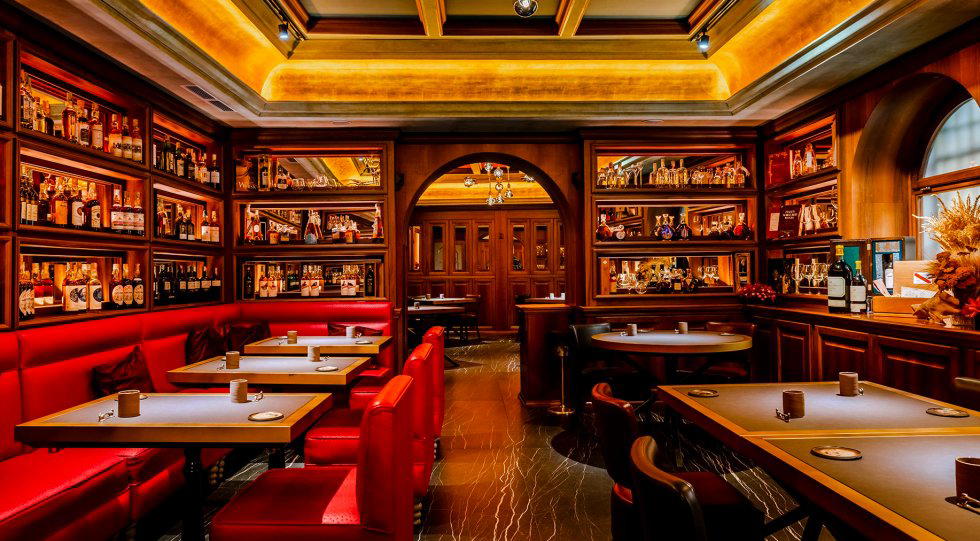
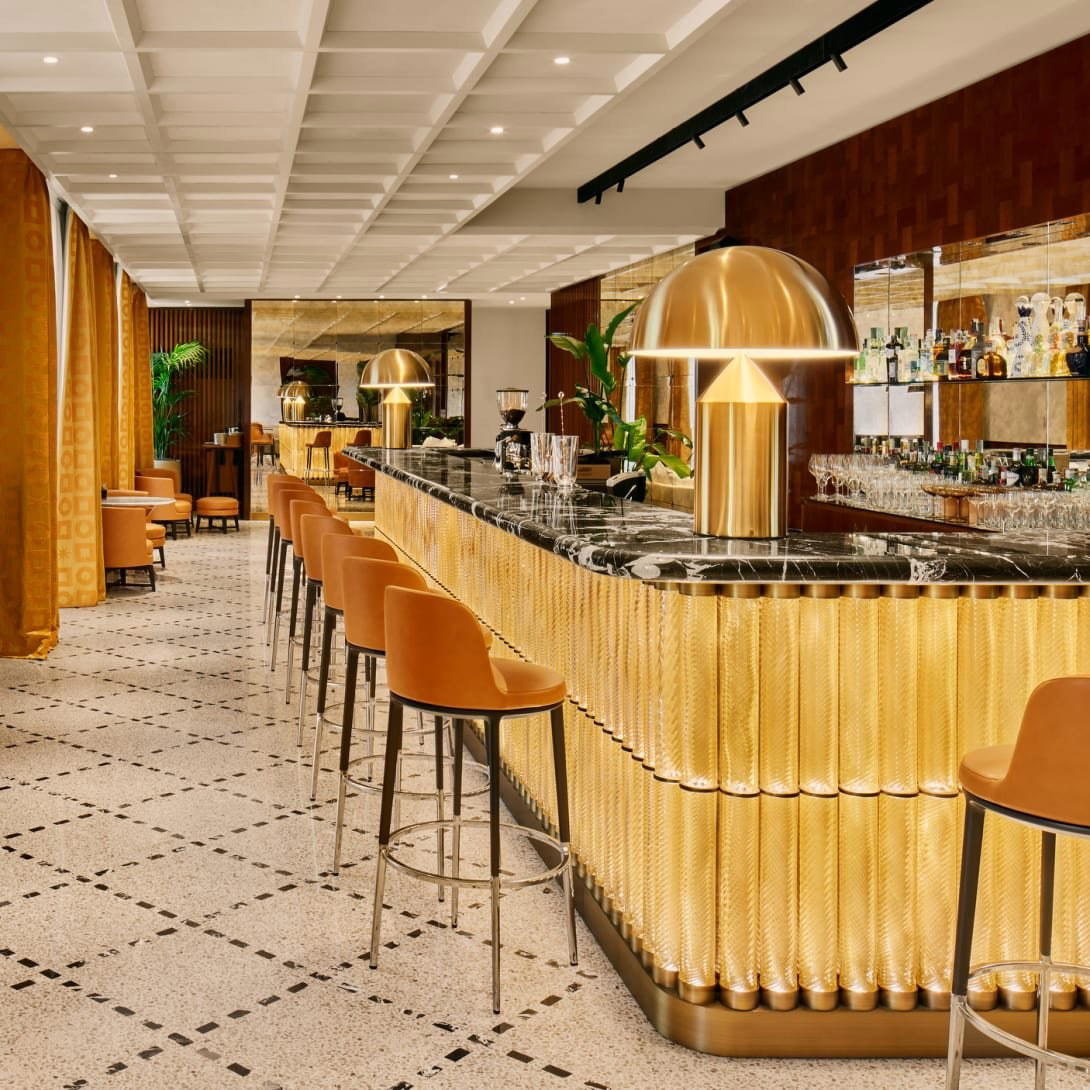
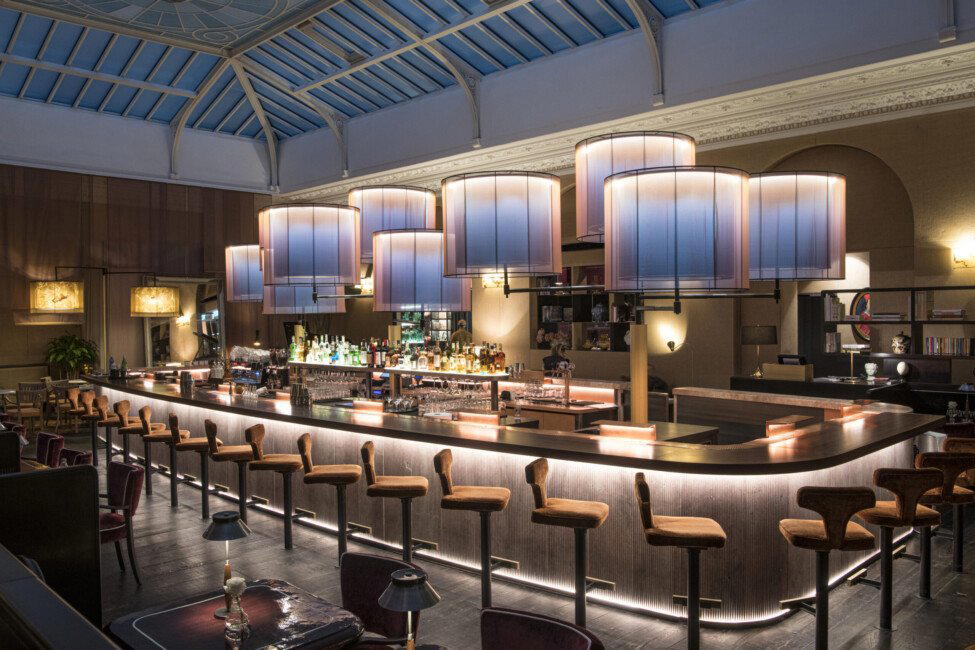
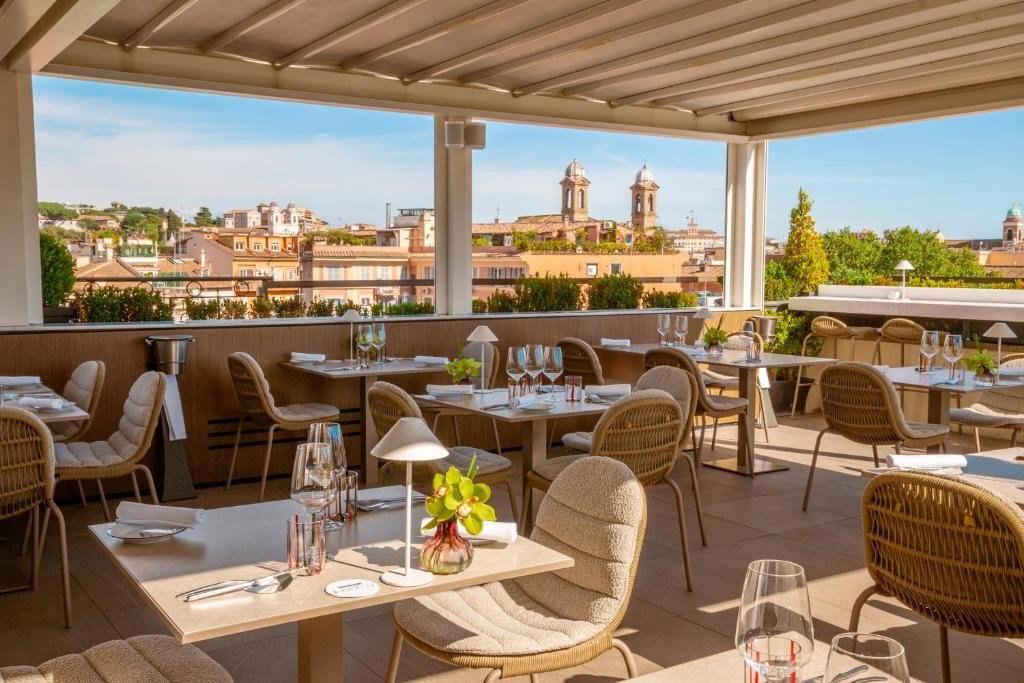
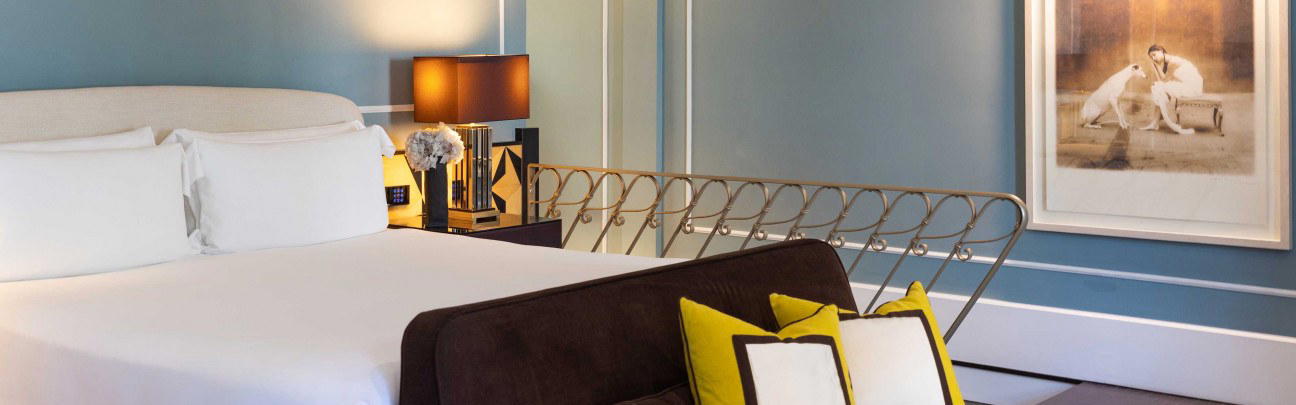
Soft, ambient lighting with welcoming velvet armchairs and spacious divans creating delicate, ethereal Japanese-inspired settings that evoke a modern 'Dolce Vita' atmosphere.