FIGURE D'ANCHOIS
Figure d'Anchois sits on Rue des Cordeliers in the medieval hill town of Forcalquier, a pocket of Haute-Provence where market culture and Ligurian salt routes have shaped the table for centuries. The name gestures toward the anchovy, a cured fish that traces a through-line from the coast to the inland towns of the Alpes-de-Haute-Provence. Visit our full Forcalquier restaurants guide for broader context on the local dining scene.
Pearl is the En Primeur Club membership app — saves, bookings, and concierge access live there. Same editors, same standards.
- Address
- 3 Rue des Cordeliers, 04300 Forcalquier, France
- Phone
- +33492799053
- Website
- figuredanchois.fr
 Saves & bookings on Pearl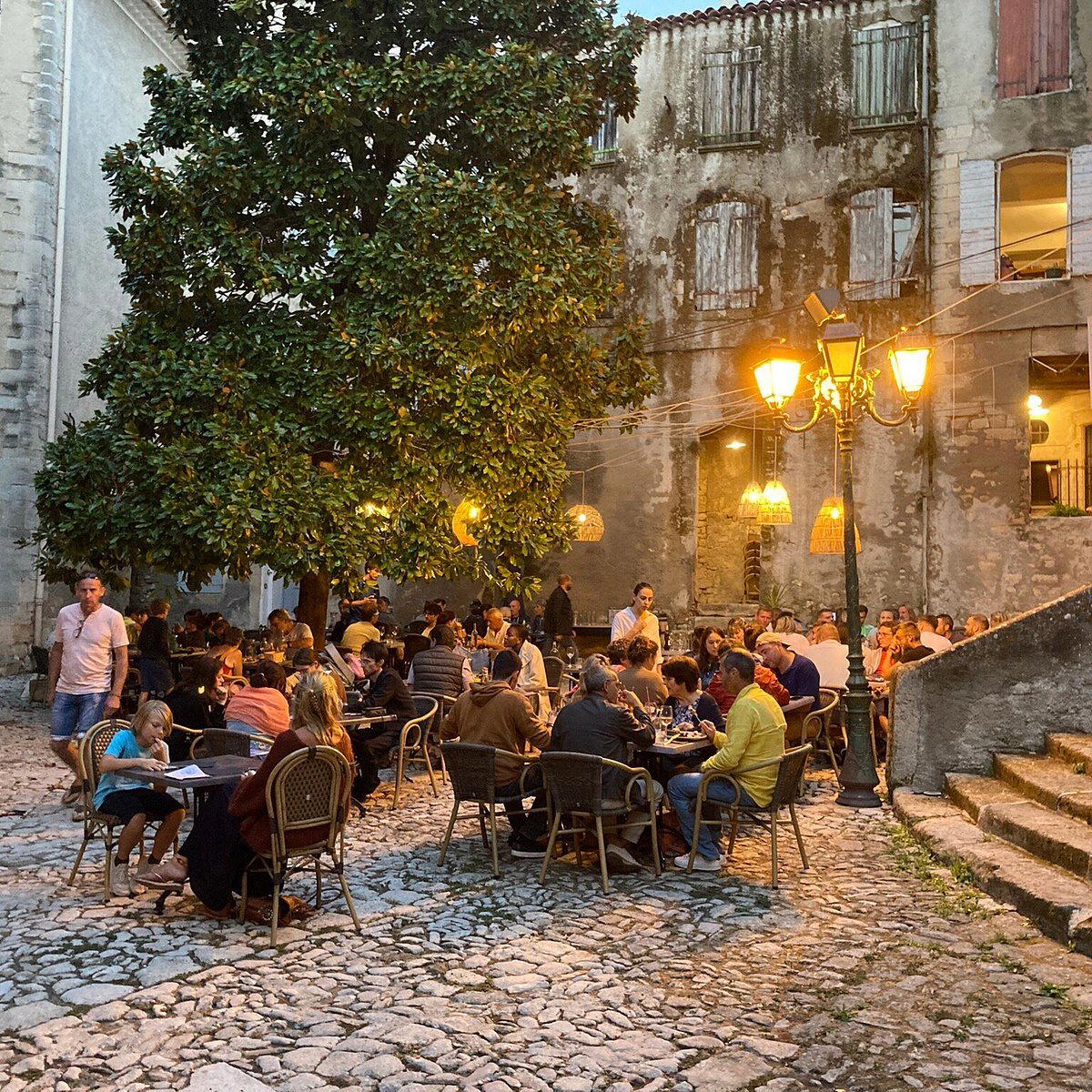
Salt, Coast, and the Inland Table: What Anchovy Means in Haute-Provence
The road into Forcalquier climbs past lavender fields and dry-stone walls before the medieval centre closes in around you. Rue des Cordeliers is part of that old town fabric, a narrow street where the architecture remembers the Franciscan presence that once made Forcalquier a minor capital of the region. At number 3, Figure d'Anchois takes its name from one of the most instructive ingredients in southern French cooking: the anchovy, the fish that dried and salted on the Ligurian coast and then travelled by mule track into the Provençal interior for centuries, seasoning everything from tapenade to slow-braised lamb.
That name is not decorative. Anchovies are the connective tissue between coastal Provence and its inland counterpart, and Haute-Provence has always eaten with one eye on the sea, one on the garrigue. The tradition of salted, preserved fish appearing deep inland is a reminder that before refrigeration, the most flavour-dense ingredients were the preserved ones. Salt cod, anchovy paste, dried olives: these were the pantry staples of the arrière-pays, and they produced a cuisine of concentration rather than delicacy. That culinary logic still runs through the restaurants and market stalls of Forcalquier today, distinguishing them from the softer, cream-driven cooking of Burgundy or the technique-forward rooms of Paris. For contrast with how a different French region reads those same classical influences, see Maison Lameloise in Chagny or Auberge de l'Ill in Illhaeusern.
Forcalquier's Position in the French Dining Map
Forcalquier is not a restaurant town in the way that Lyon or Menton are restaurant towns. It is a market town, and its Monday market is one of the most substantive in the Alpes-de-Haute-Provence, drawing producers from across the Luberon and the Durance valley. That agricultural identity shapes what smaller restaurants here can do: the supply chain is local by proximity rather than by curation, and the seasonal rotation is driven by what grows at altitude in a climate that swings between Mediterranean warmth and alpine cold.
The broader Provençal dining scene has two visible tiers. At the high end, three-Michelin-star addresses like Mirazur in Menton and long-standing destinations like L'Oustau de Baumanière in Les Baux set the reference points for what the region can achieve at the highest level of technical and seasonal ambition. Below that, the more interesting story is in smaller towns where restaurants are embedded in local supply chains rather than positioned for international recognition. Forcalquier operates in that second tier, and within it, Figure d'Anchois occupies a specific position: a name that signals culinary intent and regional literacy rather than tourist convenience.
For comparison with similarly place-rooted fine dining outside the obvious urban centres, Auberge du Vieux Puits in Fontjoncouse and Bras in Laguiole both demonstrate how a rural address with strong local sourcing can sustain serious culinary ambition over decades. Figure d'Anchois works at a different scale, but the underlying logic of place-rooted cooking is consistent across those examples.
The Cuisine Tradition the Name Invokes
Anchovy in Provençal cooking functions less as a standalone ingredient than as a seasoning agent. In bagna cauda, the Ligurian-Piedmontese preparation that has close cousins along the entire arc of the western Mediterranean, anchovies dissolve into warm oil and become the base into which raw vegetables are dipped. In tapenade, anchovy is part of the trinity with olives and capers, and the balance between those three determines whether the result reads as Marseillaise or as something more refined. The anchovy's presence in a restaurant name signals familiarity with that tradition, an orientation toward the preserved, the fermented, the deeply savoured rather than the immediately fresh.
That orientation has parallels in other parts of France. The charcuterie traditions of Lyon, the aged cheese culture of the Savoie, and the salt-marsh lamb of Normandy all share the logic of patience and preservation. But Haute-Provence does it with the particular intensity of a warm, dry climate where ingredients concentrate in the field before they reach the kitchen. The herbs are more aromatic, the tomatoes denser, the olive oil more assertive. La Table du Castellet in Le Castellet works with similar raw material not far to the south; Aigo Blanco, also in Forcalquier, approaches the same regional pantry from a different angle.
Planning a Visit to Forcalquier
Forcalquier sits roughly 25 kilometres northeast of Manosque and about 80 kilometres north of Aix-en-Provence, accessible by road through the Durance valley. The town itself is walkable once you are there, and Rue des Cordeliers is within the old centre. Reservations are recommended, particularly if you are in town for the Monday market. Midweek visits in summer may carry less pressure than weekends, when the regional tourist flow into Forcalquier increases. The broader Haute-Provence area rewards a multi-day stay: the Forcalquier countryside, the Observatoire de Haute-Provence, and the villages of the Luberon are all within reach.
For context on what the wider French fine dining network looks like beyond Provence, the full range runs from Alléno Paris au Pavillon Ledoyen at the capital's formal apex through rural destinations like Les Prés d'Eugénie in Eugénie-les-Bains, Georges Blanc in Vonnas, and Paul Bocuse in Collonges-au-Mont-d'Or, each representing a different model of how French gastronomy plants itself outside Paris. For alpine Provence specifically, Flocons de Sel in Megève and Le 1947 à Cheval Blanc in Courchevel show how mountain contexts generate their own culinary identity. Across the Atlantic, Le Bernardin in New York City and Lazy Bear in San Francisco track how French technique migrates and transforms in American hands. Closer to home, Troisgros in Ouches remains the clearest model of a multi-generational French kitchen rooted in a small town without apology.
Cost and Credentials
Comparable venues nearby, for context on price, style, and recognition.
| Venue | Cuisine | Price | Awards | Notes |
|---|---|---|---|---|
| FIGURE D'ANCHOISThis venue — the venue you are viewing | vieille ville, Italian Pizza & Antipasti | $$$ | , | |
| Aigo Blanco | old quarter, French Bistro | $$ | , | |
| Anna | $$$ | , | Haut Marais (Paris 3), Italian Wine Bar | |
| Restaurant Ciccino | $$$ | Palais De Justice, Modern Northern Italian | ||
| Fimmina - Pizzeria Paris 9 | $$ | , | 9th arrondissement, Artisanal Italian Pizzeria & Wine Bar | |
| La Planque | old town, Neapolitan Pizzeria | $$ | , |
Continue exploring
More in Forcalquier
Restaurants in Forcalquier
Browse all →
Hotels in Forcalquier
Browse all →
Wineries in Forcalquier
Browse all →
At a Glance
- Cozy
- Rustic
- Casual Hangout
- Family
- Terrace
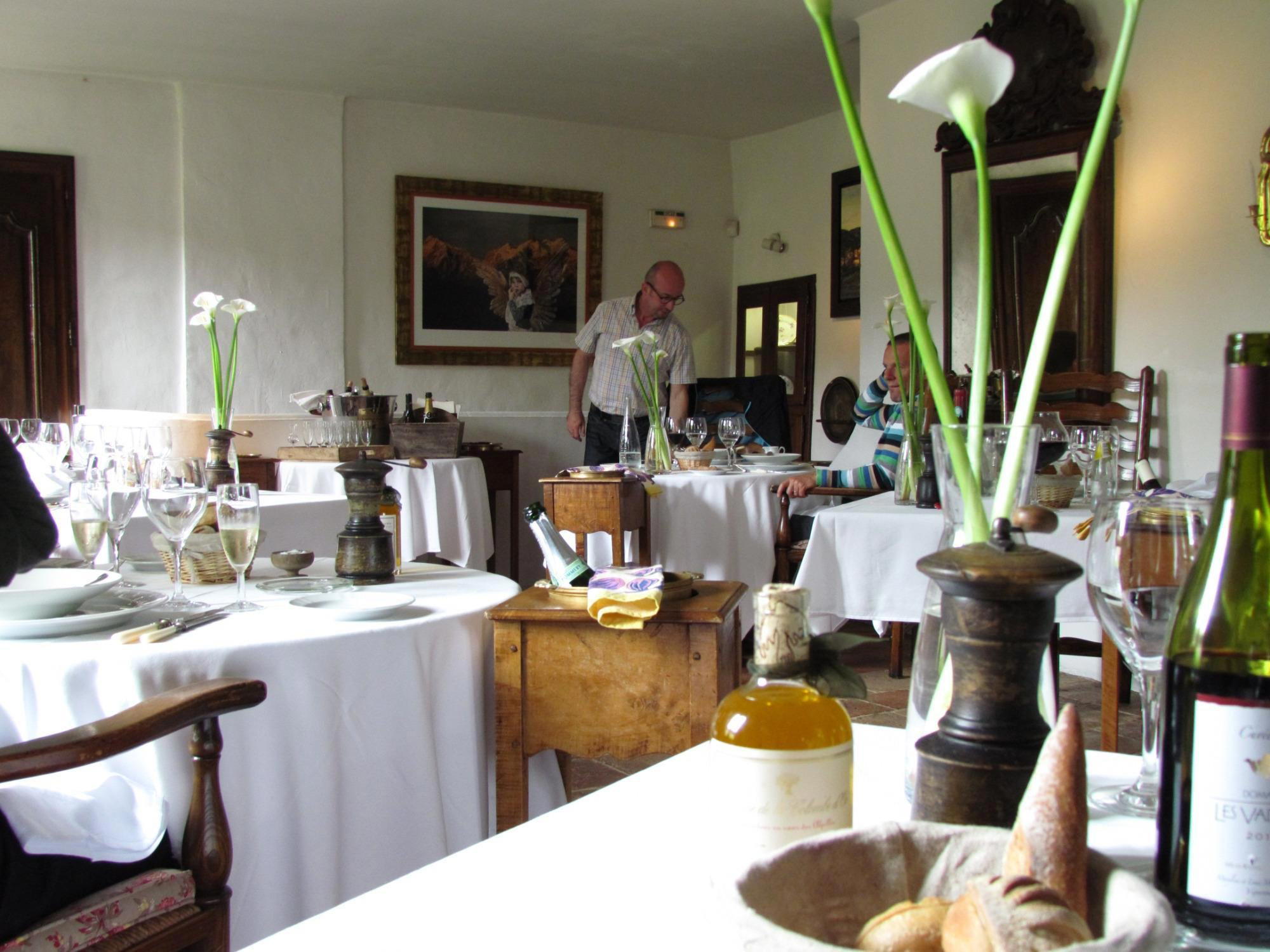
Convivial and warm atmosphere with a pleasant setting.