




2 Michelin Stars · World's 50 Best #23 · La Liste Top Restaurants
Our verdict
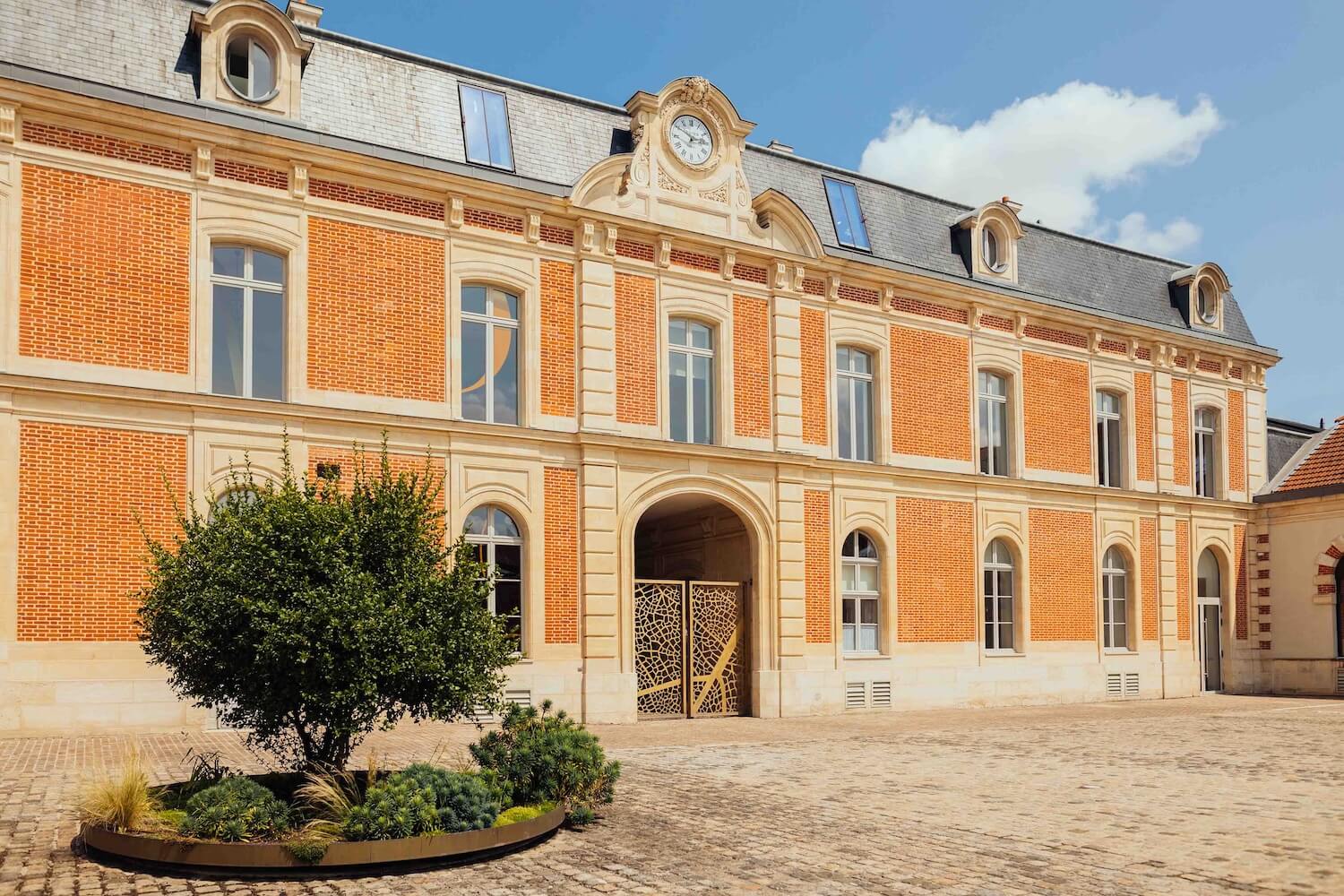
L'Ambroisie places classical French cooking at the formal end of the Paris spectrum, far from the chalkboard bistro but still tied to the same national grammar of sauce, season, and service rhythm. Its Place des Vosges setting, La Liste 98-point score for 2026, and long record of international recognition make it a reference point for readers comparing old-guard Paris dining with newer luxury formats.

Pearl is the En Primeur Club membership app, where members save venues, book tables and use the concierge.
The menu
What to order
- Feuillantine de langoustines aux graines de sésame sauce au curry
- Tarte fine sablée au cacao amer crème glacée à la vanille Bourbon
- Fricassée de homard
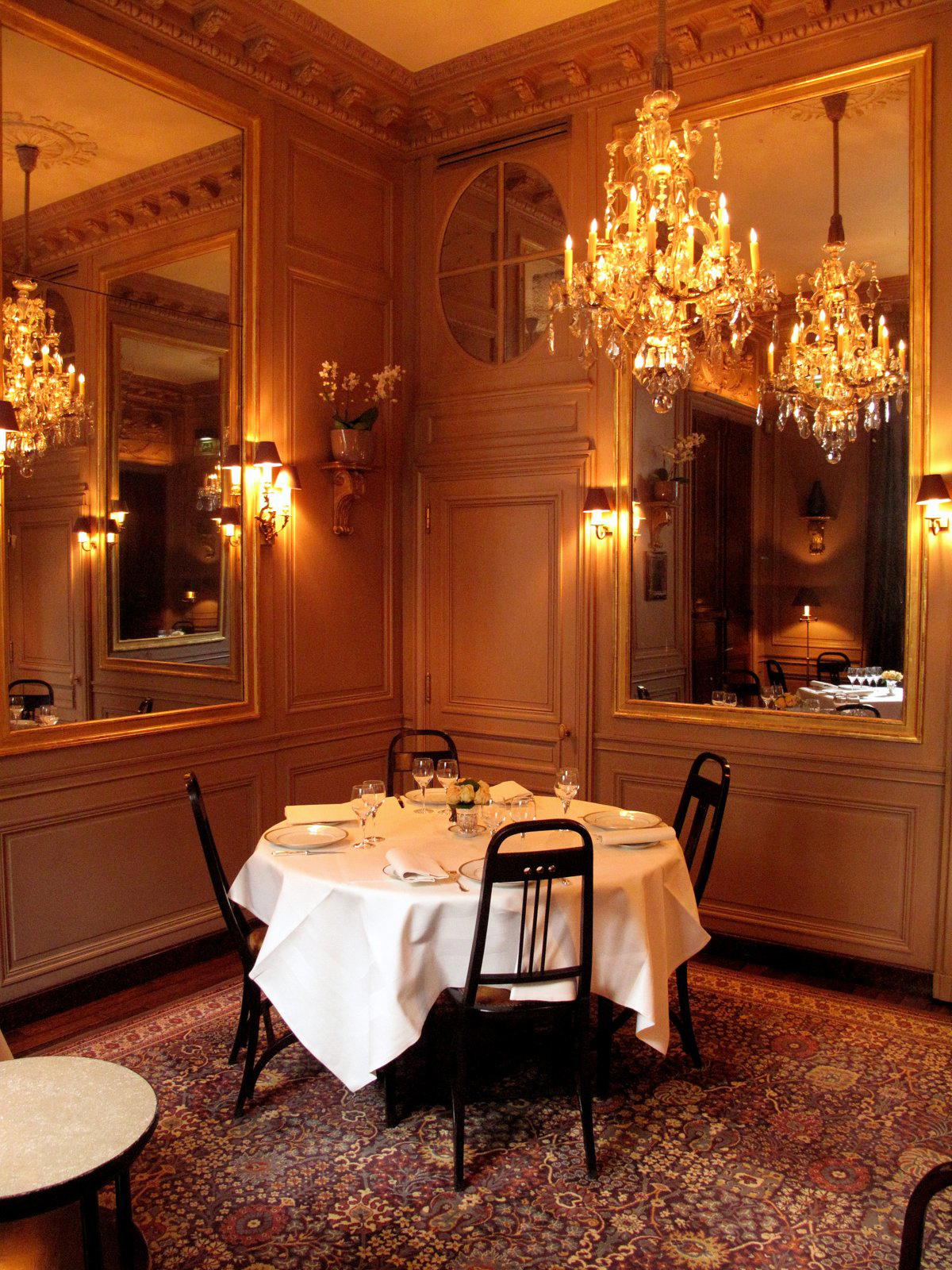
Paris changes the tempo before the meal. Formality, symmetry, and the hush of the city’s older dining rituals create civic theatre for a classical meal, not street-level glamour. In a city where the bistro taught diners to read table spacing, sauce work, and service cadence, L'Ambroisie occupies the opposite end of the same tradition: not casual or democratic, but shaped by the belief that appetite is disciplined by ritual.
Paris bistro culture was never only informality; it was legibility. A good bistro signals the evening through blackboard, zinc, cutlery weight, and confidence with old recipes. The grand classical room uses different tools: occasion, narrow margins, and cooking where reduction, texture, and timing are the argument. For readers mapping the city’s more formal dining addresses, compare the upper register here with L'Assiette, where the category sits closer to bistro appetite, or with Lasserre and Relais Louis XIII, where ceremony remains part of the Paris language.
Classic dining after the bistro taught Paris how to eat
Read L'Ambroisie not as isolated luxury, but as a high-form answer to habits created by everyday dining in the city. Bistro cooking made the repertoire familiar: roast, braise, jus, pastry, cheese, wine, and the expectation that a meal has a beginning, middle, and proper finish. Classical fine dining slows that grammar and raises the stakes. Sauce becomes structure; the room works not by convivial compression, but by distance, timing, and control.
Paris preserves these parallel tracks. A traveller can eat through neighbourhood bistros, formal dining rooms, counters, wine bars, and old-school maisons without leaving the broader canon. The difference is not only price or formality, but how much the meal entrusts to inherited technique. L'Ambroisie, credited with La Liste Top Restaurants scores of 99 points in 2025 and 98 points in 2026, sits where recognition is tied less to novelty than sustained precision. Opinionated About Dining placed it #10 in Classical in Europe in 2024, useful because the category separates old-guard technique from fashion-led tasting-menu culture.
The kitchen’s biography is not the main point. Paris has long absorbed different influences into its classical dining language; the serious question is whether the meal remains fluent in its own rules. At this level, the room is judged against a narrow field: legacy Paris houses, formal hotel restaurants, and independent dining rooms that refuse to trade classical identity for theatrical looseness. This address belongs with the city’s disciplined references, not the casual revivalist bistros that dominate weekend recommendations.
Why Paris sharpens the old-guard argument
Paris is often reduced to shopping, galleries, and weekend foot traffic, but the city has another charge around formal dining. Its geometry and inherited rituals can make a grand restaurant read less like spectacle than a continuation of civic elegance. The setting explains why classical dining can convince in Paris when it might feel theatrical elsewhere: the city supplies the frame.
Bistro tradition gives travellers a baseline for judging that frame. In a bistro, warmth often comes from compression: close tables, fast servers, familiar dishes, and improvised energy. In formal classicism, warmth must come from assurance, because looseness would break the spell. That is the risk and appeal of L'Ambroisie. It asks the diner to value restraint over bustle, continuity over reinvention. Readers seeking a more relaxed register should scan other Paris dining rooms as counterpoints, then use Our full Paris restaurants guide to place those choices within the city’s wider dining map.
Recognition history reinforces the point. The restaurant’s appearances on The World’s 50 Best Restaurants list in the early 2000s, including #16 in 2002, #9 in 2003, #40 in 2006, and #23 in 2007, belong to a different era of global ranking, before social media tasting-menu aesthetics dominated visual language. Longevity is not a reason to suspend judgment; it is a reason to judge by classical criteria. The questions are whether the cooking has clarity, service rhythm supports rather than intrudes, and the room gives formality purpose beyond nostalgia.
How to place it within a serious Paris itinerary
A Paris dining itinerary benefits from contrast. A formal classic meal becomes clearer beside a bistro, a modern counter, and a serious bar, not repeated across grand rooms. In Paris, L'Assiette gives the repertoire a grounded register, while Lasserre and Relais Louis XIII keep the conversation inside the formal lane. That spread teaches more about the city than stacking only trophy meals.
The same logic applies beyond restaurants. Paris rewards travellers who build days by neighbourhood and mood rather than isolated reservations. Use Our full Paris hotels guide for lodging, Our full Paris bars guide for the after-dinner shift, Our full Paris wineries guide for wine-focused planning, and Our full Paris experiences guide for cultural structure around the table. The smarter itinerary gives classical dining space: a culture-heavy afternoon or long Paris walk suits the mood better than a rushed transfer from another major meal.
The broader dining lens can sharpen the Paris decision. Other dining rooms in France and beyond show how regional context shifts similar vocabularies, and how the category travels, adapts, and sometimes loses the civic frame Paris supplies naturally. L'Ambroisie is most legible when viewed within that city frame rather than as a stand-alone trophy booking.
Editorial verdict is clear: this is for diners who want classicism as a living discipline, not retro décor or comfort-food shorthand. It belongs in an itinerary when the purpose is to understand the formal ceiling of Paris dining and how that ceiling relates to the bistro floor beneath it. Travellers chasing novelty may find the old codes demanding. Travellers who care about the architecture of dining, from everyday bistro to ceremonious room, will find the comparison itself the point.
Frequently asked questions
What days is L'Ambroisie closed?
Check directly with L'Ambroisie for current opening days and hours.
Where is L'Ambroisie located?
Paris.
Is L'Ambroisie focused on a specific cuisine style?
L'Ambroisie is discussed here as a formal Paris dining room with major classical-restaurant recognition.
What price level is L'Ambroisie?
Check directly with L'Ambroisie for current pricing.
Price Lens
Comparable venues by cuisine and price in the same metro.
| Venue | Cuisine | Price | Awards |
|---|---|---|---|
| L'AmbroisieThis venue (the venue you are viewing) | Classic French Haute Cuisine | $300–500 | 2 Michelin Stars · World's 50 Best #23 |
| Relais Louis XIII | Classic French Haute Cuisine | $200–300 | 1 Michelin Star · Gault & Millau Remarkable Restaurant |
| L'Assiette | Classic French Bistro | $50–100 | Michelin Plate |
| Lasserre | Modern French Fine Dining | Not listed | 1 Michelin Star · Les Grandes Tables du Monde Member |
| La Truffe Noire | Classic French Truffle Fine Dining | $100–150 | Michelin Plate |
Recognition history
Dated appearances from independent guides and award organizations, with the underlying list record or original source where available.
Michelin 2 Stars
Michelin
World's 50 Best Restaurants #23
World's 50 Best
La Liste Top Restaurants
La Liste
Falstaff Restaurant - 99 Falstaff Points
Falstaff
Opinionated About Dining Classical in Europe Ranked #10
Opinionated About Dining
Full recognition history (13 entries)
La Liste Top Restaurants
La Liste
Michelin 2 Stars
Michelin
Michelin 2 Stars
Michelin
Opinionated About Dining Classical in Europe Ranked #10
Opinionated About Dining
Opinionated About Dining Classical in Europe Ranked #11
Opinionated About Dining
World's 50 Best Restaurants #40
World's 50 Best
World's 50 Best Restaurants #9
World's 50 Best
World's 50 Best Restaurants #16
World's 50 Best
L'Ambroisie
Featured Guides
Continue exploring
More in Paris
Restaurants in Paris
All restaurants in Paris →
Bars in Paris
All bars in Paris →
L'Ambroisie
The wine
- Wine program
- Deep wine list
- Extensive wine list
- Sommelier-led
Details
- Elegant
- Classic
- Sophisticated
- Intimate
- Ornate
- Special Occasion
- Date Night
- Business Dinner
- Historic Building
- Extensive Wine List
- Sommelier Led
- Street Scene
- A La Carte
Current opening hours
- Monday
- Closed
- Tuesday
- 12:15–1:15 PM, 8–9:15 PM
- Wednesday
- 12:15–1:15 PM, 8–9:15 PM
- Thursday
- 12:15–1:15 PM, 8–9:15 PM
- Friday
- 12:15–1:15 PM, 8–9:15 PM
- Saturday
- 12:15–1:15 PM, 8–9:15 PM
- Sunday
- Closed
Hours can change for holidays and private events. Hours as of .
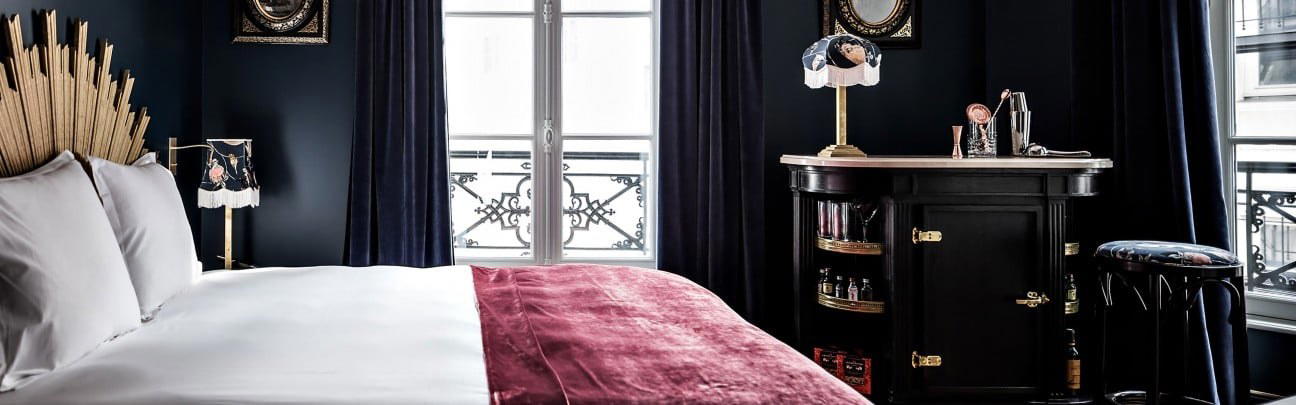
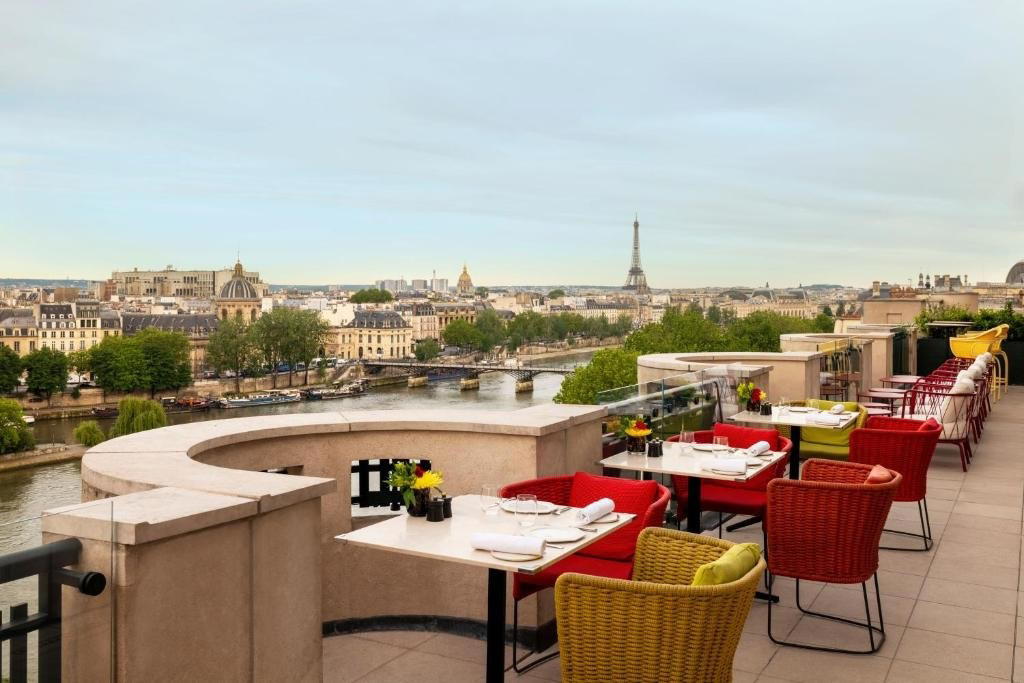
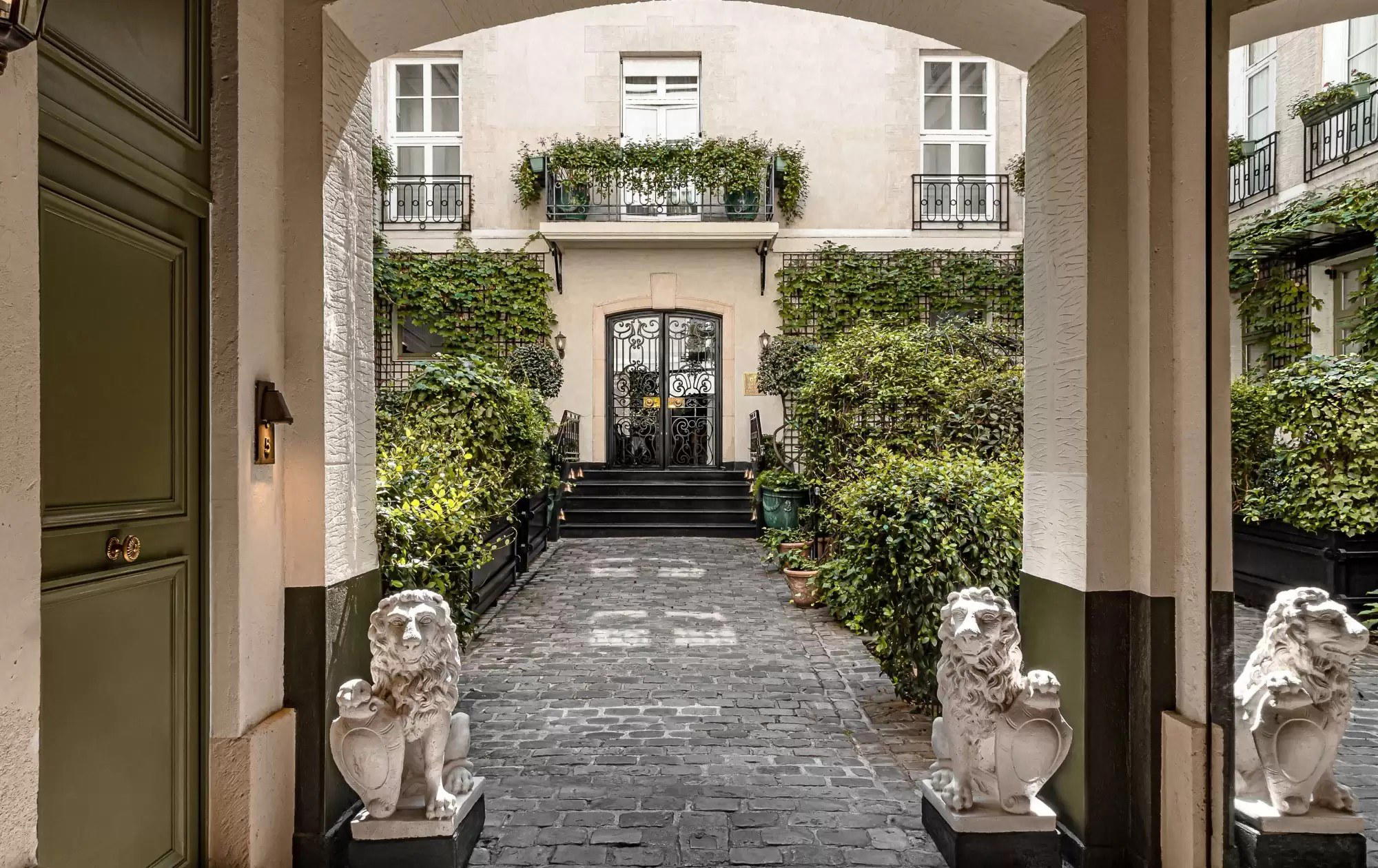
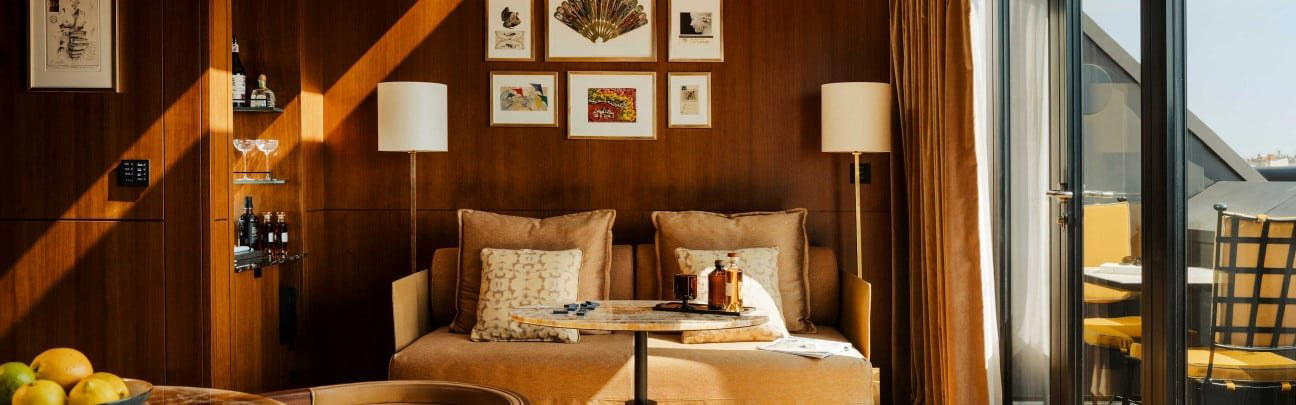
Cozy, elegant residential setting with formal, discreet service, fine silverware, crystal, and porcelain in three small dining rooms.