La Bastide de Moustiers



1 Michelin Key · La Liste Top Hotels · Vogue 2026 Vogue Best Hotels in Provence
A 17th-century stone farmhouse in the Alpes de Haute Provence, La Bastide de Moustiers trades on scale for intimacy: thirteen rooms, a kitchen garden tended by a dedicated gardener, and a restaurant operating under Alain Ducasse's name in one of France's most architecturally dramatic village settings. La Liste recognised it at 90 points in 2026, and Michelin awarded it one Key in 2024.

Pearl is the En Primeur Club membership app — saves, bookings, and concierge access live there. Same editors, same standards.
- Address
- 511 Chem. de Quinson, 04360 Moustiers-Sainte-Marie
- Phone
- +33 4 92 70 47 47
- Website
- bastide-moustiers.com
- Directions
- Get directions
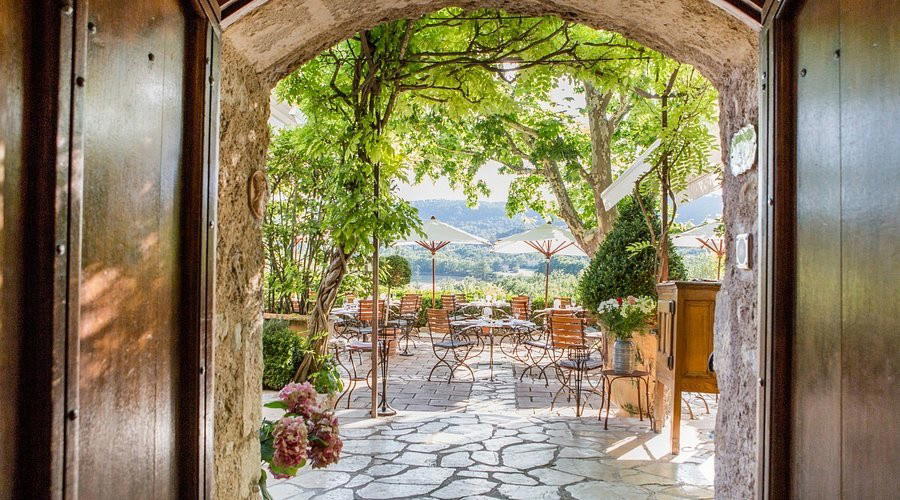
A Stone House in Lavender Country
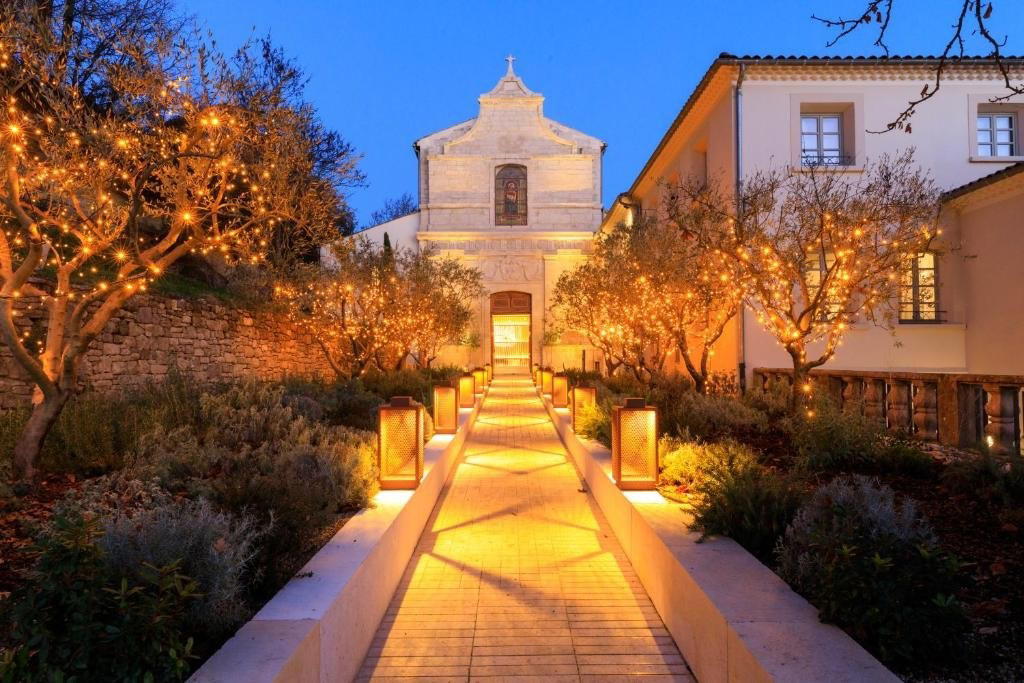
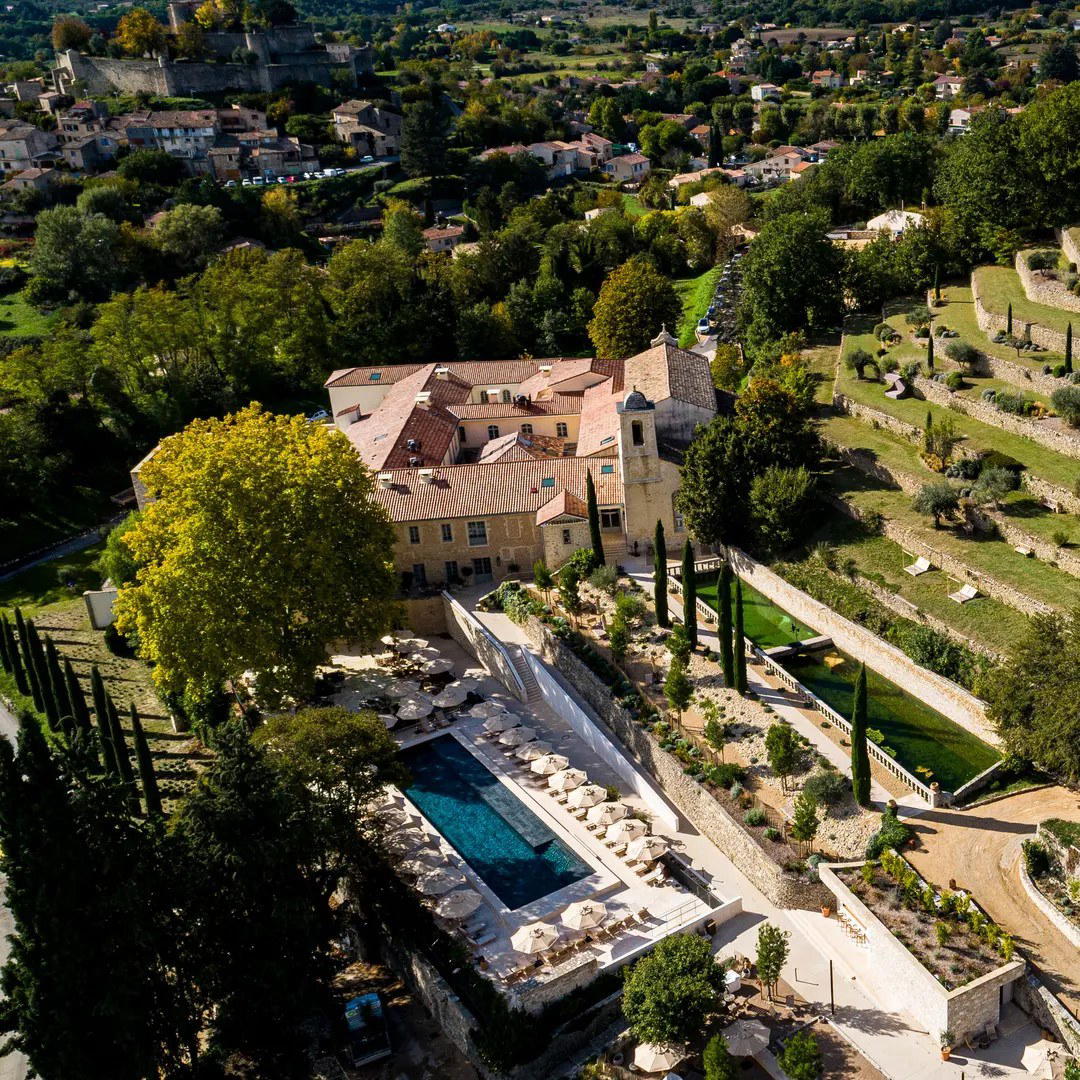
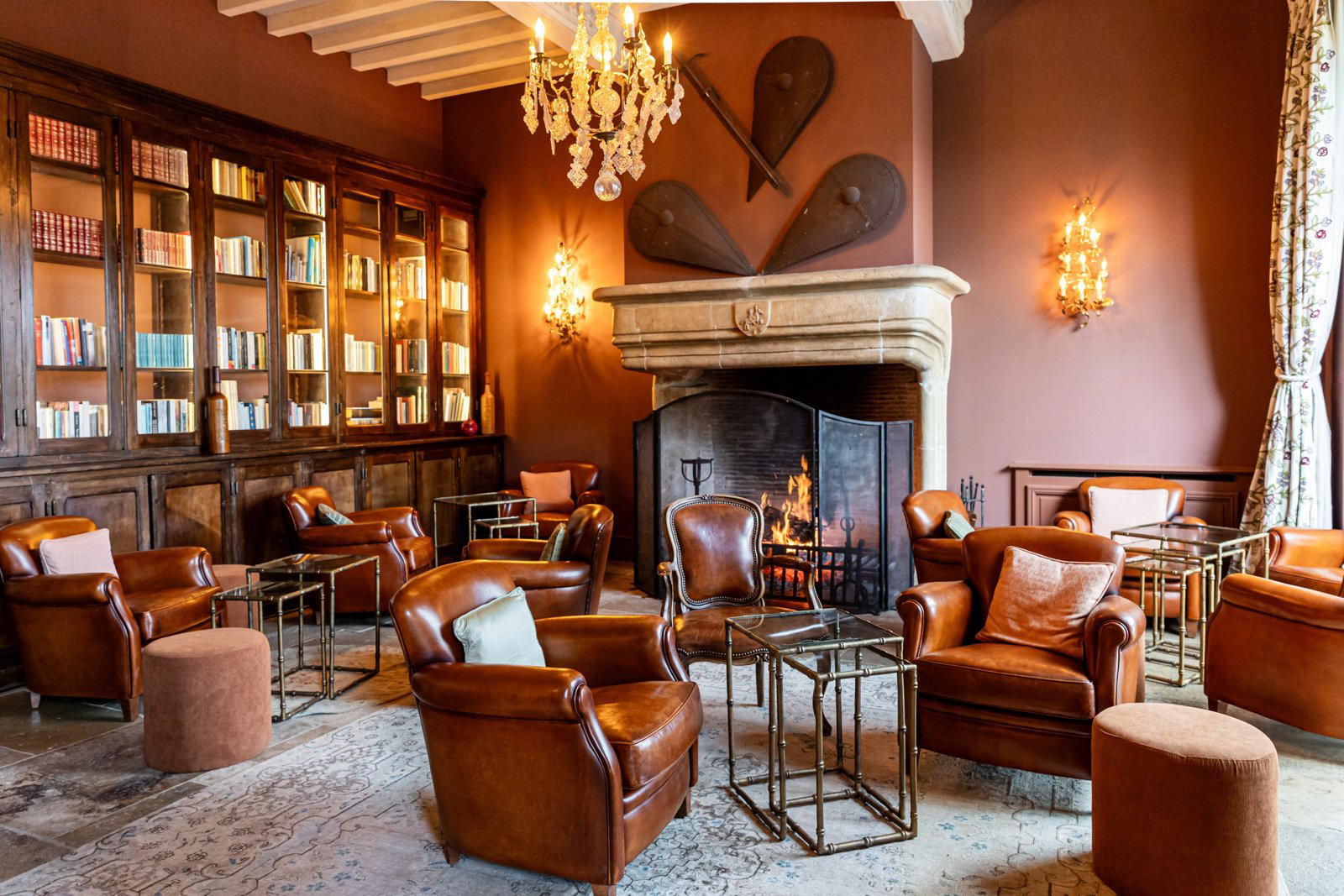
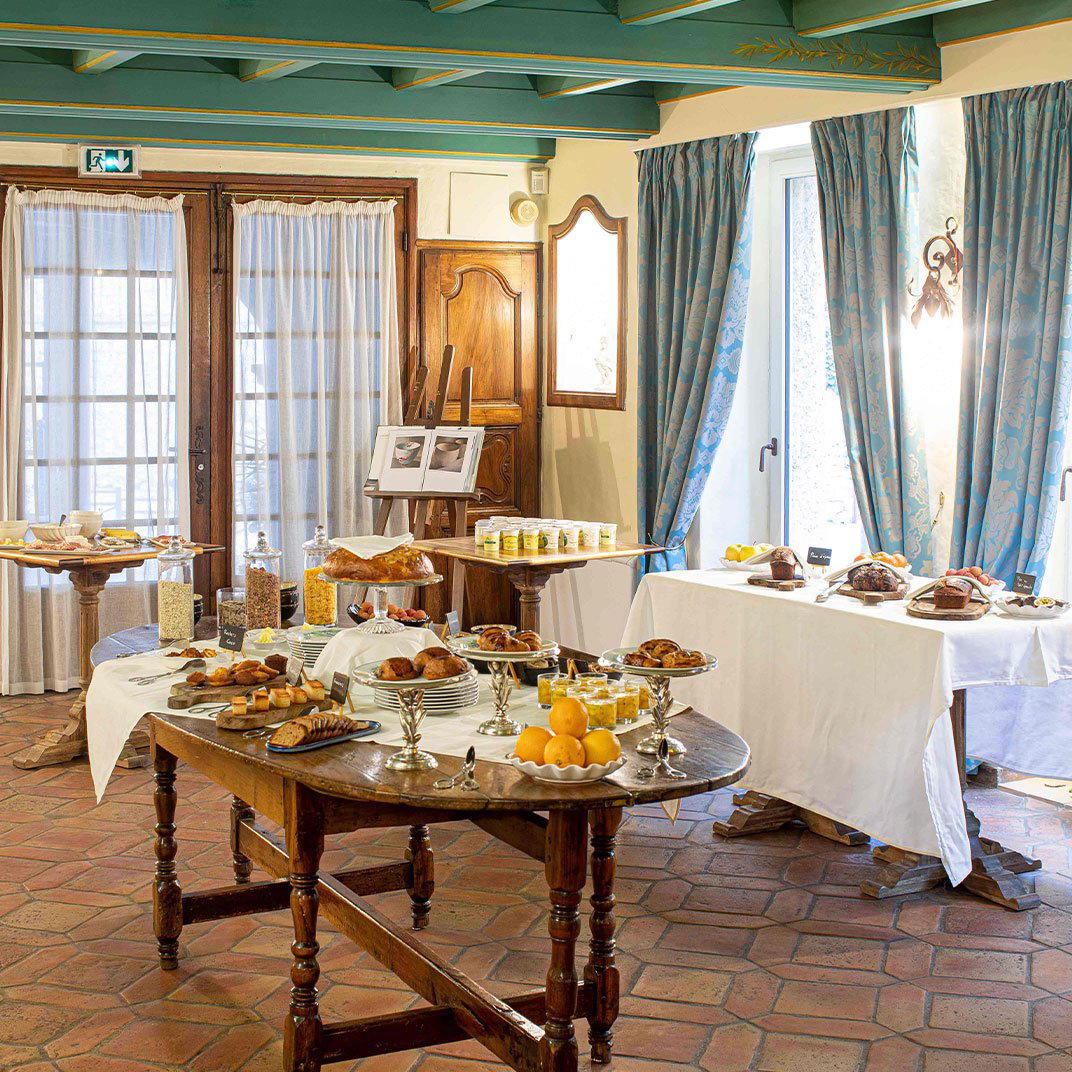
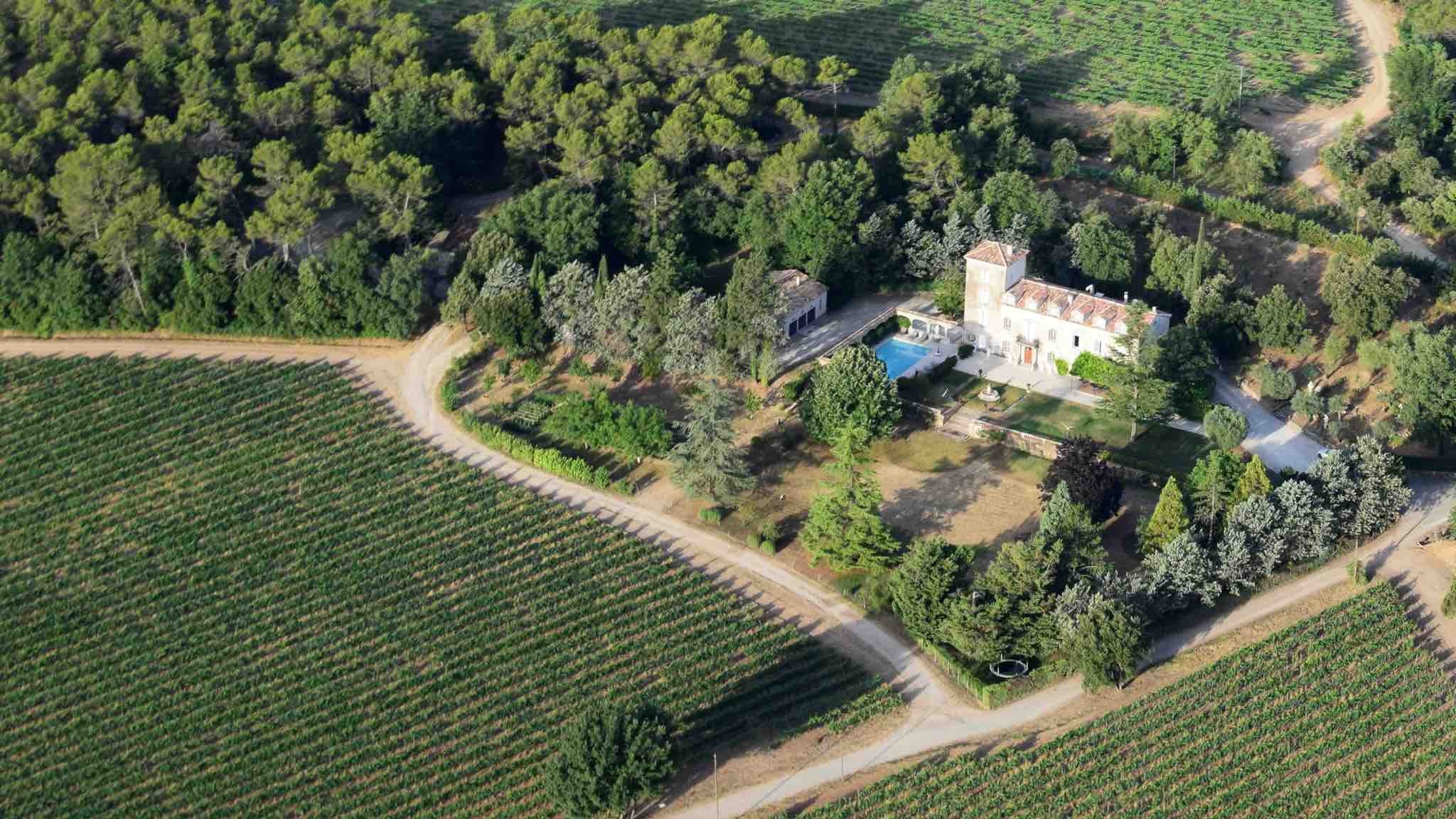
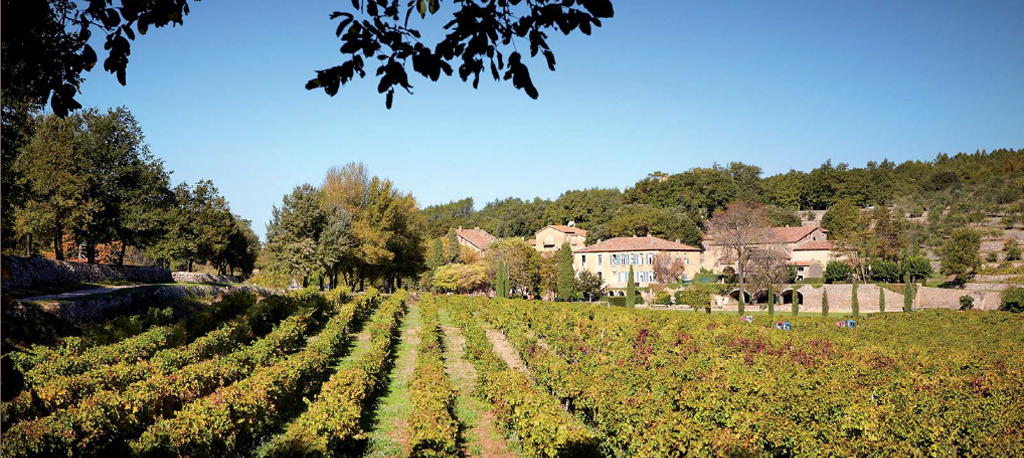
The approach to Moustiers-Sainte-Marie sets the terms before you arrive. The road climbs into a countryside that shifts from flat agricultural land into something more severe: limestone gorges, scrub oak, and the sudden vertical drama of the cliffs above the village, between which a star hangs on a chain, an offering said to date to a returning crusader. This is not the manicured Provence of the Luberon or the Alpilles. It sits further east, in the Alpes de Haute Provence, closer to the Gorges du Verdon than to the tourist circuit, and the landscape carries that relative remove. Against this backdrop, the physical character of La Bastide de Moustiers reads as entirely native: a 17th-century stone farmhouse with thick walls, terracotta floors, and gardens that extend into lavender fields and olive groves. The building does not perform Provence — it predates the postcard version of it.
Architecture as Argument
Among small French country hotels, the design conversation tends to split between heavy restoration (gilded, formal, museum-adjacent) and an overcorrected rusticity that applies reclaimed wood and linen as a kind of branding exercise. La Bastide occupies a narrower register. The stone structure itself is 17th-century, and the design refresh by Tonia Peyrot, who came to the project as Alain Ducasse's collaborator rather than as an exterior appointment, operates within that frame rather than against it. The thirteen rooms reflect the building's agricultural origins: proportions that are domestic rather than palatial, a palette that draws from the surrounding land rather than from a mood board. What distinguishes the approach is restraint applied to an already restrained object. The gardens are the more legible design statement — profuse without being arranged, with paths that meander rather than direct, and a kitchen garden that functions as both a productive resource for the restaurant and an organizing principle for the property's daily rhythms.
This positions La Bastide in a specific tier of French country hotel. It is not a château-hotel in the Baumanière Les Baux-de-Provence in Les Baux mold, where the architecture commands and the landscape responds. Nor does it belong to the design-hotel category, where interiors are the primary editorial subject. The farmhouse is the anchor, and everything, rooms, garden, restaurant, is calibrated around the coherence of that original structure. La Liste's 2026 recognition at 90 points, alongside a Michelin Key in 2024, places it within a set of small French properties where the integration of setting, food, and accommodation is the credential rather than any single trophy element.
Thirteen Rooms, One Garden
The scale matters here. Thirteen rooms across a former private residence means that the property never reaches the operational density at which a hotel starts to feel like a hotel. The corridors do not deliver the ambient noise of a larger property. The shared spaces, the shaded courtyard, the pool area, the garden terraces, have a carrying capacity that matches the room count. This is a design decision as much as a commercial one: the intimacy is structural, not a service style layered on top of a larger operation.
Room design at this scale tends to express itself through character rather than category. The former private residence history is legible in the way rooms sit within the building, some opening toward the garden, others toward the surrounding fields, rather than having been inserted into a purpose-built floor plate. At rates from approximately $391 per night, the property sits in a tier where the competition is not the regional three-star hotel with a spa annexe, but properties like La Bastide de Gordes in Gordes, Villa La Coste in Le Puy-Sainte-Réparade, or Château de la Gaude in Aix-en-Provence, Provençal properties where architectural identity and culinary credibility carry the argument rather than amenity count.
The Kitchen Garden as Infrastructure
The restaurant at La Bastide operates with a logic that is relatively uncommon even in the category of chef-owned country houses: the kitchen garden is managed by a dedicated master gardener who selects produce daily and delivers it to the kitchen each morning. This is not a cosmetic gesture. The kitchen's menu responds to what is at its peak on a given day, a model that reverses the conventional direction of menu planning and places agricultural timing ahead of culinary calendar. In a Provençal context, this means that the herbs, tomatoes, and vegetables arriving from within the property's own grounds define the dish rather than illustrate it.
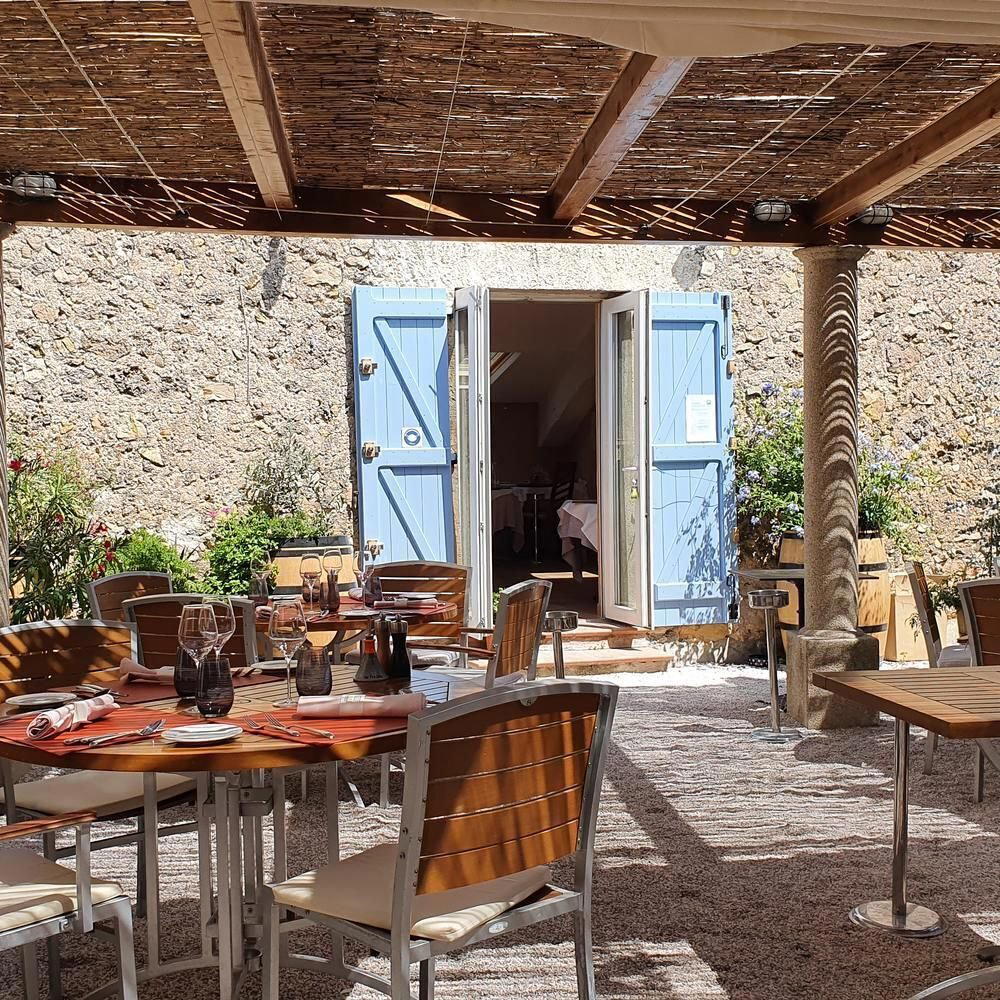
This approach places the restaurant at a point where Ducasse's broader culinary philosophy, sourcing as the primary act, the kitchen as the place where produce is finished rather than constructed, becomes most legible. The garden terrace serves as the primary dining room for much of the year, which means that the gap between the source of a dish and its consumption is, in some cases, a matter of metres. That compression is the editorial subject of the cooking here, not a backdrop to it.
Moustiers as Context
The village itself has long had a reputation that extends beyond tourism. Moustiers is an established centre for faïence, painted earthenware with a tradition dating to the 17th century, and has functioned as a point of artisanal reference in the region for centuries. The Gorges du Verdon, one of the deepest river canyons in Europe, is accessible from here, and the Lac de Sainte-Croix sits at the gorge's western end. For a property that positions itself around taking things slowly, the surrounding region offers a density of landscape that rewards unhurried engagement: hiking, cycling, and water access within a short distance, none of which require a structured excursion programme.
From Aix-en-Provence, which is the most practical major entry point, the distance is approximately 55 miles. The drive is functional rather than scenic until it is suddenly not: the road into the Alpes de Haute Provence changes character in the final stretch, and the approach to Moustiers delivers the landscape context that makes La Bastide's setting comprehensible. There is no efficient way to reach the property from Paris in under four hours, which is part of why the clientele it draws tends toward those who have committed to the region rather than those appending a night onto a broader itinerary.
A note on seasonal access: the hotel closes on Tuesdays and Wednesdays from mid-March to mid-April and again from mid-October through December. Planning around this is worth attention for those whose visit falls in the shoulder season. For guests travelling in high summer, the garden and outdoor terrace reach their most productive and useful period, with produce at its peak and the evening light on the surrounding hills arriving late.
Where It Sits in the French Country Hotel Field
The premium French country hotel category spans an unusually wide range of reference. At one end, properties like Cheval Blanc Paris and Domaine Les Crayères in Reims represent a kind of grand formal authority. At the other, smaller design-led properties and wine estate hotels, Les Sources de Caudalie in Bordeaux, Château Lafaurie-Peyraguey in Lieu-dit Peyraguey, Royal Champagne Hotel & Spa in Champillon, place production or terroir at the centre of the proposition. La Bastide operates in a distinct register: it is organized around a working farm property, a chef of documented standing, and a scale that keeps the experience domestic in the specific sense that the word carries in French country life. No golf course, no spa wing, no conference facilities. The pool is small. The point is the garden, the table, and the village behind the gates.
For guests whose frame of reference runs toward the Riviera, Hotel Du Cap-Eden-Roc in Cap d'Antibes, La Réserve Ramatuelle, The Maybourne Riviera in Roquebrune-Cap-Martin, La Bastide will register as the quieter, more agricultural counterpart: less event, more weather. For those already familiar with Hôtel & Spa du Castellet or Château de Montcaud in Sabran in the broader southern France category, it reads as a slightly more remote, more food-centred version of the small-property Provence offer. See our full Moustiers-Sainte-Marie restaurants guide for the wider dining context around the village.
Fast Comparison
Comparable venues nearby, for context on price, style, and recognition.
| Venue | Cuisine | Price | Awards | Notes |
|---|---|---|---|---|
| La Bastide de MoustiersThis venue — the venue you are viewing | Provençal country house with pavilions in a park setting | Not listed | 1 Michelin Key · La Liste Top Hotels | Not listed |
| La Bonne Étape | 18th-century Provençal coaching inn with beautiful gardens and pool | Not listed | Michelin 1 Key | Château-Arnoux-Saint-Auban |
| Le Vieux Castillon | Authentic medieval village hotel blending Renaissance architecture with contemporary luxury, preserving historical character while offering modern comfort. | $300–500 | 1 Michelin Key | Castillon-du-Gard |
| Crillon le Brave | Restored Provençal village estate with stone houses and panoramic terraces. | Not listed | 1 Michelin Key · Vogue 2026 Vogue Best Hotels in Provence | Crillon-le-Brave |
| Les Barmes de l'Ours | Alpine chalet with modern facilities and traditional mountain charm. | $500–750 | 1 Michelin Key · Relais Chateaux Award | Val-d'Isère |
| Le Prieuré | 14th-century priory in a lush Provençal garden setting | Not listed | Michelin 1 Key | Villeneuve-lès-Avignon |
Recognition history
Dated appearances from independent guides and award organizations, with the underlying list record or original source where available.
Michelin 1 Key
Michelin
La Liste Top Hotels
La Liste
Vogue 2026 Vogue Best Hotels in Provence
Vogue
Full recognition history (5 entries)
Michelin 1 Key
Michelin
Michelin 1 Key
Michelin
Continue exploring
More in Moustiers-Sainte-Marie
Hotels in Moustiers-Sainte-Marie
Browse all →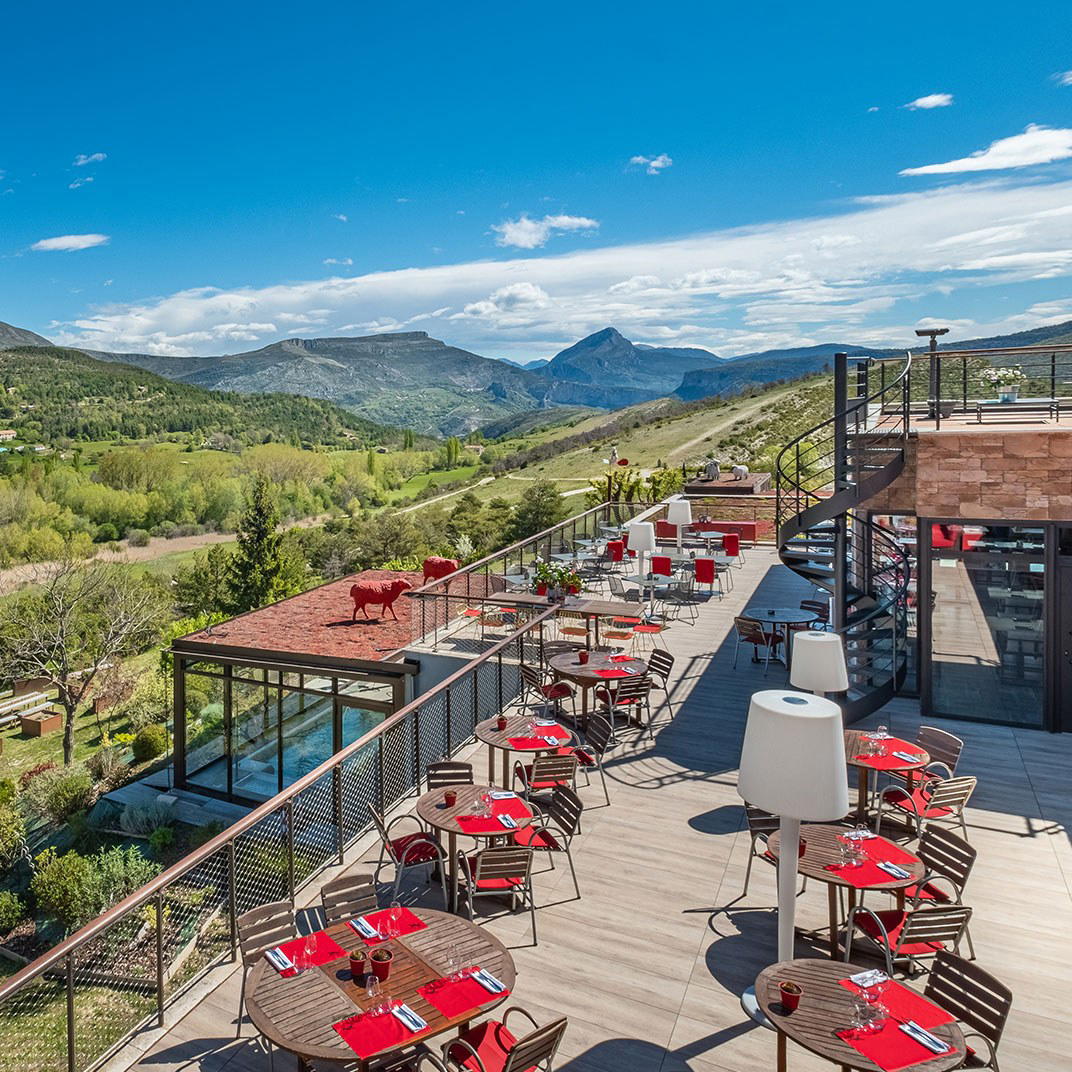
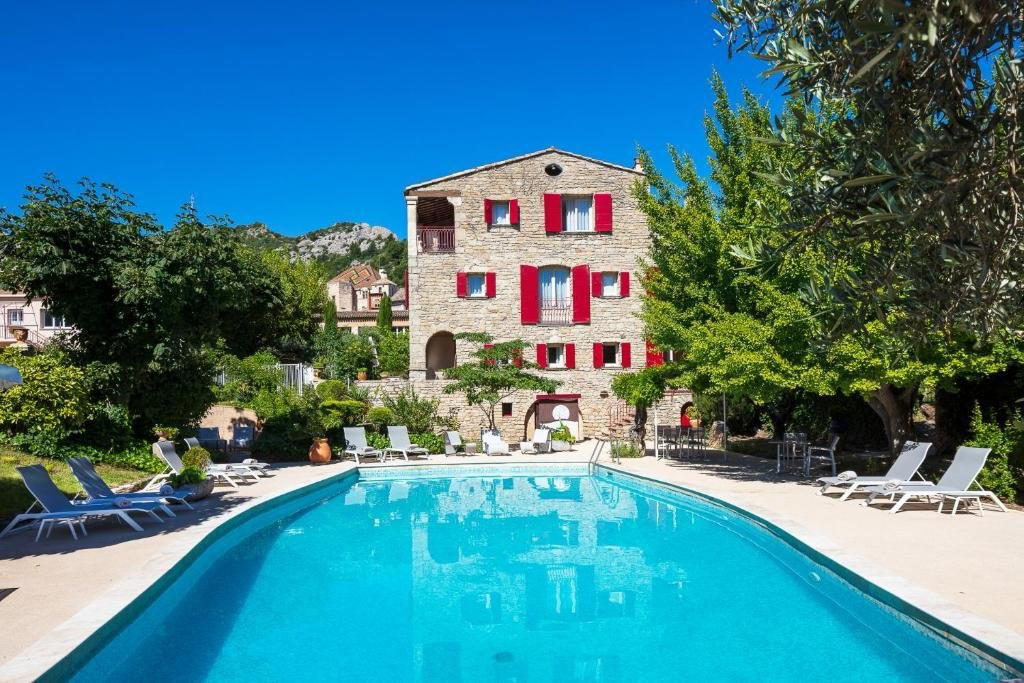
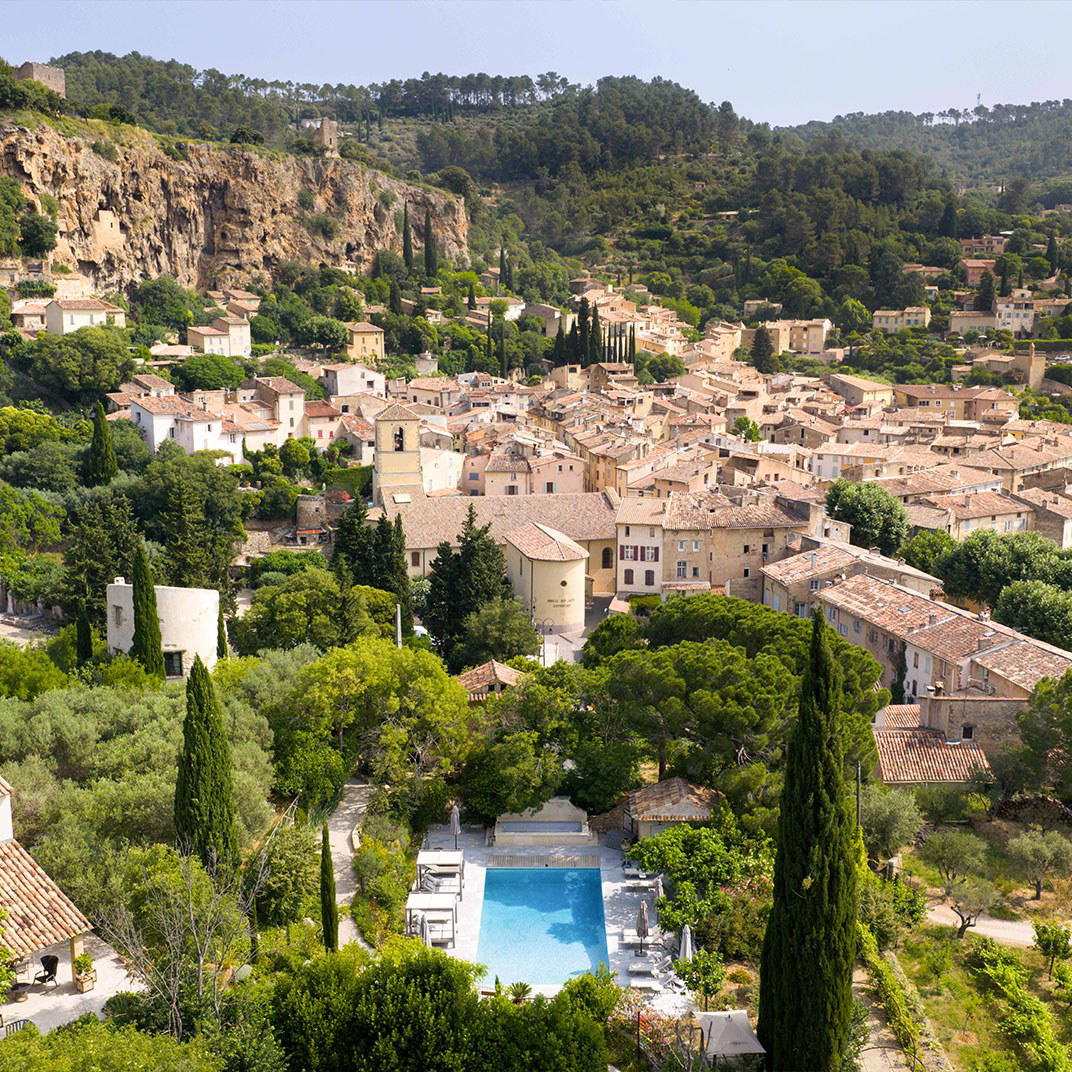
Bars in Moustiers-Sainte-Marie
Browse all →
Restaurants in Moustiers-Sainte-Marie
Browse all →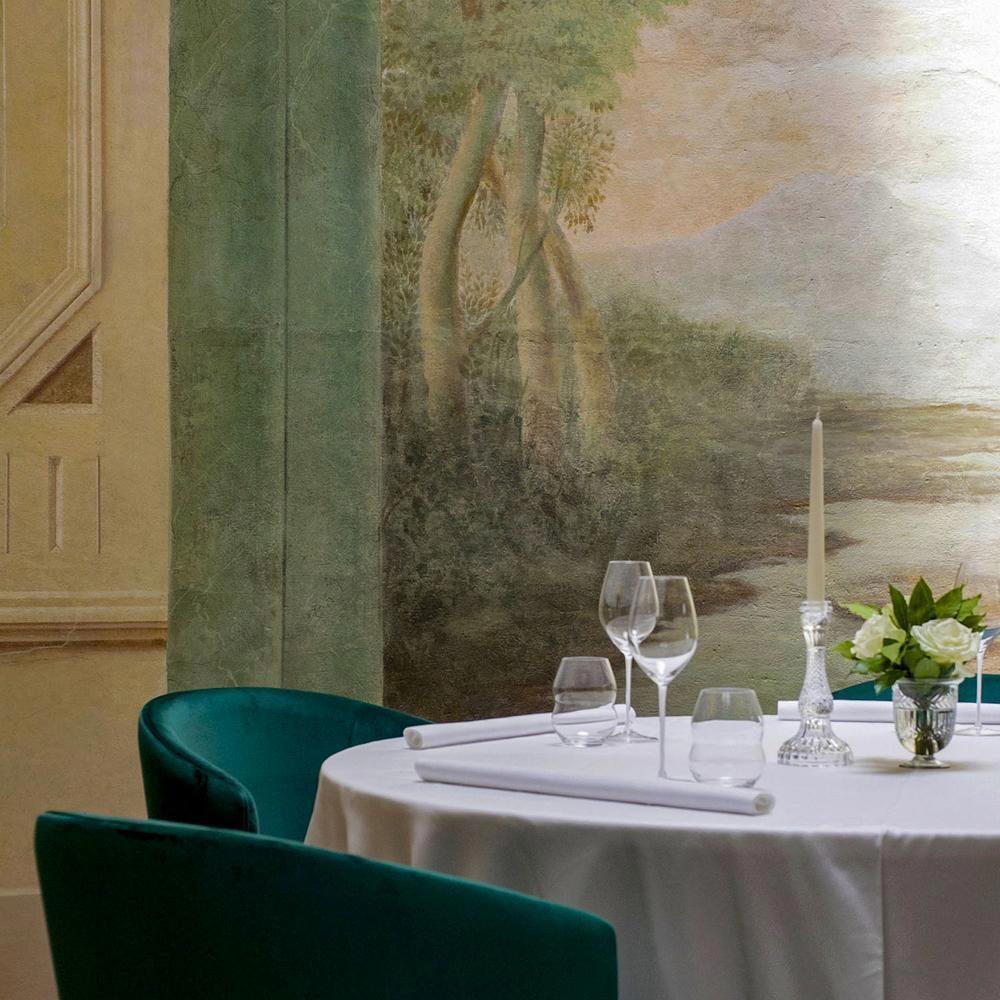
Wineries in Moustiers-Sainte-Marie
Browse all →
Details
- Romantic
- Quiet
- Elegant
- Rustic
- Scenic
- Intimate
- Sophisticated
- Honeymoon
- Romantic Getaway
- Anniversary
- Weekend Escape
- Garden
- Terrace
- Historic Building
- Panoramic View
- Wi Fi
- Pool
- Spa
- Room Service
- Concierge
- Outdoor Pool
- Garden
- Mountain
- Wheelchair Accessible
Peaceful and serene with warm Provençal elegance, shaded terraces overlooking lush gardens and valleys, and a relaxed yet sophisticated country atmosphere.