La Bastide de Moustiers


A Michelin-starred Provençal table in the Gorges du Verdon that earns its star through restraint rather than spectacle. Under chef Thomas Chambraud, the kitchen draws from a four-hectare estate garden, turning courgettes, broad beans, and fresh herbs into the backbone of a menu that treats vegetables with the same weight as any protein. Among the more grounded expressions of Mediterranean terroir cooking in the region.
Pearl is the En Primeur Club membership app — saves, bookings, and concierge access live there. Same editors, same standards.
- Address
- 511 Chem. de Quinson, 04360 Moustiers-Sainte-Marie, France
- Phone
- +33 4 92 70 47 47
- Website
- bastide-moustiers.com
- Directions
- Get directions
 Saves & bookings on Pearl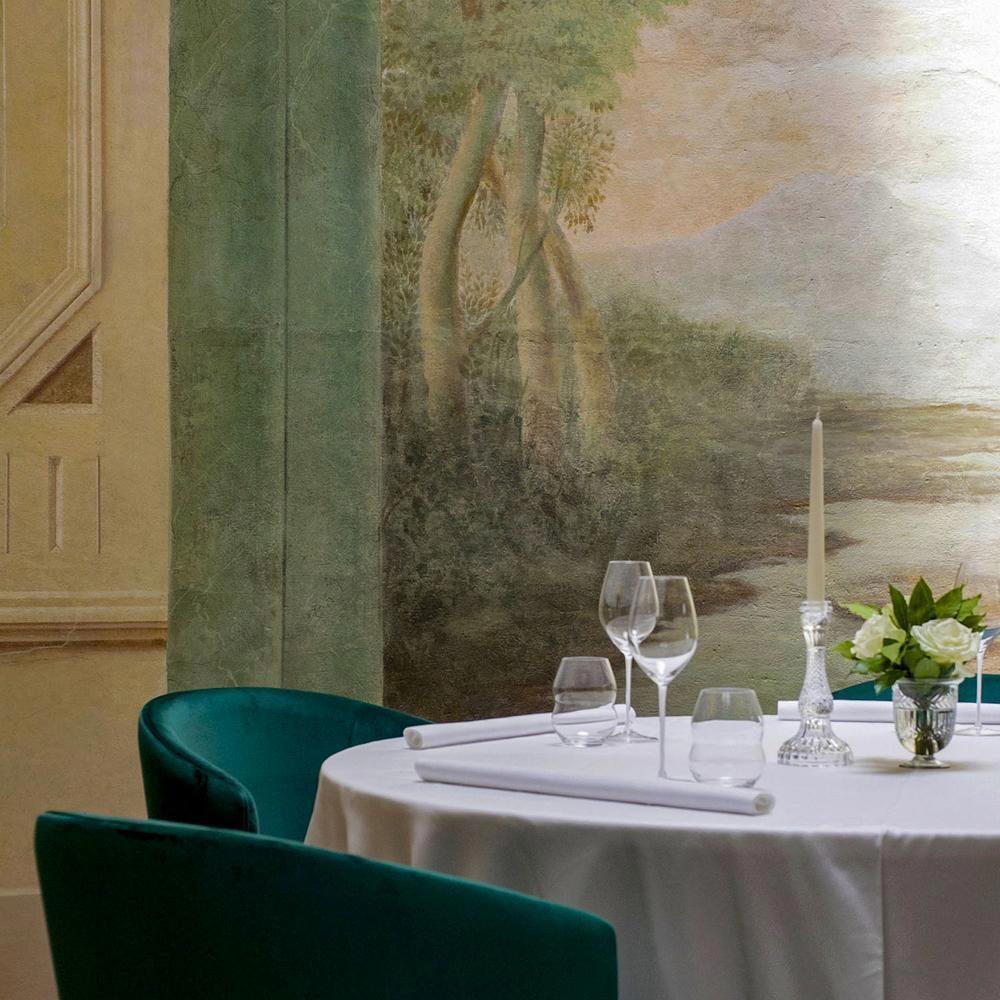
Where the Garden Is the Menu
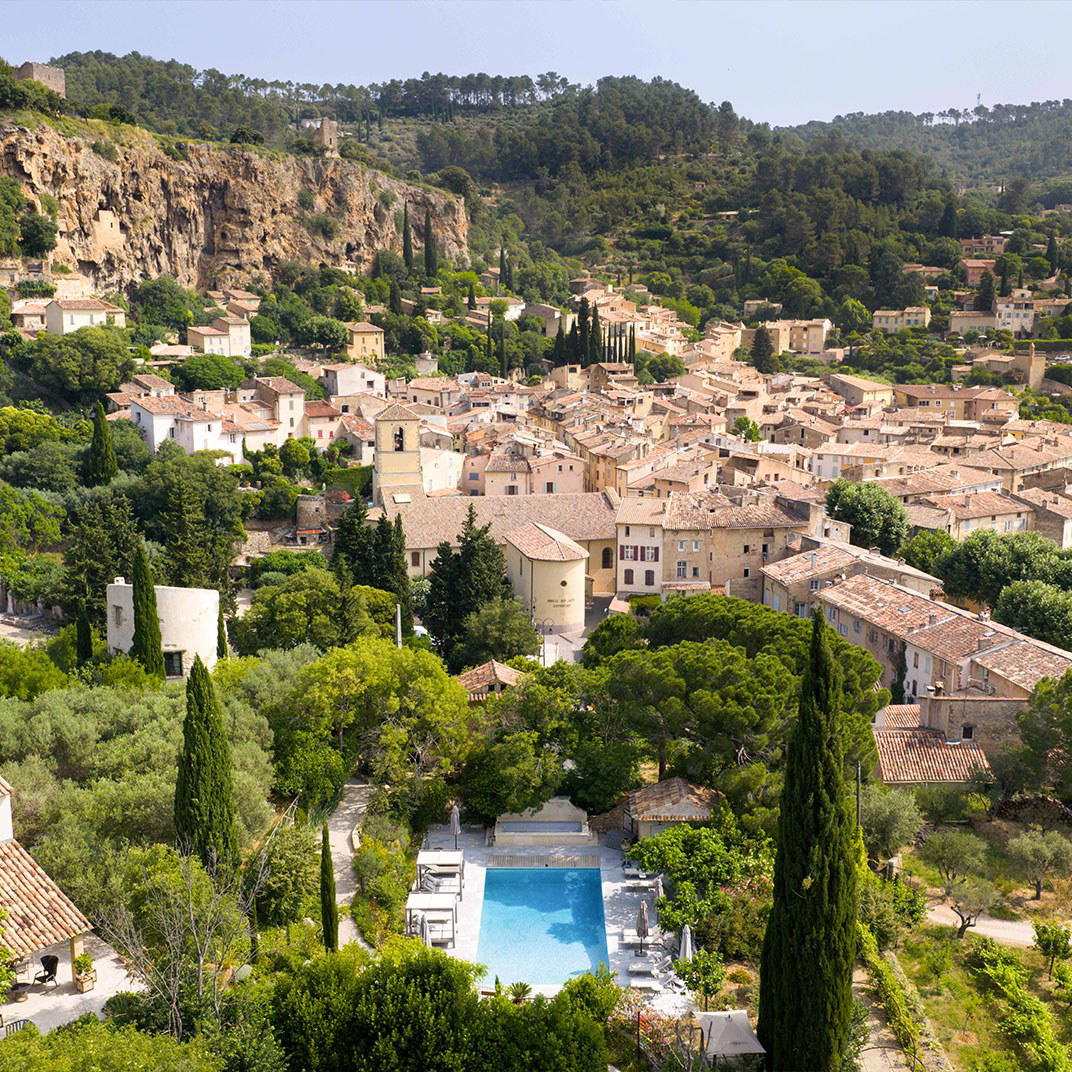
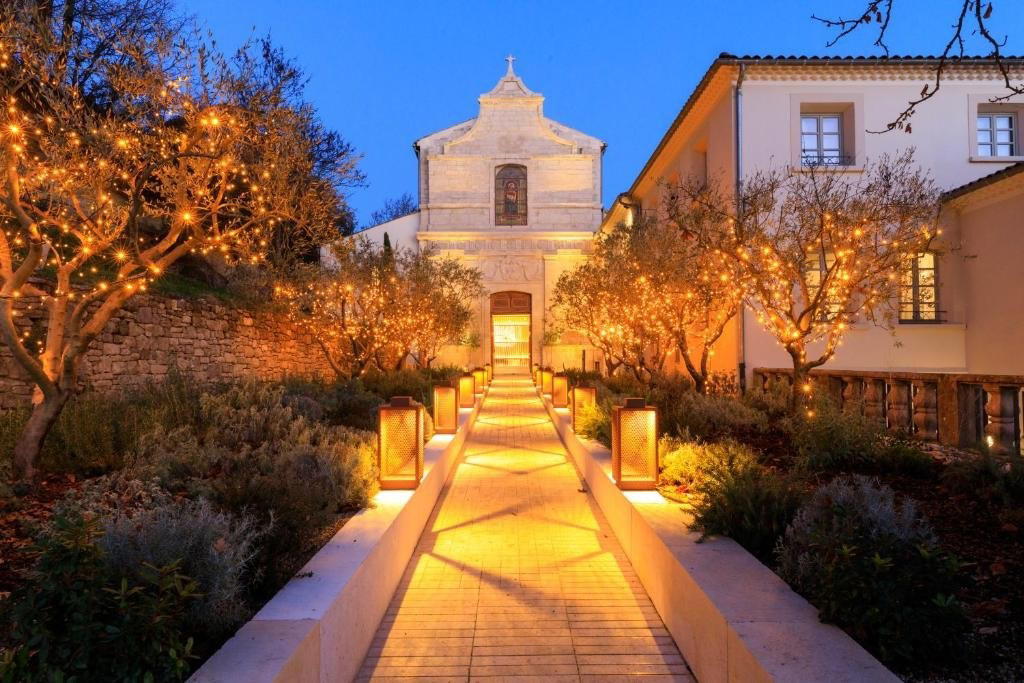
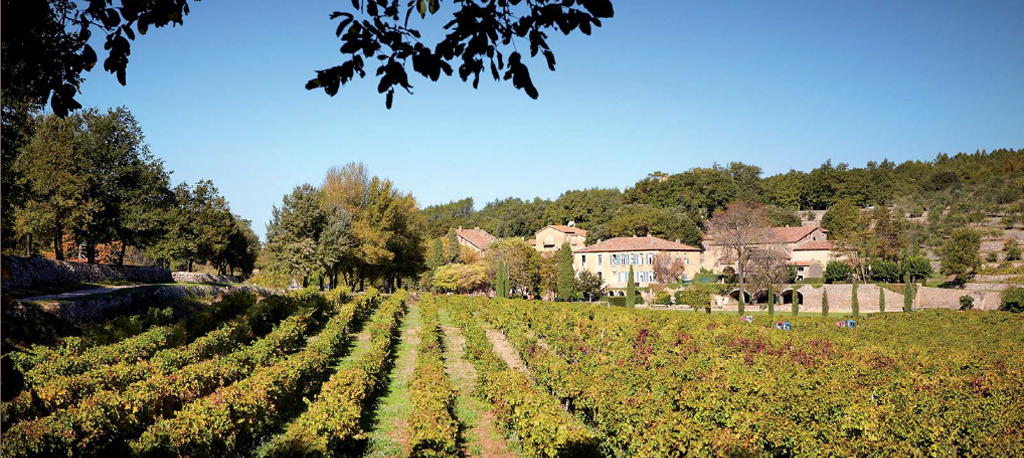
Approach Moustiers-Sainte-Marie from the south and the village announces itself as a chalk-white cluster against the limestone cliffs at the edge of the Gorges du Verdon. The road narrows, the pace drops, and by the time you reach the lane leading to La Bastide de Moustiers, the shift feels intentional. La Bastide de Moustiers is a Michelin-starred restaurant in Moustiers-Sainte-Marie, serving Provençal fine dining at about $95 per person. Olive trees line the path. The bastide itself is a Provençal farmhouse of the unhurried variety, its stone walls and shaded terrace belonging to a different register than the polished hotel dining that tends to accumulate Michelin stars in urban France.
That context matters here, because the kitchen's logic flows directly from the land around it. The four-hectare estate supplies the restaurant with vegetables, herbs, and edible flowers across the seasons, and that supply chain is not incidental to the menu, it is the menu. This is Provençal terroir cooking taken at its most literal: what grows outside is what arrives on the plate, prepared with a discipline that chef Alain Ducasse applies to simplicity rather than complexity.
Terroir as Method, Not Metaphor
Across the south of France, the word terroir tends to travel faster than the farming practices it describes. In the Var and the Verdon hinterland, a generation of chefs has worked to close that gap, building direct relationships with small-scale producers and treating ingredient provenance as a structural element rather than a footnote on the menu card. La Bastide de Moustiers sits squarely inside that movement, with the added advantage of growing much of its raw material on-site.
The vegetable-forward orientation is not a concession to current dietary trends. It reflects the genuine character of Provençal cooking at its most traditional, where the garden and the market stall set the menu before the chef does. Broad beans, Swiss chard, tomatoes, and courgettes are summer staples across the region; here they arrive from a few hundred metres away, harvested to order. That proximity shapes flavour in ways that extend logistics cannot replicate, and Chambraud's kitchen treats the produce accordingly: minimal intervention, careful seasoning, techniques calibrated to reveal rather than to transform.
The approach connects La Bastide de Moustiers to a lineage of French regional cooking that prioritises produce integrity over technical display. For a broader frame on how Provençal kitchens express similar ideas along the Mediterranean arc, Alain Llorca in La Colle-sur-Loup and La Bastide Bourrelly, Mathias Dandine in Cabriès operate in a related register, each anchored to their immediate Mediterranean terrain. Inland, AM par Alexandre Mazzia in Marseille and Mirazur in Menton offer reference points for how garden-driven sourcing can operate at different levels of technical ambition.
The Ducasse Imprint and What It Means in Practice
The restaurant carries the Alain Ducasse name, which in France functions less as a brand and more as a signal about a culinary philosophy. Ducasse's wider approach to Provençal cooking, developed over decades in the region, is rooted in the primacy of ingredient quality and the restraint to leave good produce largely intact. The bastide predates many of his more globally visible projects and remains one of the cleaner expressions of that original south-of-France sensibility. Within the French fine dining tier, where urban peers like Alléno Paris au Pavillon Ledoyen work at higher price points and greater technical complexity, La Bastide represents a deliberate step toward the agrarian and the seasonal.
Chambraud, who runs the kitchen day to day, trained within the Ducasse orbit and has carried that philosophy into menus shaped by charcoal-grilled proteins, estate vegetables, and Mediterranean fish with strong regional identity. The Michelin star reflects a kitchen operating with consistency and confidence rather than ambition for its own sake. Among the starred houses of Provence and the Verdon, that kind of disciplined quietness is harder to maintain than showmanship. For a sense of how equivalent philosophies play out elsewhere in France, the cooking at Bras in Laguiole and Flocons de Sel in Megève shares the same investment in local terroir as structural engine.
What to Order and Why It Matters
The menu at the restaurant opens with vegetables and stays close to them throughout. From the first courses, estate-grown produce arrives in forms that shift by season: a light tempura to preserve delicacy, a pickle that adds acid without masking flavour, or simply the ingredient in its most direct state. These are not garnishes or supporting elements. They carry the weight of the meal's opening argument.
Among the more substantial dishes, marinated red mullet with smoky notes and braised red porgy with broad beans and Swiss chard from the garden represent the kitchen's ability to move between the refinement expected of a starred table and the directness that terroir-driven cooking demands. The charcoal grill, used across proteins and vegetables alike, introduces a thread of Provençal rusticity into preparations that might otherwise sit in a more classical register.
Diners with a broader curiosity about the Moustiers area's dining options, from casual to Michelin-level, will find La Ferme Sainte-Cécile operating nearby as a counterpart in modern cuisine. The full Moustiers-Sainte-Marie restaurants guide maps the wider field for those spending several days in the Gorges du Verdon.
Setting and Season
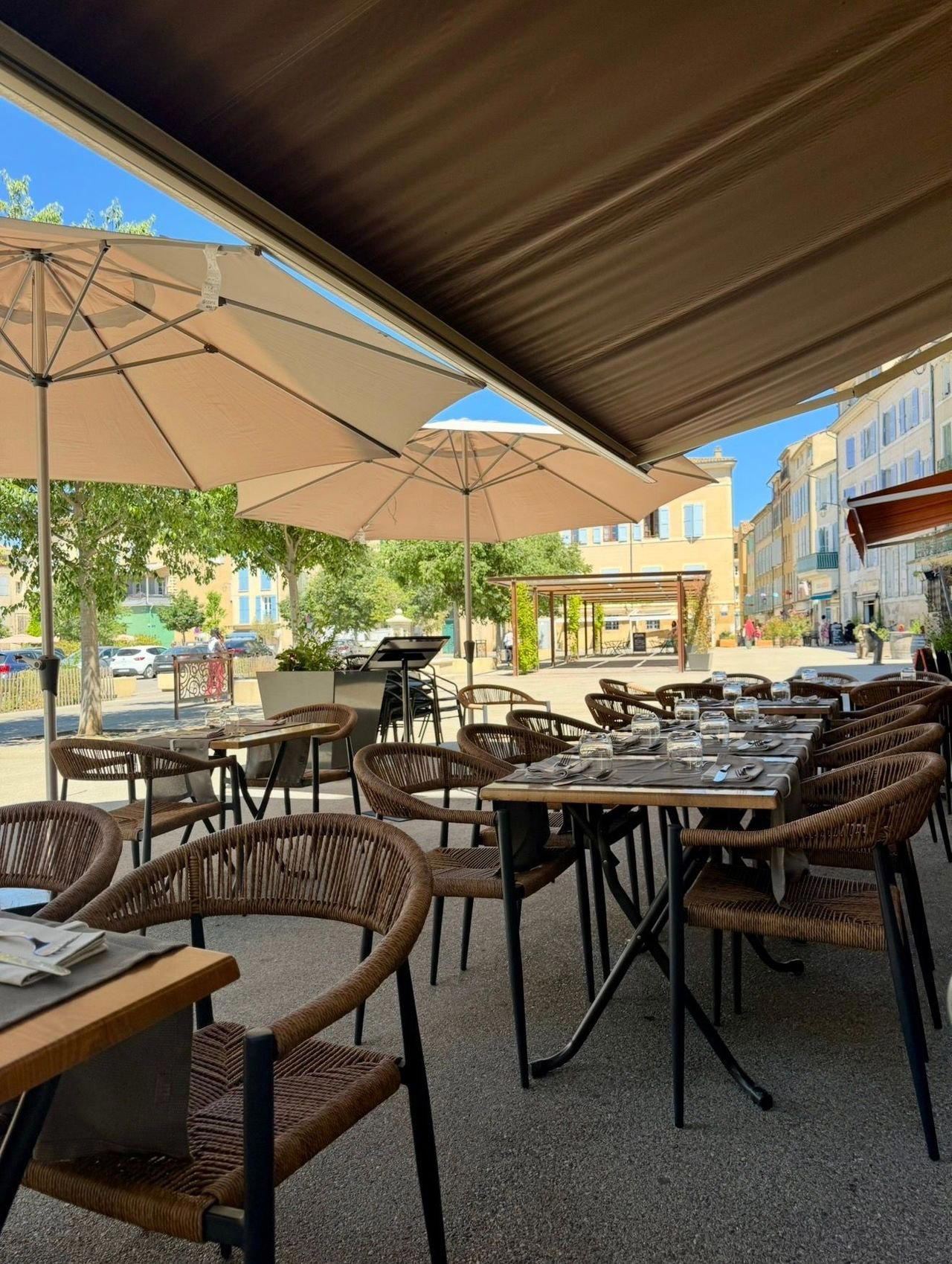
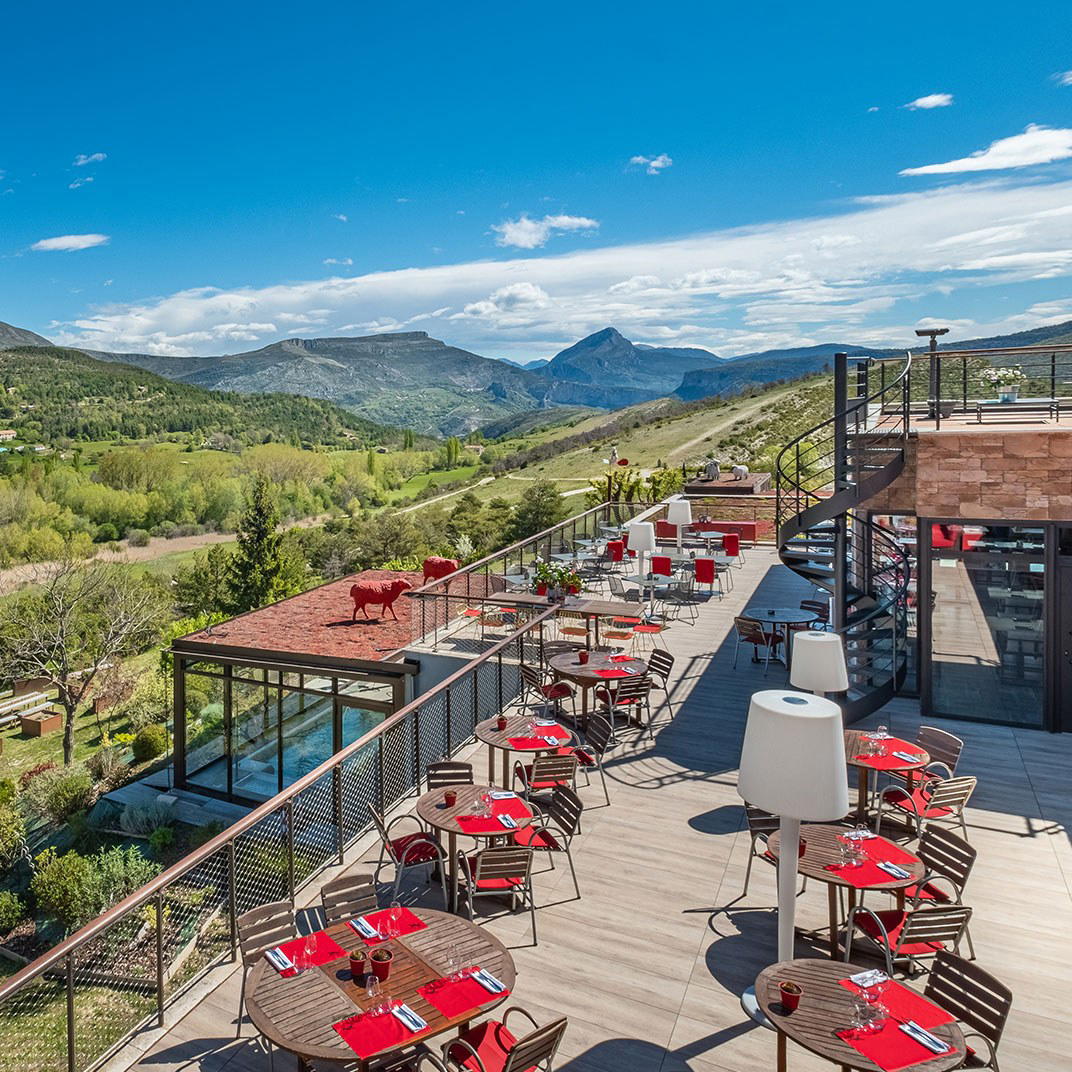
The terrace at the restaurant, shaded by olive trees and oriented toward the estate garden and the Verdon hills beyond, belongs to a specific Provençal archetype that is easier to describe by what it removes than what it adds. No ambient music competing with cicadas. No architectural intervention for its own sake. The property's four hectares mean that the dining space retains a farmhouse scale, and the shaded outdoor tables allow the setting to function as an extension of the menu's argument about place.
Summer, when the estate garden is at peak production, is the obvious season to visit. The menu shifts with what is available, and the longest days allow for lunch services that make full use of the terrace. That said, Provence in spring and early autumn offers its own advantages: smaller crowds, cooler evenings, and a landscape that has not yet tipped into the dry amber of high summer. For context on how to plan a stay around the restaurant, the Moustiers-Sainte-Marie hotels guide covers the accommodation picture, and the experiences guide maps the Gorges du Verdon's wider programme for those building a longer itinerary.
Planning Your Visit
The restaurant is located at 511 Chem. de Quinson, on the approach to Moustiers-Sainte-Marie from the south. The village sits at the northern edge of the Gorges du Verdon, roughly an hour and a half from Aix-en-Provence and around two hours from Nice, making it a destination that rewards an overnight stay rather than a single-day detour. The price point sits at about $95 per person, reflecting Michelin-starred positioning and the estate format. Booking in advance is advisable, particularly for summer service, when demand from visitors to the Gorges du Verdon peaks. For drinking and evening options beyond the restaurant, the bars guide and wineries guide for Moustiers-Sainte-Marie cover the surrounding area's wine producers and aperitif options, many of which draw from the same Provençal agricultural tradition that the bastide kitchen expresses at table.
For those building a wider picture of starred cooking in the south of France and beyond, the kitchens at Troisgros in Ouches, Paul Bocuse in Collonges-au-Mont-d'Or, Auberge de l'Ill in Illhaeusern, Assiette Champenoise in Reims, and Au Crocodile in Strasbourg offer useful comparisons for how terroir and classical tradition combine at the starred level across different French regions.
Comparable Spots, Quickly
Comparable venues nearby, for context on price, style, and recognition.
| Venue | Cuisine | Price | Awards | Notes |
|---|---|---|---|---|
| La Bastide de MoustiersThis venue — the venue you are viewing | Provençal Fine Dining | $$$$ | Michelin 1 Star | Not listed |
| La Ferme Sainte-Cécile | Modern Provençal French | $$$ | Michelin Plate | Moustiers-Sainte-Marie |
| Restaurant Pierre Grein | Modern Provençal Fine Dining | $$$$ | Michelin 1 Star | Business Park/Commercial Zone |
| Le Relais des Moines | Modern Provençal Fine Dining | $$$$ | Michelin 1 Star | Les Arcs-sur-Argens |
| L'Aromate | Modern French Fine Dining | $$$$ | Michelin 1 Star | Cœur de Nice |
| Les Cèdres | Classic French Gastronomique | $$$$ | Michelin 1 Star | Granges-les-Beaumont |
Recognition history
Dated appearances from independent guides and award organizations, with the underlying list record or original source where available.
Michelin 1 Star
Michelin
Michelin 1 Star
Michelin
We're Smart World 3 Radishes
We're Smart World
Michelin 1 Star
Michelin
Continue exploring
More in Moustiers-Sainte-Marie
Restaurants in Moustiers-Sainte-Marie
Browse all →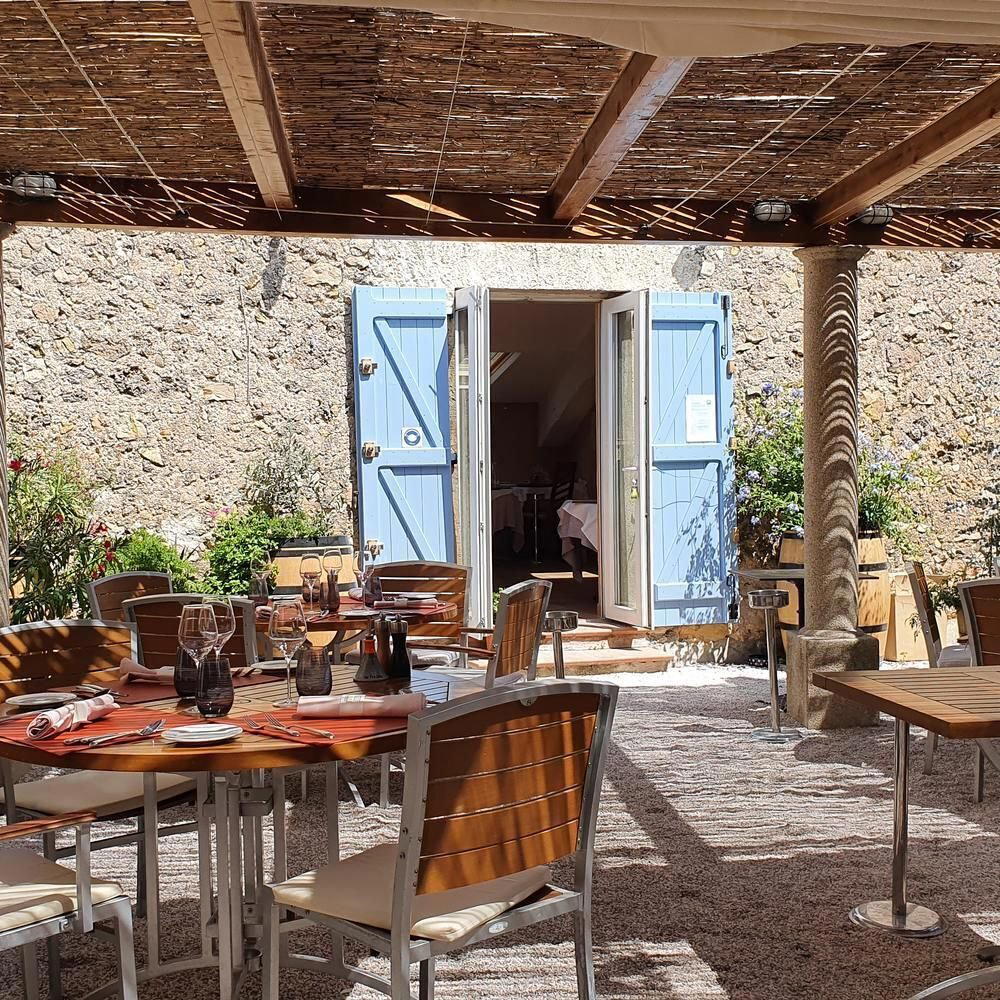
Bars in Moustiers-Sainte-Marie
Browse all →
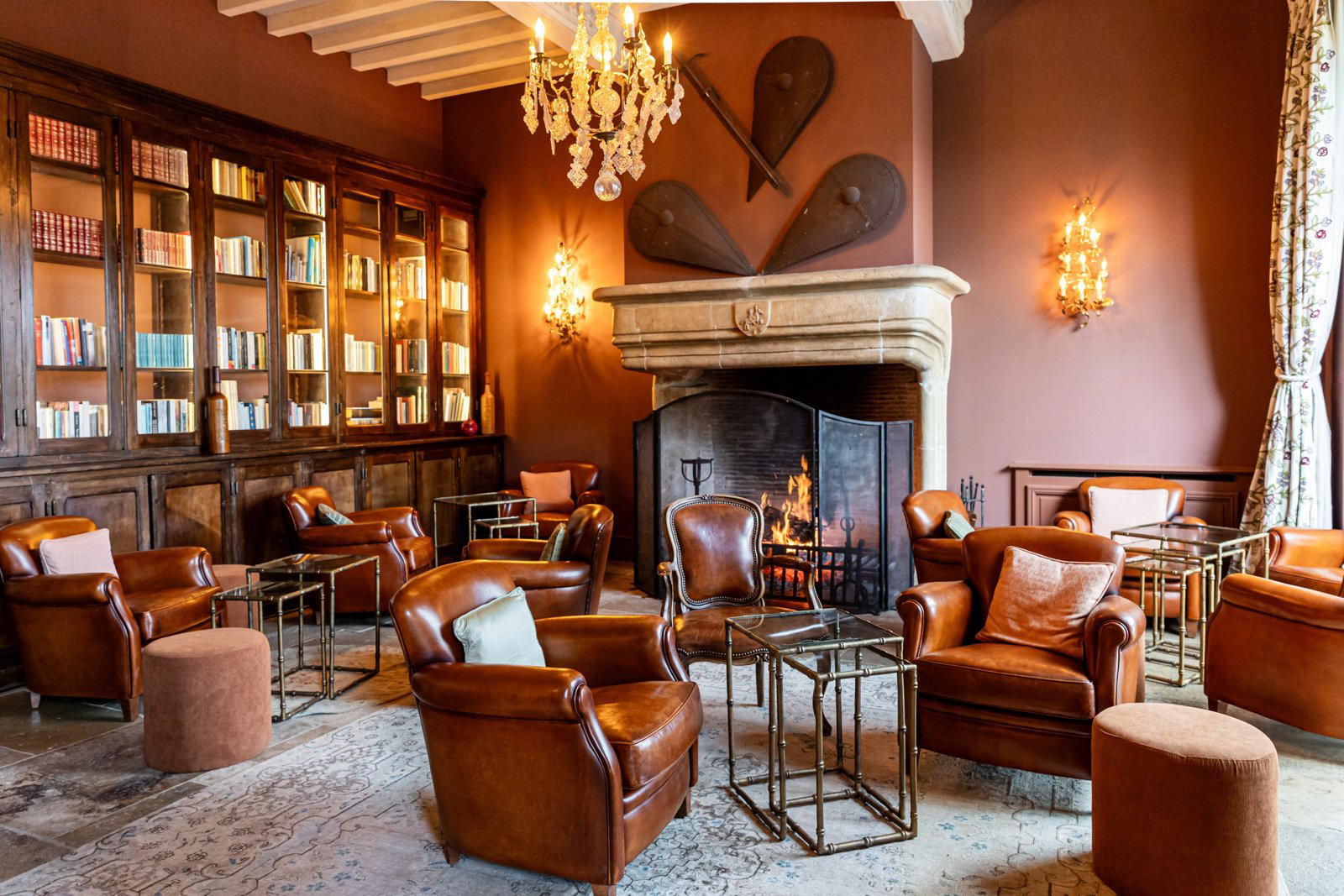
Hotels in Moustiers-Sainte-Marie
Browse all →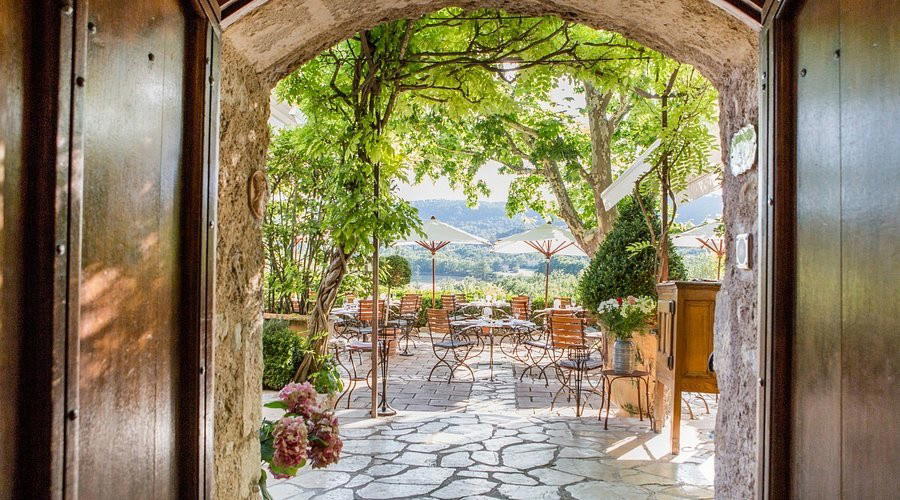
Wineries in Moustiers-Sainte-Marie
Browse all →
At a Glance
- Romantic
- Scenic
- Elegant
- Intimate
- Classic
- Date Night
- Special Occasion
- Celebration
- Terrace
- Garden
- Open Kitchen
- Panoramic View
- Historic Building
- Hotel Restaurant
- Sommelier Led
- Farm To Table
- Local Sourcing
- Organic
- Garden
- Mountain
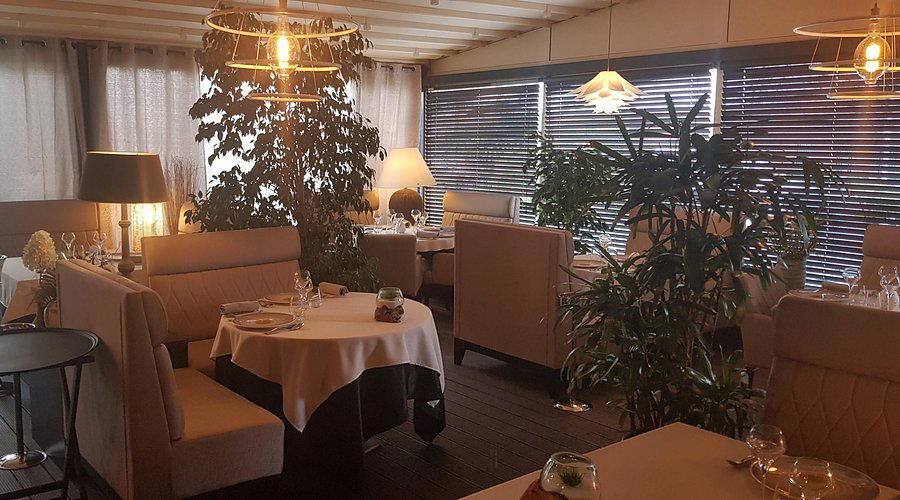
Warm, romantic atmosphere with soft natural lighting on the terrace at sunset, peaceful and serene garden setting with lavender-scented air, elegant country décor throughout the property.