

Virtuoso Luxury Hotel Partner · Relais Chateaux Award
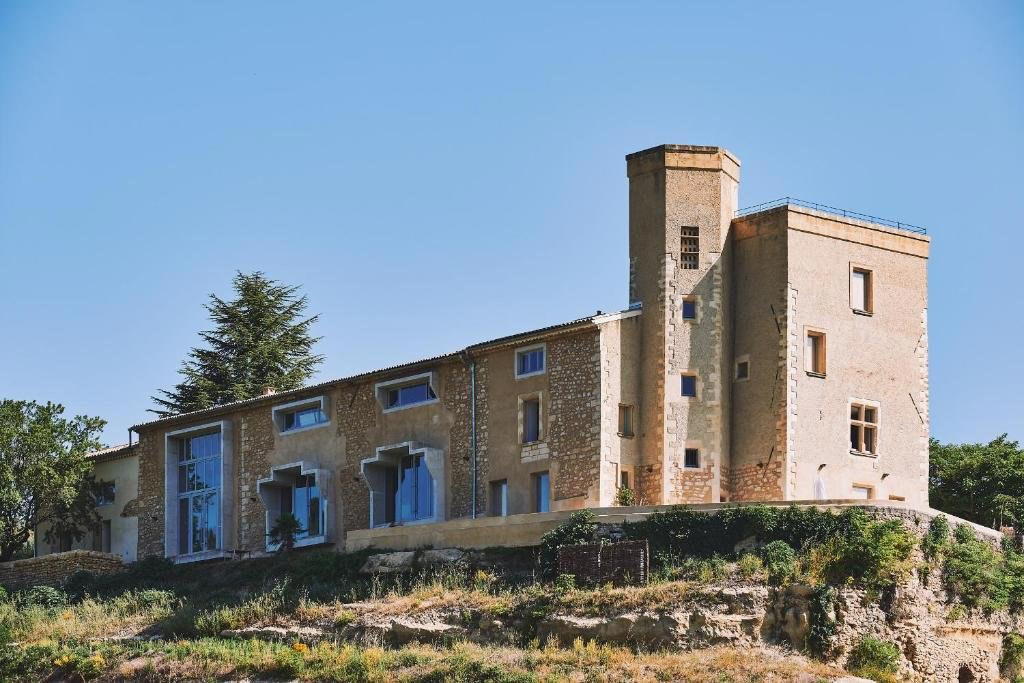
A 17th-century Franciscan convent in the Alpes de Haute-Provence village of Mane, Le Couvent des Minimes reopened in 2023 after a complete renovation. Its 49 rooms pair historical stonework with an organic-modern interior sensibility, while the 2,500-square-metre Spa L'Occitane holds certification as the world's first Sustainable Wellbeing Center. The Michelin-starred restaurant Le Feuillée anchors the dining program.

Pearl is the En Primeur Club membership app — saves, bookings, and concierge access live there. Same editors, same standards.
- Address
- Chemin des jeux de Mai, 04300 Mane
- Phone
- +33 4 92 74 77 77
- Directions
- Get directions
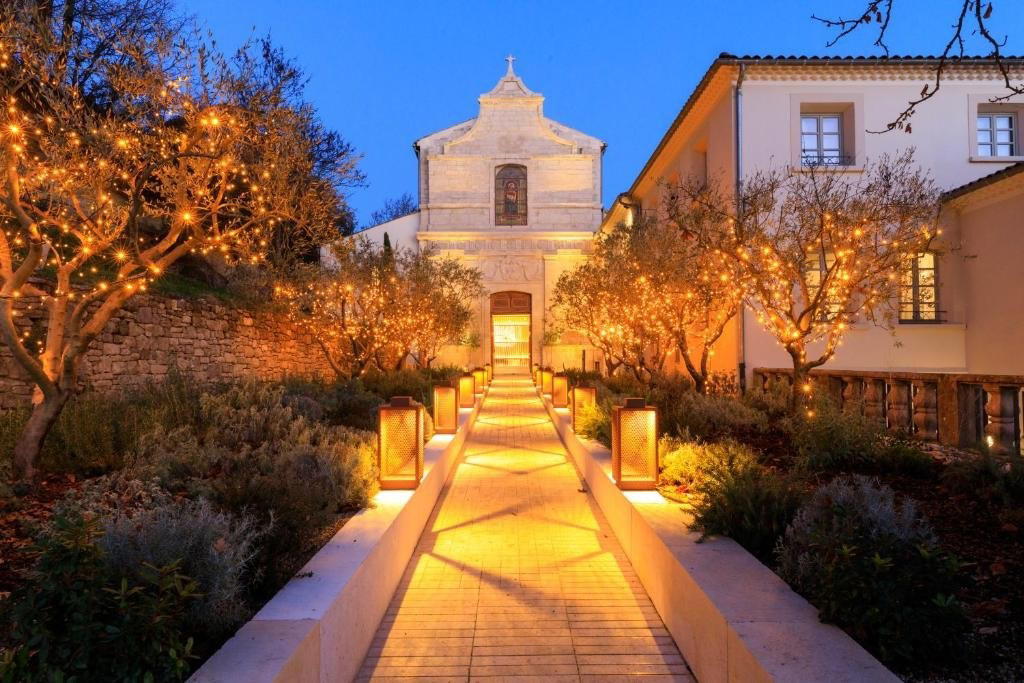
Stone Walls, New Architecture: What a 17th-Century Convent Tells You About Provençal Luxury Today
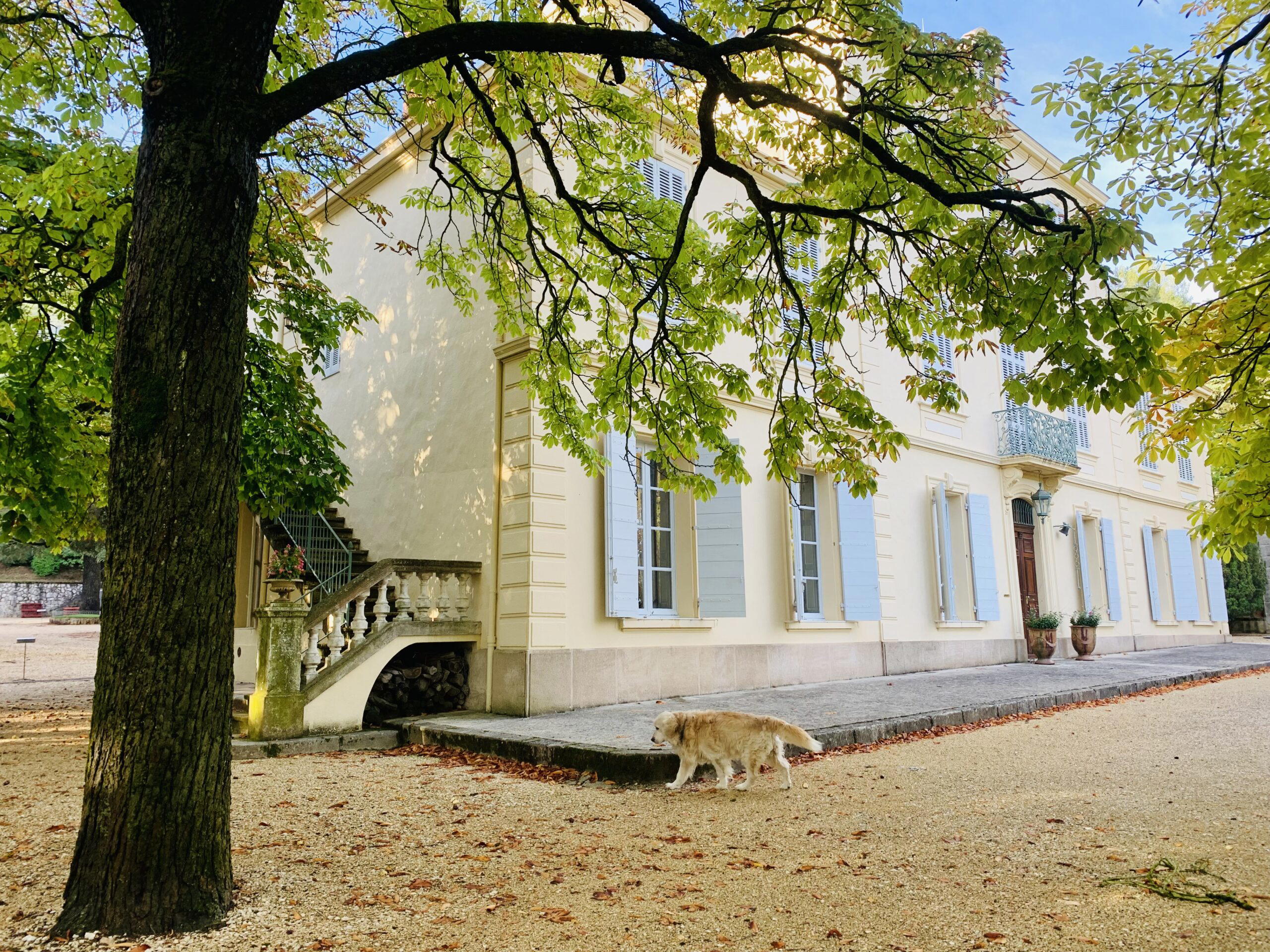
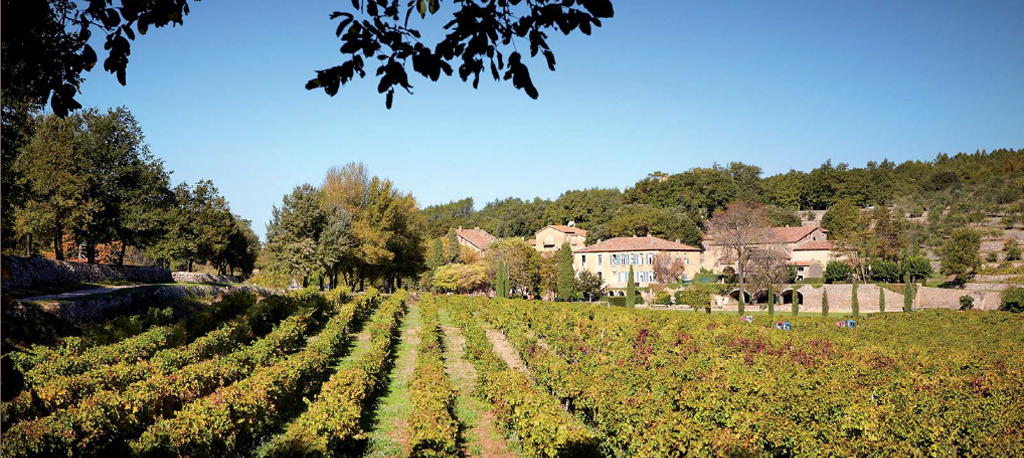
Approach Le Couvent des Minimes along the chemin des Jeux de Mai and the first impression is architectural weight: weathered limestone that has absorbed four centuries of Provençal sun, a roofline unchanged since the Minimes friars built their community here in the 1600s. That exteriorimmediacy is deliberate. In a region where heritage properties compete by invoking age, the building's credibility is not manufactured. The convent's stone is genuinely old, and arriving guests feel that before they read a single line of hotel copy.
What happened inside those walls after 2020 is the more interesting editorial story. A complete renovation lasting over two years, completed and reopened in 2023, placed a thoroughly contemporary interior within the original shell. That tension between preserved structure and modern fit-out defines a particular tier of French provincial luxury, one that sits between the grand-château model (where period authenticity is itself the product) and the design-hotel model (where architecture starts from scratch). Le Couvent des Minimes occupies the space between those poles with 49 rooms and suites finished in a minimalist, organic-modern register: muted palettes, natural materials, a deliberate quietness that echoes the building's monastic origin without costuming itself in it. For a comparison of how other French properties handle the same renovation tension, see Château de la Chèvre d'Or in Èze or Castelbrac in Dinard.
The Spa as Architectural Proposition
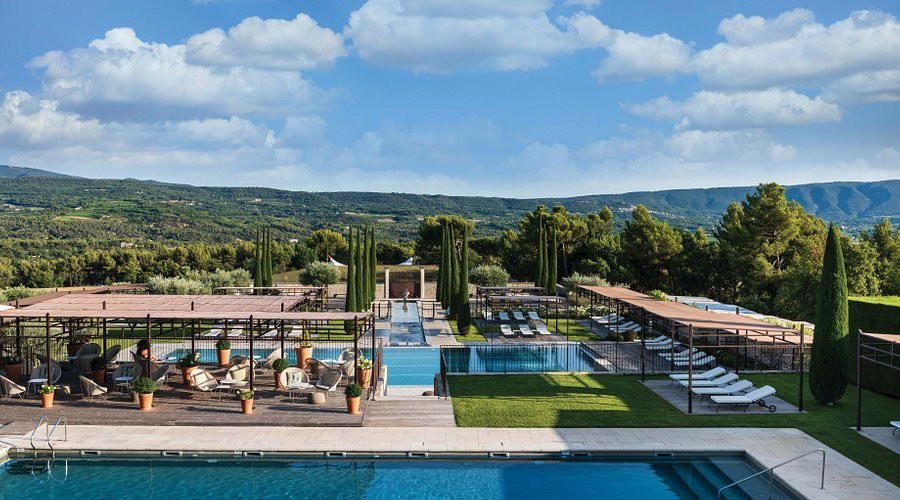
In Provence's wellness-hotel segment, spa square footage has become a credentialling device. Properties from La Réserve Ramatuelle to Hôtel & Spa du Castellet compete partly on the scale and specification of their wellbeing facilities. At 2,500 square metres, the Spa L'Occitane en Provence here is substantial for a 49-room property, and the ratio of spa space to room count matters: guests are not competing for treatment slots or pool lanes at the scale they would be in a larger resort. The facility runs an indoor pool, gym, yoga room, and treatment rooms alongside an L'Occitane boutique, and it carries certification as the world's first Sustainable Wellbeing Center, a designation with specific operational requirements rather than a marketing label. That certification places the spa in a conversation with the brand's wider Provençal identity: L'Occitane has produced cosmetics from its Manosque factory, a short distance away, for more than 30 years, and the spa's product programme connects directly to that regional sourcing logic.
Where Dining Sits in the Property's Architecture
French luxury hotels in this price bracket (rates from USD 535 per night, with an EP Club-rated price point of approximately USD 550) increasingly present two-speed dining: a relaxed daytime option and a formal gastronomic room that carries the property's prestige credential. Le Couvent des Minimes follows that structure cleanly. The bistro-format Pamparigouste handles casual meals, while Le Feuillée carries a Michelin Star, placing the property in a select peer group of Provençal hotels where in-house dining is not an afterthought but a destination in its own right. Baumanière Les Baux-de-Provence and Villa La Coste occupy comparable positions in that regional dining conversation. Note that Le Feuillée closes from 1 January to 3 March 2026 for a seasonal break, and the hotel itself closes briefly around the Christmas period (22 to 25 December 2025), so winter planning requires checking current schedules against those windows.
Provençal cuisine at this level draws on a larder that the surrounding Alpes de Haute-Provence provides with unusual directness: lavender, olive oil, lamb from the high plateau, vegetables from the Luberon's productive micro-climates. A Michelin Star in this context signals not just kitchen technique but a consistent ability to articulate that regional specificity through a gastronomic format. For context on how starred in-house restaurants function within comparable French properties, Domaine Les Crayères in Reims and Château Lafaurie-Peyraguey offer instructive parallels in different French regions.
Mane and the Alpes de Haute-Provence: Positioning Within Provence
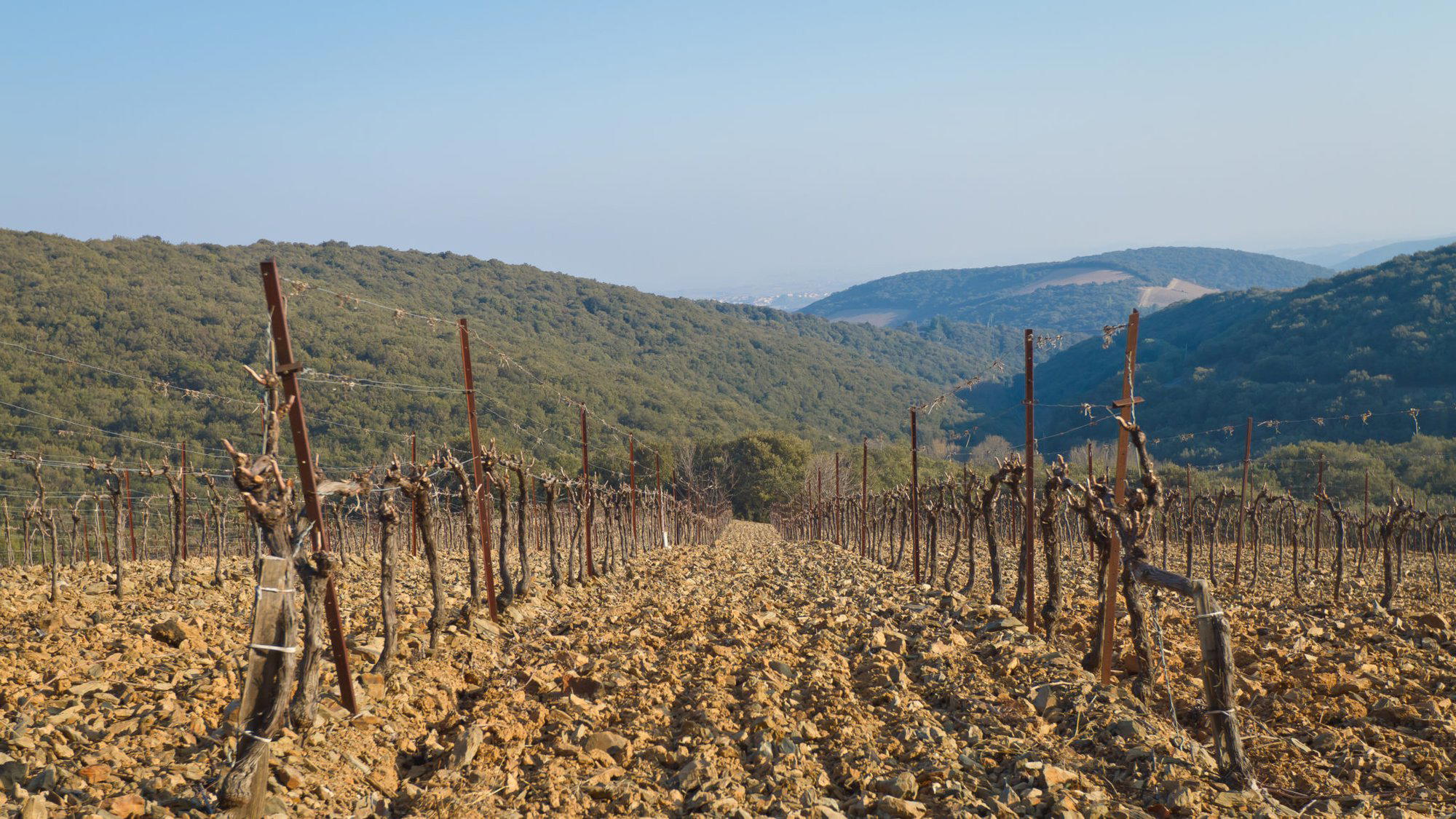
Mane sits in a quieter register than the Luberon's more trafficked villages. The Alpes de Haute-Provence department occupies higher, drier ground than the Var or the Vaucluse, with Manosque as the nearest significant town and Forcalquier within easy reach. This geography shapes who the property appeals to. Guests arriving here are not looking for the social density of Saint-Tropez (see Airelles Saint-Tropez for that register) or the cliff-drama of the Riviera (as at The Maybourne Riviera). The appeal is specifically agrarian Provence: lavender fields, olive groves, a pace of landscape that rewards slower engagement. For more options in the region, our full Mane restaurants and hotels guide maps the wider area.
The 49-room scale keeps the property from tipping into resort anonymity. That size sits in a different competitive set than large-footprint properties such as Hotel Du Cap-Eden-Roc and positions Le Couvent des Minimes closer to the intimate-property model represented by places like La Bastide de Gordes or Château de Montcaud. The post-2023 renovation also places it in the tier of recently refreshed heritage properties rather than ones trading on accumulated patina without reinvestment, a distinction that matters when assessing value at this nightly rate. For reference on what USD 550 per night buys at urban French luxury properties, Cheval Blanc Paris and Château de la Gaude in Aix-en-Provence provide useful anchors at different urban scales.
Planning Your Stay
Rates begin at USD 535 per night, and the 49-room inventory means availability at peak Provençal summer weeks (July and August) requires forward planning. The seasonal closure pattern noted above (hotel closed 22–25 December 2025; Le Feuillée closed 1 January to 3 March 2026) suggests the property operates most fully from spring through autumn, with lavender season (typically late June to early August in the Alpes de Haute-Provence) representing the highest-demand window. Travellers comparing wellness-focused wine-country retreats in France might also consider Les Sources de Caudalie in Bordeaux or Royal Champagne Hotel & Spa in Champagne as regional counterparts with their own spa-and-gastronomy positioning.
Comparable Spots, Quickly
Comparable venues nearby, for context on price, style, and recognition.
| Venue | Cuisine | Price | Awards | Notes |
|---|---|---|---|---|
| Le Couvent des Minimes, Un Hôtel & Spa L'Occitane en ProvenceThis venue — the venue you are viewing | Restored 17th-century convent in Provençal countryside | Not listed | Virtuoso Luxury Hotel Partner · Relais Chateaux Award | Not listed |
| Château de la Gaude | Grand château seamlessly blending historic charm with striking contemporary luxury on a 60-acre wine estate. | Not listed | 2 Michelin Keys · Star Wine List | Les Hauts D'Aix |
| Airelles Saint-Tropez Château de la Messardière | Luxury Mediterranean palace combining 19th-century château architecture with contemporary resort amenities, positioned as a refined family-friendly destination on the French Riviera. | Not listed | Michelin 2 Key | Pampelonne Beach area |
| Le Domaine du Mas de Pierre | Provençal country houses in a vast Mediterranean garden | $500–750 | 2 Michelin Keys · Relais Chateaux Award | St. Paul de Vence |
| La Mirande | 18th-century Provençal mansion converted to luxury boutique hotel | Not listed | 2 Michelin Keys · La Liste Top Hotels | Avignon City Center |
| Hôtel Cheval Blanc St-Tropez | Mediterranean village-style luxury resort | $200–300 | 2 Michelin Keys · La Liste Top Hotels | Plage de la Bouillabaisse |
Recognition history
Dated appearances from independent guides and award organizations, with the underlying list record or original source where available.
Relais Chateaux Award
Relais Chateaux
Virtuoso Luxury Hotel Partner
Virtuoso
Full recognition history (3 entries)
Relais Chateaux Award
Relais Chateaux
Continue exploring
More in Mane
Hotels in Mane
Browse all →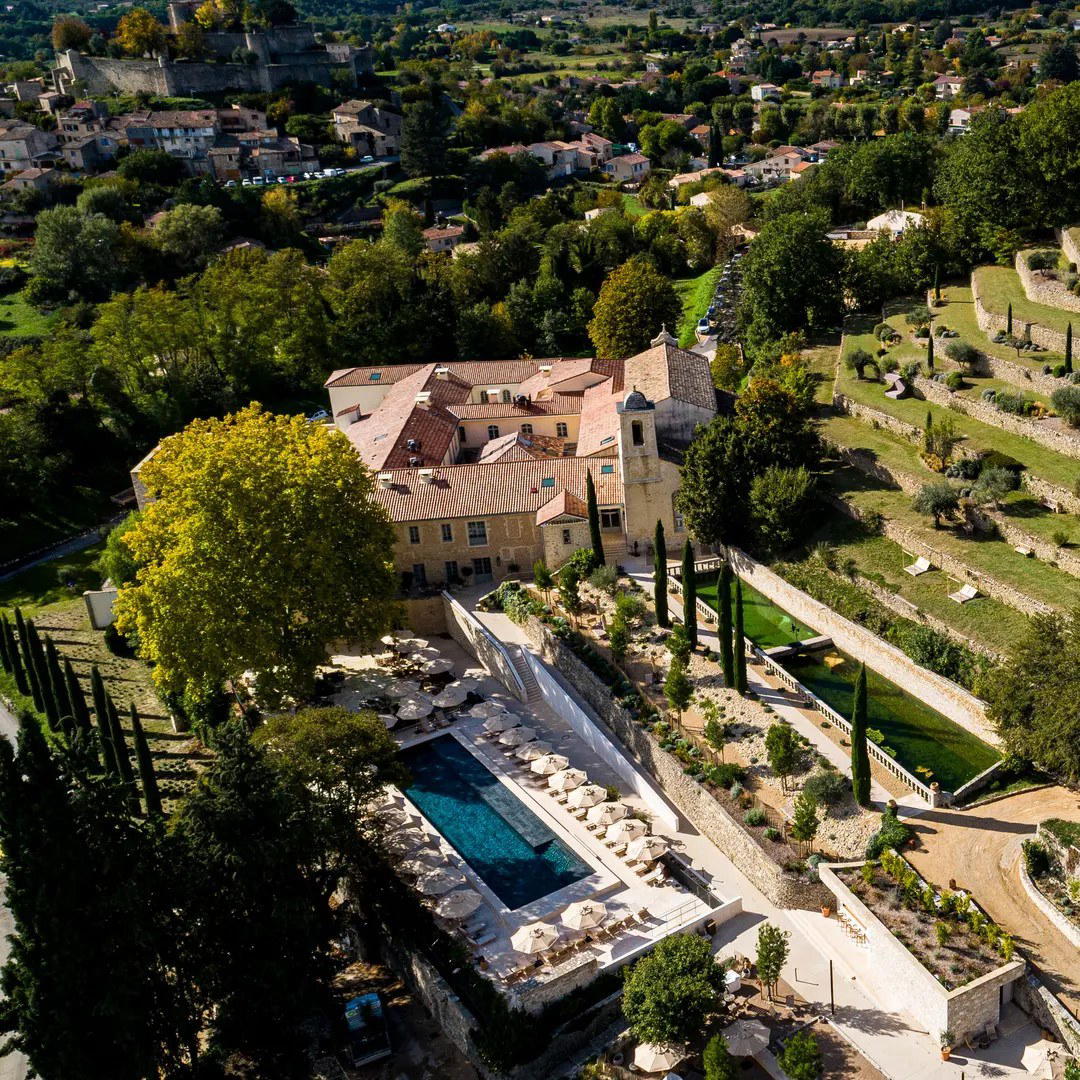
Bars in Mane
Browse all →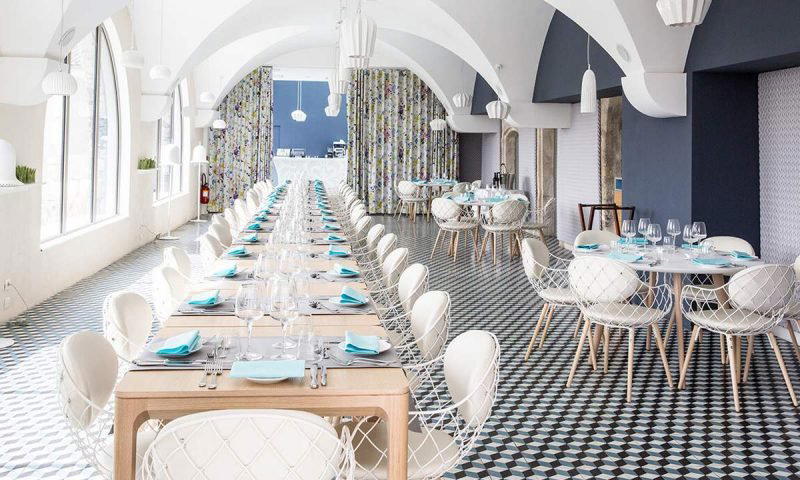
Restaurants in Mane
Browse all →

Details
- Quiet
- Elegant
- Sophisticated
- Scenic
- Cozy
- Romantic Getaway
- Wellness Retreat
- Anniversary
- Honeymoon
- Historic Building
- Destination Spa
- Garden
- Terrace
- Wi Fi
- Pool
- Spa
- Fitness Center
- Room Service
- Concierge
- Valet Parking
- EV Charging
- Garden
- Wheelchair Accessible
- Step Free Entrance
- Accessible Restroom
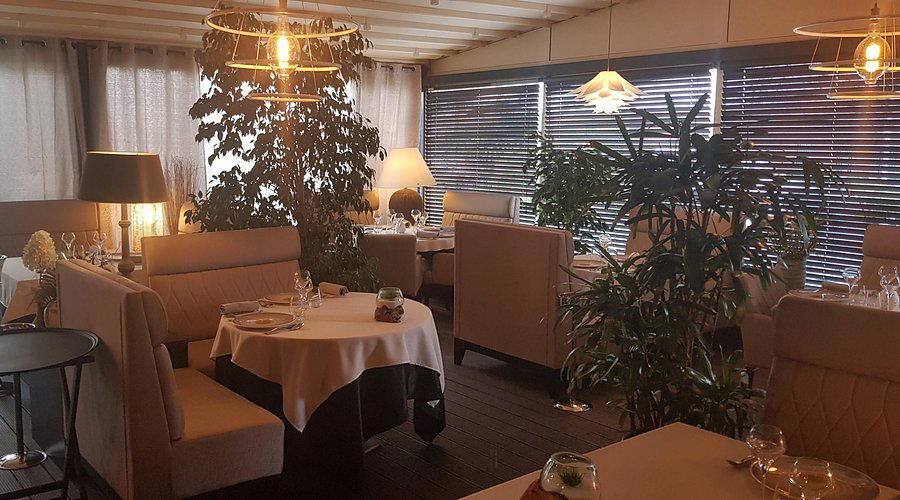
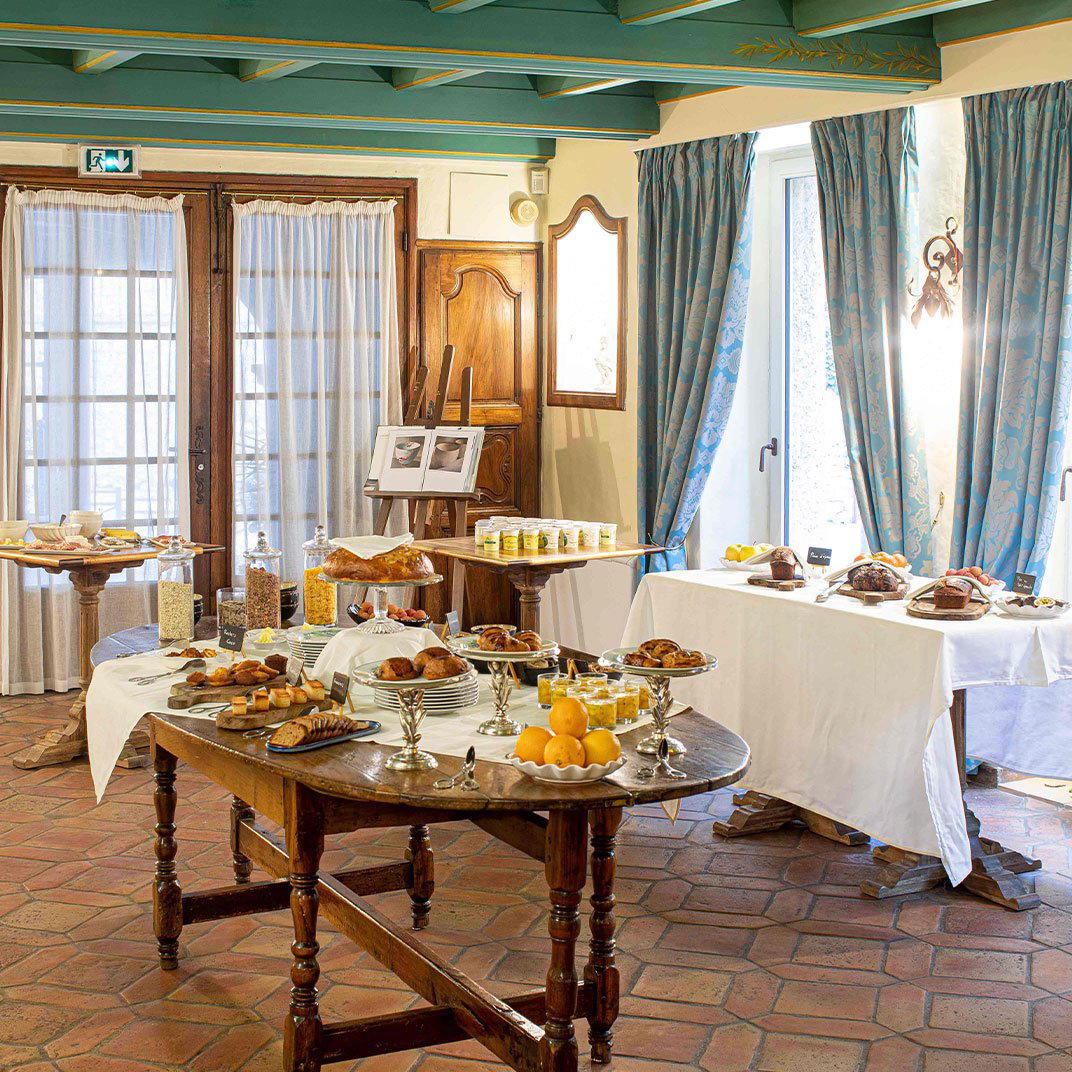
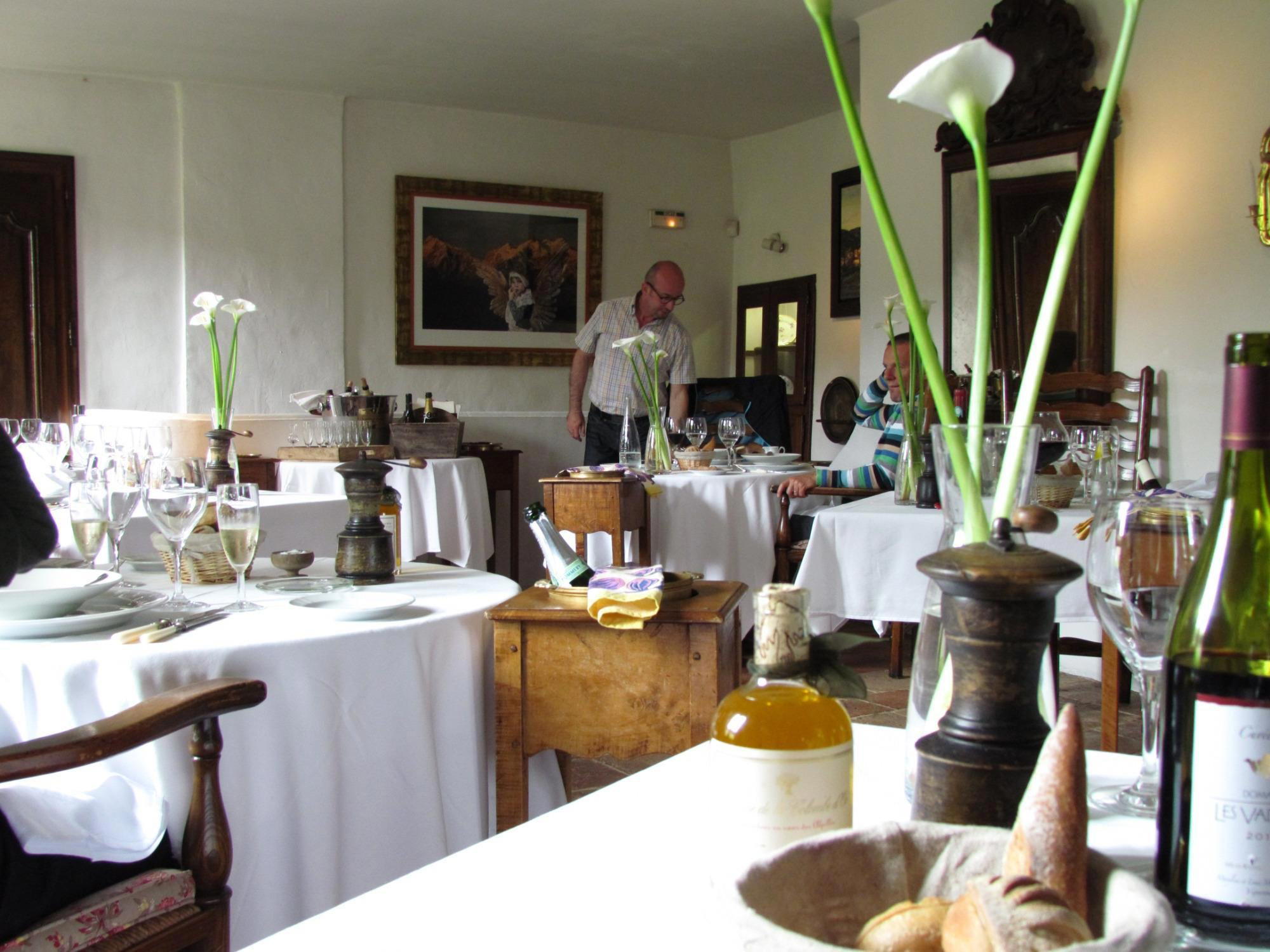
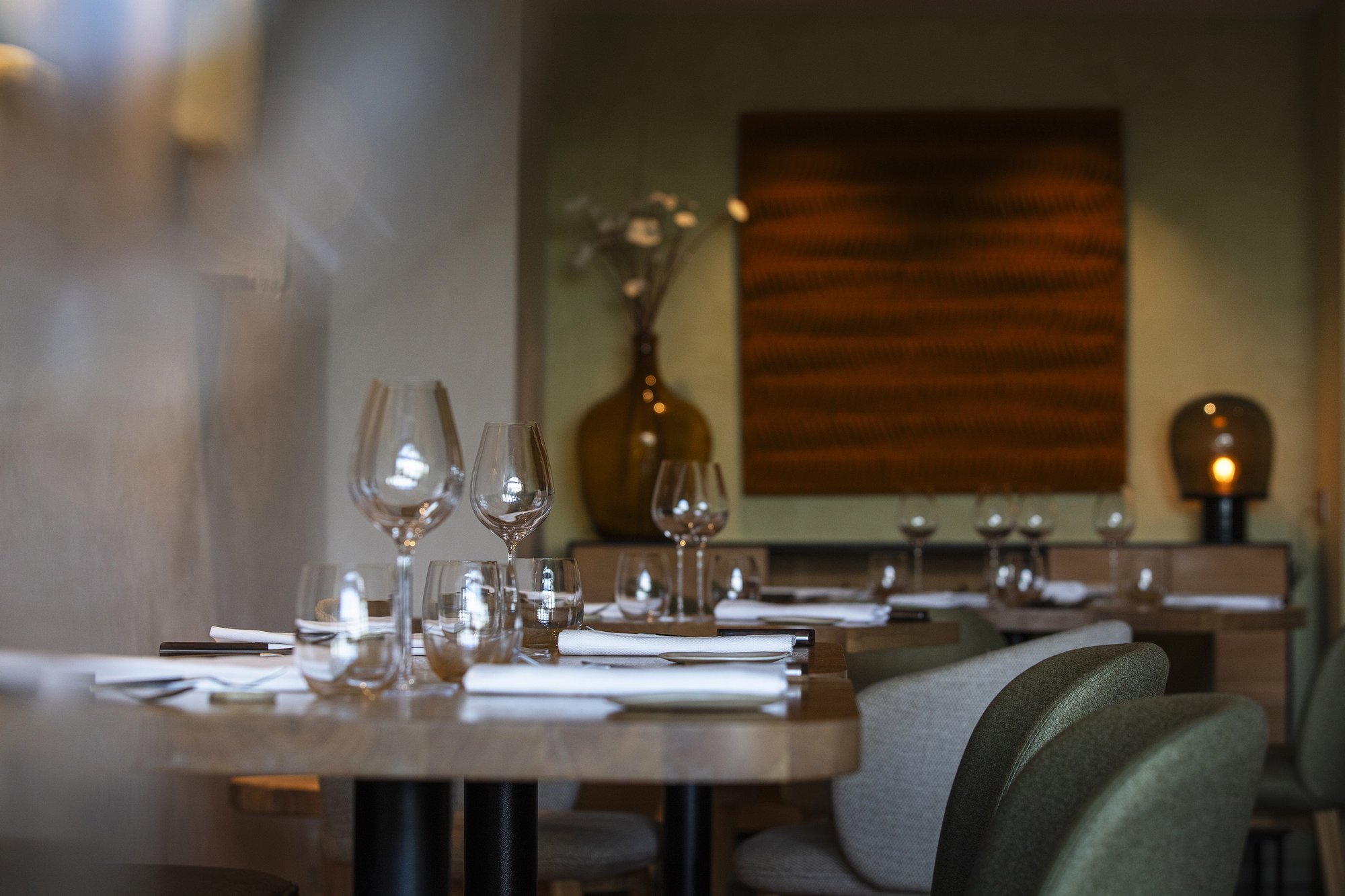
Serene and tranquil atmosphere with minimalist organic modern decor, soft lighting, and harmonious integration with Provençal gardens.