FG Food Labs
FG Food Labs occupies a distinct tier in Rotterdam's experimental dining scene, operating as a laboratory-format extension of the creative ambition that defines the city's upper end. Located at Katshoek 41 in the Nieuwe Westen district, it draws a loyal cohort of returnees who come for the iterative, technique-driven approach rather than a fixed menu experience. For Rotterdam's serious dining circuit, it functions as a proving ground rather than a destination in isolation.
Pearl is the En Primeur Club membership app — saves, bookings, and concierge access live there. Same editors, same standards.
- Address
- Katshoek 41, 3032 AE Rotterdam, Netherlands
- Phone
- +31104250520
- Website
- fgfoodlabs.nl
- Directions
- Get directions
 Saves & bookings on Pearl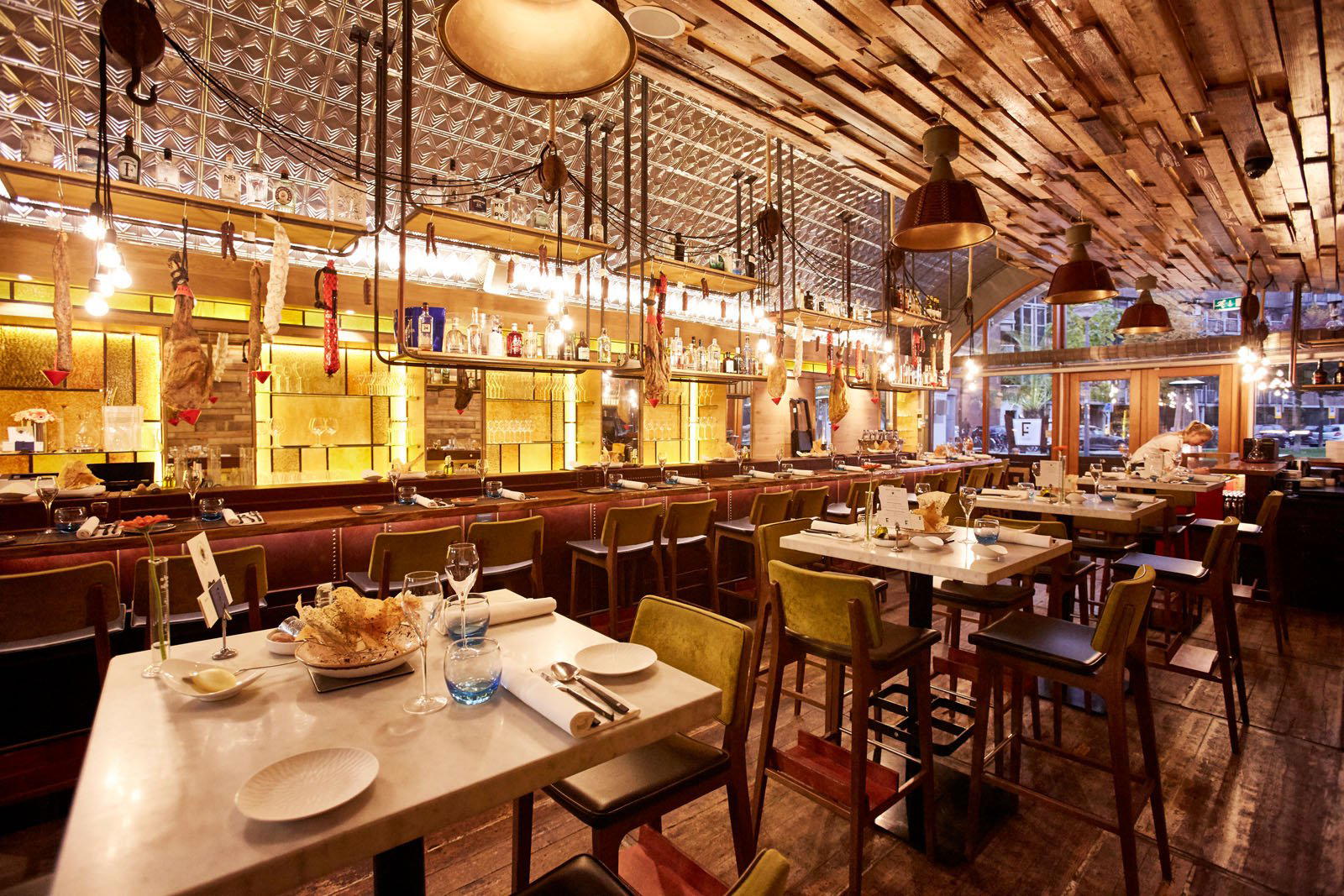
A Workshop at the Edge of Rotterdam's Creative Tier
Rotterdam's fine dining circuit has split decisively in recent years between heritage-driven rooms oriented around classical French technique and a newer generation of format-experimental addresses that treat the kitchen as a site of active inquiry. FG Food Labs is a restaurant in Rotterdam at Katshoek 41, 3032 AE Rotterdam, Netherlands. It belongs firmly to the second category. The address operates as a laboratory adjunct to the broader creative project centred on FG - François Geurds, the €€€€ creative flagship that anchors the same culinary orbit. Where the flagship commits to a more finished, plated register, Food Labs is the space where that commitment is tested, revised, and occasionally dismantled.
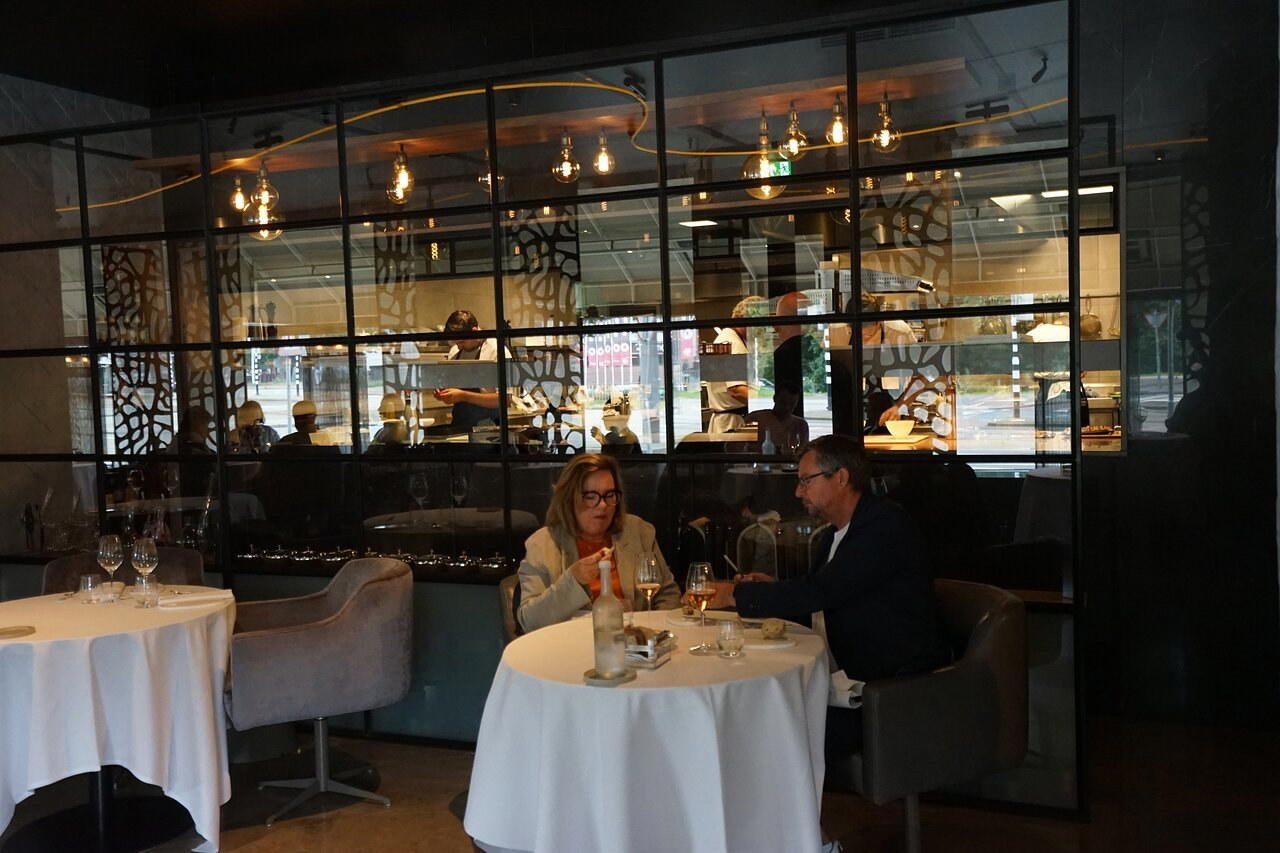
Arriving at Katshoek 41 on a working evening, the building reads less like a restaurant and more like a converted industrial unit that has been selectively humanised. The architecture of Nieuwe Westen in this stretch is post-industrial without apology: exposed structural elements, wide-set windows that let ambient light read differently at each hour, surfaces that carry the honest wear of a working building rather than the curated patina of a renovated one. That physicality is not incidental. It sets the register for what happens inside: the expectation is participation in process, not passive consumption of a finished product.
What Keeps the Regulars Returning
The regulars at FG Food Labs are not the same cohort that fills the tables at Parkheuvel or Fred. Those rooms attract guests who want technical refinement delivered at a reliable, high pitch. The Food Labs audience skews toward people who find that reliability faintly limiting: they return because the format encourages deviation, because something on the pass will be different from what appeared two months prior, and because the unwritten menu, the dish that exists only because a particular combination became possible that week, is the real draw.
That dynamic is common to a small tier of European addresses that have moved away from the fixed-repertoire model. Lazy Bear in San Francisco occupies a cognate position in the American context, where the format is as much about the room's shared energy as about individual dishes. In the Netherlands, the referent is closer to the approach at De Nieuwe Winkel in Nijmegen, where the kitchen's intellectual position, in that case a radical plant-forward framework, generates a kind of repeat-visit logic that fixed-menu restaurants cannot easily replicate. At Food Labs, the driver is technique and creative iteration rather than a dietary philosophy, but the social contract with the returning guest is structurally similar.
What regulars describe, in the aggregate commentary that surrounds this address, is a form of complicity: the sense that arriving with prior visits on record changes the interaction at the pass, that there is an unannounced tier of engagement available to those who have demonstrated sustained interest. That is not the same as a private members' arrangement or a chef's table allocation. It is something more informal and, more earned.
Rotterdam's Creative Dining Tier in Context
The upper segment in Rotterdam currently runs to a handful of addresses. Amarone and Fitzgerald represent the modern French axis of that tier, while the FG group occupies the creative-experimental position. FG Food Labs functions within that competitive set not as a lower-cost alternative to the flagship but as a conceptually distinct format: the logic is laboratory rather than dining room, and the price-value framing reflects that difference in expectation.
The Netherlands' broader fine dining circuit, which includes addresses as geographically spread as De Librije in Zwolle, Inter Scaldes in Kruiningen, and Brut172 in Reijmerstok, shows that the country's creative fine dining is distributed rather than concentrated. Rotterdam's contribution to that map is the FG axis, which means Food Labs is not a satellite curiosity but a genuine node in a nationally-recognised culinary network. Guests travelling into the city specifically for that network, and the trajectory from Tribeca in Heeze or De Lindehof in Nuenen to a Rotterdam week, should treat Food Labs as a distinct evening rather than an overflow option when the flagship is fully booked.
Practical Considerations for Planning a Visit
Because Food Labs operates on an iterative format rather than a fixed seasonal menu, timing a visit for when the kitchen is mid-cycle through a new direction, rather than at the tail end of an exhausted repertoire, requires some advance intelligence. Contacting the venue directly, using the address at Katshoek 41 as a starting point, and asking what phase the current project is in will yield more useful planning information than a booking confirmation alone. Visitors from outside the Netherlands who are sequencing Rotterdam into a wider Dutch itinerary should also note that the city's fine dining rooms are concentrated enough that a single overnight stay can cover the flagship and Food Labs across consecutive evenings without logistical strain. The full Rotterdam restaurants guide covers the broader sequencing options across price tiers.
For international comparison, the format shares structural DNA with collaborative dinner series models in serious kitchens, though the Food Labs register is considerably less formal and the barrier to participation is lower. The analogy is useful mainly to frame the seriousness of the creative intent: this is not an experimental concept operating at the periphery of a serious kitchen, but a deliberate format choice by a culinary operation with established credentials in Rotterdam's upper tier. Other Dutch addresses worth considering in the same planning window include De Bokkedoorns in Overveen, De Groene Lantaarn in Staphorst, De Treeswijkhoeve in Waalre, and De Lindenhof in Giethoorn, each occupying a distinct position in the national creative fine dining circuit.
Fast Comparison
Comparable venues nearby, for context on price, style, and recognition.
| Venue | Cuisine | Price | Awards | Notes |
|---|---|---|---|---|
| FG Food LabsThis venue — the venue you are viewing | Modern French Fine Dining | $$$$ | Not listed | Not listed |
| Old Dutch | Classic French & Dutch | $$$ | Not listed | Oude Westen |
| Bistrot du Bac | Classic French Bistro | $$$ | Not listed | Katendrecht |
| In Den Rustwat | Modern French with Dutch Influences | $$$$ | Michelin Plate | Kralingen Oost |
| POSSE | Basque-Inspired Fine Dining | $$$$ | Not listed | Katendrecht |
| Oliva | Modern Italian | $$$ | Not listed | Cool |
Continue exploring
More in Rotterdam
Restaurants in Rotterdam
Browse all →
Bars in Rotterdam
Browse all →
Hotels in Rotterdam
Browse all →
Wineries in Rotterdam
Browse all →
At a Glance
- Modern
- Trendy
- Industrial
- Lively
- Date Night
- Special Occasion
- Open Kitchen
- Extensive Wine List
Current opening hours
- Monday
- Closed
- Tuesday
- Closed
- Wednesday
- 6 PM–12 AM
- Thursday
- 6 PM–12 AM
- Friday
- 6 PM–12 AM
- Saturday
- 1–4 PM, 6 PM–12 AM
- Sunday
- Closed
Hours can change for holidays and private events. Last verified .
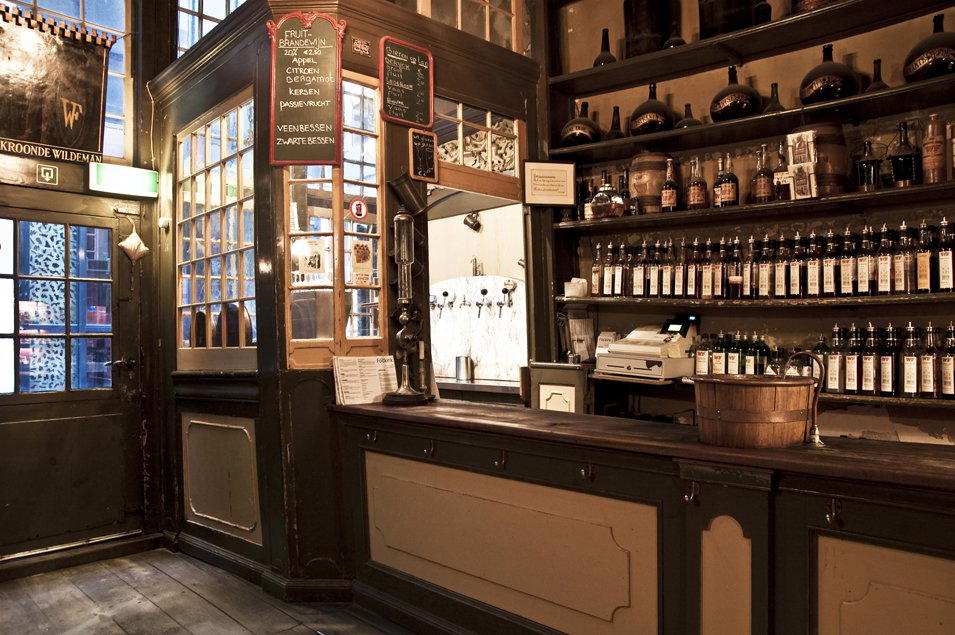
Relaxed atmosphere reminiscent of a Spanish bodega with urban chic, substantial industrial design featuring wooden planks, mirrored walls, and an open kitchen.