POSSE
Our verdict
POSSE occupies a Veerlaan address on Rotterdam's south bank, operating in a city where fine dining has historically clustered around the northern waterfront. While published details on format and kitchen direction remain limited, the address alone signals a deliberate counter-positioning to Rotterdam's established €€€€ tier, placing it in a category where atmosphere and sourcing practices tend to do the heavier editorial work.
Rotterdam's South Bank and the Venues That Don't Follow the Script
Rotterdam's dining infrastructure has long been anchored north of the Maas: the waterfront towers, the Kop van Zuid hotels, and the established fine-dining corridor running through venues like Parkheuvel, FG - François Geurds, and Fred. These are the addresses that appear in Michelin documentation and corporate expense accounts. The south bank operates on a different rhythm. Feijenoord, Katendrecht, and the Veerlaan strip attract a more local crowd, one that tends to be skeptical of the formal tasting-menu apparatus that defines Rotterdam's upper tier.
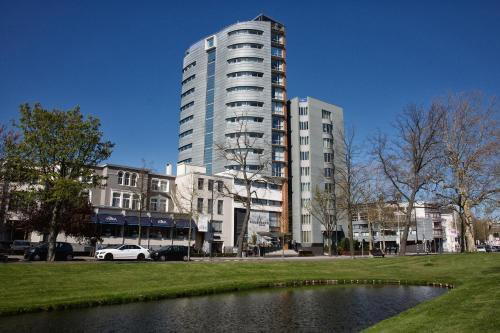
POSSE, at Veerlaan 19 A, plants itself in that counter-cultural geography. The address alone communicates a set of priorities. Veerlaan runs close to the Rijnhaven, one of the older port basins that has been slowly absorbed into the city's leisure and hospitality expansion without losing the industrial texture that makes it distinct from the polished waterfront developments further west.
What the Address Signals About Sourcing Culture
In Dutch cities that have developed serious food cultures outside the Michelin tier, Rotterdam more than most, the venues that generate sustained local attention tend to organize their kitchens around supply relationships rather than technique showmanship. This is a meaningful distinction. The €€€€ tier represented by Amarone and Fitzgerald operates within a recognizable French-influenced grammar: classical technique, wine lists, and menus that move seasonally in broad strokes. The south bank format, by contrast, tends to shorten the distance between producer and plate and make that distance legible to the guest.
The Netherlands has unusually rich regional sourcing infrastructure for its size. Zeeland molluscs, Wadden Sea produce, greenhouse cultivation from the Westland, and North Sea day-boat catch all feed into a supply chain that serious Dutch kitchens have been using more aggressively since the early 2010s. Venues like De Nieuwe Winkel in Nijmegen have built entire critical identities around plant-forward Dutch sourcing. Inter Scaldes in Kruiningen sits within reach of the Zeeland coast and prices its proximity to those ingredients accordingly. In that national context, a Rotterdam south-bank venue with clear neighbourhood positioning is almost certainly drawing on the regional supply system that the city's port history made structurally accessible.
The Scene at Veerlaan: Atmosphere as Editorial Statement
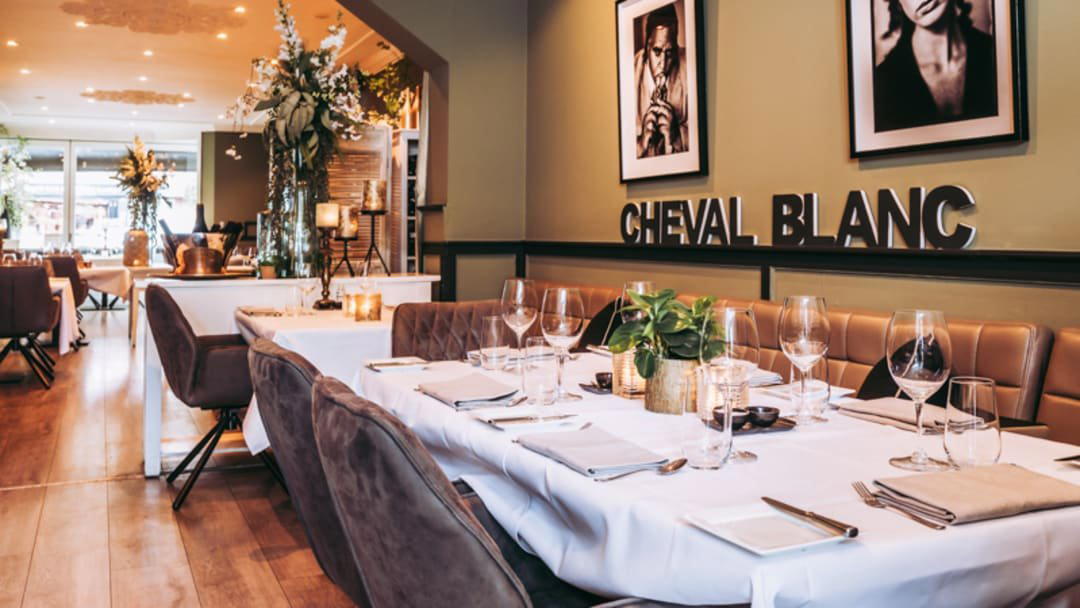
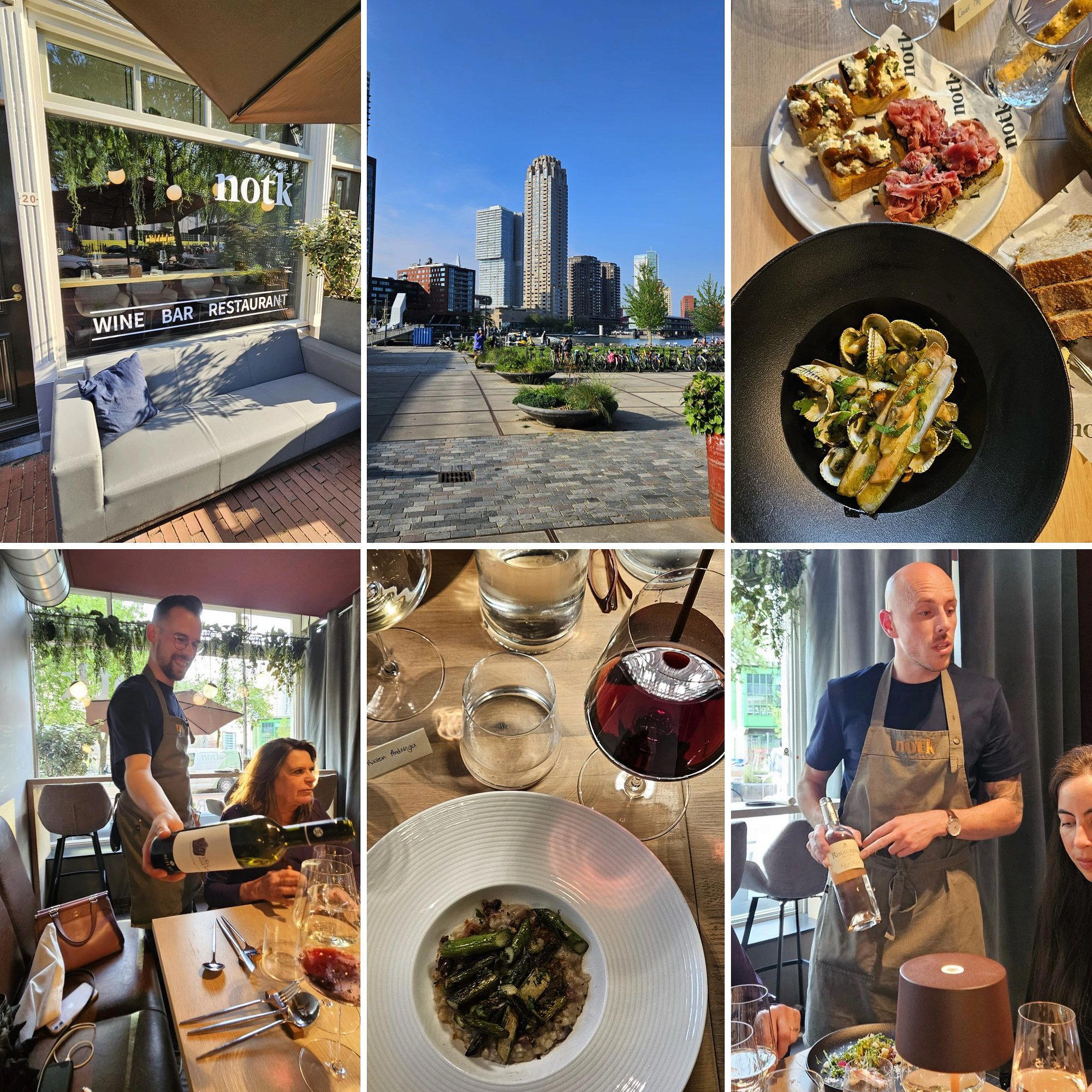
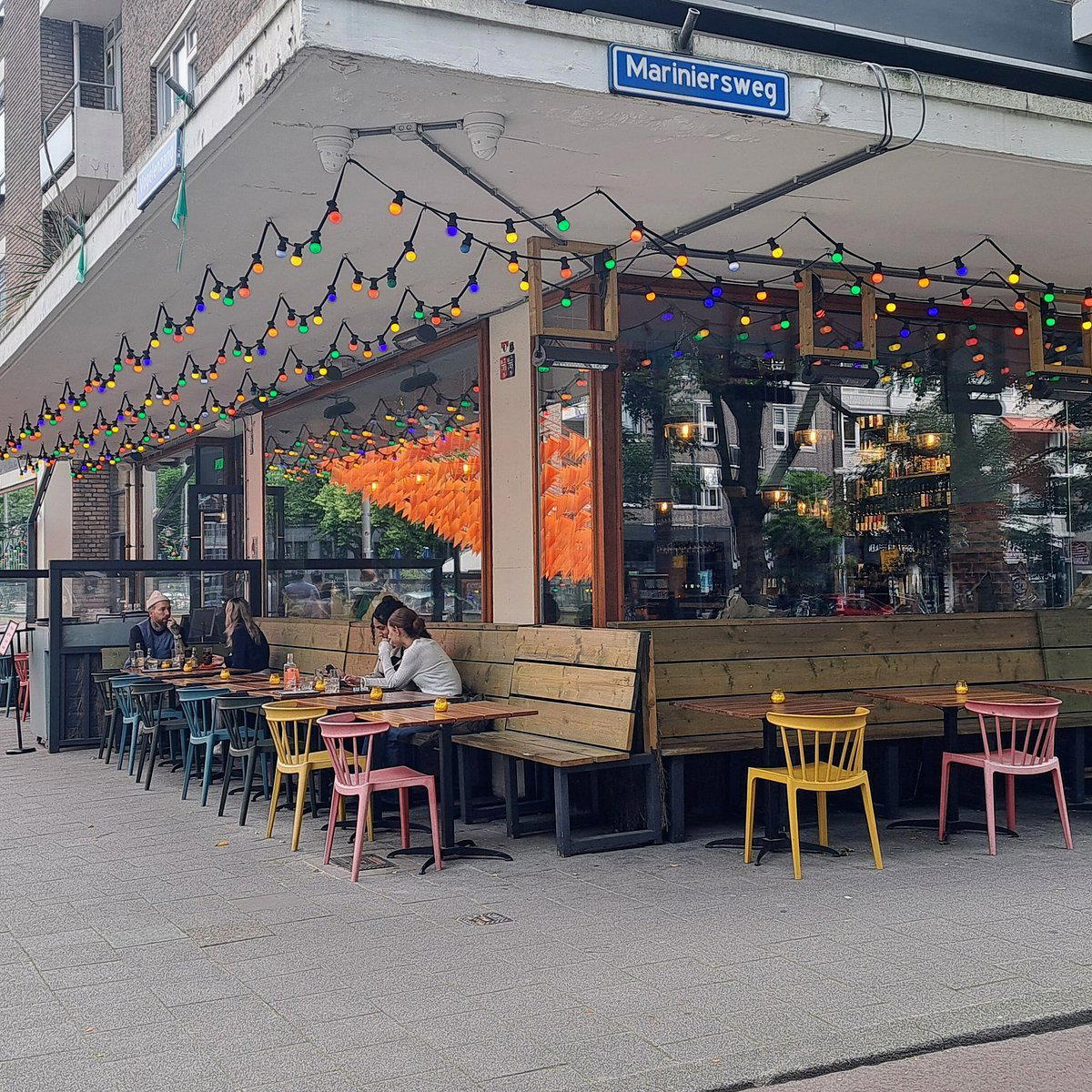
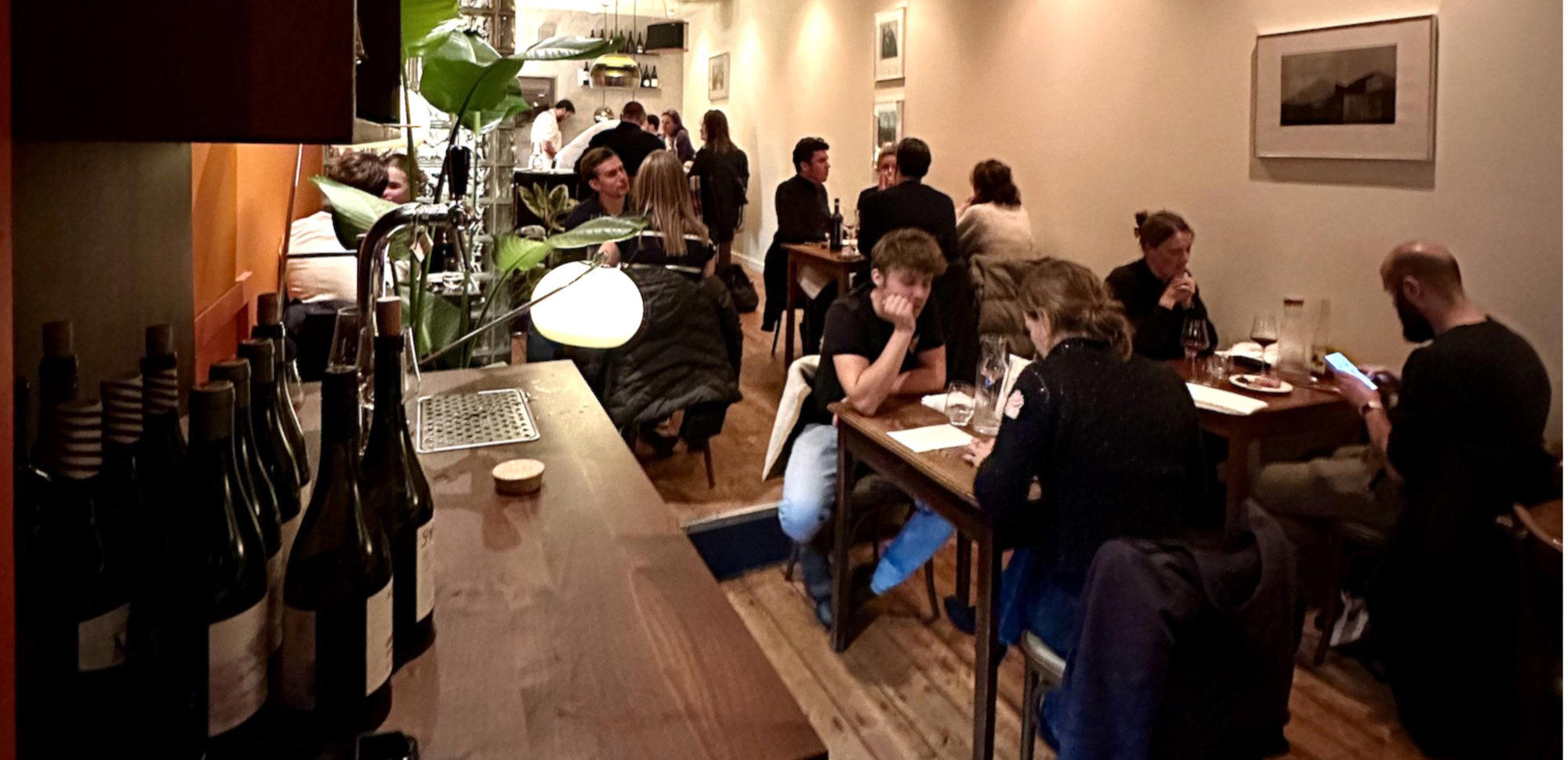
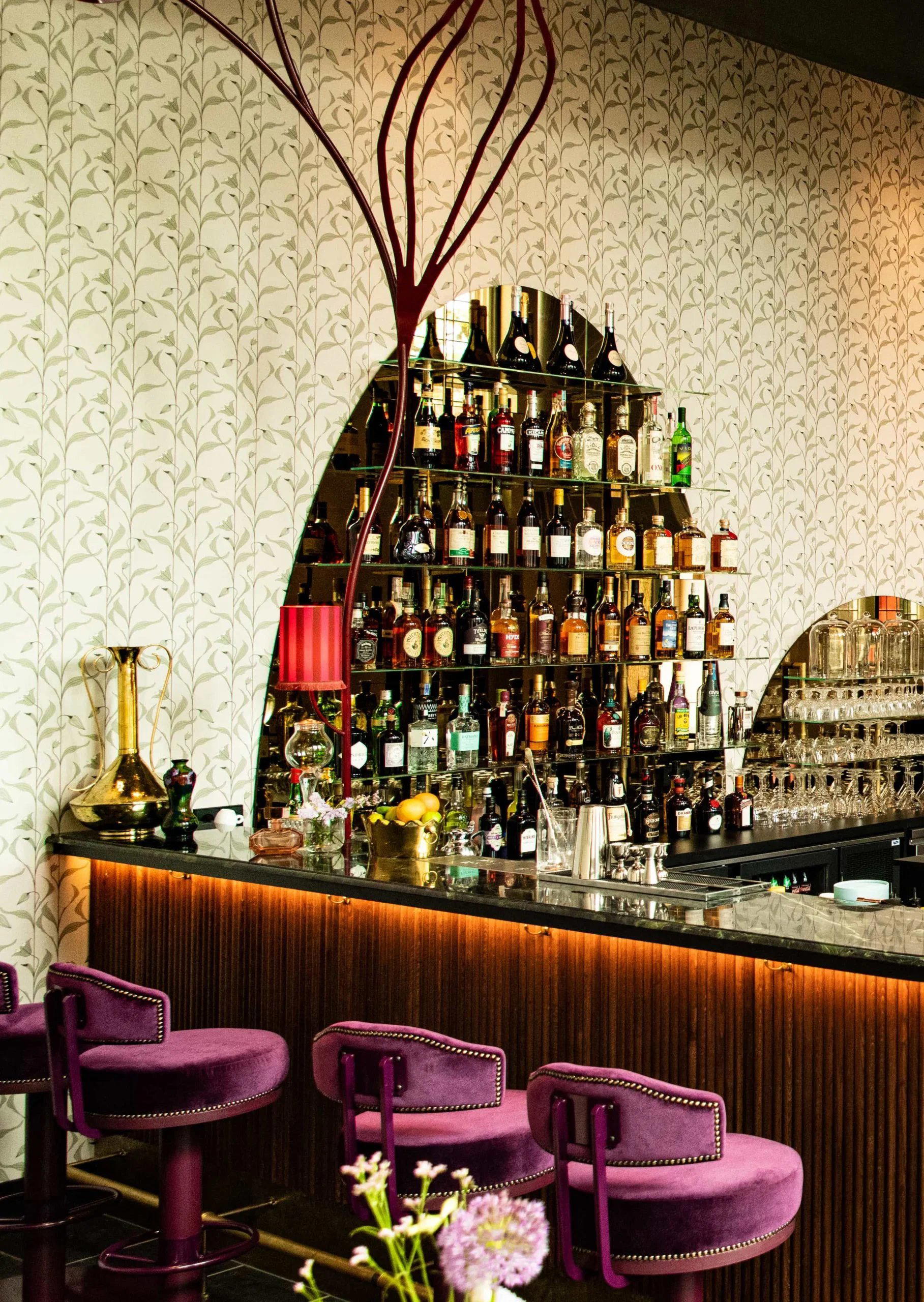
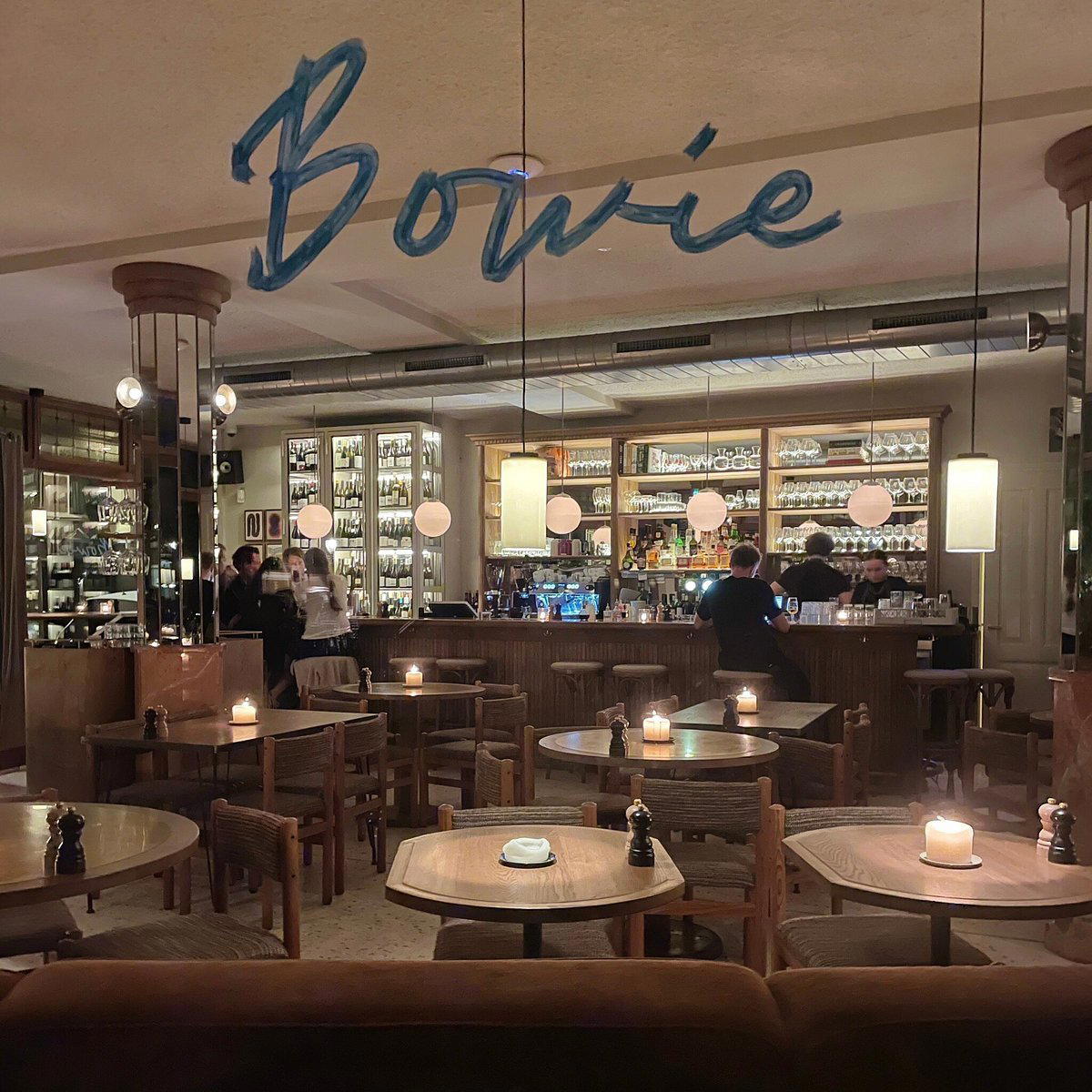
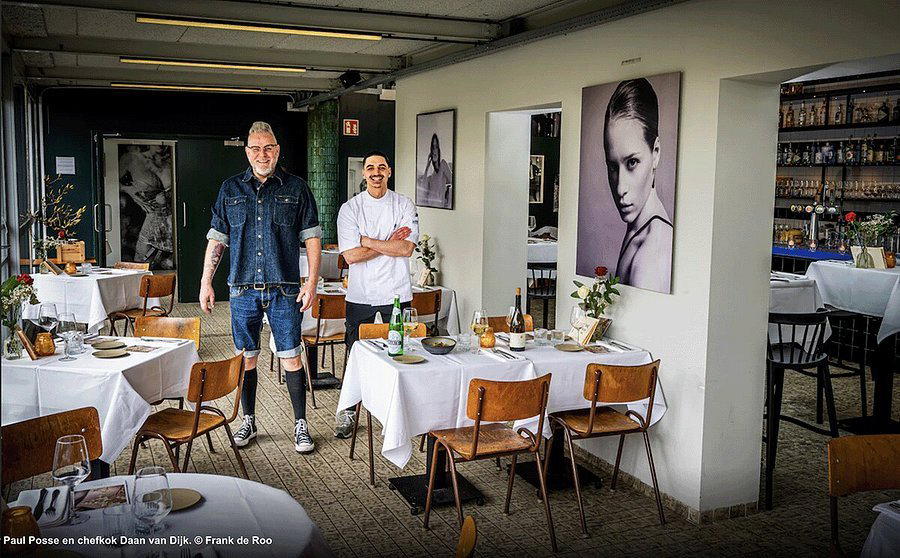
Approaching the Veerlaan from the direction of the Erasmusbrug, the industrial scale of the old port basin comes into view before the restaurants do. The neighbourhood reads as a working city that happens to have acquired restaurants, rather than a dining district that has softened an industrial zone for tourism. This is a meaningful difference in atmosphere. The city's more formal dining rooms, including those in the Michelin-documented tier, tend to function as separate environments, insulated from the surrounding urban texture. The Veerlaan addresses make no such separation.
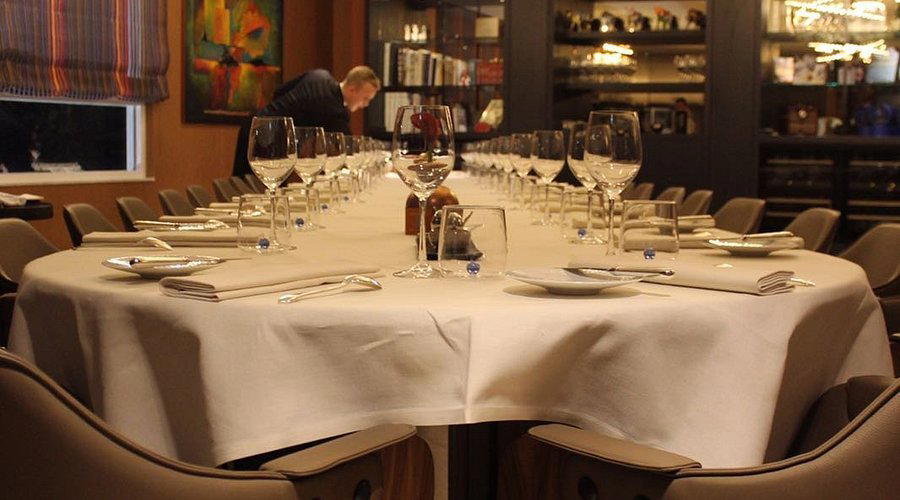
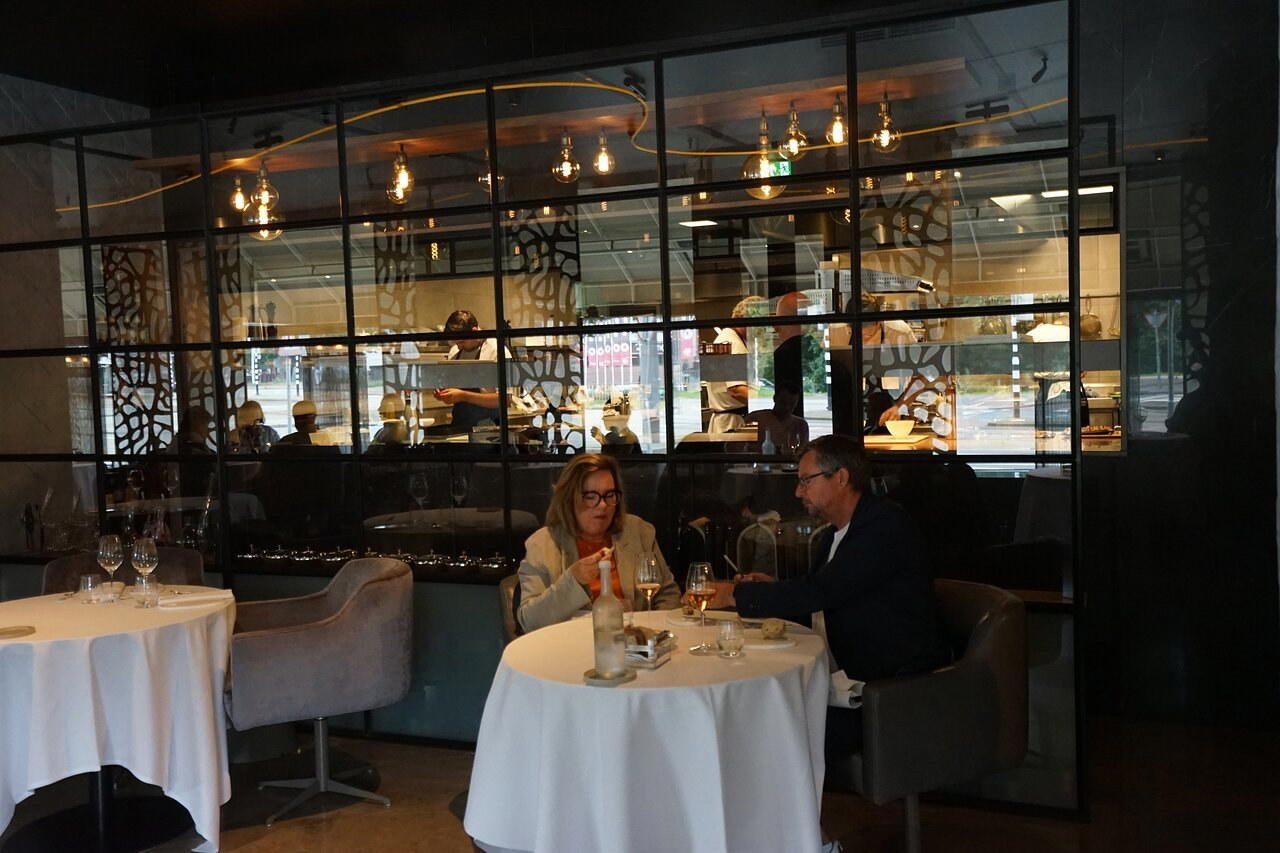
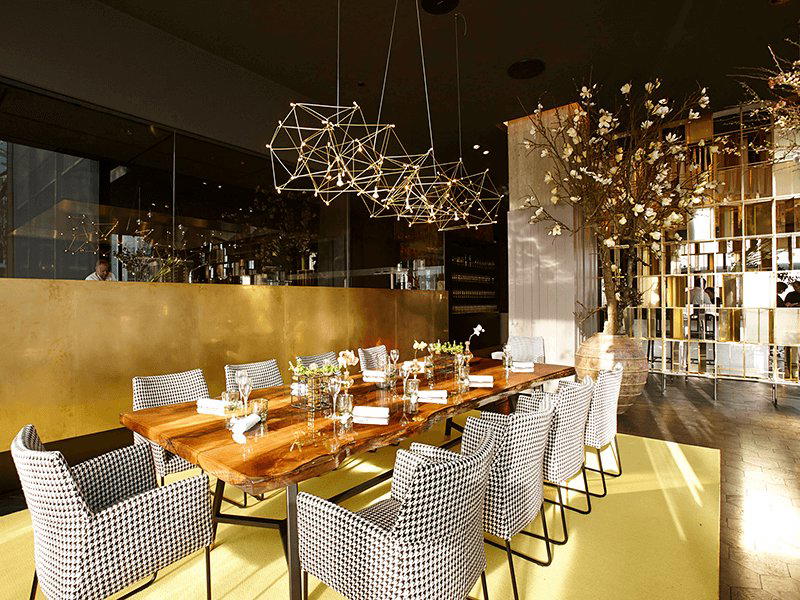
For the guest calibrating expectations: this is not the format for a celebration dinner that requires a sommelier in formal attire and three hours at the table. The setting implies informality without casualness, which is a posture that Rotterdam's south bank has developed into something of a signature. What that means in practice for POSSE specifically, seat count, service register, kitchen format, is not yet documented in public records at the level of specificity that would allow precise characterization.
Positioning Within Rotterdam's Dining Range
Rotterdam's Michelin-starred tier is smaller than Amsterdam's but more coherent in its identity. Parkheuvel has held two stars for an extended period. FG operates a creative format at the leading price point. These venues define one end of the spectrum. At the other end, the city's market halls, street-level Indonesian and Surinamese kitchens, and the Fenix Food Factory cluster represent a different set of priorities entirely. The interesting editorial space is in between: venues that price above the casual register but below the formal tasting-menu bracket, and that use sourcing transparency as a credibility signal in place of Michelin documentation.
Within the Netherlands more broadly, this is a well-established format. De Librije in Zwolle and De Lindehof in Nuenen represent the best of the country's formal tier. But the venues generating more friction in food media over the last few years have tended to sit outside that formal structure: Brut172 in Reijmerstok, De Groene Lantaarn in Staphorst, and De Treeswijkhoeve in Waalre all operate with strong regional sourcing programs and formats that prioritize cooking conviction over ceremony. POSSE's Veerlaan address places it in that conversation rather than in the Michelin queue.
Internationally, the format has direct parallels. Lazy Bear in San Francisco operates a high-attention, sourcing-led format without the conventional restaurant structure. Le Bernardin in New York City represents the opposite pole: a venue where ingredient sourcing (in that case, fish provenance) is treated with the same seriousness but within a fully formal architecture. The Dutch south-bank format occupies neither of those extremes, which is part of what makes venues in this category editorially interesting.
Seasonal Timing and the Rotterdam Calendar
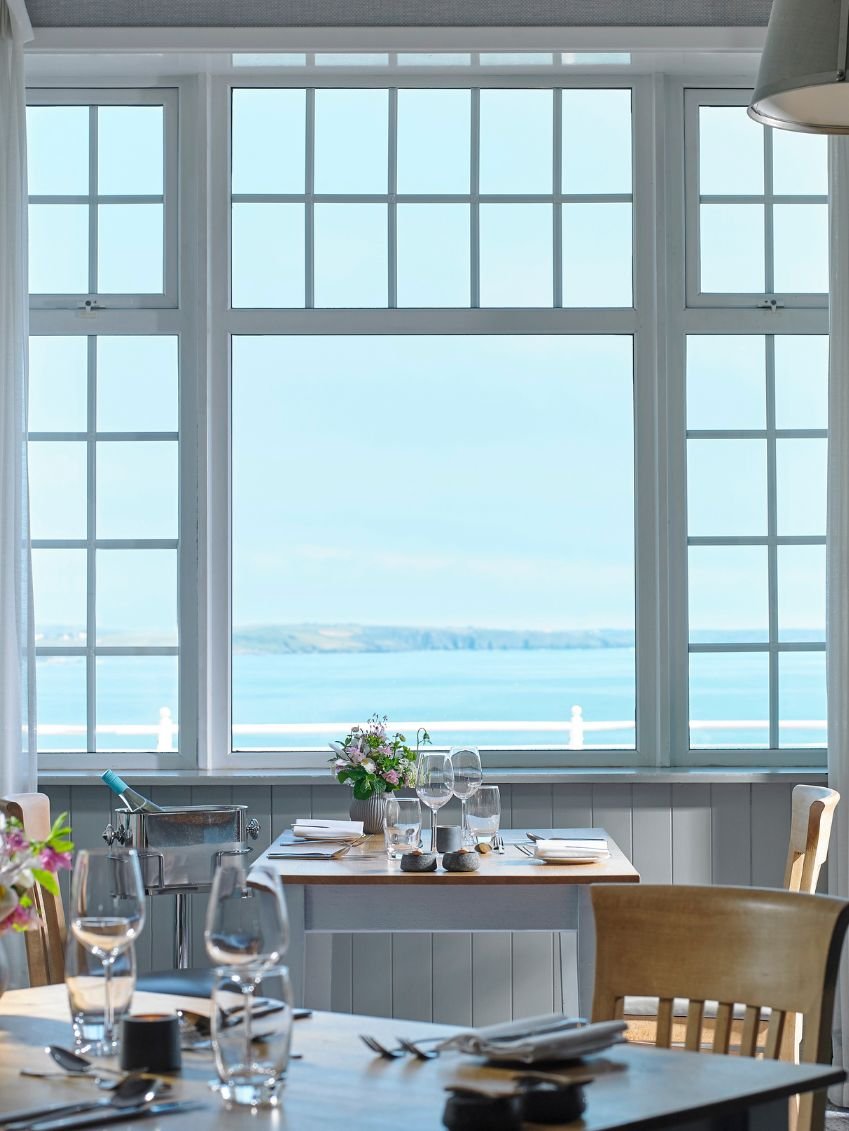
Rotterdam's dining scene operates most actively between September and April, when the city's cultural programming is at its densest and the outdoor-terrace culture that dominates Amsterdam's warmer months is less of a competing draw. The Veerlaan area, with its industrial bay views, has a stronger autumn and winter character than the northern waterfront. Visiting in that window, particularly when North Sea season produces the Zeeland oyster runs and the herring new-season moment has passed, tends to reward the kind of sourcing-led kitchen that a venue in this position would logically operate.
Spring, specifically the weeks around April when white asparagus from Limburg and Brabant enters Dutch kitchens, represents a second peak for regionally-focused restaurants. Any Rotterdam kitchen with a serious relationship to Dutch seasonal produce will reorganize around asparagus at that moment, in the same way that the Loire Valley's restaurant calendar pivots around its river fish runs. For venues like De Lindenhof in Giethoorn and Tribeca in Heeze, asparagus season is a documented menu event. The same logic applies along Veerlaan.
For planning purposes: given the south-bank venue type and the address specificity, checking current opening status and reservation availability directly via the Veerlaan 19 A location before visiting is the practical approach.
For a broader orientation to Rotterdam's dining options across price tiers and neighbourhoods, the EP Club Rotterdam restaurants guide covers the full range, including the formal Michelin tier and the south-bank cluster that POSSE represents. The De Bokkedoorns in Overveen listing provides a useful contrast point for understanding how a coastal Netherlands venue uses its sourcing geography differently from a port-city address like Veerlaan.
Frequently asked questions
Where is POSSE in Rotterdam?
POSSE is located at Veerlaan 19 A, 3072 AN Rotterdam, Netherlands, Rotterdam.
Is POSSE Rotterdam worth visiting if I'm staying north of the Maas?
The Veerlaan address puts POSSE on the south bank of the Maas, a short crossing from the city centre via the Erasmusbrug or a direct metro connection. Rotterdam's south bank venues in this stretch have built a sustained local reputation precisely because they aren't positioned for tourist foot traffic, which, depending on what you're looking for, is either a reason to go or a reason to call ahead and confirm current hours and format before making the trip.
What's the signature dish at POSSE?
What the Veerlaan 19A address does signal is a venue operating in a part of Rotterdam that attracts operators with a sourcing-led or community-oriented approach rather than a showpiece tasting-menu format.
Should I book POSSE in advance?
Given POSSE's location on Veerlaan in Rotterdam's south bank, a neighbourhood that draws a local rather than tourist-driven crowd, demand tends to be consistent without the extreme forward-booking windows of the city's Michelin tier. That said, Rotterdam's dining scene runs most actively from September through April, and securing a table a week or more ahead during that period is the sensible approach.
What's the defining dish or idea at POSSE?
Veerlaan 19A places it firmly in Rotterdam's industrial south bank, a stretch that has developed a reputation for venues more interested in neighbourhood identity than visibility to the city's traditional dining circuit north of the Maas. That positioning tends to attract kitchens with a direct, produce-focused sensibility rather than a performance-driven format.
Peers You’d Cross-Shop
A compact comparison to help you place this venue among nearby peers.
| Venue | Cuisine | Price | Awards | Notes |
|---|---|---|---|---|
| POSSEThis venue (the venue you are viewing) | Basque-Inspired Fine Dining | Not listed | Not listed | Not listed |
| FG - François Geurds | Modern French Molecular Gastronomy | $100–150 | 2 Michelin Stars · La Liste Top Restaurants | Creative |
| Fred | Modern French Fine Dining | $200–300 | 2 Michelin Stars · La Liste Top Restaurants | Creative French |
| Parkheuvel | Modern French Fine Dining | $200–300 | 2 Michelin Stars · La Liste Top Restaurants | Modern Cuisine |
| Joelia | Modern French Fine Dining | Not listed | 1 Michelin Star | Modern French |
| Tres | Progressive Dutch Fine Dining | $200–300 | Michelin Plate · The Best Chef One Knife | Country cooking |