Our verdict
A trattoria-style restaurant at 3 Chome-20-5 Sanjo in Suzuka, Mie Prefecture, トラットリア ヤマカワ sits in a city better known for motorsport than Italian dining. Suzuka's restaurant scene rewards those who look beyond the obvious circuits, and Italian trattorias operating outside Japan's major urban centres occupy a genuinely distinct position in the country's Western-cuisine conversation. See our full Suzuka guide for broader context.

Pearl is the En Primeur Club membership app, where members save venues, book tables and use the concierge.
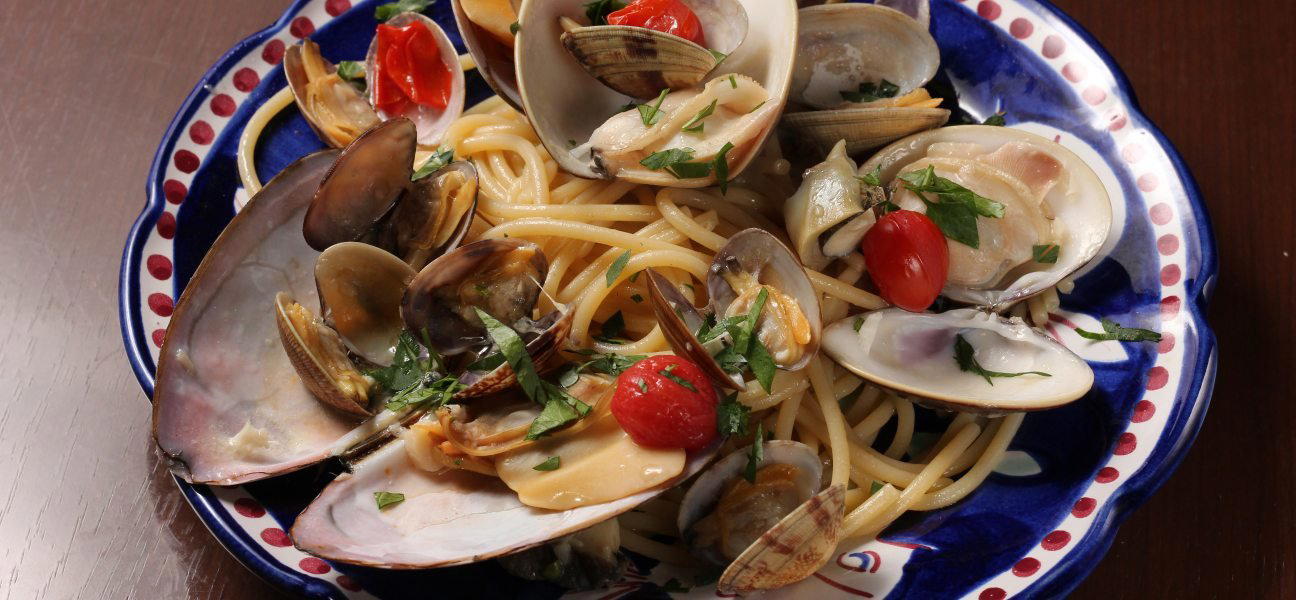
Italian Cooking in Suzuka: Reading the Room Before You Order
Suzuka is not a city that announces itself through its food. The name registers internationally through its Formula One circuit, and the dining scene reflects a city built around engineering, manufacturing, and a largely local clientele rather than visiting food critics. That context matters when assessing somewhere like トラットリア ヤマカワ, located at 3 Chome-20-5 Sanjo in the Mie Prefecture city. Italian trattorias operating in mid-sized Japanese cities outside the Osaka-Kyoto-Tokyo triangle occupy a specific and underappreciated tier: they serve a neighbourhood that does not have the luxury of restaurant density, which often forces a sharper focus on sourcing and a closer relationship with regular guests than the relentless churn of urban dining allows. For broader context on where this restaurant sits within Suzuka's wider options, see our full Suzuka restaurants guide.
The Ingredient Question: Where the Food Comes From
Mie Prefecture has a strong claim to being one of Japan's most ingredient-rich regions. The Pacific coastline produces Ise-ebi (spiny lobster), abalone, and oysters of serious quality. The Kinki region's agricultural output extends into Mie's interior valleys, where Matsusaka beef, one of Japan's three premium wagyu designations, raised in the prefecture, represents the kind of raw material that Italian cooking traditions, with their emphasis on letting primary ingredients carry the dish, can use with precision rather than concealment.
A trattoria format, at its finest, is designed around exactly this kind of regional abundance. The Italian trattoria tradition historically represented a middle register between the osteria and the ristorante: less formal than fine dining, more ingredient-driven than a café, and rooted in whatever a specific region happened to produce well. Transplanted to a prefecture like Mie, that format creates an interesting tension and possibility. Does the kitchen reach for imported San Marzano tomatoes and Sicilian olive oil as a mark of authenticity, or does it fold in Mie's own produce under Italian technique? The most coherent trattoria operations in provincial Japan tend to do the latter, using the structure of Italian cooking as a lens rather than a recreation, and allowing local sourcing to become the actual editorial content of the menu.
Japan's Western-cuisine restaurants outside the major metropolitan areas are worth taking seriously on this basis. Compare the approach to sourcing at formally decorated Osaka restaurants like HAJIME in Osaka, where ingredient provenance is integral to the menu's identity, or the rigour applied to primary produce at akordu in Nara, where European technique meets Yamato-region produce. The regional-produce-plus-European-technique model is not unique to any single restaurant, it is a pattern that runs through the more interesting operations across provincial Japan.
The Suzuka Context: Dining Outside the Metropolitan Frame
Suzuka sits roughly equidistant between Nagoya and Osaka, making it accessible by rail, the Kintetsu Nagoya Line connects the city, and Suzuka-shi Station or Shiroko Station serve as the practical arrival points depending on your origin. This geography means the city is not isolated, but it is rarely a destination in its own right for dining. Visitors tend to arrive for the circuit, for Honda's manufacturing presence, or for Ise-Shima if they are continuing south toward the peninsula's shrines and seafood.
That combination of accessibility and low dining-destination status creates the conditions in which a neighbourhood trattoria can develop real depth with its local base. The comparison set for a restaurant like トラットリア ヤマカワ is not Harutaka in Tokyo or Gion Sasaki in Kyoto, those operate in entirely different competitive and economic environments. The more instructive comparison is with other regional specialists that have built credibility away from the metropolitan spotlight: Goh in Fukuoka, for example, demonstrates what a committed regional kitchen looks like when it is not chasing the Tokyo conversation.
The Sanjo neighbourhood address places トラットリア ヤマカワ in a residential and light-commercial part of the city rather than an entertainment district. That positioning tends to self-select a returning local clientele rather than one-off tourists, and it shapes the likely format: familiar pacing, a menu that does not need to constantly explain itself, and pricing calibrated to the city rather than to visiting expense accounts.
Italian Dining in Provincial Japan: The Broader Pattern
Japan has one of the world's more developed Italian restaurant cultures outside Italy itself. The country has absorbed pasta, pizza, and trattoria formats with unusual depth, producing a generation of Japanese-trained Italian cooks who spent formative years in Bologna, Emilia-Romagna, and Rome. The result, over several decades, is a national Italian restaurant culture that operates at multiple registers, from Michelin-recognised operations in Tokyo and Osaka down to neighbourhood trattorias in cities like Suzuka that have little reason to publicise themselves beyond the immediate community.
Restaurants like Bistro Ange in Toyohashi and Birdland in Sakai represent different facets of this same pattern, Western-format restaurants operating in mid-sized Japanese cities with a local rather than destination-driven logic. Further afield, Denko Sekka in Hiroshima and Blue Ocean Steak in Nakagami District show how Western cuisine formats adapt across different regional economies. The difference between the leading and worst of these operations usually comes down to sourcing discipline and whether the kitchen treats the Italian template as a starting point or an endpoint.
For reference on what the top tier of dedicated sourcing looks like in Japan's broader restaurant conversation, Atomix in New York City and Le Bernardin in New York City demonstrate how ingredient provenance becomes structural rather than decorative at the highest levels of any cuisine, a principle that scales down to regional trattorias just as readily as it applies to tasting-menu operations.
Planning Your Visit
The restaurant address, 3 Chome-20-5 Sanjo, Suzuka, Mie 513-0806, places it in a walkable residential part of the city. Mie Prefecture's restaurant calendar tracks loosely with the Ise-Shima tourist season (spring cherry blossom and autumn foliage periods bring higher visitor numbers to the region), which can affect availability at restaurants that are not specifically tourist-facing. As a trattoria serving a local base, timing a visit on a quieter midweek evening is likely to produce a more attentive experience than arriving on a Saturday without a reservation. For additional regional options and context across Suzuka's dining scene, our Suzuka guide covers the city's restaurant categories in more depth.
Frequently asked questions
Is トラットリア ヤマカワ a family-friendly restaurant?
Trattoria-format restaurants in Japan generally accommodate families, and the residential Sanjo neighbourhood in Suzuka where this one is located, 3 Chome-20-5 Sanjo, suggests a local, unpretentious setting rather than a formal dining room. That said, specific seating arrangements, high-chair availability, or children's menus have not been confirmed. Contacting the restaurant directly before visiting with young children is advisable.
What kind of setting is トラットリア ヤマカワ?
The address places it in a walkable residential pocket of Suzuka, the Mie Prefecture city best known internationally for its Formula One circuit. That context points toward a neighbourhood trattoria rather than a destination fine-dining room, the kind of place that serves a local clientele as much as visiting guests.
How does トラットリア ヤマカワ fit into Suzuka's Italian dining scene?
Japan has developed one of the more substantial Italian restaurant cultures outside Italy over the past four decades, and that reach extends well beyond Tokyo and Osaka into provincial cities like Suzuka. A trattoria operating in Mie Prefecture has access to coastline produce, including Ise-ebi and abalone from the Pacific, that most Italian restaurants in Italy itself cannot source. Whether ヤマカワ represents the only Italian option in Suzuka or sits within a small cluster is not confirmed, but the city's scale suggests it occupies a meaningful position in the local dining circuit.
What dish is トラットリア ヤマカワ famous for?
No specific signature dish has been documented. What can be said is that Mie Prefecture, where Suzuka sits, is one of Japan's most ingredient-rich coastal regions, producing Ise-ebi (spiny lobster) and abalone that regional Italian chefs in the area have drawn on. Whether ヤマカワ works with local seafood in its kitchen is a question worth putting to the restaurant directly.
What's トラットリア ヤマカワ's location?
トラットリア ヤマカワ is located at 3 Chome-20-5 Sanjo, Suzuka, Mie 513-0806, Japan, Suzuka.
Should I book トラットリア ヤマカワ in advance?
Phone and online booking details are not publicly listed. Given Suzuka's limited dining options compared to Nagoya or Osaka, both accessible via the Kintetsu Nagoya Line, a trattoria with a local following can fill quickly, particularly on weekends. Arriving without a reservation carries some risk; reaching out through the restaurant's physical address at 3 Chome-20-5 Sanjo, Suzuka, Mie 513-0806 or checking for updated contact details locally before your visit is the practical approach.
At-a-Glance Comparison
Comparable venues nearby, for context on price, style, and recognition.
| Venue | Cuisine | Price | Awards | Notes |
|---|---|---|---|---|
| トラットリア ヤマカワThis venue (the venue you are viewing) | Italian Trattoria | $50–100 | Not listed | Not listed |
| Matoba | Traditional Japanese Sukiyaki & Shabu-Shabu | $50–100 | Tabelog 100 #26 | Yabase |
| SUKA-SUKA | Indonesian Restaurant | $10–20 | Tabelog 100 #18 | Hiratacho |
| Porco | Yoshoku (Japanese-style Western cuisine) | $20–30 | Tabelog 100 #78 | Hiratacho |
| En Boca | Wood-Fired Vegetable Pizza | Not listed | Not listed | Karuizawa |
| ヴィチーノ | Modern Natural Italian | $50–100 | Tabelog 100 #32 | Chikusa |
Continue exploring
More in Suzuka
Restaurants in Suzuka
All restaurants in Suzuka →
Details
- Cozy
- Rustic
- Intimate
- Elegant
- Date Night
- Special Occasion
- Open Kitchen
- Extensive Wine List
- A La Carte
- Wine
Current opening hours
- Monday
- Closed
- Tuesday
- 11 AM–3 PM, 5:30 PM–12 AM
- Wednesday
- 11 AM–3 PM, 5:30 PM–12 AM
- Thursday
- 11 AM–3 PM, 5:30 PM–12 AM
- Friday
- 11 AM–3 PM, 5:30 PM–12 AM
- Saturday
- 11 AM–3 PM, 5:30 PM–12 AM
- Sunday
- 11 AM–3 PM, 5:30 PM–12 AM
Hours can change for holidays and private events. Hours as of .
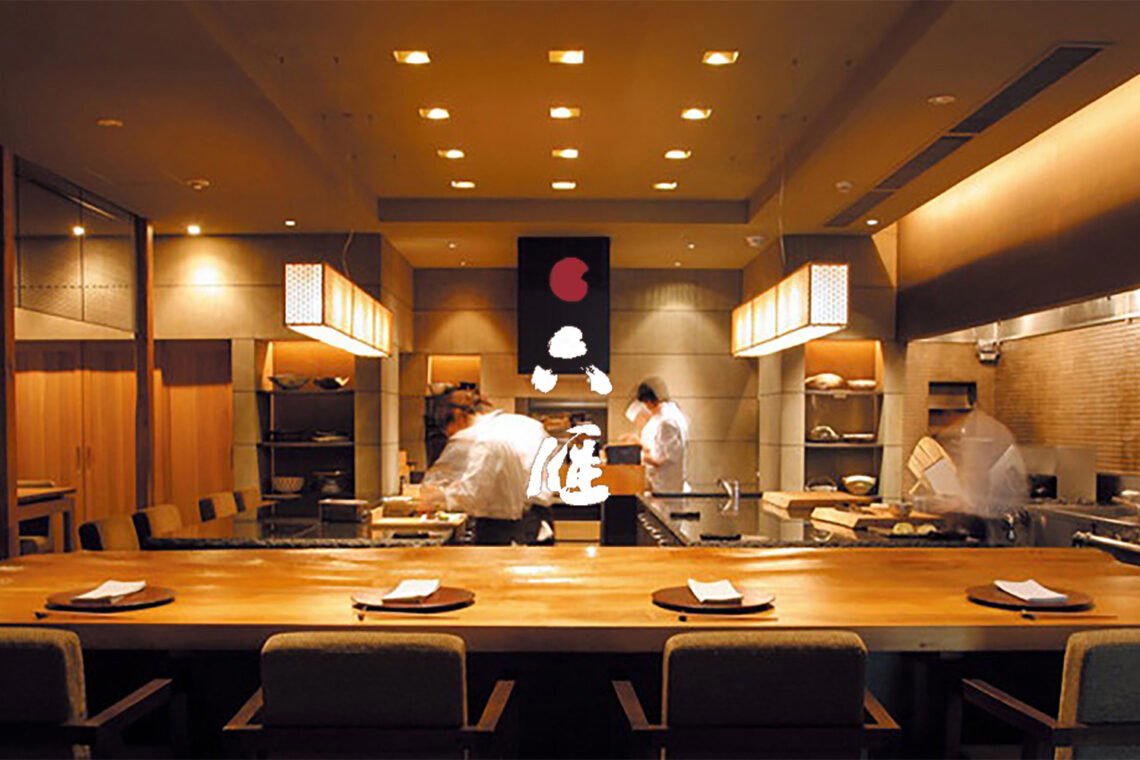
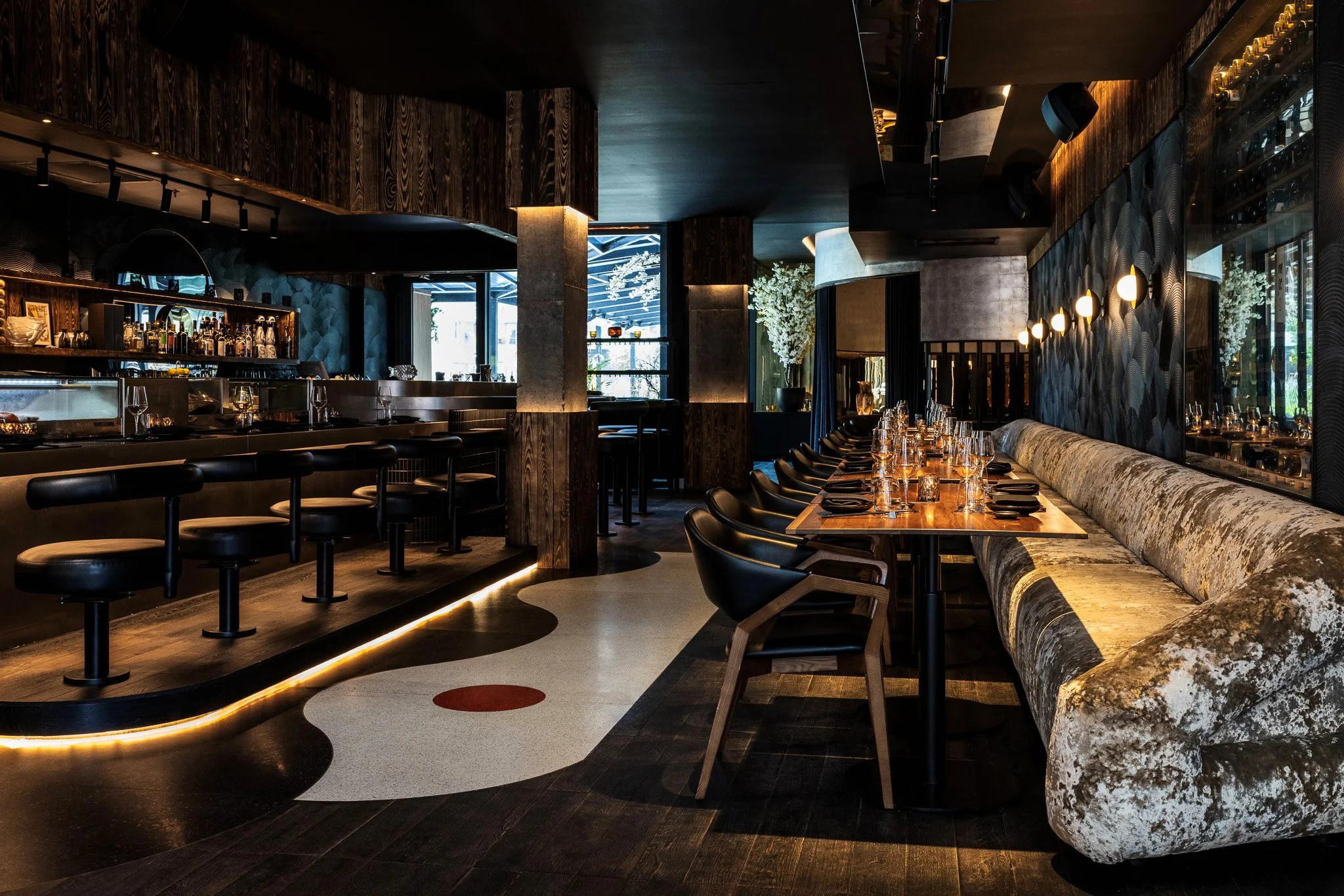
Wooden warmth creating a calm, cozy space encouraging long stays.