Our verdict
ル・コキヤージュ occupies a first-floor space in Kagurazaka's Hills building, placing it within one of Tokyo's most layered Franco-Japanese dining neighbourhoods. Kagurazaka's density of serious French kitchens makes this an address worth understanding in context.

Pearl is the En Primeur Club membership app — saves, bookings, and concierge access live there. Same editors, same standards.
- Address
- Japan, 〒162-0825 Tokyo, Shinjuku City, Kagurazaka, 2 Chome−12−10 ヒルズ神楽坂 1F
- Phone
- +815036472075
- Hours
- Mon–Fri 11:30 AM–3 PM, 6–10 PMSat–Sun 11:30 AM–4 PM, 6–10 PM
- Website
- le-coquillage.com
- Directions
- Get directions
- Booking
- Book on TableCheck
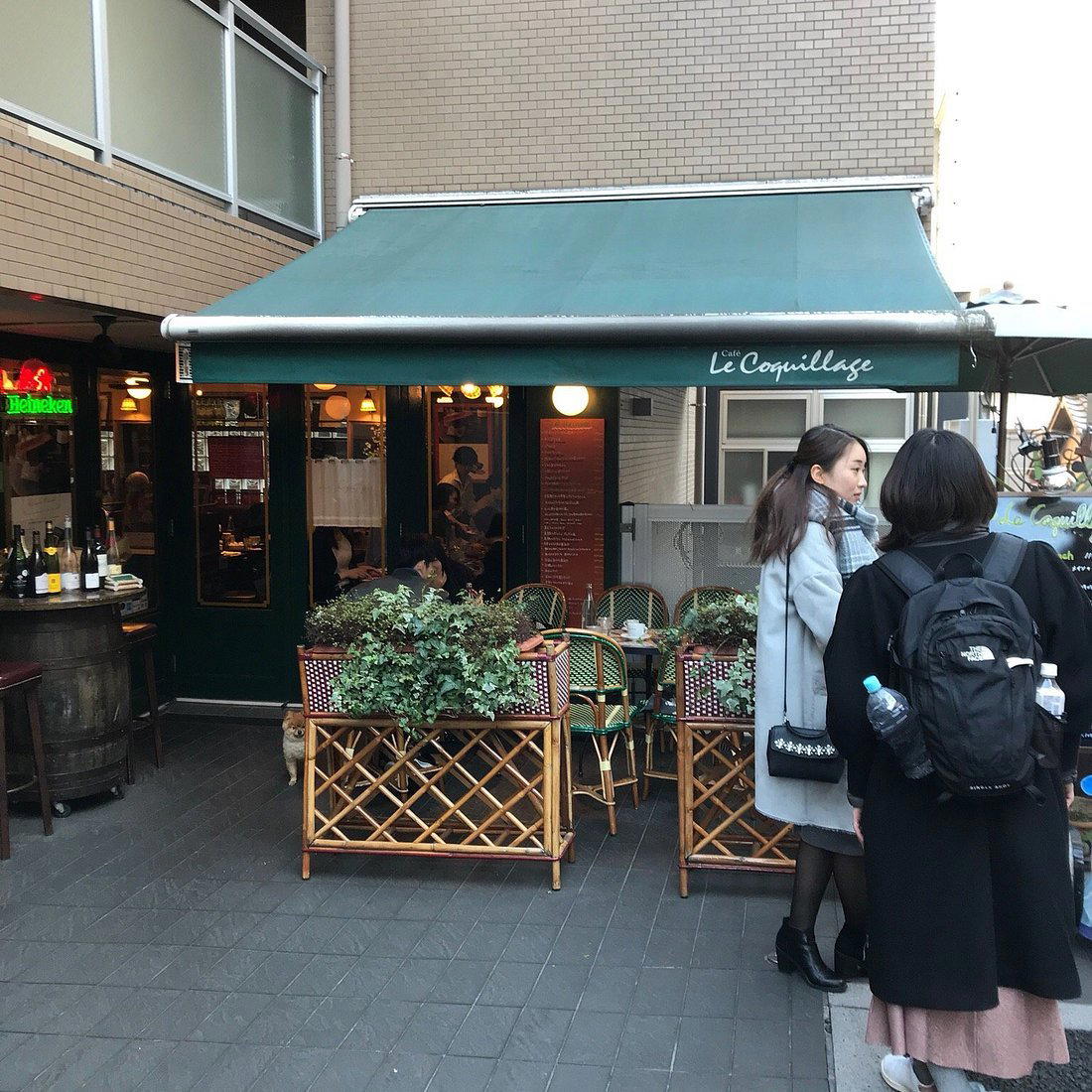
Kagurazaka and the Grammar of Tokyo's French Dining
Kagurazaka has been Tokyo's most coherently French neighbourhood since the early postwar decades, when the area's concentration of French nationals and cultural institutions seeded a dining culture that outlasted its original demographics. The arrondissement-like street grid, the cobblestoned lanes off the main drag, and the sheer density of French-registered kitchens give the neighbourhood a character that no amount of Minami-Aoyama polish has managed to replicate. For visitors trying to read Tokyo's French dining map, Kagurazaka sits apart from the high-altitude, hotel-adjacent bracket occupied by venues like Sézanne or L'Effervescence, and instead represents a street-level, neighbourhood-embedded form of the cuisine — one where the room is part of a residential block, not an atrium.
It is within this context that ル・コキヤージュ, located at 2 Chome-12-10 Kagurazaka on the ground floor of Hills Kagurazaka, takes its place. The name translates from French as 'the shell' — a designation that signals an affinity with the sea and with the formal vocabulary of classical French cuisine, where shellfish and the cold ocean have always anchored the serious end of the menu.
What the Name Communicates
In French culinary tradition, 'coquillage' carries specific weight. It places a kitchen in the lineage of the grande cuisine de la mer, the tradition that runs from the beurre blanc country of the Loire estuary through to the cold-water seafood emphasis that defines the leading Breton and Normandy tables. When Tokyo's French kitchens reach for that register, they are typically making a claim about sourcing and technique rather than décor. The signal is about where the kitchen's attention is directed: toward cold-water product, toward classical preparation, toward the kind of restraint that lets the ingredient lead. Compare this to the broader innovation-led French that venues like Crony pursue, where the genre itself is the subject of interrogation. ル・コキヤージュ, by name at least, positions itself in a more classically anchored register.
This distinction matters in a city where French cuisine occupies multiple tiers and orientations simultaneously. Tokyo's top-end French rooms include kaiseki-influenced tasting formats, Burgundy-trained wine programs, and Japan-sourced ingredient kitchens. The coquillage framing suggests something more specific: an orientation toward the sea, toward French form, and toward the kind of dining that does not require fusion as a selling point.
The Atmosphere of a First-Floor Kagurazaka Room
Ground-floor restaurant spaces in Kagurazaka's residential streets carry a particular atmospheric character. The neighbourhood's building scale is low, four to six floors at most, which means that even a first-floor room sits at street level, where the sounds and light of the neighbourhood penetrate. Evening service in this part of Shinjuku City carries the ambient soundtrack of the area: bicycle wheels on stone, the muted energy of the side lanes, the particular quiet that descends after the last yakiniku smoke has cleared from the main street. A room in this setting does not perform isolation from the city the way a basement room or a high-floor hotel restaurant does; it sits inside the neighbourhood's rhythm.
The Hills Kagurazaka building at 2 Chome-12-10 is a residential-commercial address of the type that Kagurazaka produces in some number, a compact building where the ground floor retail or restaurant unit anchors a block without dominating it. This is a fundamentally different proposition to the stage-set environments that Tokyo's trophy restaurants often construct. The atmosphere, by architecture and location, is likely to favour intimacy over spectacle. For the kind of seafood-anchored French dining that the name implies, this setting is coherent: the tradition does not require grandeur, it requires attention.
Where ル・コキヤージュ Sits in the Wider Tokyo Scene
Tokyo's French dining scene is one of the most technically accomplished outside France, a position built across decades of Japanese chefs training in Lyon, Paris, and the regions, then returning to apply that rigour to Japanese product and Japanese service culture. The result is a tier of restaurants, L'Effervescence, Sézanne, and others, that compete on Michelin and World's 50 Best terms with the leading European addresses. Below and alongside that tier sits a wider ecosystem of neighbourhood French rooms, bistros, and mid-range tables that serve a genuinely French-literate local population. Kagurazaka contains examples across that full range.
That is not a diminishment; much of the most interesting French cooking in Tokyo happens outside the awarded tier, where chefs operate with less scrutiny and more freedom. For comparison, the serious Japanese dining scene beyond Tokyo includes Michelin-level rooms like HAJIME in Osaka and Gion Sasaki in Kyoto, which illustrate the depth of Japan's formal dining culture outside the capital. Within Tokyo, the sushi equivalent of the neighbourhood-serious category is represented by rooms like Harutaka, which operates at the top of its own tier. Understanding where ル・コキヤージュ sits requires more on-the-ground data than is currently confirmed, but the address and name together suggest a deliberate positioning.
Elsewhere in Japan, the pattern of French-inflected fine dining operating at neighbourhood scale repeats: Bistro Ange in Toyohashi and akordu in Nara both represent the regional expression of serious French or French-adjacent technique applied to Japanese context. The form travels well. Internationally, the seafood-anchored French tradition finds its clearest expression at rooms like Le Bernardin in New York City, where cold-water product and classical technique define the offer. ル・コキヤージュ operates at a different scale, but the culinary grammar it appears to invoke belongs to the same lineage. See our full Tokyo restaurants guide for the broader picture.
Planning Your Visit
The venue is located at 2 Chome-12-10 Kagurazaka, Shinjuku City, Tokyo, on the ground floor of Hills Kagurazaka. Getting there: Kagurazaka Station (Tozai Line) or Iidabashi Station (multiple lines) both place visitors within comfortable walking distance of this address. Timing: Evening service on weekdays is typically the more composed period across Kagurazaka's French rooms; weekend lunch draws a neighbourhood crowd that changes the atmosphere considerably.
Frequently asked questions
What should I order at ル・コキヤージュ?
The restaurant's name, French for 'the shell', signals an orientation toward seafood and classical French technique, which typically means cold-water shellfish and fish preparations are likely to anchor the menu. Confirming the current menu directly with the restaurant is the practical next step.
How hard is it to get a table at ル・コキヤージュ?
In Kagurazaka's French dining tier, smaller rooms without major award recognition tend to be more accessible than the three-month-advance counters of Tokyo's top-tier addressed rooms. The venue's position in a neighbourhood-scale building suggests limited seat count, which means early outreach is advisable regardless of category. Tokyo dining at this address level rewards direct contact rather than platform booking.
What has ル・コキヤージュ built its reputation on?
Based on available data, the restaurant's identity is anchored in its name, a deliberate invocation of the French seafood tradition, and its location within Kagurazaka, Tokyo's most consistently French-oriented neighbourhood. For comparable award-confirmed French tables in Tokyo, L'Effervescence and Sézanne provide useful reference points for what the upper tier looks like.
What if I have allergies at ル・コキヤージュ?
If you have dietary restrictions or allergies, the most reliable approach is to visit the venue in person during off-peak hours ahead of your planned meal, or to make contact through the Hills Kagurazaka building management. In Tokyo's French dining culture, allergy communication is generally handled seriously, but advance notice is always the standard expectation rather than an exception. Japanese-language communication will typically yield the fastest and most precise response at neighbourhood-level French rooms.
Is ル・コキヤージュ suited to a special occasion dinner?
The combination of a classical French name, a residential Kagurazaka address, and a ground-floor room in a low-scale building suggests an atmosphere better suited to intimate occasions than to large group celebrations. Rooms of this type in Tokyo's neighbourhood French tier typically seat fewer than thirty covers, which concentrates the service attention and creates a dining pace closer to a private dinner than a restaurant event. For higher-capacity special occasion French dining in Tokyo, Sézanne and RyuGin operate at a scale that accommodates more formal group needs. For similarly intimate Japanese dining elsewhere in the country, Goh in Fukuoka offers a useful comparison in format and atmosphere.
The Short List
Comparable venues nearby, for context on price, style, and recognition.
| Venue | Cuisine | Price | Awards | Notes |
|---|---|---|---|---|
| ル・コキヤージュThis venue — the venue you are viewing | French Bistro | $50–100 | Not listed | Not listed |
| Comptoir Misago | Minato, Cozy French Bistro & Wine Bar | Not listed | Not listed | Not listed |
| レザンファン ギャテ | Modern French Terrine Specialist | $100–150 | Tabelog 100 #54 | Shibuya, Modern French Terrine Specialist |
| Cheval | Seasonal French with Japanese influences | $50–100 | Michelin Plate | Nihonbashi, Seasonal French with Japanese influences |
| Air | Modern French with Japanese Ingredients | $50–100 | Not listed | Chūō, Modern French with Japanese Ingredients |
| ペス | Seafood French Bistro | $50–100 | Not listed | Shibuya, Seafood French Bistro |







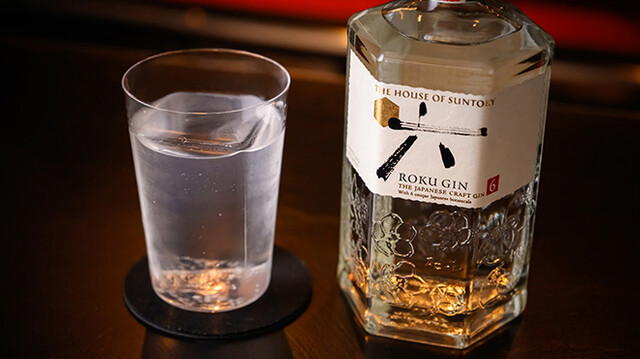
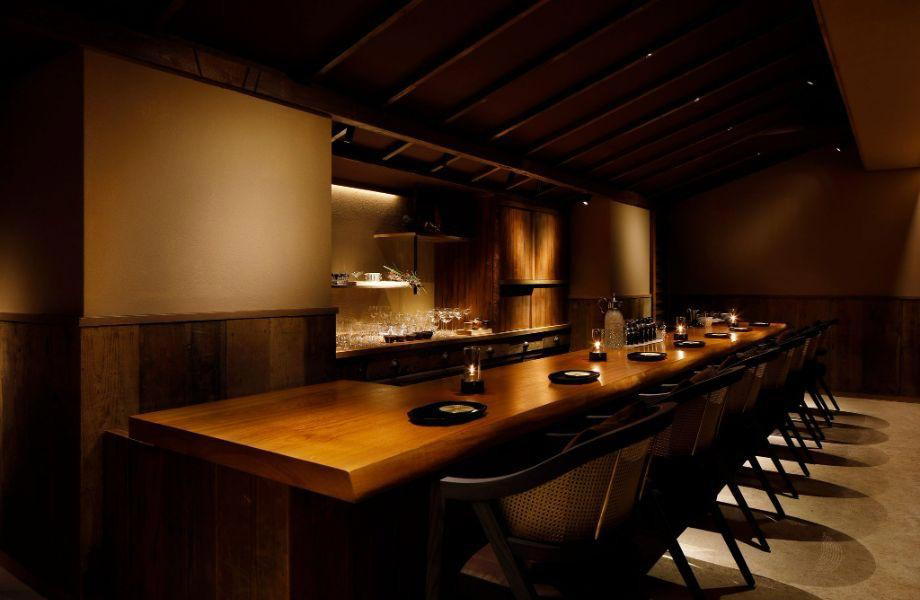
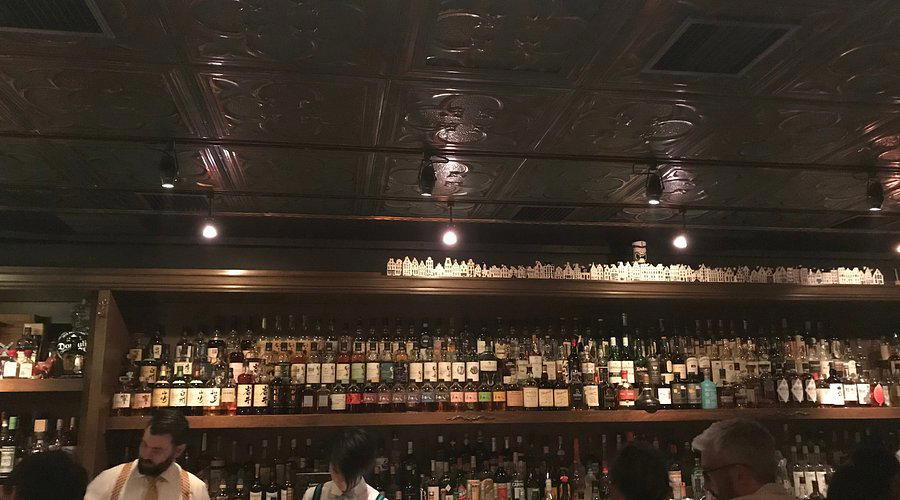

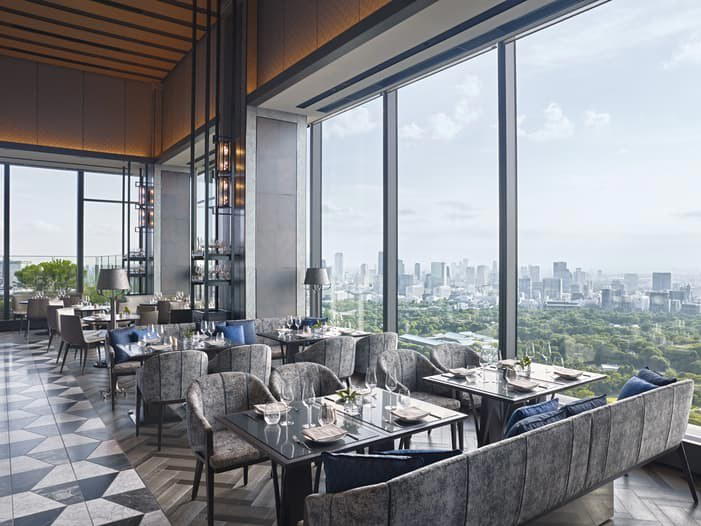
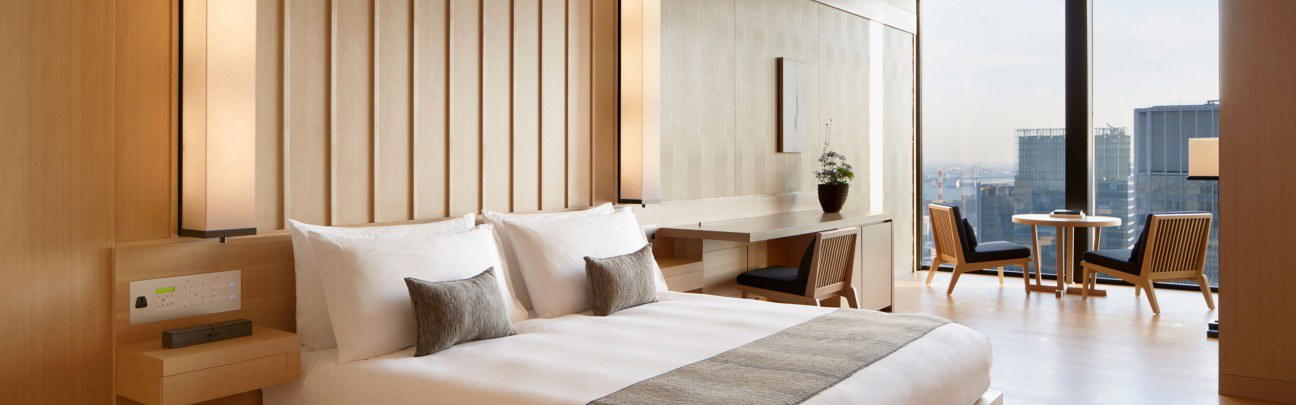

ル・コキヤージュ
The wine
- Wine program
- Curated wine list
- Extensive wine list
- Sake program
Details
- Cozy
- Elegant
- Intimate
- Date Night
- Special Occasion
- Business Dinner
- Terrace
- Extensive Wine List
- Sake Program
- A La Carte
- Prix Fixe
- Wine
- Vegetarian Friendly
Current opening hours
- Monday
- 11:30 AM–3 PM, 6–10 PM
- Tuesday
- 11:30 AM–3 PM, 6–10 PM
- Wednesday
- 11:30 AM–3 PM, 6–10 PM
- Thursday
- 11:30 AM–3 PM, 6–10 PM
- Friday
- 11:30 AM–3 PM, 6–10 PM
- Saturday
- 11:30 AM–4 PM, 6–10 PM
- Sunday
- 11:30 AM–4 PM, 6–10 PM
Hours can change for holidays and private events. Last verified .
Calm and relaxed French bistro atmosphere in a quiet alley, suitable for adults with cozy terrace seating.