Four Seasons Hotel Buenos Aires




The property's Elena restaurant, a two-storey courtyard space named for a historical figure tied to the original mansion, positions it as one of Buenos Aires's most serious addresses for dry-aged Argentine beef and seafood.
Pearl is the En Primeur Club membership app — saves, bookings, and concierge access live there. Same editors, same standards.
- Address
- Posadas 1086 88, C1011ABB Cdad. Autónoma de Buenos Aires
- Phone
- +54 11 4321-1200
- Website
- fourseasons.com
- Directions
- Get directions
 Saves & bookings on Pearl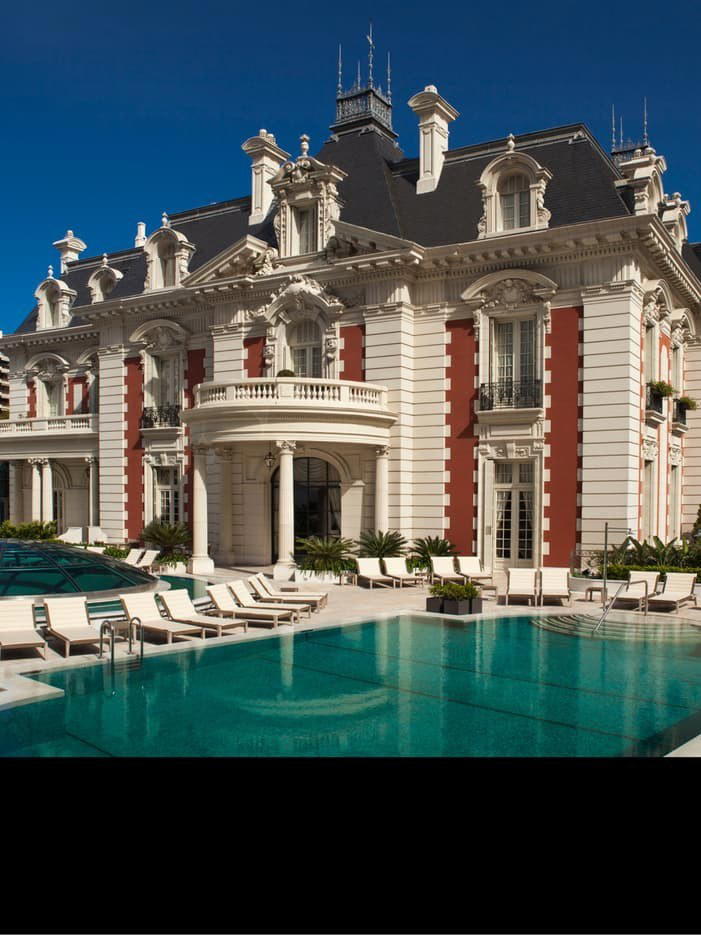
Where Recoleta's Architecture Sets the Table
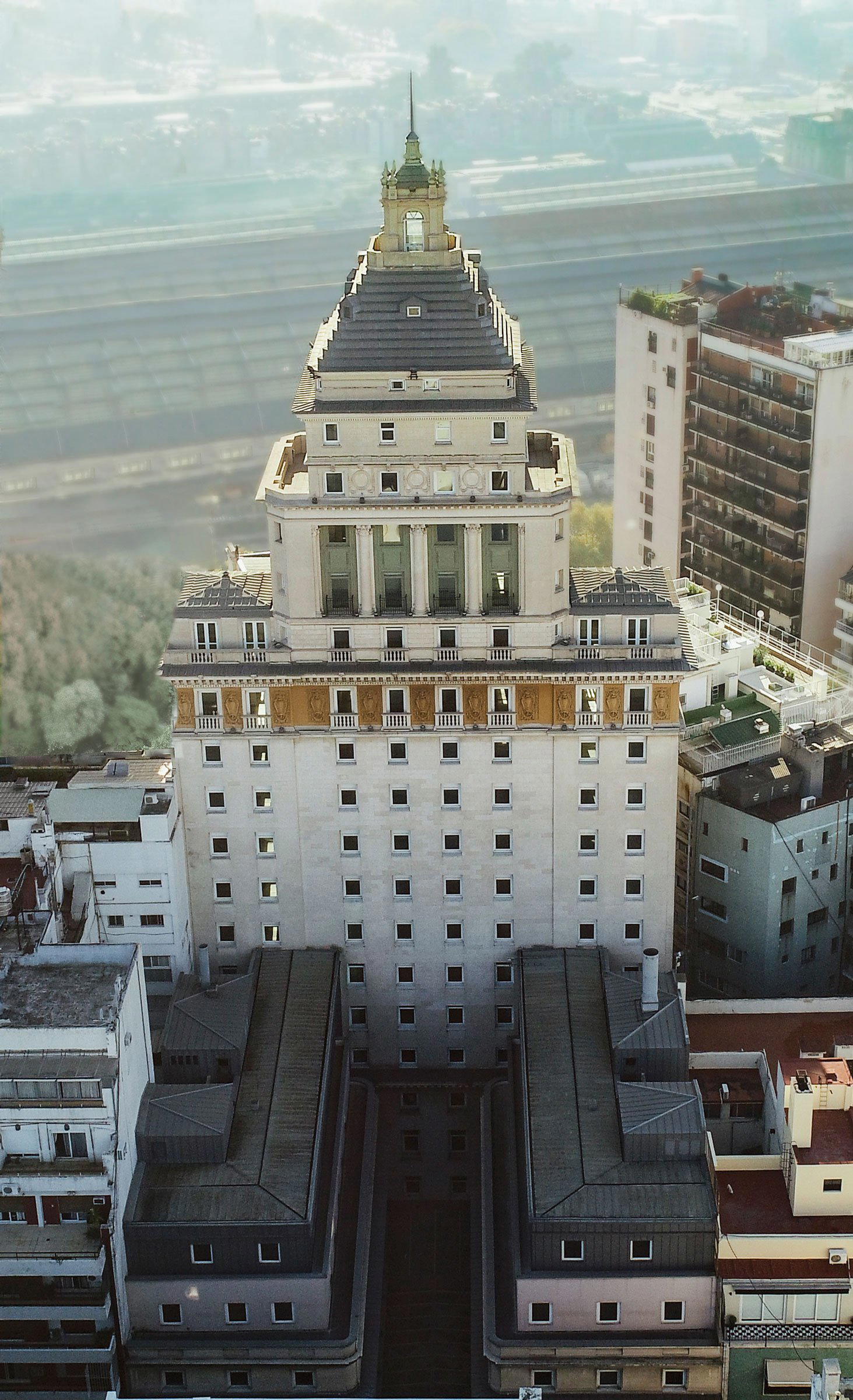
Recoleta operates as Buenos Aires's most formally European quarter, a neighbourhood of wide tree-lined streets, Beaux-Arts facades, and a residential density of old money that gives it a different character from Puerto Madero's waterfront towers or Palermo's design-hotel strip. Posadas 1086 sits at the centre of this register. The physical logic of the Four Seasons Buenos Aires tells you something immediately: a seven-suite French-style mansion from the early twentieth century runs alongside a thirteen-story contemporary tower, and the hotel has not tried to make one look like the other. The mansion is the mansion. The tower is the tower. The tension between them is the point.
After a $50 million revamp, both structures now read with sharper coherence. Natural light moves through the mansion's rooms differently from the tower, and that difference is worth understanding before you book. The mansion suites sit lower, draw morning light through specific courtyard angles, and carry the kind of materiality, carved detailing, layered plaster, the specific weight of early-twentieth-century Argentine craftsmanship, that the tower's marble bathrooms and LCD-embedded vanity mirrors deliberately do not replicate. The tower compensates with elevation and river sightlines that the mansion cannot offer. Choosing between them is less about preference than about what kind of Buenos Aires you came to inhabit. The La Liste Leading Hotels 2026 ranking placed the property at 90.5 points.
Among Recoleta's luxury addresses, the Four Seasons competes most directly with the Alvear Palace Hotel, which has the neighbourhood's other serious claim on Belle Époque atmosphere. The comparison is not trivial. The Alvear is older and more purely classical in its identity. The Four Seasons holds the advantage of the dual-building format and the $50 million capital programme behind its current condition. Down the street, Patio Bullrich anchors the retail character of the immediate surroundings, the hotel's address is not incidental to that context.
Elena: The Menu as Argument for Argentine Terroir
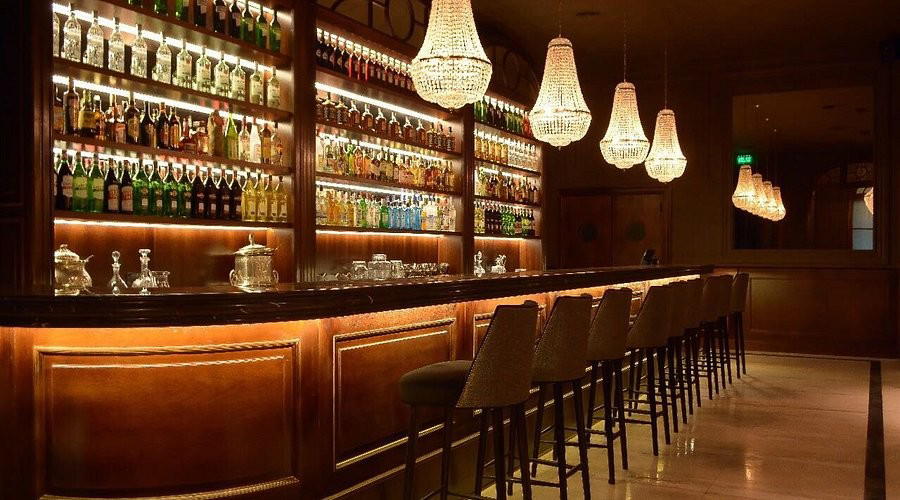
The dining programme at the Four Seasons Buenos Aires operates across two distinct registers, and the gap between them is meaningful. Pony Line functions as the social bar, the room where cocktails and arrivals happen, calibrated for the kind of Buenos Aires evening that starts at nine and decides later where it goes. Elena is the more considered statement.
The two-storey courtyard space carries a name with architectural biography: Elena Peña Unzué, the bride for whom the original mansion was built as a wedding gift in the early twentieth century. The decision to name the restaurant after that figure, rather than after a culinary concept or a chef, tells you something about how the menu is positioned. This is not a restaurant organised around a tasting-menu philosophy or a single imported technique. The architecture of the menu is Argentine in its logic, dry-aged beef and seafood are the primary coordinates, and everything else orbits them.
Argentina's steak culture has its own internal hierarchy. The dry-ageing question sits at the summit of that hierarchy, and Elena's programme addresses it through a rotisserie-centred approach that moves between Argentine Kobe beef, pork, chicken, and the kind of fresh seafood that Buenos Aires can source from its Atlantic coast. The menu breadth matters here: the inclusion of seafood alongside the beef programme is not casual. It reflects a coastal Argentine confidence that goes beyond the pampas-only narrative that some international visitors expect. For those arriving with questions about the wine side of that picture, the hotel's head sommelier specialises in Argentine wines and works the table as a navigational resource rather than a formality. Argentina's vinous range, from Mendoza Malbec to Patagonian Pinot Noir to the high-altitude Torrontés of Salta, is deep enough to reward that kind of engagement.
The Sunday barbecue in the secret garden extends the same logic into a more informal register. Asado as a Buenos Aires tradition is as much social architecture as it is cooking technique, and the hotel's garden format makes a point of contextualising that, not as a performance for tourists, but as a weekly rhythm that the property takes seriously enough to protect behind a dedicated space.
The Spa and Pool as a Separate Argument
Cielo Spa, the name translates to heaven, runs with four treatment rooms, relaxation areas, steam baths, and saunas in a format that prioritises enclosure and light over scale. The spa is intimate rather than sprawling, which aligns with the property's broader spatial logic: the Roman-style pool surrounded by manicured gardens operates as its own self-contained world, visually insulated from the twelve-lane Avenida 9 de Julio nearby. The hotel's positioning on that noise insulation is deliberate, the street grid places the property close enough to Buenos Aires's most trafficked artery to be central, but the garden structure absorbs it.
The signature Porteño Tango massage, performed to a tango rhythm with red-wine-enriched products, sits in the same category as the Sunday asado: it is a local tradition reformatted for a hotel guest who wants immersion without navigation. Whether that framing works depends partly on the traveller's prior familiarity with Buenos Aires. For first visits, it functions as a sensory orientation. For return visits, it works differently, less as discovery, more as ritual.
Tango, Wine, and the Property's Cultural Scaffolding
Buenos Aires has a particular relationship with tango instruction, the city produces enough serious practitioners that a hotel can genuinely connect guests with teachers who work at a professional level, not a demonstration level. The Four Seasons connects guests with local instructors in exactly that capacity. The arrangement is facilitated rather than in-house, which in this context is a mark of confidence in the city's supply of expertise rather than a gap in the hotel's own programming.
Argentina's wine geography extends well beyond Buenos Aires, and guests using the city as a base for wider exploration of the country have options worth knowing. Properties across Argentina's wine country include Awasi Mendoza in Lujan De Cuyo, Cavas Wine Lodge in Alto Agrelo, Casa de Uco in Tunuyán, and Algodon Wine Estates in San Rafael. For high-altitude Salta wine country, Colomé Winery in Molinos represents the northern extreme of Argentina's wine geography. Ski-season travel routes through the country include Las Leñas in Las Heras, and Patagonia has its own dedicated tier with properties like Charming Luxury Lodge in San Carlos de Bariloche and Arakur Ushuaia Resort and Spa. For Iguazú Falls, Awasi Iguazu in Puerto Iguazu and Lodge Atamisque in Tupungato serve the northern circuit. Cordoba offers La Urumpta Hotel, AKEN Mind for a different register of Argentine interior travel.
Planning Your Stay
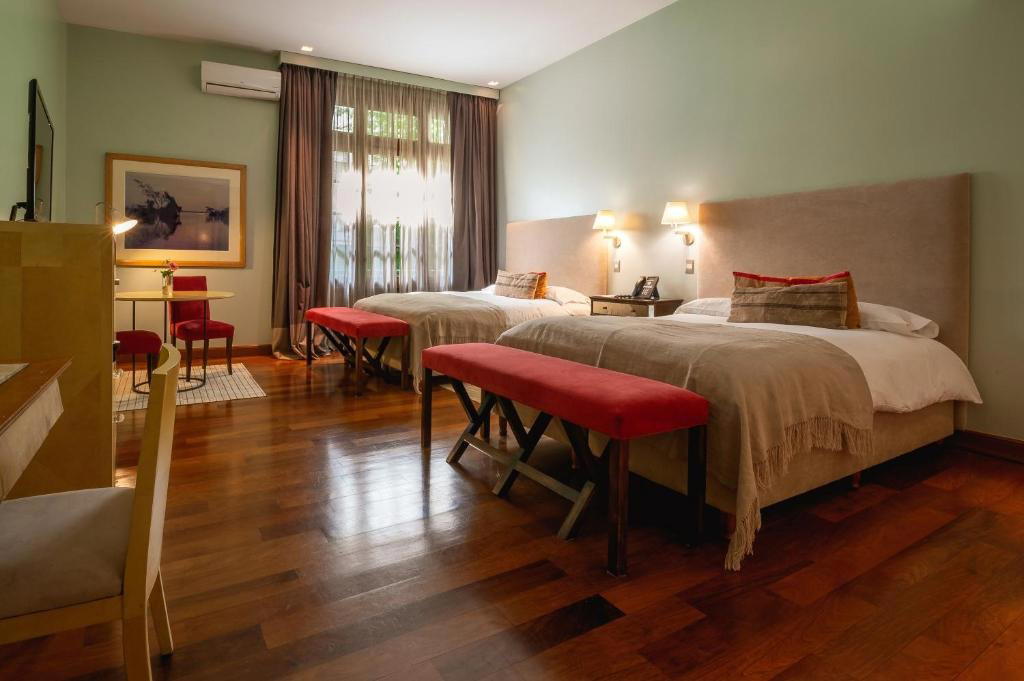
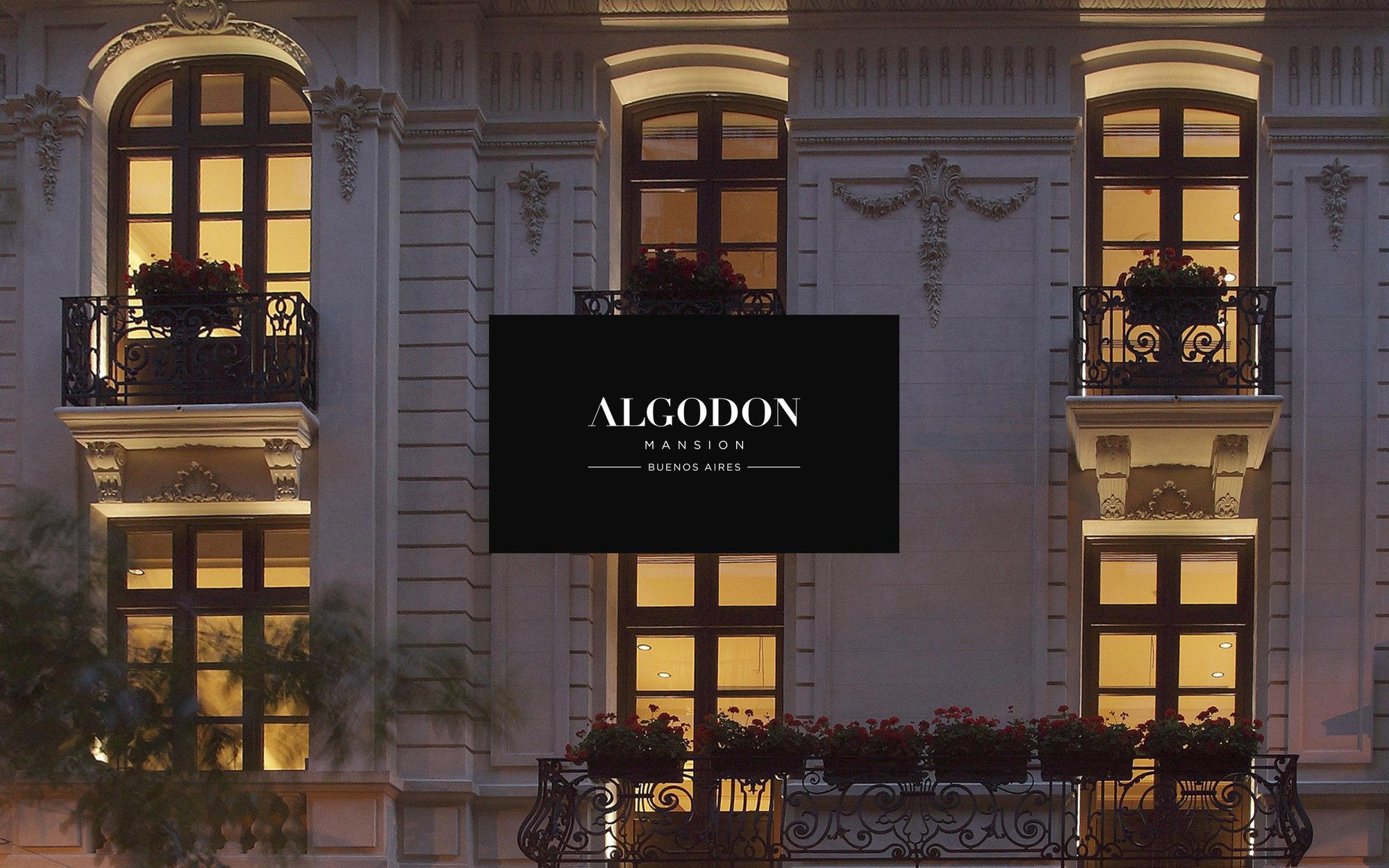
Rates from $1,055 position the property at the upper end of Buenos Aires luxury, competing on room count (165 rooms across both structures) and on the breadth of the food, spa, and cultural programming. The seven-suite mansion block is where that rate climbs further and where high-profile guests including celebrities have historically concentrated. The main tower's standard rooms carry leather headboards, mahogany furniture, marble bathrooms, and LCD television mirrors, a consistent material level across all room categories. Within Buenos Aires, the hotel sits in a comparable set alongside the Alvear Palace Hotel, Faena Buenos Aires, and smaller properties like Algodon Mansion, Anselmo Buenos Aires, Fierro Hotel, Be Jardín Escondido by Coppola, Casa Lucia, and Av. Cnel. Díaz 1736. Reservations for Elena are advised well in advance given its standing in the city's restaurant circuit.
At-a-Glance Comparison
Comparable venues nearby, for context on price, style, and recognition.
| Venue | Cuisine | Price | Awards | Notes |
|---|---|---|---|---|
| Four Seasons Hotel Buenos AiresThis venue — the venue you are viewing | European elegance with Argentine twist in historic mansion and modern tower | $$$$ | Michelin 2 Key | Not listed |
| Palacio Duhau - Park Hyatt Buenos Aires | Historic palace blended with contemporary tower | $$$$ | Michelin 1 Key | Recoleta |
| Alvear Palace Hotel | Historic French-inspired palace with modern top-floor suites | $$$$ | Michelin 1 Key | Recoleta |
| Hotel del Casco | Restored 19th-century neoclassical palazzo blending historic charm with contemporary comforts. | $$$ | Michelin 1 Key | Presidente Roque Sáenz Peña |
| Sofitel Buenos Aires Recoleta | Elegant urban luxury hotel in prestigious Recoleta. | $$$$ | 5-Star | Retiro |
| Casa Lucia | Elegant townhouse hotel blending historic architecture with modern luxury. | $$$$ | 5-Star | Retiro |
Recognition history
Dated appearances from independent guides and award organizations, with the underlying list record or original source where available.
Forbes 4-Star
Forbes
La Liste Top Hotels
La Liste
Virtuoso Luxury Hotel Partner
Virtuoso
Forbes 4-Star
Forbes
Michelin 2 Keys
Michelin
Continue exploring
More in Buenos Aires
Hotels in Buenos Aires
Browse all →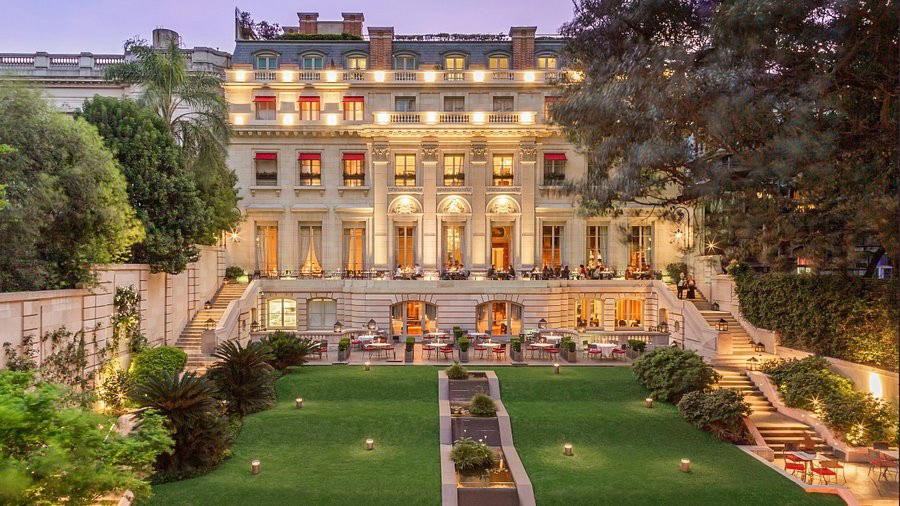
Bars in Buenos Aires
Browse all →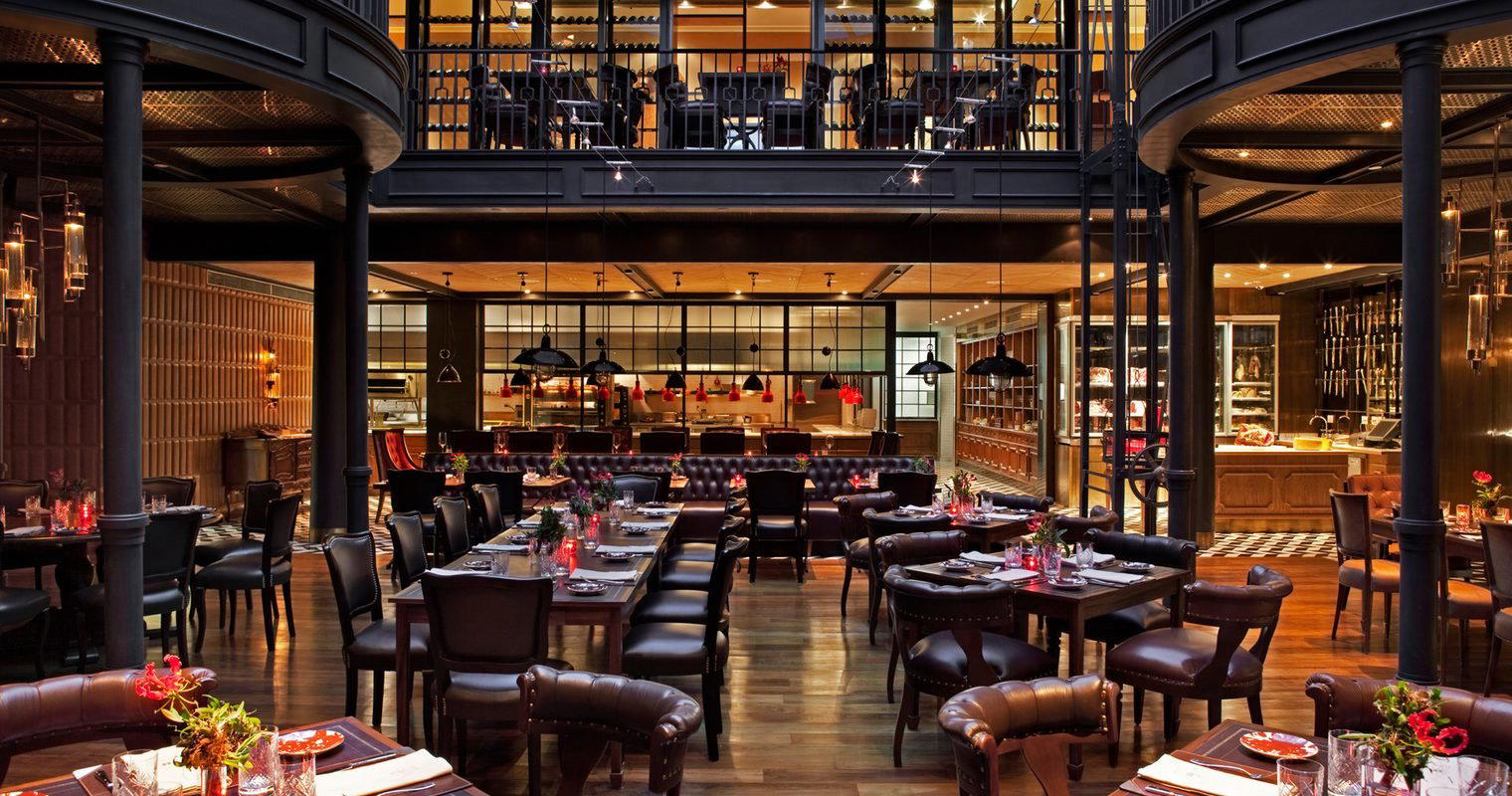
Restaurants in Buenos Aires
Browse all →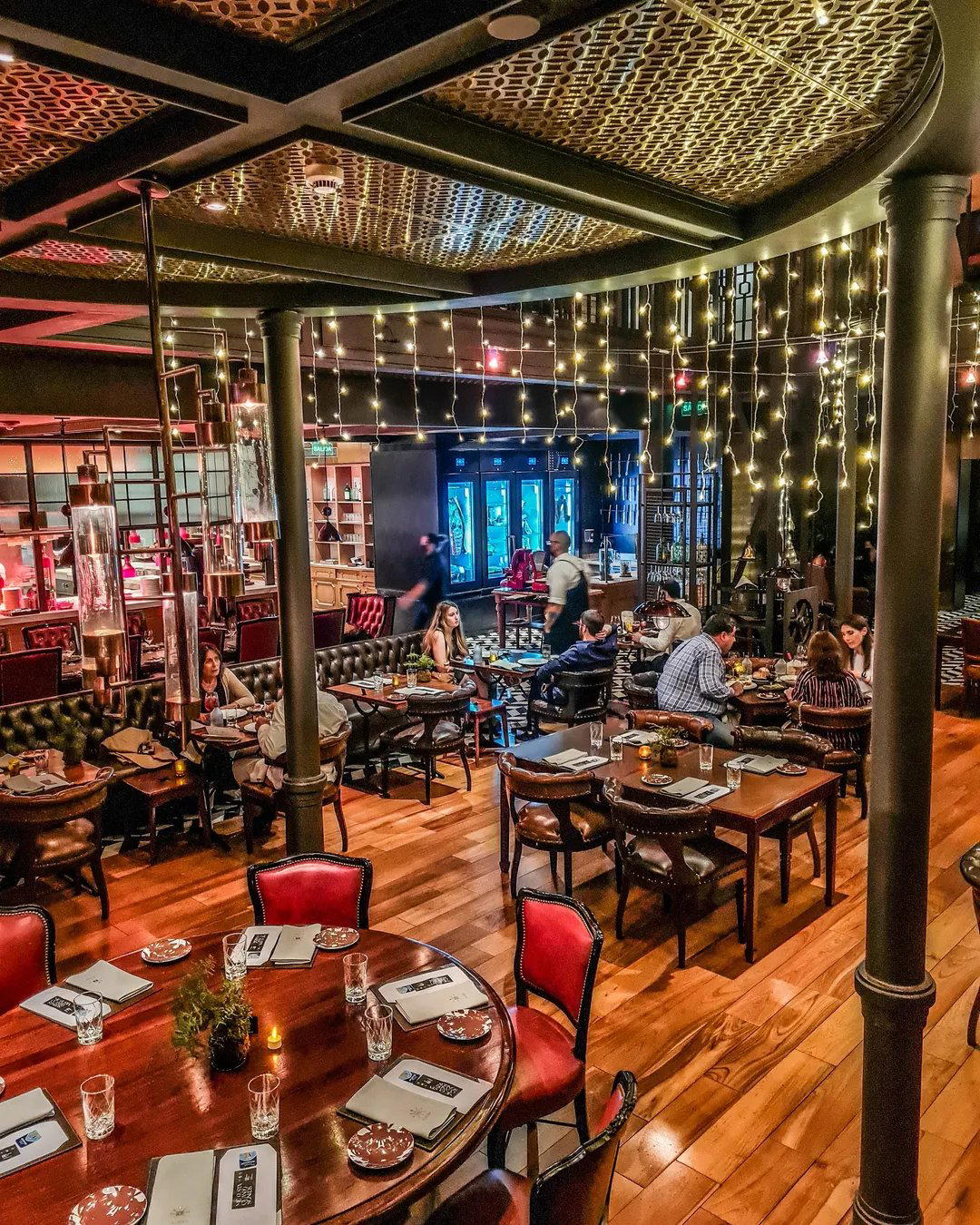
Wineries in Buenos Aires
Browse all →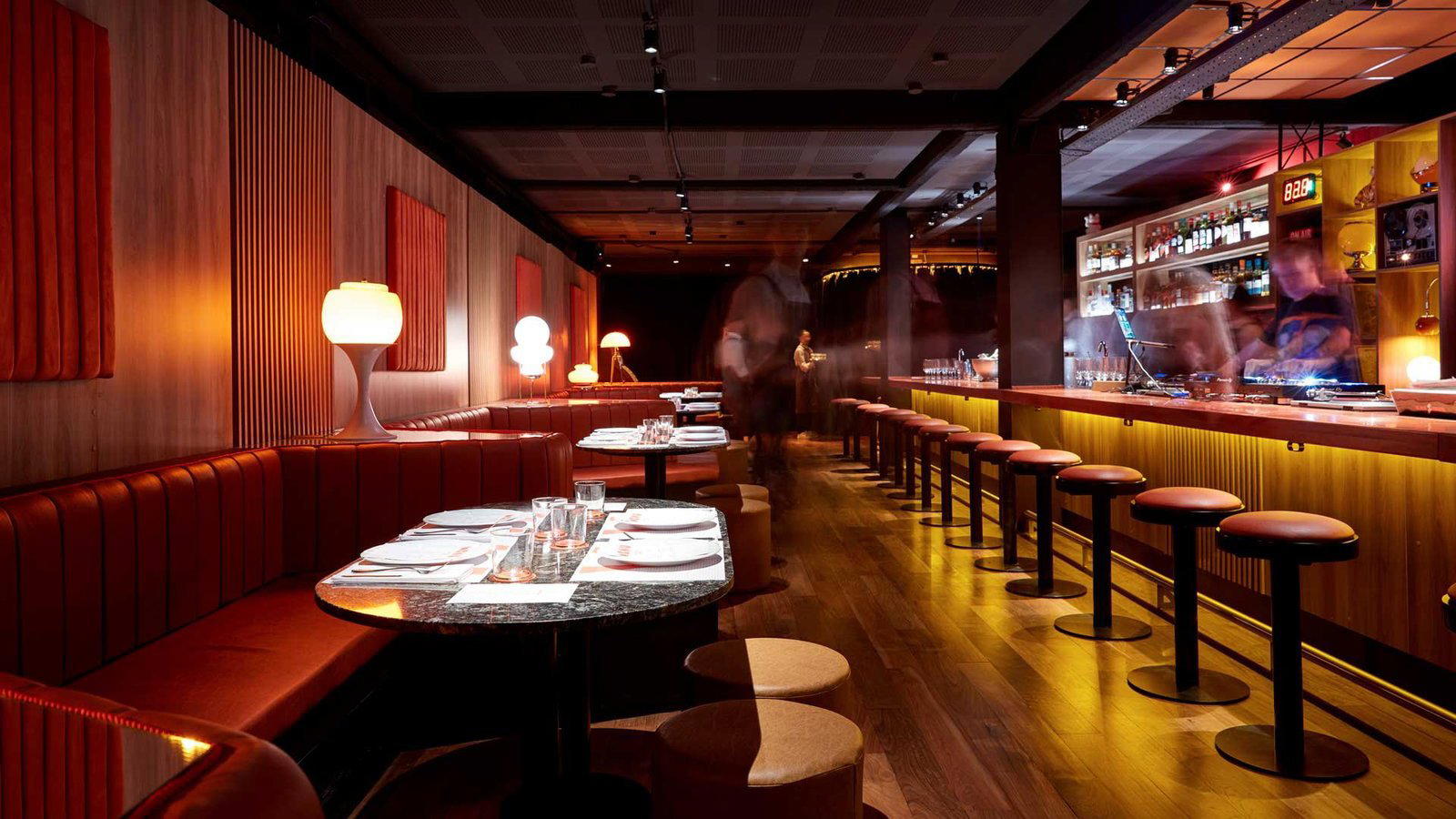
At a Glance
- Elegant
- Sophisticated
- Classic
- Ornate
- Romantic Getaway
- Business Trip
- Honeymoon
- Rooftop Pool
- Garden
- Historic Building
- Pool
- Spa
- Fitness Center
- Room Service
- Concierge
- Business Center
- Valet Parking
- Wi Fi
- Garden
- Pool
- Spa
- Fitness Center
- Room Service
- Concierge
- Business Center
- Valet Parking
- Wi Fi
Sophisticated blend of classic European elegance and modern luxury with natural light, contemporary art, and serene garden oasis atmosphere.