Don Carlos
Don Carlos sits at Brandsen 699 in Buenos Aires, a address that places it squarely within the city's dense grid of neighbourhood dining institutions. The sparse public record around this venue is itself a signal: in a city where particularly enduring tables operate on reputation and repeat custom rather than digital visibility, low profile often means high loyalty. Approach with curiosity and a willingness to let the room set the pace.
Pearl is the En Primeur Club membership app — saves, bookings, and concierge access live there. Same editors, same standards.
- Address
- Brandsen 699, C1161AAM C1161AAM, Cdad. Autónoma de Buenos Aires, Argentina
- Phone
- +54 11 4362 2433
- Directions
- Get directions
 Saves & bookings on Pearl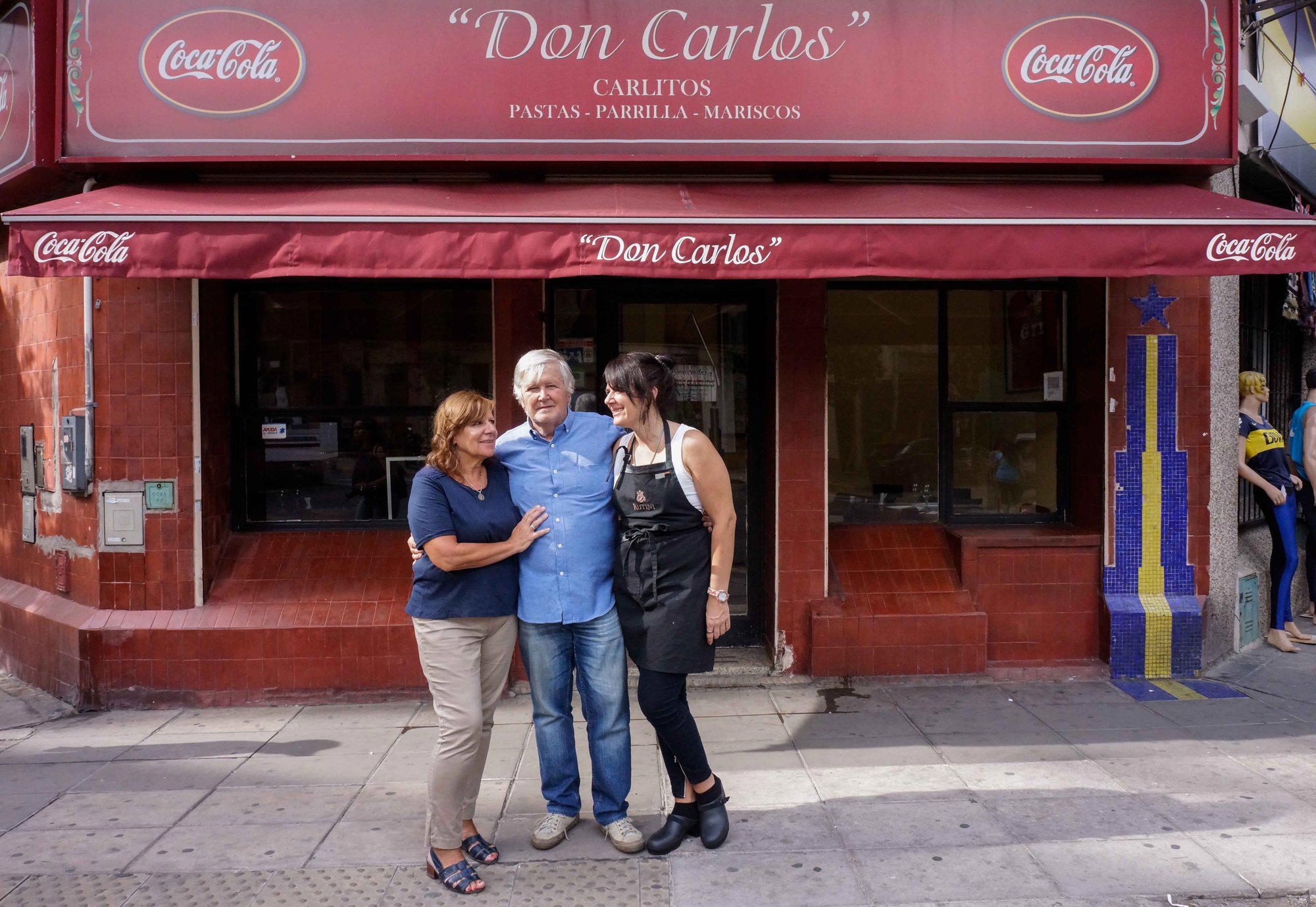
A Street Address and What It Signals
Brandsen 699 sits in the southern band of Buenos Aires, in the kind of block where the street-level architecture still carries the weight of early twentieth-century construction: tall doorways, worn stone thresholds, facades that have absorbed decades of river air from the nearby Riachuelo. This part of the city does not perform for visitors the way Palermo or San Telmo does. Tables here fill because locals return. That dynamic shapes every room in the neighbourhood, and Don Carlos operates within that same logic.
Buenos Aires has a wide range of dining institutions. The first is the kind that generates international coverage, Michelin recognition, and a booking queue that extends months ahead. Don Julio, with its floor-to-ceiling wine label wallpaper and position on the World's 50 Best list, is the clearest example. Aramburu and Trescha occupy the creative tasting-menu tier. The second register is quieter: neighbourhood rooms sustained by the fidelity of the people who live nearby. Don Carlos belongs to this second category, and in Buenos Aires that is not a lesser position, it is a different one, with its own set of codes.
The Atmosphere That Precedes the Menu
Approaching a venue like this in the late afternoon tells you more than a review often can. Southern Buenos Aires at that hour carries the particular sound of a residential neighbourhood settling into evening: the closing of metal shutters on small shops, the smell of charcoal smoke beginning to drift from kitchen ventilation, the low register of a television from an apartment above. These are the textures that frame a meal here before you have read a single item on the menu.
Buenos Aires dining rooms in this tier share certain qualities. Tables are typically close together, not as a design statement but because the space was built for the neighbourhood's scale, not for a capacity calculation done by a hospitality group. Light tends toward the warm and functional rather than the theatrical. The sound environment is conversation, not a curated playlist. Regulars are recognised at the door. These are not details that appear in awards citations, but they are the details that determine whether a room feels inhabited or performed, and in the southern neighbourhoods of Buenos Aires, the inhabited ones have been running for decades.
Where Don Carlos Sits in the Buenos Aires Dining Picture
The Buenos Aires restaurant market has changed sharply over the past decade. At the leading, a small cluster of creative and fine-dining addresses competes for international attention alongside regional peers like Azafrán in Mendoza and destination properties such as Cavas Wine Lodge in Alto Agrelo. Below that, a wide middle tier covers everything from polished contemporary rooms like Crizia and Anafe to traditional neighbourhood institutions that predate the current wave of culinary attention entirely.
The restaurant's address places it in the neighbourhood institution category. In Buenos Aires, that category includes some of the city's most durable tables, places where the food has not changed because nothing about the audience has asked it to. The comparison point is not Aramburu's tasting counter or the grilled cuts at Don Julio. It is closer to the traditional asado-and-pasta rooms that have served the same clientele across multiple generations, where the cooking is calibrated to the room rather than to a wider audience.
Argentina's broader dining geography rewards this kind of context. Properties like La Bamba de Areco in San Antonio de Areco and Awasi Iguazu in Puerto Iguazu demonstrate that Argentine hospitality institutions do not require Buenos Aires addresses or international certification to carry authority. What they require is consistency and a specific sense of place. A neighbourhood table in the south of the capital is making the same argument at a smaller scale.
Planning a Visit
For travellers building an itinerary around Buenos Aires's dining range, the restaurant fits naturally alongside a wider exploration of the city's southern neighbourhoods. The address at Brandsen 699 is in the La Boca boundary zone, an area where the tourist circuit around the Caminito collapses quickly into ordinary residential blocks. That transition is worth making. The restaurants that survive here do so because they serve people who eat in them regularly, which is a more demanding standard than seasonal tourist traffic.
Given the reservation policy, the practical approach is to book ahead or confirm directly before arriving. A casual dress code fits the room. Weekends, particularly Saturday evenings, tend toward higher occupancy even at venues without a public profile, as local families and repeat customers fill the space on rhythm rather than occasion.
For readers building a wider Buenos Aires dining itinerary, the EP Club Buenos Aires restaurants guide maps the full range from neighbourhood institutions to the creative fine-dining tier. Those planning to extend into wine country should note properties like Entre Cielos Luxury Wine Hotel and Spa in Luján de Cuyo, Agrelo, and Chacras de Coria as logical extensions of a trip that begins in the capital. For a different scale of remote dining, Las Balsas Restaurant in Villa La Angostura and La Table de House of Jasmines in La Merced Chica represent the country's more remote fine-dining options. Los Talas del Entrerriano in General San Martín rounds out the Buenos Aires province options for those seeking a traditional asado experience outside the capital.
Comparable Spots
Comparable venues nearby, for context on price, style, and recognition.
| Venue | Cuisine | Price | Notes |
|---|---|---|---|
| Don CarlosThis venue — the venue you are viewing | Traditional Argentine Bodegón | $$ | Not listed |
| Chuchú | International | $$ | Retiro |
| NOLA | Cajun & Creole Gastropub | $$ | Once |
| La Más Querida | Pizza a la Parrilla | $$ | Belgrano |
| Los Galgos Bar | Traditional Porteño Bar & Café | $$ | Centro |
| La Poesía | Classic Argentine Cafe | $$ | San Telmo |
Continue exploring
More in Buenos Aires
Restaurants in Buenos Aires
Browse all →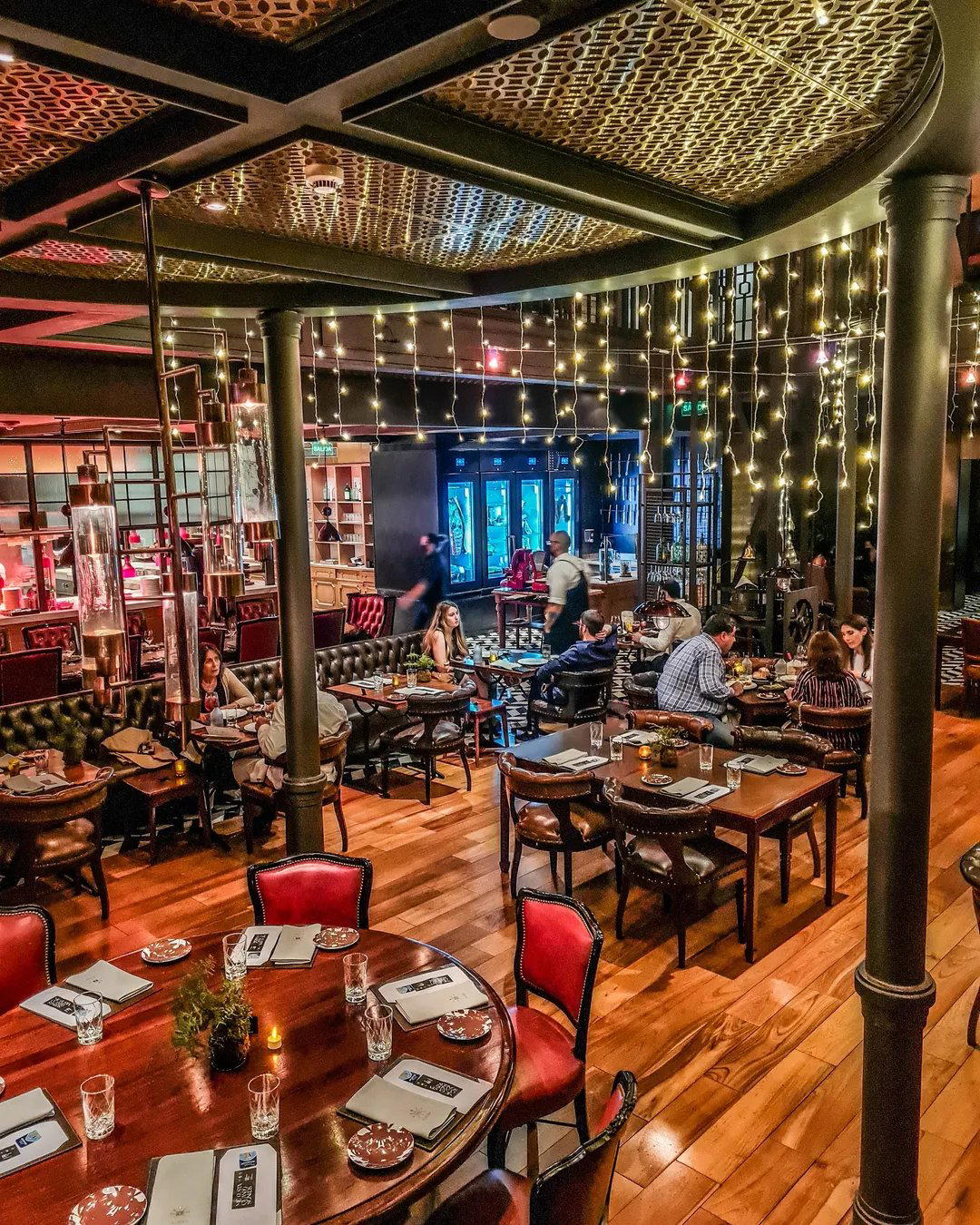
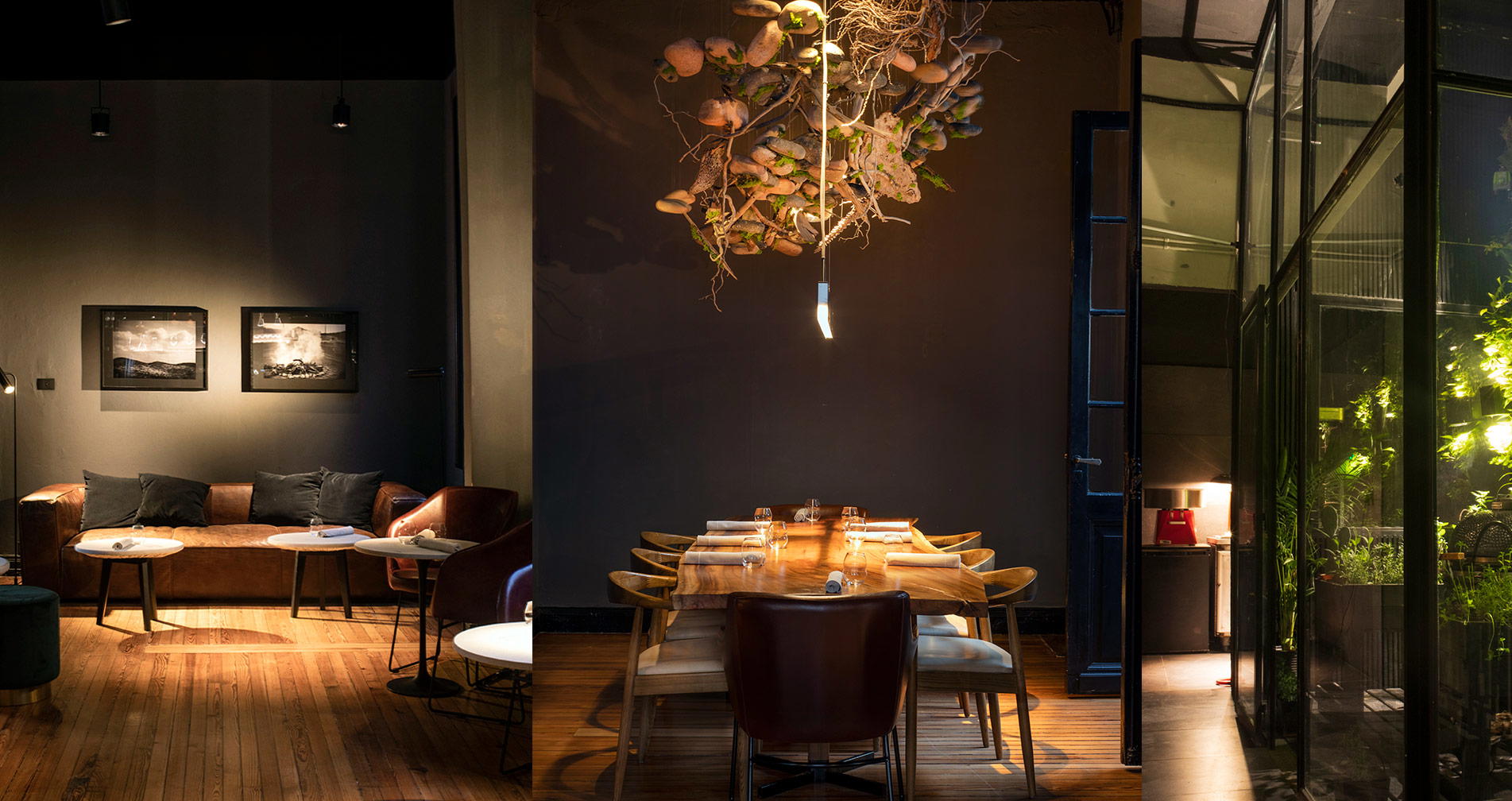
Bars in Buenos Aires
Browse all →
Hotels in Buenos Aires
Browse all →
Wineries in Buenos Aires
Browse all →
At a Glance
- Classic
- Well Known
- Cozy
- Group Dining
- Family
- Casual Hangout
- Historic Building
- Street Scene
Current opening hours
- Monday
- Closed
- Tuesday
- Closed
- Wednesday
- Closed
- Thursday
- Closed
- Friday
- 12:30–2:30 PM
- Saturday
- 12:30–2:30 PM
- Sunday
- 12:30–2:30 PM
Hours can change for holidays and private events. Last verified .
Simple barrio decor with a warm, unpretentious atmosphere revealing its rich history upon closer inspection.