Casa Lucia


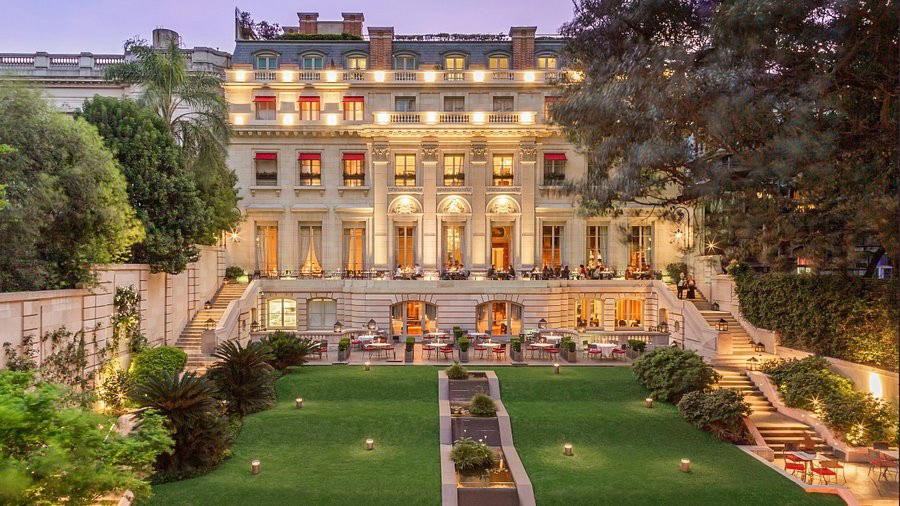
Casa Lucia occupies a beautifully restored early-twentieth-century building on Arroyo 841 in Recoleta, one of Buenos Aires' most architecturally significant neighbourhoods. Grand entrance halls, soaring ceilings, and light-filled salons set the physical register for an experience rooted in Argentine heritage. The address places guests within walking distance of the neighbourhood's major cultural landmarks and the high-end dining corridor along Alvear Avenue.
Pearl is the En Primeur Club membership app — saves, bookings, and concierge access live there. Same editors, same standards.
- Address
- Arroyo 841, C1007AAB Cdad. Autónoma de Buenos Aires
- Phone
- +54 11 5218-4990
- Website
- melia.com
- Directions
- Get directions
 Saves & bookings on Pearl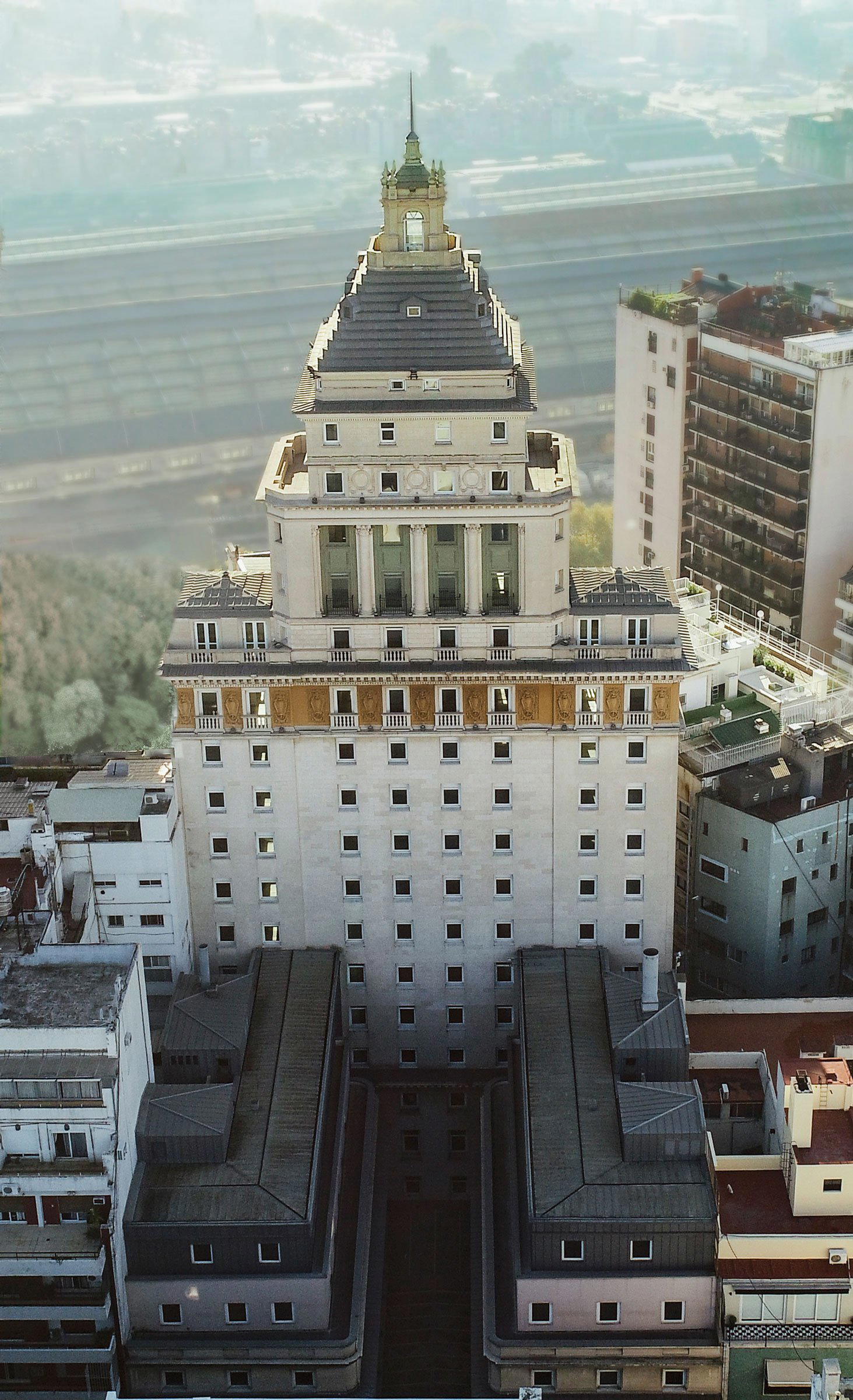
Recoleta's Architecture as the First Course
In Buenos Aires, the buildings that survive renovation often say more about a neighbourhood than any new construction can. Recoleta has long occupied a specific tier in the city's geography: wide, tree-lined streets, French Beaux-Arts facades, and a civic seriousness that distinguishes it from the design-hotel energy of Palermo or the converted-warehouse atmosphere of San Telmo. Casa Lucia, at Arroyo 841, sits inside this tradition rather than against it. The restored architecture is the immediate argument the property makes, with a grand entrance, soaring ceilings, and light-filled interior spaces that signal a particular idea of Argentine domesticity at its most formal register.
That physical environment matters in a city where the ritual of arrival is understood as part of the experience. Porteños, Buenos Aires residents, have a well-developed sense of what a room is supposed to feel like at different moments of the day, and properties that get this wrong tend to be noticed for it. Casa Lucia's interiors, described as a restored example of Argentinian architecture, work because they do not impose a contemporary aesthetic over the original structure. The bones are allowed to speak.
The Dining Ritual in Recoleta's Context
Argentine dining has a pacing and structure that differs sharply from what most international visitors expect. Dinner in Buenos Aires rarely begins before nine in the evening; kitchens that open at eight are effectively empty until nine-thirty. The extended meal, multiple courses, unhurried wine service, long conversation between courses, is not a special-occasion format but the standard expectation. Properties in Recoleta that understand this tend to design their food and beverage spaces accordingly: rooms that reward lingering, service rhythms that do not rush the table, and wine lists that reflect the breadth of Argentine production rather than compressing it into a few safe Malbecs.
Recoleta's dining corridor has historically drawn a more traditional clientele than the creative-restaurant belt around Palermo Hollywood or the contemporary small-plates scene in Villa Crespo. The neighbourhood's restaurants and hotel dining rooms tend toward formality in both service and presentation, which aligns with the broader social character of the area. Visitors based at properties near Arroyo will find the major addresses along Alvear Avenue, including the Alvear Palace Hotel, within easy walking distance, and the concentration of serious dining options in this radius makes it a logical base for anyone whose itinerary centres on food and wine.
Where Casa Lucia Sits in the Buenos Aires Property Set
Buenos Aires' upper accommodation tier has fragmented over the past decade into distinct sub-categories. The large international flagships, Four Seasons Hotel Buenos Aires, Faena Buenos Aires, compete on scale, amenity depth, and brand recognition. A parallel tier of design-forward boutique properties, including Fierro Hotel in Palermo and Anselmo Buenos Aires, Curio Collection by Hilton in Microcentro, competes on editorial identity and neighbourhood character. The hotel's position, a restored heritage building in Recoleta with architectural distinction as its primary credential, places it in a different conversation from either group. Properties like Algodon Mansion occupy adjacent territory, where the building itself functions as the primary differentiator rather than a branded program or a celebrity-chef dining concept.
For travellers whose instinct is to read the city through its architecture and social rituals rather than through curated experiences, this kind of property tends to perform well. The trade-off is predictable: the heritage-building format usually means fewer rooms, limited amenity infrastructure compared to full-service international hotels, and a guest experience that leans on the physical space rather than supplementing it with programming. Whether that exchange makes sense depends entirely on what the visitor is optimising for.
Beyond Recoleta: Argentina as a Broader Itinerary
Travellers who use Buenos Aires as an entry point rather than a destination in itself have a substantial range of extensions available. The wine regions of Mendoza, anchored by properties like Awasi Mendoza in Lujan De Cuyo, Casa de Uco in Tunuyán, Cavas Wine Lodge in Alto Agrelo, and Algodon Wine Estates in San Rafael, are a two-hour flight from the capital and represent a different register of Argentine hospitality entirely. Further north, Colomé Winery in Molinos operates at altitude in Salta province, producing high-altitude Torrontés and Malbec in a context that has no equivalent in the Southern Cone. South, Charming Luxury Lodge & Private Spa in San Carlos de Bariloche and Arakur Ushuaia Resort & Spa in Ushuaia bookend a Patagonian circuit that draws a different kind of traveller altogether. Awasi Iguazu in Puerto Iguazu rounds out the northern options for those combining the falls with a broader Argentine route.
For the gaucho-culture extension, Estancia El Ombú de Areco in San Antonio De Areco offers concentrated access to the Pampas asado tradition within a reasonable drive from the capital. The asado ritual, the long, wood-fire, unhurried roasting of beef and offal, is Argentina's most seriously observed culinary custom, and experiencing it outside the city, at an operating estancia, reads differently from a Buenos Aires restaurant interpretation.
Planning Around Casa Lucia
The hotel's address on Arroyo 841 in Recoleta places it a short walk from the neighbourhood's major reference points: the Recoleta Cemetery, the Centro Cultural Recoleta, and the Alvear Avenue hotel corridor. This is a pedestrian-friendly radius for anyone whose interests run toward architecture, the arts, and the traditional Buenos Aires dining experience. Checking directly with the property or through a specialist travel consultant is advisable for current availability and pricing. For comparable properties where booking logistics and rates are confirmed, Be Jardín Escondido by Coppola and Av. Cnel. Díaz 1736 offer alternative boutique-format options at different price points within the city.
A Credentials Check
Comparable venues nearby, for context on price, style, and recognition.
| Venue | Cuisine | Price | Awards | Notes |
|---|---|---|---|---|
| Casa LuciaThis venue — the venue you are viewing | Elegant townhouse hotel blending historic architecture with modern luxury. | $$$$ | 5-Star | Not listed |
| Meliá Recoleta Plaza | Art Deco boutique luxury | $$$$ | 5-Star | Recoleta |
| Alvear Art Hotel | Modern urban design hotel backed by Alvear Palace tradition | $$$$ | 5-Star | Centro |
| Algodon Mansion | Luxury boutique property housed in a meticulously restored 1912 French classical landmark building, reimagined with contemporary elegance for informed travelers. | $$$$ | 5-Star | Retiro |
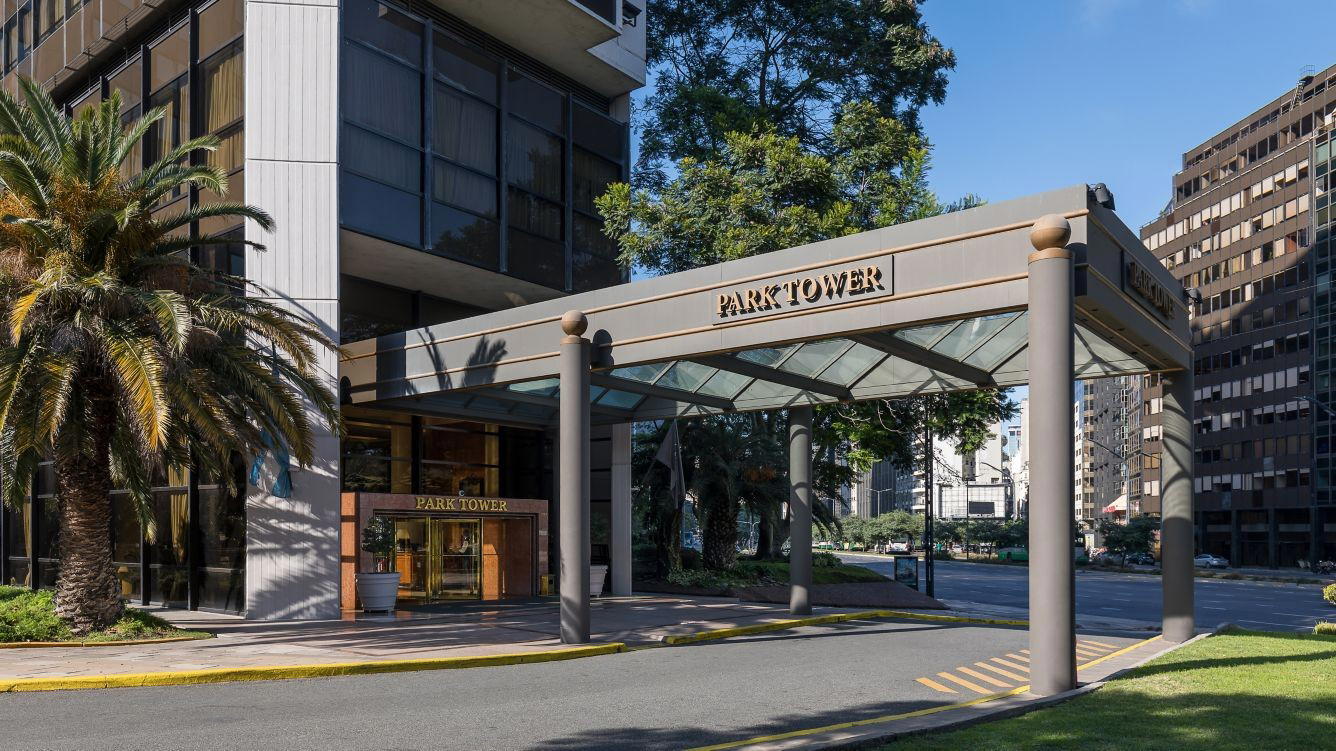
| Park Tower, A Luxury Collection Hotel | Luxury urban tower hotel with sophisticated English-style suites and event spaces. | $$$$ | 5-Star | Retiro |
| Alvear Icon Hotel | Contemporary luxury high-rise tower reflecting modern Buenos Aires energy with cosmopolitan design and premium amenities. | $$$$ | 5-Star | Piñeyro |
Recognition history
Dated appearances from independent guides and award organizations, with the underlying list record or original source where available.
Michelin Guide New Hotels New Hotel
Michelin Guide New Hotels
Mr & Mrs Smith Smith Seal of Approval
Mr & Mrs Smith
Michelin Selected
Michelin
Small Luxury Hotels of the World Member
Small Luxury Hotels of the World
Continue exploring
More in Buenos Aires
Hotels in Buenos Aires
Browse all →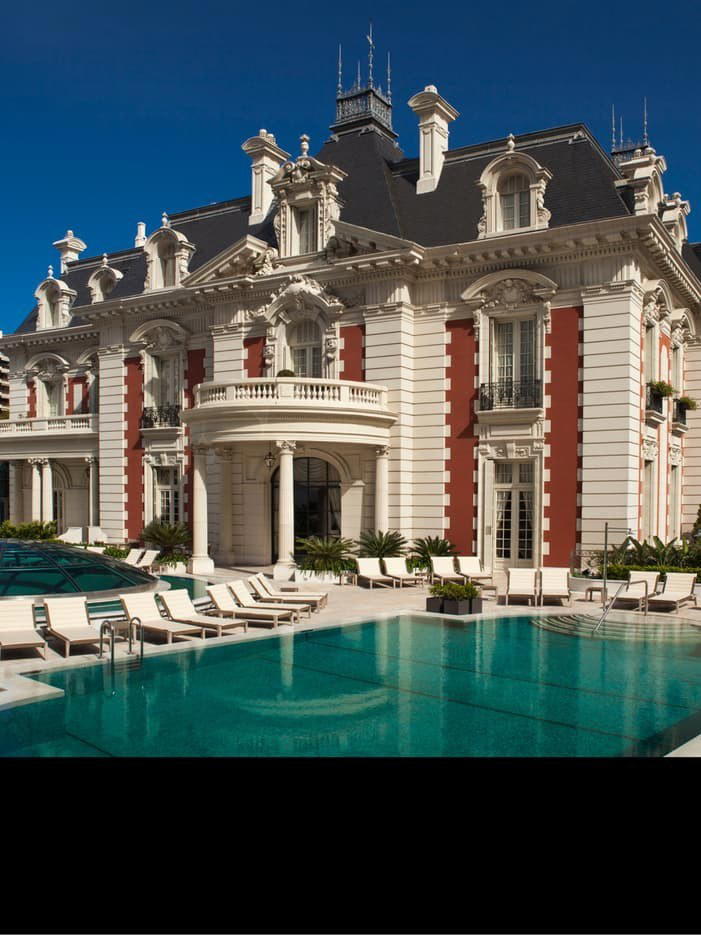
Bars in Buenos Aires
Browse all →
Restaurants in Buenos Aires
Browse all →
Wineries in Buenos Aires
Browse all →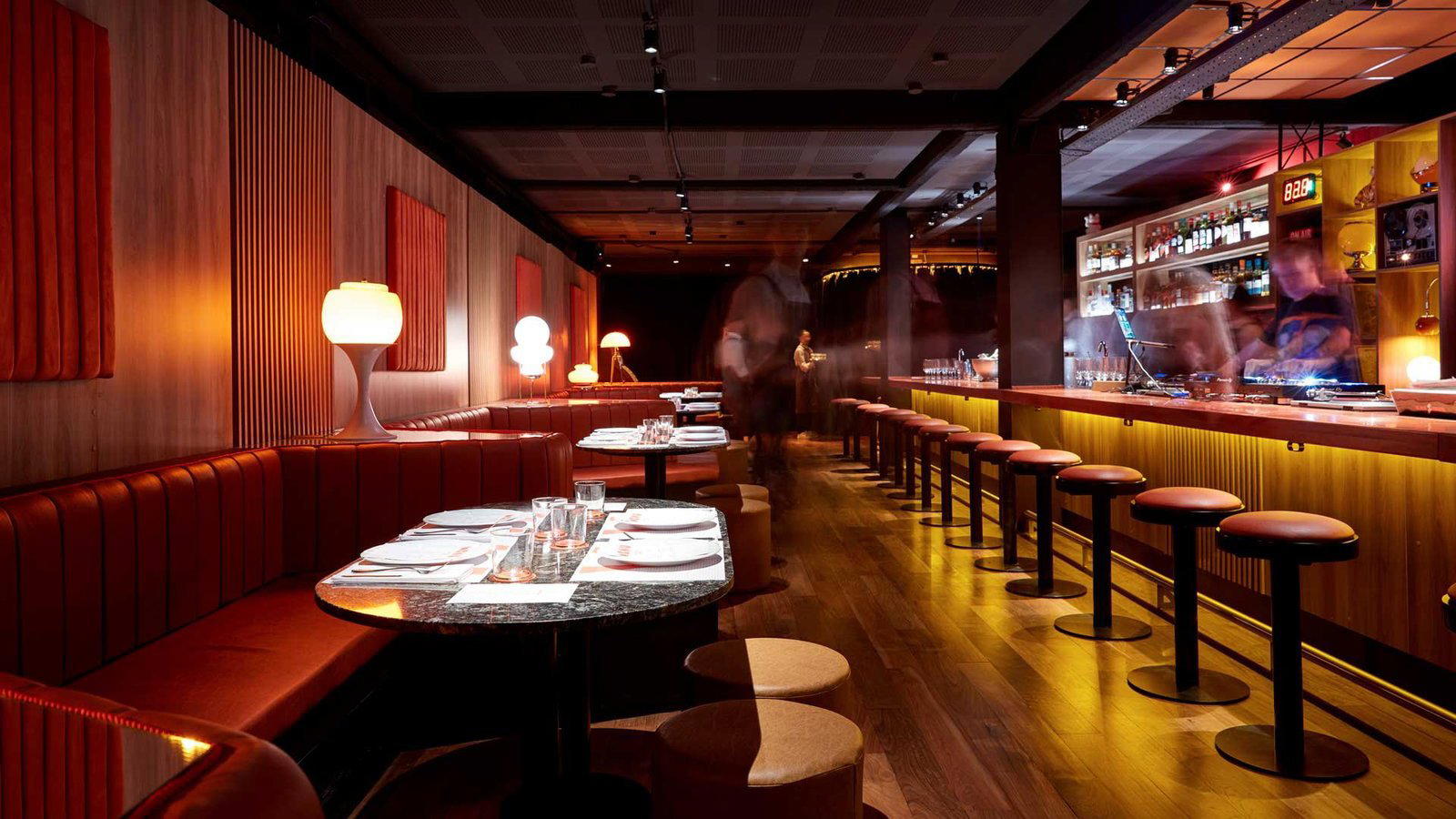
At a Glance
- Elegant
- Sophisticated
- Modern
- Classic
- Romantic Getaway
- Business Trip
- Weekend Escape
- Infinity Pool
- Historic Building
- Panoramic View
- Wi Fi
- Pool
- Spa
- Fitness Center
- Room Service
- Concierge
- Restaurant
- Sauna
- Massage
- Skyline
- Street Scene
- Wi Fi
- Pool
- Spa
- Fitness Center
- Room Service
- Concierge
- Restaurant
- Sauna
- Massage
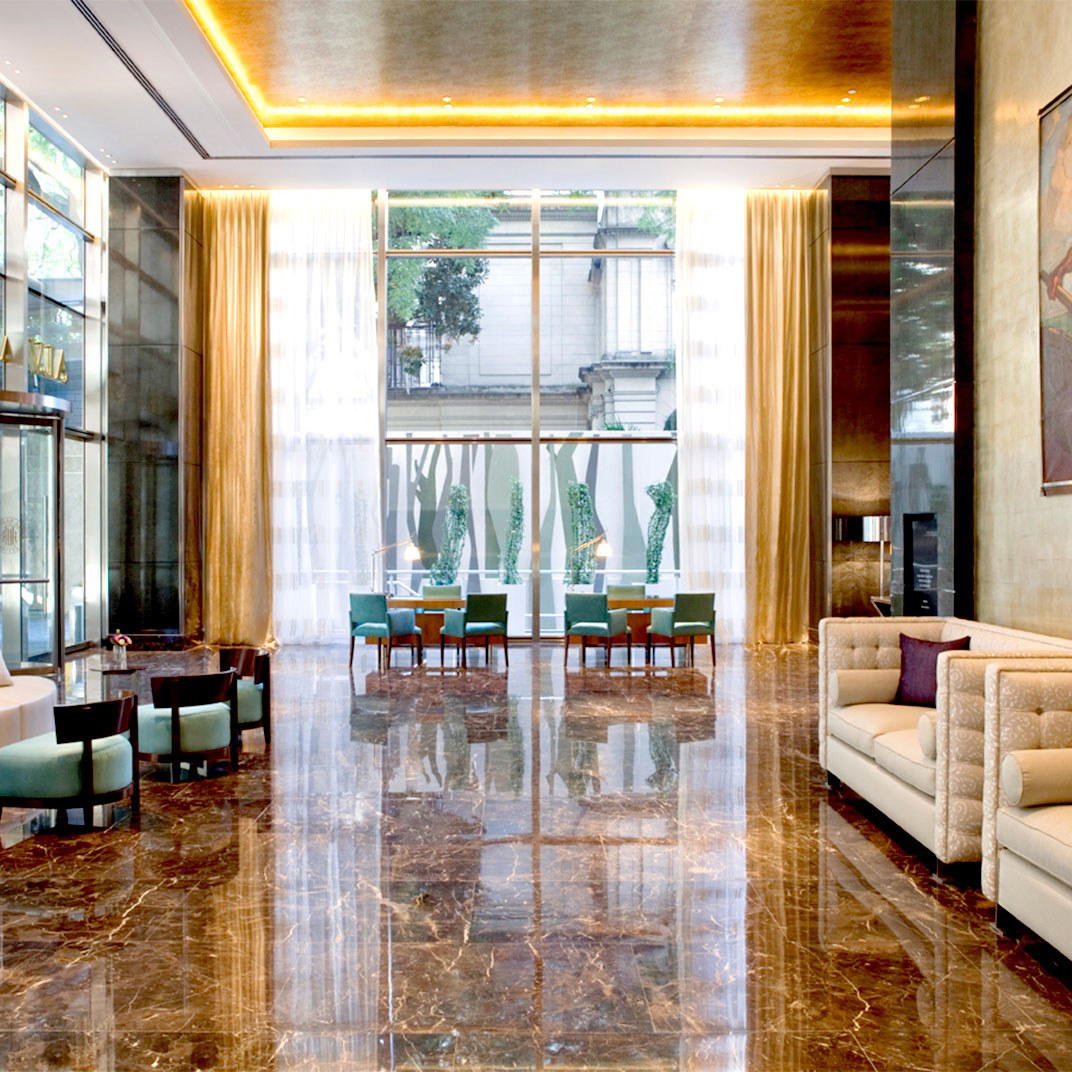
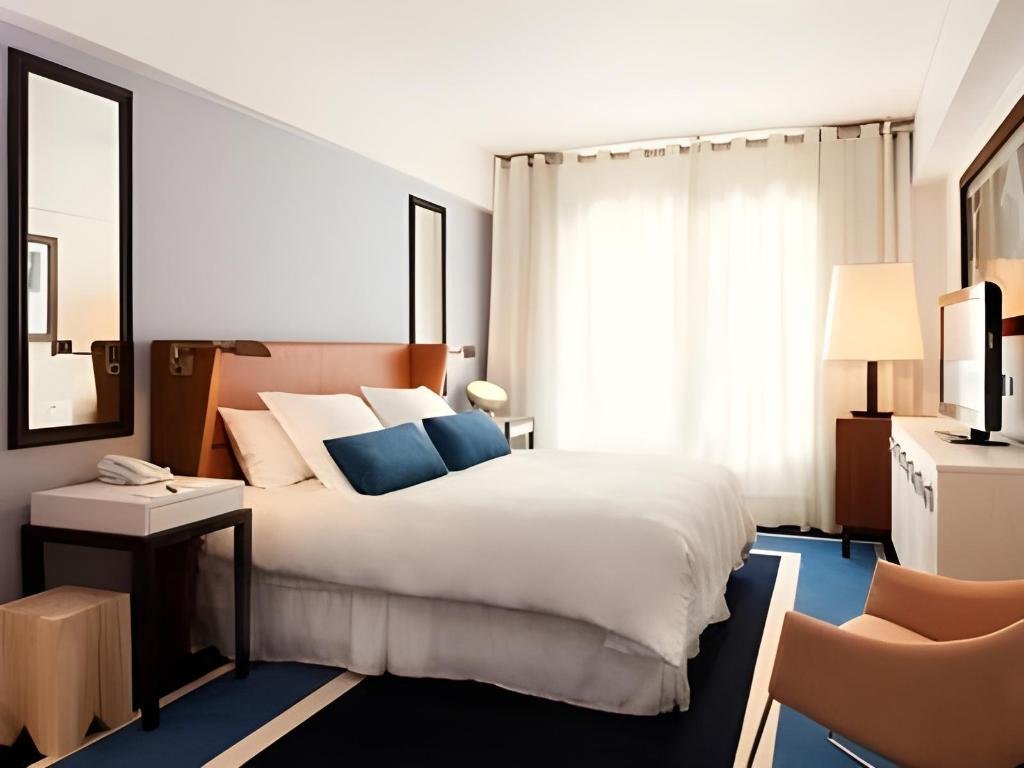
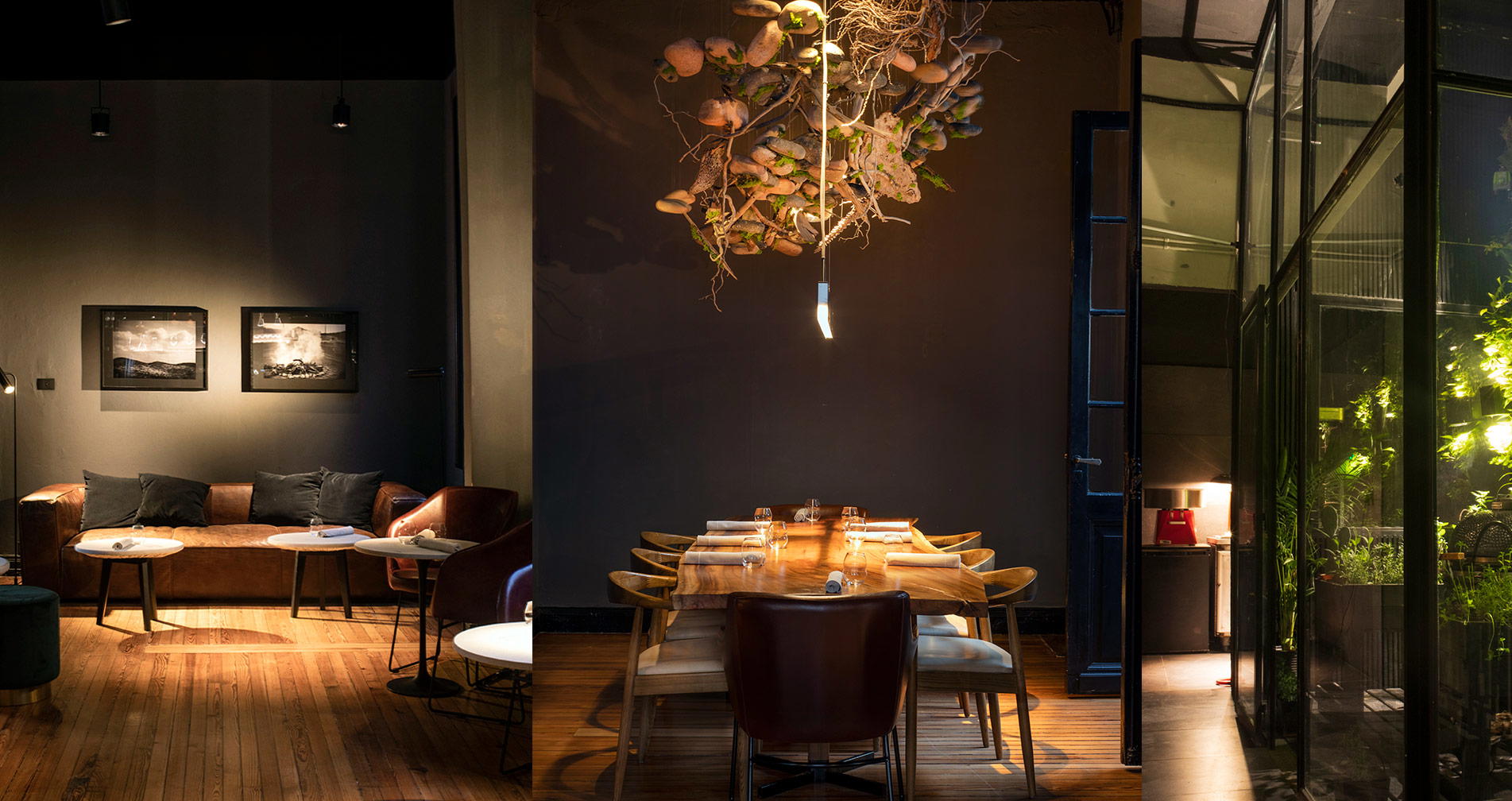
Refined atmosphere with spotlit hand-painted walls, warm wooden and cool marble accents, light-filled spaces, and a balance of classic Buenos Aires character and modern sophistication.