Google: 4.5 · 1,008 reviews

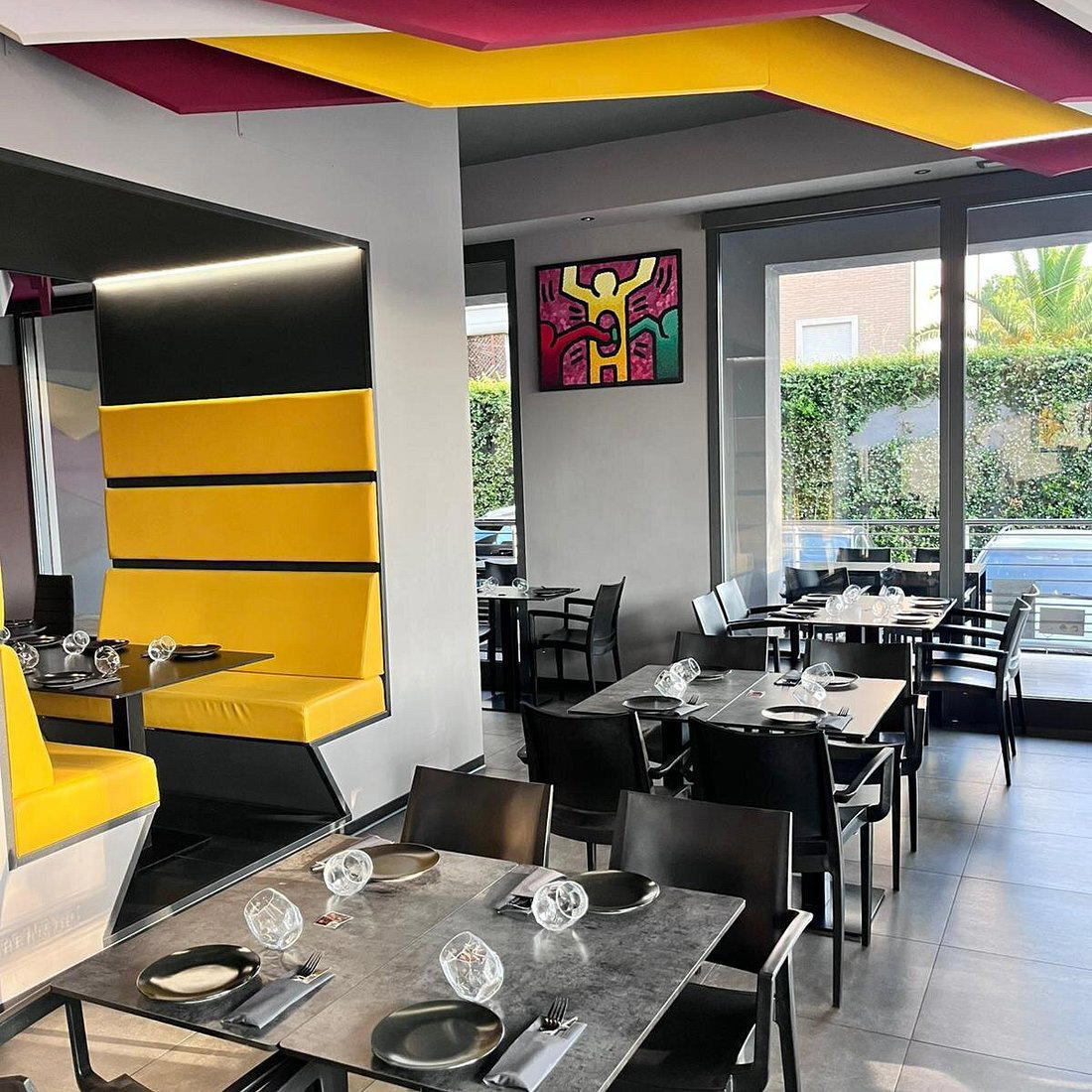
Extremis occupies a deliberate position on the edge of Rome's evolving pizza scene, pushing against the conventions of both Neapolitan tradition and Roman thinness with a format built around certified supply chains and a self-described 'Foodtastic experience.' Located on Via del Casale Rocchi in the 00158 zone, it reads as a project with a thesis, one that treats the pizza menu as a structured argument rather than a list of toppings.
 Discover on Pearl
Pearl is the En Primeur Club membership app — saves, bookings, and concierge access live there. Same editors, same standards.
Where Rome's Pizza Conversation Gets Complicated
The address alone signals something. Via del Casale Rocchi sits well outside the tourist corridors of Trastevere or the centro storico, in a neighbourhood where restaurants survive on neighbourhood loyalty rather than passing foot traffic. Rome's pizza scene has historically been defined by two poles: the crisp, thin-based pizza romana of the old-school latterie, and the imported Neapolitan swell that colonised the city through the 2000s and 2010s. Extremis arrives as neither. It positions itself as a forward-looking project, one that uses the language of innovation rather than regional allegiance, and in doing so it joins a small cohort of Roman addresses rewriting the terms of what a pizza restaurant can argue.
That cohort is not large. La Gatta Mangiona built its reputation over years on the Monteverde side of the city through technical rigour and dough experimentation. Avenida Calò Enopizzeria Roma folds wine culture into the pizza dining format in ways that shift the meal's register entirely. 180 Grammi Pizzeria Romana has been working the geometry of the Roman-style base with precision. Extremis sits in this tier, among places that treat pizza-making as a position, not a tradition inherited by default.
Menu Architecture as Editorial Statement
The most useful lens for understanding Extremis is not the individual dish but the architecture of what it chooses to serve and how it frames those choices. The venue's stated commitment to ingredients from certified supply chains is not merely a sourcing note; it is a structural decision that shapes the entire menu. When provenance is tracked and verified, the ingredient becomes the argument. A certified-origin grain produces a dough with a documented character. A certified-origin cured meat arrives with a chain of custody that a standard-issue topping cannot claim. The menu is built on this logic.
This approach places Extremis in a broader Italian conversation that has been running for two decades, from the slow food certification culture that reshaped cheesemaking and charcuterie to the farm-to-table vocabulary that now appears in venues as different as Osteria Francescana in Modena and Dal Pescatore in Runate. At the fine-dining end of that spectrum, sourcing is assumed. At the pizza end, it remains a differentiator, and Extremis appears to know that.
The term "Foodtastic experience" used in the venue's own positioning is a signal worth reading carefully. It suggests that the format of the meal, the sequencing, the environment, the theatrical or sensory dimension of eating there, is part of the offer, not incidental to it. This is a menu designed to be experienced as a progression, not scanned for a familiar topping combination. Whether that framing holds up against the actual plates is a judgment only regular visitors can make with authority, but the architecture of the intention is clear enough.
The Wider Rome Context
Rome rewards patience with its food culture in ways that Milan or Florence do not always demand. The city's dining scene has been slower to globalise than its northern counterparts, which has protected certain traditions but also produced pockets of genuine experimentalism that operate without the pressure of international-press scrutiny. Venues like Angelo Pezzella, Pizzeria con Cucina and Crunch represent different answers to the question of what a Rome pizza address can do with more ambition than tradition alone provides.
Extremis adds another answer to that question, one weighted toward future-facing identity. The comparison set for a venue like this is not the classic pizzeria al taglio of the Testaccio market or the century-old Roman trattoria. The relevant peers are the addresses in any city that have decided to treat an approachable format, pizza, a burger, a taco, as a vehicle for serious sourcing, serious structure, and a dining experience that asks more of the guest than simply choosing margherita or diavola. In Italy's broader fine-dining context, where addresses like Le Calandre in Rubano, Enoteca Pinchiorri in Florence, and Enrico Bartolini in Milan have long set the terms of what Italian culinary ambition looks like, a pizza project with genuine supply-chain rigour occupies a different but adjacent conversation about what Italian ingredients deserve in terms of treatment and context.
Internationally, the move toward format-as-experience in casual-category dining has been well documented. Atomix in New York City and, in a different register, Le Bernardin show what happens when a dining format is treated as a total experience with a defined architecture. Extremis is working in a different category and at a different scale, but the underlying logic of structured, ingredient-led, experience-conscious eating is the same current running through all of them.
Planning a Visit
The venue sits at Via del Casale Rocchi 22, in Rome's 00158 postal zone, which places it east of the city centre, away from the more densely documented restaurant streets of Prati or Testaccio. Getting there by public transport will require a bus or a longer walk from the nearest metro stops; a taxi or rideshare is the practical choice for most visitors coming from the centre. Phone and website details are not confirmed in current records, so checking current booking availability through Google or a local reservation platform before visiting is advisable. Price range data is not confirmed either, but the supply-chain and experience-focused positioning suggests a mid-to-upper bracket relative to standard Roman pizzerias, closer to the wine-integrated or tasting-format pizza addresses than to the neighbourhood slice-by-the-cut model.
For a fuller picture of where Extremis sits in Rome's current restaurant moment, the EP Club Rome restaurants guide maps the full scene. If you are building a wider Rome itinerary, the Rome hotels guide, Rome bars guide, Rome wineries guide, and Rome experiences guide cover the broader city in the same editorial register. Rome in late autumn and early spring tends to offer the most manageable conditions for restaurant-hopping in peripheral neighbourhoods, when the summer heat and tourist density have dropped and the city eats at a pace closer to its own rhythm.
Reputation Context
A fast peer set for context, pulled from similar venues in our database.
| Venue | Awards | Cuisine | Notes |
|---|---|---|---|
| Extremis | A project that looks to the future, proposing an innovative and original style i… | This venue | |
| 180 Grammi Pizzeria Romana | |||
| Angelo Pezzella – Pizzeria con Cucina | |||
| Avenida Calò Enopizzeria Roma | |||
| Crunch! | |||
| La Gatta Mangiona |
Continue exploring
More in Rome
Restaurants in Rome
Browse all →
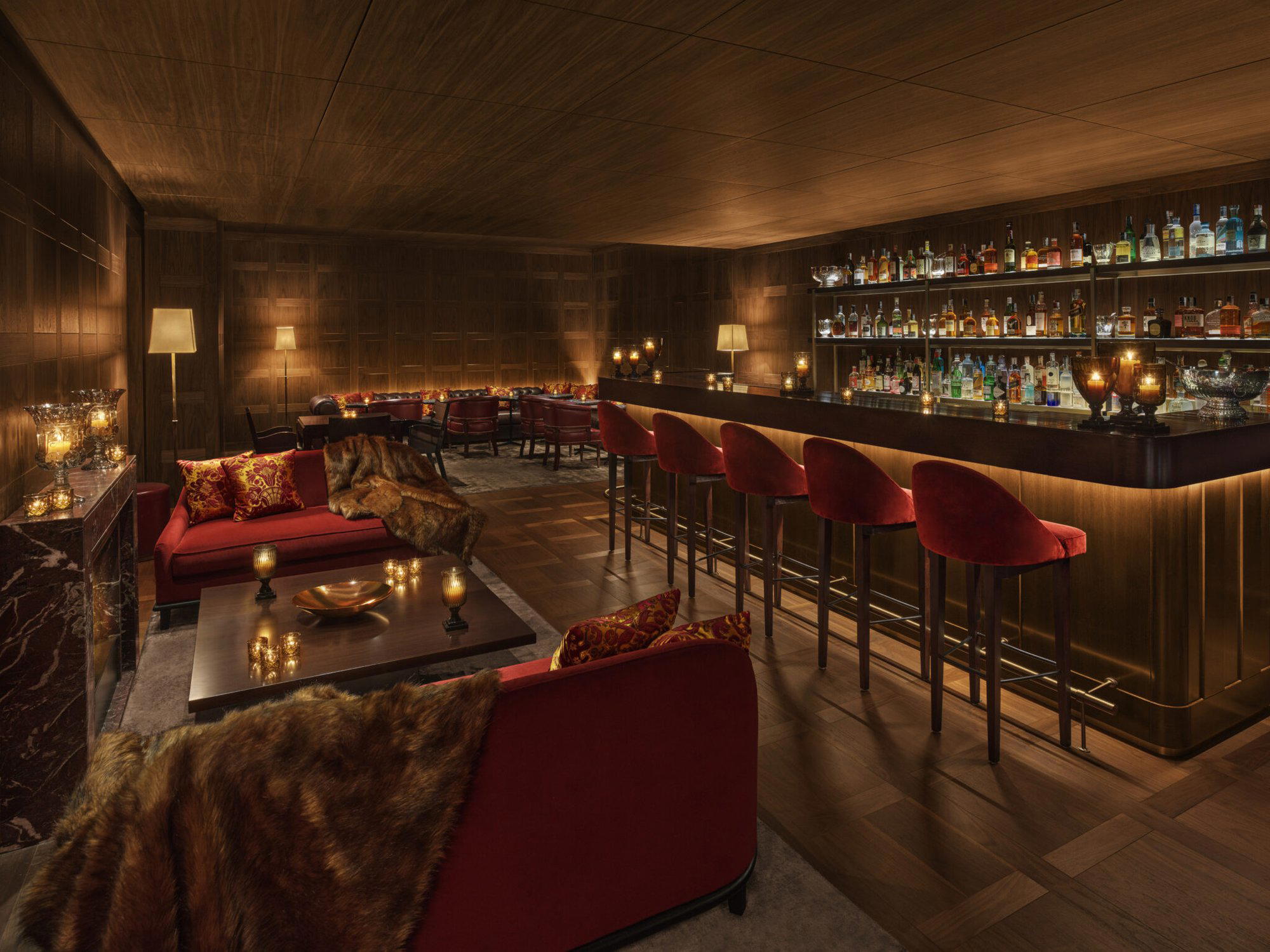
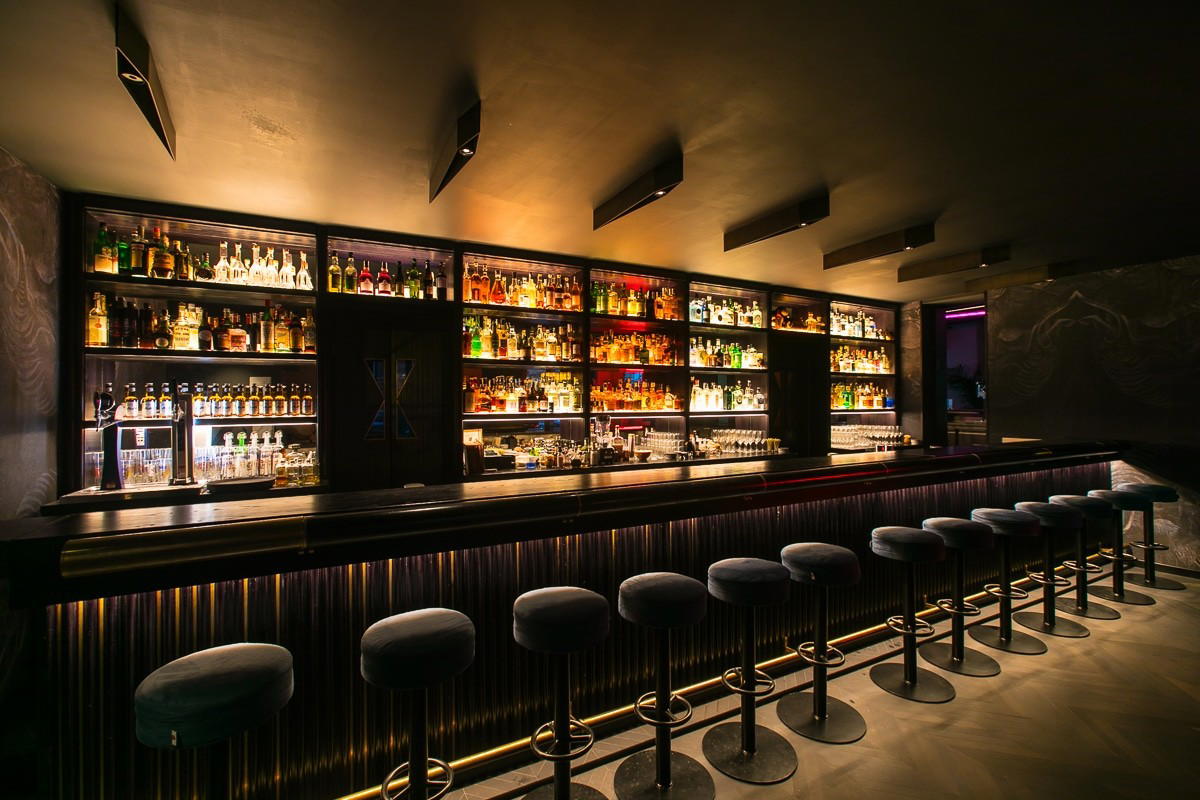
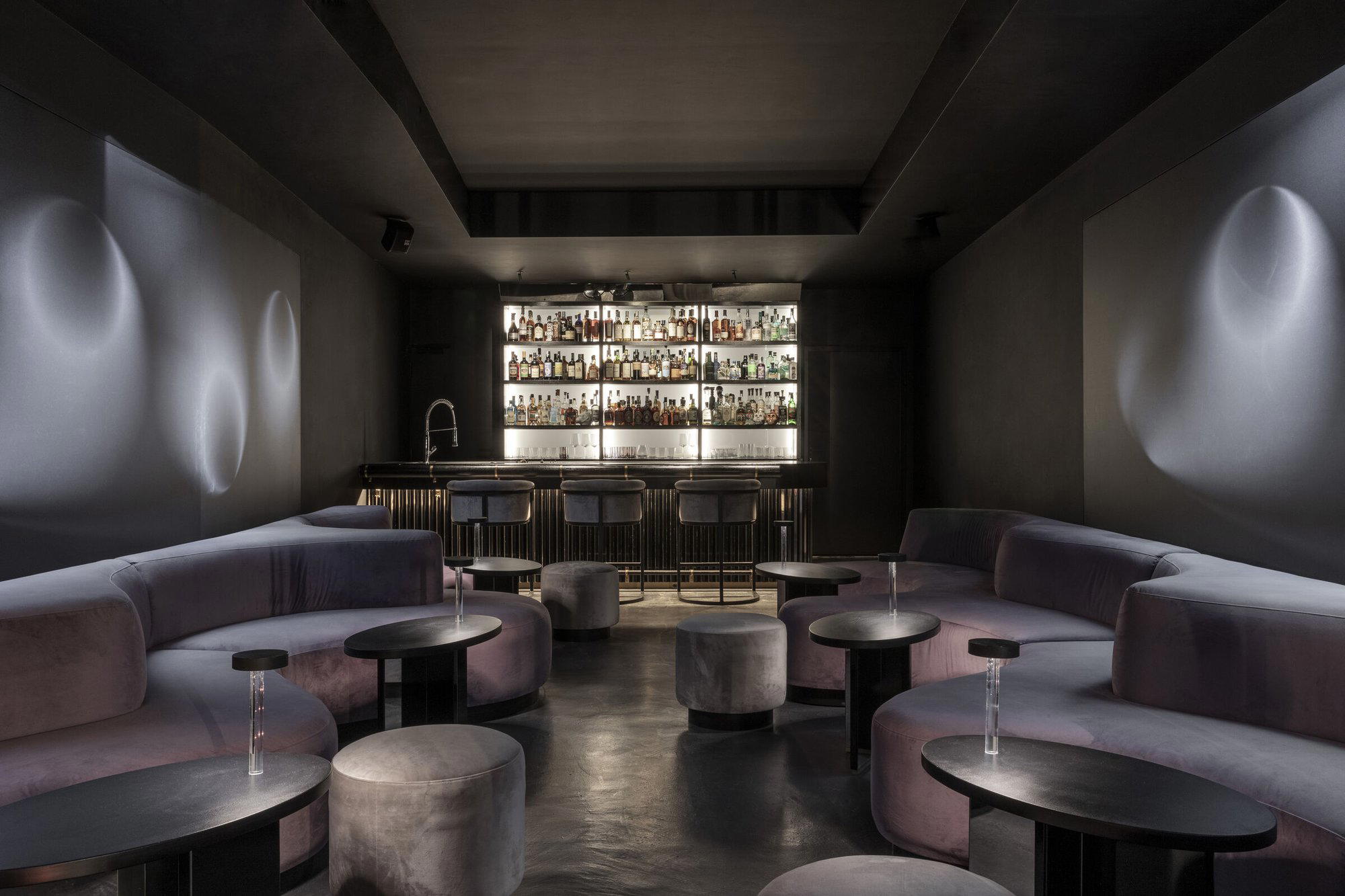
Bars in Rome
Browse all →
Hotels in Rome
Browse all →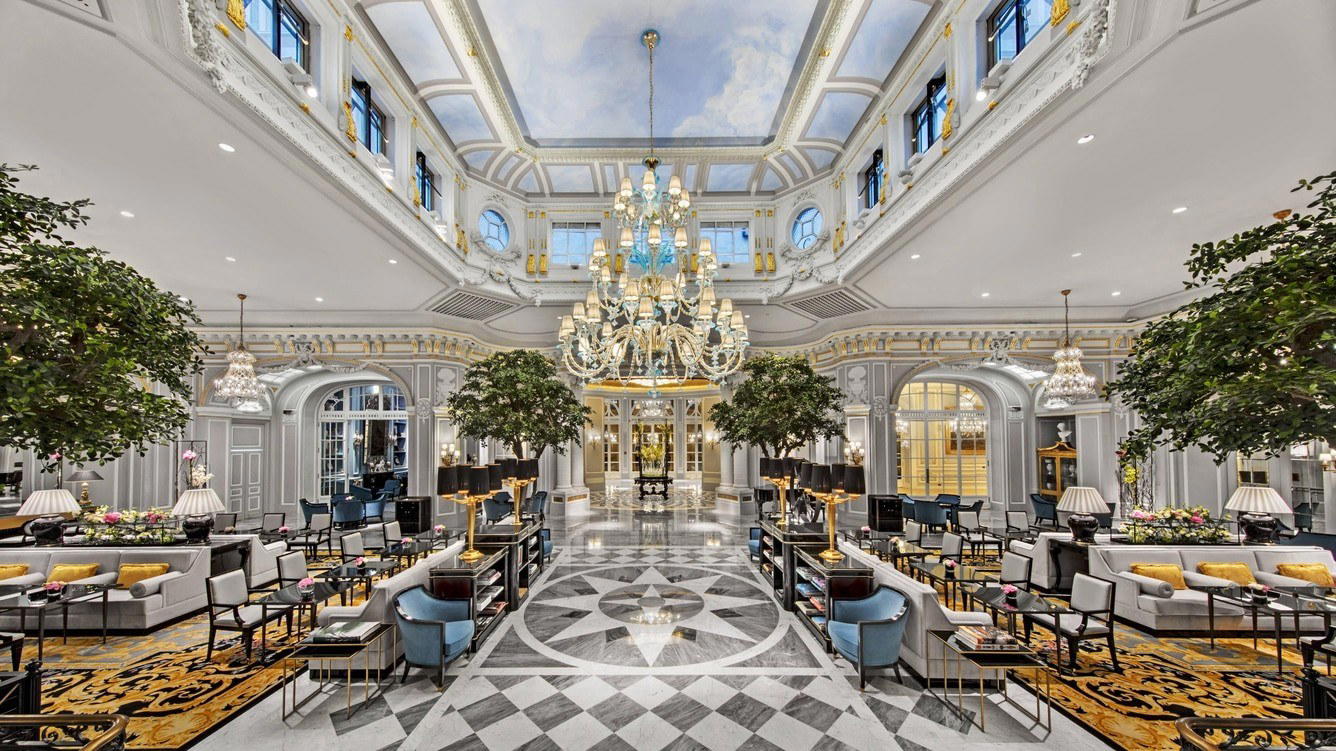

Wineries in Rome
Browse all →
At a Glance
- Modern
- Trendy
- Group Dining
- Casual Hangout
- Open Kitchen
- Beer Program
Modern and stylish decor with a particular, innovative design; welcoming yet lively atmosphere that can be noisy due to crowds and music.