
Michelin Bib Gourmand
Our verdict
A multigenerational family trattoria in the Ligurian hills above Genoa, Roma has held the Michelin Bib Gourmand for consecutive years, earning it as a marker of consistent, honest value rather than novelty. The kitchen leans on home-grown produce, house-made pesto, foraged mushrooms and truffles, and serious meat cuts, with fish making a secondary but genuine appearance on the menu.

Pearl is the En Primeur Club membership app, where members save venues, book tables and use the concierge.
The menu
What to order
- Brandacujun
- Tagliolini with truffles
- Meat ravioli with Genoese tuccu
- Chestnut lasagnette
- Fried squid and shellfish
Inland Liguria and the Trattoria That Stays Its Course
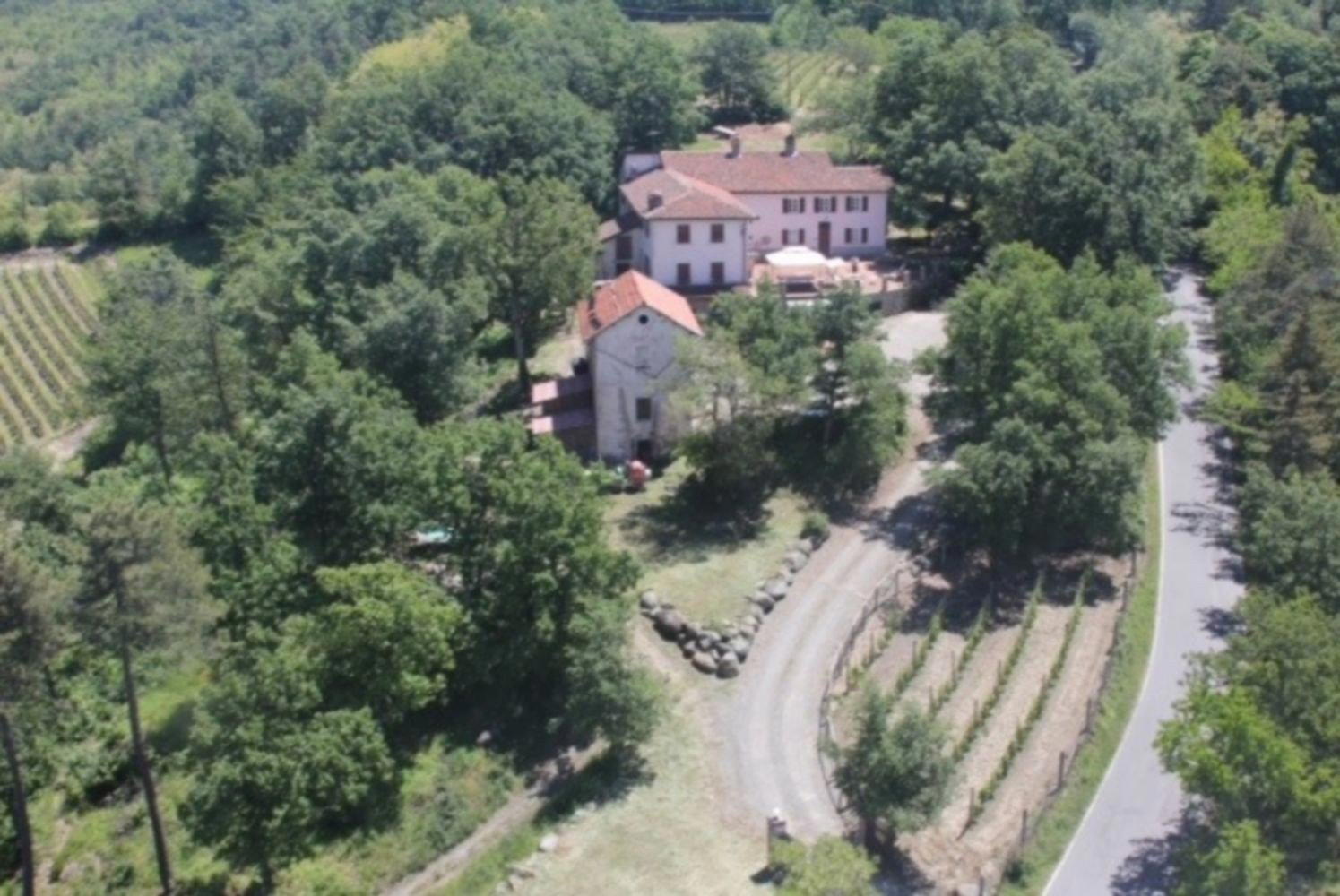
The village of Montoggio sits in the Ligurian Apennines, roughly forty kilometres from Genoa's coastline, in a stretch of territory that most visitors to the region skip entirely in favour of the Riviera. That oversight has a useful side effect: restaurants here are not performing for tourists. They are cooking for people who live nearby, for Genoese families who drive up on weekends, and for the occasional traveller who knows to look past the coast. Roma, on Via Roma at the centre of the village, belongs to that tradition with a certainty that comes from more than a century of continuous operation under the same family.
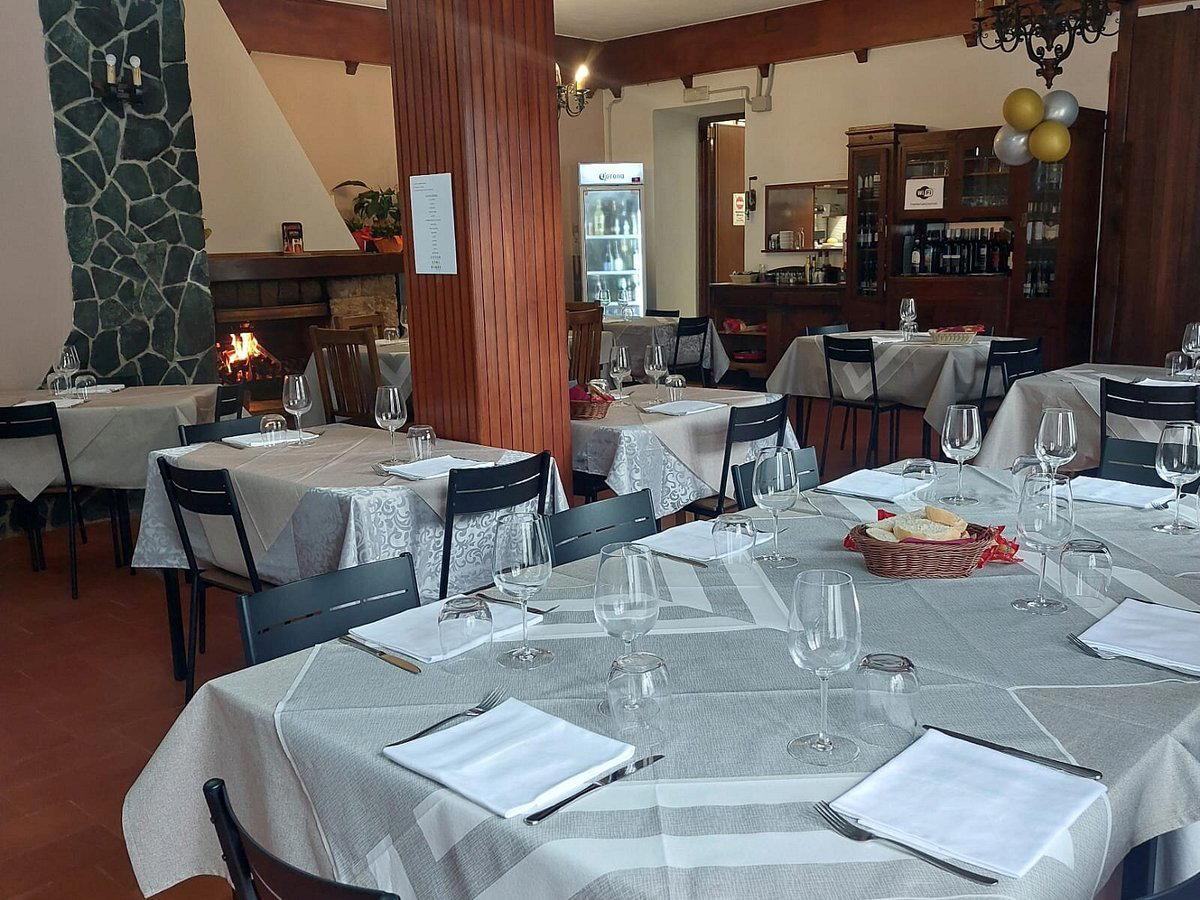
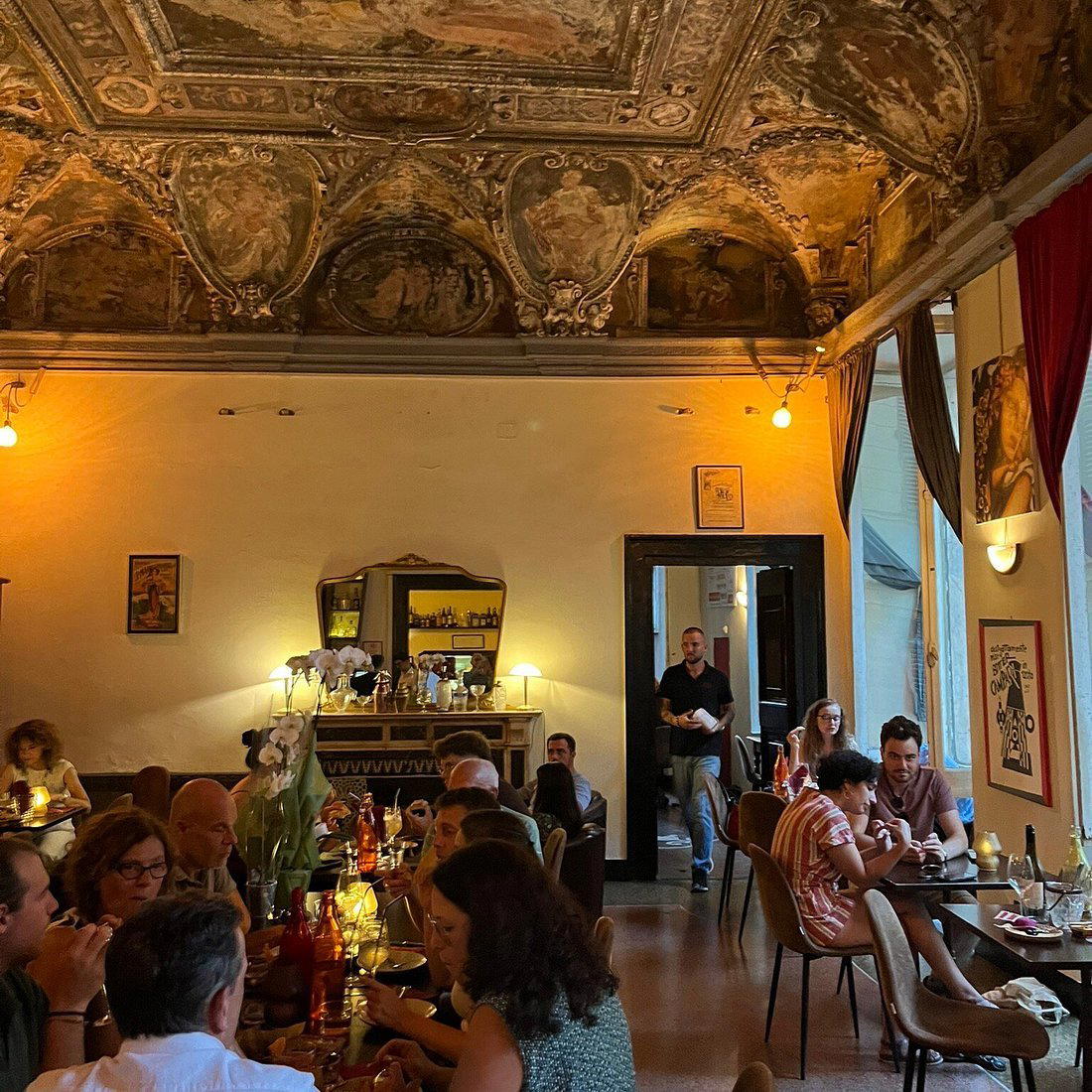
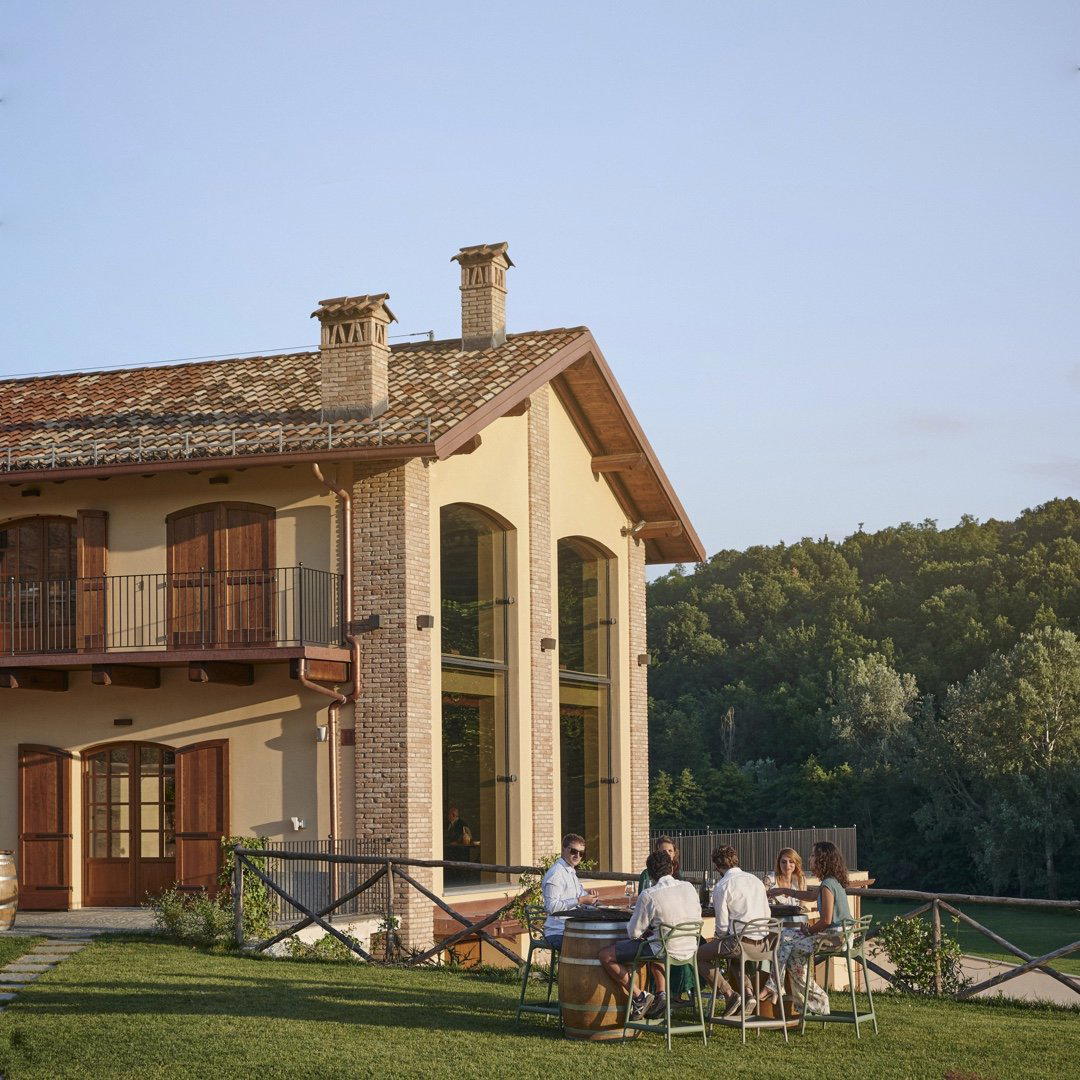
The dining room is described as airy and classically furnished, which in the context of inland Ligurian trattorias signals a certain unhurried formality: tablecloths, natural light, the kind of space where abundant portions arrive without ceremony and where the pace of the meal is set by the kitchen rather than a timed seating slot. This is not the compressed, high-concept format common at Italy's destination restaurants, places such as Osteria Francescana in Modena or Enrico Bartolini in Milan operate in an entirely different register, one built around tasting menus, technique-forward presentation, and international dining tourism. Roma operates at the opposite end of the Italian restaurant spectrum: the Michelin Bib Gourmand, awarded in both 2024 and 2025, is the guide's specific signal for cooking that offers clear quality at a price point that does not demand financial planning.
The Ligurian Pantry, Taken Seriously
Liguria's inland cooking rarely receives the attention that its coastal counterpart does. Pesto, focaccia, and fresh fish dominate the region's culinary reputation abroad, but the territory behind the Riviera has its own distinct character: mushrooms from the Apennine forests, truffles, game and meat cuts from local producers, and a vegetable tradition built around small-scale home cultivation rather than commercial supply chains. Roma's menu positions itself squarely inside this tradition, with home-grown fruits and vegetables, house-made pesto, mushrooms and truffles, and what the Michelin record describes as superb cuts of meats and tartares.
The presence of tartare on a menu in this part of Italy is worth noting. It reflects a comfort with raw preparation that runs through northern Italian food culture, and in an inland Ligurian setting it points toward quality sourcing: you only offer raw beef with confidence when the provenance is tight. The fish section of the menu is a secondary strand rather than the dominant one, which makes geographical sense for a restaurant forty kilometres from the sea, but its inclusion signals that the kitchen is not narrowly parochial. The broader picture is of a menu that covers the full productive range of this specific territory without overreaching.
House-made pesto in this context carries more weight than the same phrase would in a coastal tourist restaurant. Inland Ligurian households have long maintained their own basil plants and their own pesto ratios, and a kitchen with generational continuity is more likely to be working from an established house recipe than from a standardised approximation. This is the kind of detail that Michelin inspectors tend to weight when assessing whether a Bib Gourmand is warranted, and Roma has held the designation across consecutive inspection cycles.
Generational Continuity as a Culinary Signal
The Bib Gourmand's logic rewards consistency over novelty. A restaurant that has operated for over a century under successive generations of the same family accumulates something that newer openings cannot replicate: a settled identity. The menu does not need to reinvent itself seasonally to justify its existence; it needs to execute its established range at a standard that Michelin inspectors find worth revisiting.
This positions Roma differently from the multigenerational Italian restaurants that have drifted toward prestige formats over time. Dal Pescatore in Runate, for example, has evolved its multigenerational story into a three-Michelin-star operation. Roma's trajectory runs in the other direction: the Bib Gourmand designation is a deliberate tier, one that signals the restaurant's priorities are accessibility and seasonal honesty rather than destination dining status. For context on the wider range of Italian fine dining, see also Enoteca Pinchiorri in Florence, Le Calandre in Rubano, Piazza Duomo in Alba, Reale in Castel di Sangro, Quattro Passi in Marina del Cantone, Uliassi in Senigallia, Casa Perbellini 12 Apostoli in Verona, and Atelier Moessmer Norbert Niederkofler in Brunico, each of which occupies a different position in the Italian dining hierarchy.
Roma in the Context of Ligurian Cooking
Within the region, Ligurian restaurants divide roughly between the coast-facing establishments that lean on seafood and the inland kitchens that work from a different set of raw materials. Roma belongs to the latter group, alongside other trattoria-format addresses that have built reputations on seasonal and local sourcing rather than Riviera glamour. Two comparable Ligurian addresses worth cross-referencing are Vescovado in Noli and Bagatto in Loano, both of which operate on the coastal side of the Ligurian register. Roma's inland position means mushrooms, truffles, and meat share the billing in a way they would not at a Riviera address.
The single-euro price marker reflects a category rather than a precise spend, but in the context of a Bib Gourmand-recognised kitchen in a small Apennine village, it points toward a meal that delivers measurably more than its cost would suggest in a comparable urban setting. The Michelin organisation awards the Bib Gourmand specifically on a value-to-quality ratio, not on price alone, so the designation carries a quality floor alongside the affordability signal.
Getting There and Planning Your Visit
Montoggio is accessible from Genoa by road, a drive that takes visitors through the Scrivia valley and into the Ligurian Apennines. The village is small enough that Via Roma, the restaurant's address, requires no further navigation once you arrive. The price tier and the family format make Roma a reasonable proposition for a long lunch rather than a formal dinner occasion, and the Apennine setting adds a day-trip dimension for visitors based in Genoa.
For broader context on eating, drinking, and staying in the area, see our full Montoggio restaurants guide, our Montoggio hotels guide, our Montoggio bars guide, our Montoggio wineries guide, and our Montoggio experiences guide.
Frequently asked questions
Is Roma suitable for children?
The classically furnished dining room and generous portion sizes make Roma a practical choice for families. The menu's focus on home-grown vegetables, pasta, and substantial meat cuts gives younger diners straightforward options. Nothing in the format, a traditional inland Ligurian trattoria holding a Michelin Bib Gourmand, suggests an adults-only atmosphere.
What's the overall feel of Roma?
Roma operates from an airy, classically furnished dining room in the village of Montoggio, roughly forty kilometres from Genoa. Over a century of operation under successive generations of the same family has settled the place into something deliberate and unhurried rather than trend-conscious. The Bib Gourmand rating reflects that consistency: this is a room where abundant portions and seasonal produce take precedence over spectacle.
Has Roma won any awards?
Roma has received recognition including: Over a century of history and various generations of the same family at the helm have given a reassuring solidity to this restaurant in inland Liguria. In the airy, classically furnished dining room, enjoy abundant portions of impressive lo….
What's the signature dish at Roma?
The menu is anchored in inland Ligurian staples: home-made pesto, seasonal mushrooms and truffles, home-grown fruits and vegetables, and notable cuts of meat including tartares. Fish also appears, though it plays a secondary role to the kitchen's land-focused identity. Specific dishes change with the seasons and the harvest from the restaurant's own garden.
Side-by-Side Snapshot
| Venue | Cuisine | Price | Awards | Notes |
|---|---|---|---|---|
| RomaThis venue (the venue you are viewing) | Traditional Ligurian | $50–100 | Michelin Bib Gourmand | Not listed |
| Atelier Moessmer Norbert Niederkofler | Modern Alpine Fine Dining | $300–500 | 3 Michelin Stars · World's 50 Best #20 | Italian, Creative |
| Dal Pescatore | Classic Italian Fine Dining | $200–300 | 3 Michelin Stars · World's 50 Best #38 | Italian, Italian Contemporary |
| Enoteca Pinchiorri | Contemporary Italian Fine Dining | $200–300 | 3 Michelin Stars · World's 50 Best #32 | Italian - French, Italian Contemporary |
| Enrico Bartolini | Modern Italian Fine Dining | $300–500 | 3 Michelin Stars · World's 50 Best #85 | Creative |
| Osteria Francescana | Avant-Garde Italian Contemporary | $300–500 | 3 Michelin Stars · World's 50 Best #1 | Progressive Italian, Creative |
Recognition history
Dated appearances from independent guides and award organizations, with the underlying list record or original source where available.
Michelin Bib Gourmand
Michelin
Full recognition history (3 entries)
Michelin Bib Gourmand
Michelin
Michelin Bib Gourmand
Michelin

Continue exploring
More in Montoggio
Restaurants in Montoggio
All restaurants in Montoggio →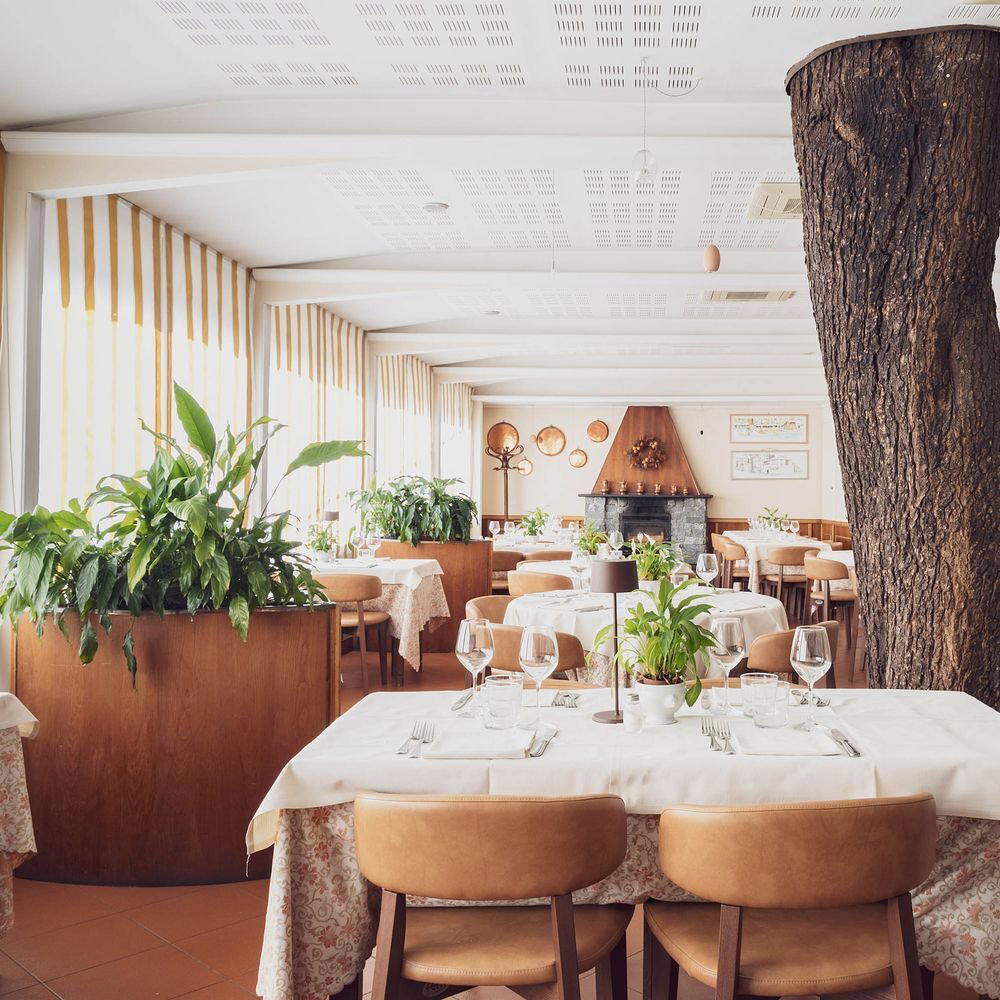
Bars in Montoggio
Browse all →

Details
- Classic
- Elegant
- Cozy
- Romantic
- Family
- Date Night
- Celebration
- Group Dining
- Garden
- Standalone
- Historic Building
- Extensive Wine List
- Farm To Table
- Local Sourcing
- Garden
- A La Carte
- Set Menu
- Wine
- Vegetarian Friendly
- Pescatarian Friendly
Current opening hours
- Monday
- 12–2 PM
- Tuesday
- 12–2 PM
- Wednesday
- 12–2 PM
- Thursday
- Closed
- Friday
- 12–2 PM, 8–10 PM
- Saturday
- 12–2 PM, 8–10 PM
- Sunday
- 12–2 PM, 7:30–9 PM
Hours can change for holidays and private events. Hours as of .
Airy, classically furnished dining room with warm, family-style atmosphere; intimate yet spacious with tables somewhat close together; elegant but unpretentious.