
Michelin Plate
Our verdict
A Michelin Plate-recognised Cantonese restaurant in Beijing's Chaoyang district, excellent Bocuse holds its position in the city's growing tier of serious Cantonese addresses, where southern Chinese cooking is served at a price point that sits between accessible neighbourhood dining and the full tasting-menu formality of the capital's starred rooms.

Pearl is the En Primeur Club membership app — saves, bookings, and concierge access live there. Same editors, same standards.
The menu
What to order
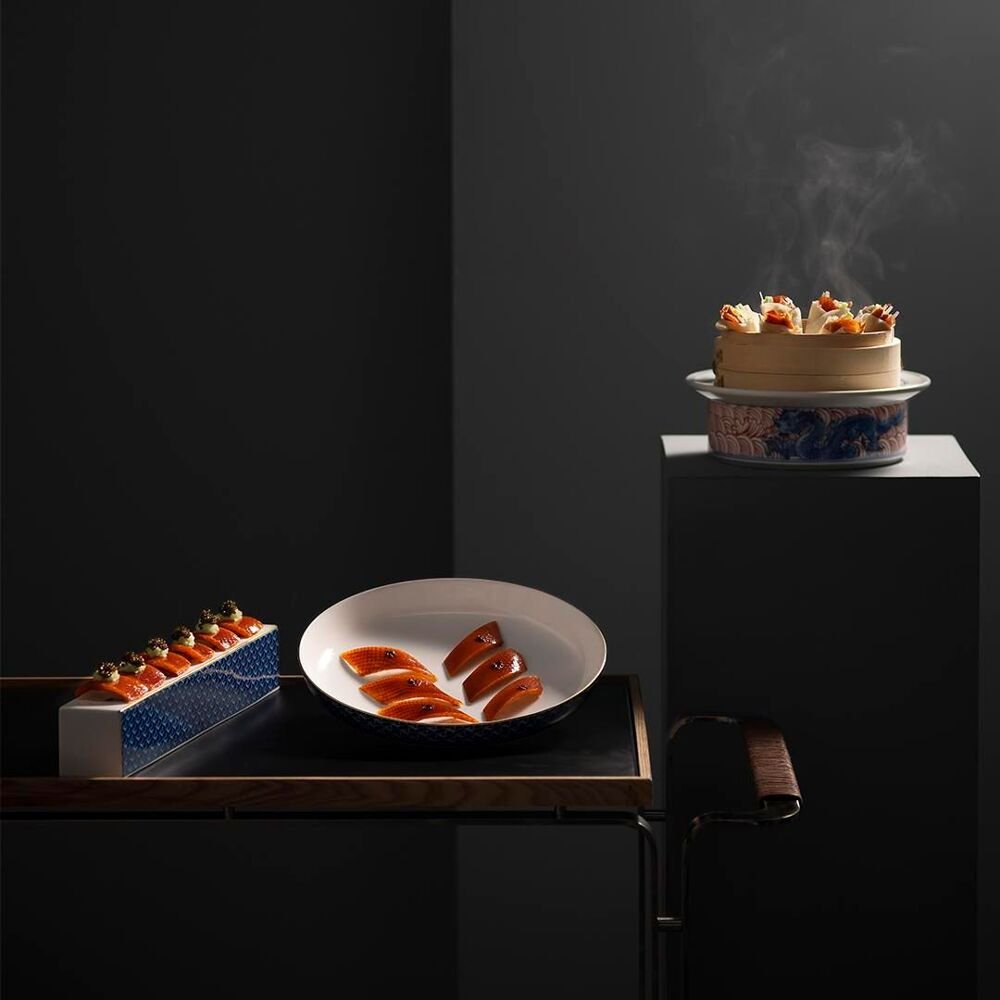
- Cantonese barbecue
- Slow-boiled soups
- Sautéed abalone slices with aged dried radish
Cantonese in Beijing: What the Geography Actually Means
Serving Cantonese food in Beijing has always involved a certain act of translation. The capital's culinary identity runs toward northern wheat, roast duck, and fermented heat — a tradition that shapes diner expectations from the first bread basket to the last pour of baijiu. Cantonese kitchens operating in that environment are not simply replicating what exists in Guangzhou or Hong Kong; they are making a case, consciously or not, that Guangdong's lighter, product-led cooking style belongs in the conversation. The Michelin Guide's arrival in Beijing formalised that hierarchy, and excellent Bocuse, holding a Michelin Plate in both 2024 and 2025, sits in the tier of Cantonese addresses that the guide considers worth tracking even when stars have not yet been assigned.
The Chaoyang context matters here. Beijing's dining geography has concentrated its international and premium casual addresses along the Sanlitun-Chaoyang corridor, a district where corporate expense accounts, diplomatic community spending, and design-forward retail coexist in the same blocks. Xinyuan South Road, specifically, runs through the more composed, less tourist-facing edge of that zone. The restaurant occupies the ground floor of Qihao Beijing's east tower — a development that positions its tenants toward a resident and business clientele rather than a weekend tourist crowd. For Cantonese cooking, which rewards repetition and familiarity over single-visit spectacle, that demographic is arguably the right one.
The Lunch and Dinner Divide in Cantonese Dining
No cuisine tradition in Chinese fine dining splits more clearly across the lunch-dinner divide than Cantonese. In the original Guangdong and Hong Kong model, lunch is the technical showcase: dim sum service demands more skilled labour per cover, faster execution, and a greater range of small-form preparations than an evening à la carte rotation. The evening meal, by contrast, tends toward longer-cooked dishes, more expensive primary ingredients, and a pace calibrated to lingering over a table rather than cycling through steamer baskets.
That structure travels imperfectly to Beijing. Dim sum culture in the capital has grown considerably since the 2010s, but it still occupies a secondary place in the city's dining identity compared to Hong Kong or Guangzhou, where a serious yum cha lunch is a weekly ritual for broad segments of the population. At restaurants operating in the Michelin Plate range at ¥¥¥ pricing, lunchtime in Beijing tends to function as a value access point: the cooking tradition is the same, the room is the same, but the bill is lower and the pace is more compressed. Evening service typically activates a more ceremonial register, with the full scope of the kitchen's capacity visible in the longer-cooked proteins and more architecturally considered presentations that Cantonese cuisine reserves for dinner.
For a visitor deciding when to book, the practical question is what you want from the experience. Lunch at this price tier in Chaoyang offers efficiency alongside quality, a two-hour window that covers the cuisine without a commitment to the full ceremonial arc of a Cantonese dinner, which can run considerably longer. Dinner demands more time and, typically, more spending, but it also reveals more of what the kitchen does with premium Cantonese ingredients: abalone preparations, double-boiled soups, and whole-fish dishes that require longer lead times than a lunchtime steamer rotation allows.
Where excellent Bocuse Sits in Beijing's Cantonese Tier
Beijing's Michelin selection for Cantonese cooking spans a wide range. At the upper end, Lei Garden (Jinbao Tower) operates the kind of Hong Kong-founded Cantonese institution that has anchored premium Chinese dining in mainland cities for decades. Below the starred tier, the Michelin Plate designation signals consistent quality without the booking pressure and price commitment of a starred room. excellent Bocuse's two consecutive Plates (2024, 2025) place it in the cohort of restaurants the guide considers reliably good, a designation that carries more practical significance for regular diners than occasional visitors seeking a single signature experience.
The ¥¥¥ price point positions it between accessible neighbourhood Cantonese and the full splendour pricing of Beijing's highest-end Chinese rooms. For comparison, several of the city's Michelin-starred Chinese addresses operate at ¥¥¥¥, including Chao Shang Chao and Xin Rong Ji on the same road system, both holding three stars. excellent Bocuse's Plate-level recognition at a lower price tier makes it a logical first reference for readers building a Cantonese itinerary in Beijing who want recognition-backed quality without committing to the city's most expensive Chinese tables.
For broader context on how Cantonese cooking travels across mainland China, Dai Yuet Heen in Nanjing and Xin Rong Ji in Chengdu demonstrate how the cuisine adapts to different regional palates. At the higher end of the tradition, Forum in Hong Kong and Jade Dragon in Macau remain the reference points against which serious mainland Cantonese kitchens are still measured. Elsewhere in greater China, 102 House in Shanghai, Chef Tam's Seasons in Macau, and Ru Yuan in Hangzhou show the range of what premium Chinese dining looks like outside Beijing. Closer to home, Imperial Treasure Fine Chinese Cuisine in Guangzhou provides direct comparison with a Cantonese institution operating in its home city.
Beijing's Broader Chinese Fine Dining Field
Cantonese is one strand within Beijing's diversifying Chinese dining scene. The capital's own culinary tradition, centred on roast duck, imperial-era court cooking, and wheat-based staples, has its own serious restaurant tier. Fu Chun Ju, The House of Dynasties, and Zijin Mansion each represent a different angle on that tradition. For a more contemporary take on local cooking, The Beijing Kitchen (Jianguo Road) operates in a mode that bridges casual accessibility with ingredient seriousness. The French Contemporary entry point, for those building a mixed itinerary, runs through Jing at a comparable ¥¥¥ price with a Michelin star to its name.
Planning Your Visit
excellent Bocuse is located at 8 Xinyuan South Road, ground floor of the Qihao Beijing east tower, in Beijing's Chaoyang district (postal code 100027). The Chaoyang location is accessible from the Tuanjiehu or Liangmaqiao subway stations, and the Xinyuan South Road area has sufficient taxi and ride-hail activity to make arrival direct at any hour. At ¥¥¥ pricing, a lunch for two sits comfortably below ¥600 at most Cantonese tables of this standard; dinner will run higher depending on protein choices. For the full picture of dining, accommodation, and evening options in the capital, see our full Beijing restaurants guide, our full Beijing hotels guide, our full Beijing bars guide, our full Beijing wineries guide, and our full Beijing experiences guide.
Frequently asked questions
Where is Exquisite Bocuse located?
Exquisite Bocuse is located at China, 8, Chaoyang, Xinyuan S Rd, 8号CN 北京市1层启皓北京东塔 邮政编码: 100027, Beijing.
What price level is Exquisite Bocuse?
Pricing at Exquisite Bocuse is listed as ¥¥¥.
What kind of recognition has Exquisite Bocuse received?
Exquisite Bocuse has received recognition including: Michelin Plate (2025); Michelin Plate (2024).
What's the must-try dish at Exquisite Bocuse?
What the Michelin Plate recognition in both 2024 and 2025 does confirm is consistent kitchen quality across the Cantonese repertoire — a tradition built on technique-forward cooking: precise steaming, clear broths, and wok control. Ordering from the kitchen's daily or seasonal specials is generally the most reliable approach at Cantonese restaurants operating at ¥¥¥ pricing.
Can I walk in to Exquisite Bocuse?
At ¥¥¥ pricing with back-to-back Michelin Plate recognition (2024 and 2025), tables at Exquisite Bocuse are unlikely to sit empty on weekend evenings or peak lunch periods. Weekday lunch offers the most realistic chance for walk-ins at Cantonese restaurants in this tier. Contacting the Chaoyang location at Qihao Beijing east tower directly in advance is the safer route.
Cuisine and Credentials
A quick peer reference to anchor this venue in its category.
| Venue | Cuisine | Price | Awards | Notes |
|---|---|---|---|---|
| Exquisite BocuseThis venue — the venue you are viewing | Upscale Cantonese | Not listed | Michelin Plate | Not listed |
| Jing | Modern French with Asian Influences | $300–500 | 1 Michelin Star · Black Pearl 1 Diamond | French Contemporary |
| Xin Rong Ji (Xinyuan South Road) | Taizhou Chinese Fine Dining | $300–500 | 3 Michelin Stars · World's 50 Best #84 | Taizhou |
| Chao Shang Chao (Chaoyang) | Modern Teochew (Chaoshan) Fine Dining | $200–300 | Michelin Plate · La Liste Top Restaurants | Chao Zhou |
| Lamdre | Modern Plant-Based Chinese Vegetarian | Not listed | 2 Michelin Stars · World's 50 Best #17 | Vegetarian |
| Jingji | Imperial Beijing Royal Cuisine | $200–300 | 2 Michelin Stars · La Liste Top Restaurants | Beijing Cuisine |
Recognition history
Dated appearances from independent guides and award organizations, with the underlying list record or original source where available.
Michelin Plate
Michelin
Full recognition history (2 entries)
Michelin Plate
Michelin
Continue exploring
More in Beijing
Restaurants in Beijing
All restaurants in Beijing →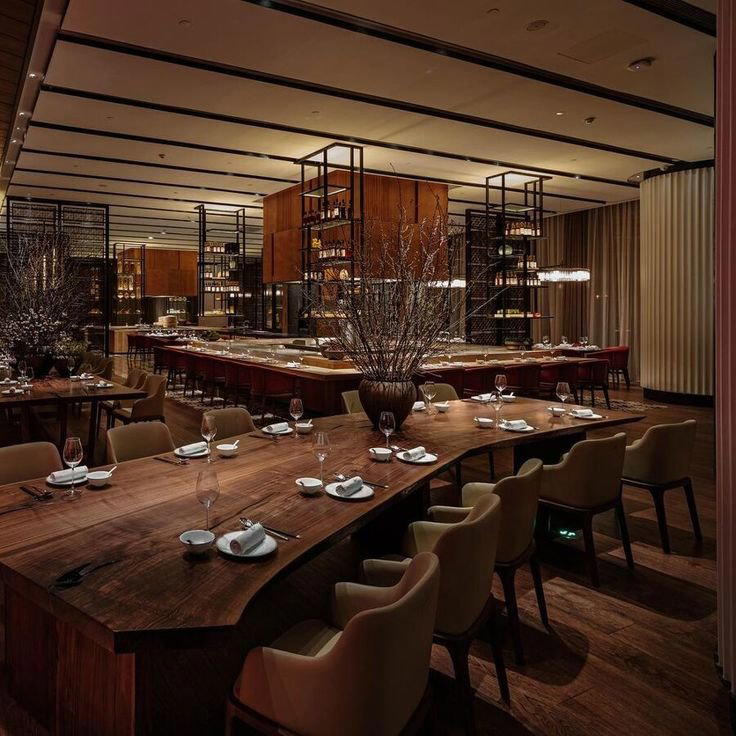
Bars in Beijing
All bars in Beijing →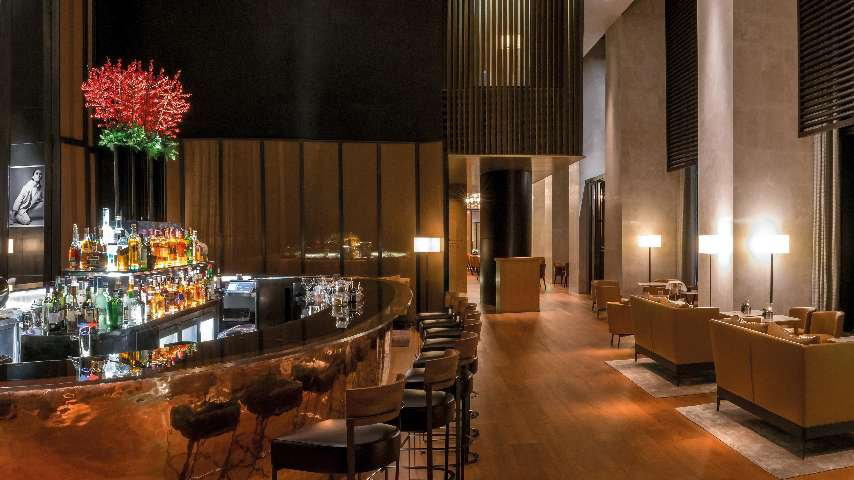
Details
- Modern
- Elegant
- Sophisticated
- Business Dinner
- Group Dining
- Special Occasion
- Celebration
- Private Dining
- Design Destination
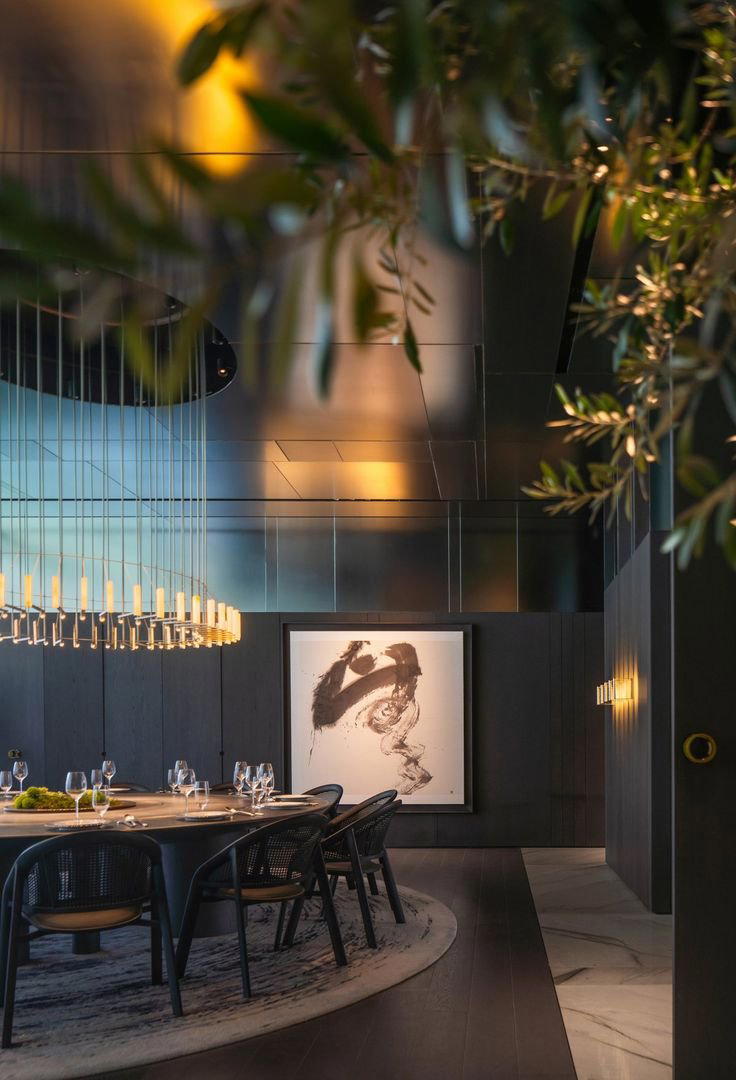
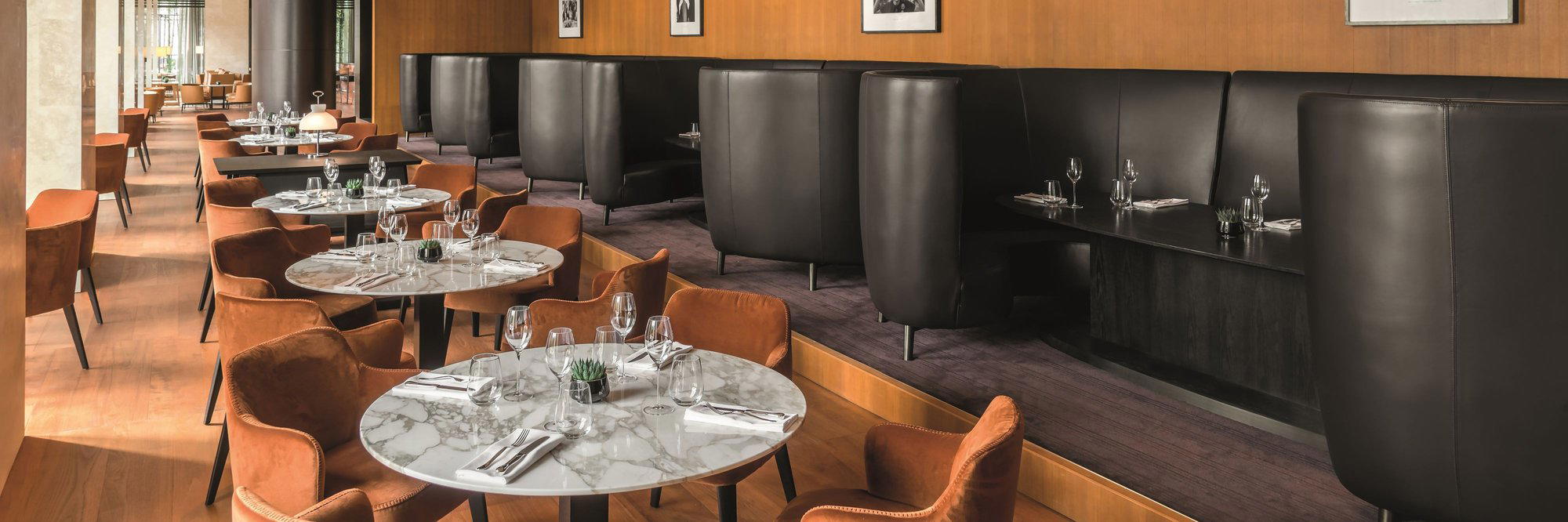
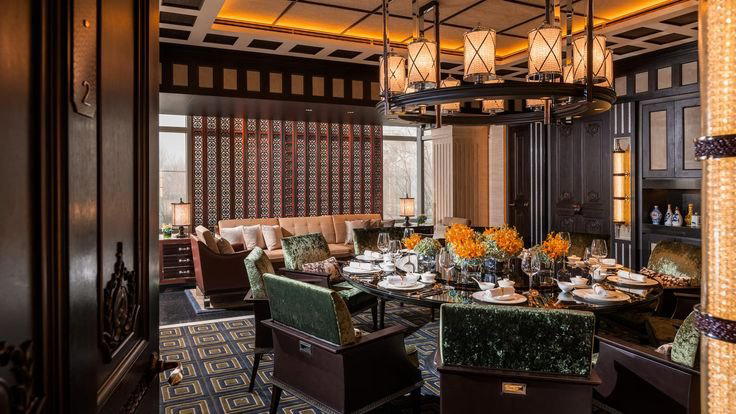
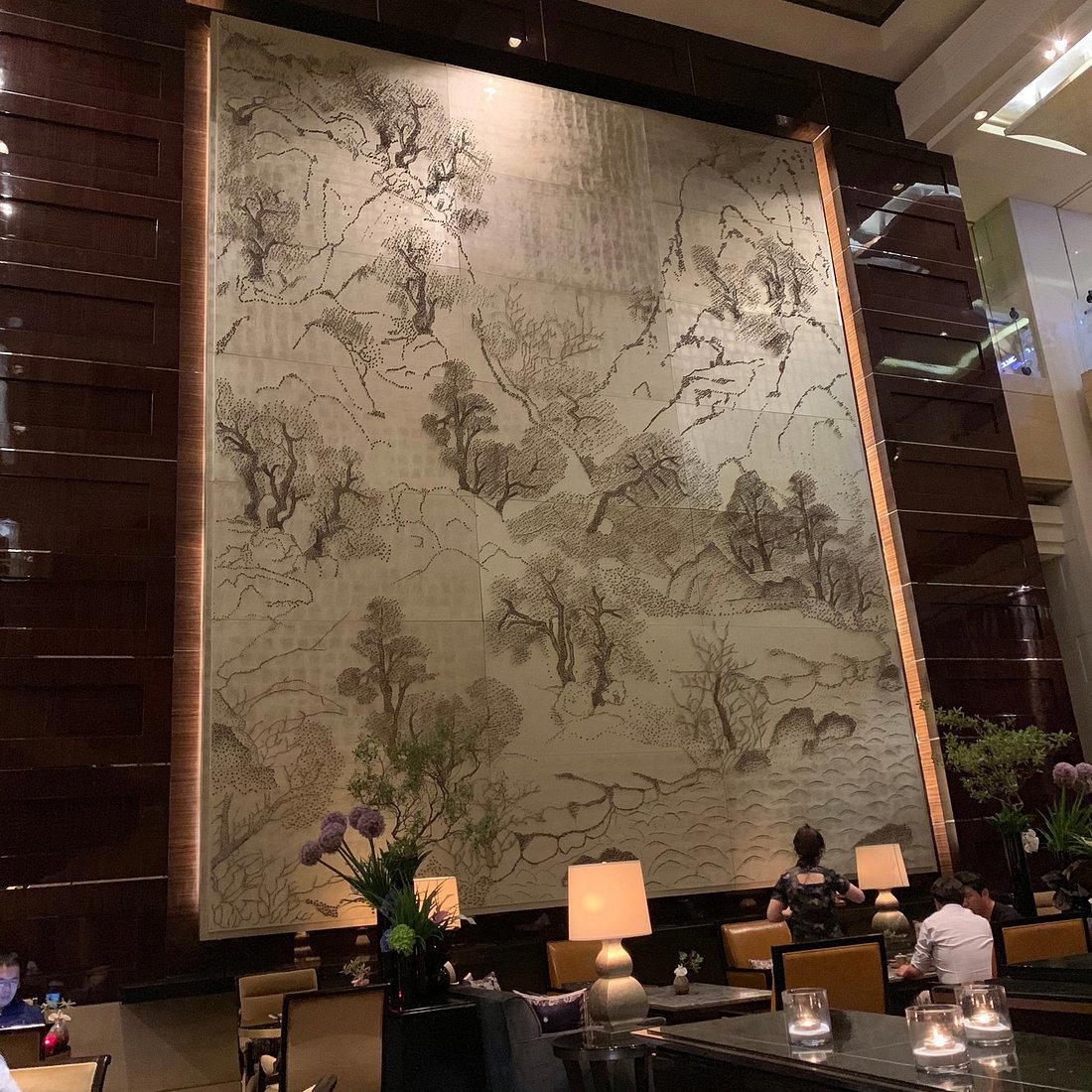
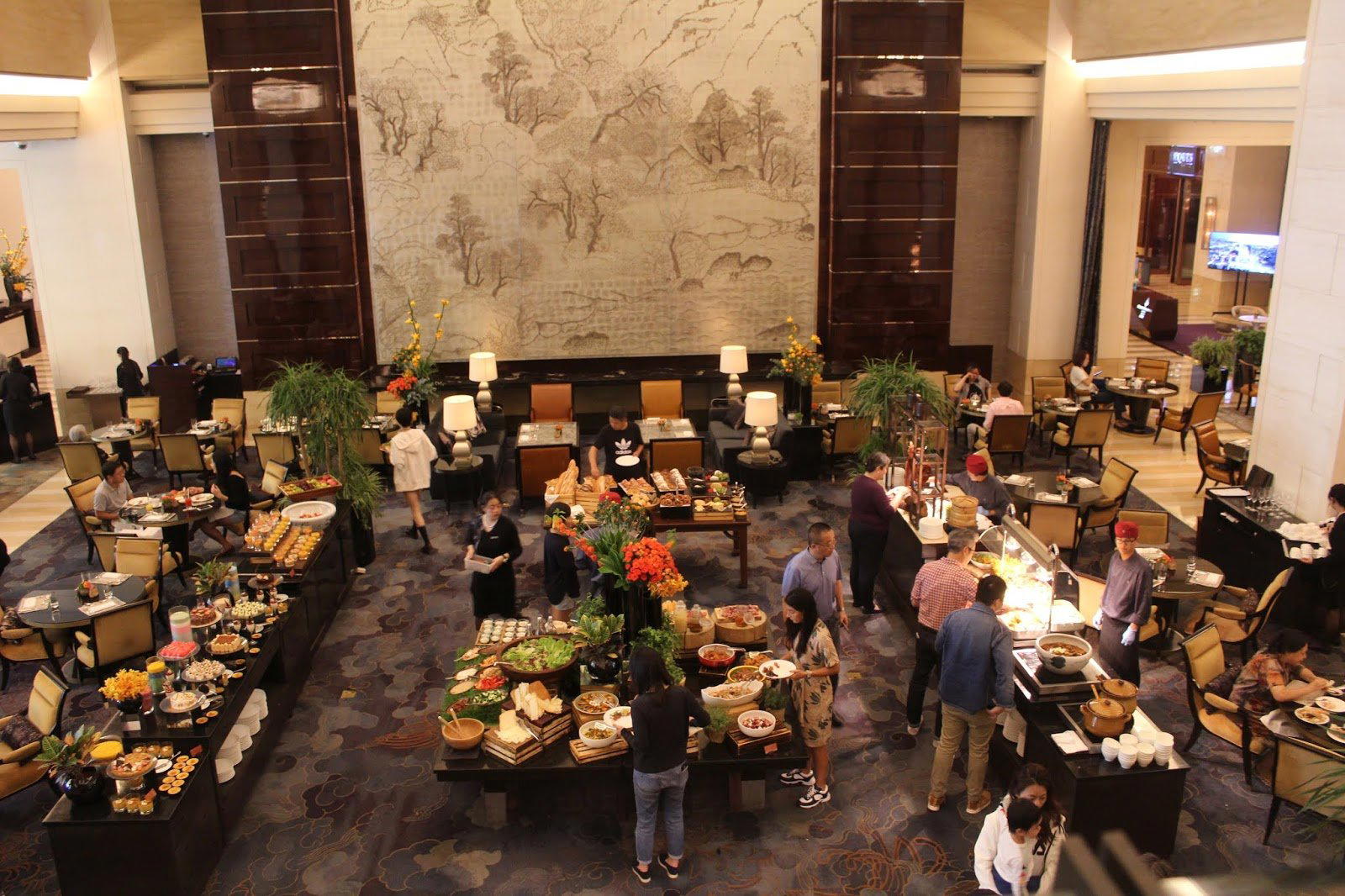
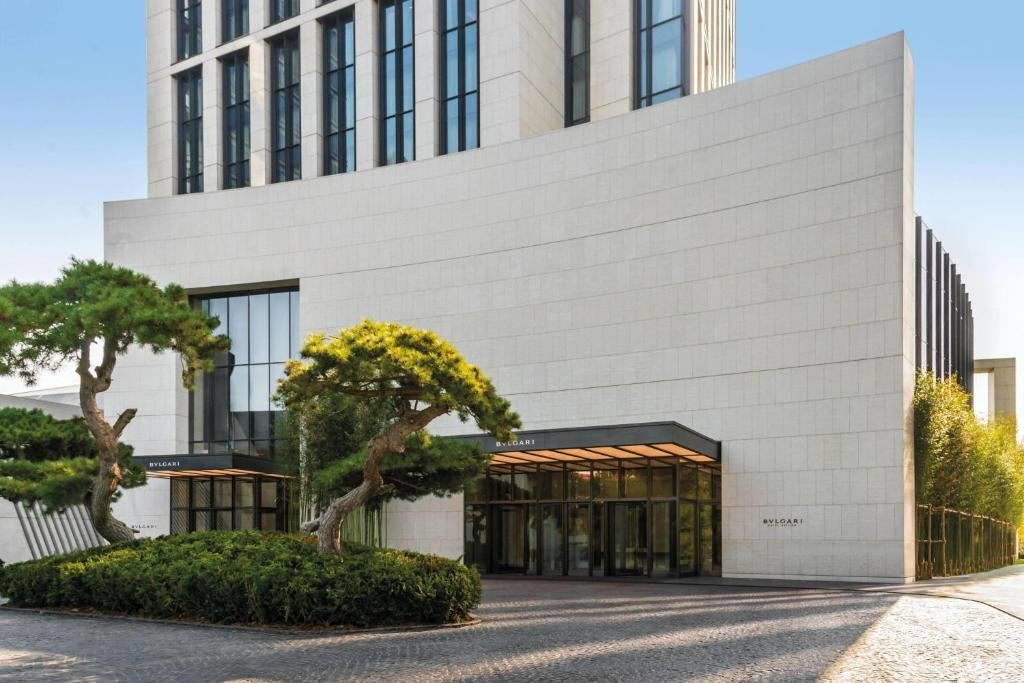
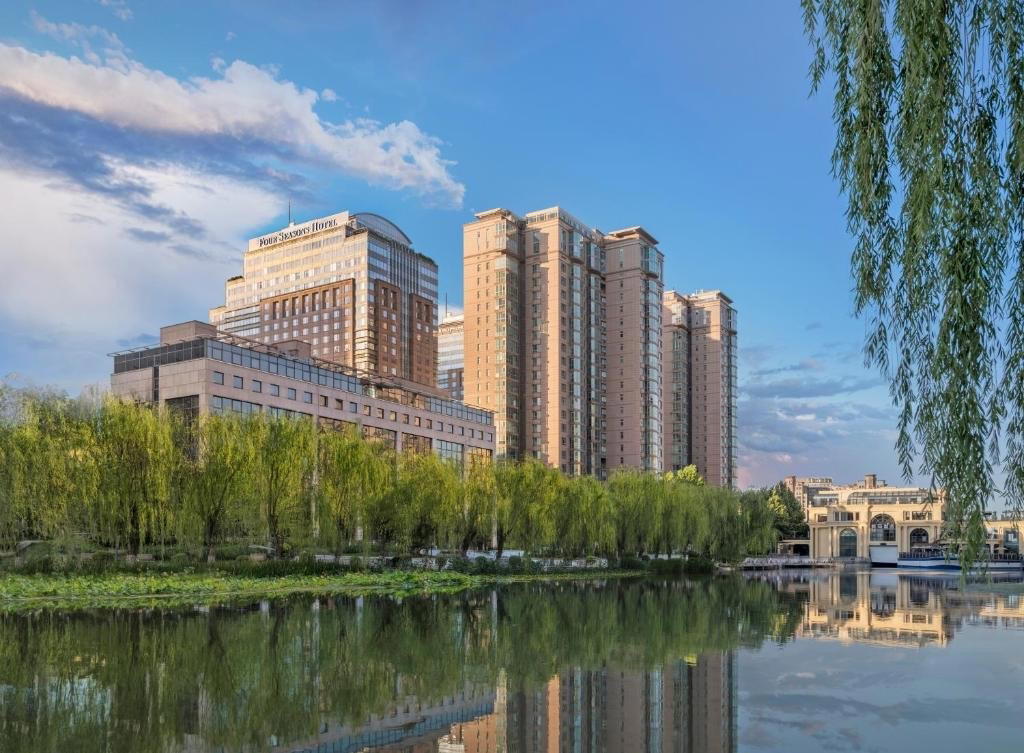
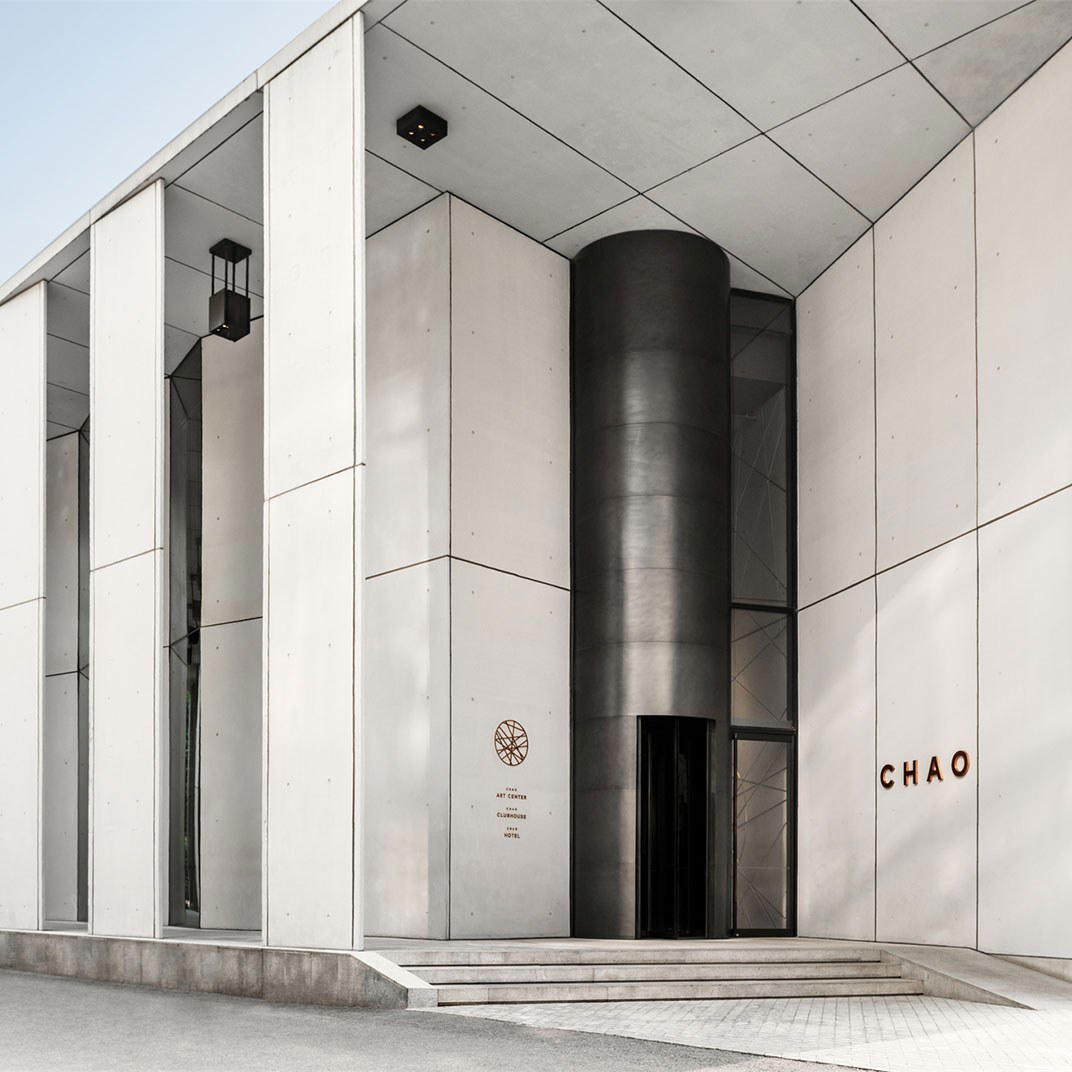
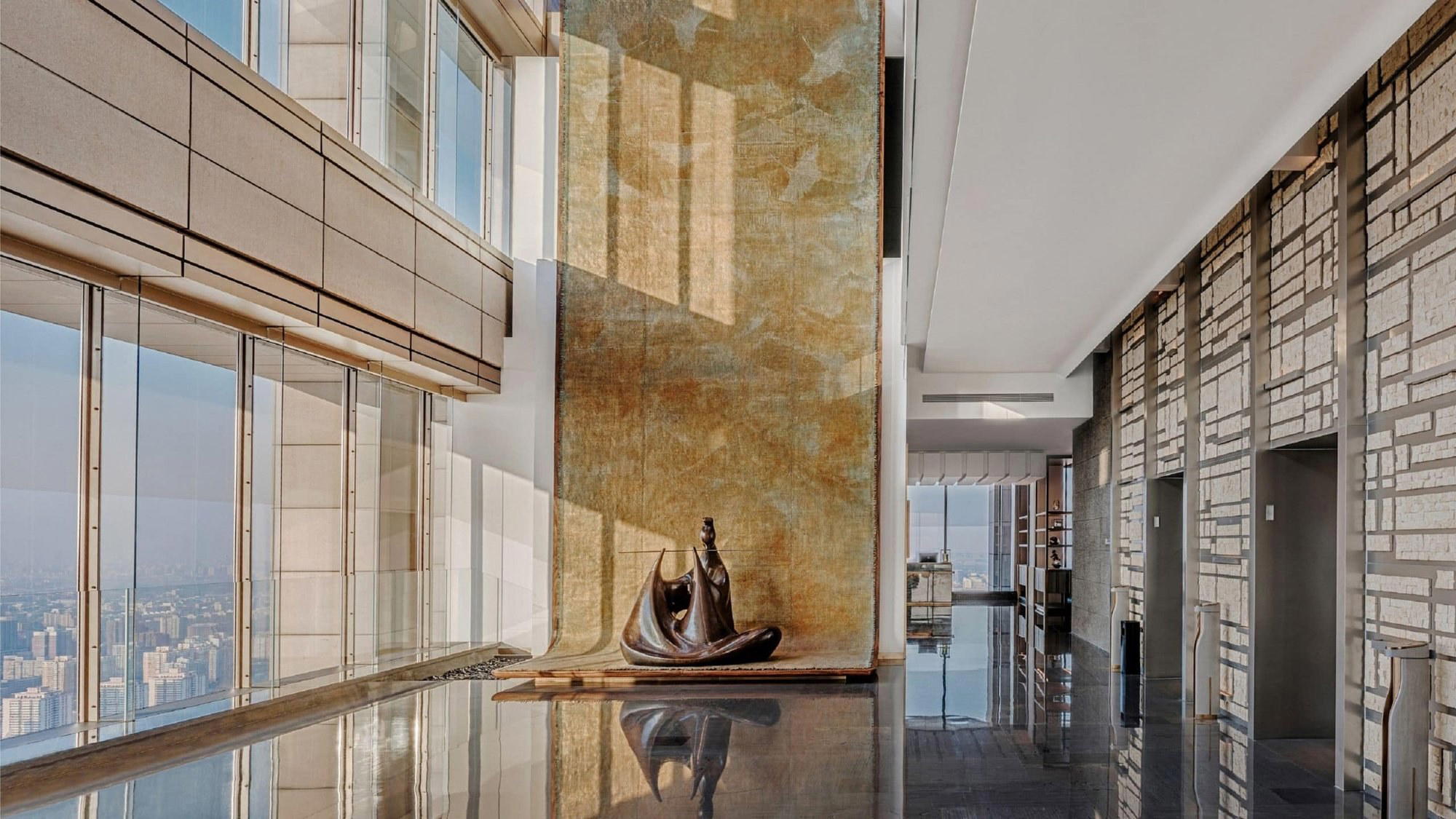
Modern and polished, with muted neutral tones, warm wood, red accents and Chinese architectural details creating an elegant upscale atmosphere.