Promenada Cafe & Restaurant sits on Dositeja Obradovića in central Leskovac, a city whose food culture is shaped by particularly assertive grilling traditions in the Balkans. The address places it within reach of the main pedestrian circuit, making it a practical stop for visitors moving through southern Serbia's most culinarily distinctive city.
Pearl is the En Primeur Club membership app — saves, bookings, and concierge access live there. Same editors, same standards.
- Address
- Dositeja Obradovića 13, Leskovac 16000, Serbia
- Phone
- +38162422060
- Directions
- Get directions
 Saves & bookings on Pearl
Leskovac and the Weight of a Grilling Tradition
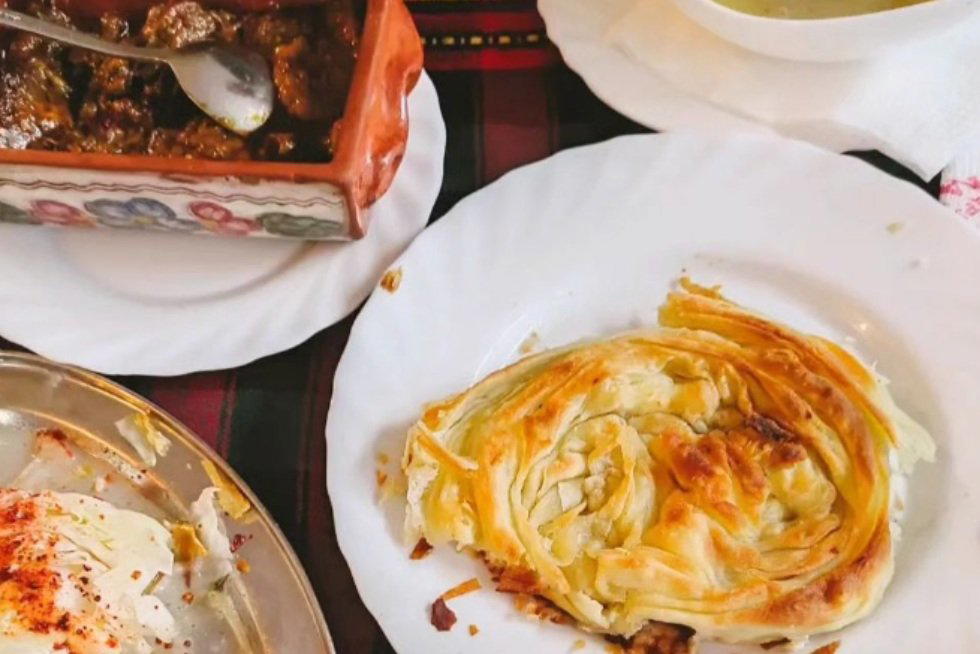
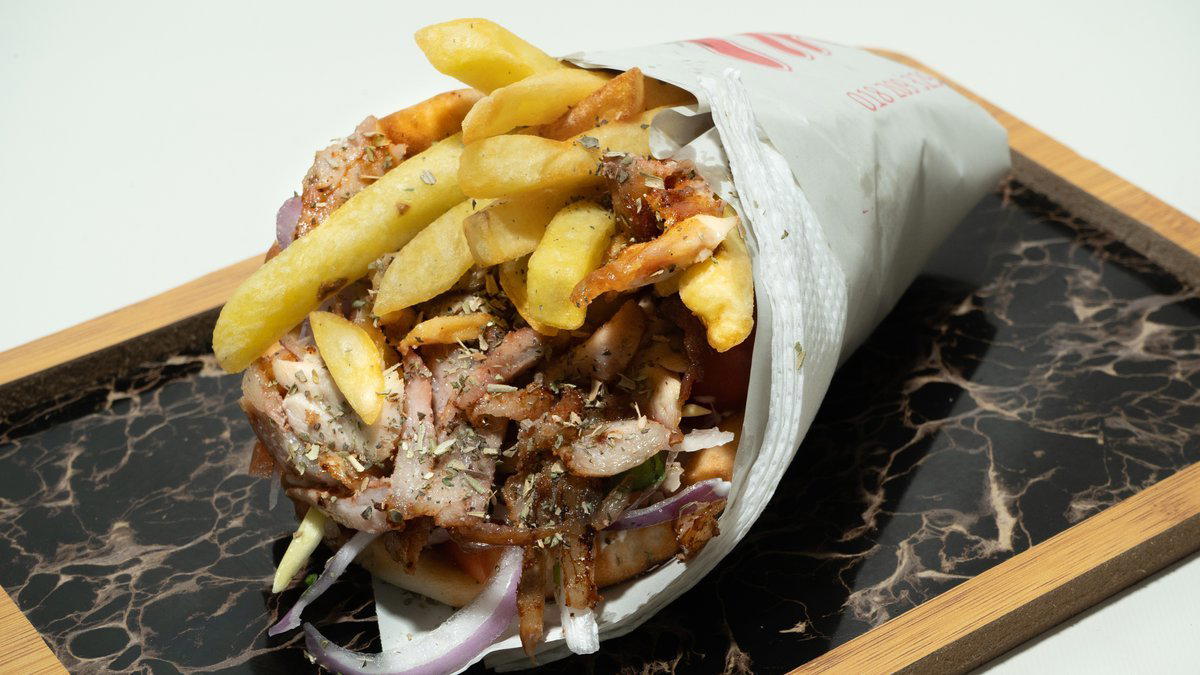
Promenada Cafe & Restaurant is a restaurant in Leskovac, Serbia, at Dositeja Obradovića 13,810 reviews and a casual dress code. The city's reputation rests primarily on its grilled meat culture, a tradition so embedded that Leskovac-style roštilj is recognized across the region as a distinct category, not simply a cooking method. The local variant of ćevapi is shorter, denser, and spiced differently from its counterparts in Belgrade or Novi Sad, and the pljeskavica here acquires a specific fat ratio and seasoning profile that has made the city's name a quality marker in Serbian dining shorthand. Restaurants operating in this environment are not simply selling food; they are participating in a tradition that locals treat as a point of civic identity.
Promenada Cafe & Restaurant, at Dositeja Obradovića 13, occupies one of the central arteries in Leskovac's urban core. The address situates it close to the pedestrian movement of the city rather than on its periphery, which shapes the kind of experience it delivers: accessible, part of the daily rhythm, and subject to the expectations of a local clientele that knows exactly what Leskovac food is supposed to taste like.
The Cafe-Restaurant Format in Serbian Urban Dining
The combination of cafe and restaurant under one roof is common across Serbian cities of Leskovac's scale. This hybrid format serves a social function that goes beyond meal service: it accommodates the long afternoon coffee, the light breakfast, the pre-dinner gathering, and the full sit-down meal within a single continuous operation. In cities where public social life still centers on the kafana-adjacent cafe culture, this flexibility is not a concession to multiple audiences but a reflection of how locals actually use dining spaces across the day.
Promenada fits within this pattern. The name itself, referencing the promenade tradition of the evening walk through city centers that remains culturally active across the Balkans, signals an orientation toward the social life of the street rather than a destination-only dining proposition. For visitors to Leskovac, understanding this context matters: the venue is woven into the pedestrian fabric of the city, which affects when it is busiest, who is there, and what the appropriate pace of a visit looks like.
Southern Serbian Food Culture as Context
Leskovac sits in the Jablanica district in southern Serbia, a region where the food culture reflects both the Ottoman layering common to the broader Balkans and the specific agricultural character of the Morava valley. Paprika, lamb, and slow-cooked legume dishes sit alongside the grilled meat specialties that have made the city's name. The annual Leskovac Roštiljijada, one of the larger grilling festivals in the region, draws attention to the city each autumn and reinforces its identity as a place where meat cookery is taken seriously at a community level.
Cafes and restaurants operating year-round in this environment serve a population with strong local food preferences. That is not a limiting factor; it is the condition that produces consistent, locally grounded cooking. The comparison relevant here is not with Belgrade's contemporary dining scene, but with the tradition-anchored restaurants of Serbian provincial cities, where the value proposition is depth of local knowledge rather than formal innovation.
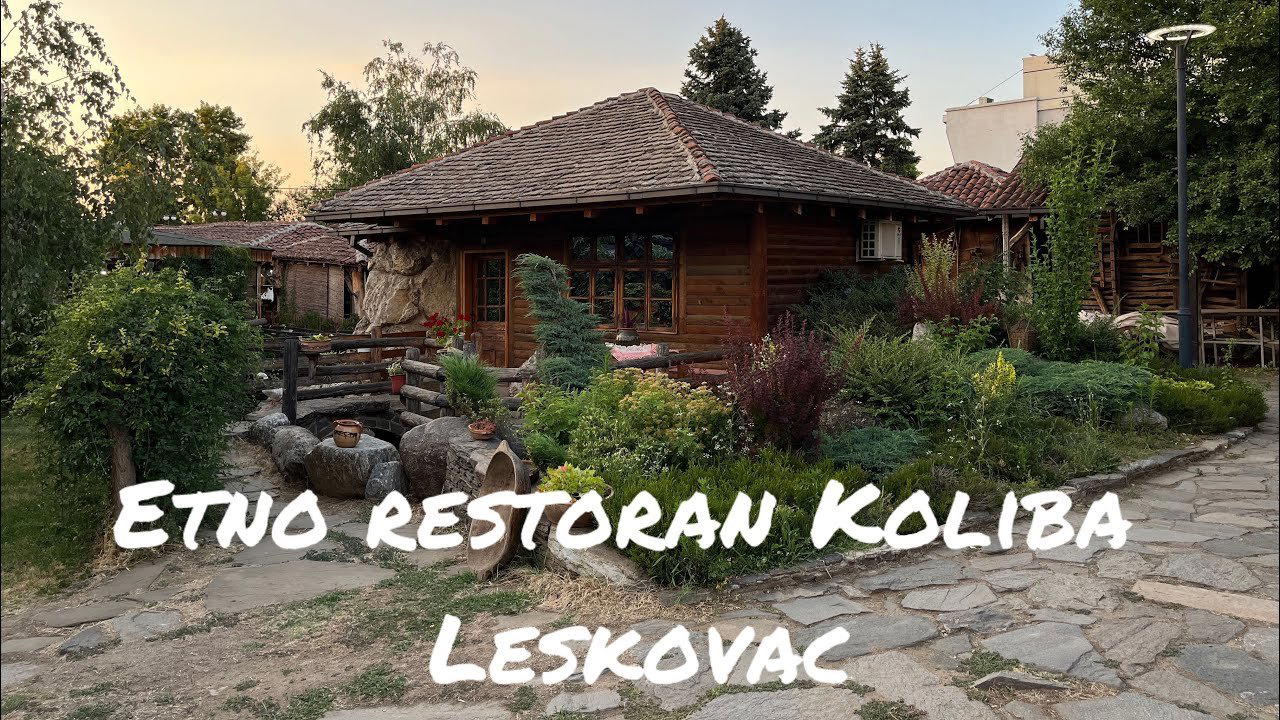
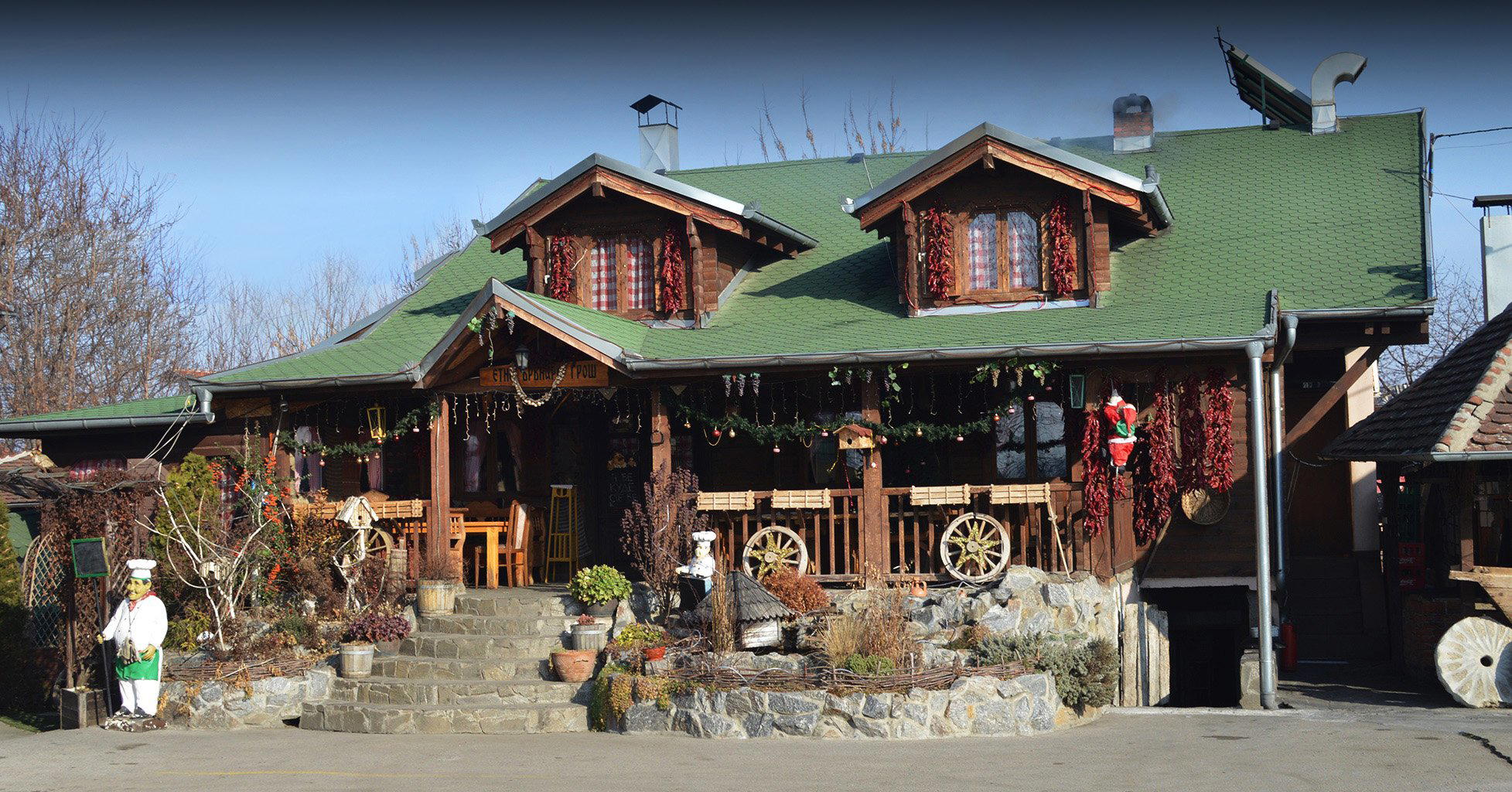
Elsewhere in Serbia, places like Koliba Etno Restoran and Restoran Groš represent other points on Leskovac's dining map, each with a different emphasis. Serbian provincial dining often anchors identity in a specific local ingredient or landscape.
Planning a Visit to Promenada
Leskovac is approximately 280 kilometers south of Belgrade by road, sitting on the E75 corridor that connects the capital to Niš and the North Macedonian border. The city is served by intercity bus connections from Belgrade and Niš, and the central location of Dositeja Obradovića makes the address walkable from the city's main transport points. Current hours are Mon to Sat 8 AM to 12 AM and Sun 9 AM to 12 AM. The venue is walk-in friendly. The venue is walk-in friendly, though weekend evenings may draw a fuller house given the venue's central position.
Leskovac rewards a deliberate visit. The grilling culture alone justifies a deliberate visit, and the autumn festival period brings additional animation to the city center. Comparable provincial dining environments worth comparing across the region include Kod Brana in Cacak, Aleksandar Gold in Uzice, Windmill in Pancevo, Kod poštara in Aran Elovac, Grand **** in Kopaonik, and Kafe Restoran Maša in Novi Sad, each operating within a different regional food culture but sharing the cafe-restaurant social format that defines Serbian provincial dining. Leskovac's food culture has its own internal hierarchy and its own measures of quality.
Price Lens
Comparable venues nearby, for context on price, style, and recognition.
| Venue | Cuisine | Price | Notes |
|---|---|---|---|
| Promenada Cafe & RestaurantThis venue — the venue you are viewing | Not listed | $$ | Not listed |
| Koliba Etno Restoran | Not listed | $$ | Bobiste, Traditional Serbian Leskovac Barbecue |
| Restoran Groš | Not listed | $$ | Leskovac, Leskovac Grill & Traditional Serbian |
| Viv Pizza & Gelato Sladoled Zlatibor | Zlatibor, Italian Pizza & Artisan Gelato | $$ | Not listed |
| La Pista | Kopaonik, Italian Pizza Restaurant | $$ | Not listed |
| LAV PICERIJA | Soko Banja Central, Wood-Fired Pizza | $$ | Not listed |
Continue exploring
More in Leskovac
At a Glance
- Casual Hangout
Current opening hours
- Monday
- 8 AM–12 AM
- Tuesday
- 8 AM–12 AM
- Wednesday
- 8 AM–12 AM
- Thursday
- 8 AM–12 AM
- Friday
- 8 AM–12 AM
- Saturday
- 8 AM–12 AM
- Sunday
- 9 AM–12 AM
Hours can change for holidays and private events. Last verified .