
Tabelog 100 #51
Our verdict
ESPICE sits in Kobe’s Sannomiya orbit, where French technique meets a port-city pantry shaped by seafood, produce, wine, and sake. Its Tabelog French WEST 100 selection in 2025, compact 24-seat format, private-room option, and course-led structure put it in the planned-dinner category rather than the casual drop-in lane.

Pearl is the En Primeur Club membership app, where members save venues, book tables and use the concierge.
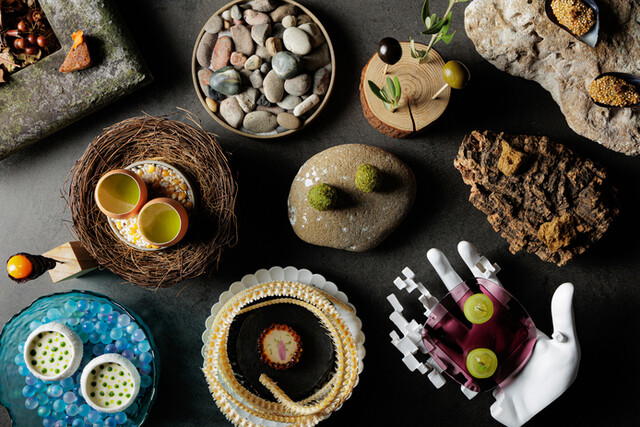
Approaching Kobe, the city changes register quickly: station traffic, late-evening dining rooms, and the quiet confidence of a port city that has long absorbed foreign technique without treating it as costume. In that context, ESPICE belongs to a specific Kobe category: French and Innovative cooking that reads the city through a composed dining lens rather than through steakhouse theatre alone.
Kobe’s international dining reputation often starts with beef, but the more interesting fine-dining question is how the city handles Western formality at smaller scale. The answer is not a single style. Some rooms lean into teppan ceremony, others into bistro ease, and a smaller group works in the French-innovative lane, where the meal is shaped by planning and the burden sits with the guest before arrival. ESPICE is in that last group, with Tabelog Hyakumeiten recognition in 2025 giving it a credible position inside western Japan’s French conversation.
Kobe French cooking, read through restraint
The useful way to understand this table is not as a transplanted French restaurant but as part of Kobe’s port-city habit of translation. French technique has a long audience in Japan, yet Kobe’s setting changes the emphasis: local context matters, and the restaurant’s identity is not reducible to a tourist shorthand. ESPICE’s listed categories, French and Innovative, place it in a format where composition and pacing matter more than à la carte flexibility.
That matters for expectations. A structured restaurant asks diners to commit in advance, especially around allergies and ingredient restrictions. This is not the place to improvise a different meal at the table, and that discipline is not a flaw; it is part of the format. In Japan, the strongest planned restaurants often run on preparation discipline, not menu sprawl. The better guest experience comes from deciding early whether the format suits the party.
Against nearby Kobe reference points, the distinction is clear. Kobe Plaisir Honten and Kobe Beef Steak Sakura sit closer to the city’s beef-led identity; quarto occupies a more relaxed European comparison point; El Raco Den Takeuchi gives the city another European reference. ESPICE prices and formats itself in the more deliberate French-innovative bracket, where the guest is paying for sequence, service structure, and a more focused experience rather than sheer volume or tourist shorthand.
The room rewards planning more than spontaneity
The restaurant’s positioning explains much of the experience. A French-innovative room creates a different social contract from a broad casual dining room. It narrows the margin for late changes, makes preferences less casual, and rewards guests who treat the meal as an appointment rather than a fallback after shopping or bar-hopping. The format makes the restaurant viable for a composed family or business meal when the party accepts the structure in advance.
The service signals are also practical rather than ornamental. ESPICE’s price range sits at Dinner: JPY 20,000 - JPY 29,999 and Lunch: JPY 15,000 - JPY 19,999, which places it in the planned-meal category rather than the casual drop-in lane. For international travelers, that means the decision should be made before the day of dining, with attention to the menu’s pace and the expectations of a focused room.
Children and dietary restrictions should be treated as planning questions, not assumptions. A structured French and Innovative restaurant is rarely the easiest fit for every preference, especially when the kitchen is working within a defined style. In practical terms, the right party is one that can agree to the meal’s boundaries before sitting down.
How to place it within a Kobe itinerary
For travelers building a Kobe dining itinerary, ESPICE is strongest as the planned European-format meal in a city better known abroad for beef. Pair it with a different night devoted to wagyu, or use it to reset the trip after heavier Kansai eating in Osaka and Kyoto. Its Kobe setting keeps it within the city’s dining orbit, so the evening can continue naturally into other Kobe plans rather than becoming a destination detour.
Readers comparing the wider city can start with our full Kobe restaurants guide, then separate beef-led meals such as Kobe Beef Steak Sakura, Kobe Plaisir Honten, and Kobe beef Hana-Houbi from other Kobe dining rooms and quieter city staples. For trip shape beyond dinner, use our full Kobe hotels guide, our full Kobe bars guide, our full Kobe wineries guide, and our full Kobe experiences guide.
For wider Japan and beyond, the contrast is useful: other beef traditions, casual urban Kansai meals, and regional specialty restaurants all map different appetites. Outside Japan, Japanese dining formats take on still more forms, which only makes ESPICE’s Kobe identity clearer: it is not trying to be a universal shorthand for Japanese food, but a focused French-innovative expression within the city.
The critical case for ESPICE is not excess. It is control: a planned room, a structured French-innovative identity, and enough award recognition to justify planning around it. In Kobe, where many visitors default to beef, that makes it a sharper choice for diners who want the city’s international history expressed through technique rather than spectacle.
Frequently asked questions
Does ESPICE work for a family meal?
It can work for a composed meal if the whole party is comfortable with a French and Innovative format. ESPICE is in Kobe, so plan ahead rather than treating it as a casual fallback.
Is ESPICE better for a quiet night or a lively one?
It reads as the quieter choice: the French and Innovative category points to a meal built around focus and pacing rather than noise. The Tabelog Hyakumeiten 2025 recognition supports treating it as a planned dining stop.
What price level is ESPICE?
ESPICE is listed at Dinner: JPY 20,000 - JPY 29,999; Lunch: JPY 15,000 - JPY 19,999.
When is ESPICE open?
Check directly with ESPICE before booking, as opening days and hours can change.
How do I find ESPICE?
ESPICE is located in Kobe.
What It’s Closest To
Comparable venues for orientation by cuisine and category.
| Venue | Cuisine | Price | Awards | Notes |
|---|---|---|---|---|
| ESPICEThis venue (the venue you are viewing) | Modern Japanese-influenced French (Seafood-focused) | $150–200 | Tabelog 100 #51 | Not listed |
| アントル ヌー | Innovative French-Japanese Fusion | $150–200 | Tabelog Bronze #64 | Chūō |
| Kobe Steak Restaurant Mouriya Lin | Teppanyaki Kobe Beef Steakhouse | $150–200 | Not listed | Chūō |
| Teppanyaki Kokoro | Luxury Kobe Beef Teppanyaki | $100–150 | Tabelog 100 #41 | Chūō |
| patisserie mont plus Honten | French Patisserie | $10–20 | Tabelog 100 #8 | Chūō |
| Aragawa | Kobe Beef Steakhouse | $300–500 | Not listed | Chuo-ku |
Recognition history
Dated appearances from independent guides and award organizations, with the underlying list record or original source where available.
Tabelog 100 #51 · No. 51
Tabelog · Tabelog 100 - French - WEST - 2025
Continue exploring
More in Kobe
Restaurants in Kobe
All restaurants in Kobe →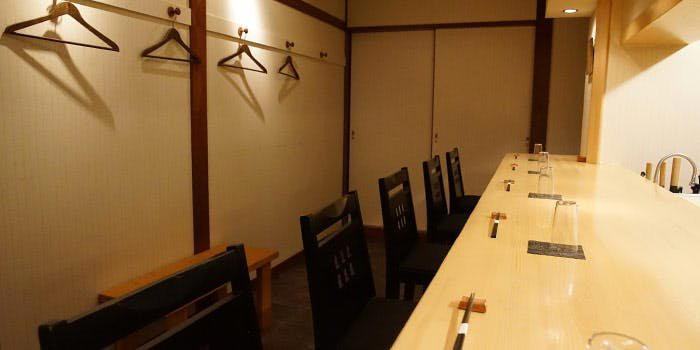
Bars in Kobe
Browse all →

ESPICE
The wine
- Wine program
- Deep wine list
- Extensive wine list
- Sommelier-led
Details
- Elegant
- Romantic
- Intimate
- Modern
- Sophisticated
- Special Occasion
- Date Night
- Celebration
- Business Dinner
- Group Dining
- Private Event
- Private Dining
- Design Destination
- Standalone
- Sommelier Led
- Extensive Wine List
- Local Sourcing
- Sustainable Seafood
- Tasting Menu
- Prix Fixe
- Set Menu
- Wine
- Pescatarian Friendly
Current opening hours
- Monday
- 12–2:30 PM, 6–9 PM
- Tuesday
- Closed
- Wednesday
- Closed
- Thursday
- 12–2:30 PM, 6–9 PM
- Friday
- 12–2:30 PM, 6–9 PM
- Saturday
- 12–2:30 PM, 6–9 PM
- Sunday
- 12–2:30 PM, 6–9 PM
Hours can change for holidays and private events. Hours as of .
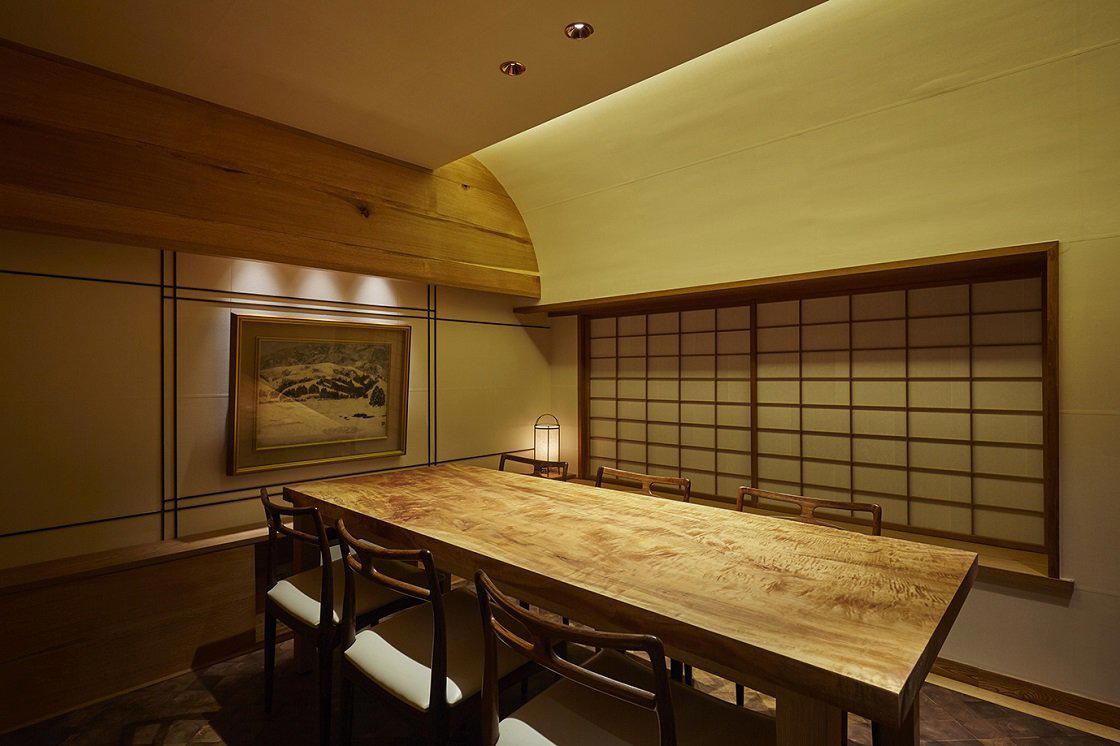
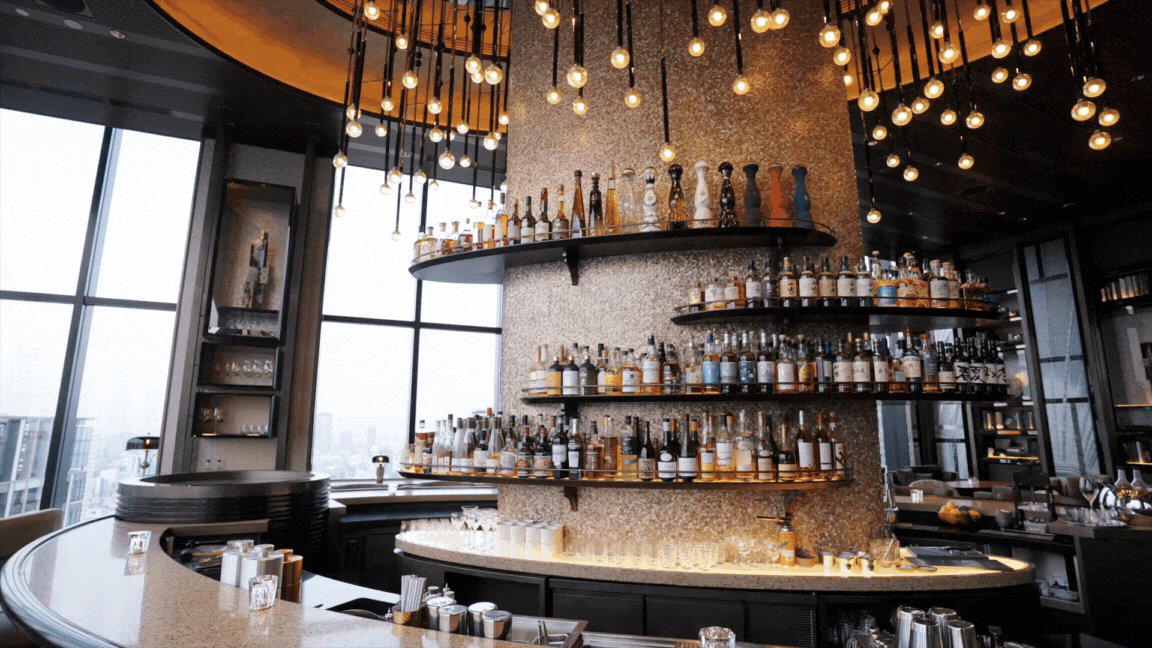
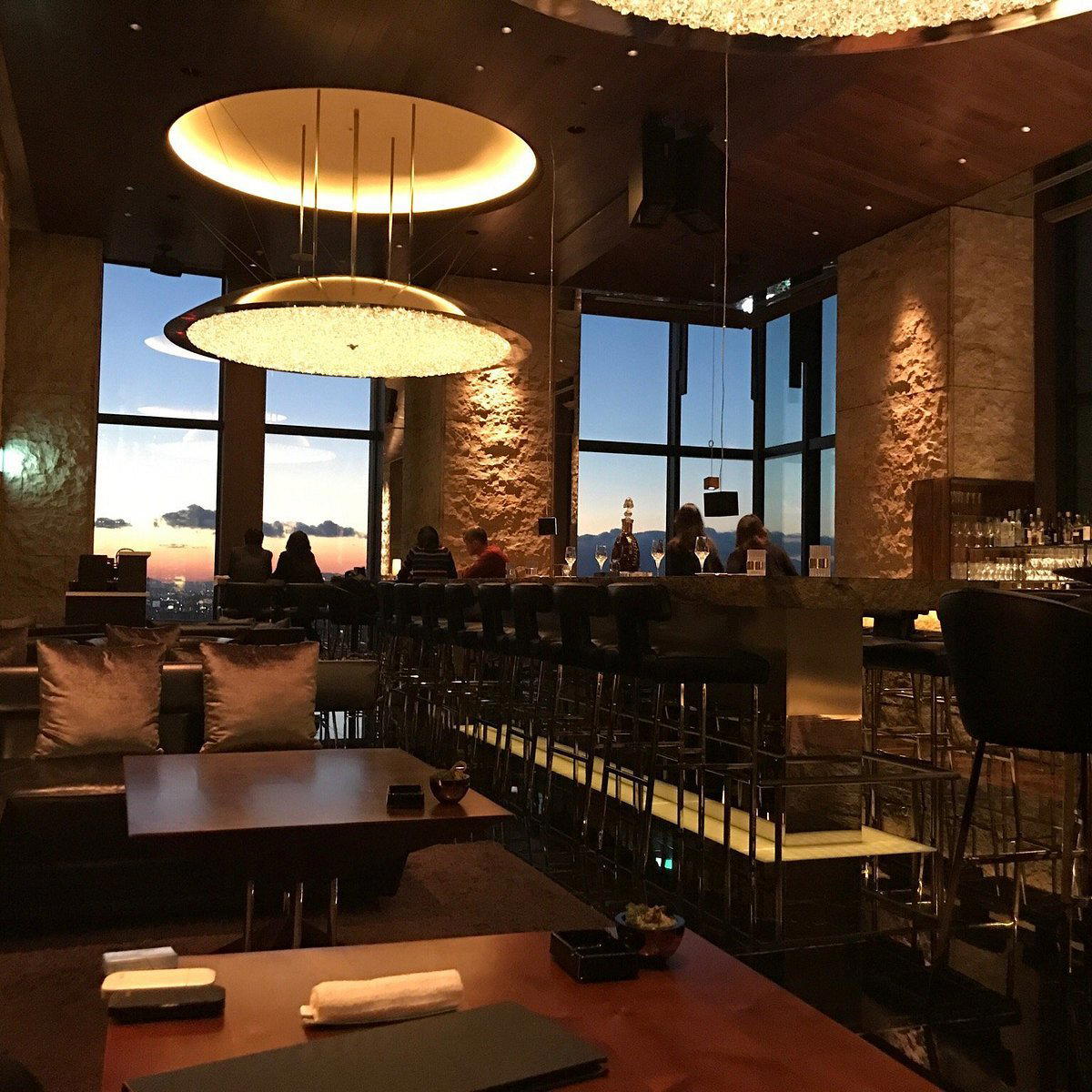
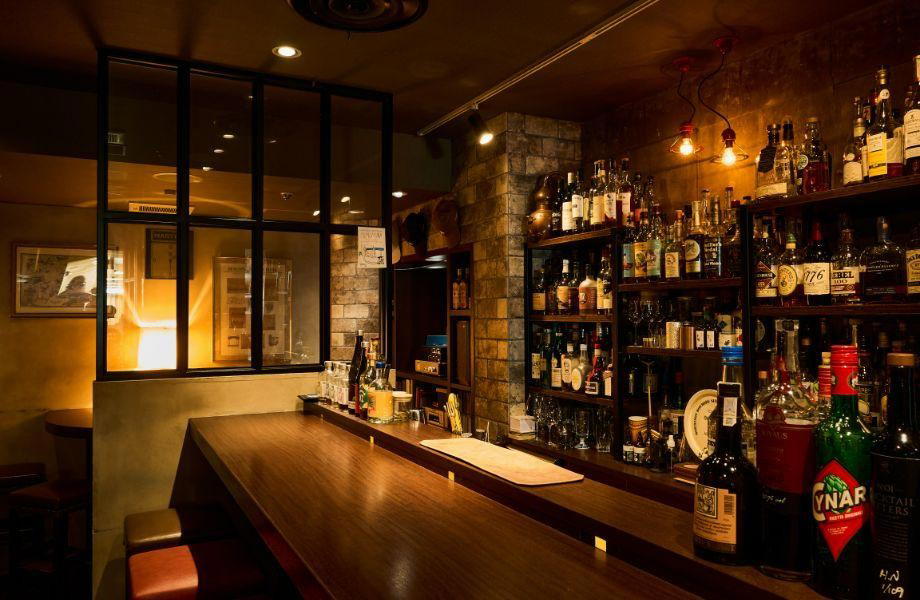
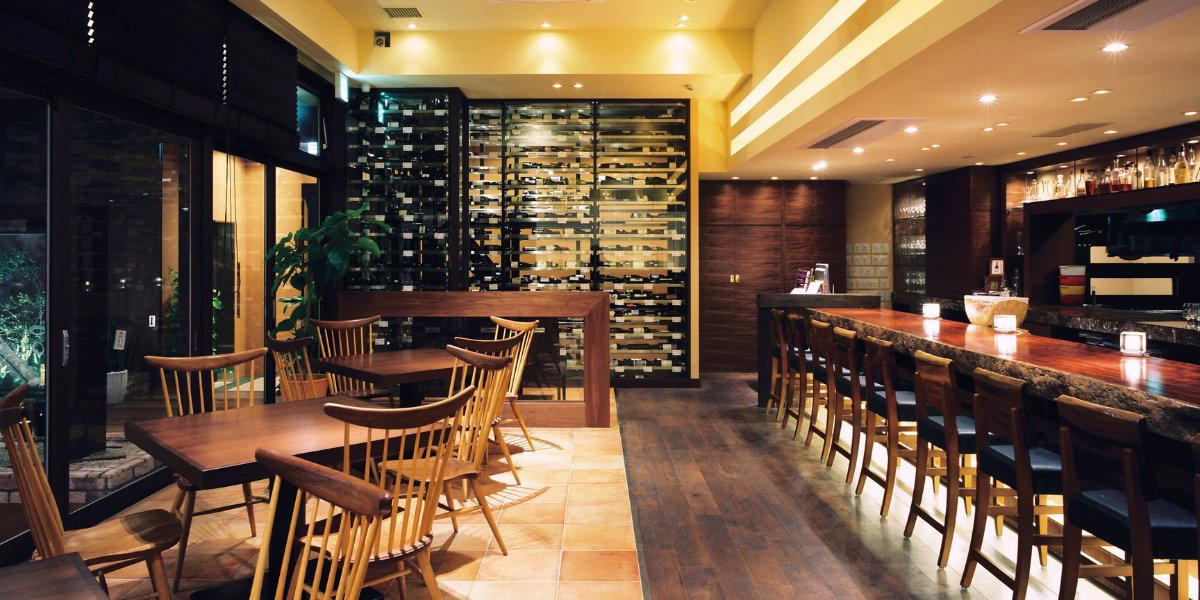
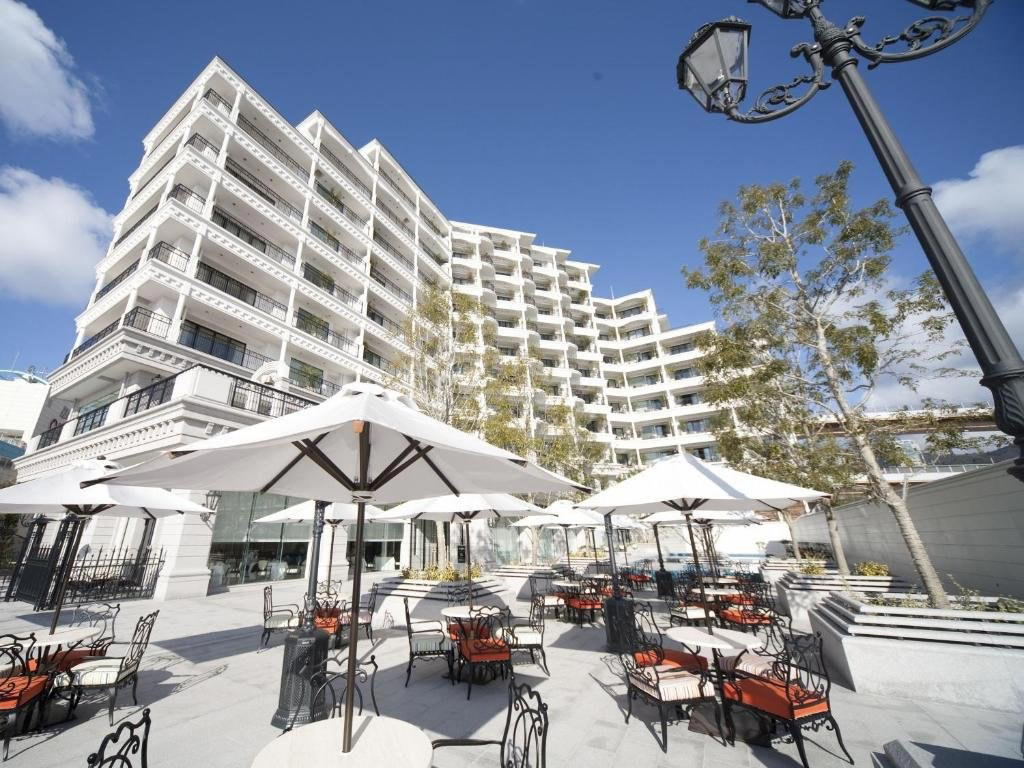
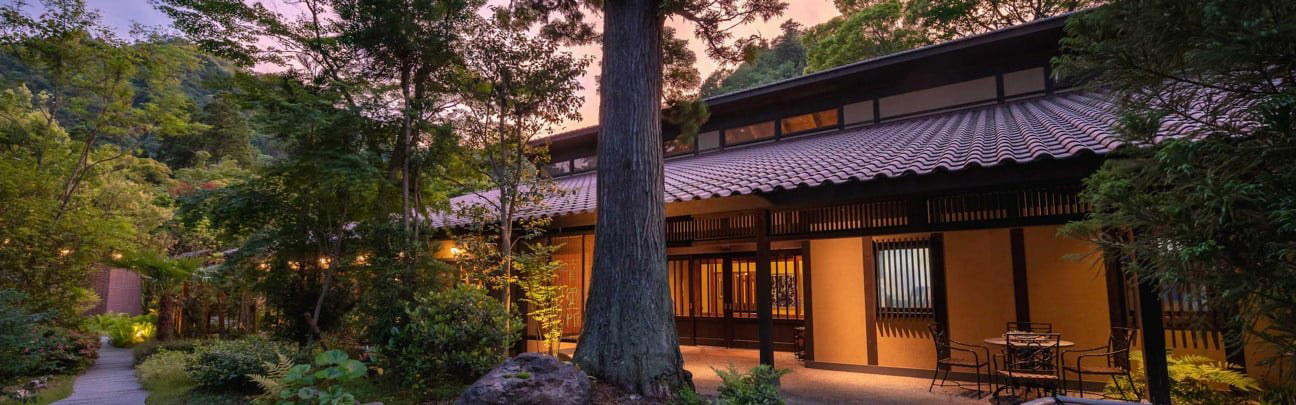
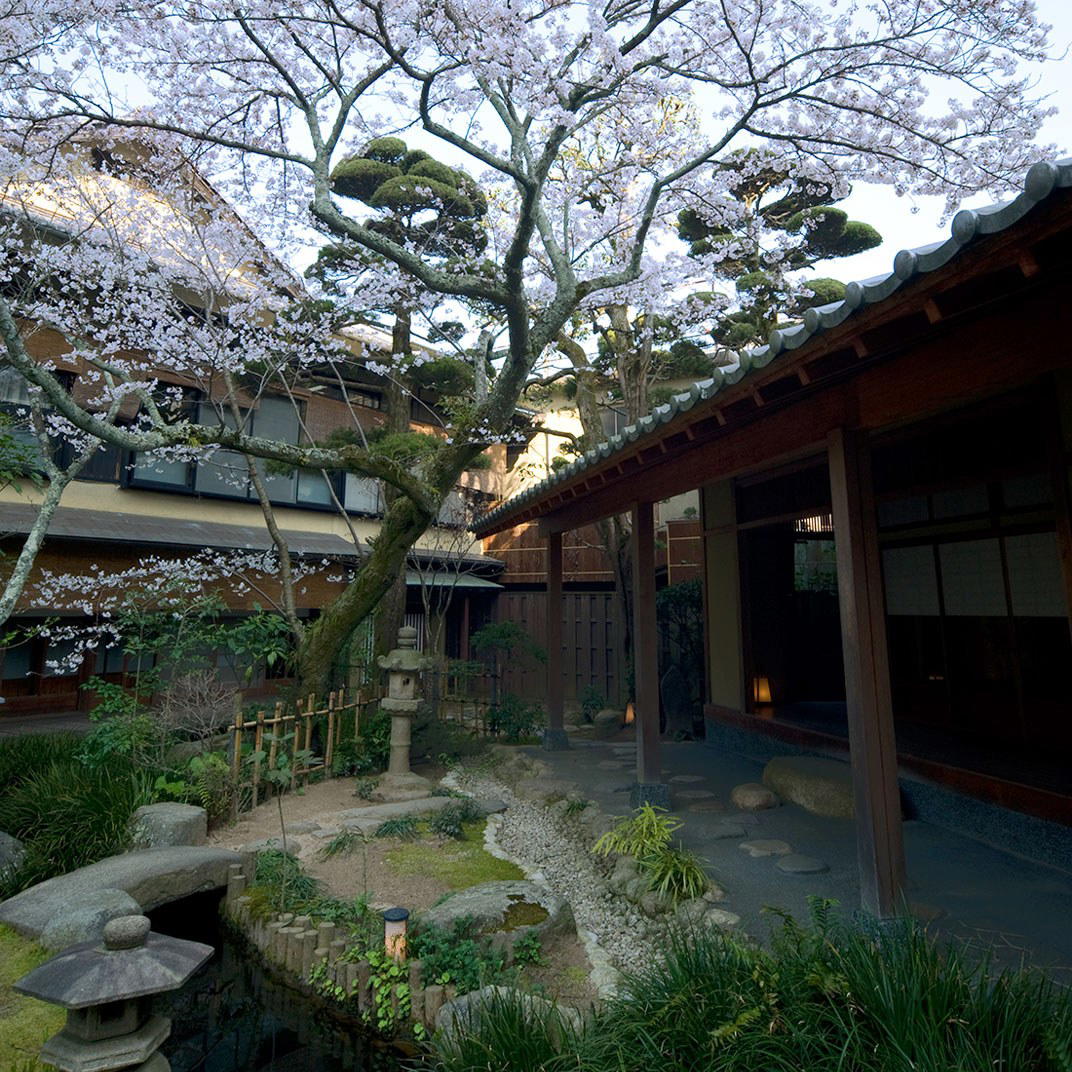
A quiet, refined fine-dining space with a stylish white-walled exterior and warm wooden interior, designed for immersive, contemplative courses that feel removed from everyday life.